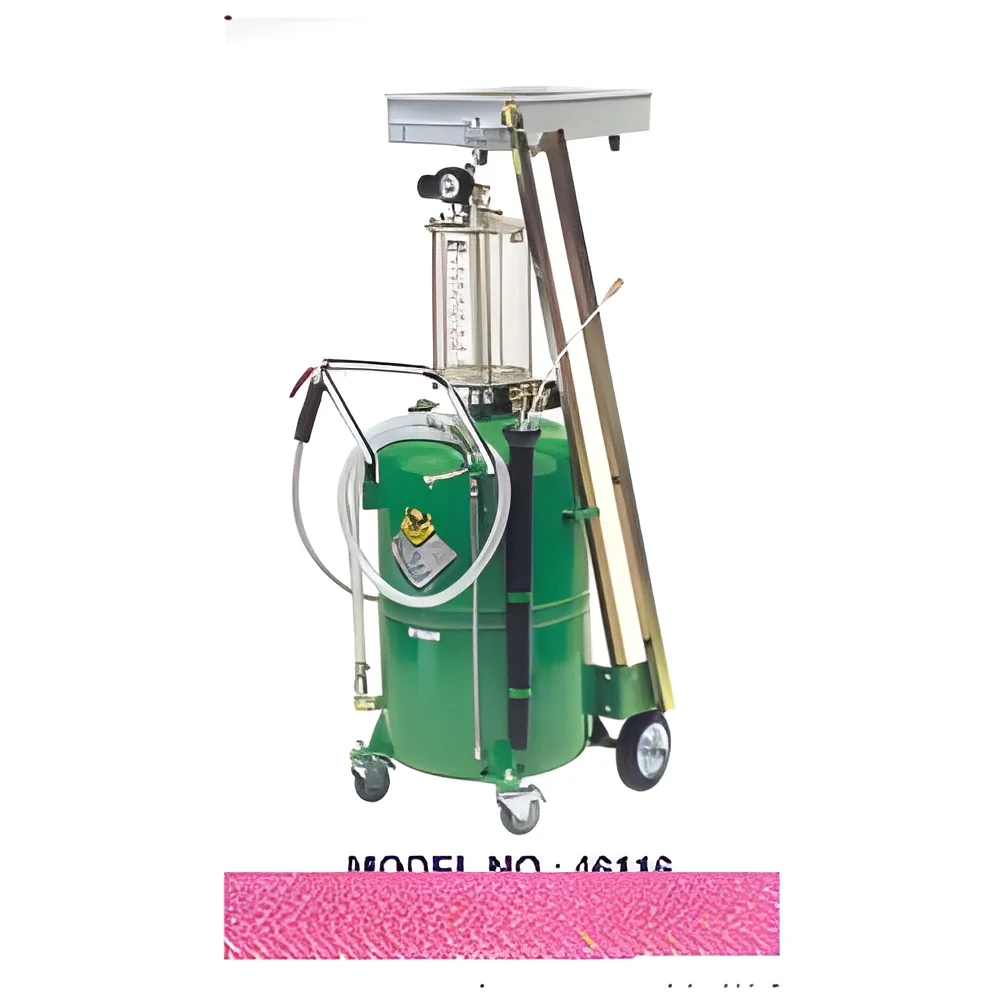
What are Oil Change Equipment?
Oil change equipment refers to the specialized tools and machinery designed for the efficient and safe replacement of motor oil in vehicles and machinery. This equipment can encompass various instruments, including oil extractors, oil drain pans, and oil filtration systems. The primary purpose of these tools is to facilitate the oil change process, ensuring that vehicles operate smoothly and efficiently while minimizing the risk of spills and environmental contamination.
The primary uses of oil change equipment are found in automotive repair shops, service stations, and industrial maintenance facilities. Businesses rely on this equipment to maintain their fleets, ensuring optimal engine performance and longevity. The relevance of oil change equipment extends across several industries, including automotive, manufacturing, and construction, where machinery and vehicles require regular maintenance. As engine technology evolves, the demand for efficient and user-friendly oil change equipment continues to rise, driving innovation in the market.
Key Features and Specifications
Oil change equipment comes with various features designed to enhance usability, safety, and efficiency. It is essential for businesses to understand these specifications when selecting the appropriate equipment for their operations.
Key specifications include:
1. Oil Extraction Capacity
- Determines the volume of oil that can be extracted in a single operation.
- Ranges typically from 5 to 50 liters.
2. Drain Pan Size
- Refers to the dimensions of the drain pan used to collect used oil.
- Common sizes range from 10 to 30 liters.
3. Material Durability
- Indicates the type of materials used in construction, affecting longevity.
- Often constructed from high-grade plastics or metals.
4. Safety Features
- Includes features such as spill containment and anti-slip surfaces.
- Essential for preventing accidents during oil changes.
5. Mobility
- Refers to whether the equipment is portable or stationary.
- Many models include wheels for easy transport.
6. Filtration System
- Indicates if the equipment has built-in filtration capabilities.
- Essential for purifying oil before reuse.
7. Operating Temperature Range
- Defines the temperature limits for effective operation.
- Data not available for specific ranges.
8. Compliance Standards
- Refers to certifications that the equipment meets safety and performance criteria.
- Commonly includes CE certification.
In summary, understanding these key specifications will help businesses select the right oil change equipment to meet their operational needs effectively.
Common Applications and Use Cases
Oil change equipment serves various industries, each with unique requirements for oil maintenance.
1. Automotive Services: Car repair shops utilize oil change equipment to provide quick and efficient oil changes for customer vehicles, enhancing service speed and quality.
2. Fleet Management: Companies managing fleets of vehicles rely on oil change equipment to maintain their vehicles, ensuring they run efficiently and reducing downtime.
3. Industrial Machinery: Factories use oil change equipment to service heavy machinery, which requires regular oil replacement to sustain optimal performance.
4. Agriculture: Farming equipment, such as tractors and harvesters, benefits from oil change equipment to maintain machinery that operates under heavy loads.
5. Construction: Construction sites utilize oil change equipment for maintaining construction vehicles and equipment, ensuring reliability in demanding environments.
6. Marine: Boats and ships require oil change equipment to maintain engine performance, especially in long-haul voyages.
7. Aviation: Aircraft maintenance teams use specialized oil change equipment to ensure aircraft engines are properly serviced, adhering to strict safety standards.
Product Variants and Subcategories
Oil change equipment is available in various forms to suit different business needs.
Portable Oil Extractors: These compact devices allow for easy oil extraction from engines without the need for extensive setup. They are ideal for mobile mechanics and workshops with limited space.
Stationary Oil Change Systems: Designed for larger service stations, these systems are fixed installations that offer high-capacity oil change capabilities, often featuring advanced filtration systems.
Vacuum Oil Change Pumps: These pumps use suction to draw oil from the engine, making the process cleaner and more efficient. They are particularly useful in environments where spills must be minimized.
Drum Oil Pumps: Typically used in industrial settings, these pumps are attached to bulk oil drums and facilitate quick oil changes for larger machinery.
Benefits and Advantages
Investing in oil change equipment offers several advantages to businesses.
1. Increased Efficiency: Streamlined oil change processes save time, allowing technicians to service more vehicles or machinery in less time.
2. Environmental Safety: Proper oil change equipment reduces spills and leaks, promoting environmentally responsible practices.
3. Cost Savings: Regular maintenance using effective oil change equipment can extend the life of engines, leading to reduced repair costs.
4. Improved Reliability: Maintaining oil levels ensures that machinery and vehicles operate smoothly, reducing the likelihood of breakdowns.
5. Enhanced Safety: Modern equipment often includes safety features that protect technicians from accidents during oil changes.
6. Compliance with Regulations: Proper oil change equipment helps businesses meet environmental and safety regulations, reducing the risk of penalties.
Buying Guide for B2B Buyers
When sourcing oil change equipment, businesses should consider several factors to ensure they select the right products for their needs.
1. Quality Assessment: It is essential to evaluate the quality of the equipment through certifications and customer reviews. Look for equipment that meets industry standards to ensure longevity and reliability.
2. Supplier Verification: Vetting suppliers is crucial to ensure they are reputable and provide quality products. Check for references, certifications, and industry experience before making a decision.
3. Pricing and MOQ: Understand the pricing structure and minimum order quantities. It is important to balance cost with quality to avoid potential issues in the future.
4. Delivery and Lead Times: Assess the logistics involved in sourcing equipment, including delivery timeframes. Ensure that suppliers can meet your operational deadlines.
5. Compliance Requirements: Review any regulatory requirements relevant to your industry. Ensure that the equipment you purchase complies with local and international standards.
Compliance and Certifications
Compliance and certifications are vital components of oil change equipment, ensuring that products meet industry standards for safety and performance.
Many oil change equipment manufacturers adhere to quality standards such as ISO 9001, which ensures consistent quality management systems. Additionally, equipment may be certified under CE marking, indicating compliance with European safety standards.
Safety and testing requirements are often enforced to ensure that the equipment is safe for use. Manufacturers might engage in rigorous testing protocols to guarantee that their products perform reliably under various conditions.
Regionally, businesses must consider compliance with local regulations regarding waste management and environmental safety. This ensures that they operate within legal frameworks and avoid potential fines or penalties.
Why Source Oil Change Equipment from Pepagora?
Pepagora provides a trusted platform for sourcing oil change equipment, offering several key advantages to businesses.
Verified Supplier Network: Pepagora connects buyers with a network of verified suppliers, ensuring that all listed vendors meet high standards of quality and reliability. This reduces the risk associated with sourcing equipment.
Streamlined RFQ Process: The request for quotation (RFQ) system simplifies the buying process, allowing businesses to easily compare multiple suppliers and their offerings. This efficiency saves time and enhances decision-making.
Trade Assurance and Support: Buyers benefit from trade assurance policies that protect their purchases. Pepagora offers support throughout the buying process, ensuring that any issues are promptly addressed.
Regional Coverage: With a strong presence in India, the GCC, and Southeast Asia, Pepagora provides extensive geographic reach. This allows businesses to source equipment locally while accessing a broader range of products and suppliers.
By choosing Pepagora, businesses can confidently procure oil change equipment that meets their operational requirements while ensuring quality and compliance.

 IN
IN