
 IN
Women's Dupattas
3 products available
What are Women's Dupattas?
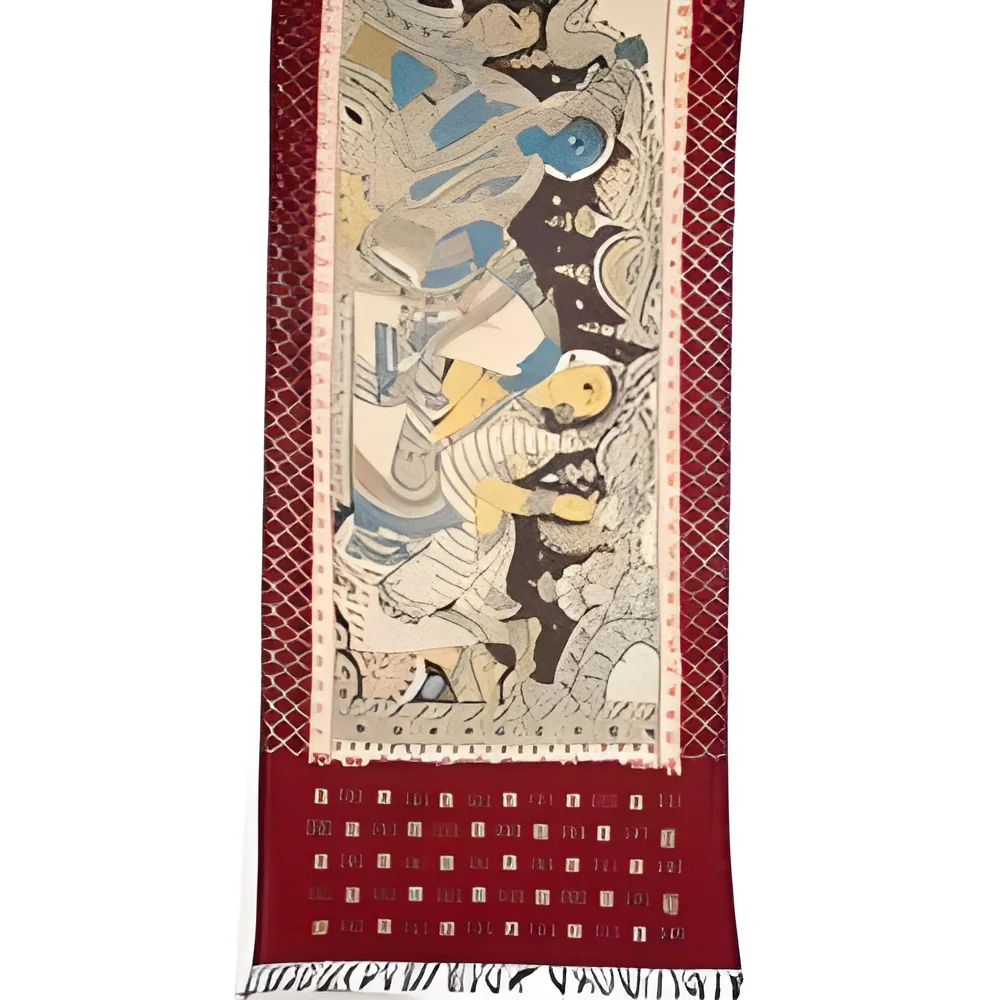
Women's dupattas are traditional garments commonly worn in South Asian culture, particularly in India and Pakistan. They are long, lightweight scarves that are typically draped over the shoulders or heads. Dupattas serve both functional and decorative purposes, enhancing the overall outfit while also offering a degree of modesty. Made from a variety of fabrics such as cotton, silk, and chiffon, dupattas come in numerous colors and designs, making them versatile accessories for various occasions.
In business applications, dupattas are often used in the textile and fashion industries. They are popular in ethnic wear collections, bridal attire, and everyday clothing. Retailers and wholesalers frequently stock a wide range of dupattas to cater to different consumer preferences. As the demand for traditional and ethnic wear continues to grow, the market for dupattas remains robust, with opportunities for manufacturers and suppliers to innovate and expand their offerings.
The relevance of women's dupattas extends beyond cultural significance. They are a staple in many markets, with increasing interest in sustainable and ethically produced textiles. As global fashion trends evolve, there is a rising demand for unique designs and high-quality materials, providing ample opportunities for businesses to thrive in this sector.
Key Features and Specifications
Women's dupattas are characterized by their variety in design, fabric, and application. The key features of dupattas make them suitable for different occasions and consumer preferences.
Key specifications include:
1. Fabric Type
- Dupattas are made from various materials including cotton, silk, chiffon, and georgette.
- Each fabric type offers different levels of breathability, drape, and texture.
2. Length and Width
- Standard dupattas typically range from 2 to 3 meters in length and about 1 meter in width.
- Custom sizes can be provided based on client specifications.
3. Design Patterns
- Dupattas feature a wide range of designs including embroidered, printed, and plain options.
- Custom design services may be available for bulk orders.
4. Color Variations
- Available in a spectrum of colors to match diverse outfits and preferences.
- Seasonal collections may feature specific color trends.
5. Weight
- The weight of dupattas varies depending on the fabric, generally ranging from lightweight to medium weight.
- Lighter fabrics are preferred for warm weather, while heavier options may be used in cooler seasons.
6. Care Instructions
- Dupattas may require specific care based on fabric, such as dry cleaning or hand wash.
- Care labels are often included with products.
7. Customization Options
- Some suppliers offer customization in terms of size, color, and design to meet client needs.
- Custom orders typically have minimum quantity requirements.
Dupattas are not only functional but also serve as a reflection of artistic craftsmanship, making them a valuable product in the textile market.
Common Applications and Use Cases
Women's dupattas are utilized across various industries, showcasing their versatility and cultural importance.
1. Fashion Retail: Retailers stock dupattas as essential accessories for ethnic wear, catering to both traditional and modern aesthetics.
2. Bridal Wear: Dupattas are integral to bridal attire, often chosen for their elaborate designs and luxurious fabrics to enhance the overall bridal look.
3. Cultural Events: Many cultural events and festivals feature dupattas as part of traditional outfits, making them popular among attendees.
4. Export and Wholesale: Dupattas are widely exported to international markets, where they are sold wholesale to boutiques and online retailers.
5. Customized Fashion: Designers often incorporate dupattas into custom outfits, allowing for unique combinations that cater to individual tastes.
6. Ethnic Clothing Lines: Many fashion brands focus on ethnic collections that prominently feature dupattas, appealing to consumers seeking cultural wear.
7. Promotional Events: Dupattas can also be used as promotional items, often customized with logos for branding purposes during cultural events.
Product Variants and Subcategories
Women's dupattas come in a range of variants that cater to different market demands and consumer preferences.
Chiffon Dupatta
Chiffon dupattas are lightweight and flowy, making them ideal for warm weather. They are often embellished with embroidery and sequins, adding a touch of elegance to any outfit.
Silk Dupatta
Silk dupattas offer a luxurious feel and are frequently used for formal occasions and weddings. They are known for their rich colors and intricate designs, making them a popular choice among brides.
Cotton Dupatta
Cotton dupattas are breathable and comfortable, suitable for everyday wear. They are often printed with vibrant patterns and are easy to maintain, making them a practical choice for casual attire.
Embroidered Dupatta
Embroidered dupattas feature intricate stitching and embellishments, often used for festive occasions. These dupattas add a layer of sophistication and can elevate any outfit.
Georgette Dupatta
Georgette dupattas are slightly heavier than chiffon but still lightweight. They drape beautifully and are often used in both casual and formal wear, providing versatility in styling.
Benefits and Advantages
Women's dupattas offer numerous advantages that make them appealing to consumers and businesses alike.
1. Versatility: Dupattas can be styled in various ways, making them suitable for multiple occasions, from casual outings to formal events.
2. Cultural Significance: They hold cultural importance in many societies, allowing wearers to express their heritage and identity.
3. Variety: With a wide range of fabrics, colors, and designs available, dupattas cater to diverse consumer preferences.
4. Easy to Pair: Dupattas can effortlessly enhance an outfit, providing a quick way to elevate a look without the need for extensive accessories.
5. Comfort: Made from breathable materials, dupattas offer comfort, especially in warmer climates.
6. Customization: Many suppliers offer customization options, allowing businesses to cater to specific market needs and trends.
Buying Guide for B2B Buyers
When sourcing women's dupattas, it is essential for B2B buyers to consider several critical factors.
1. Quality Assessment: Evaluate the quality of fabrics and stitching. Ensure that the dupattas meet durability standards to withstand regular use.
2. Supplier Verification: Vet suppliers for reliability and reputation. Check for customer reviews and past performance to ensure consistent quality.
3. Pricing and MOQ: Understand the pricing structure and minimum order quantities. This helps in budgeting and ensures that you can meet market demand.
4. Delivery and Lead Times: Discuss logistics and delivery timelines with suppliers. Timely delivery is crucial to maintain inventory levels and meet customer expectations.
5. Compliance Requirements: Ensure that the dupattas meet any relevant regulatory standards, especially if exporting to international markets.
Compliance and Certifications
Compliance with quality standards and certifications is vital in the textile industry, including for women's dupattas.
Relevant quality standards such as ISO 9001 can help ensure that products meet consistent quality benchmarks. This certification indicates that the supplier follows effective quality management practices.
Industry certifications like CE are important for products sold in certain markets. This certification demonstrates that the dupattas meet health, safety, and environmental protection standards.
Safety and testing requirements may include fabric testing for harmful substances, ensuring that products are safe for consumers to wear.
Additionally, regional compliance considerations may vary based on local regulations. It is crucial for suppliers to stay informed about such requirements to avoid legal issues.
Why Source Women's Dupattas from Pepagora?
Pepagora provides a trusted platform for sourcing women's dupattas, offering several key advantages to buyers.
Verified Supplier Network: Pepagora ensures that all suppliers are thoroughly vetted for quality and reliability. This gives buyers confidence in their purchasing decisions.
Streamlined RFQ Process: The platform simplifies the request for quotation process, allowing buyers to receive competitive quotes from multiple suppliers efficiently.
Trade Assurance and Support: Pepagora offers buyer protection measures, ensuring that transactions are secure and that any issues can be resolved promptly.
Regional Coverage: With a strong presence in India and reach into the GCC and Southeast Asia, Pepagora connects buyers with suppliers across diverse markets, enhancing sourcing opportunities.



Frequently Asked Questions
What are Women's Dupattas?
<p>Women's dupattas are long, flowing scarves or shawls traditionally worn by women in South Asia. They are often used as an accessory to enhance the overall look of an outfit, providing both style and modesty.</p>
What are the different types of Women's Dupattas?
<p>There are several types of women's dupattas, including chiffon, silk, cotton, and georgette dupattas, each offering a unique texture and drape. Additionally, they may come in various styles such as embroidered, printed, or embellished with lace and mirrors.</p>
How do I choose the right Women's Dupattas?
<p>Choosing the right women's dupatta depends on the occasion, season, and outfit. Consider factors such as fabric, color coordination, and the level of embellishment that complements your attire while ensuring comfort and style.</p>
What are the standard specifications for Women's Dupattas?
<p>Standard specifications for women's dupattas include dimensions typically ranging from 2 to 3 meters in length and 1 meter in width. Fabric quality, colorfastness, and stitching techniques are also important specifications to consider when evaluating dupattas.</p>
What is the price range for Women's Dupattas?
<p>The price range for women's dupattas can vary widely based on the fabric, design, and brand, typically starting from ₹200 and going up to ₹5,000 or more for high-end or designer pieces. Bulk purchases may also offer discounted rates.</p>
What quality standards apply to Women's Dupattas?
<p>Quality standards for women's dupattas often include durability, fabric quality, and craftsmanship. Manufacturers may adhere to specific industry standards to ensure that the dupattas are free of defects and meet consumer expectations.</p>
Where can I find Women's Dupattas suppliers in India?
<p>You can find women's dupatta suppliers in India through online B2B marketplaces such as Pepagora, trade shows, or local textile markets. It is advisable to check supplier reviews and product samples before placing orders.</p>
Can Women's Dupattas be customized?
<p>Yes, women's dupattas can often be customized in terms of fabric, size, color, and design. Many manufacturers and suppliers offer customization options to cater to specific client needs or branding requirements.</p>
What is the typical minimum order quantity for Women's Dupattas?
<p>The typical minimum order quantity (MOQ) for women's dupattas can vary among suppliers, but it usually ranges from 50 to 100 pieces. It is recommended to inquire directly with the supplier for their specific MOQ policies.</p>
What is the typical lead time for Women's Dupattas?
<p>The typical lead time for women's dupattas can range from 2 to 4 weeks, depending on the supplier, order quantity, and customization requirements. It is advisable to confirm the lead time during the ordering process to ensure timely delivery.</p>
Why Businesses Trust Pepagora
Thousands of companies trust Pepagora to source smarter and sell faster
Expand Your Sales Globally

Source Smarter,Grow Faster
