What are Women's Scarves?
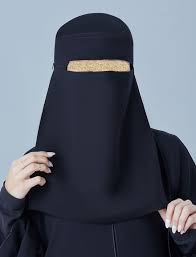
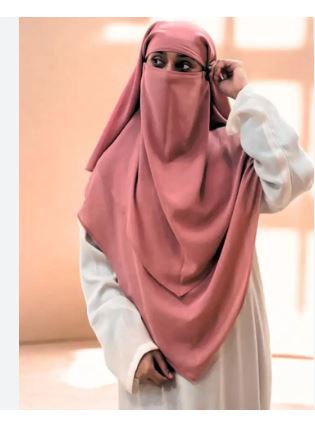
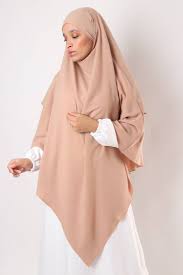
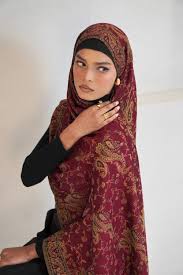
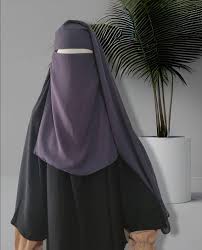
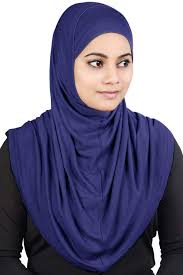
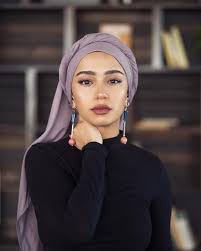
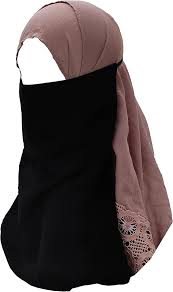
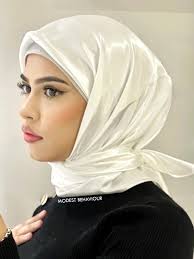
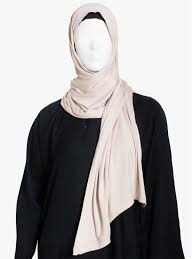
Women's scarves are versatile accessories made from various materials, designed to be worn around the neck, head, or shoulders. They come in a wide range of styles, sizes, and colors, catering to different fashion preferences and functional needs. Scarves can be made of materials such as cotton, silk, wool, or synthetic fibers, each offering unique benefits and aesthetics. The design can vary from simple solid colors to intricate patterns, allowing users to express their individual style.
In the B2B context, women's scarves serve multiple purposes. They are commonly used in the fashion industry, retail stores, and promotional events. Scarves can enhance an outfit, provide warmth in cooler weather, or serve as a branding tool for businesses looking to promote their logo through custom designs. The market for women's scarves is significant, driven by trends in fashion and consumer demand for stylish yet functional accessories.
As the fashion industry evolves, the relevance of women's scarves continues to grow. Companies are increasingly focusing on sustainability and ethical production methods, impacting the supply chain and sourcing practices. This shift highlights the need for B2B buyers to align with suppliers that prioritize quality and responsible manufacturing.
Key Features and Specifications
Women's scarves come with a variety of features and specifications that cater to different needs and preferences. Understanding these specifications is essential for making informed purchasing decisions.
Key specifications include:
1. Material Composition
- Scarves can be made from natural fibers like silk and cotton or synthetic materials like polyester.
- Each material offers different benefits in terms of comfort, durability, and care requirements.
2. Size and Dimensions
- Standard sizes typically range from 60 to 90 inches in length and 20 to 30 inches in width.
- Custom sizes may also be available based on client needs.
3. Weight
- The weight of scarves can vary, with lightweight options suitable for warmer climates and heavier options providing warmth during colder months.
- Weight typically ranges from 50 to 300 grams.
4. Design Patterns
- Scarves are available in numerous designs, including solid colors, prints, and textures.
- Custom designs can be created for branding purposes.
5. Care Instructions
- Care requirements vary by material, with some scarves being machine washable and others requiring dry cleaning.
- Proper care ensures longevity and maintains the scarf's appearance.
6. Seasonal Availability
- Some scarves are designed specifically for certain seasons, such as lightweight options for summer and thicker scarves for winter.
- Seasonal trends often influence styles and materials.
7. Color Options
- A wide array of colors is available to match current fashion trends and consumer preferences.
- Custom color matching may be possible for bulk orders.
8. Certifications
- Many scarves come with certifications like CE, ensuring compliance with safety and quality standards.
- Certification might be relevant for specific markets.
These specifications help buyers understand the product better and make informed decisions that align with their business needs.
Common Applications and Use Cases
Women's scarves have diverse applications across various industries, making them a valuable product for businesses.
1. Fashion Retail: In fashion retail, scarves are essential accessories that enhance clothing lines and attract customers. They can be used in displays or as promotional items.
2. Hospitality: Hotels and resorts often use scarves in their uniforms or as part of guest amenities, providing a touch of elegance and personalization.
3. Promotional Marketing: Businesses frequently use custom scarves as promotional giveaways to increase brand visibility during events or trade shows.
4. E-commerce: Online retailers specialize in selling scarves, offering a wide variety of styles and materials to reach a global audience.
5. Gift Market: Scarves are popular gifts for various occasions, making them a staple in gift shops and seasonal markets.
6. Costume and Theatrical Productions: Scarves are frequently used in costumes for performances, adding character and flair to the overall presentation.
7. Craft and DIY: Some businesses focus on selling scarf materials for crafting, catering to hobbyists looking to create custom pieces.
Product Variants and Subcategories
Women's scarves exhibit a broad range of variants, allowing businesses to cater to different consumer preferences and applications.
Lightweight Scarves: These scarves are made from breathable materials and are ideal for warmer weather. They often feature vibrant patterns and colors, making them perfect for casual outings or beach days.
Winter Scarves: Crafted from thicker materials like wool or fleece, winter scarves provide warmth during cold seasons. They come in various styles, including knitted and oversized designs, suitable for outdoor activities.
Fashion Scarves: These scarves emphasize style and design, often featuring the latest trends in patterns and colors. They are commonly used to complement outfits for formal occasions or fashion-forward looks.
Pashmina Scarves: Made from fine cashmere wool, pashmina scarves are luxurious and soft. They are versatile for both casual and formal wear, adding elegance to any ensemble.
Benefits and Advantages
Women's scarves present numerous benefits for both consumers and businesses alike.
1. Versatility: Scarves can be styled in various ways, making them suitable for different occasions, from casual outings to formal events.
2. Fashion Statement: They serve as a fashionable accessory that can instantly elevate an outfit, appealing to style-conscious consumers.
3. Seasonal Adaptability: Scarves are available in various materials and weights, allowing them to be worn across different seasons and climates.
4. Easy Branding: Custom scarves provide an effective way for businesses to promote their brand, offering a practical item that customers can use regularly.
5. Gift Potential: Scarves are popular gifts, making them ideal for businesses targeting the gift market or seasonal promotions.
6. Low Inventory Risk: Due to their wide appeal, scarves often experience consistent demand, reducing the risk of excess inventory for retailers.
Buying Guide for B2B Buyers
When sourcing women's scarves, several factors should be considered to ensure optimal purchasing decisions.
1. Quality Assessment: Evaluate the quality of materials and craftsmanship. Look for scarves that are well-made, with attention to detail in stitching and finishing.
2. Supplier Verification: Vet suppliers to ensure they have a good reputation in the industry. Check for reviews, certifications, and previous client experiences.
3. Pricing and MOQ: Understand the pricing structure and minimum order quantities. This helps in budgeting and planning for inventory requirements.
4. Delivery and Lead Times: Discuss delivery timelines with suppliers to ensure they can meet your business needs, especially during peak seasons.
5. Compliance Requirements: Be aware of any regulatory standards that scarves must meet, especially if exporting to international markets.
Compliance and Certifications
Compliance and certifications play a crucial role in sourcing women's scarves, ensuring they meet safety and quality standards.
One relevant standard is ISO 9001, which focuses on quality management systems. Suppliers adhering to this standard demonstrate their commitment to consistent quality and customer satisfaction.
Another important certification to consider is CE, which indicates that products meet European safety and environmental requirements. This is particularly relevant for businesses exporting scarves to the European market.
Safety and testing requirements are also essential to ensure that scarves are free from harmful substances. This includes compliance with regulations governing textile safety.
Lastly, regional compliance considerations may apply, particularly when sourcing from different countries. Understanding these requirements can help businesses navigate international trade effectively.
Why Source Women's Scarves from Pepagora?
Pepagora provides a trusted platform for sourcing women's scarves, offering several key advantages to B2B buyers.
Verified Supplier Network: Pepagora has a rigorous vetting process for suppliers, ensuring that businesses can connect with reliable manufacturers. This reduces the risks associated with sourcing products.
Streamlined RFQ Process: The request for quotation process on Pepagora is designed to be efficient, allowing buyers to receive competitive quotes quickly. This saves time and helps in making informed purchasing decisions.
Trade Assurance and Support: Pepagora offers trade assurance, providing buyers with protection throughout the transaction process. This includes support for disputes and ensuring that suppliers fulfill their commitments.
Regional Coverage: With a strong presence in markets like India, the GCC, and Southeast Asia, Pepagora enables businesses to access a diverse range of suppliers and products, making it easier to find the right scarves for their needs.
By sourcing from Pepagora, businesses can enhance their product offerings while ensuring quality, reliability, and competitive pricing.

 IN
IN