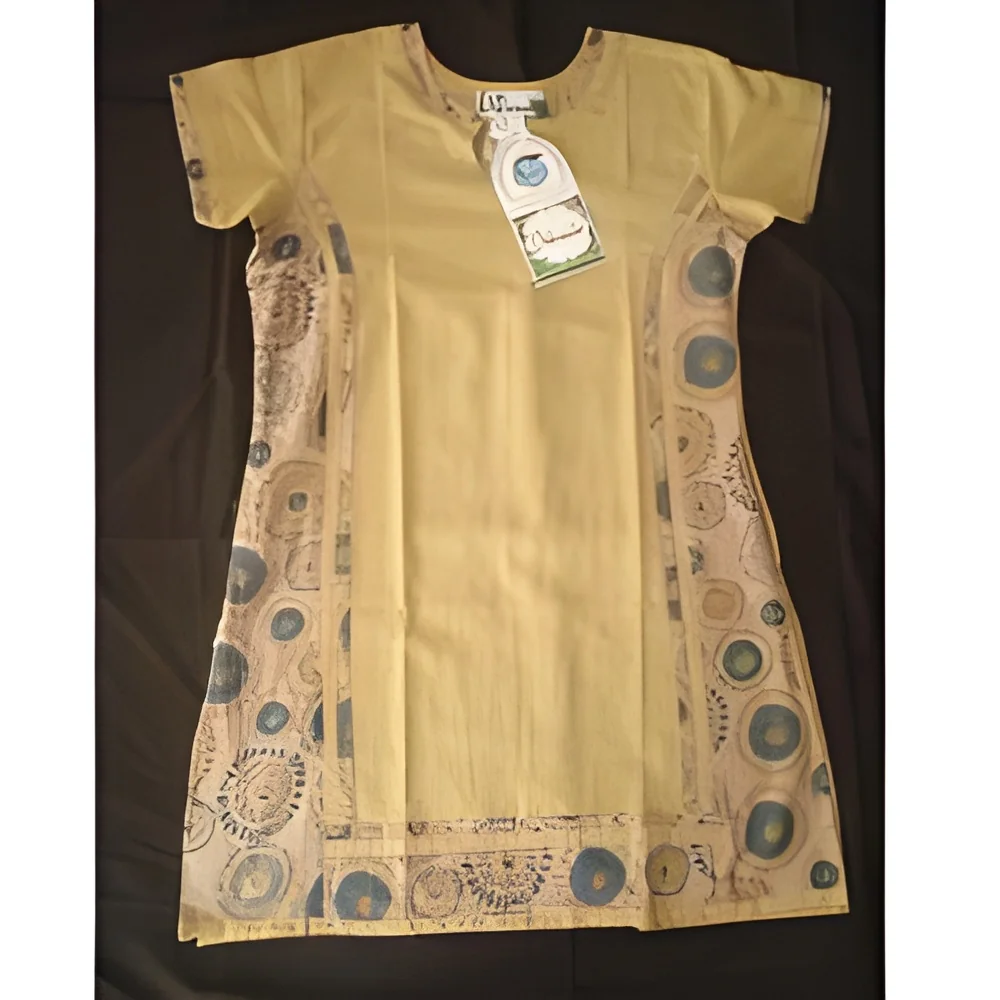
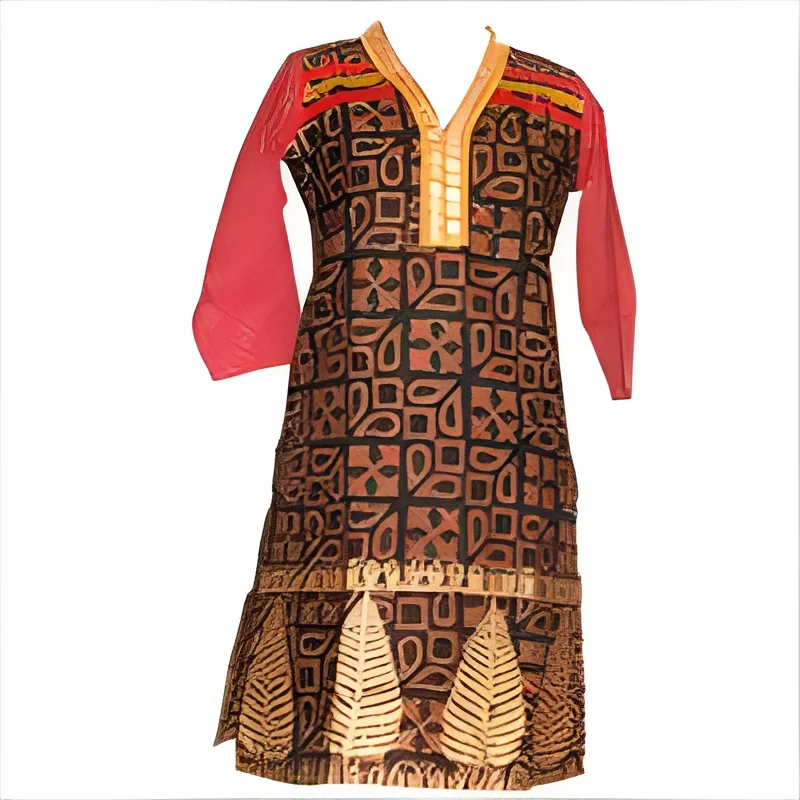
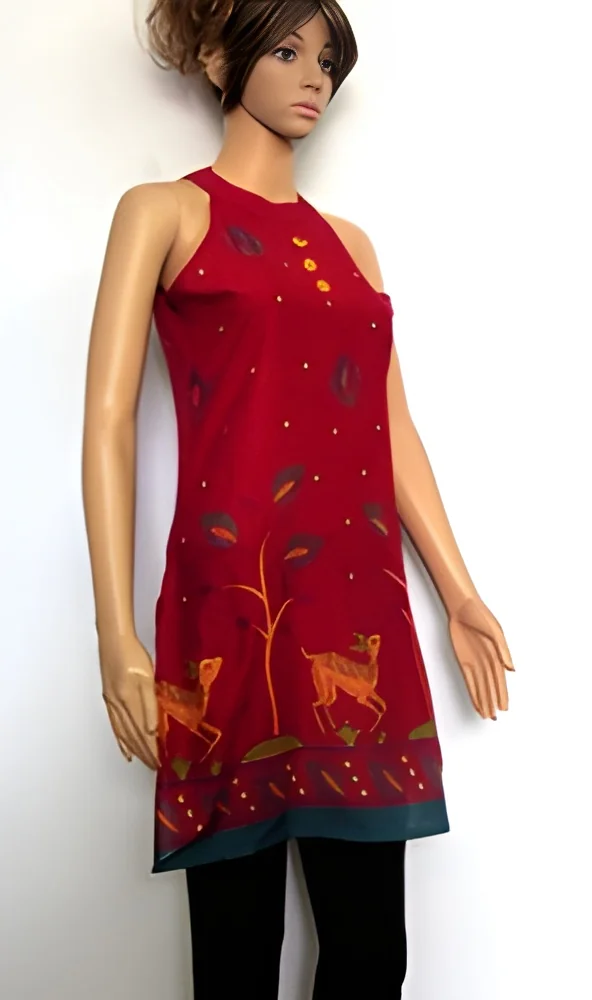
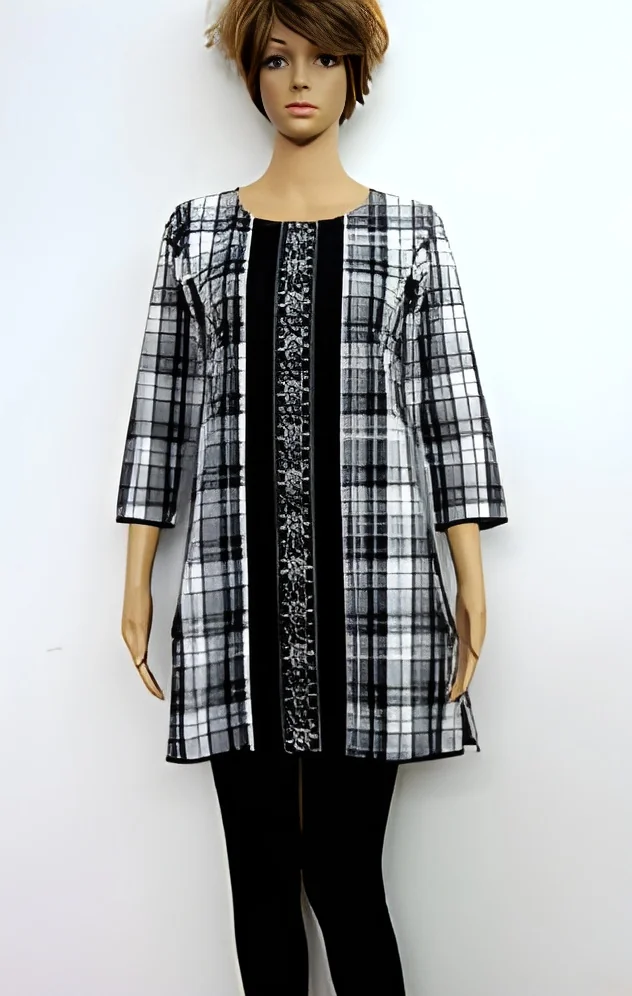
What are Women's Kurtis?
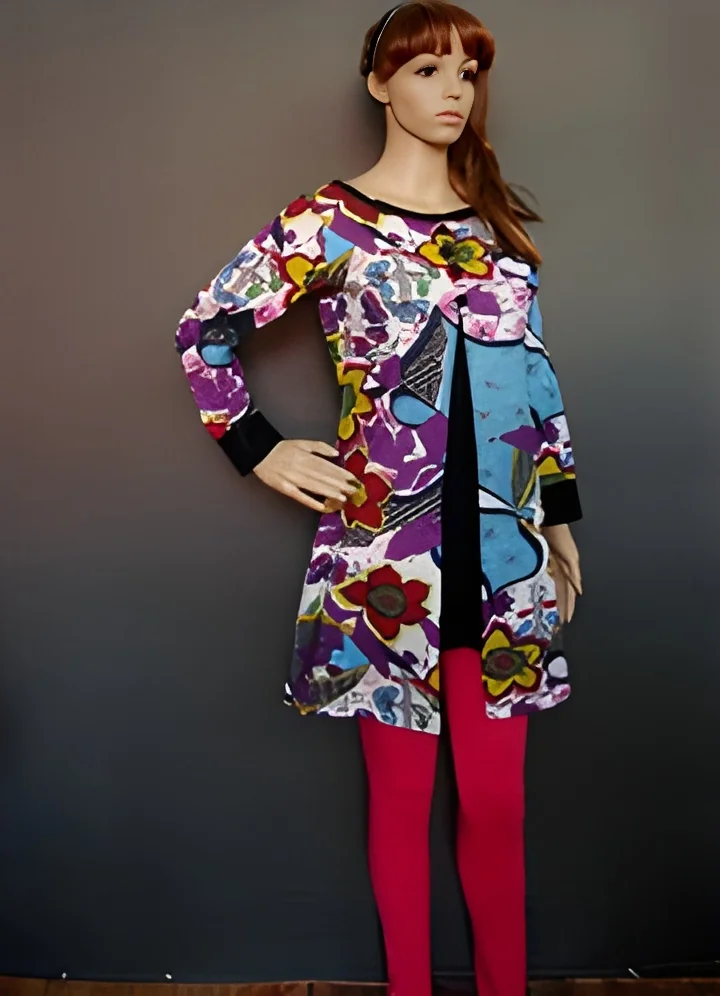
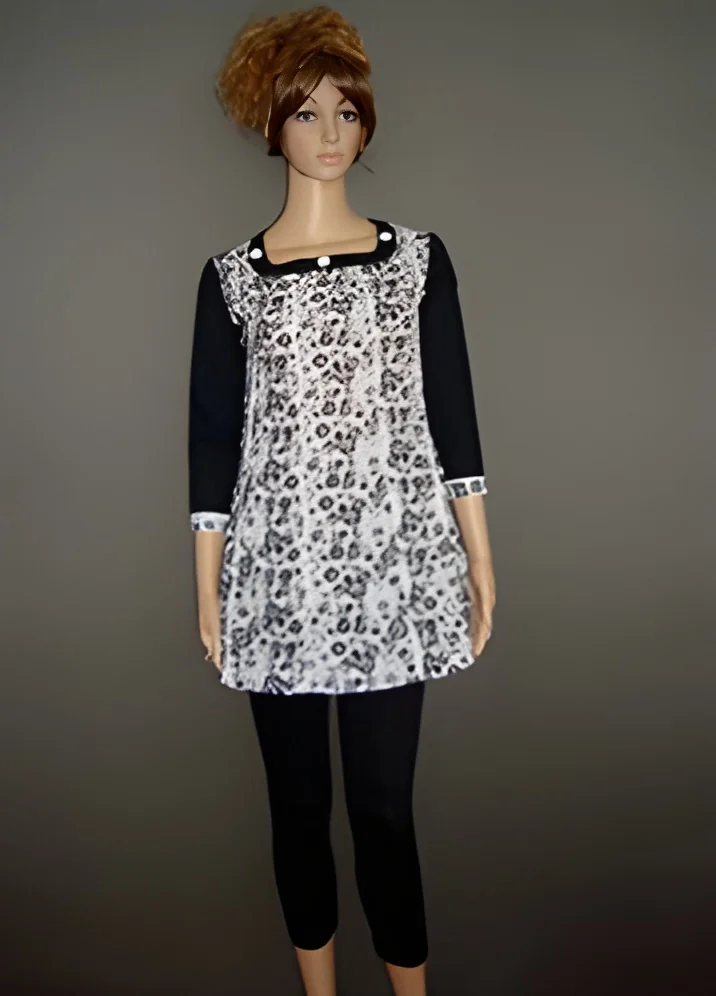
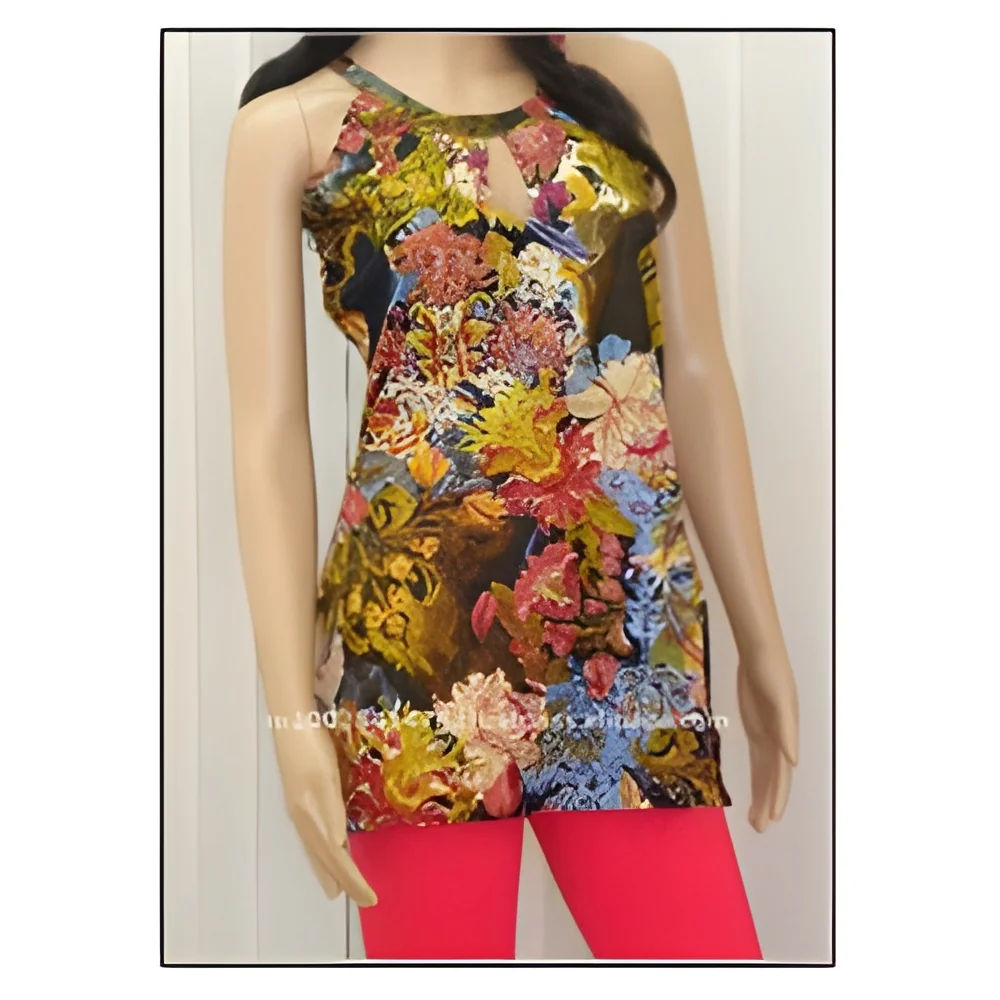
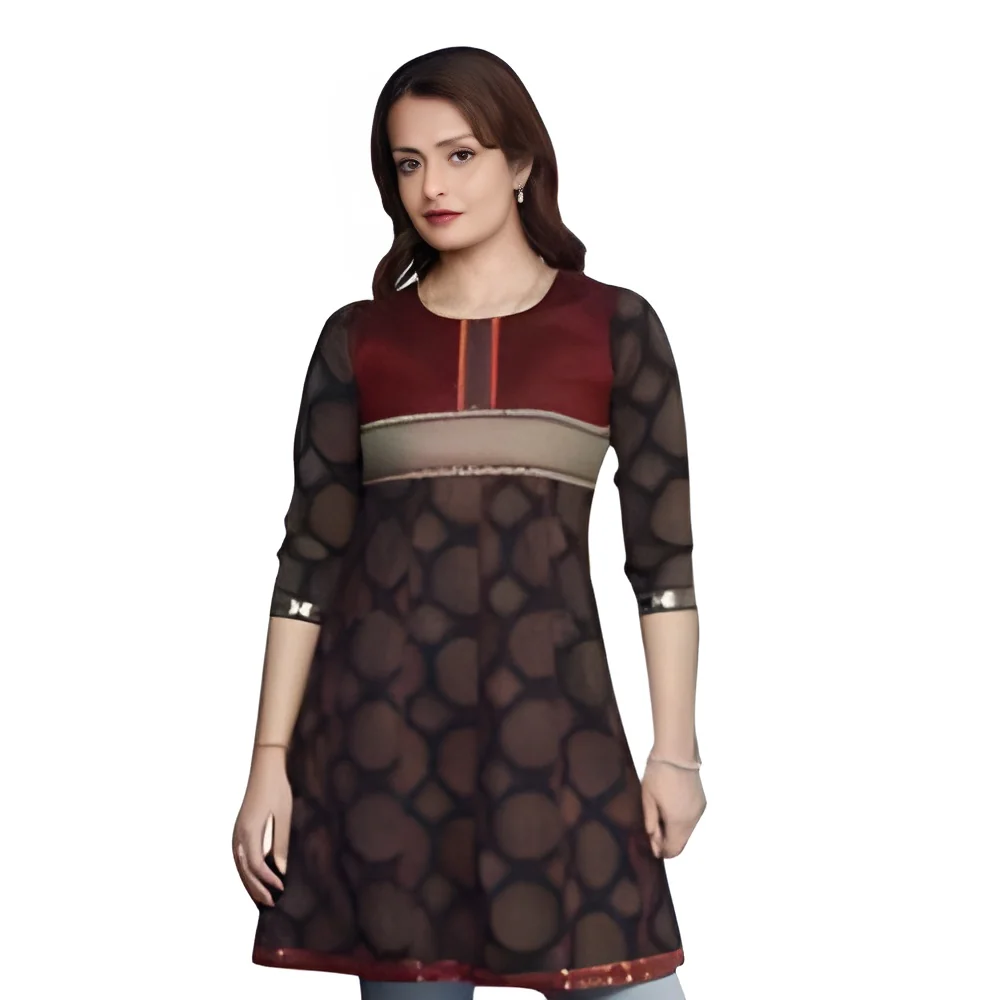
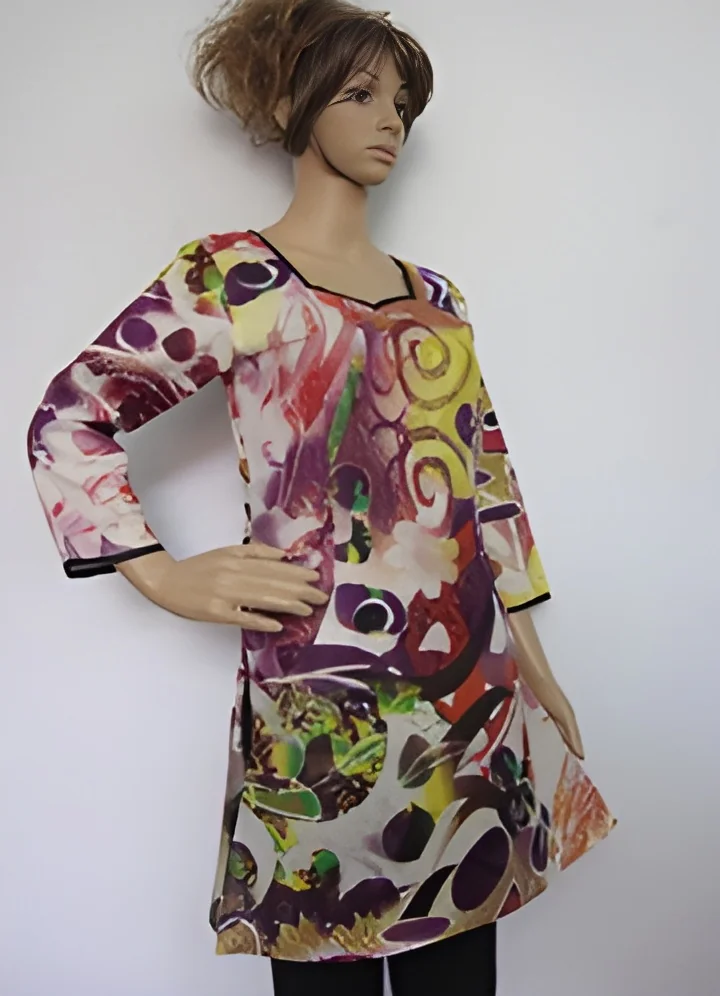
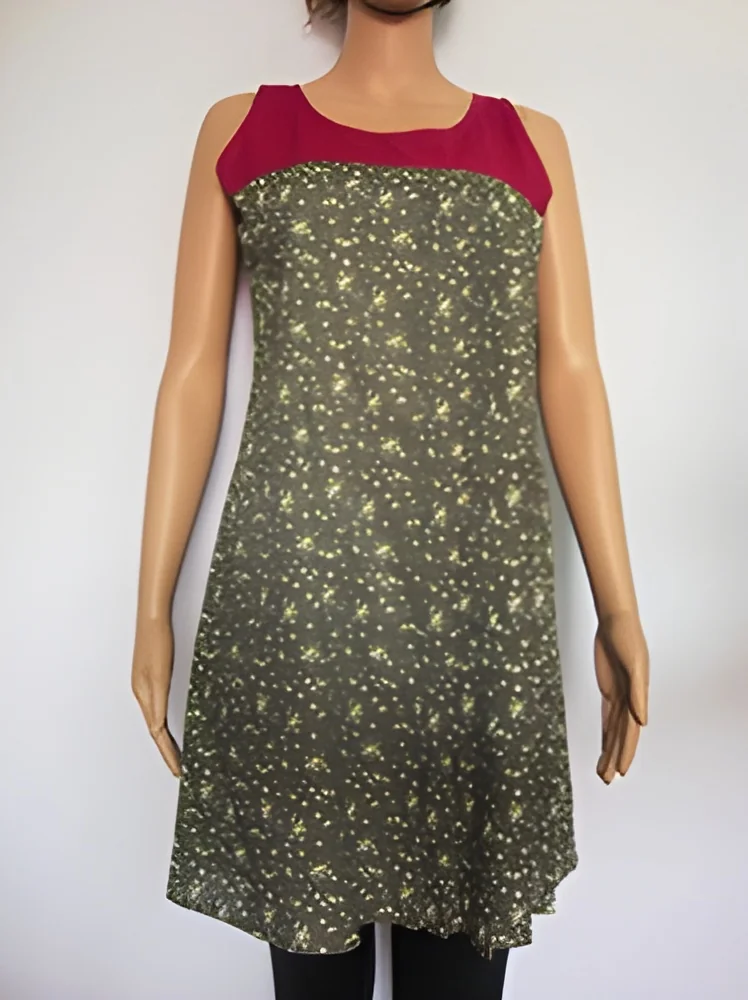
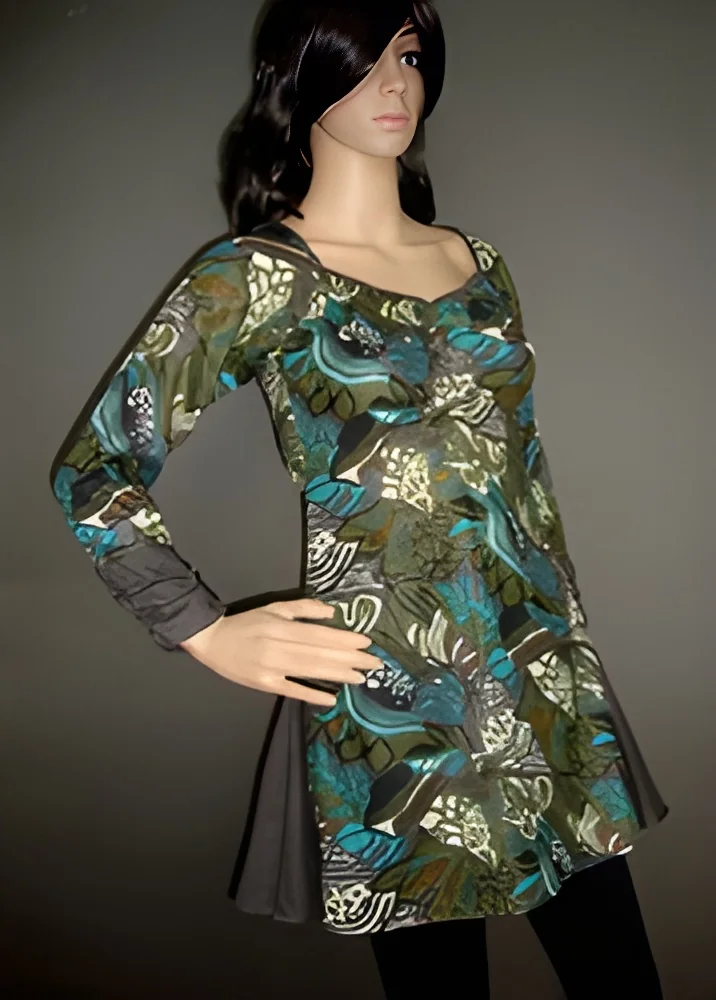
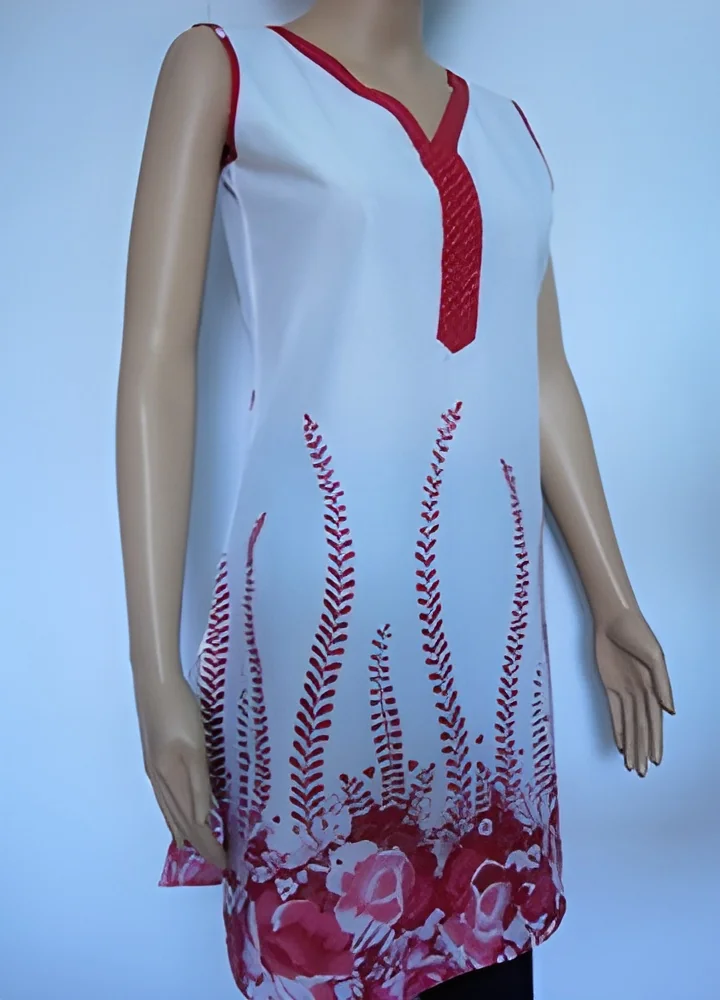
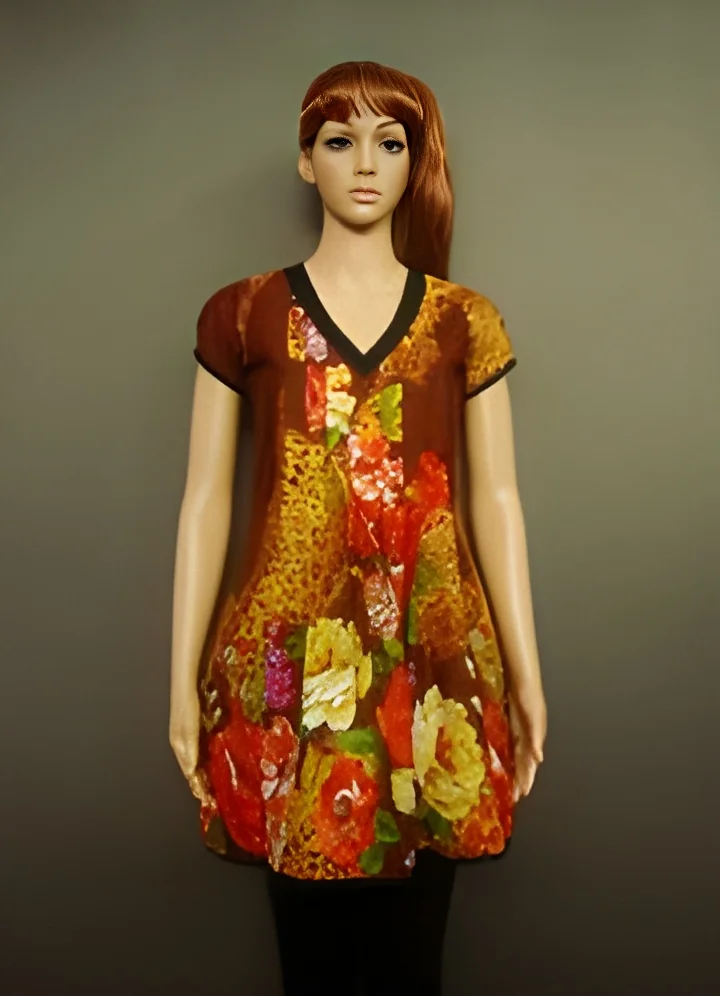
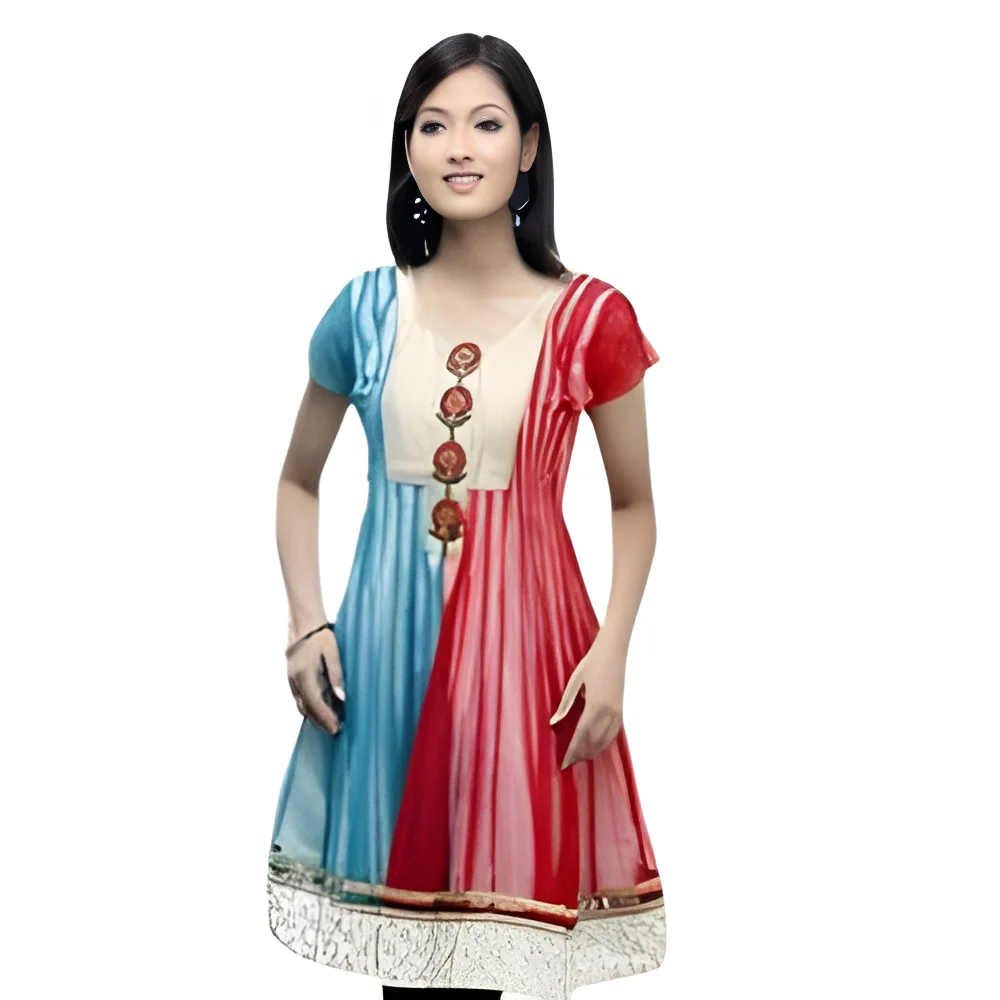
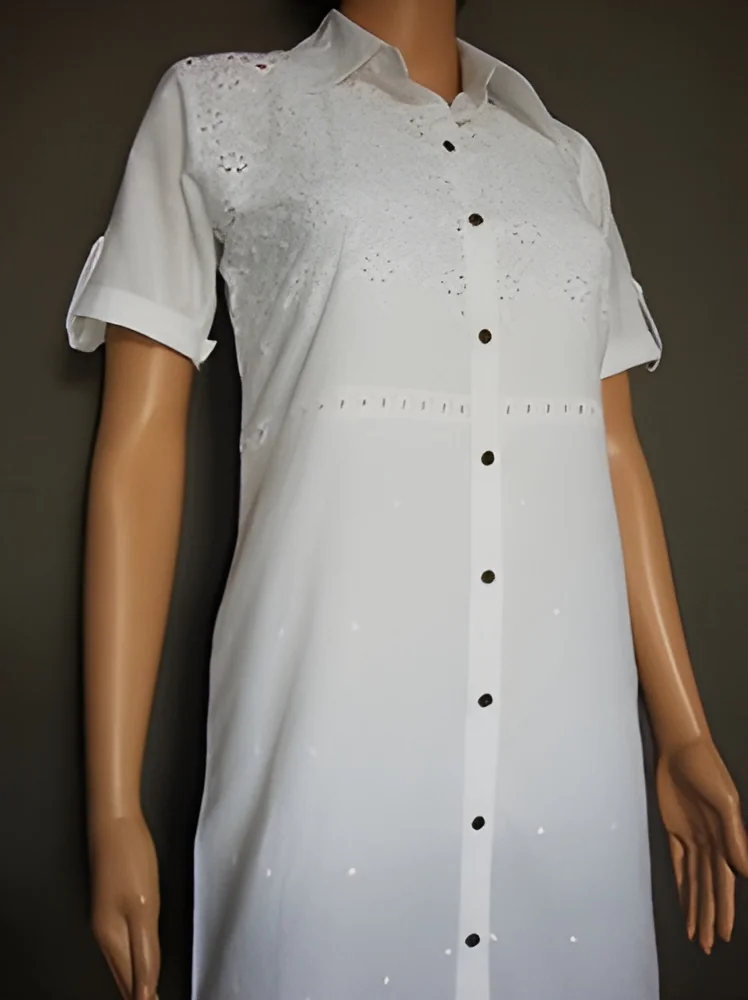
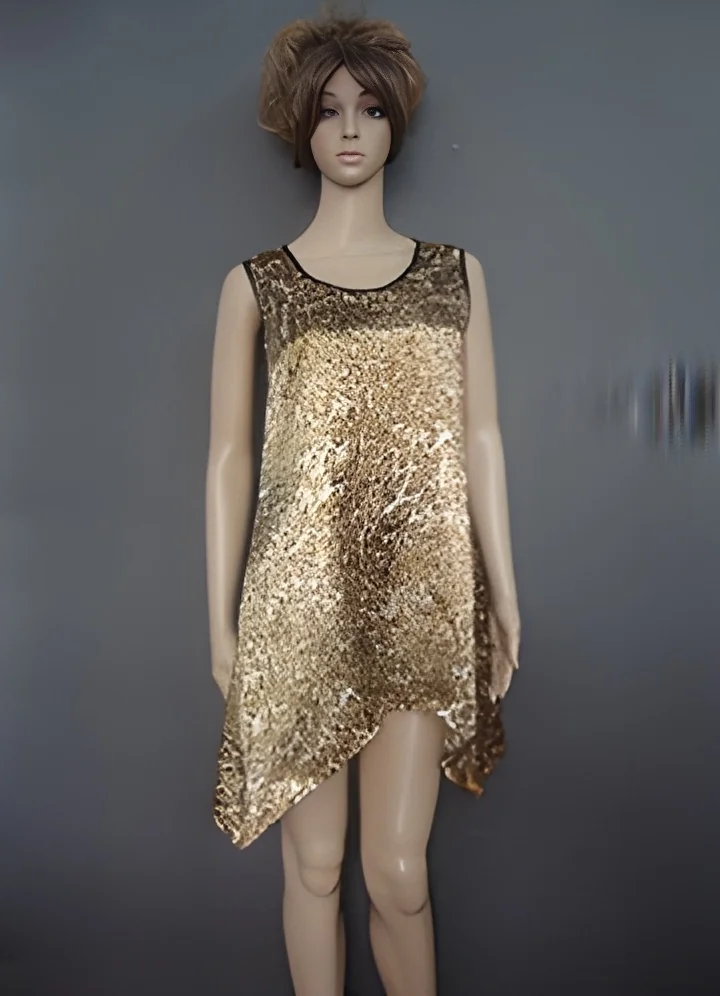
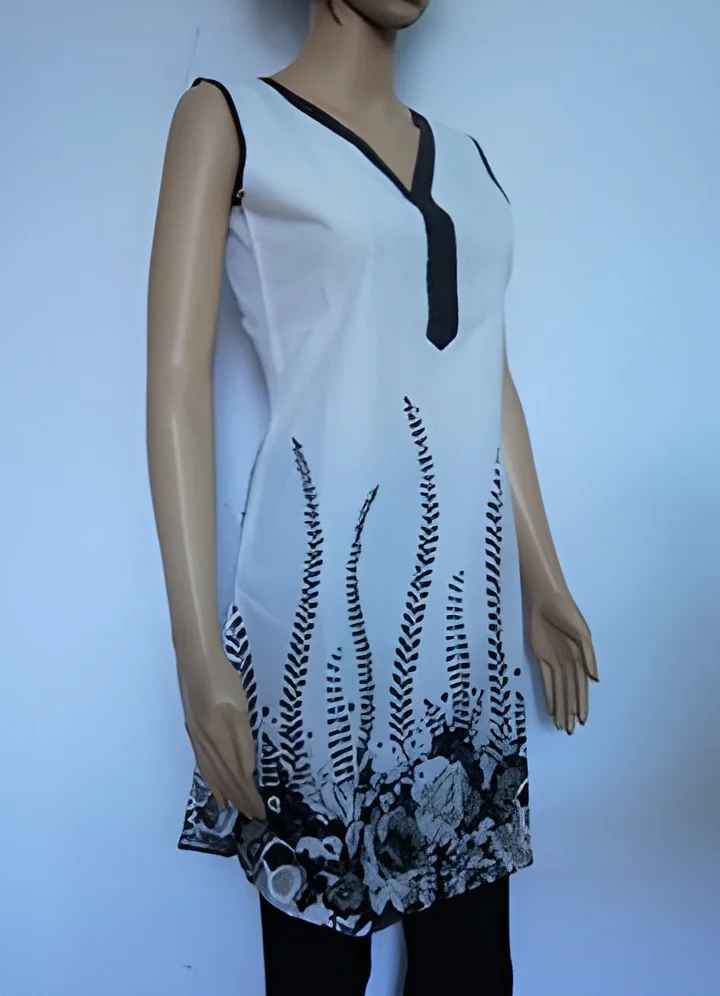
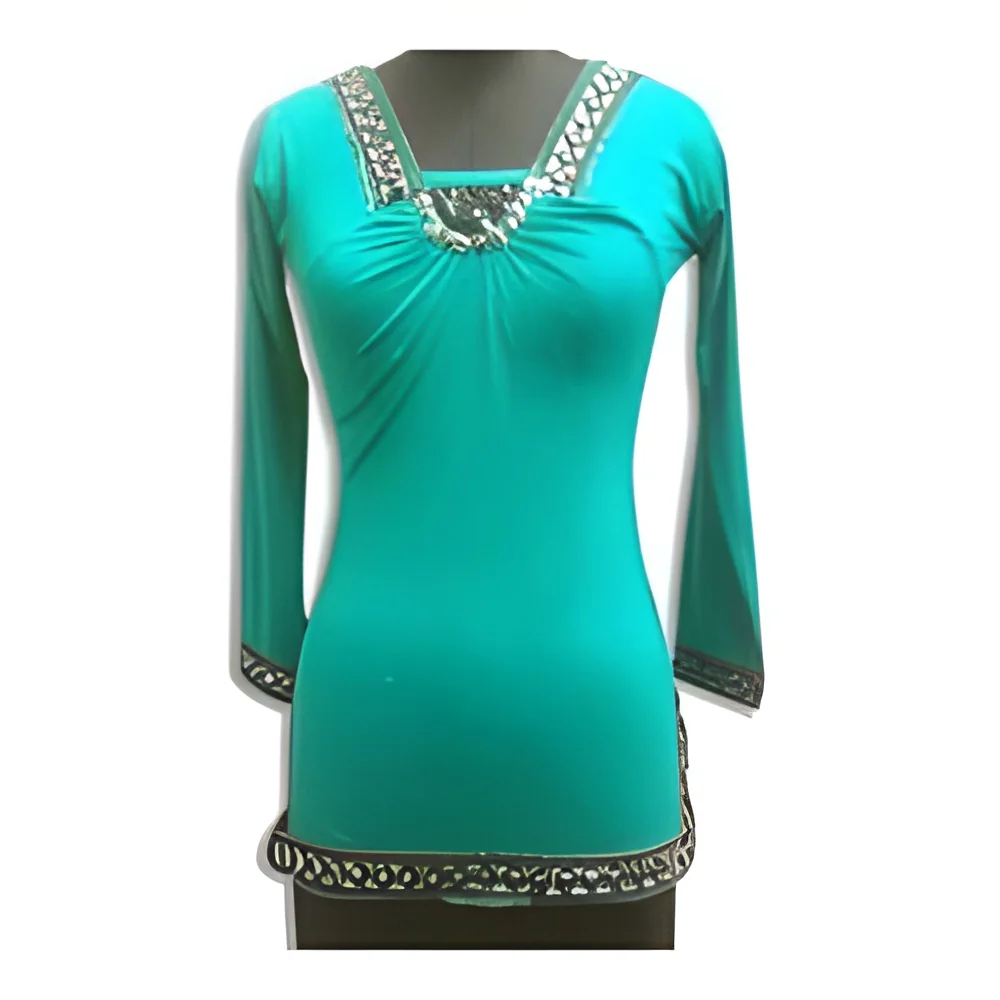
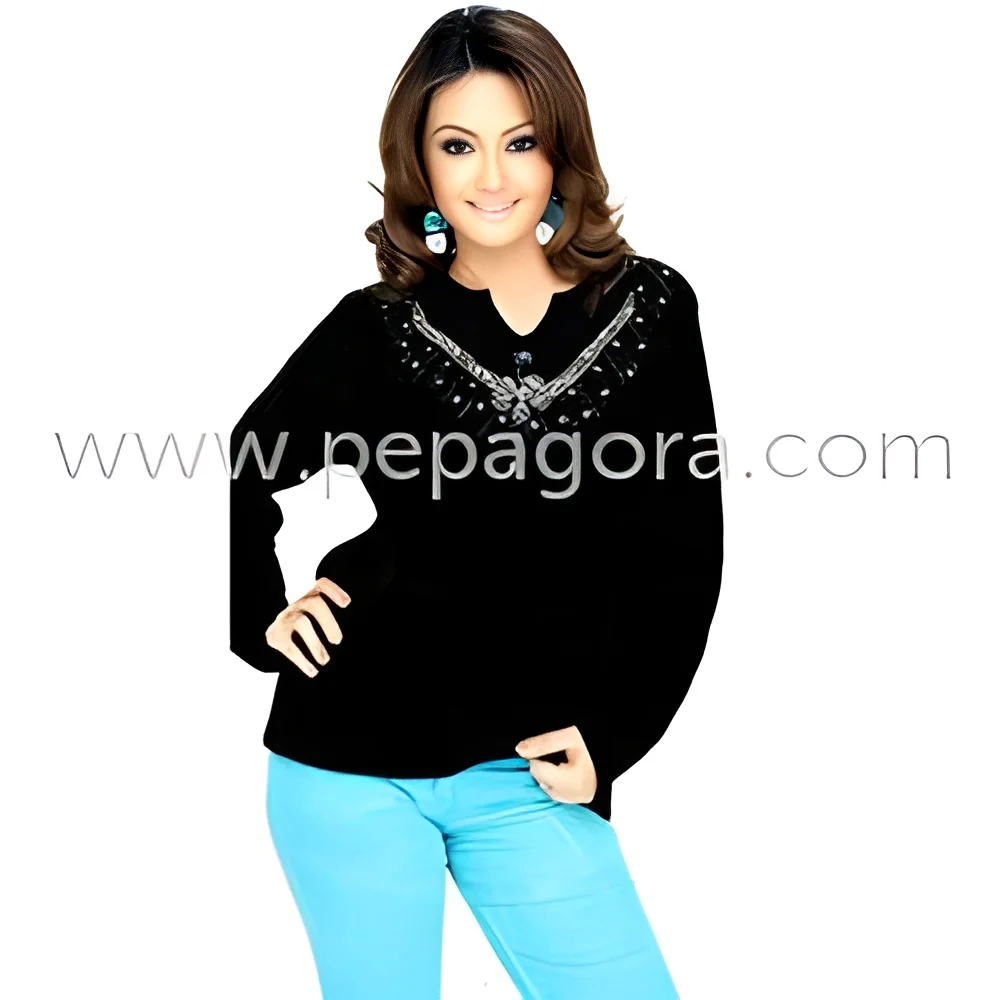
Women's Kurtis are traditional Indian garments designed for everyday wear, characterized by their long tunic-like structure. They are typically made from a variety of fabrics, including cotton, silk, and synthetic blends, offering comfort and style. The design often features a straight cut with varying lengths and styles, making them suitable for a range of occasions. Kurtis can also be embellished with embroidery, prints, or patterns, enhancing their aesthetic appeal.
These garments are primarily used in casual and formal settings, making them versatile for different business applications. They can be worn in office environments, during social events, or even for festive occasions. The demand for Women's Kurtis has increased significantly in the market, as they cater to the growing preference for ethnic wear among women. With the rise of online shopping and the globalization of fashion, Kurtis have found a place in both national and international markets, making them a relevant product for B2B buyers in the textile and apparel industry.
Key Features and Specifications
Women's Kurtis come with several key features and specifications that enhance their usability and appeal. Understanding these specifications is essential for businesses looking to source these garments effectively.
Key specifications include:
1. Fabric Material
- Various options such as cotton, silk, and polyester
- Different blends for comfort and durability
2. Length Variations
- Available in knee-length, calf-length, and ankle-length styles
- Options to suit different preferences and occasions
3. Size Range
- Typically available in sizes from XS to XXL
- Custom sizing options may be available from some suppliers
4. Design Elements
- Includes patterns like floral, geometric, and abstract
- Embellishments may include embroidery, sequins, or prints
5. Color Palette
- Wide range of colors from pastels to vibrant shades
- Seasonal color trends often influence availability
6. Care Instructions
- Machine washable or hand wash recommended
- Specific care guidelines may vary by fabric type
7. Certification
- Compliance with CE standards for safety and quality assurance
8. Minimum Order Quantity (MOQ)
- Usually varies by supplier, often starting from a small batch for retail
In summary, the specifications of Women's Kurtis play a crucial role in determining their marketability and suitability for various customers.
Common Applications and Use Cases
Women's Kurtis serve various industries, showcasing their versatility and appeal.
1. Fashion Retail: Many boutiques and online stores stock Kurtis due to their popularity among consumers seeking traditional yet modern attire.
2. Corporate Wear: Some businesses incorporate Kurtis into their dress code, especially in sectors that value cultural attire, enhancing brand identity.
3. Event Management: Kurtis are often used in fashion shows or cultural events, providing models with a showcase of traditional styles.
4. E-commerce: Online platforms leverage the growing demand for Kurtis, catering to a wide demographic looking for convenient shopping.
5. Export Market: Many manufacturers export Kurtis to international markets, benefiting from the global interest in ethnic wear.
Product Variants and Subcategories
The diversity of Women's Kurtis allows for various product variants, catering to different customer preferences and market demands.
Casual Kurtis
These are designed for everyday wear, often made from comfortable fabrics such as cotton. They feature simple designs and are suitable for casual outings or home wear.
Party Kurtis
Typically more embellished and stylish, party Kurtis are made from richer fabrics like silk or georgette. They are ideal for festive occasions, weddings, and parties.
Office Kurtis
These Kurtis strike a balance between professionalism and style. Often in solid colors or subtle patterns, they are made to be comfortable yet formal for workplace environments.
Benefits and Advantages
Sourcing Women's Kurtis presents several advantages for B2B buyers.
Key benefits include:
1. Versatility: Women's Kurtis can be worn in various settings, from casual to formal, appealing to a wide range of customers.
2. Cultural Appeal: They represent traditional wear that resonates with many consumers, enhancing marketability in regions where ethnic attire is valued.
3. Comfort: Made from breathable fabrics, Kurtis offer comfort, making them a preferred choice for everyday wear.
4. Style Options: With a variety of designs, colors, and embellishments, businesses can cater to diverse fashion preferences.
5. Cost-Effectiveness: Kurtis can be sourced at competitive prices, providing good profit margins for retailers.
6. Easy to Market: Their inherent style and cultural significance make them easier to promote across different platforms.
Buying Guide for B2B Buyers
When sourcing Women's Kurtis, buyers should consider several important factors to ensure successful procurement.
1. Quality Assessment: It is important to evaluate the fabric quality and craftsmanship. Request samples to assess durability, comfort, and overall appearance.
2. Supplier Verification: Vet suppliers carefully to ensure they meet quality standards and have a good reputation in the market. Look for reviews and testimonials.
3. Pricing and MOQ: Understand the pricing structure and any minimum order quantities. This helps in budgeting and ensuring that the purchase aligns with business needs.
4. Delivery and Lead Times: Inquire about delivery schedules to ensure timely availability. Consider logistics and potential delays in the supply chain.
5. Compliance Requirements: Ensure that the products meet regional compliance standards, such as CE certification, to avoid issues during import.
Compliance and Certifications
Women's Kurtis must adhere to certain quality standards and certifications to ensure safety and reliability in the market. Compliance with ISO 9001 is common, indicating that manufacturers maintain consistent quality management practices.
In addition, manufacturers may obtain CE certification, which demonstrates that products meet European health, safety, and environmental protection standards. This is crucial for businesses looking to export to European countries.
Safety and testing requirements are also essential. Manufacturers should conduct testing to ensure that fabrics are free from harmful substances and safe for consumer use.
Finally, regional compliance considerations may vary, so it is vital for businesses to stay informed about local regulations in the areas they operate or sell.
Why Source Women's Kurtis from Pepagora?
Pepagora provides a trusted platform for sourcing Women's Kurtis with several key advantages that make it an ideal choice for B2B buyers.
Verified Supplier Network: Pepagora connects buyers with a network of verified suppliers, ensuring that each vendor meets quality standards and can deliver reliable products.
Streamlined RFQ Process: The platform offers a user-friendly request for quotation (RFQ) process, allowing buyers to easily compare offers and make informed purchasing decisions.
Trade Assurance and Support: With trade assurance features, Pepagora protects buyers from potential issues, providing peace of mind during transactions.
Regional Coverage: Pepagora's geographic reach extends across India, the Gulf Cooperation Council (GCC) countries, and Southeast Asia, enabling businesses to tap into diverse markets and meet customer demands effectively.

 IN
IN