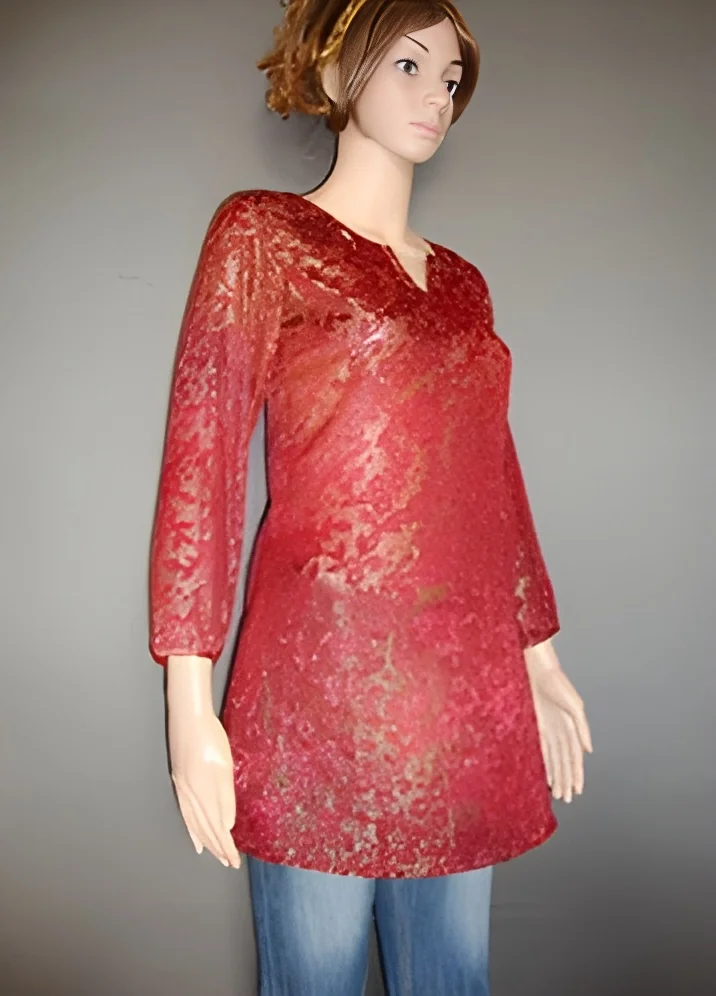
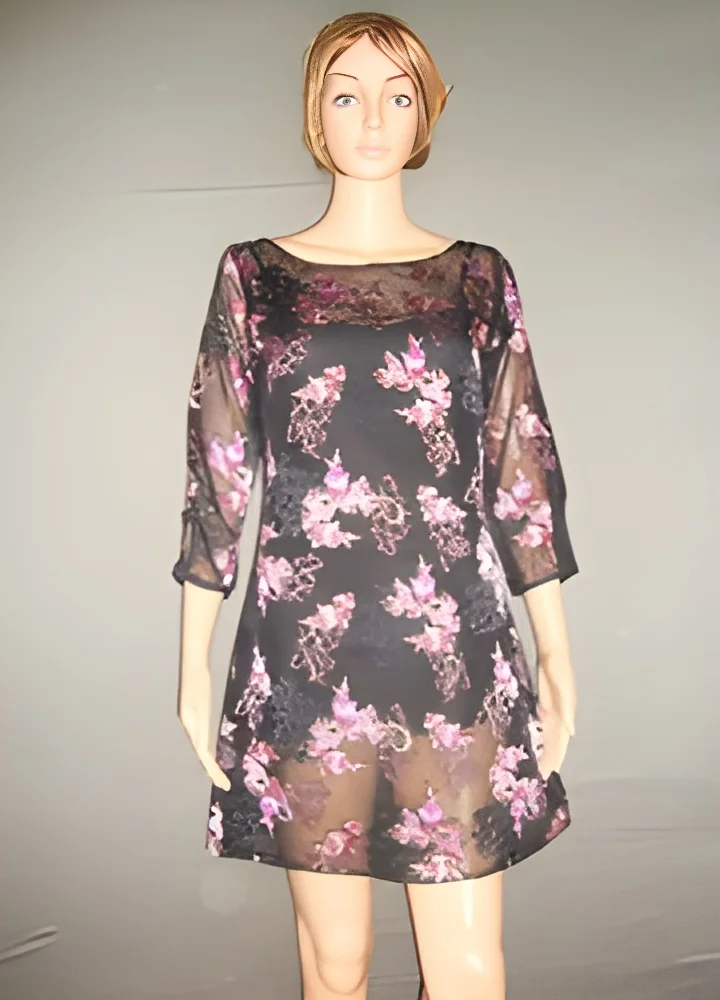
What are Women's Ethnic Gowns?
Women's ethnic gowns are traditional garments that reflect the rich cultural heritage of various regions. These gowns often feature intricate designs, vibrant colors, and high-quality fabrics. They are designed to enhance the beauty and elegance of the wearer, making them suitable for festive occasions, weddings, and cultural events. The gowns can vary significantly in style, length, and embellishments, offering a wide range of options to cater to different tastes and preferences.
In the B2B context, women's ethnic gowns are primarily used in the fashion retail industry, catering to boutiques, online stores, and wholesalers. Businesses often source these gowns to meet the demands of customers looking for traditional attire. The gowns serve as an essential part of cultural celebrations and social gatherings, making them a valuable product for retailers. The market for women's ethnic gowns is growing, driven by increased interest in cultural fashion and the fusion of traditional and modern styles.
Key Features and Specifications
Women's ethnic gowns are characterized by several key features that contribute to their appeal. These gowns are typically made from a variety of fabrics such as silk, cotton, and chiffon, which provide a luxurious feel and drape. They may also include unique embellishments like embroidery, sequins, and beadwork, enhancing their aesthetic value.
Key specifications include:
1. Fabric Type
- Commonly used fabrics include silk, cotton, and chiffon.
- Each fabric has different properties, such as breathability and weight.
2. Length Options
- Gowns are available in various lengths, including ankle-length, floor-length, and knee-length.
- Length choice can affect the style and suitability for different occasions.
3. Design Elements
- Designs may feature traditional motifs, patterns, and embellishments.
- Custom designs are often available to meet specific customer preferences.
4. Size Range
- Gowns typically come in a wide range of sizes, accommodating various body types.
- Plus size options are commonly offered to ensure inclusivity.
5. Color Variations
- Available in a spectrum of colors, from vibrant hues to subtle pastels.
- Seasonal collections may introduce new color trends.
6. Care Instructions
- Many gowns require specific cleaning methods, such as dry cleaning.
- Proper care is essential to maintain fabric quality and longevity.
7. Customization Options
- Retailers may offer customization in terms of size, design, and color.
- Custom orders can help meet specific market demands.
8. Pricing Structure
- Prices can vary based on fabric, design complexity, and brand reputation.
- Understanding pricing helps businesses position products effectively.
In summary, women's ethnic gowns combine cultural significance with modern design, making them a versatile product in the fashion industry.
Common Applications and Use Cases
Women's ethnic gowns are utilized across various industries, reflecting their versatility and cultural importance.
1. Fashion Retail: Retailers stock ethnic gowns as part of their seasonal collections to cater to customers seeking traditional attire for special occasions.
2. Event Planning: Gowns are in high demand for weddings and cultural events, where they are often worn by brides and guests alike.
3. Cultural Festivals: Ethnic gowns are essential for festivals, celebrating heritage and traditions, allowing individuals to express their cultural identity.
4. Online Sales: E-commerce platforms are increasingly featuring ethnic gowns, targeting a broader audience interested in traditional fashion.
5. Wholesale Distribution: Wholesalers supply ethnic gowns to boutiques and retailers, ensuring a steady supply of culturally relevant attire.
6. Custom Tailoring: Tailors offer bespoke services for ethnic gowns, creating unique pieces tailored to individual customer preferences.
7. Fashion Shows: Ethnic gowns are often showcased in fashion shows, highlighting the blend of tradition and contemporary style.
Product Variants and Subcategories
Women's ethnic gowns come in a diverse range of styles, allowing for various fashion statements and cultural expressions.
Anarkali Gowns
These gowns are characterized by their flared silhouette and intricate embroidery. Anarkali gowns are popular for weddings and festive occasions, providing both elegance and comfort.
Lehenga Gowns
Combining the traditional lehenga with a gown silhouette, these garments offer a modern twist. Lehenga gowns are often adorned with heavy embellishments, making them suitable for grand celebrations.
Pakistani Gowns
These gowns feature distinctive cuts and designs that highlight traditional craftsmanship. They are often used for formal events and cultural gatherings, showcasing vibrant colors and patterns.
Floor-length Gowns
These gowns provide a sophisticated look, often used for evening events and formal occasions. They may include detailed embroidery and luxurious fabrics, appealing to a high-end market.
Benefits and Advantages
Women's ethnic gowns offer numerous advantages that appeal to both consumers and businesses.
1. Cultural Representation: Wearing ethnic gowns allows individuals to express their cultural heritage and identity.
2. Versatile Style: These gowns can be styled for various occasions, from casual gatherings to formal events.
3. Quality Craftsmanship: Many ethnic gowns are handcrafted, ensuring high-quality materials and designs that stand out.
4. Customization: Retailers can offer personalized options, catering to individual preferences and enhancing customer satisfaction.
5. Market Demand: Increasing interest in traditional fashion provides businesses with opportunities for growth and expansion.
6. Profit Margins: Ethnic gowns can yield favorable profit margins, especially when sourced directly from manufacturers.
Buying Guide for B2B Buyers
When sourcing women's ethnic gowns, buyers should consider several critical factors to ensure successful procurement.
1. Quality Assessment: Evaluate the fabric quality, stitching, and overall craftsmanship of the gowns. High-quality products will enhance brand reputation and customer satisfaction.
2. Supplier Verification: Research suppliers to ensure they have a reliable track record. Look for certifications, reviews, and their ability to fulfill orders on time.
3. Pricing and MOQ: Understand the pricing structure and minimum order quantities. This information is crucial for budgeting and inventory planning.
4. Delivery and Lead Times: Discuss logistics with suppliers to ensure timely delivery of products. Consider lead times to avoid stockouts during peak seasons.
5. Compliance Requirements: Be aware of any regional regulations or certifications that may apply to the garments. Compliance ensures the product meets safety and quality standards.
Compliance and Certifications
In the manufacturing of women's ethnic gowns, compliance with quality standards is essential. Common quality standards include ISO 9001, which ensures a systematic approach to quality management. Additionally, industry certifications such as CE indicate that products meet European safety standards.
Safety and testing requirements often involve ensuring that fabrics are free from harmful substances and that they comply with regional regulations. It is crucial for manufacturers to maintain these standards to meet consumer expectations and regulatory demands.
Regional compliance considerations may vary, requiring businesses to stay informed about local laws governing textile products. Adhering to these standards not only enhances product credibility but also helps build trust with consumers.
Why Source Women's Ethnic Gowns from Pepagora?
Pepagora is a trusted platform for sourcing women's ethnic gowns, offering several key advantages to B2B buyers.
Verified Supplier Network: Pepagora connects buyers with a network of verified suppliers, ensuring that businesses can source high-quality ethnic gowns with confidence. This verification process helps eliminate risks associated with unreliable suppliers.
Streamlined RFQ Process: The Request for Quotation (RFQ) process on Pepagora simplifies the procurement experience. Buyers can easily submit their requirements and receive competitive quotes from multiple suppliers, allowing for informed decision-making.
Trade Assurance and Support: Pepagora provides trade assurance, protecting buyers throughout the purchasing process. This support includes assistance with order management, ensuring that buyers receive what they expect.
Regional Coverage: With a wide geographic reach that includes India, the GCC, and Southeast Asia, Pepagora facilitates sourcing from diverse markets. This regional coverage allows buyers to access a variety of styles and designs, catering to different cultural preferences.
By choosing Pepagora, businesses can enhance their sourcing experience, ensuring access to quality women's ethnic gowns that meet their market needs.

 IN
IN