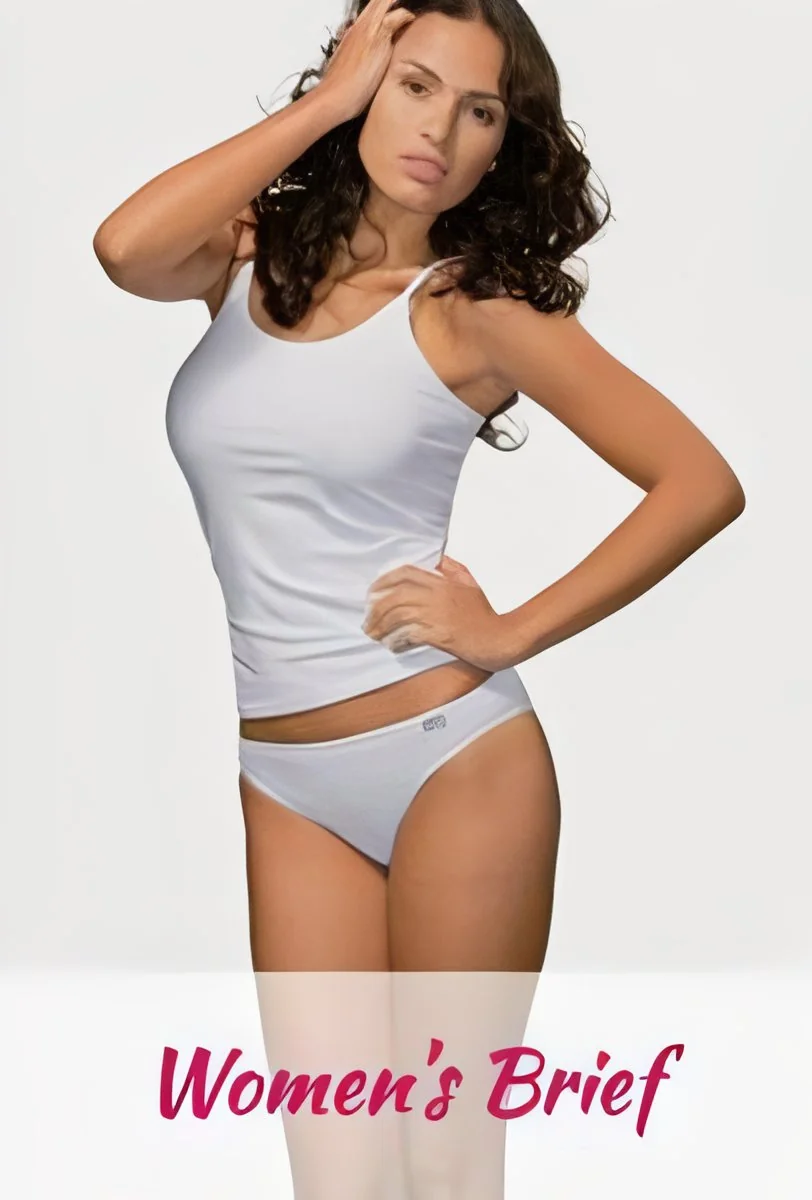
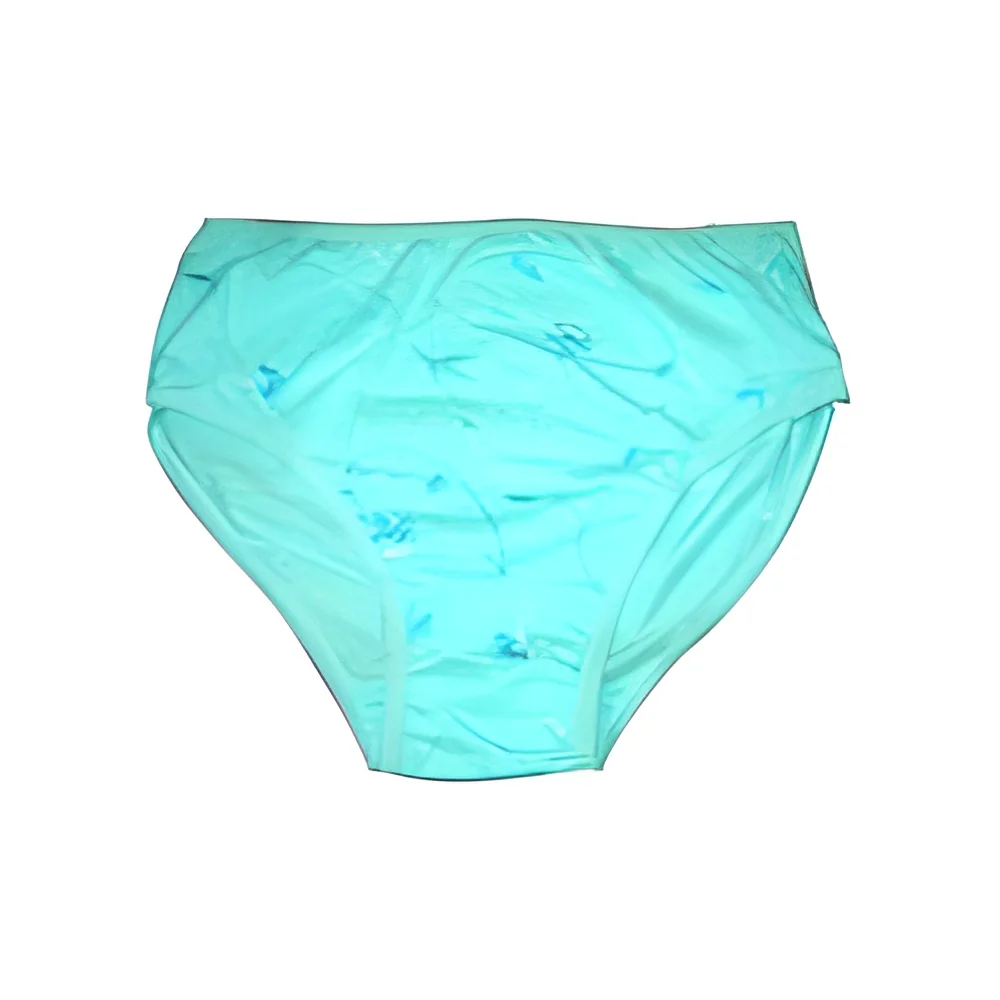
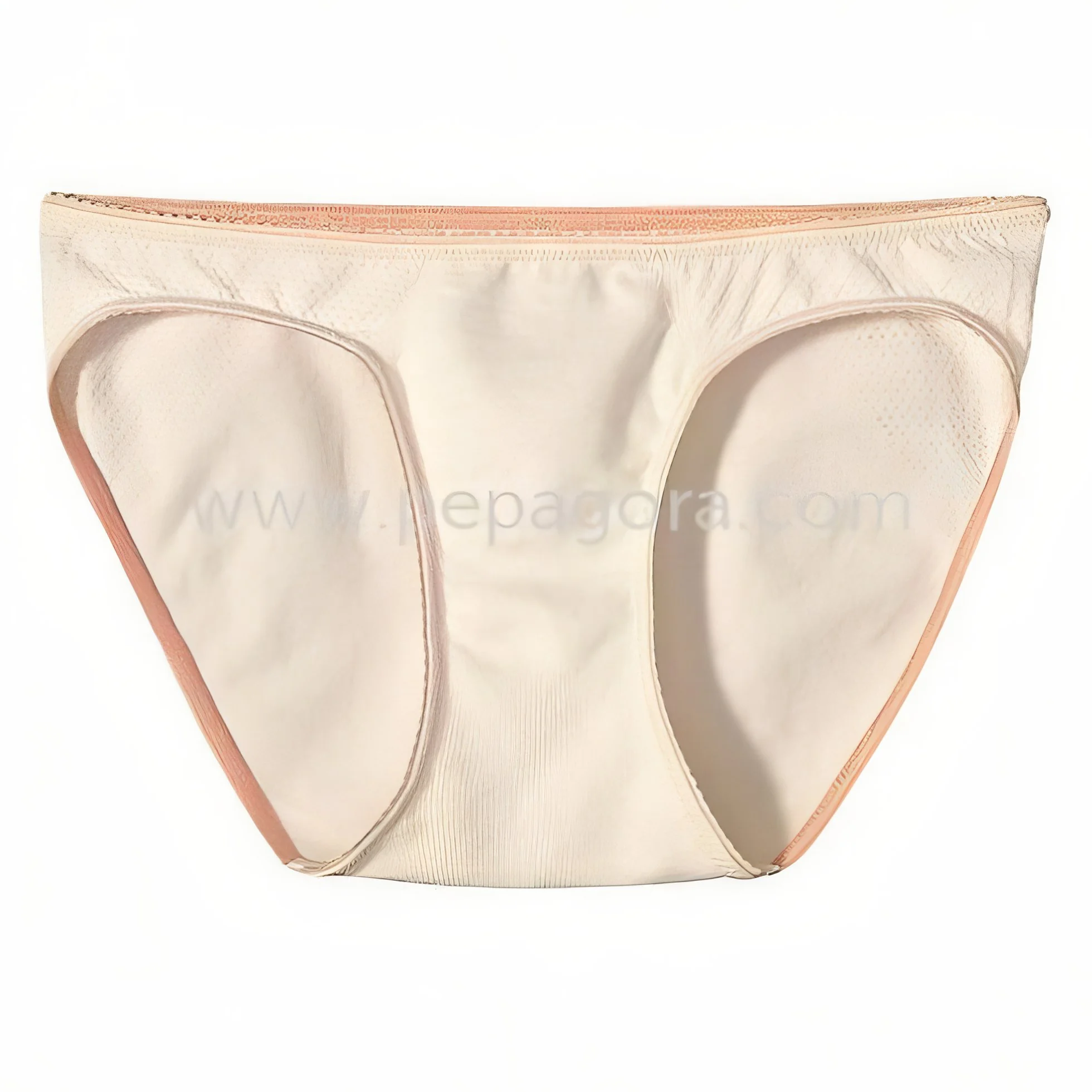
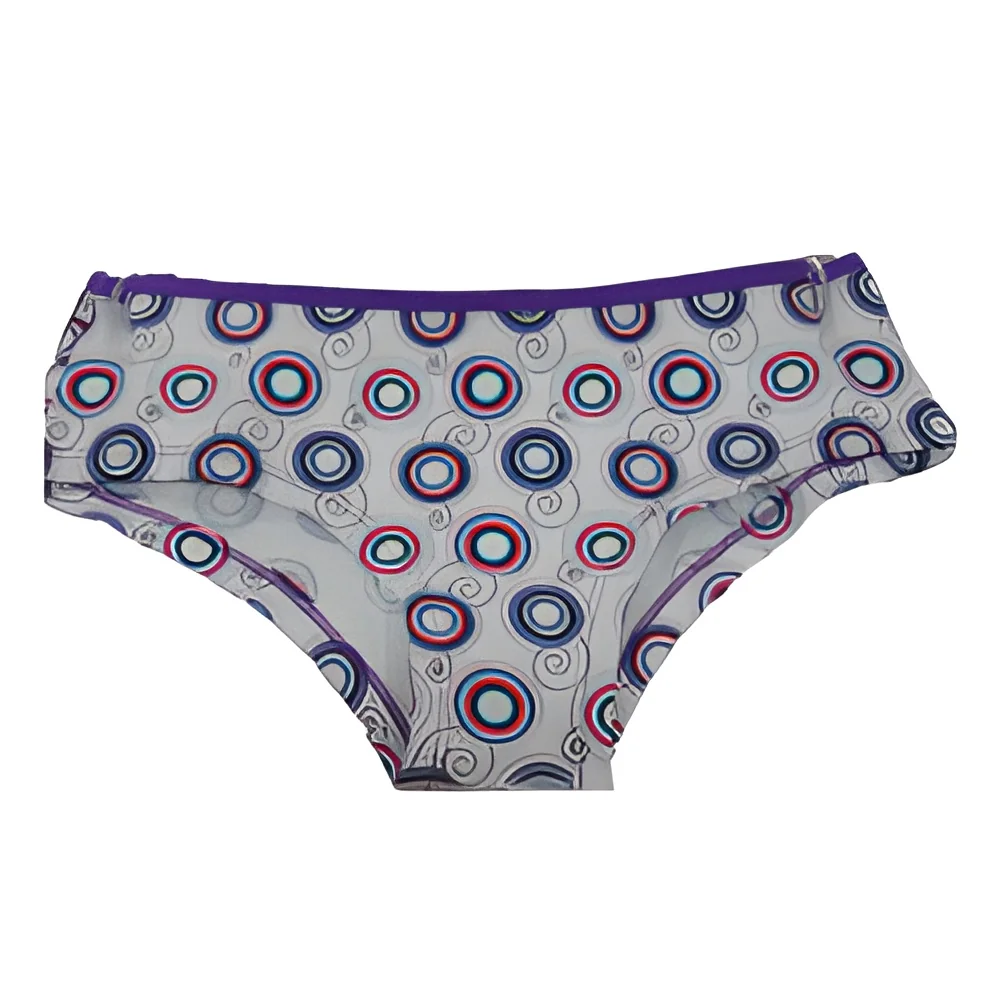
What are Women's Panties?
Women's panties are a fundamental category of undergarments designed specifically for women. They serve a variety of purposes, including providing comfort, support, and modesty. Typically made from soft, breathable materials such as cotton, lace, or microfiber, women's panties come in various styles and sizes to cater to individual preferences and body types.
The primary uses of women's panties extend beyond personal comfort. In a business context, they are essential for retailers, wholesalers, and manufacturers in the apparel industry. These products are often used in everyday wear and special occasions, making them a staple in women's clothing lines. As fashion trends evolve, the demand for diverse styles, colors, and materials has increased, reflecting the dynamic nature of the lingerie market.
In terms of industry relevance, women's panties represent a significant segment of the global apparel market. With a growing emphasis on comfort and functionality, brands are continuously innovating to meet consumer demands. This has led to increased competition among manufacturers, resulting in a wide array of choices for both consumers and retailers alike.
Key Features and Specifications
Women's panties come with various features and specifications that enhance their usability and appeal. When selecting products for distribution, it is essential to understand these specifications to meet market demands and consumer preferences.
Key specifications include:
1. Material Composition
- Common materials include cotton, lace, and polyester.
- Options for moisture-wicking and stretchable fabrics.
2. Size Range
- Available in sizes ranging from XS to XXXL.
- Includes plus-size options for diverse body shapes.
3. Style Options
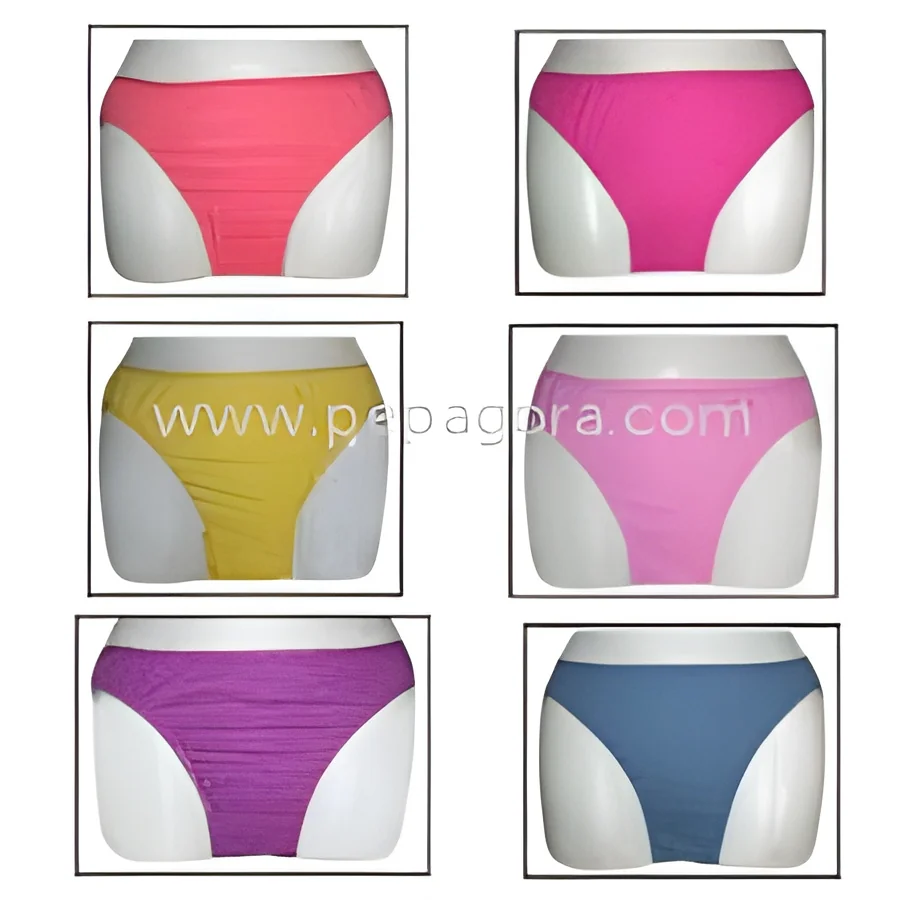
- Various styles such as briefs, thongs, boyshorts, and hipsters.
- Each style offers different coverage and aesthetic appeal.
4. Elasticity
- Elastic waistbands and leg openings for comfortable fit.
- Variations in stretch depending on material used.
5. Color and Pattern Variety
- Available in solid colors, prints, and seasonal designs.
- Options for customization based on trends.
6. Care Instructions
- Machine washable and suitable for tumble drying.
- Some styles may require hand washing.
7. Breathability
- Fabrics designed for airflow and moisture management.
- Ideal for everyday wear and active use.
In summary, understanding these specifications enables businesses to make informed decisions when sourcing women's panties, ensuring they meet consumer expectations and market standards.
Common Applications and Use Cases
Women's panties find applications across various industries, reflecting their importance in daily life and fashion.
1. Retail Industry: Women's panties are a key product in lingerie and clothing stores, appealing to a wide demographic. Retailers often showcase them as part of seasonal collections or promotions.
2. Manufacturing: Textile manufacturers produce women's panties in bulk, focusing on quality and design to meet specific market demands. These manufacturers may also offer customization options for brands.
3. E-commerce: Online platforms provide a convenient avenue for consumers to purchase women's panties, often featuring user reviews and detailed size guides to assist buyers.
4. Fashion Design: Designers incorporate women's panties into their collections, considering trends and consumer preferences. They often experiment with materials and styles to create unique offerings.
5. Health and Wellness: Women's panties with specific features such as moisture-wicking properties are marketed to fitness enthusiasts and health-conscious consumers, providing comfort during physical activities.
6. Hospitality: Hotels and resorts may offer women's panties as part of their luxury amenities, catering to guests' needs during their stay.
7. Subscription Services: The rise of subscription box services includes women's panties, providing consumers with a curated selection delivered regularly, appealing to convenience-oriented shoppers.
Product Variants and Subcategories
The diversity of women's panties allows for various product variants tailored to specific consumer needs.
Briefs
Briefs are a classic style known for their full coverage and comfort. They are ideal for everyday wear and are often made from breathable fabrics for added comfort.
Thongs
Thongs provide minimal coverage and are preferred for their discreet fit under clothing. They are available in various materials and designs, catering to modern fashion trends.
Boyshorts
Boyshorts offer a sporty and comfortable fit, covering more area than traditional panties. They are popular among women seeking a blend of style and functionality.
Hipsters
Hipsters sit on the hips and provide moderate coverage. This style is favored for its contemporary look and comfort, making it a popular choice for casual wear.
Bikini
Bikini panties offer a balance between coverage and style, often featuring a lower rise. They are versatile and suitable for different occasions.
Benefits and Advantages
Sourcing women's panties comes with several benefits that enhance their appeal to both consumers and retailers.
1. Comfort: Women's panties are designed with softness and breathability in mind, ensuring all-day comfort for the wearer.
2. Versatility: Available in multiple styles and colors, women's panties can suit various occasions, from everyday wear to special events.
3. Affordability: Women's panties are generally available at competitive price points, making them accessible for a wide range of consumers.
4. Fashion Trends: The ability to adapt to current fashion trends makes women's panties a dynamic product category that attracts consumer interest.
5. Easy Maintenance: Most styles are machine washable and easy to care for, appealing to busy consumers seeking convenience.
6. Customization: Many manufacturers offer customizable options, allowing brands to create unique designs that resonate with their target audience.
Buying Guide for B2B Buyers
When sourcing women's panties, B2B buyers should consider several critical factors to ensure they are making informed purchasing decisions.
1. Quality Assessment: Evaluate the materials used in production, ensuring they meet industry standards for comfort and durability. Look for established brands known for their quality.
2. Supplier Verification: Conduct thorough background checks on suppliers to ensure reliability and ethical manufacturing practices. Look for certifications that reflect compliance with industry standards.
3. Pricing and MOQ: Understand the pricing structures and minimum order quantities (MOQ) offered by suppliers. This helps in budgeting and planning inventory needs effectively.
4. Delivery and Lead Times: Inquire about the lead times for production and delivery. Timely shipping is crucial for meeting customer demands and maintaining inventory levels.
5. Compliance Requirements: Ensure that the products adhere to relevant safety and quality regulations. This may include certifications such as CE for certain markets, ensuring consumer safety.
Compliance and Certifications
Women's panties must adhere to various quality standards and certifications to ensure safety and reliability in the market. Relevant quality standards like ISO 9001 provide a framework for quality management systems, ensuring that manufacturers consistently deliver products that meet customer requirements.
Industry certifications such as CE indicate compliance with European health, safety, and environmental protection standards. This certification is crucial for products sold in the European market, assuring consumers of product safety.
Safety and testing requirements are also vital in the lingerie industry. Manufacturers need to conduct thorough testing for fabric quality, durability, and potential allergic reactions to materials. This ensures that the products are safe for everyday wear.
In terms of regional compliance, different countries may have specific regulations regarding textile products. Understanding these requirements is essential for manufacturers and suppliers looking to enter international markets.
Why Source Women's Panties from Pepagora?
Pepagora provides a trusted platform for sourcing women's panties, offering numerous advantages for businesses in the apparel sector.
The verified supplier network at Pepagora ensures that buyers can connect with reputable manufacturers. This verification process builds trust between suppliers and buyers, facilitating smoother transactions.
The streamlined RFQ process allows buyers to request quotations easily, helping them compare prices and product offerings from various suppliers. This efficiency saves time and enhances decision-making.
Trade assurance and support are critical aspects of Pepagora's services. Buyers are protected throughout the transaction process, ensuring that their orders are fulfilled as agreed, fostering confidence in sourcing decisions.
Pepagora's regional coverage extends across India, the GCC, and Southeast Asia, allowing businesses to tap into diverse markets. This geographic reach enables buyers to find suitable products that cater to their local consumers' preferences.

 IN
IN