What are Women's Lehengas?
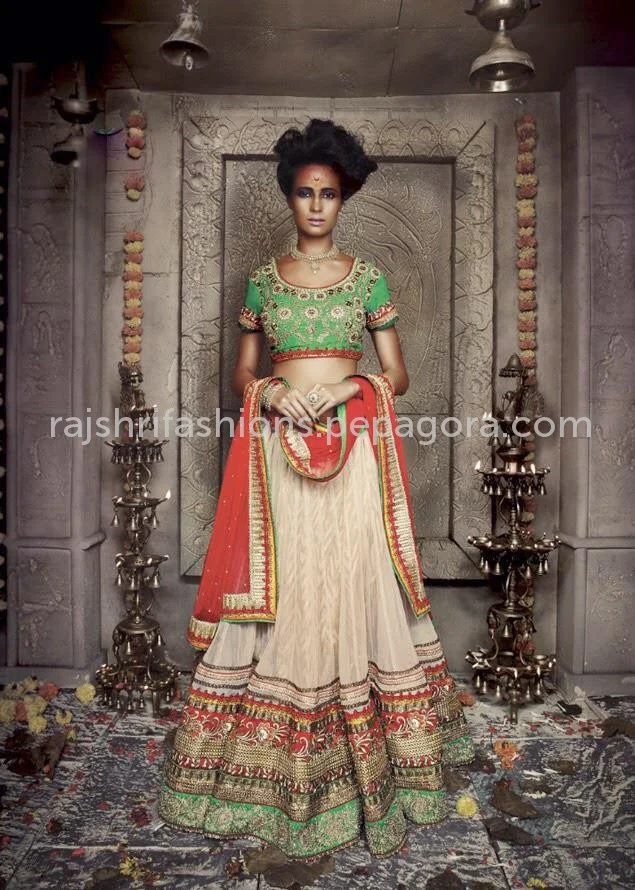
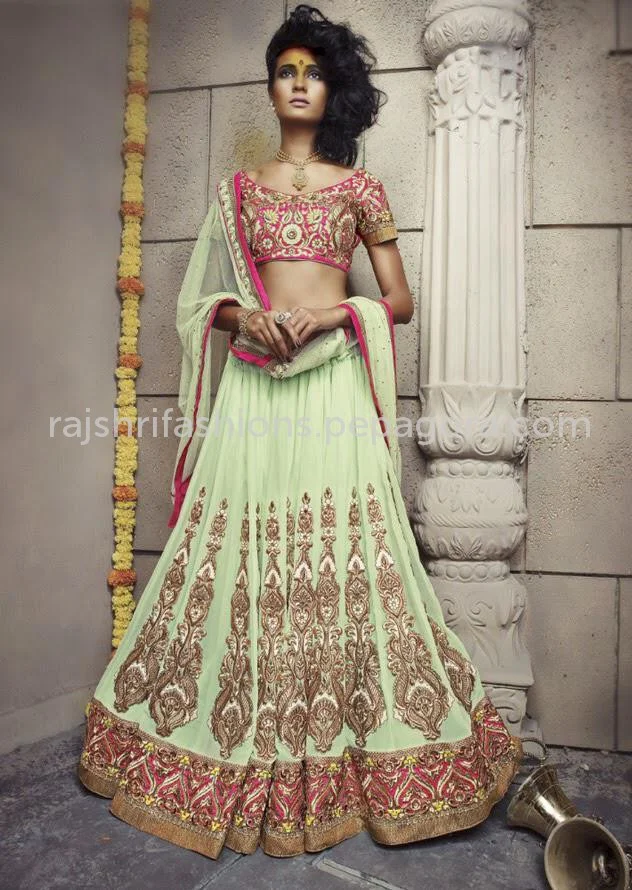
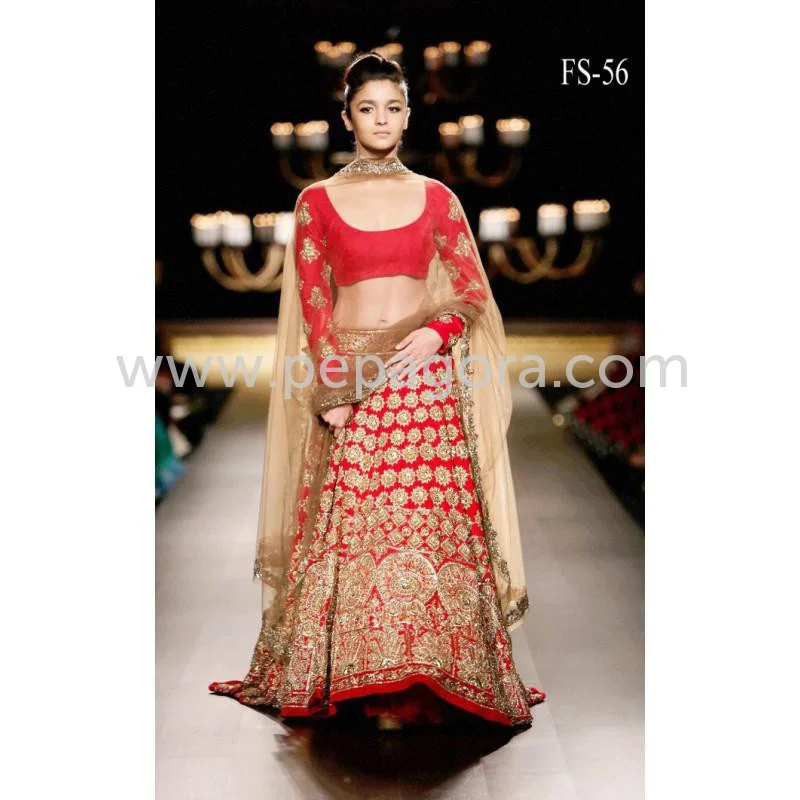
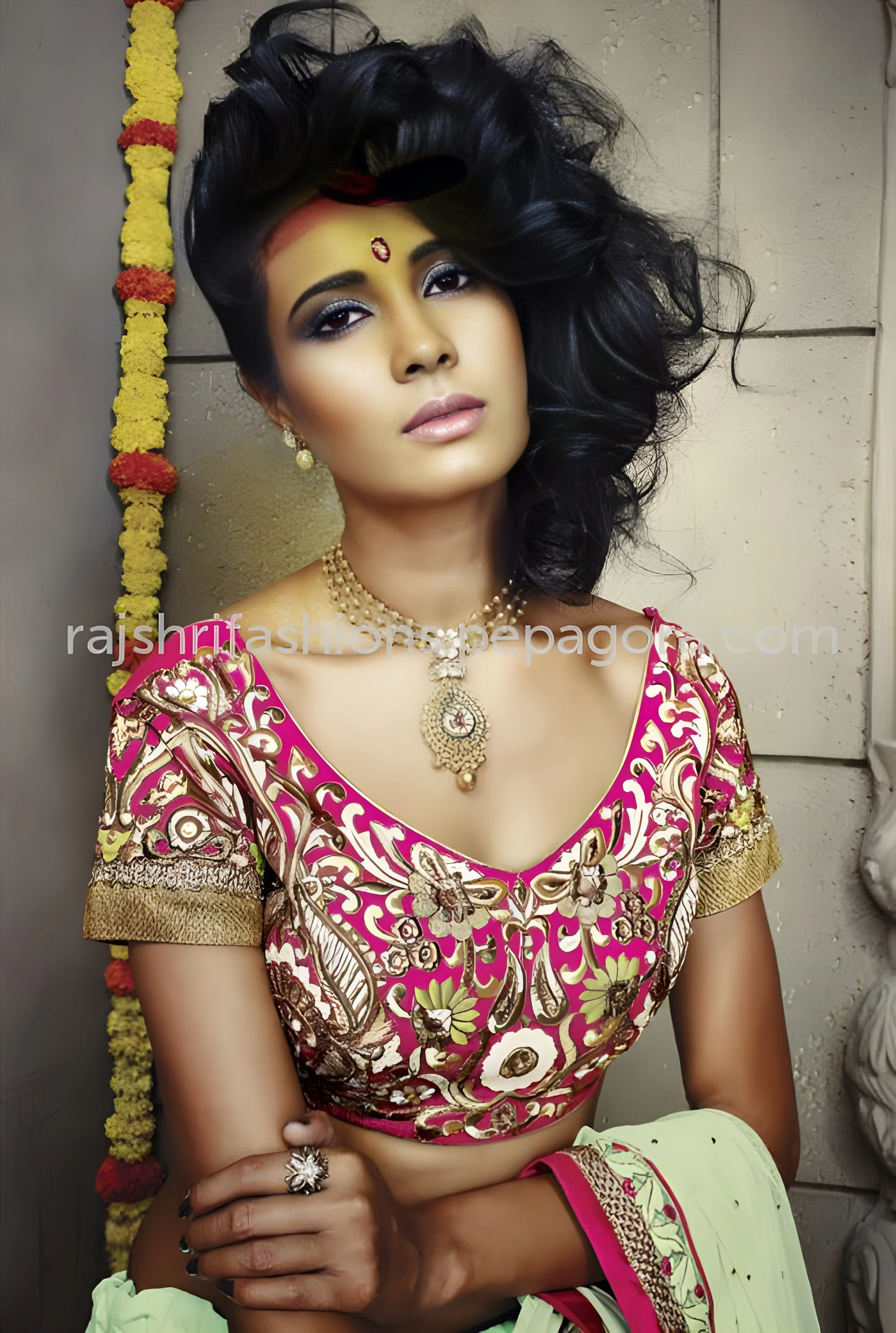
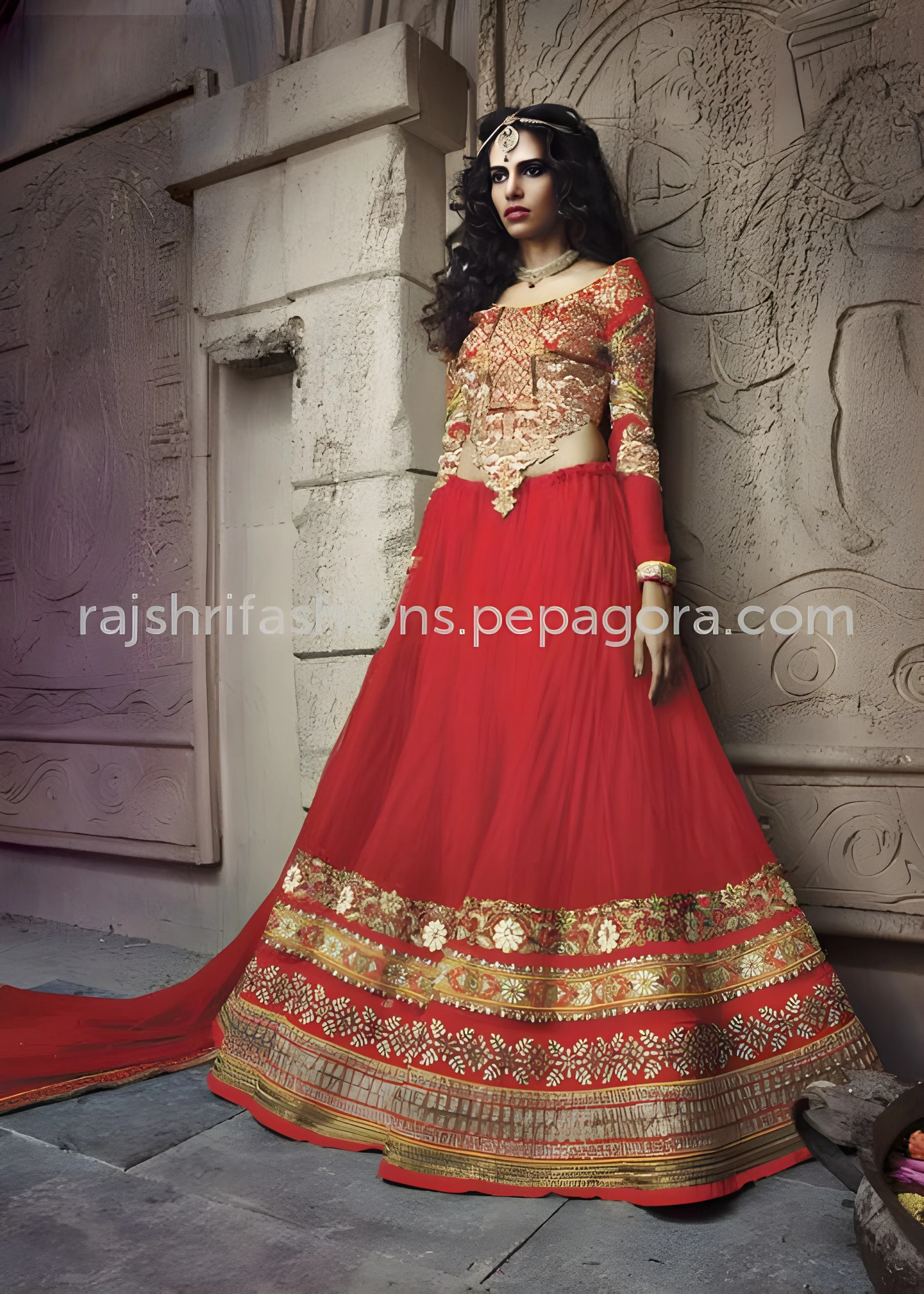
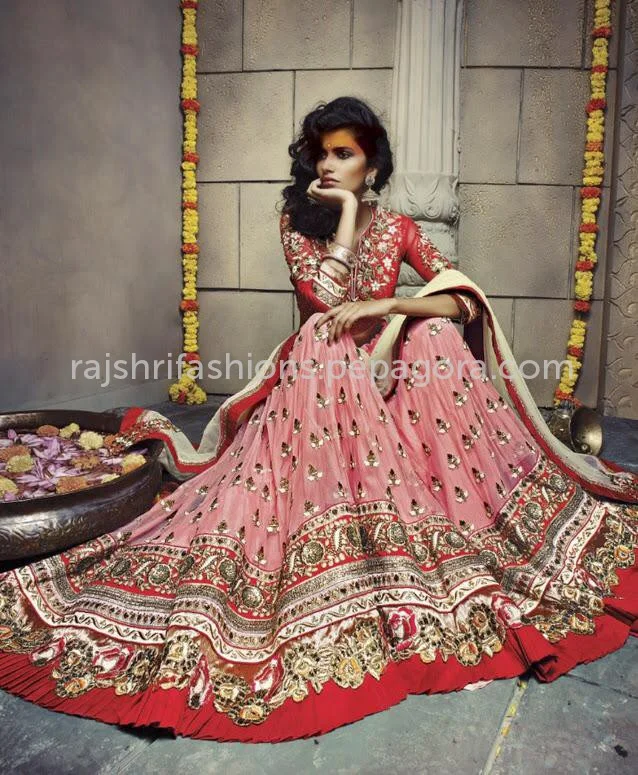
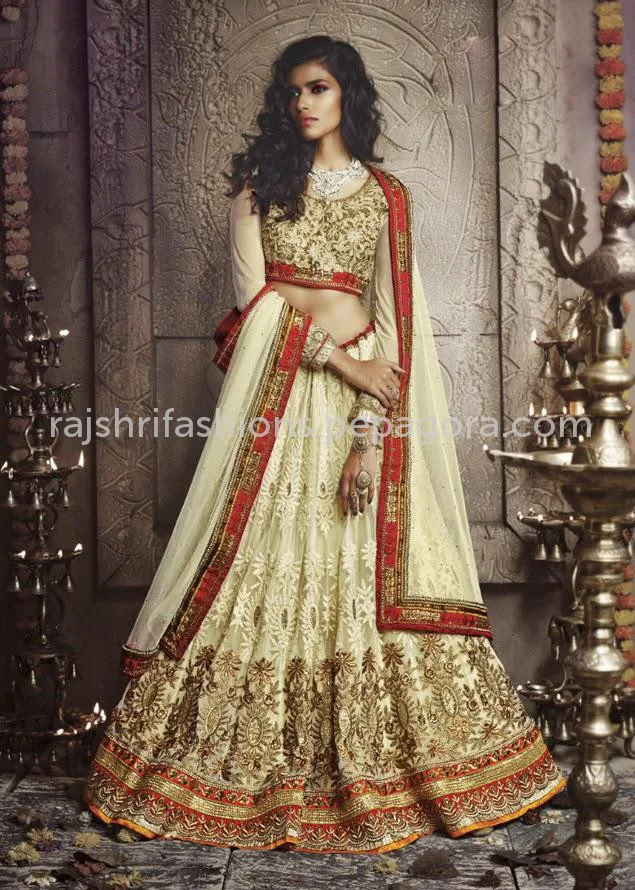
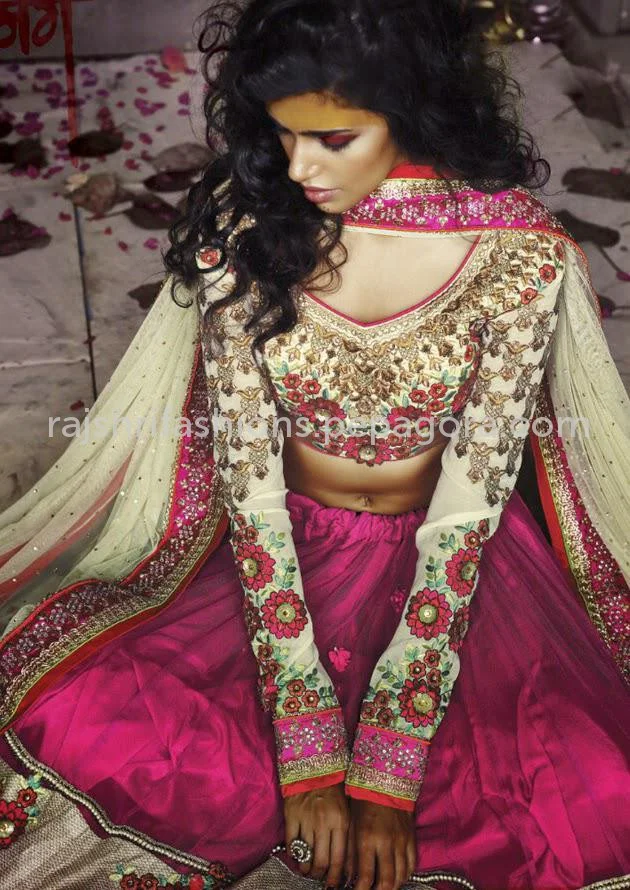
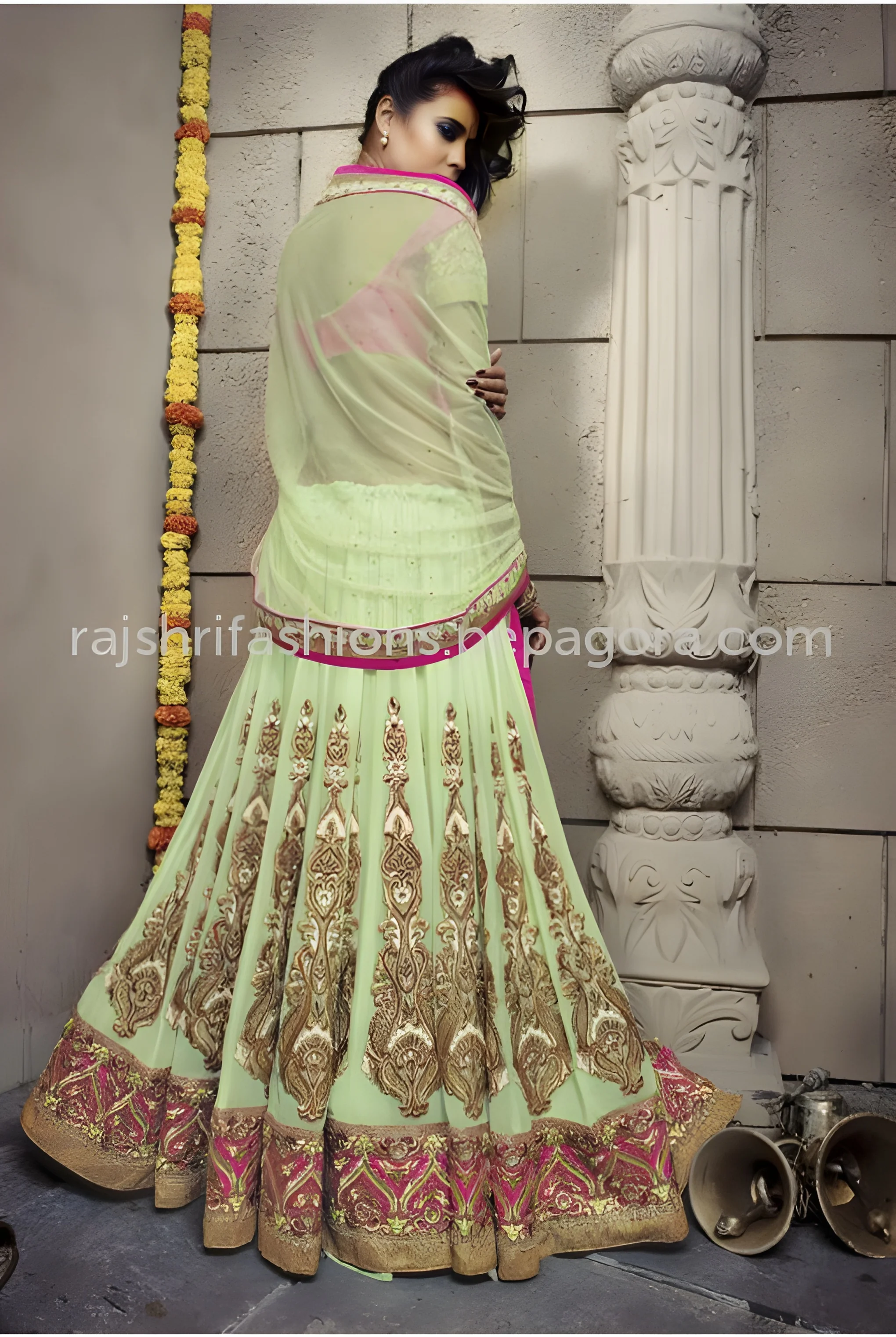
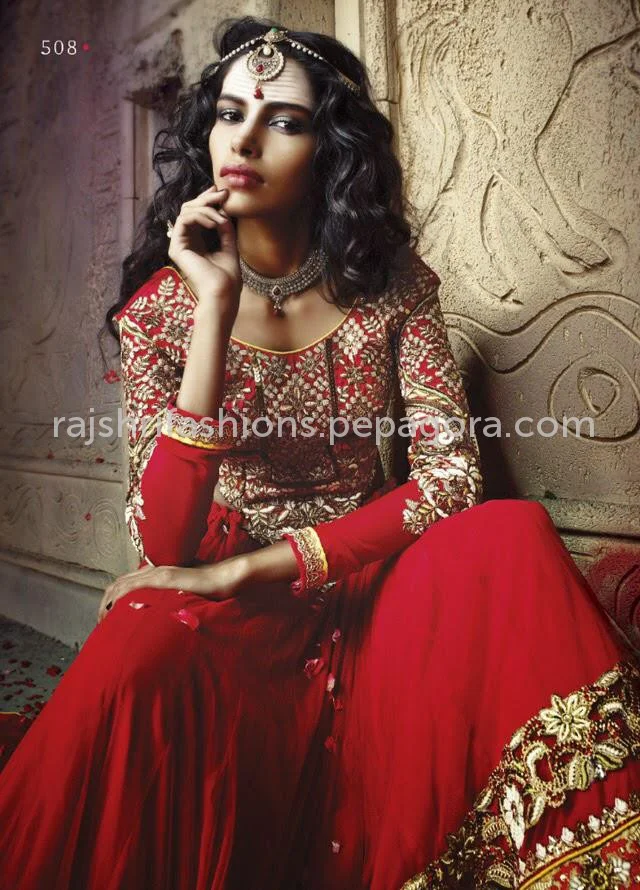
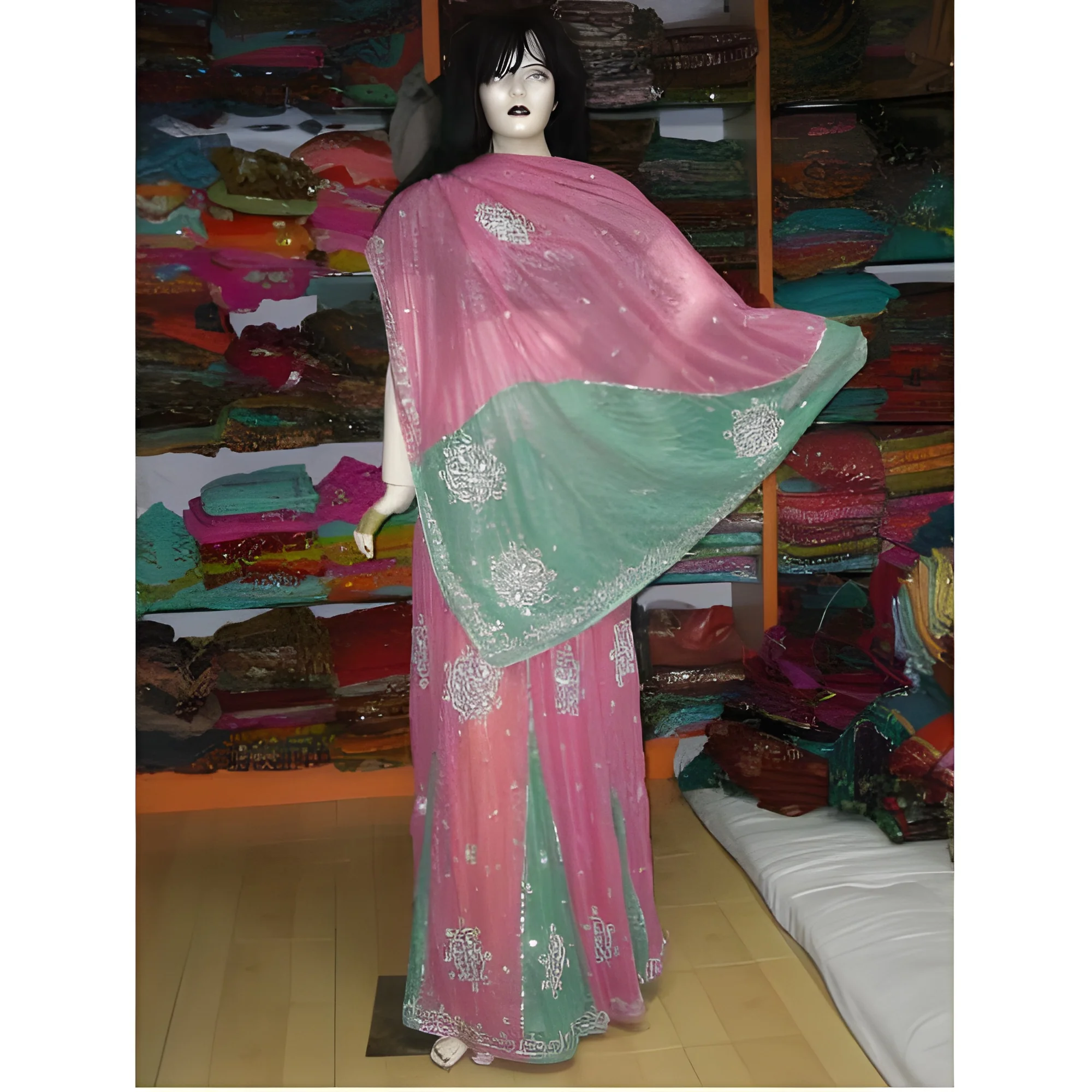
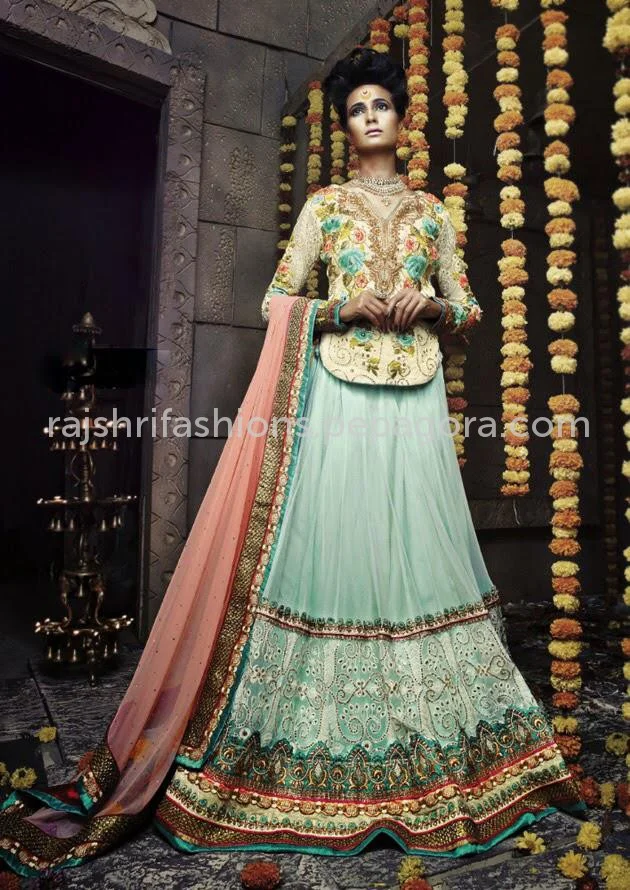
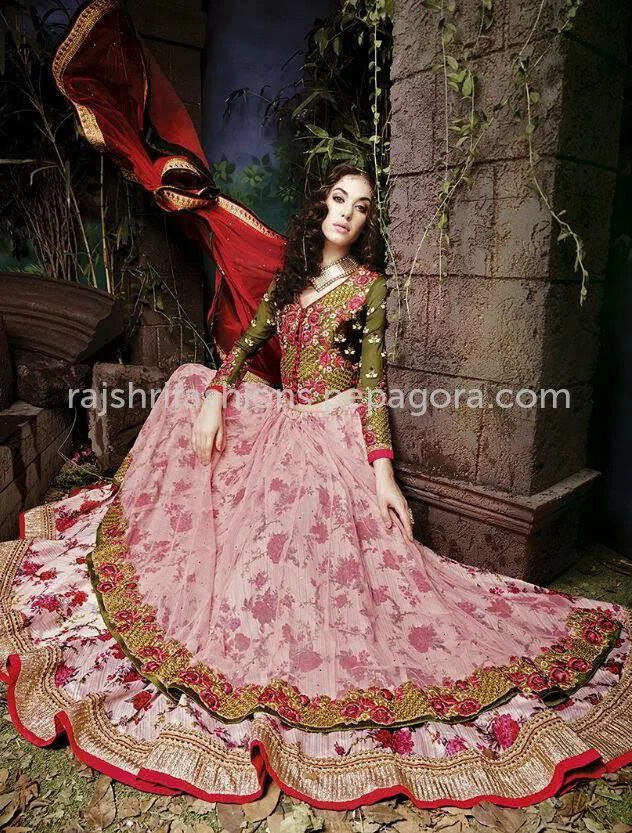
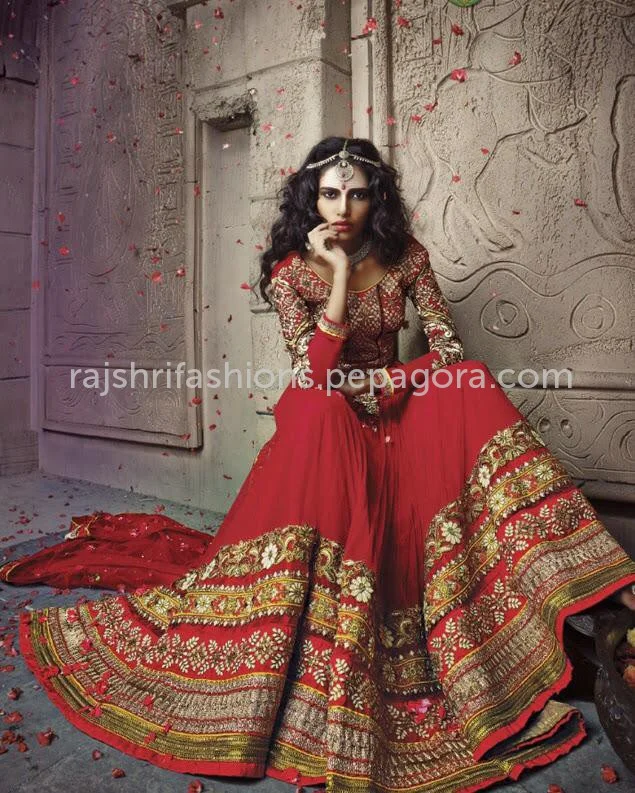
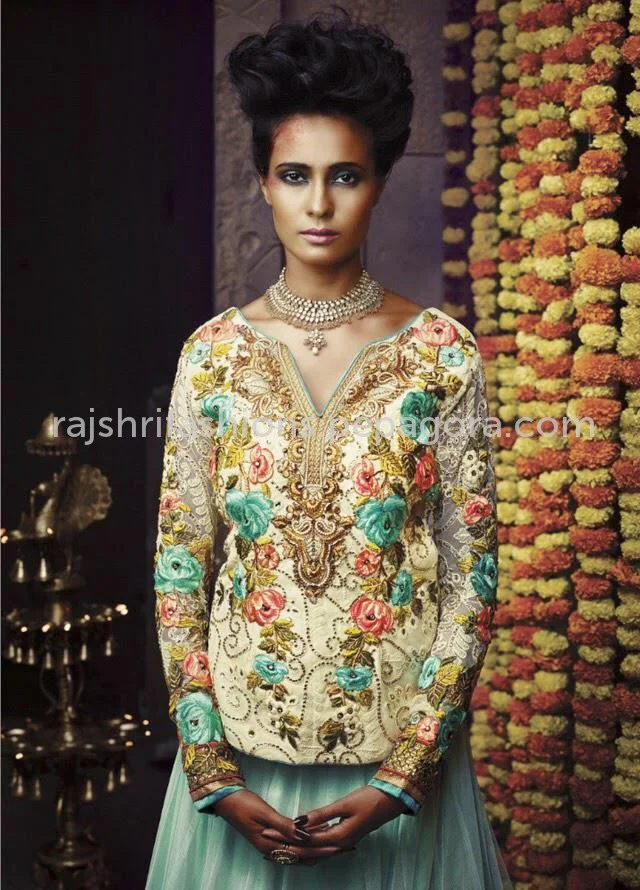
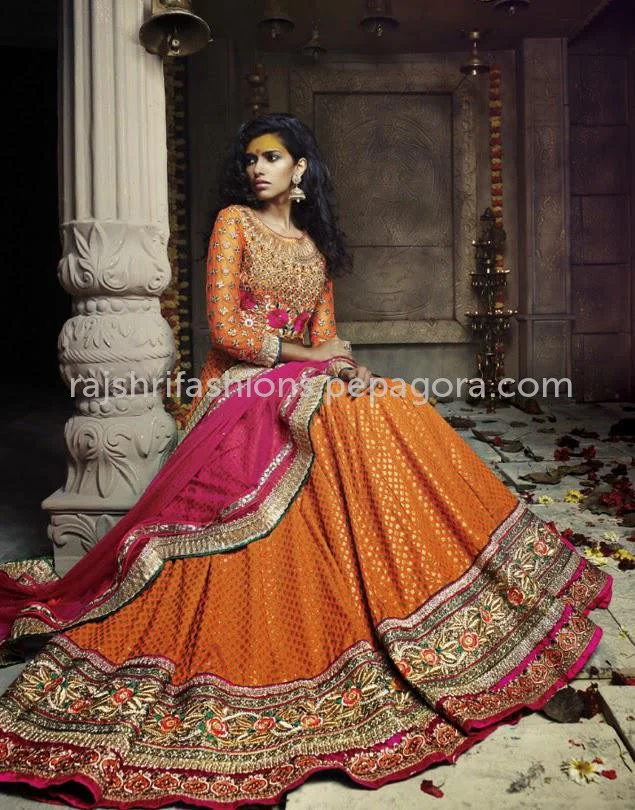
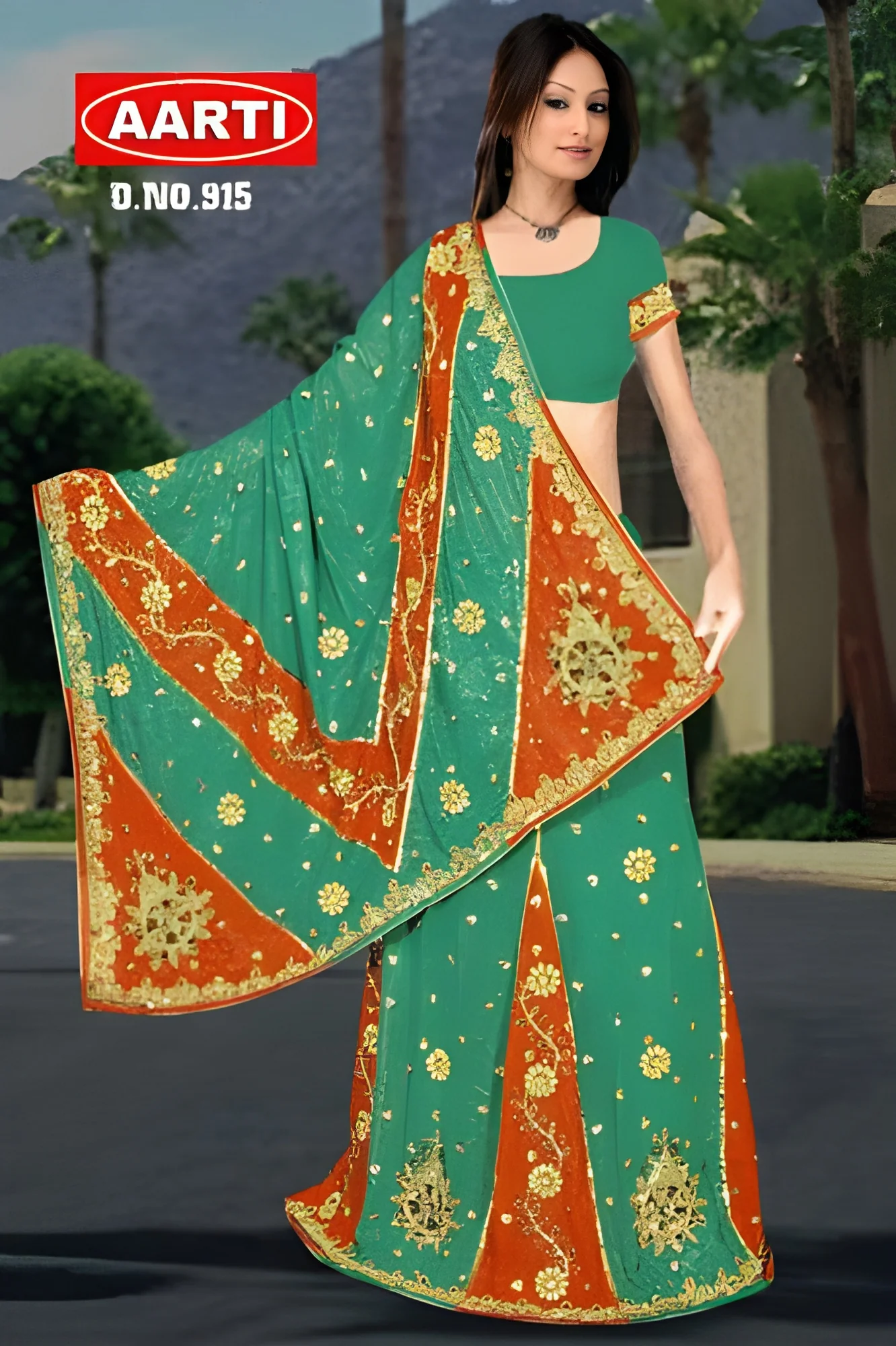
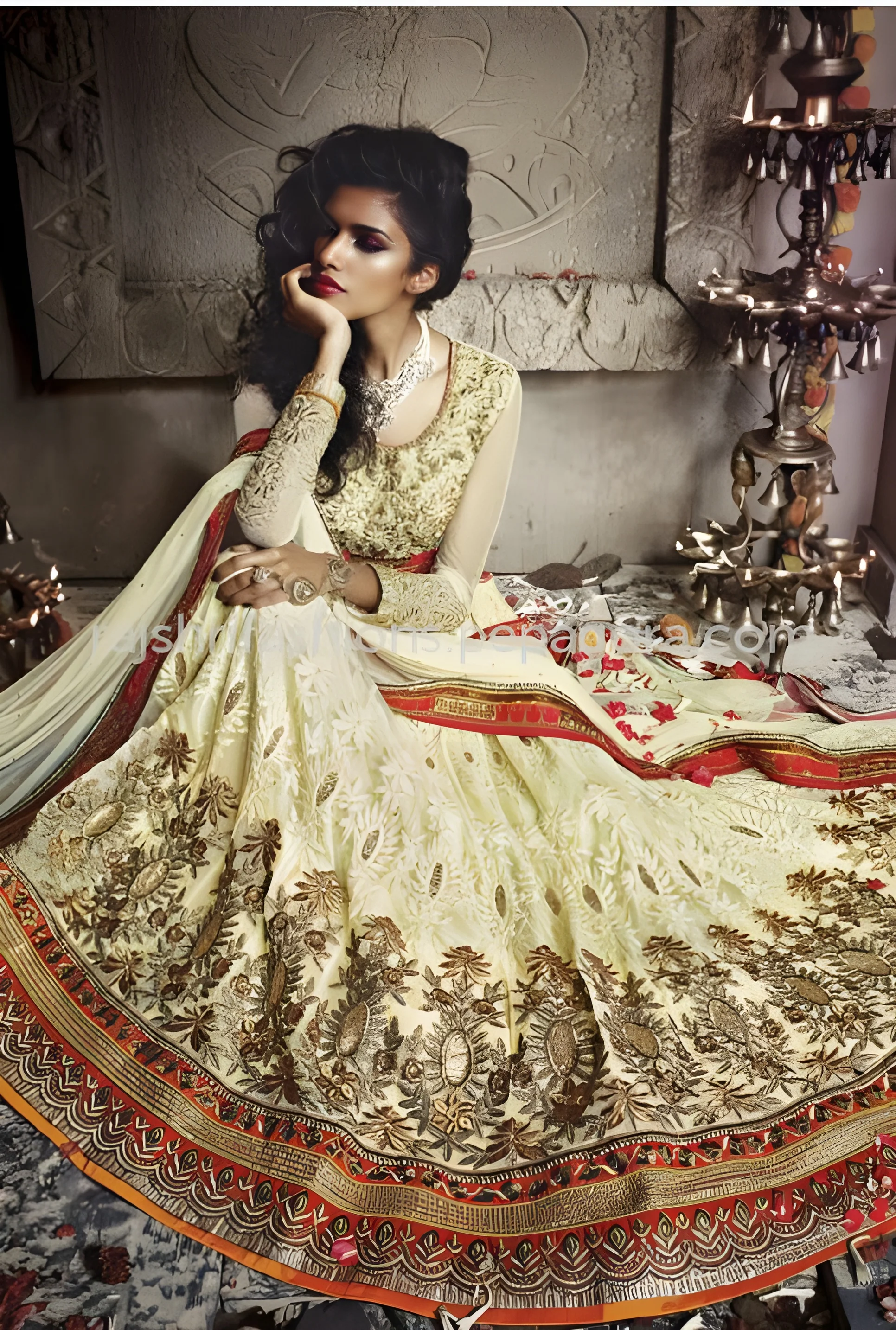
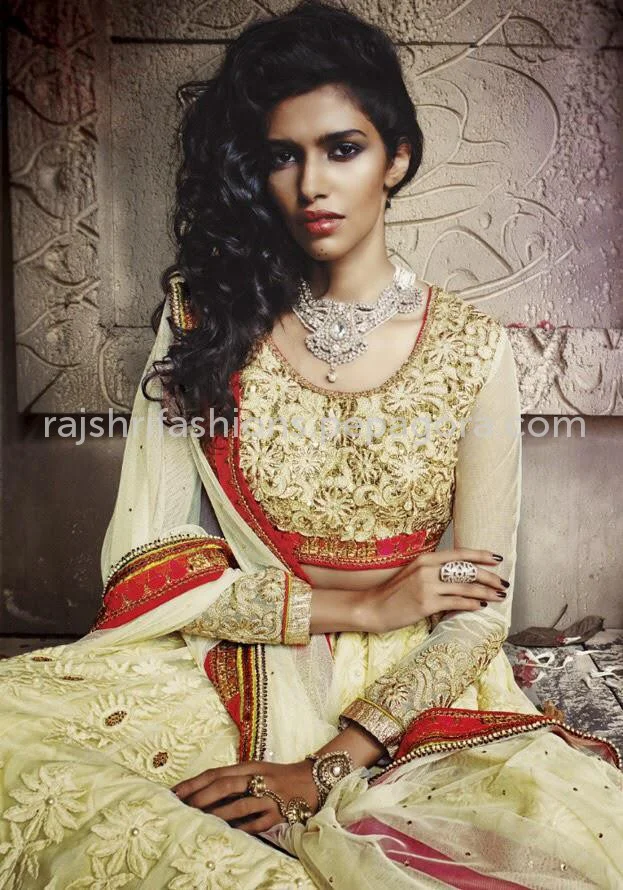
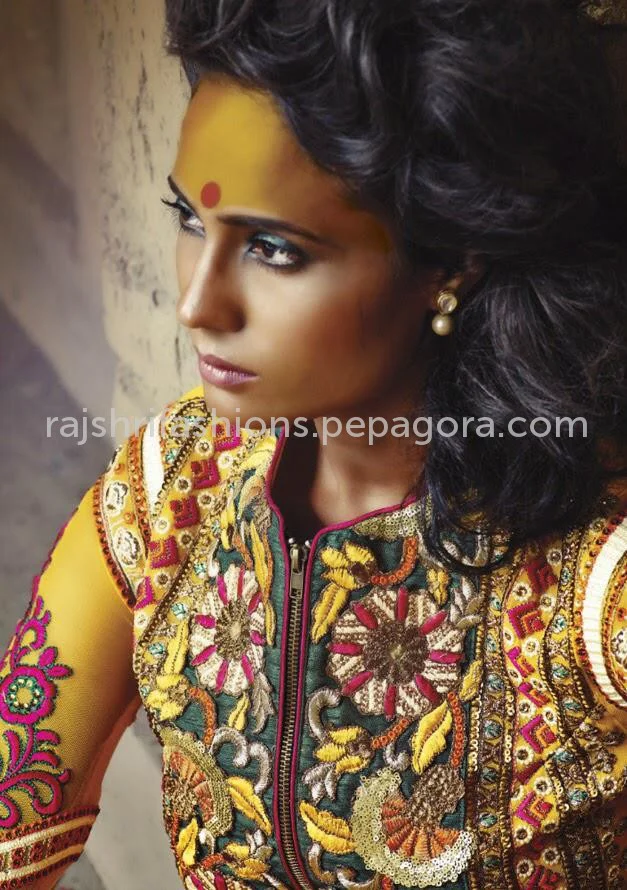
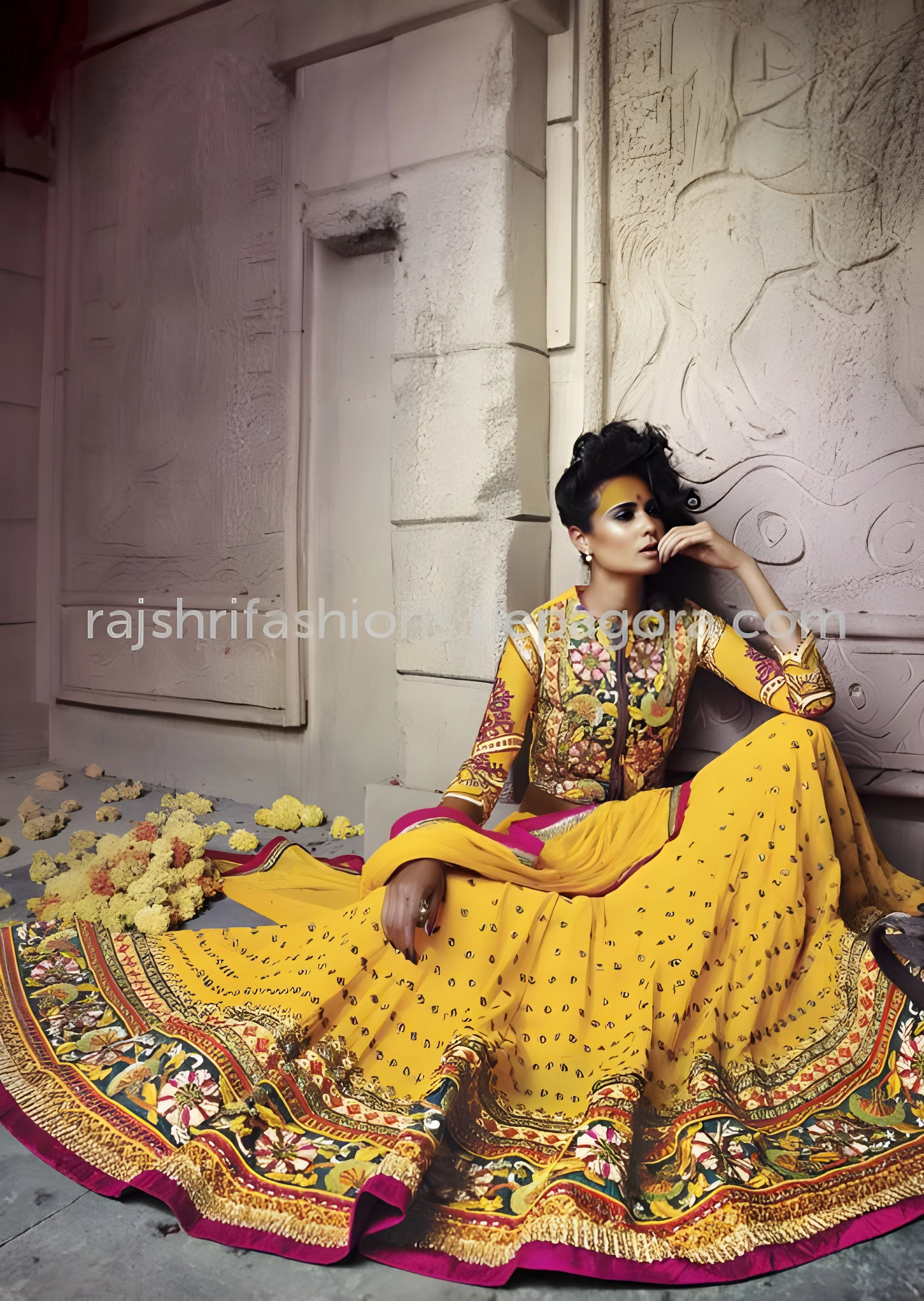
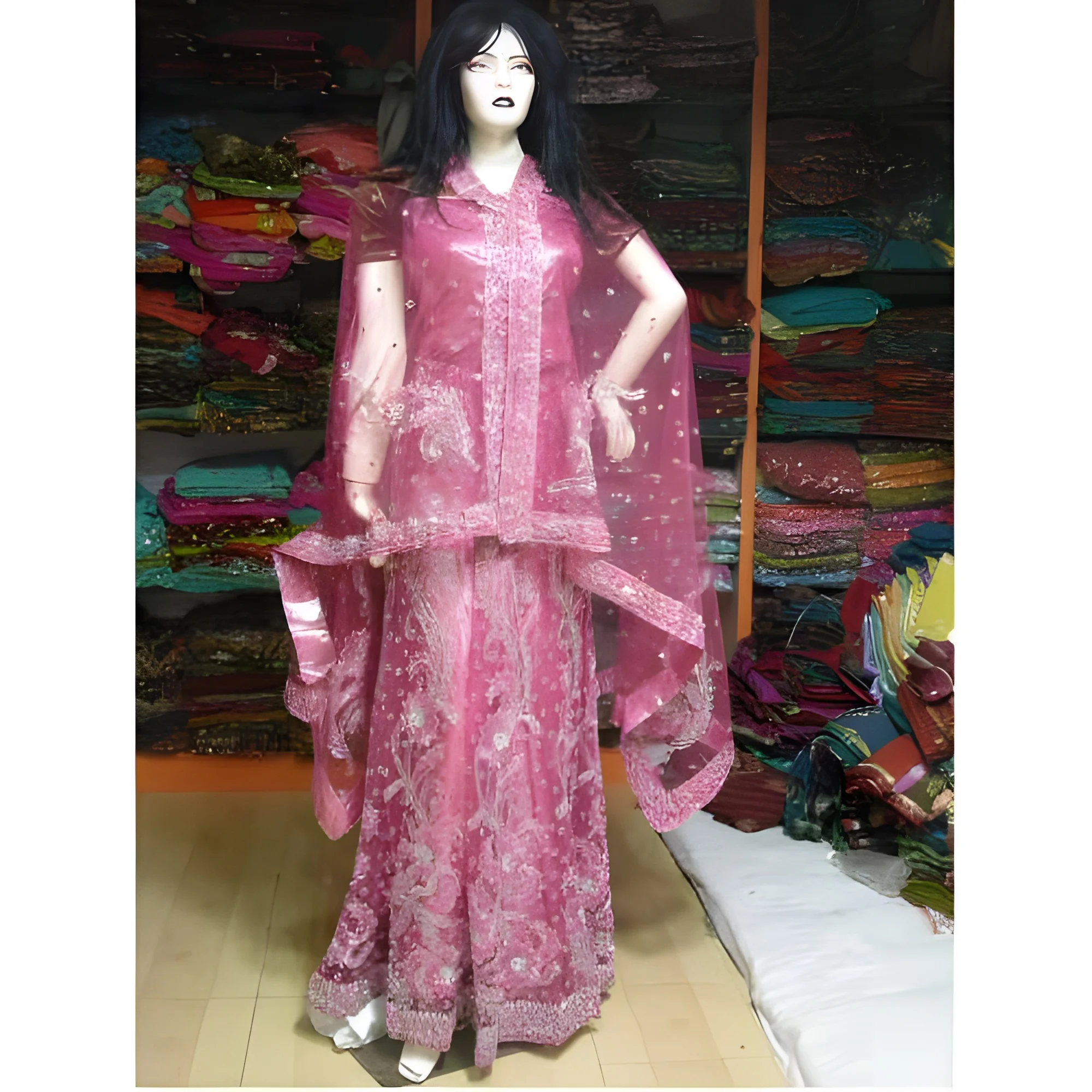
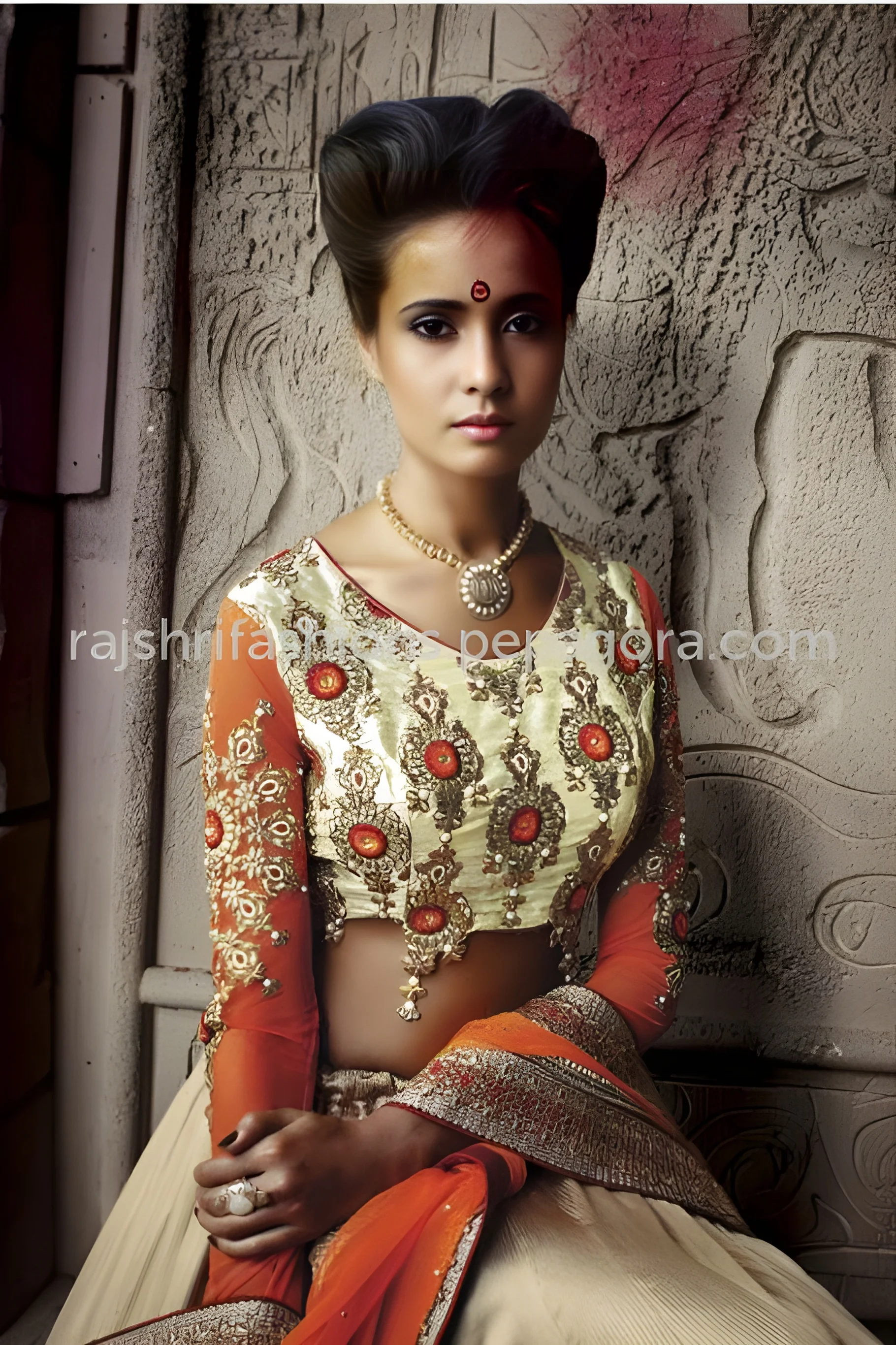
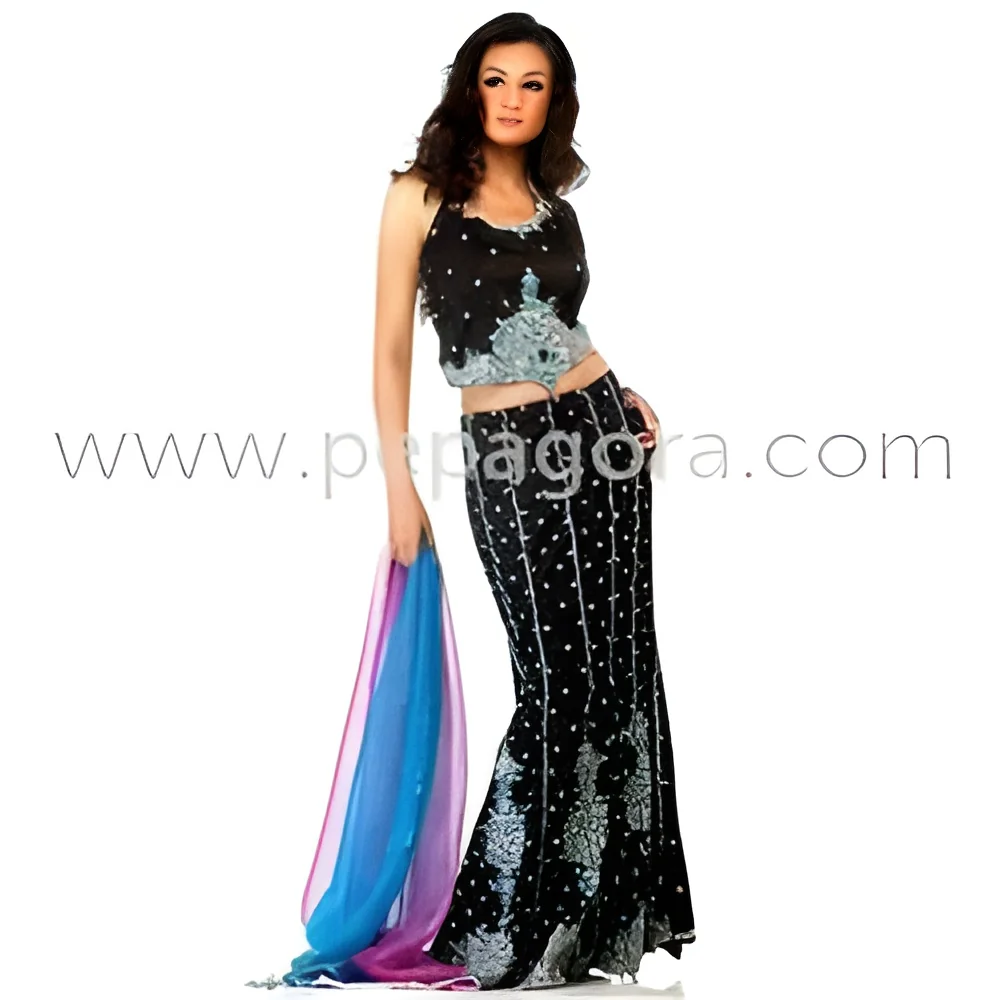
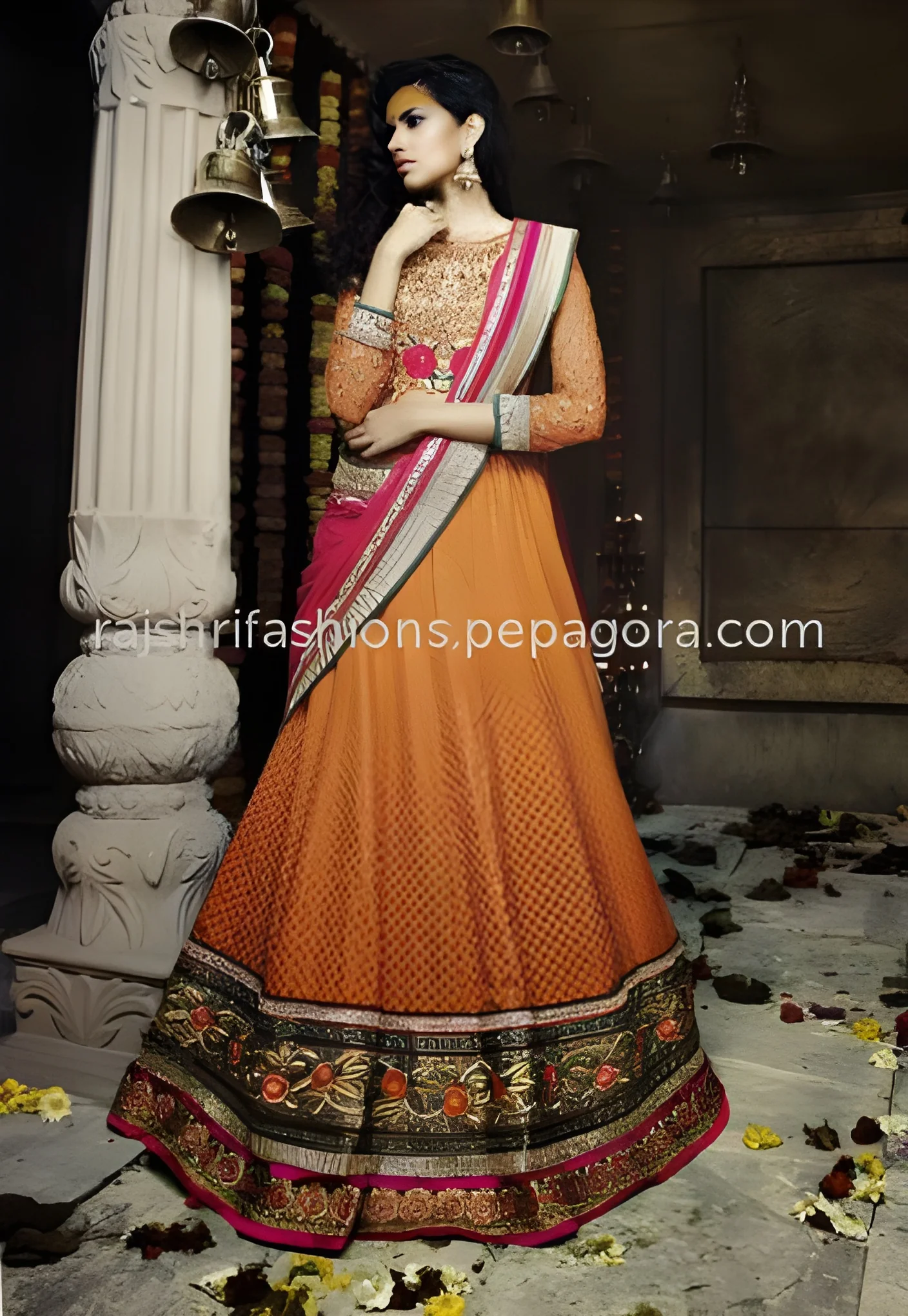
Women's lehengas are traditional Indian garments that consist of a long skirt, usually paired with a matching blouse and a dupatta. The lehenga is characterized by its vibrant colors, intricate embroidery, and elaborate designs. It is typically worn during festive occasions, weddings, and cultural celebrations. This attire has gained popularity not just in India but also across various global markets, making it an integral part of ethnic fashion.
In the business context, women's lehengas cater to a diverse range of consumers, from bridal wear to party attire. Retailers and wholesalers often stock these garments to meet the increasing demand for ethnic wear in both local and international markets. As fashion trends evolve, the lehenga continues to adapt, making it relevant in contemporary fashion while still honoring traditional craftsmanship. The market for women's lehengas is robust, with opportunities for growth as more individuals embrace cultural attire for various occasions.
Key Features and Specifications
Women's lehengas are known for their unique features and high-quality craftsmanship. They come in various designs, fabrics, and embellishments, allowing for a wide range of styles suitable for different occasions.
Key specifications include:
1. Fabric Type
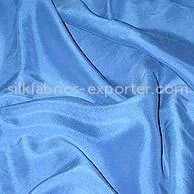
- Common fabrics include silk, cotton, georgette, and chiffon.
- Each fabric offers different textures and draping styles.
2. Size Range
- Available in sizes from XS to XXL, accommodating various body types.
- Custom sizing options may be available for tailored fits.
3. Embellishments
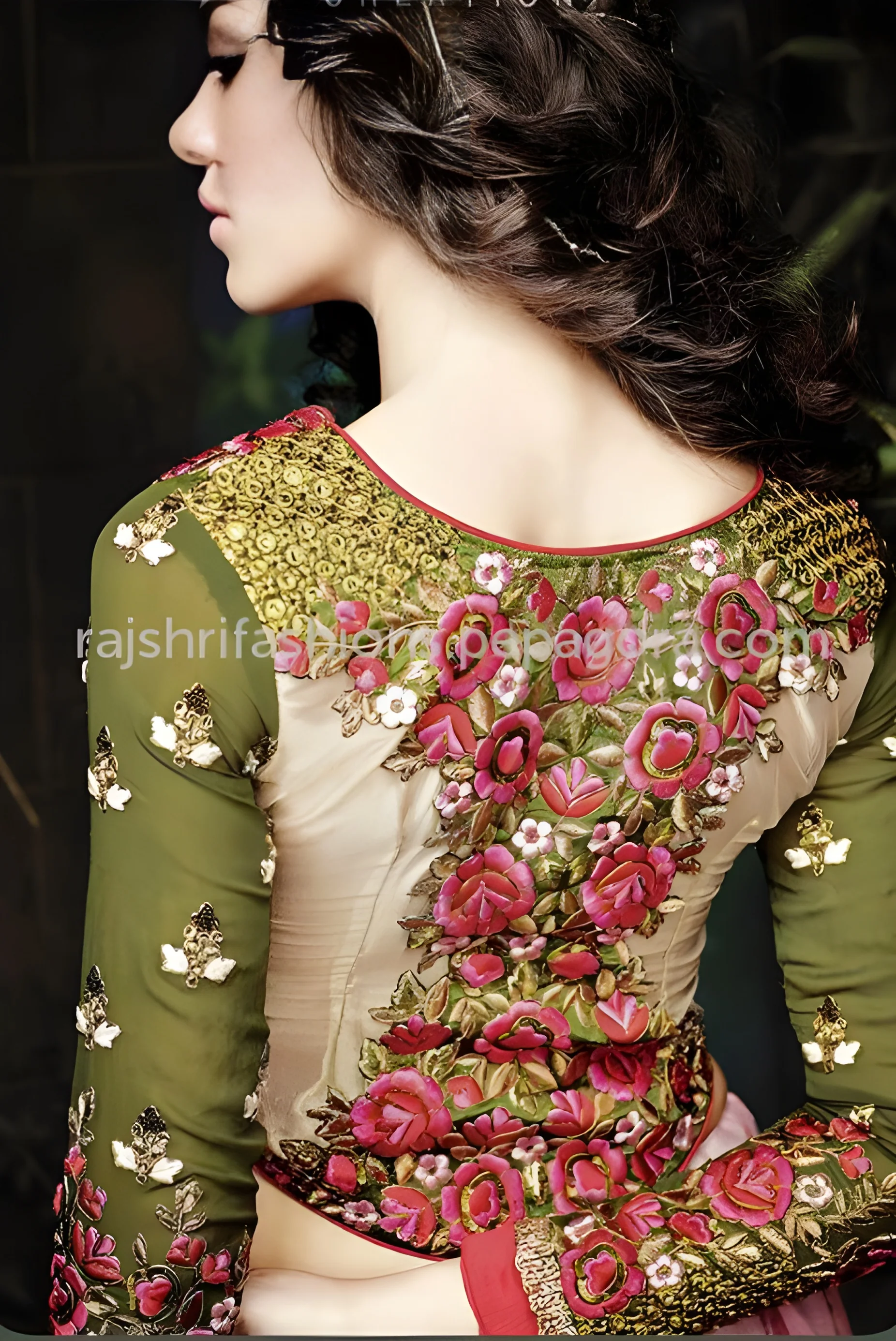
- Features can include embroidery, mirror work, and sequins.
- Customizable options are often available to meet specific design needs.
4. Length Variations
- Skirt lengths can vary from ankle-length to floor-length.
- Options for different silhouettes such as A-line, mermaid, or straight cut.
5. Color Palette
- Available in a wide variety of colors, catering to diverse aesthetic preferences.
- Seasonal trends may influence color availability.
6. Blouse Styles
- Blouses can be designed with various necklines and sleeve lengths.
- Options for back designs may include deep cuts, keyholes, or closures.
7. Dupatta Styles
- Dupattas may vary in length and style, from simple to heavily embellished.
- Can be used in various draping styles to enhance the overall look.
8. Care Instructions
- Specific care requirements may vary based on fabric types.
- Recommendations for dry cleaning or gentle hand washing to maintain quality.
Women's lehengas combine beauty and functionality, making them a popular choice in the fashion industry.
Common Applications and Use Cases
Women's lehengas have a wide range of applications across various industries.
1. Fashion Retail: Retailers stock lehengas to cater to customers seeking traditional attire for weddings, festivals, and other celebrations.
2. Event Planning: Event planners often recommend lehengas for brides and bridal parties to enhance the cultural theme of weddings.
3. E-commerce: Online platforms increasingly feature women's lehengas to reach a broader audience, providing convenience and accessibility.
4. Export Businesses: Many companies export lehengas to international markets, tapping into the growing demand for ethnic clothing.
5. Custom Fashion Design: Designers may create bespoke lehengas for clients, focusing on unique styles and personal preferences.
6. Cultural Events: Organizations hosting cultural events may require lehengas for performances or exhibitions to showcase traditional attire.
7. Fashion Shows: Designers and brands often include lehengas in runway shows to highlight their latest collections, combining traditional elements with modern fashion.
Product Variants and Subcategories
Women's lehengas offer a diverse range of styles and designs, catering to various tastes and preferences.
Traditional Lehenga
This variant features classic designs with intricate embroidery and vibrant colors, ideal for weddings and festive occasions. It often includes heavy embellishments and a rich fabric.
Contemporary Lehenga
A modern take on the traditional style, contemporary lehengas may incorporate unique silhouettes and innovative designs. They are suitable for parties and formal events.
Bridal Lehenga
Designed specifically for brides, this variant is characterized by luxurious fabrics, exquisite craftsmanship, and elaborate designs. These lehengas often feature intricate detailing and are available in a range of colors.
Party Wear Lehenga
These lehengas are designed for social gatherings and celebrations. They typically feature lighter fabrics and embellishments, offering comfort while maintaining an elegant appearance.
Benefits and Advantages
Women's lehengas provide several key benefits for consumers and businesses alike.
1. Cultural Significance: Wearing lehengas connects individuals to their cultural roots, making them a preferred choice for traditional events.
2. Versatile Fashion: Lehengas can be styled in various ways, allowing for multiple looks with a single outfit.
3. High Demand: The popularity of lehengas ensures a steady market, providing business opportunities for retailers and manufacturers.
4. Customization Options: Many manufacturers allow for bespoke designs, enabling customers to create unique garments that reflect personal style.
5. Quality Craftsmanship: Well-made lehengas offer durability and longevity, providing value for investment.
6. Seasonal Appeal: Lehengas are in demand throughout the year, particularly during wedding seasons and festivals, ensuring consistent sales opportunities.
Buying Guide for B2B Buyers
When sourcing women's lehengas, it is essential to consider several factors to ensure quality and suitability.
1. Quality Assessment: Evaluate the fabric quality, stitching, and embellishments to ensure a high-standard product. Checking for consistency in craftsmanship is crucial.
2. Supplier Verification: It is important to vet suppliers to confirm their reliability and reputation in the market. Look for reviews, references, and previous work.
3. Pricing and MOQ: Understand the pricing structures and minimum order quantities (MOQ) to ensure they align with your business needs and budget.
4. Delivery and Lead Times: Clarify logistics, including delivery schedules and lead times, to maintain a seamless supply chain.
5. Compliance Requirements: Be aware of any regulatory needs regarding textiles and apparel, ensuring that products meet local and international standards.
Compliance and Certifications
Women's lehengas must adhere to several quality and safety standards to ensure market acceptance.
Relevant quality standards include ISO 9001, which focuses on quality management systems, ensuring that products meet customer and regulatory requirements. Certifications such as CE indicate compliance with European health, safety, and environmental protection standards.
Safety requirements often involve testing for fabric durability and colorfastness to prevent issues during use. Moreover, compliance considerations may vary by region, necessitating an understanding of local regulations for textiles.
Why Source Women's Lehengas from Pepagora?
Pepagora offers a trusted platform for sourcing women's lehengas, providing several key advantages for B2B buyers.
Verified Supplier Network: Pepagora connects buyers with a network of verified suppliers, ensuring reliability and quality in sourcing. Each supplier undergoes a thorough verification process to maintain high standards.
Streamlined RFQ Process: The request for quotation (RFQ) process is designed for ease, allowing buyers to receive competitive quotes quickly. This efficiency helps businesses make informed purchasing decisions.
Trade Assurance and Support: Pepagora provides trade assurance, offering buyers protection against potential issues. Their customer support team is available to assist throughout the purchasing process.
Regional Coverage: With a strong presence in India, the Gulf Cooperation Council (GCC), and Southeast Asia, Pepagora caters to a wide geographical area, making it easier for businesses to source lehengas from diverse markets.

 IN
IN