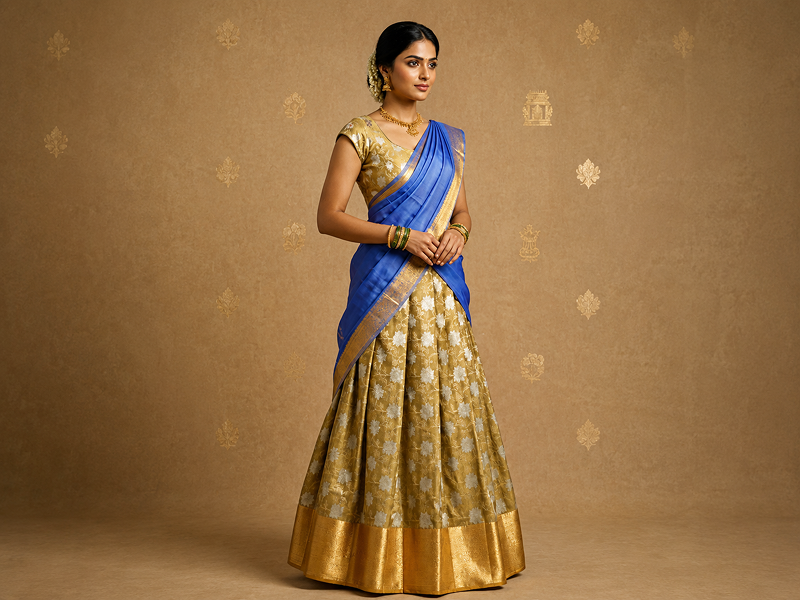
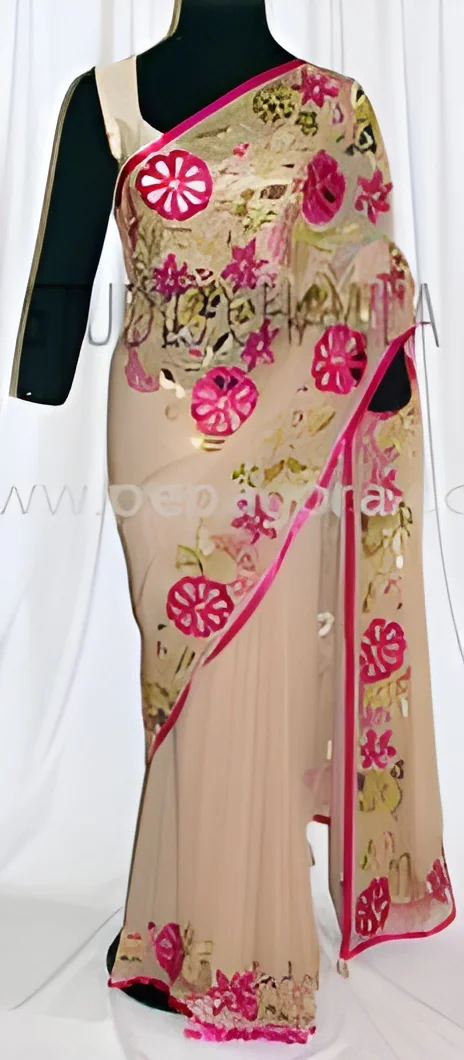
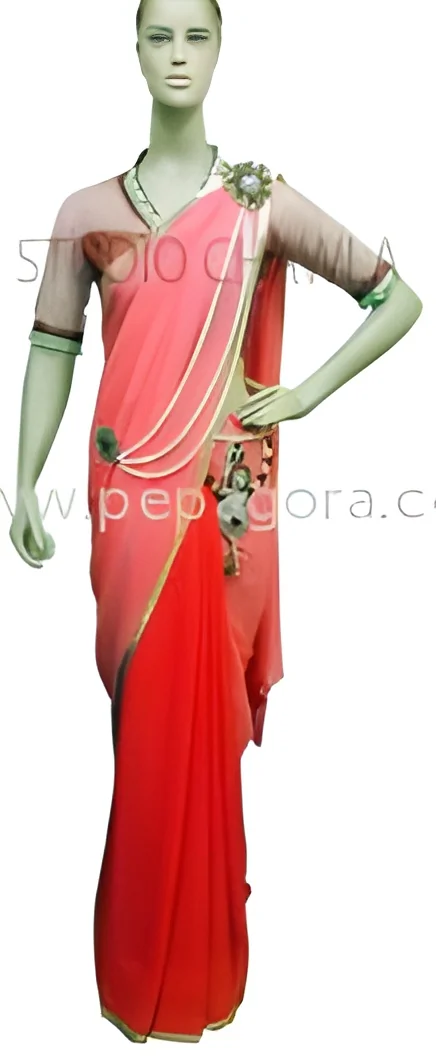
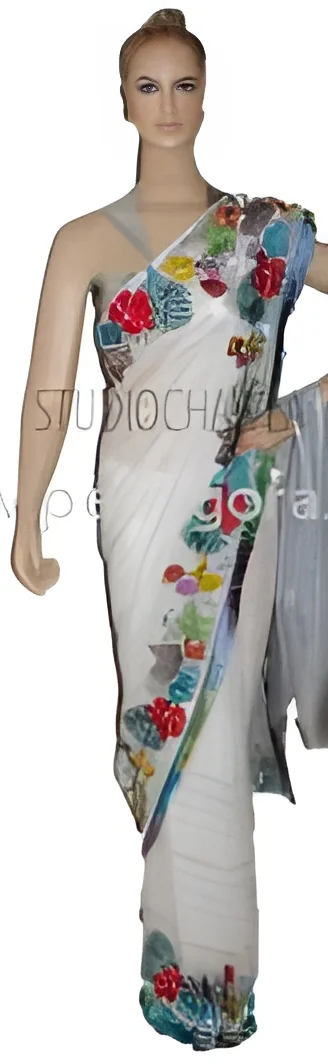
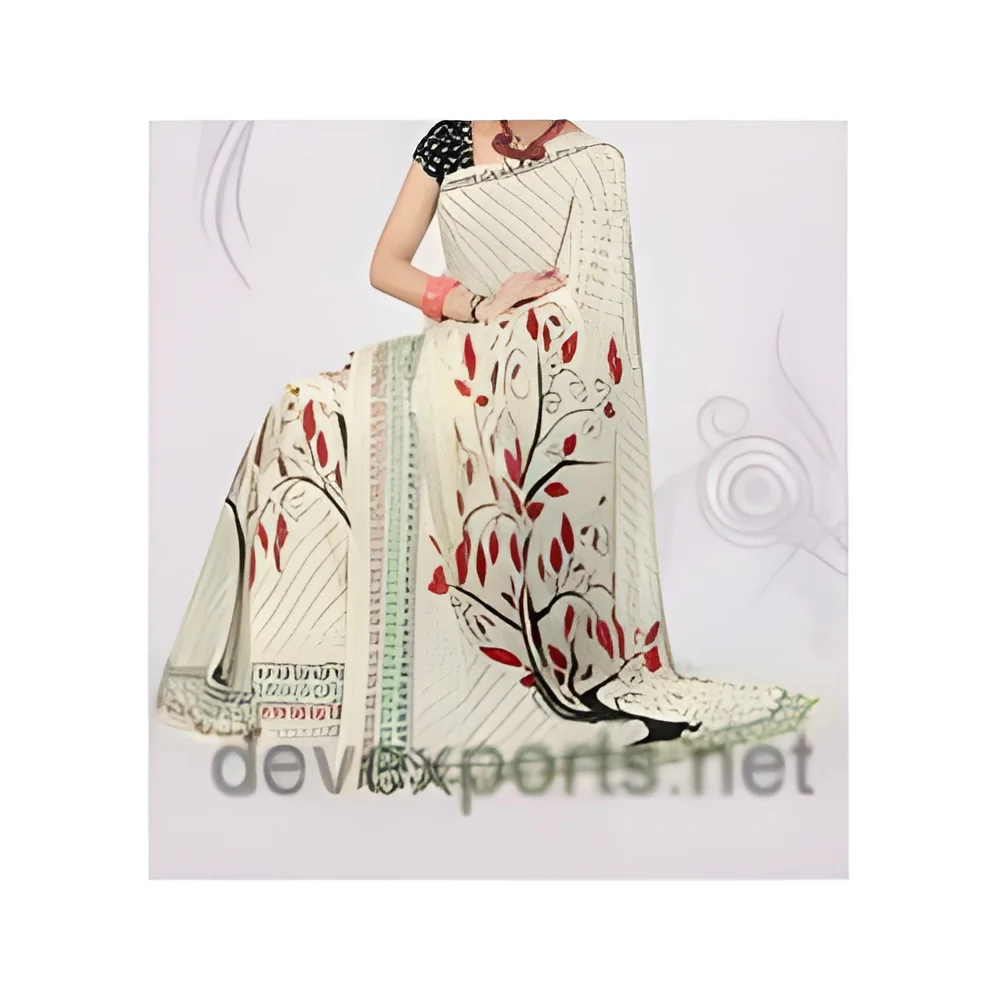
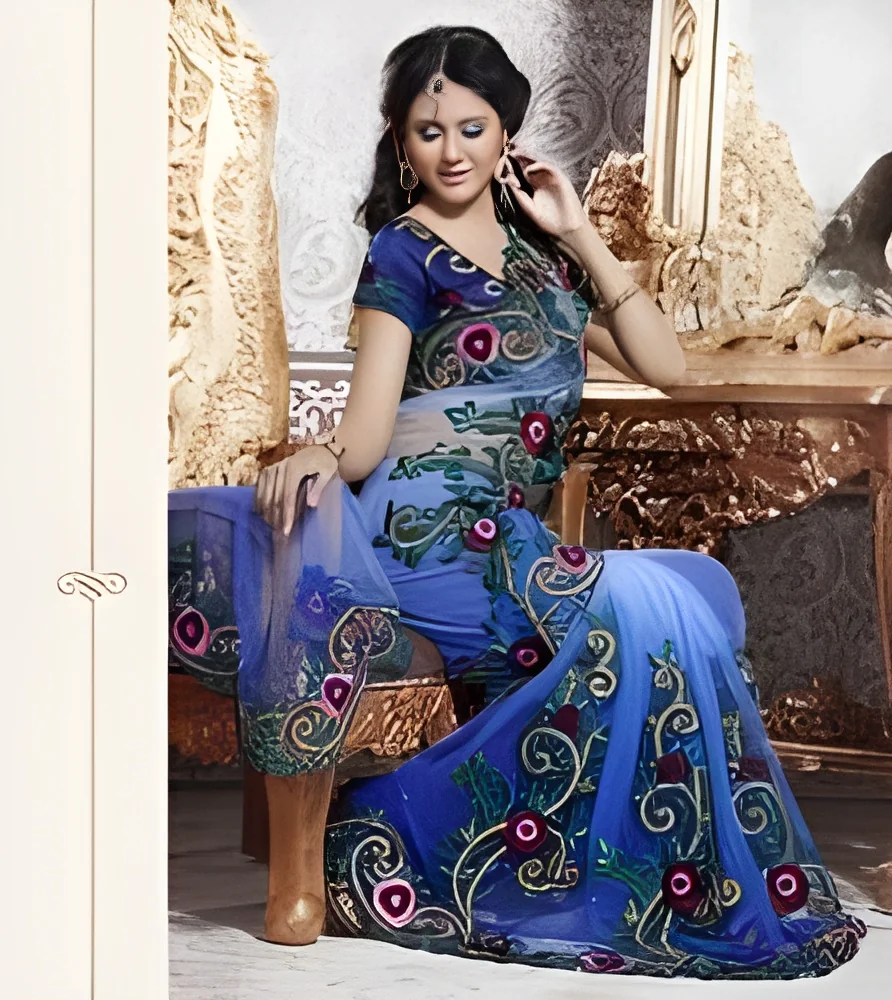
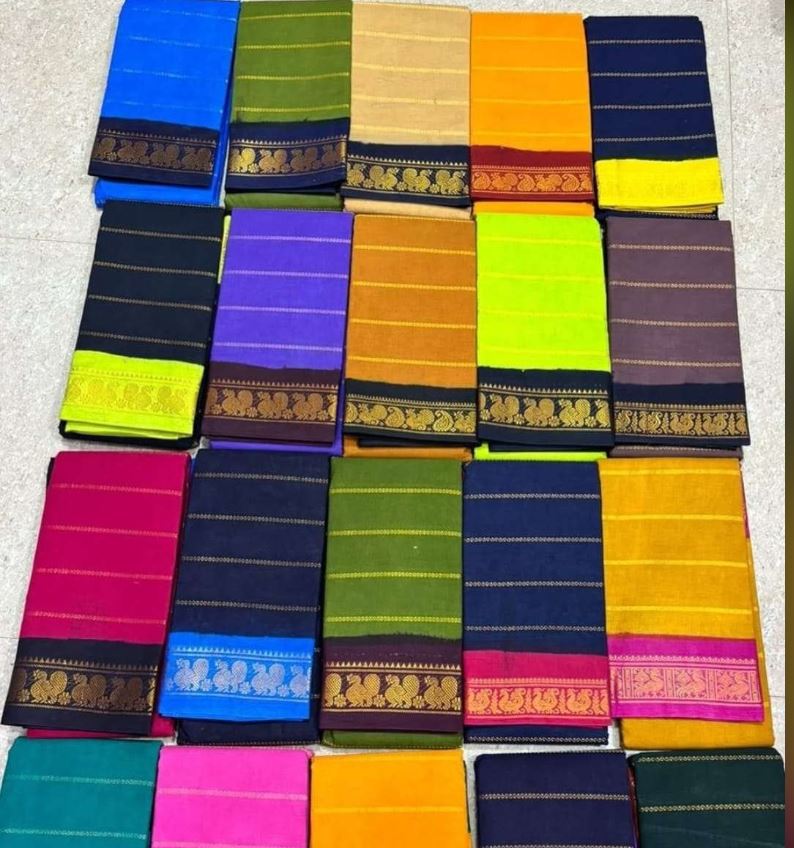
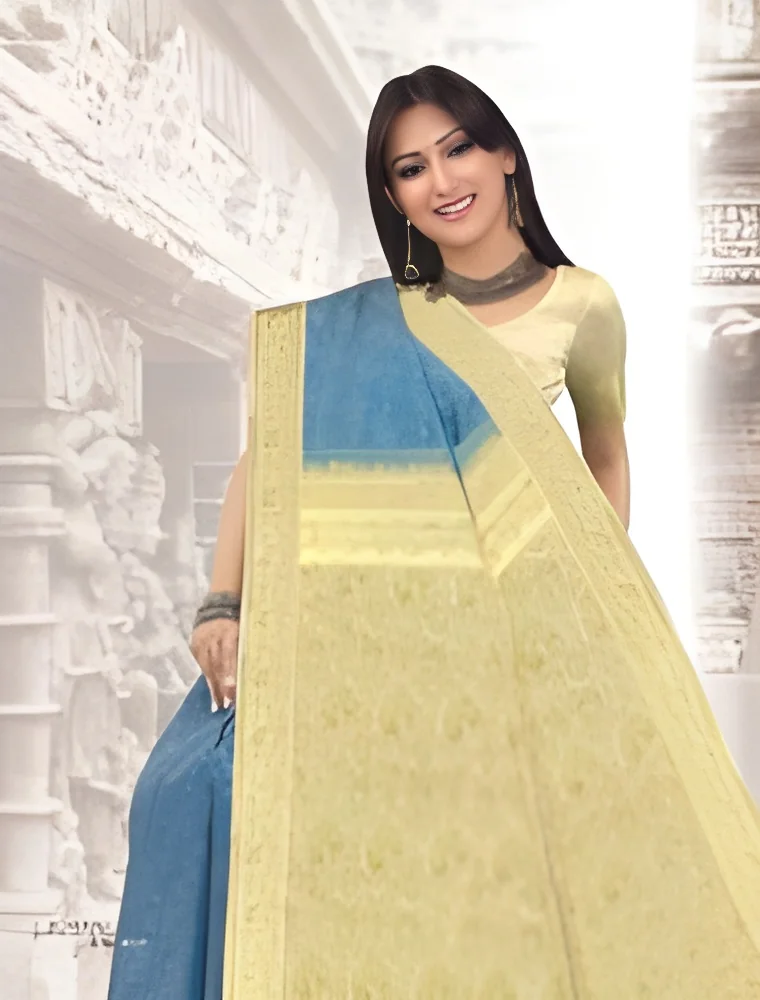
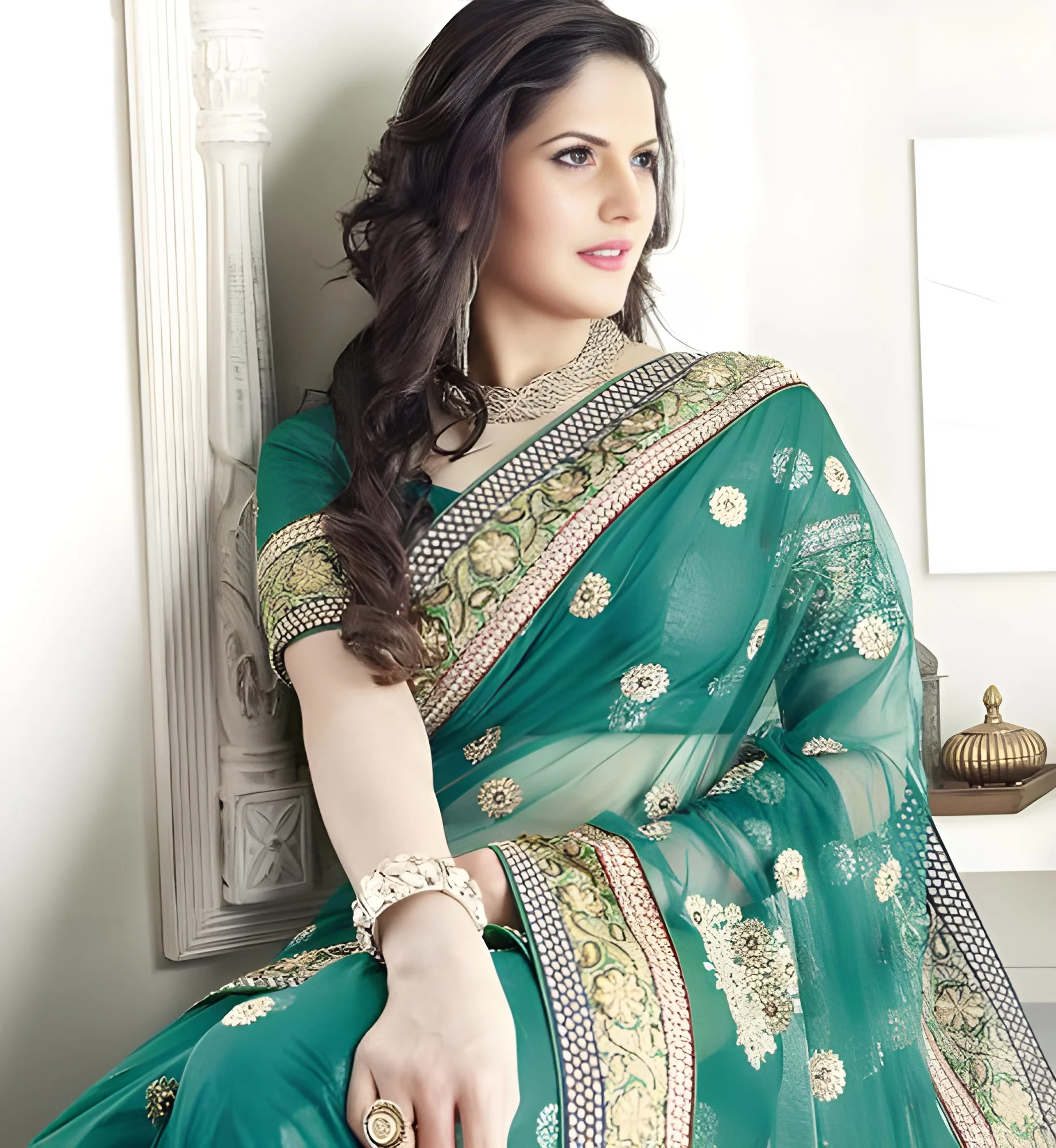
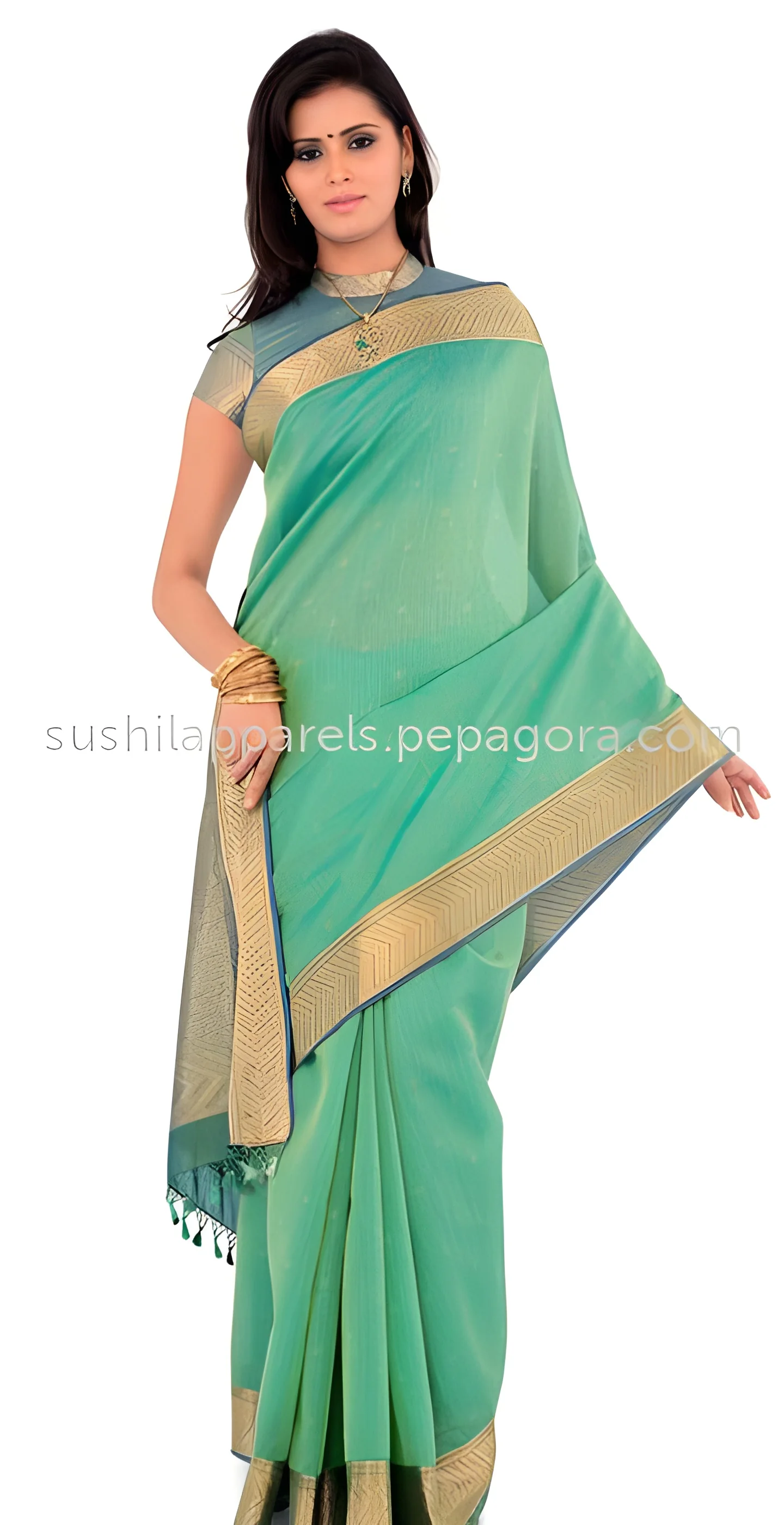
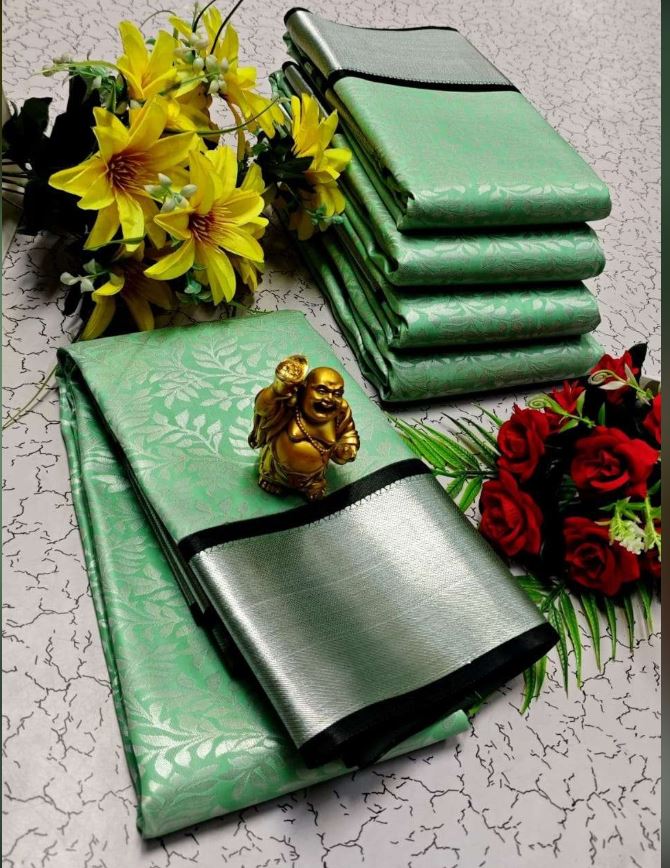
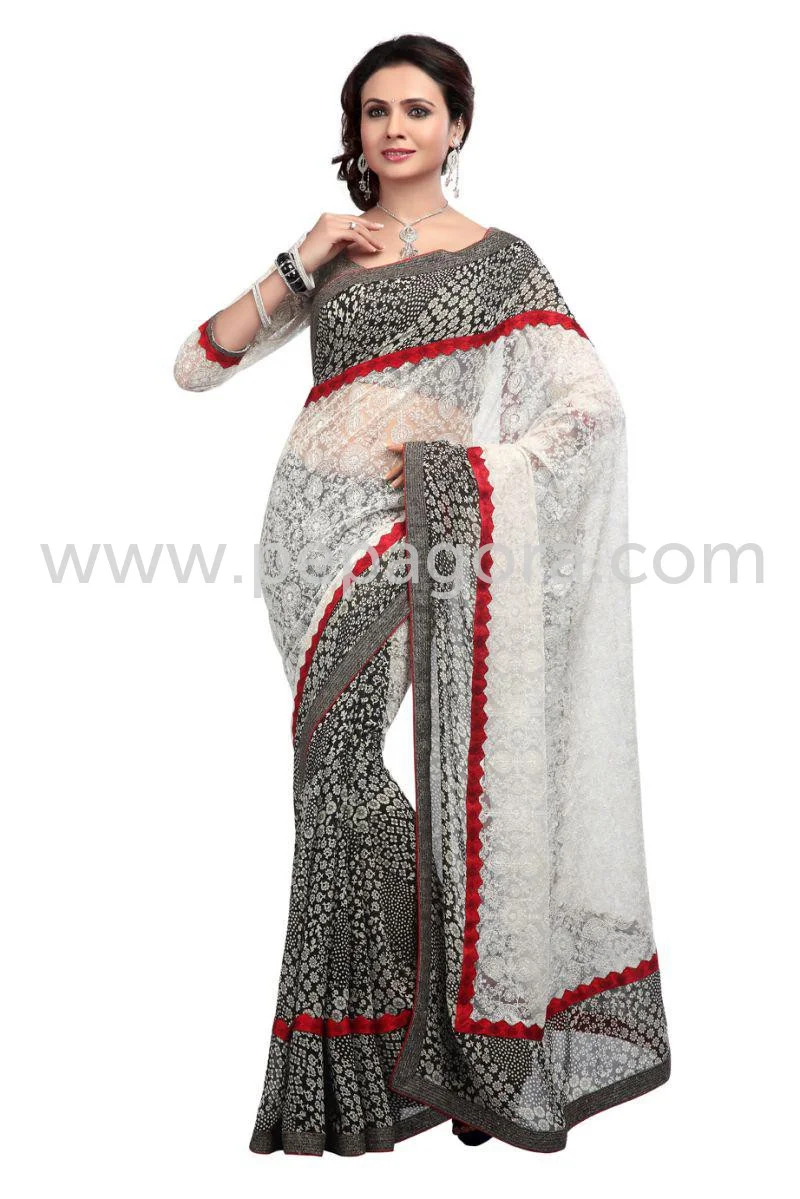
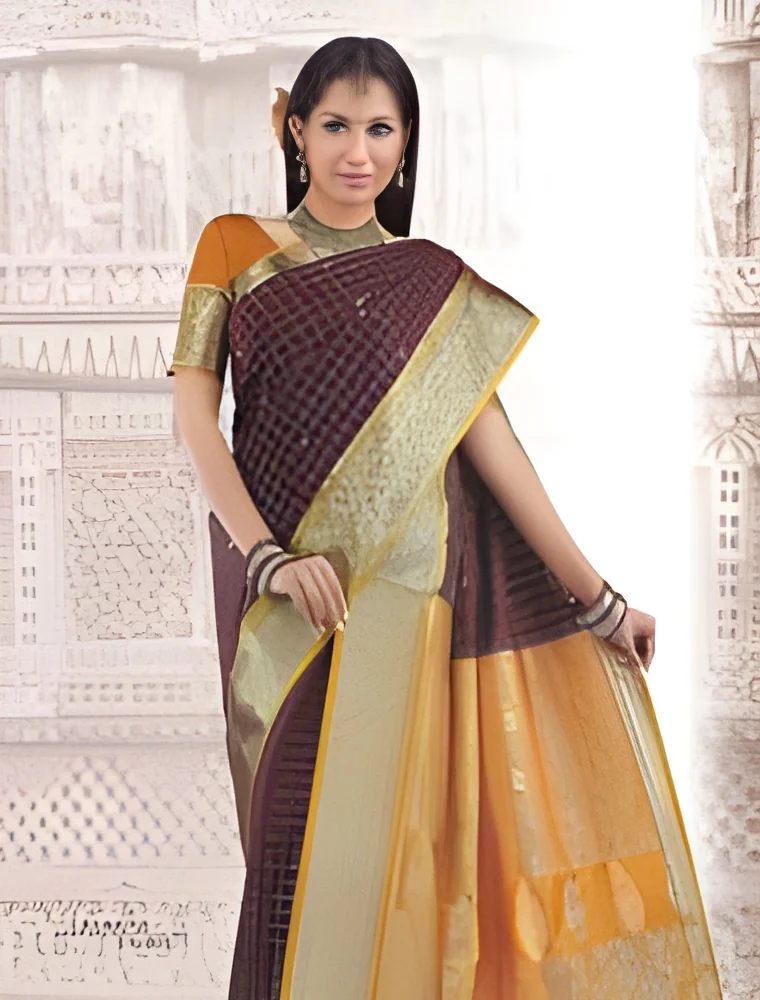
What are Women's Sarees?
Women's sarees are a traditional garment worn by women in various South Asian countries, particularly India. This elegant attire consists of a long piece of fabric, typically ranging from five to nine yards in length, which is draped around the body in various styles. The saree is usually paired with a blouse and a petticoat, enhancing the overall look. The fabric can be made from a variety of materials, including silk, cotton, and synthetic blends, catering to different occasions and personal preferences.
Sarees are not only a staple in everyday wear but also play a significant role in festive and ceremonial occasions. They are popular choices for weddings, cultural celebrations, and formal events. Businesses involved in the textile and fashion industries often utilize sarees as part of their product offerings, targeting both retail and wholesale markets. The saree market is vast and diverse, reflecting regional variations in fabric, design, and draping style, making it a significant segment within the global textile industry.
Key Features and Specifications
Women's sarees come with various features that make them appealing to consumers and businesses alike. The specifications can vary widely based on the fabric, design, and intended use. Here are some key specifications to consider:
1. Fabric Type
- Common fabrics include silk, cotton, chiffon, and georgette.
- Each fabric offers different aesthetics and comfort levels.
2. Length
- Standard saree lengths typically range from 5 to 9 yards.
- Custom lengths can be offered based on buyer requirements.
3. Width
- The width of the saree fabric generally ranges from 40 to 48 inches.
- Wider fabrics allow for different draping styles.
4. Design Patterns
- Sarees may feature prints, embroidery, or embellishments.
- Custom designs can be created based on trends and customer preferences.
5. Blouse Compatibility
- Sarees are often paired with blouses that can be tailored for fit and style.
- Blouses can vary in design, sleeve length, and neckline.
6. Care Instructions
- Most sarees require dry cleaning or hand washing to maintain fabric integrity.
- Quality materials may come with specific care guidelines.
7. Weight
- The weight of sarees can vary significantly depending on the fabric.
- Lightweight sarees are preferred for casual wear, while heavier options are chosen for formal events.
8. Price Range
- Prices can range widely based on fabric, craftsmanship, and brand.
- Bulk purchases may offer significant cost savings.
The diverse features of women's sarees cater to a wide range of consumer preferences, making them a versatile product in the fashion industry.
Common Applications and Use Cases
Women's sarees serve various industries, reflecting their cultural significance and market demand.
1. Fashion Retail: Sarees are a staple in women's fashion boutiques, where they are sold as both everyday wear and formal attire.
2. Event Planning: Many event planners incorporate sarees into their offerings for weddings and cultural celebrations, providing clients with traditional attire options.
3. Export and Trade: The saree industry is a significant contributor to textile exports, with international demand for Indian sarees growing in markets worldwide.
4. Online Retail: E-commerce platforms have seen a surge in saree sales, with businesses using digital marketing to reach a broader audience.
5. Costume Design: In film and theater, sarees are often used in costume design, representing cultural authenticity in productions.
6. Handicrafts: Artisans create unique sarees that reflect regional craftsmanship, appealing to niche markets seeking authentic and handmade products.
7. Cultural Events: Sarees are frequently worn during cultural festivals and traditional gatherings, promoting cultural heritage and identity.
Product Variants and Subcategories
Women's sarees come in a variety of styles, each offering unique features and applications.
Traditional Sarees
These sarees are often handwoven and adorned with intricate designs. They are usually made from high-quality fabrics like silk and are popular for weddings and formal events.
Contemporary Sarees
These sarees incorporate modern fabrics and designs, appealing to younger consumers. They often feature trendy prints and lighter materials for casual wear.
Party Wear Sarees
Designed specifically for festive occasions, party wear sarees often include embellishments like sequins and embroidery, making them suitable for celebrations and gatherings.
Casual Sarees
These sarees are made from comfortable fabrics like cotton and are ideal for everyday wear. They are easy to drape and maintain, catering to the needs of busy women.
Benefits and Advantages
Choosing women's sarees offers several advantages for buyers in the B2B market.
1. Cultural Appeal: Sarees are deeply rooted in tradition, making them desirable for cultural events and celebrations.
2. Versatility: With various styles and fabrics, sarees can be worn for multiple occasions, from casual to formal.
3. Customization Options: Many suppliers offer customization, allowing businesses to create unique products tailored to their target audience.
4. High Demand: The saree market continues to thrive, with consistent demand from both domestic and international consumers.
5. Profit Margins: Due to the varying price ranges, businesses can achieve favorable profit margins on saree sales.
6. Sustainable Options: Many manufacturers produce sarees using eco-friendly materials, appealing to environmentally conscious consumers.
Buying Guide for B2B Buyers
When sourcing women's sarees, it's essential to consider several factors to ensure a successful purchase.
1. Quality Assessment: Evaluate the fabric quality, craftsmanship, and design accuracy. Request samples when possible to confirm the product meets your standards.
2. Supplier Verification: Conduct background checks on suppliers to ensure they are reputable and reliable. Look for reviews and testimonials from other businesses.
3. Pricing and MOQ: Understand the pricing structure and minimum order quantities (MOQ) to align with your budget and inventory needs.
4. Delivery and Lead Times: Confirm the lead times for production and delivery to avoid disruptions in your supply chain.
5. Compliance Requirements: Ensure that the sarees meet any relevant regulatory standards, including safety and environmental guidelines.
Compliance and Certifications
Women's sarees must adhere to various quality standards and certifications to ensure safety and customer satisfaction.
ISO 9001 is a widely recognized standard that ensures quality management systems are in place for manufacturing processes. Compliance with this standard is essential for suppliers aiming to maintain high-quality production.
CE certification indicates that products meet European Union safety, health, and environmental protection standards. While not always mandatory for sarees, this certification can enhance marketability in international markets.
Safety and testing requirements may include fabric tests for flammability, colorfastness, and durability. Regional compliance considerations will vary, so it is crucial to understand specific regulations applicable in target markets.
Why Source Women's Sarees from Pepagora?
Pepagora provides a trusted platform for sourcing women's sarees, ensuring buyers access a wide range of quality products.
Verified Supplier Network: Pepagora offers a network of verified suppliers, allowing buyers to connect with reputable manufacturers. This reduces the risk of fraud and ensures product quality.
Streamlined RFQ Process: The request for quotation (RFQ) system is designed to simplify the sourcing process. Buyers can easily compare prices and offerings from multiple suppliers.
Trade Assurance and Support: Buyers benefit from trade assurance features that protect their purchases. Pepagora provides support throughout the transaction process, ensuring a smooth experience.
Regional Coverage: With a strong presence in India, GCC, and Southeast Asia, Pepagora facilitates access to diverse saree styles and materials, catering to a global audience.
In summary, partnering with Pepagora for sourcing women's sarees allows businesses to leverage a robust supply chain while ensuring quality and reliability.

 IN
IN