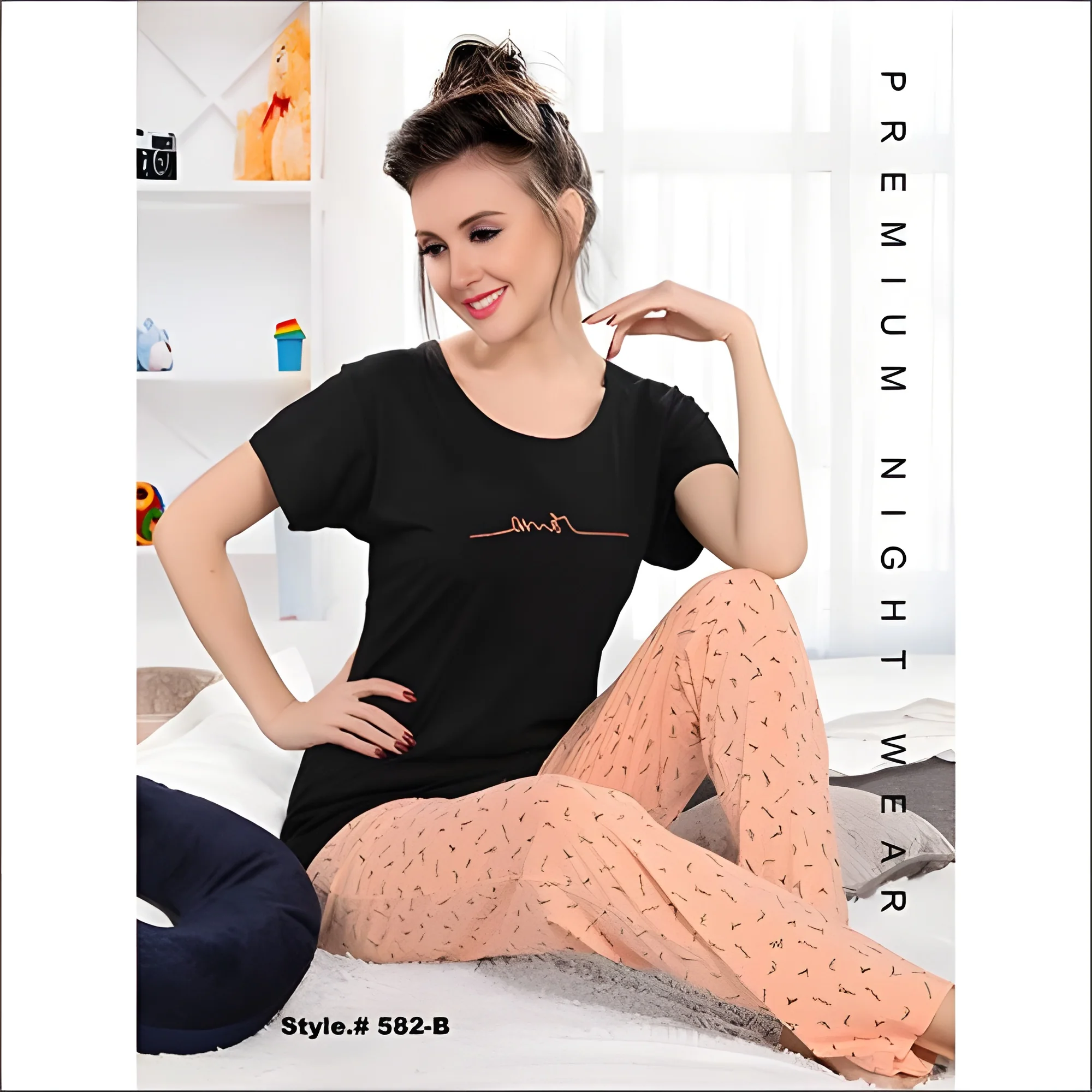
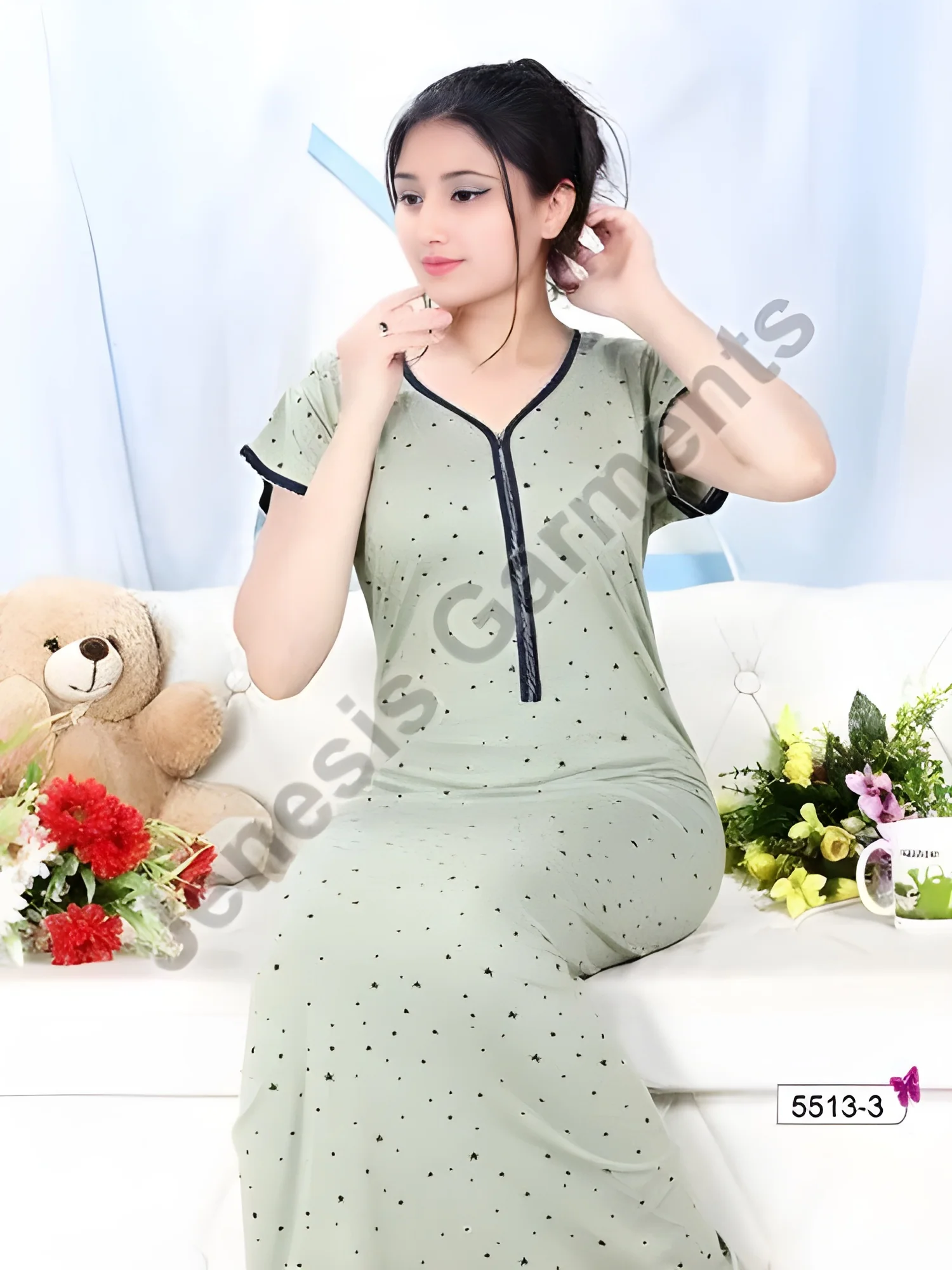
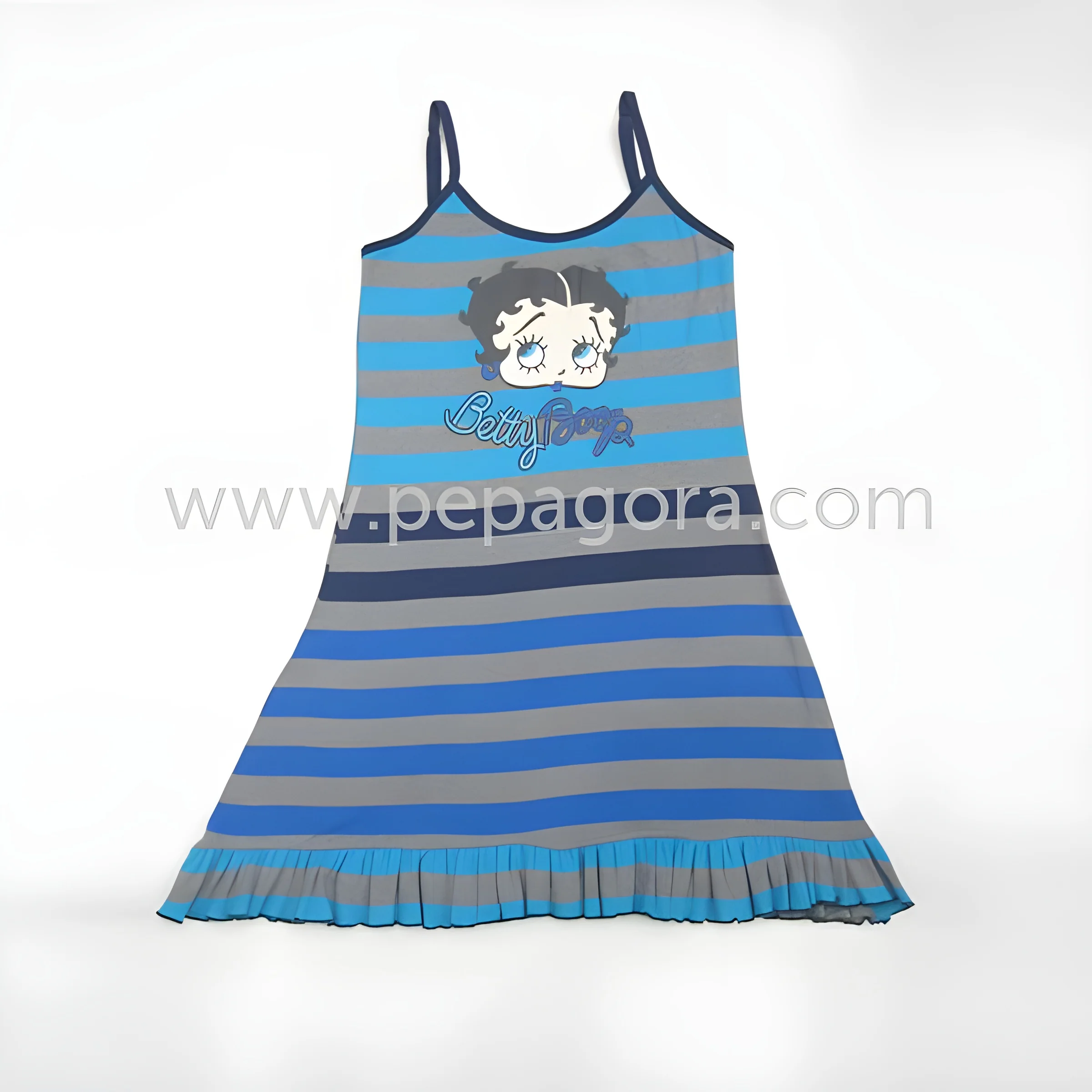
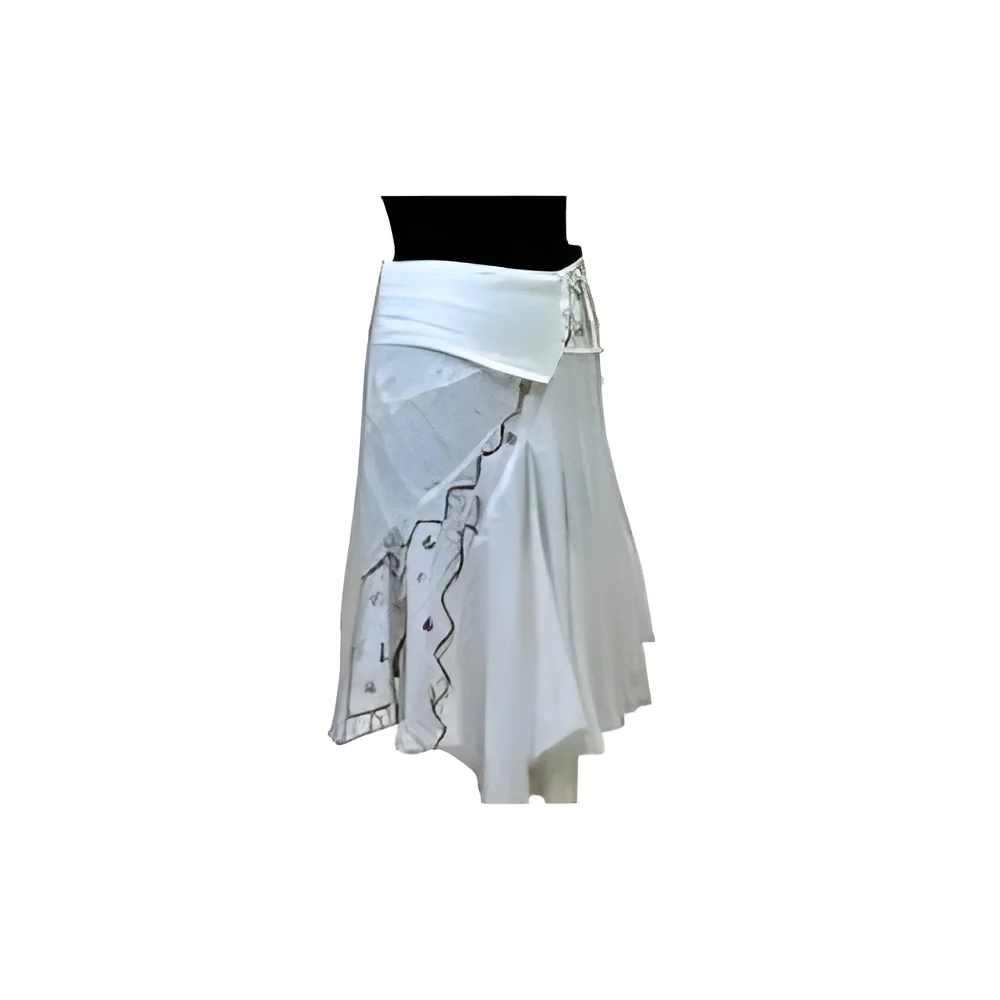
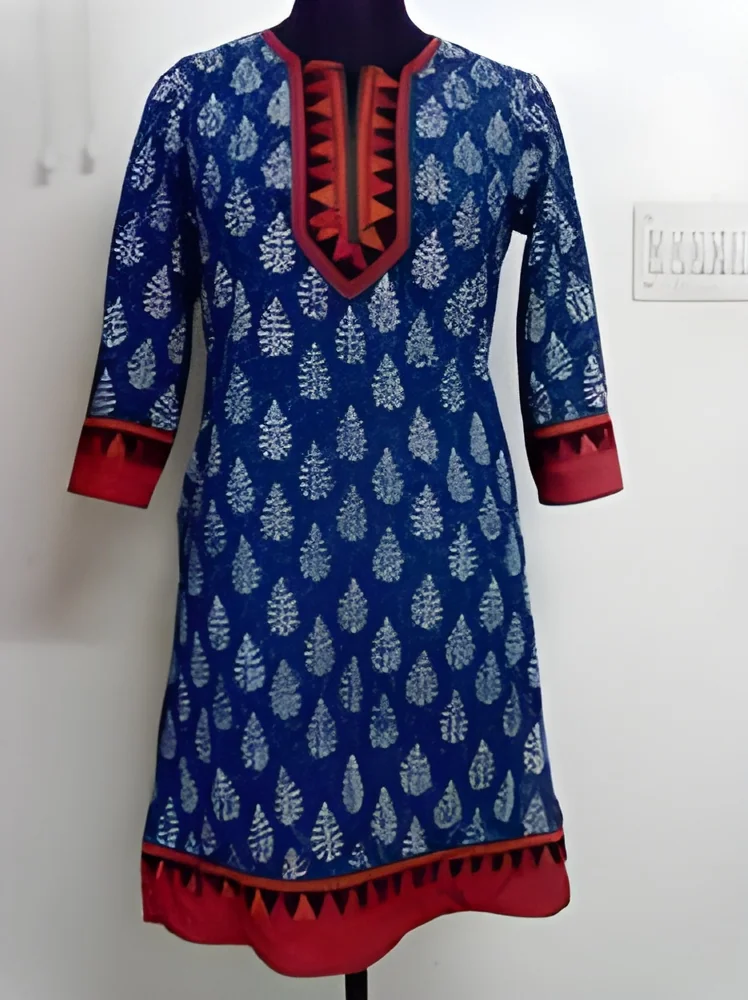
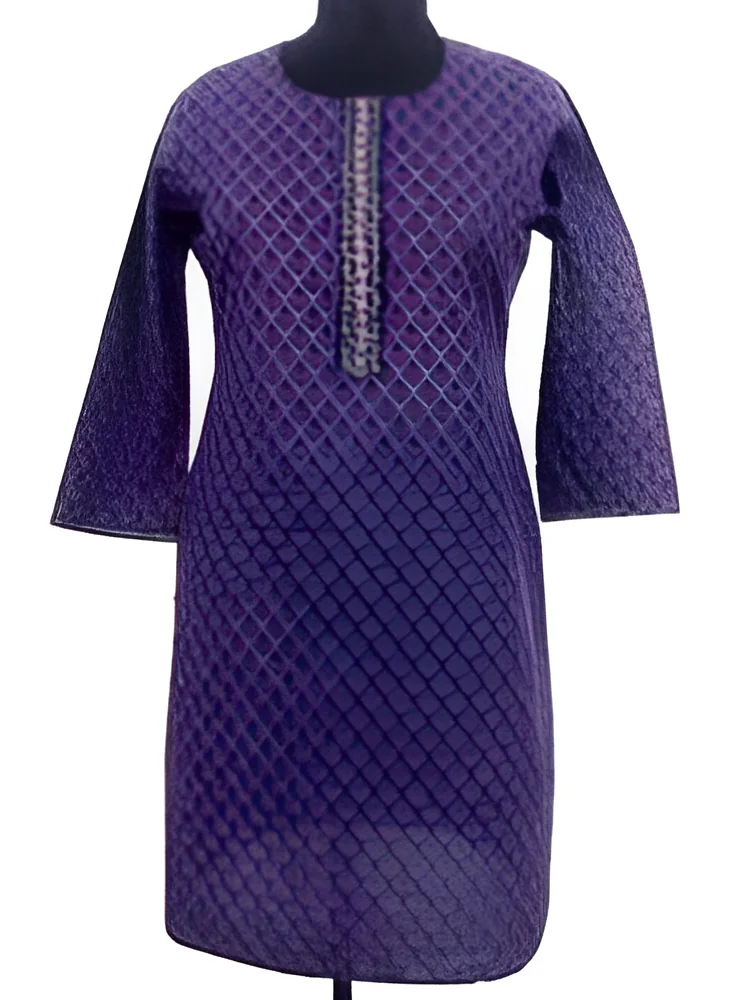
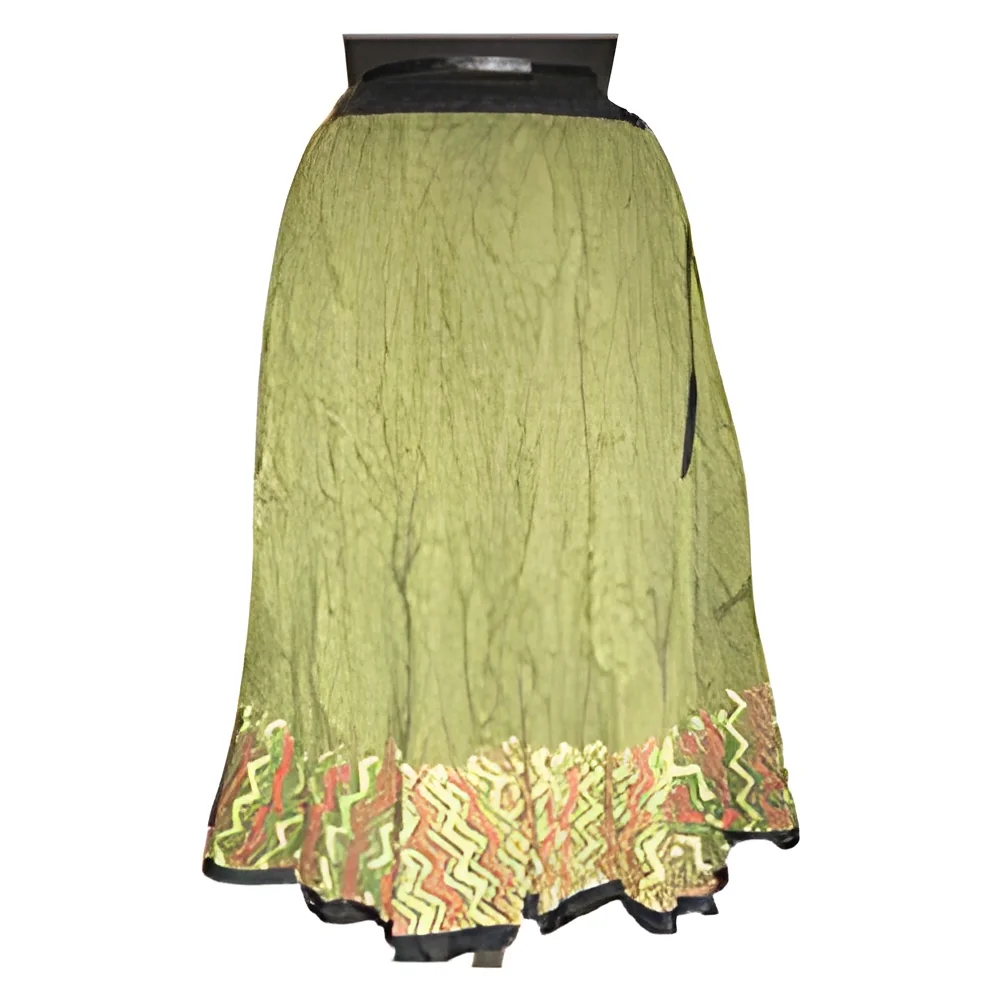
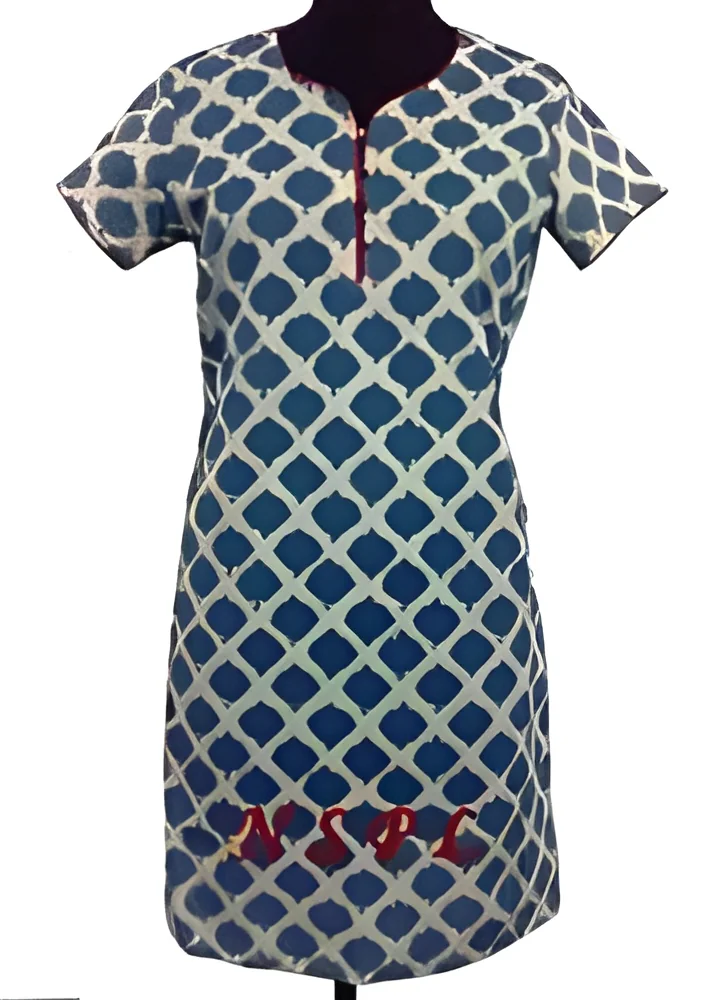
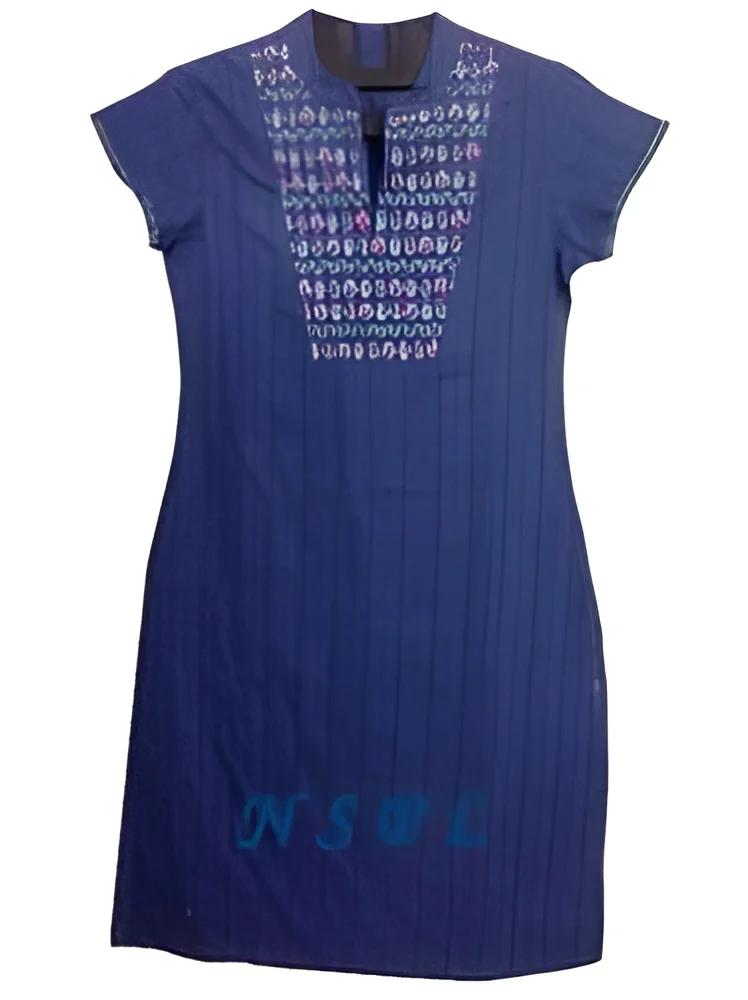
What are Women's Wear?
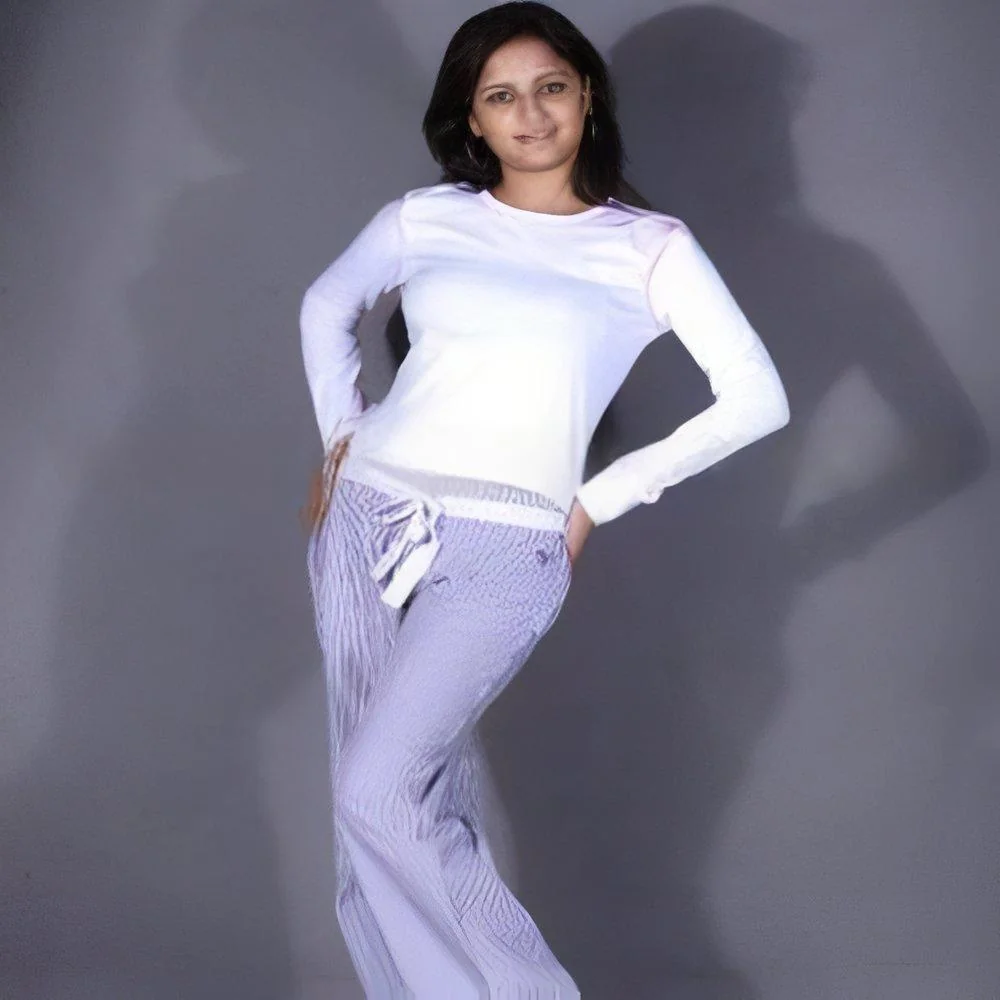
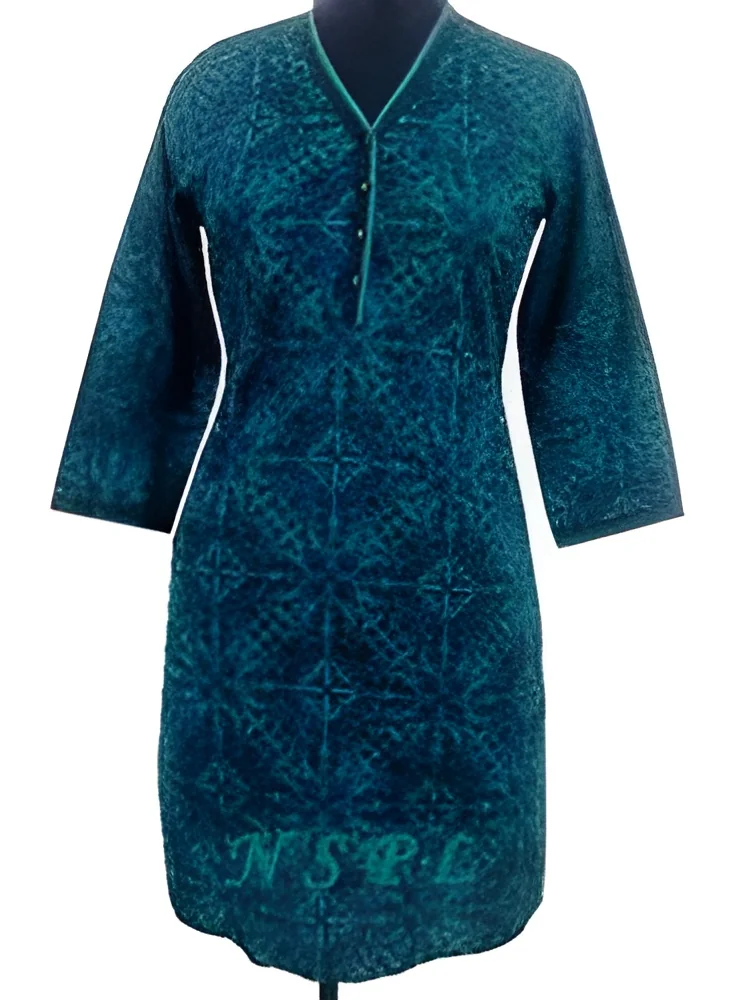
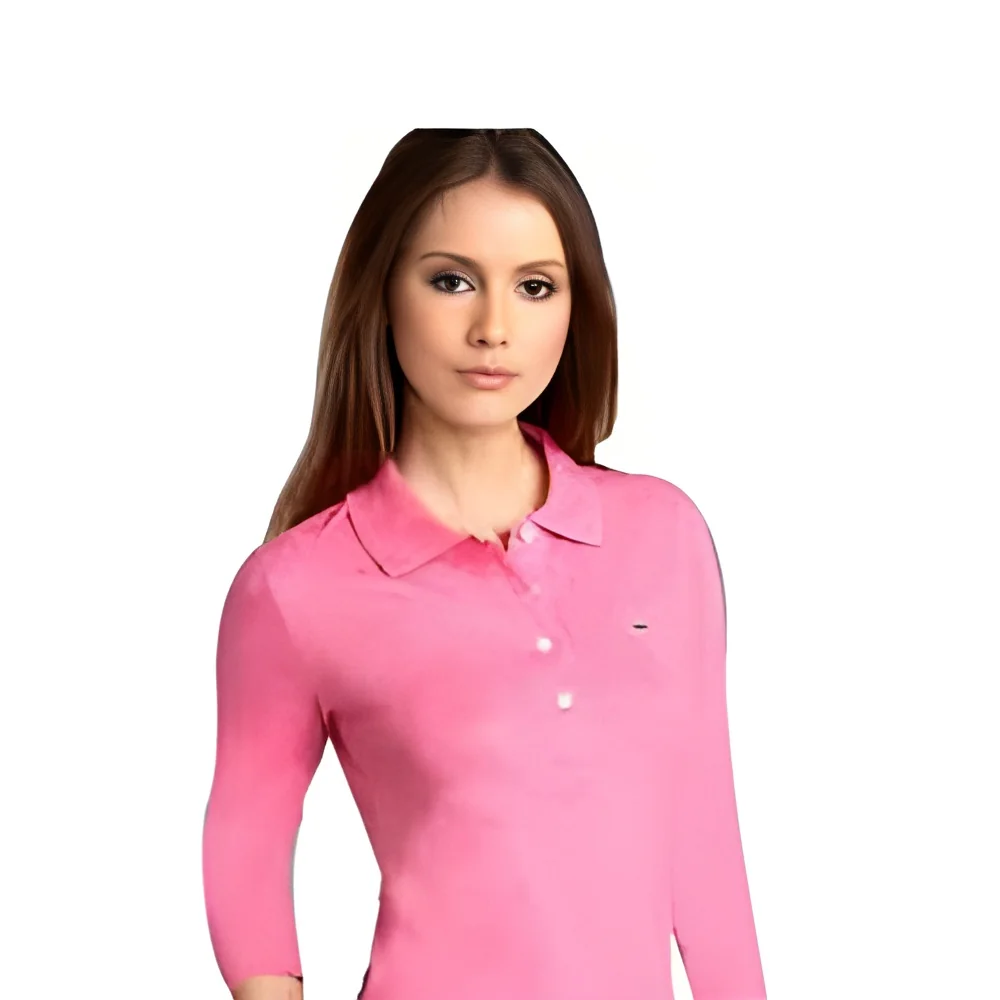
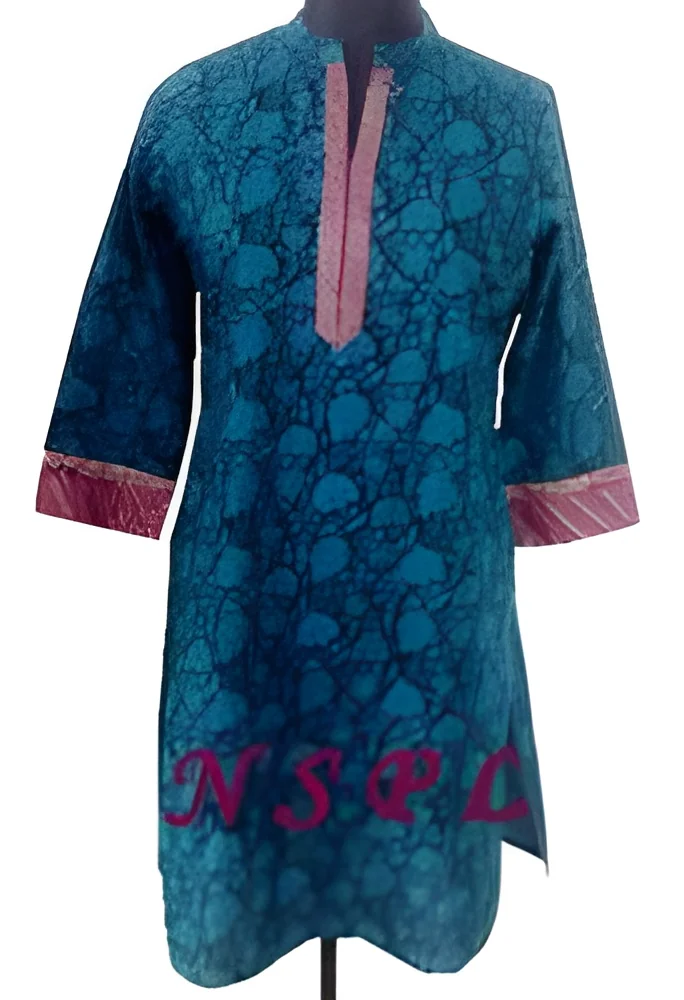
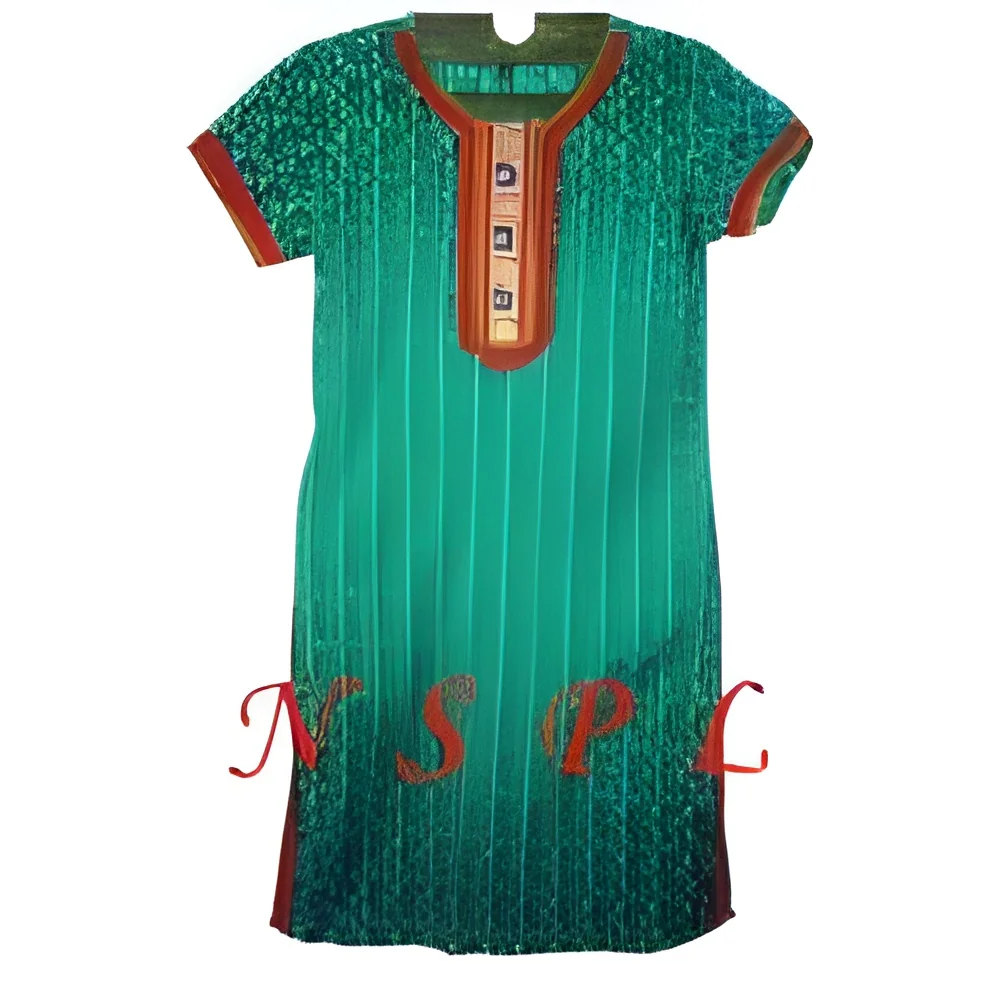
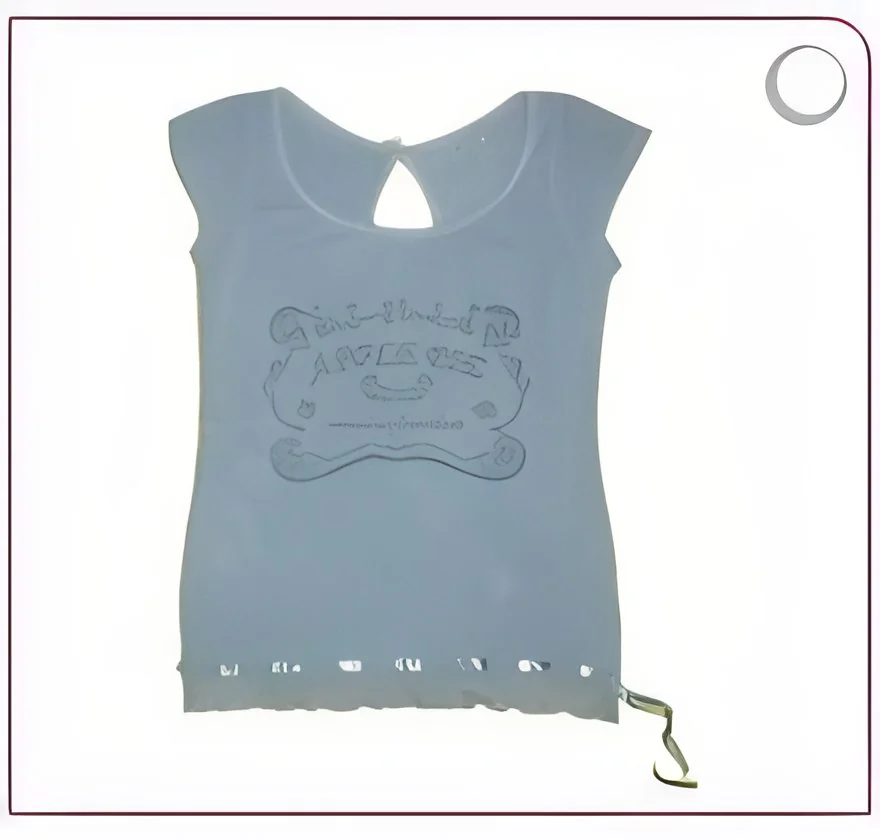
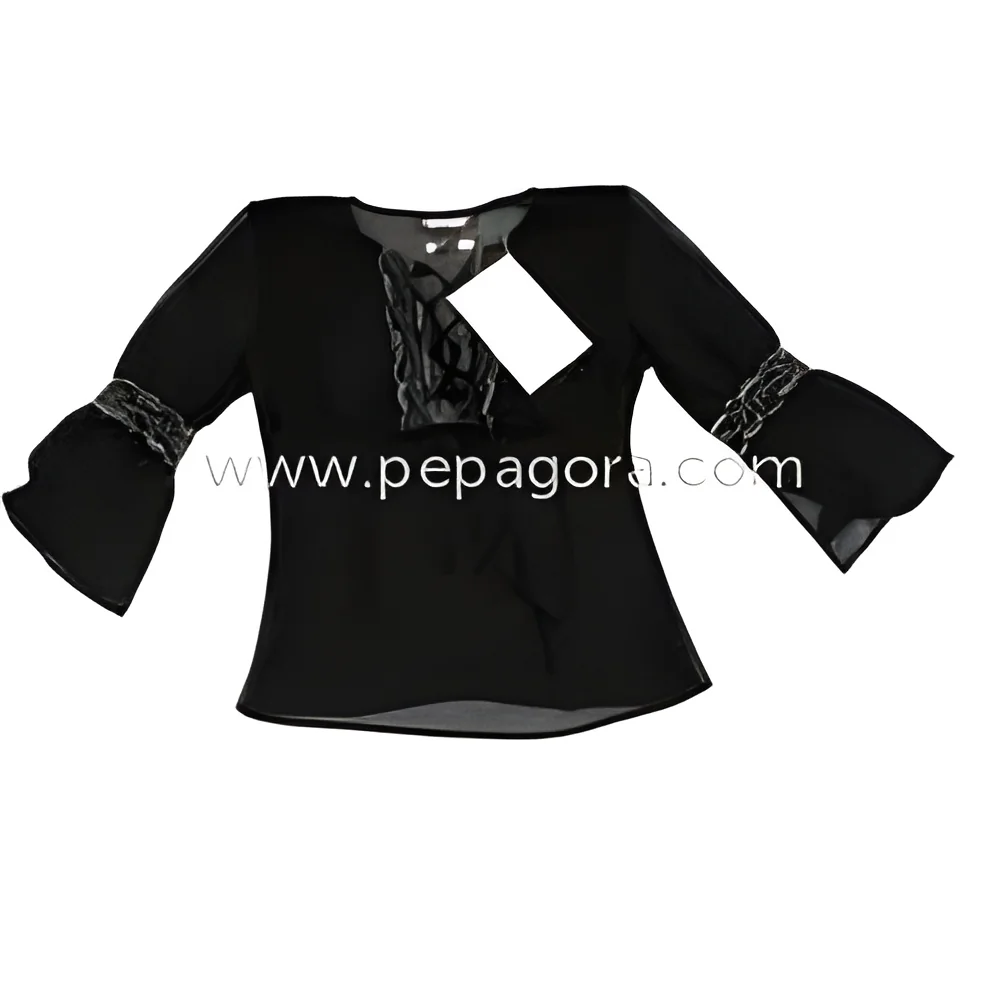
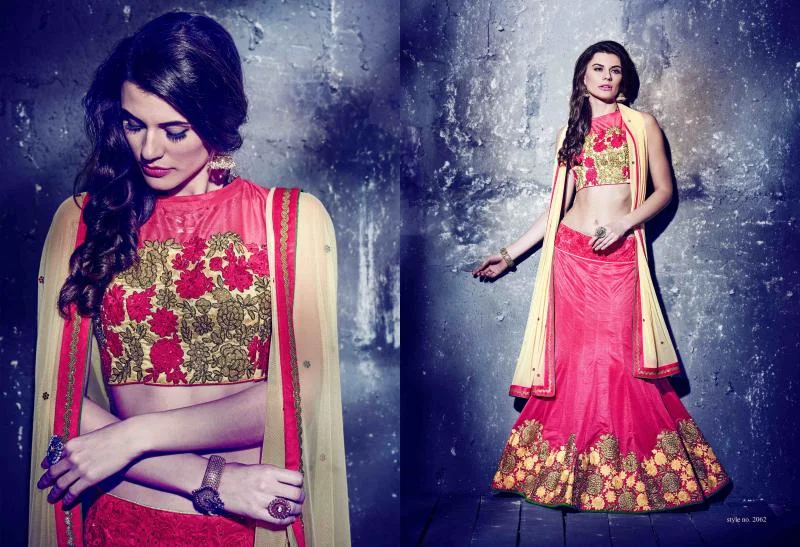
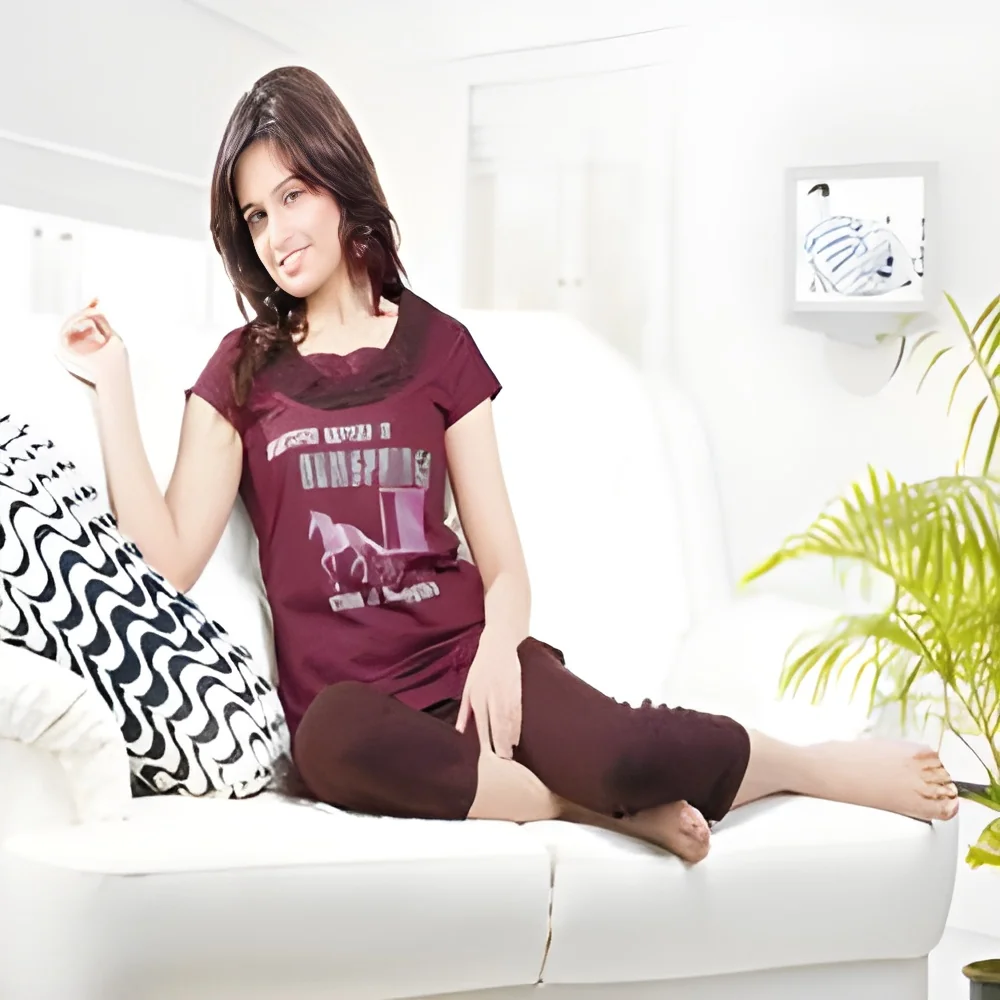
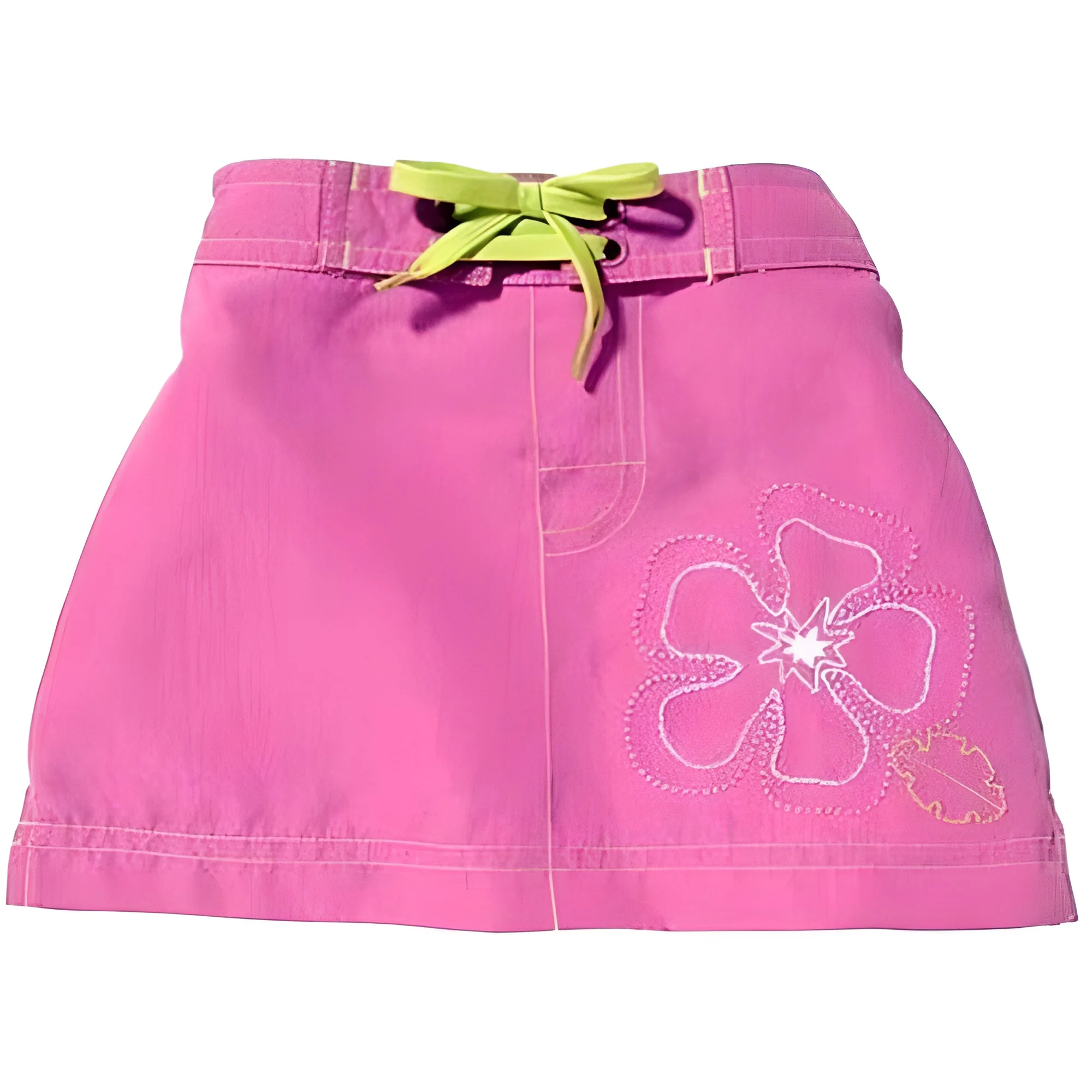
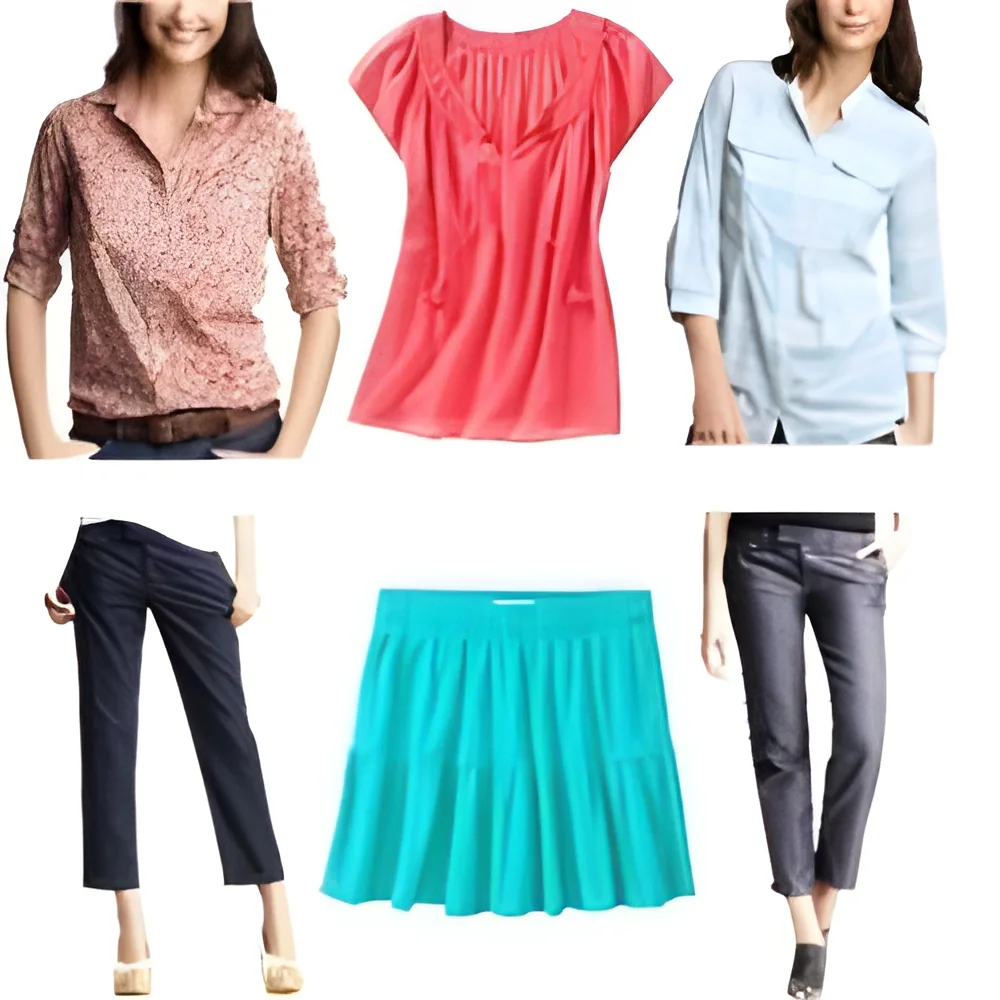
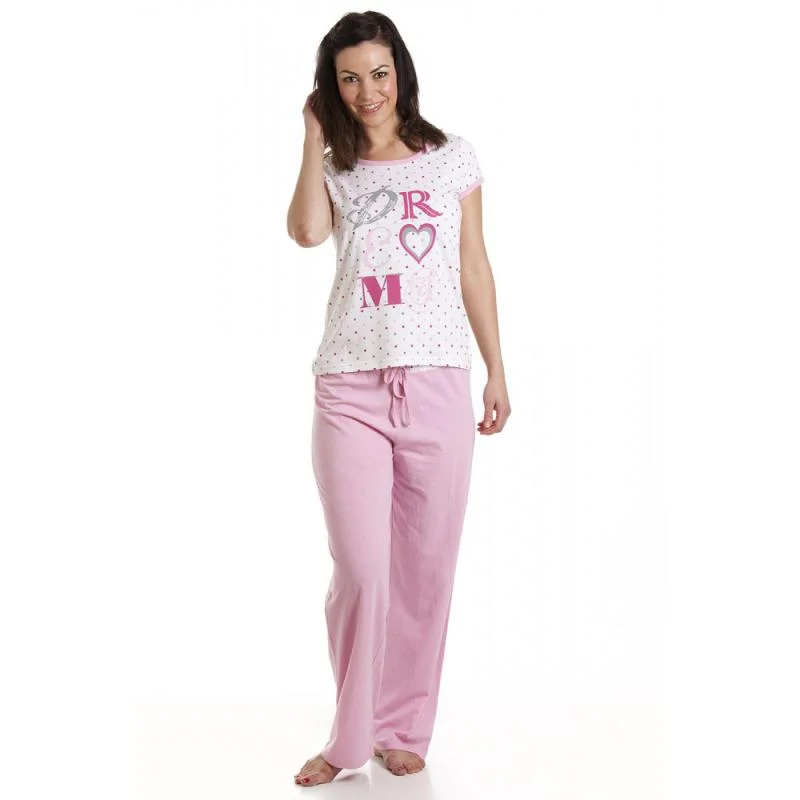
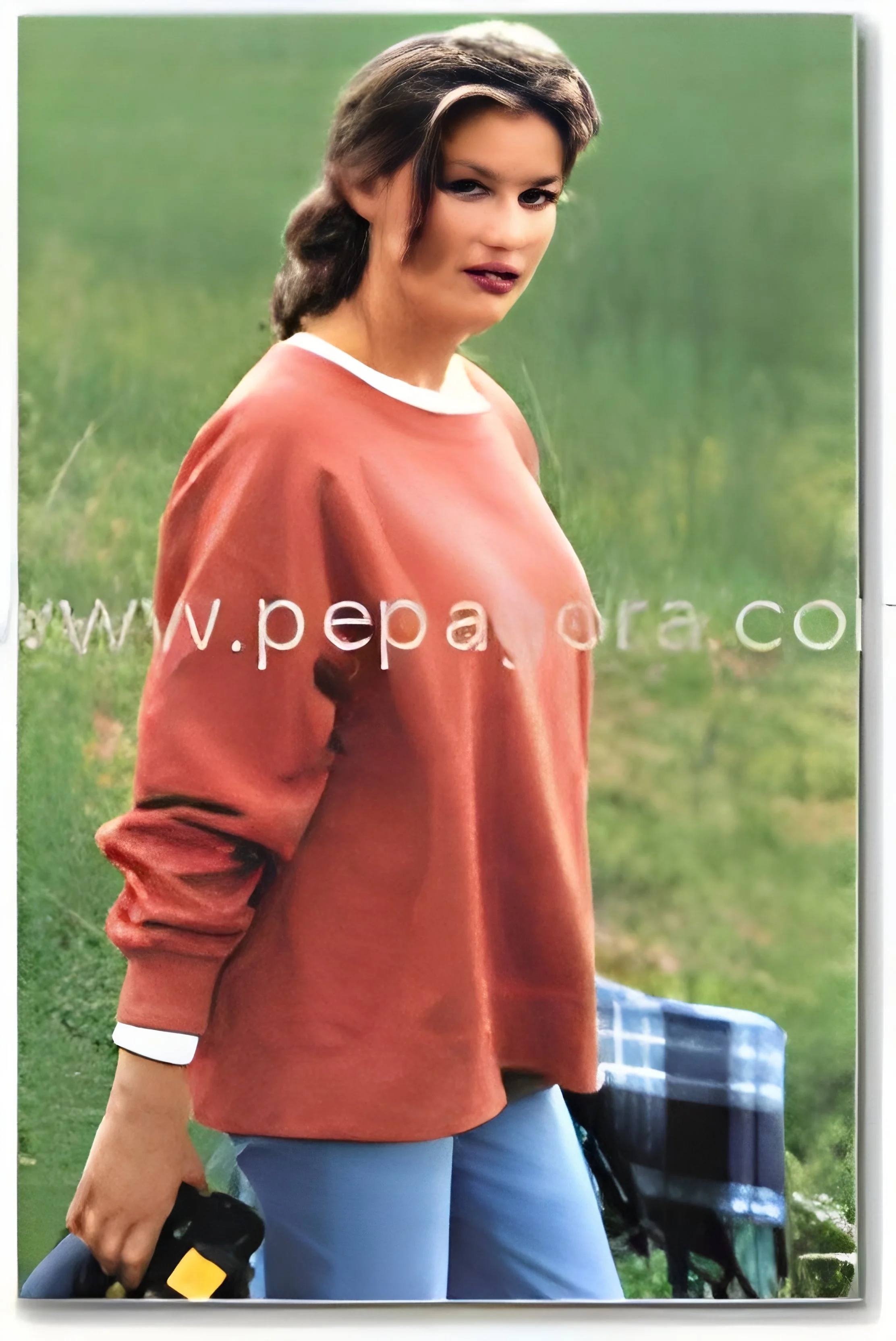
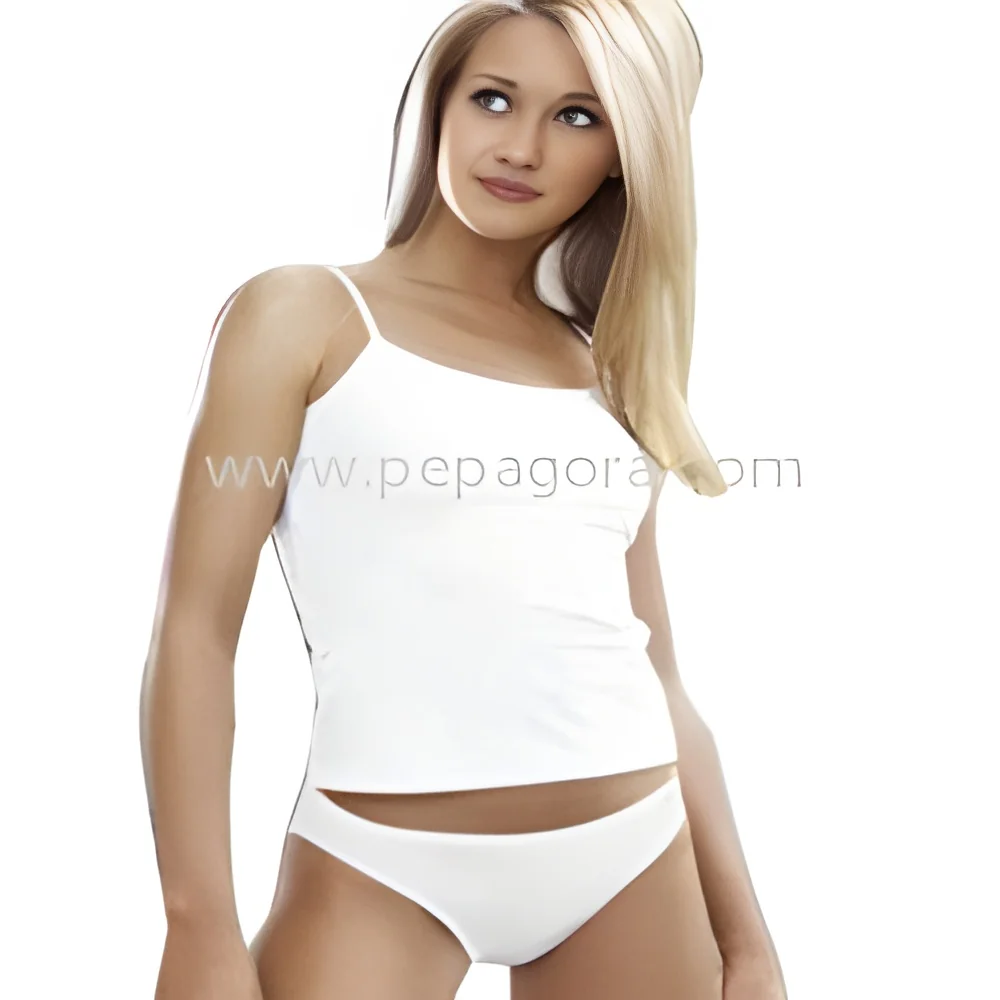
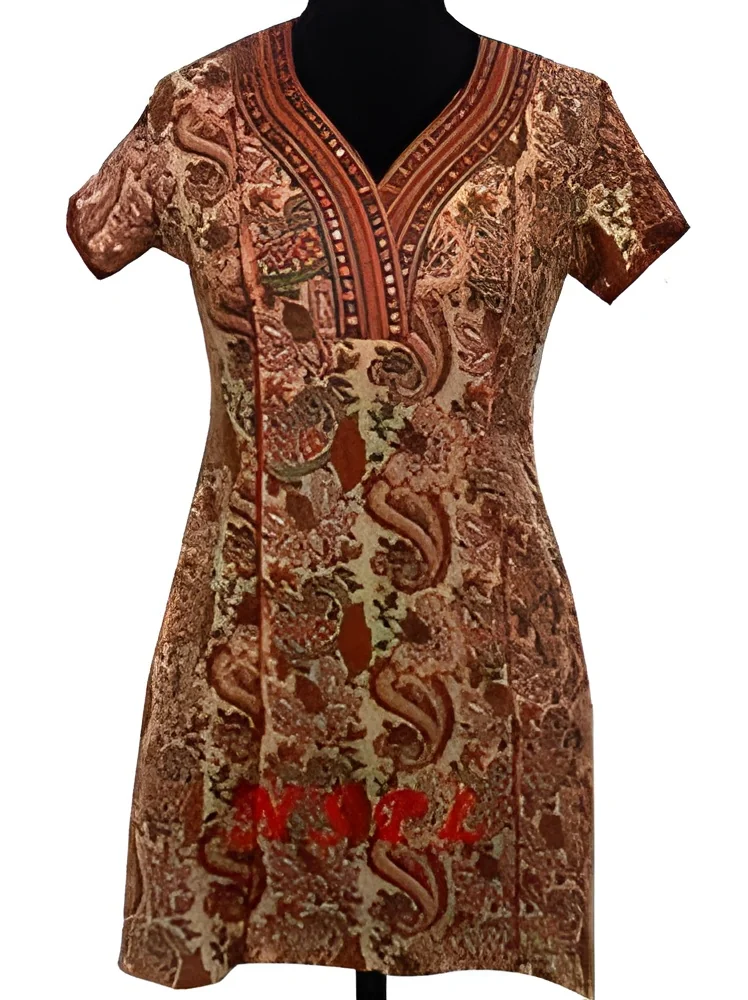
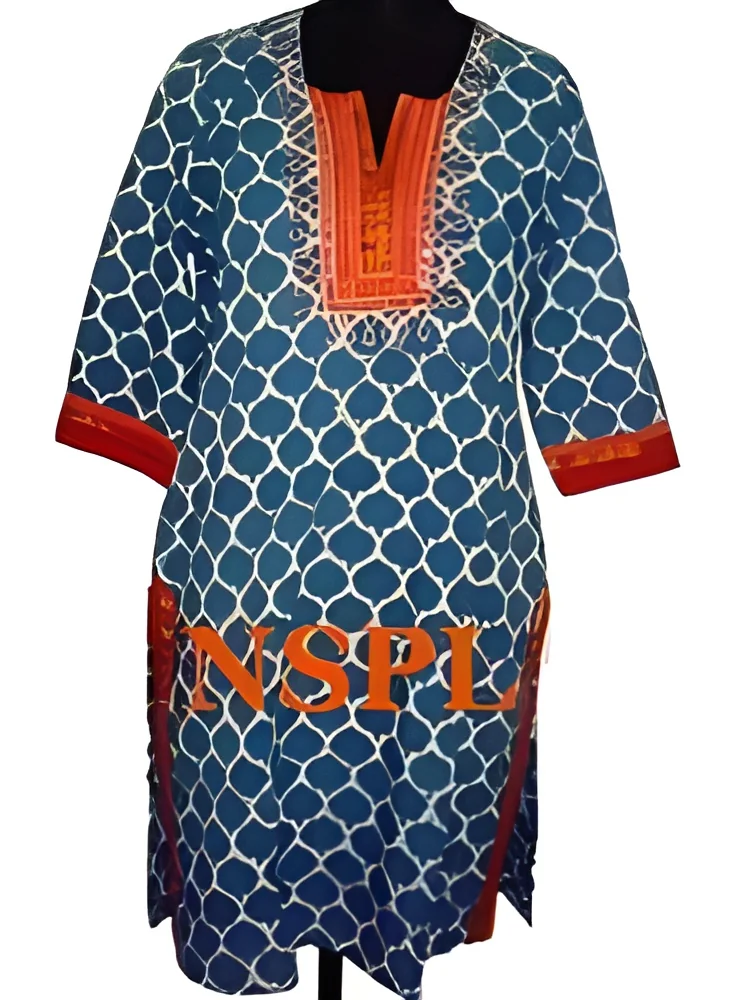
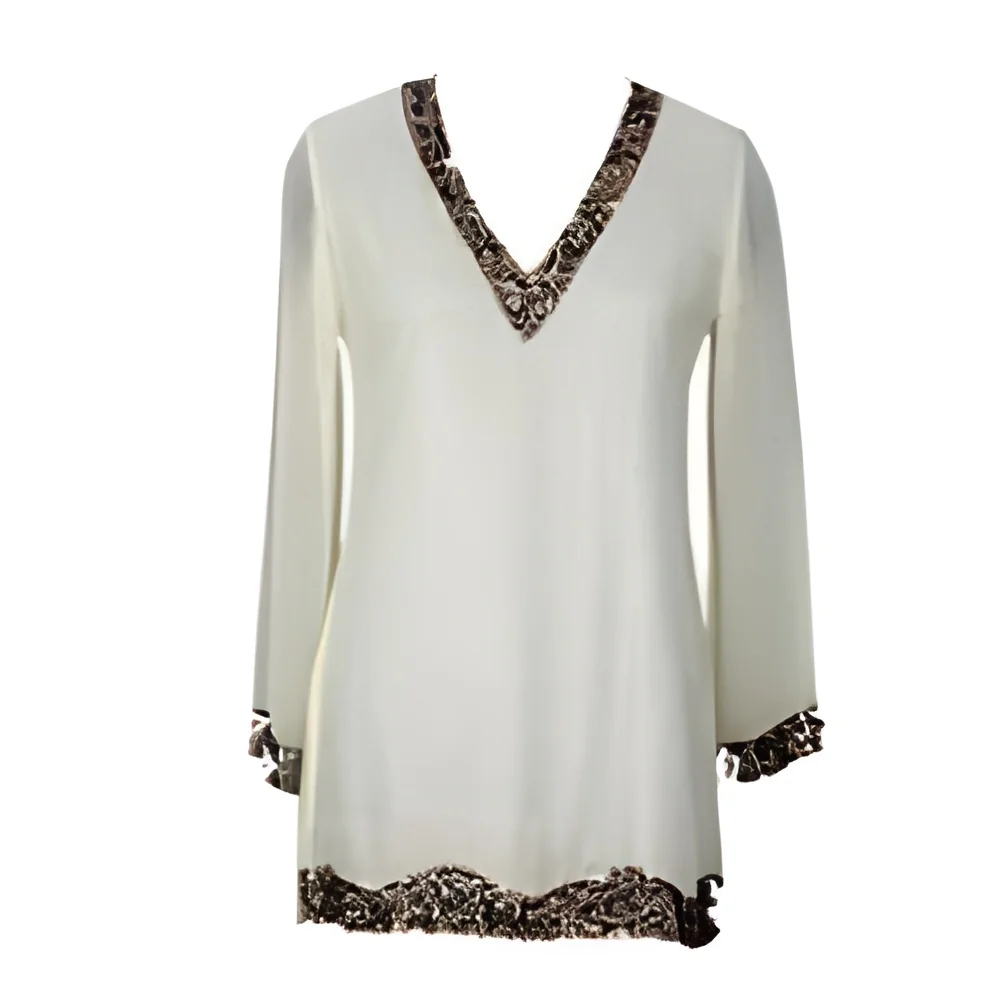
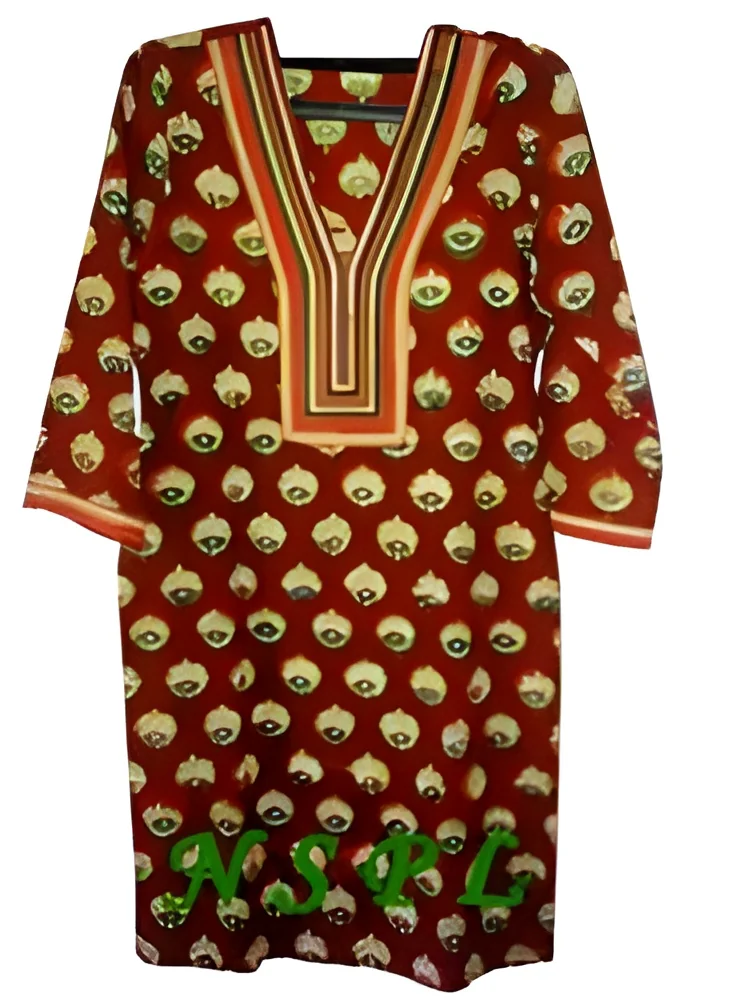
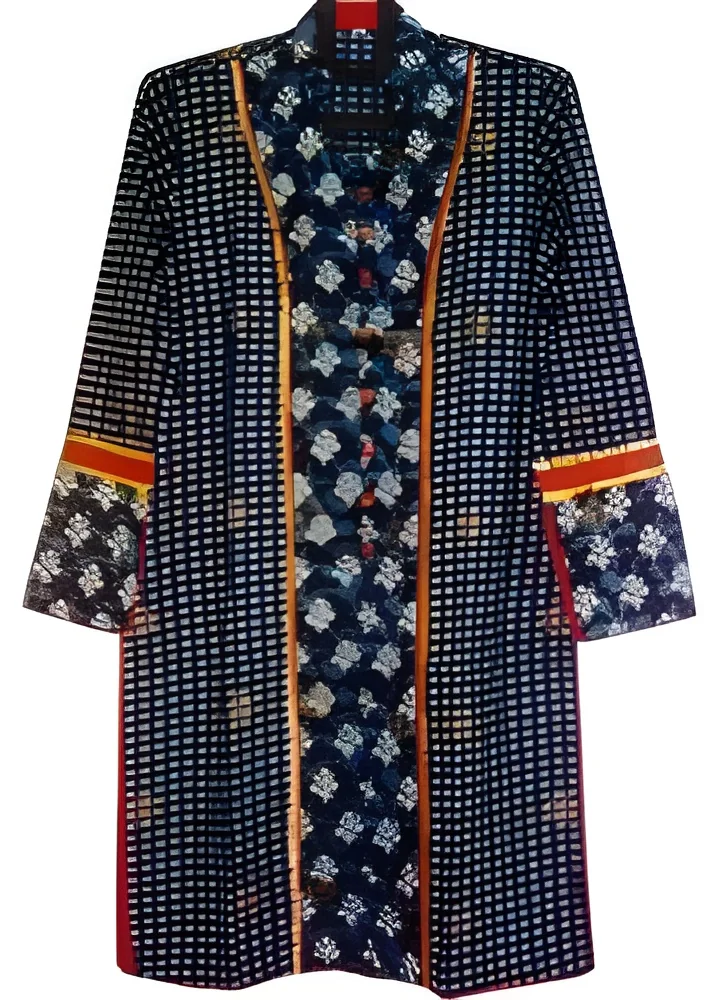
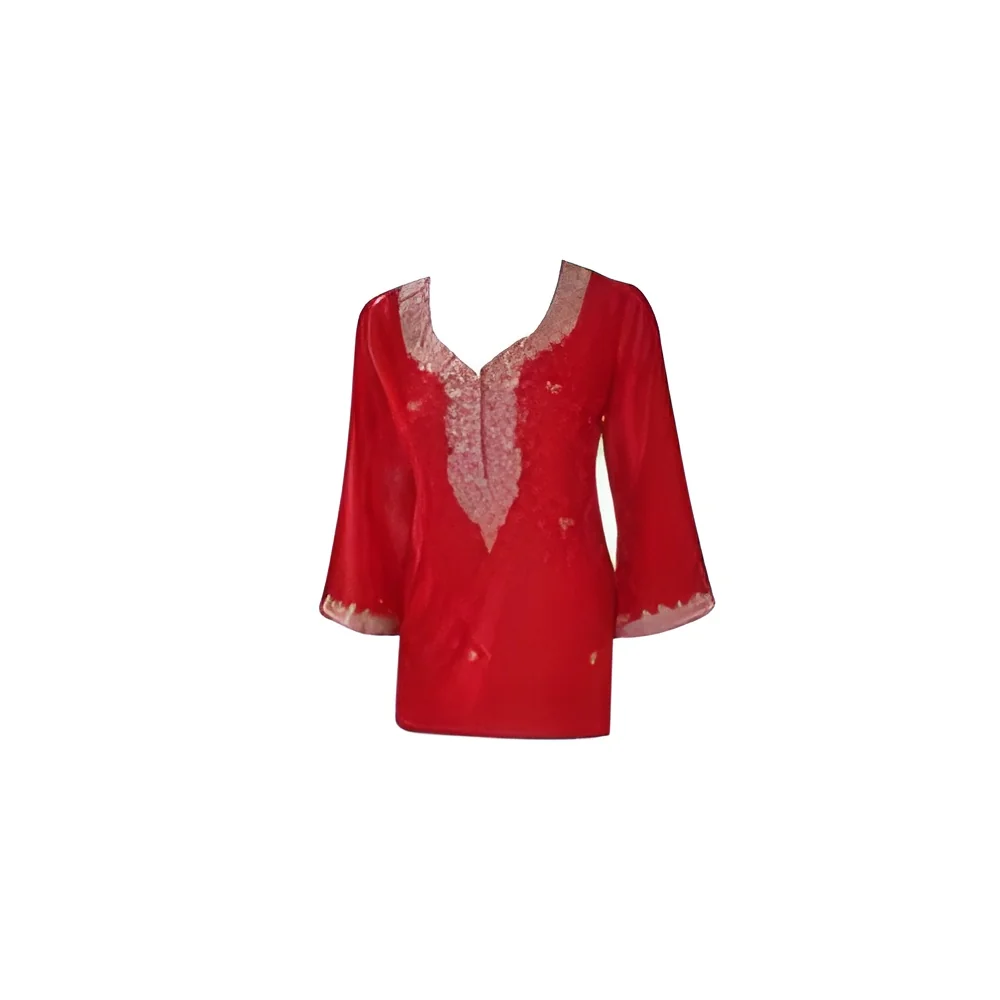
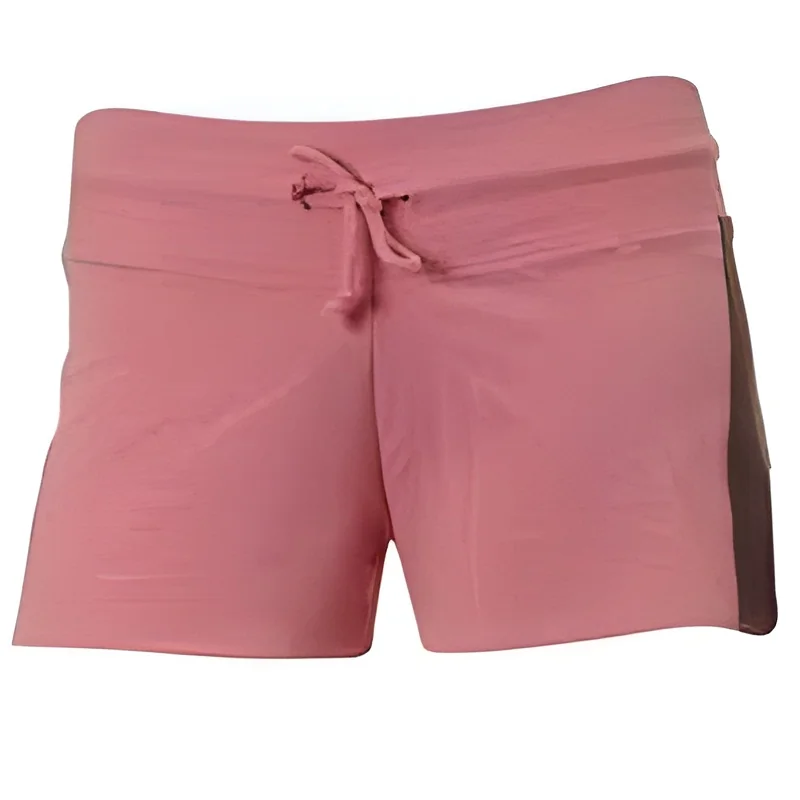
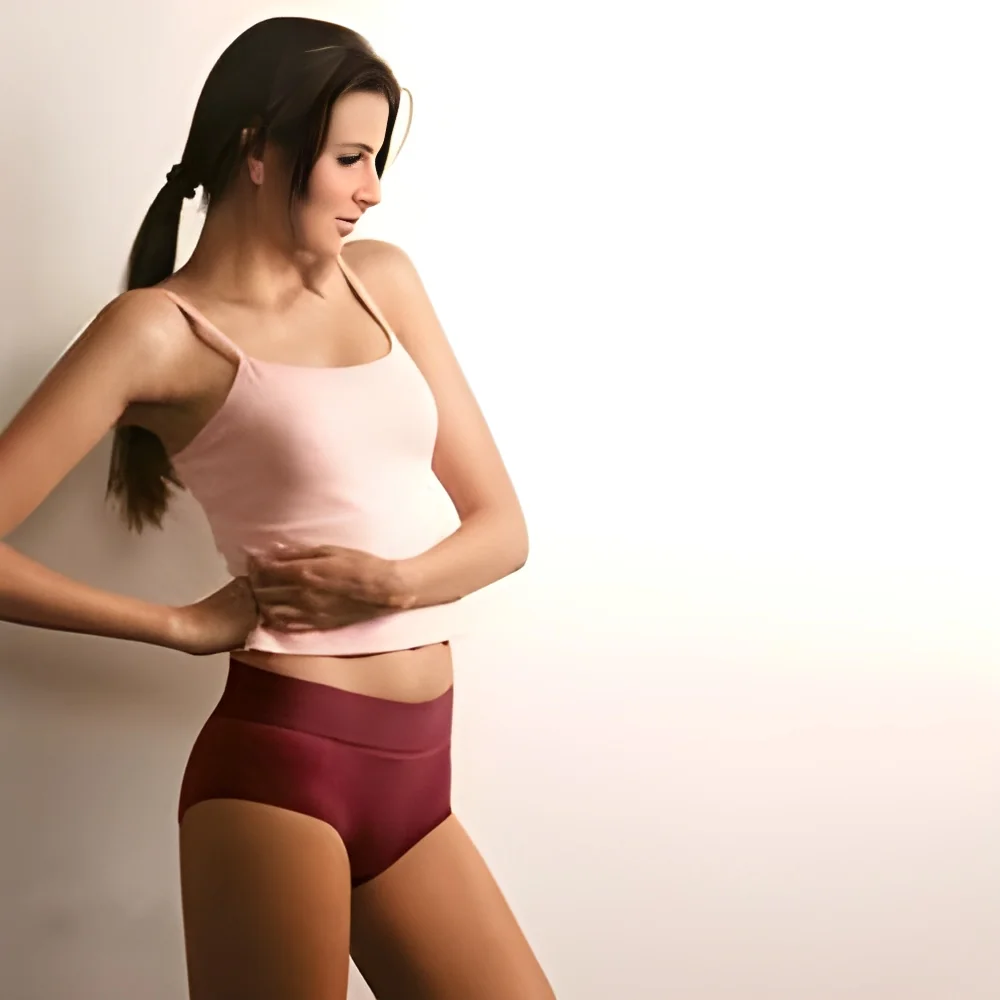
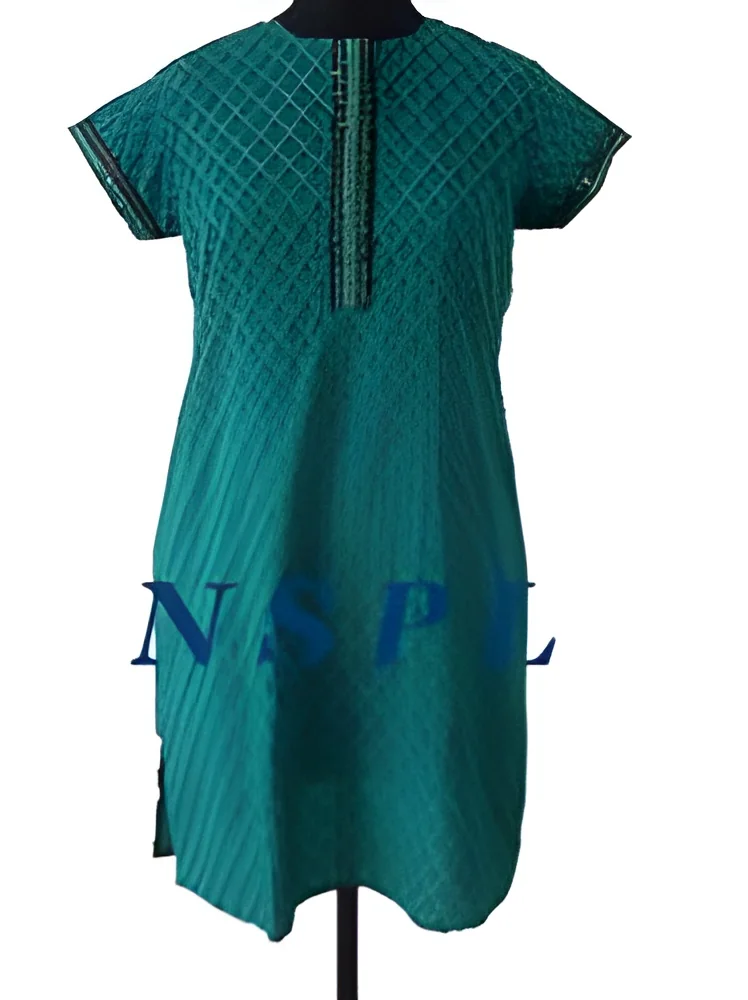
Women's wear refers to a broad category of clothing designed specifically for women. This includes a variety of garments such as dresses, tops, skirts, trousers, and outerwear. The design, style, and fit of women's wear can vary widely to accommodate different body shapes, personal tastes, and seasonal trends. With an emphasis on fashion, comfort, and functionality, women's wear plays an essential role in the wardrobe of every woman.
In a business context, women's wear is vital for various sectors, including retail, fashion, and manufacturing. Businesses often source women's clothing to meet consumer demands, offer seasonal collections, or fulfill specific market niches. The industry is dynamic, with constant evolution in styles and materials, making it relevant in the global market. Companies that specialize in women's wear must stay updated on trends and consumer preferences to remain competitive and effective.
Key Features and Specifications
Women's wear is characterized by a range of features and specifications that cater to different markets and consumer preferences. Understanding these specifications is crucial for businesses involved in the design, production, and sale of women's clothing.
Key specifications include:
1. Fabric Quality
- This specification focuses on the type of materials used in women's wear. Common fabrics include cotton, polyester, and blends.
2. Fit and Size Range
- Women's wear is available in various sizes, including petite, regular, and plus sizes, to accommodate diverse body types.
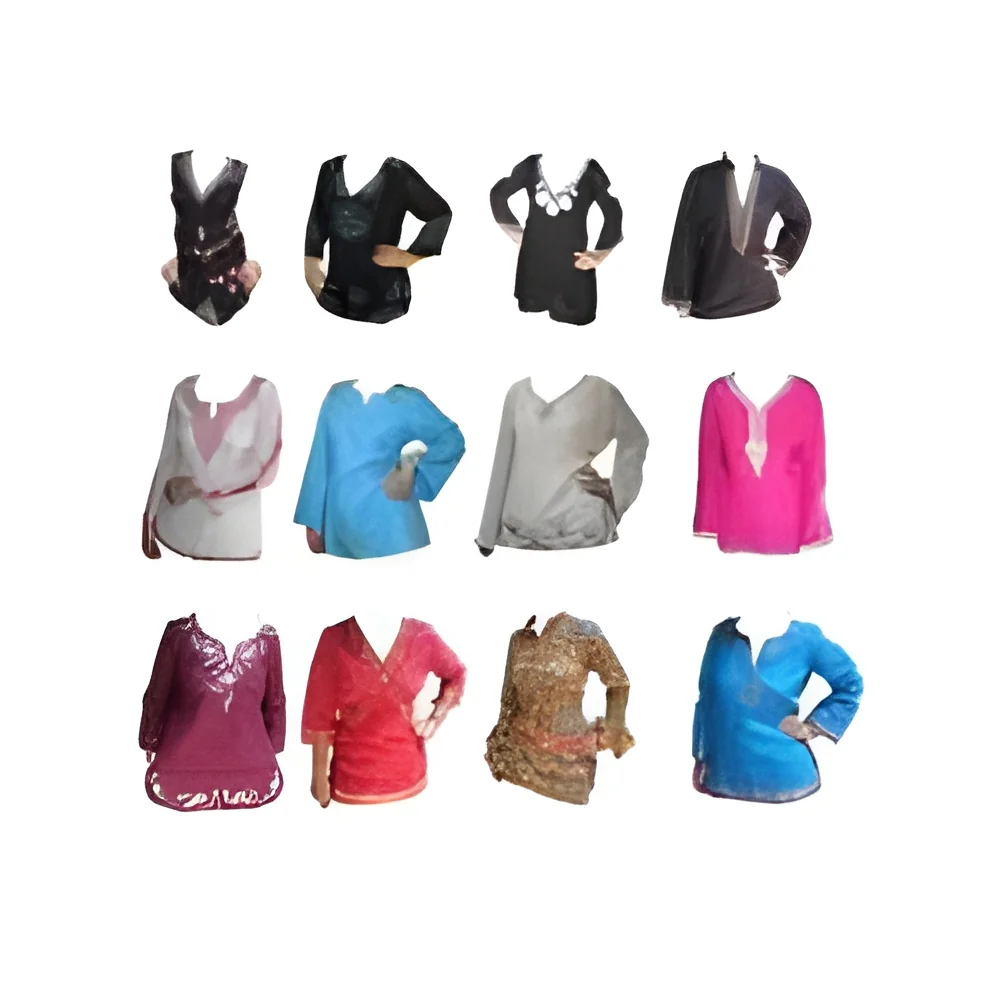
3. Style Variations
- There are numerous styles, such as casual, formal, and activewear, each designed for specific occasions.
4. Color and Pattern Options
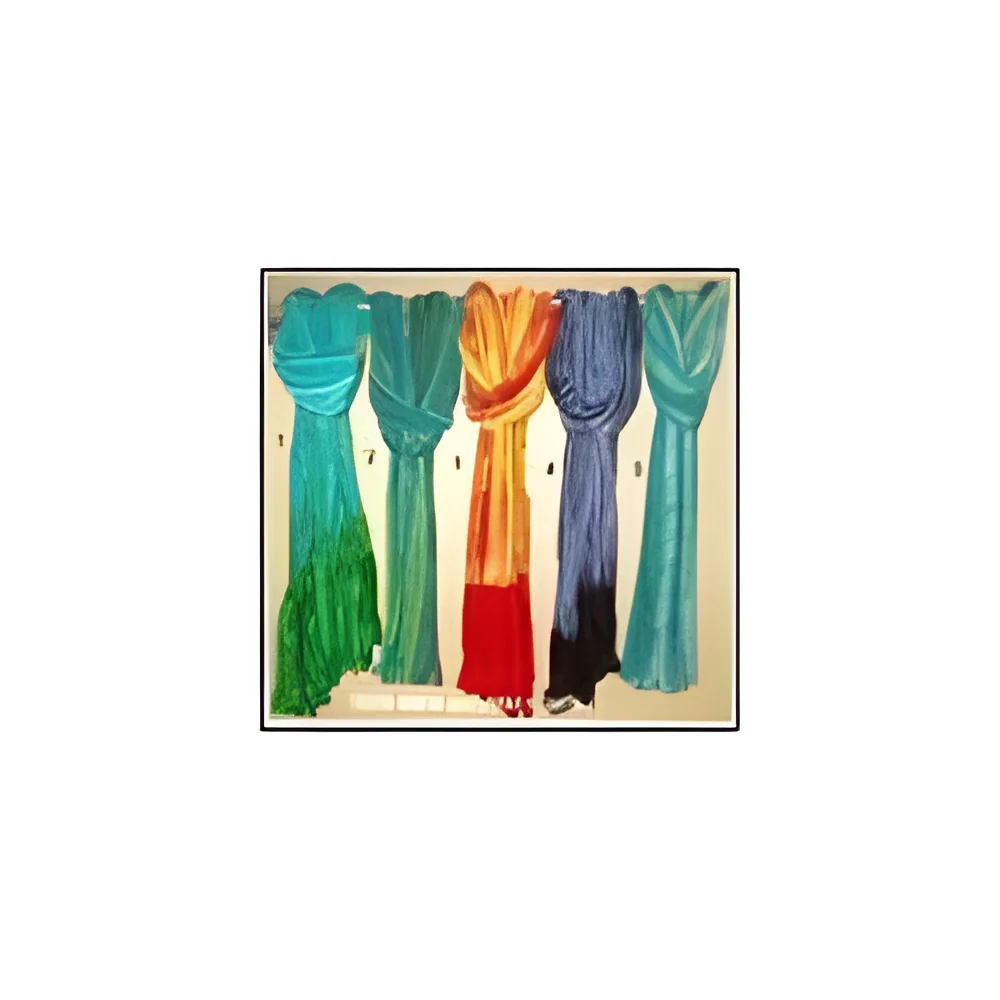
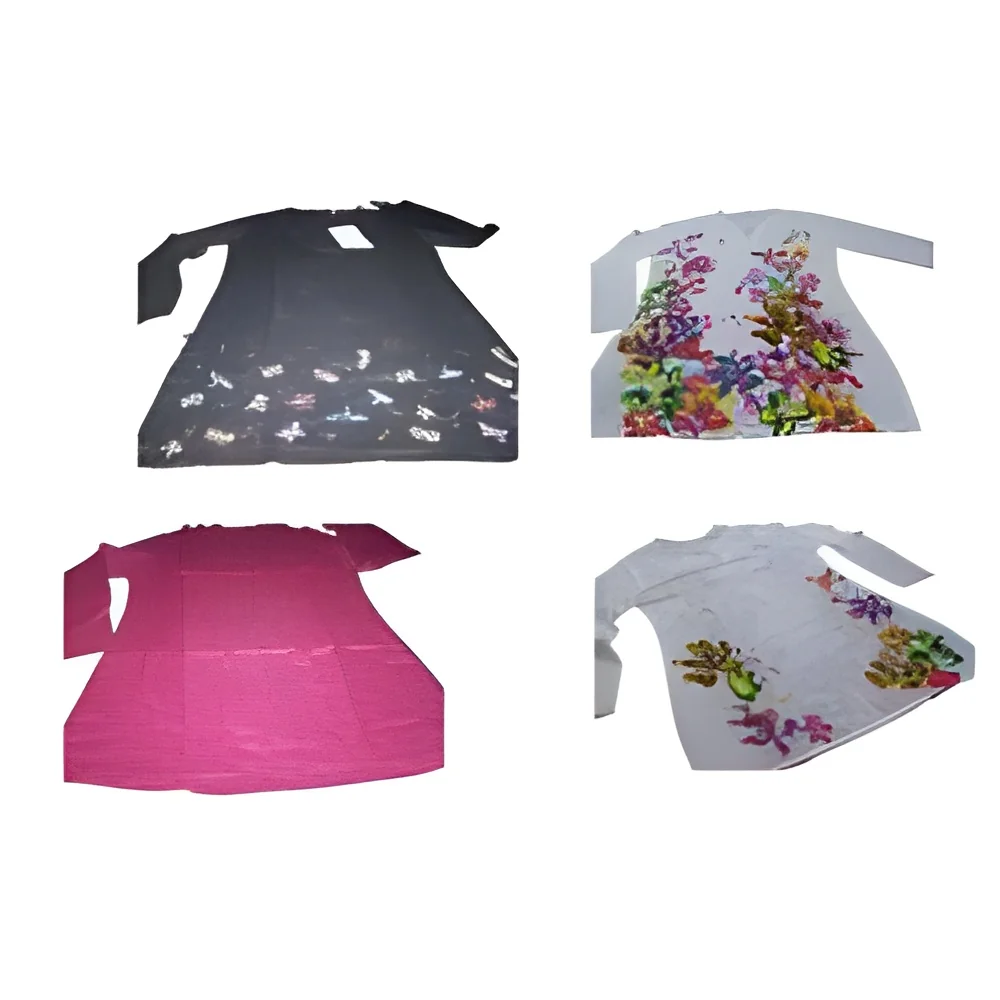
- Women's clothing comes in a wide array of colors and patterns, allowing for personal expression and seasonal trends.
5. Care Instructions
- Proper care guidelines are essential for maintaining the quality of women's wear, often including machine wash, hand wash, or dry clean options.
6. Durability and Performance
- This specification assesses the longevity and wear-resistance of the garments, ensuring they withstand regular use.
7. Design Features
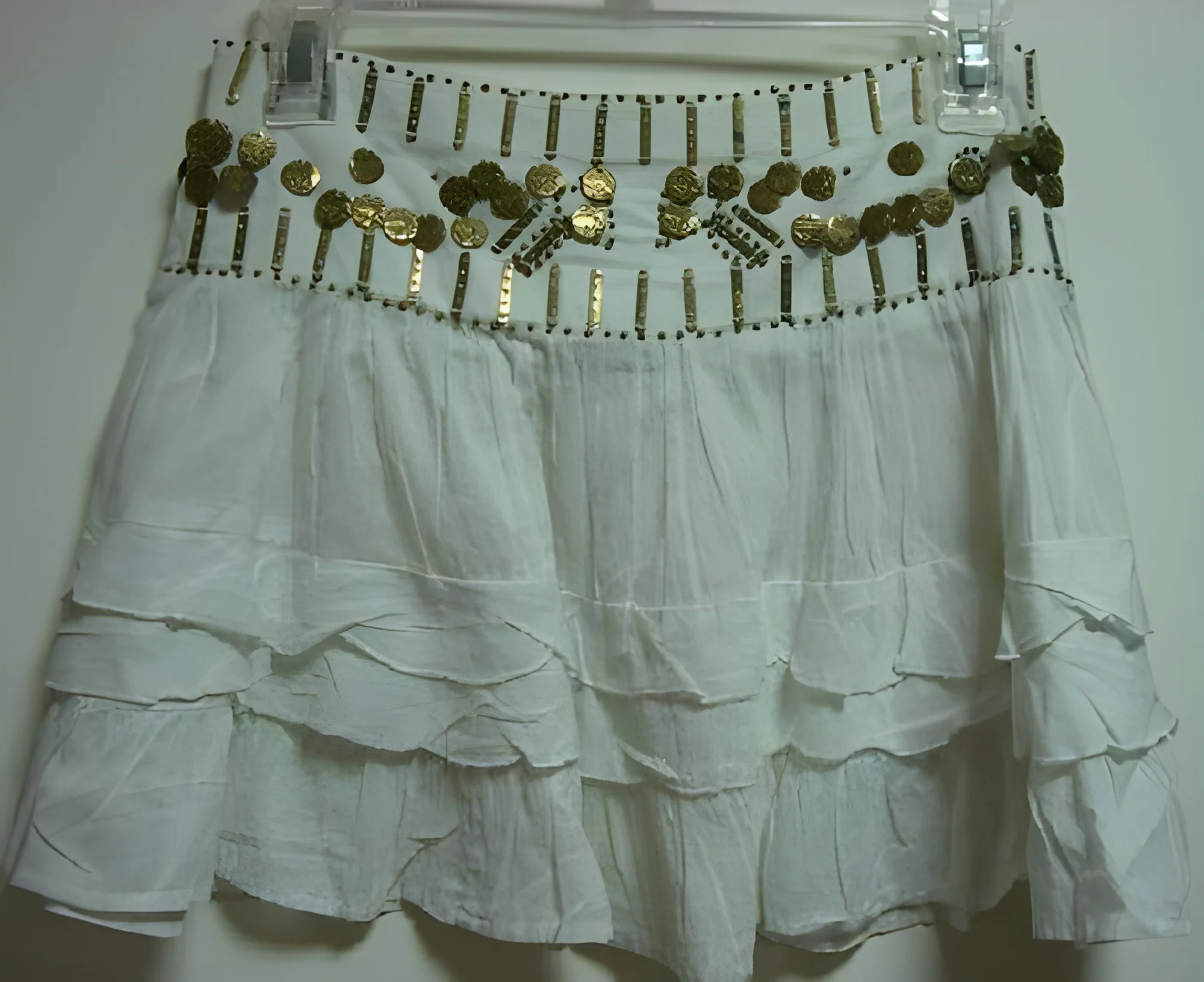
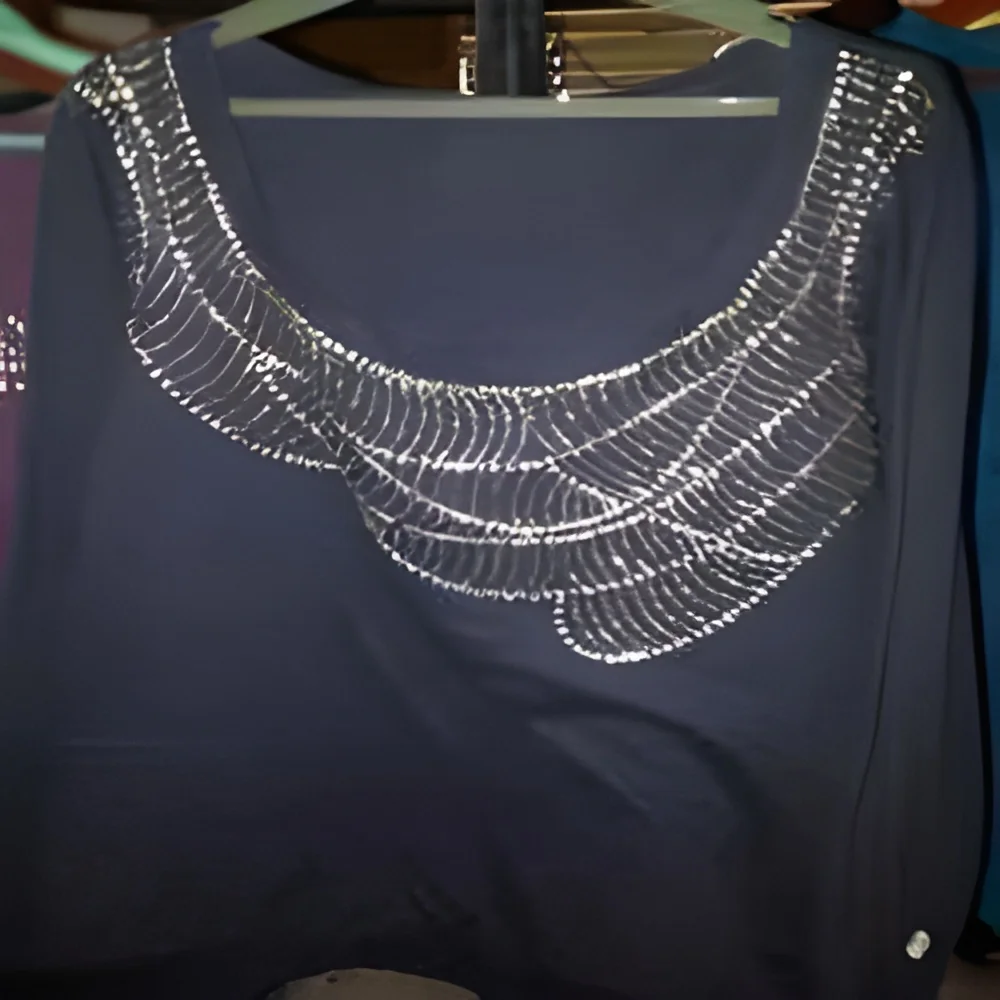
- Design elements like embellishments, pockets, and closures can add functionality and style to women's wear.
8. Compliance Standards
- Compliance with industry standards, such as CE certification, ensures that products meet safety and quality requirements.
In summary, understanding these key features and specifications will help businesses make informed decisions when sourcing or producing women's wear.
Common Applications and Use Cases
Women's wear serves a multitude of industries, each with specific applications that highlight the versatility of these products.
1. Retail Fashion: Retailers offer women's wear to meet consumer demand for trendy and stylish clothing. Seasonal collections are often developed to keep up with fashion trends.
2. Corporate Apparel: Many companies provide women's business wear for employees, ensuring a professional appearance in the workplace.
3. Sports and Activewear: Women's activewear is designed to provide comfort and functionality during physical activities, making it popular in gyms and sports retail.
4. Casual Wear: Everyday clothing for women includes a range of casual options that emphasize comfort and style, suitable for various informal settings.
5. Wedding and Special Occasion Attire: Women's wear for weddings and events includes dresses and outfits designed for special occasions, often customized to fit specific themes.
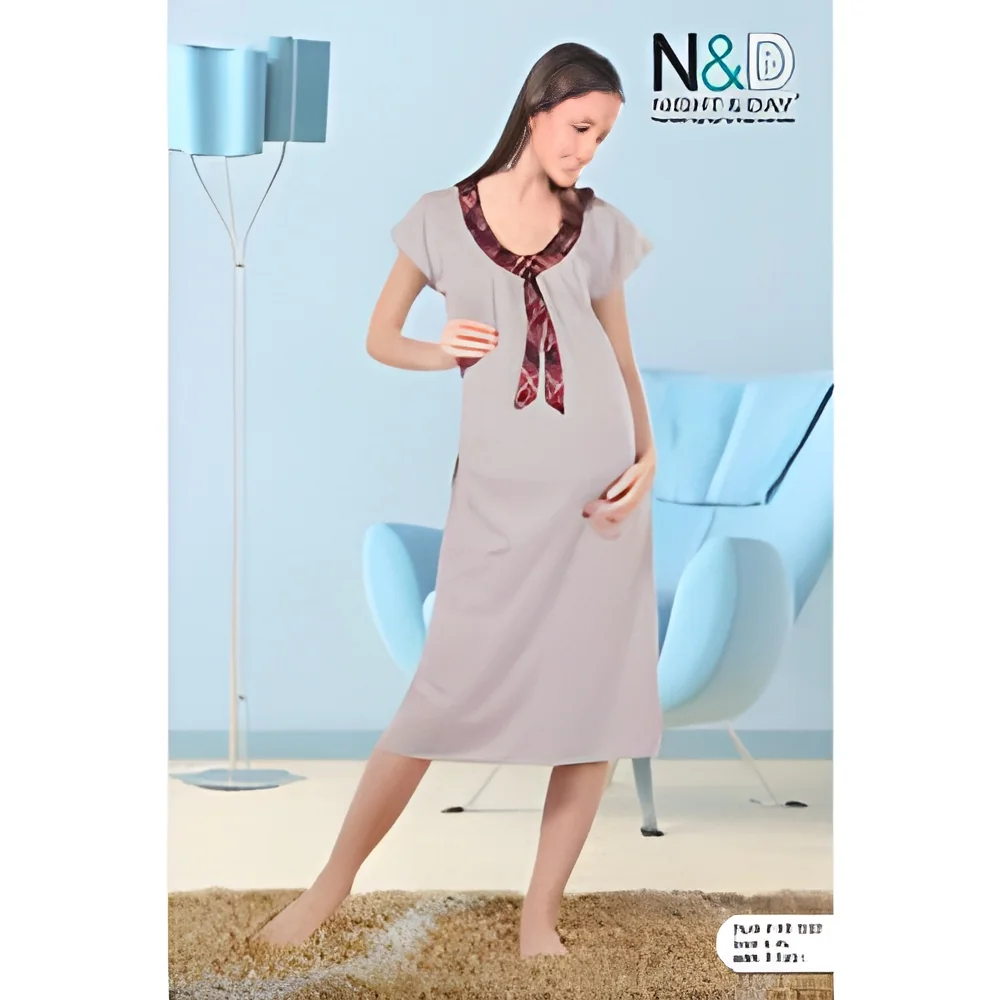
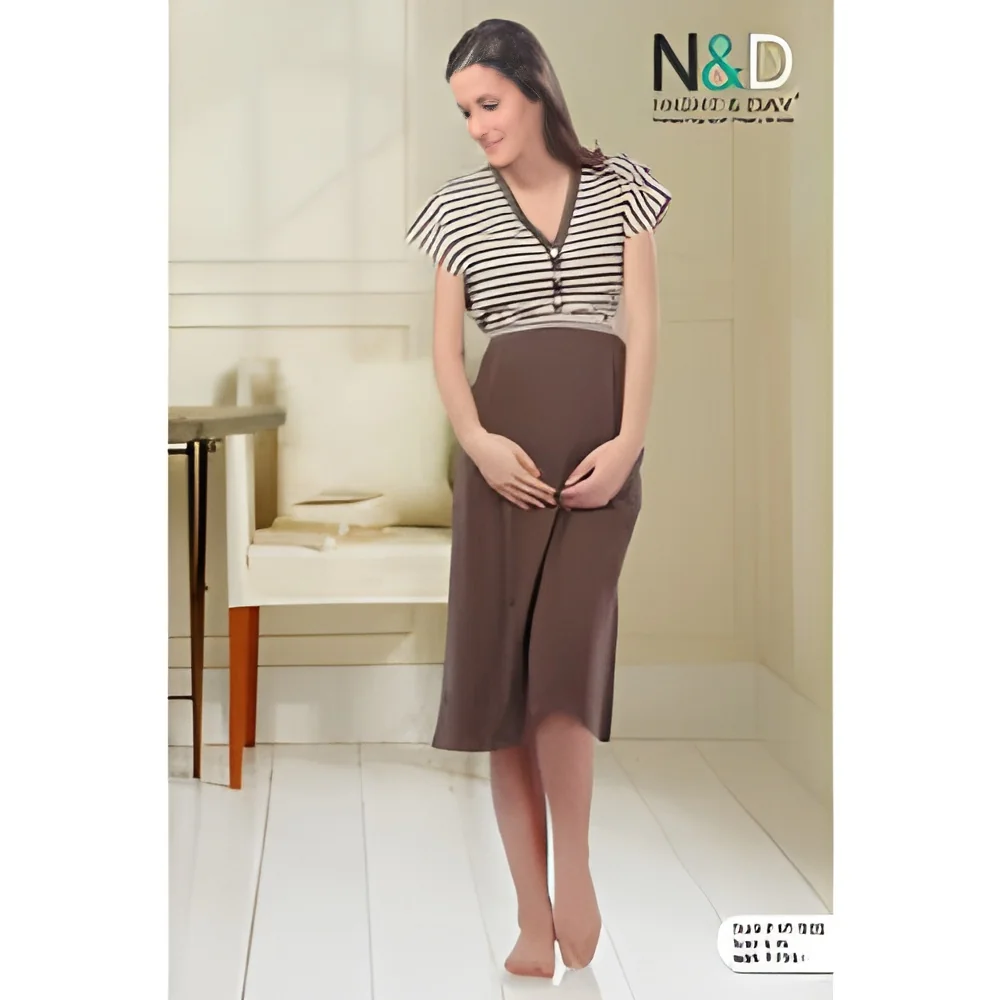
6. Maternity Wear: This subcategory focuses on clothing designed for pregnant women, providing comfort and support throughout pregnancy.
7. Plus Size Fashion: The demand for stylish plus-size women's wear is growing, catering to a diverse audience looking for fashionable options.
Product Variants and Subcategories
Women's wear includes a diverse range of product variants, each catering to specific consumer needs and preferences.
Casual Dresses
Casual dresses are designed for everyday wear, offering comfort and style. They often feature lightweight fabrics and relaxed fits, suitable for various occasions.
Formal Attire
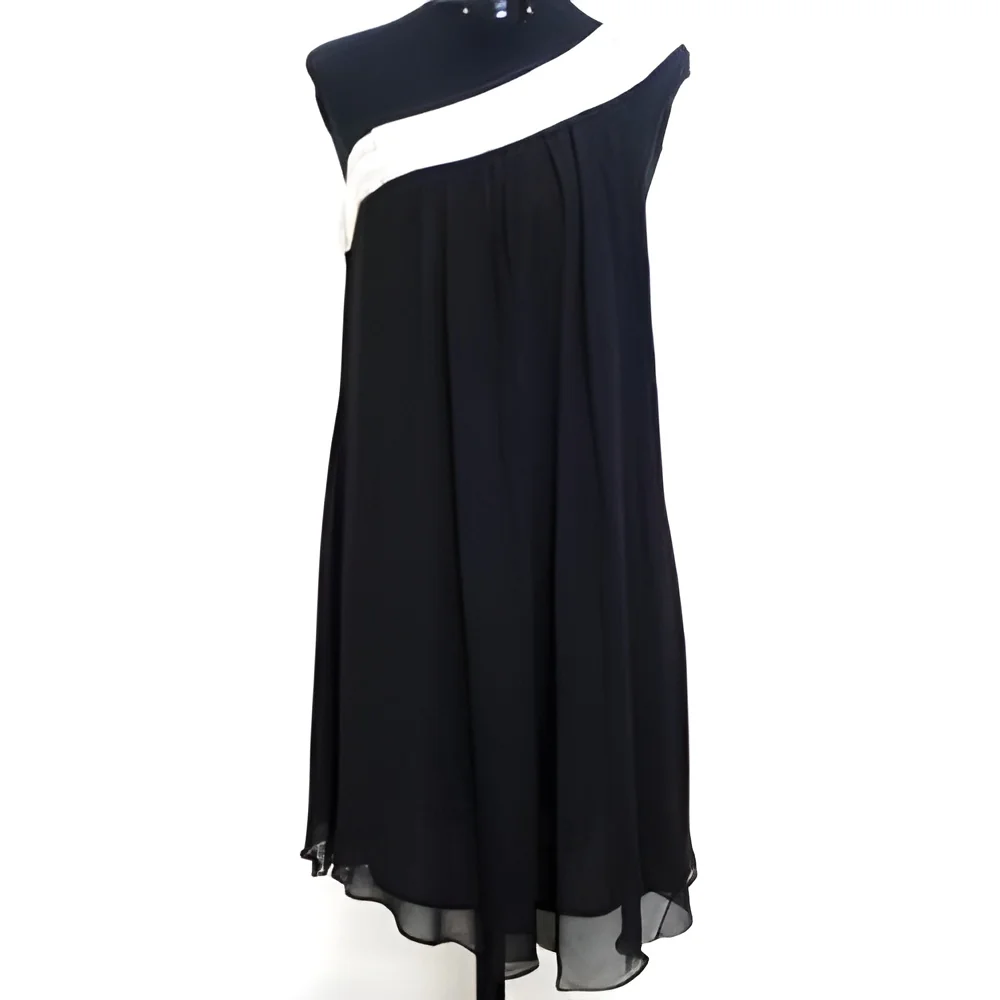
Formal attire for women includes dresses and suits designed for professional settings or special events. They are typically made from high-quality fabrics and tailored for a sophisticated look.
Activewear
Activewear encompasses clothing designed for physical activities, such as leggings, sports bras, and tops. These garments are often made from moisture-wicking materials for enhanced comfort and performance.
Outerwear
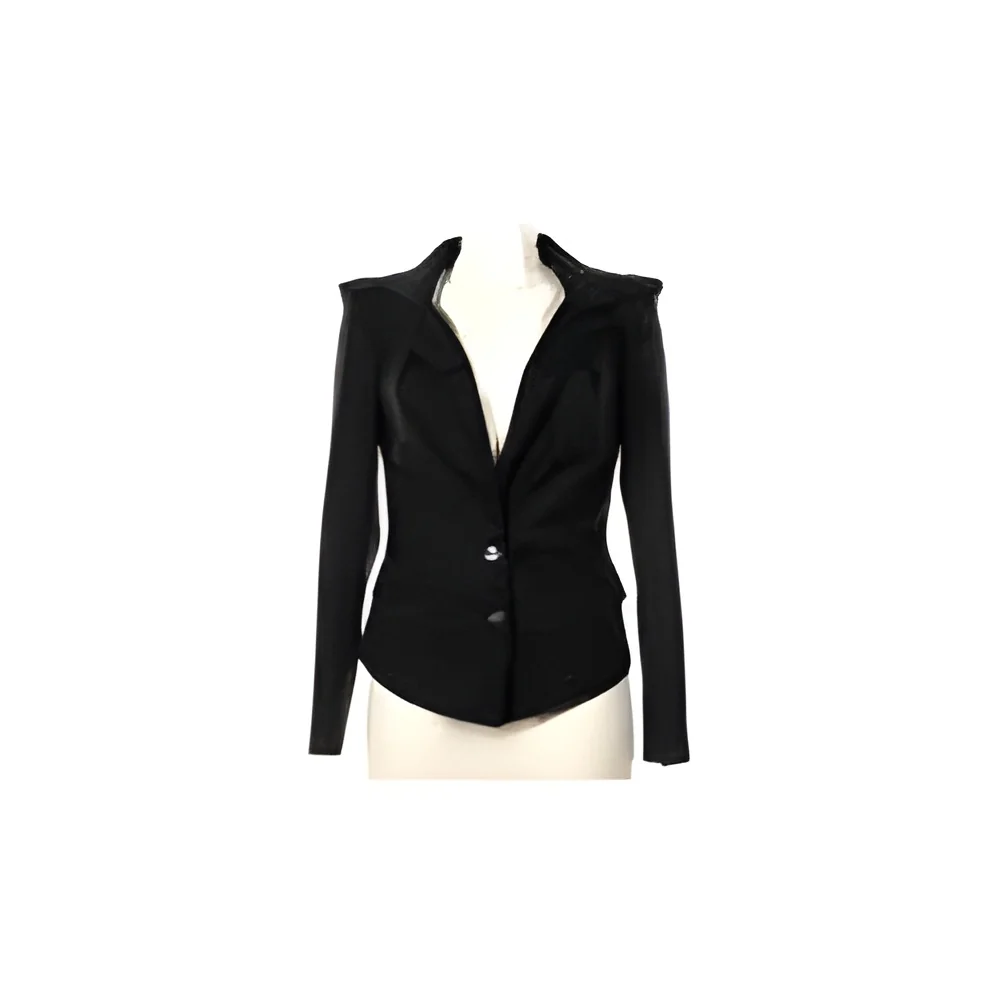
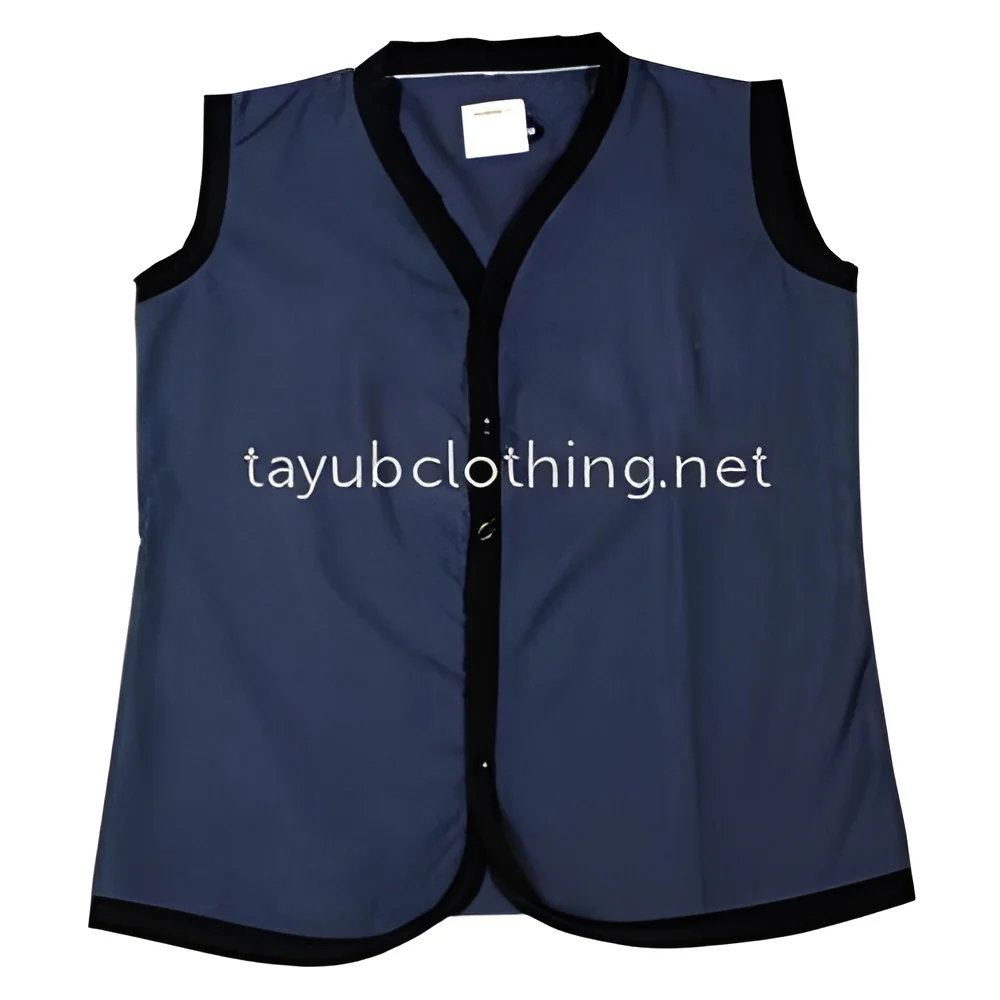
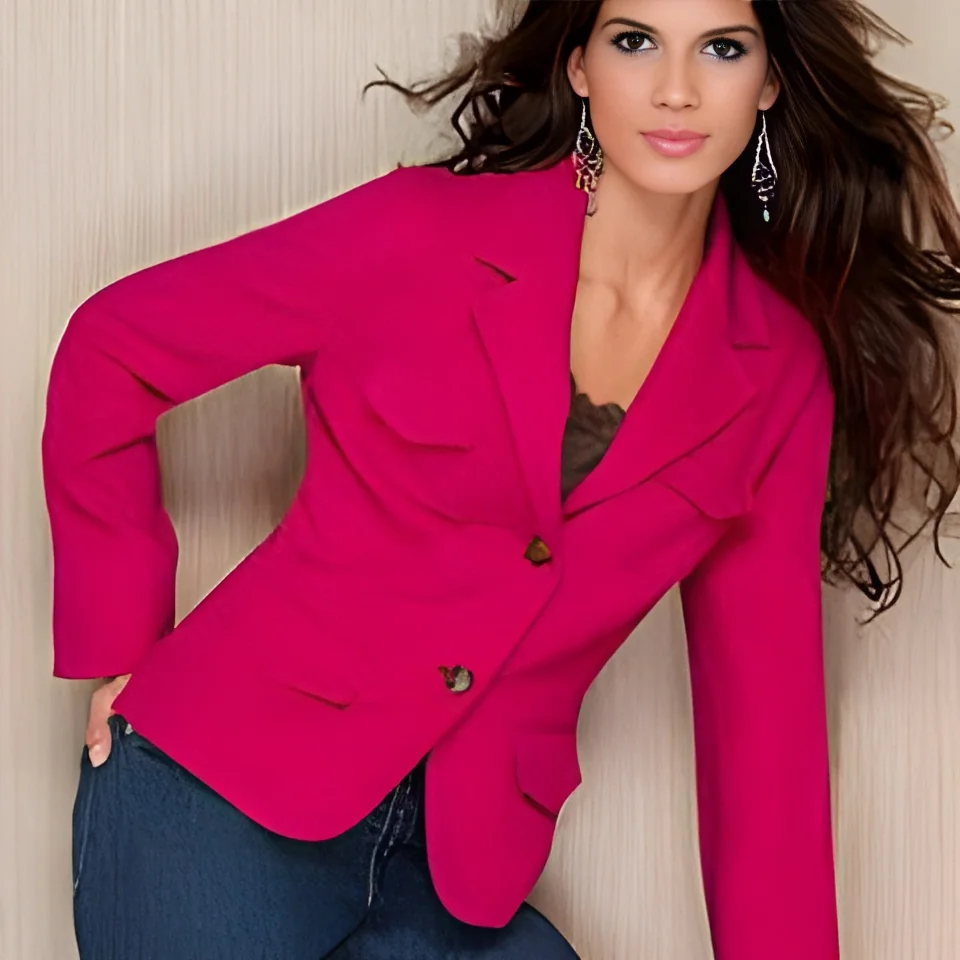
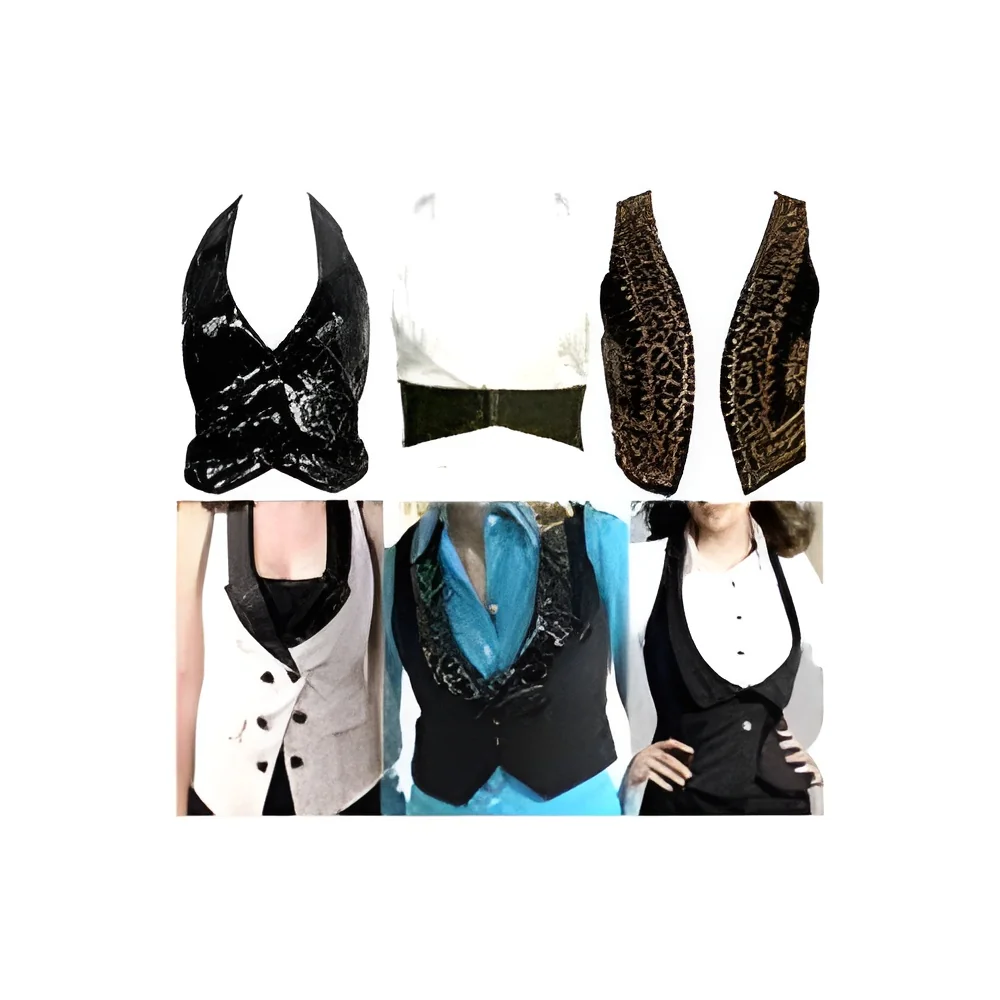
Outerwear includes jackets, coats, and vests designed to provide warmth and protection against the elements. They come in various styles, from casual to formal, to suit different occasions.
Benefits and Advantages
Sourcing women's wear offers several key benefits for businesses.
1. Diverse Market Appeal: Women's wear caters to a wide audience, allowing businesses to tap into various demographics and consumer needs.
2. Fashion-Forward Trends: The fashion industry is dynamic, with constant changes that provide opportunities for innovation in women's clothing.
3. Customization Opportunities: Many suppliers offer customization options, allowing businesses to create unique products that meet specific market demands.
4. High Demand: The market for women's wear continues to grow, driven by consumer trends and an increasing focus on fashion.
5. Versatile Applications: Women's wear can be tailored for multiple industries, from retail to corporate, providing flexibility in product offerings.
6. Quality and Compliance: Sourcing women's wear from reputable suppliers ensures that products meet quality standards and regulatory requirements.
Buying Guide for B2B Buyers
When sourcing women's wear, it is essential for businesses to consider several factors to ensure they make informed purchasing decisions.
1. Quality Assessment: Evaluate the fabric and construction quality of women's wear to ensure durability and comfort. Look for samples to assess the feel and performance.
2. Supplier Verification: Vet potential suppliers by checking their reputation, certifications, and compliance with industry standards. Request references or reviews from other businesses.
3. Pricing and MOQ: Understand the pricing structure and minimum order quantities (MOQ) required by suppliers to ensure they align with your budget and inventory needs.
4. Delivery and Lead Times: Inquire about delivery schedules and lead times to plan inventory effectively and meet customer demands.
5. Compliance Requirements: Be aware of any regulatory standards applicable to women's wear in your region, including safety and quality certifications.
Compliance and Certifications
Compliance and certifications are critical aspects of the women's wear industry. Relevant quality standards, such as ISO 9001, guide manufacturers in maintaining quality management systems. This ensures that products are consistent and meet customer expectations.
Additionally, industry certifications like CE indicate that products comply with European health, safety, and environmental protection standards. These certifications provide assurance to buyers that the products they source are safe and reliable.
Safety and testing requirements are also crucial, particularly for garments intended for specific uses, such as activewear or maternity clothing. Manufacturers must adhere to these standards to ensure the health and safety of consumers.
Regional compliance considerations vary based on local regulations and market demands. Businesses must stay informed about these requirements to ensure their products are compliant in the markets they serve.
Why Source Women's Wear from Pepagora?
Pepagora provides a trusted platform for sourcing women's wear, offering several distinct advantages to businesses.
Verified Supplier Network: Pepagora connects buyers with a network of verified suppliers, ensuring that businesses can source quality products with confidence. The verification process helps mitigate risks associated with sourcing.
Streamlined RFQ Process: The platform features a streamlined Request for Quotation (RFQ) process, allowing buyers to easily request and compare quotes from multiple suppliers. This efficiency helps businesses make informed purchasing decisions quickly.
Trade Assurance and Support: Pepagora offers trade assurance to protect buyers throughout the sourcing process. This includes support for resolving any issues that may arise, ensuring a smooth transaction.
Regional Coverage: With a strong presence in regions like India, the GCC, and Southeast Asia, Pepagora provides businesses with access to a diverse range of women's wear products tailored to various markets. This regional coverage helps buyers meet specific consumer demands effectively.

 IN
IN