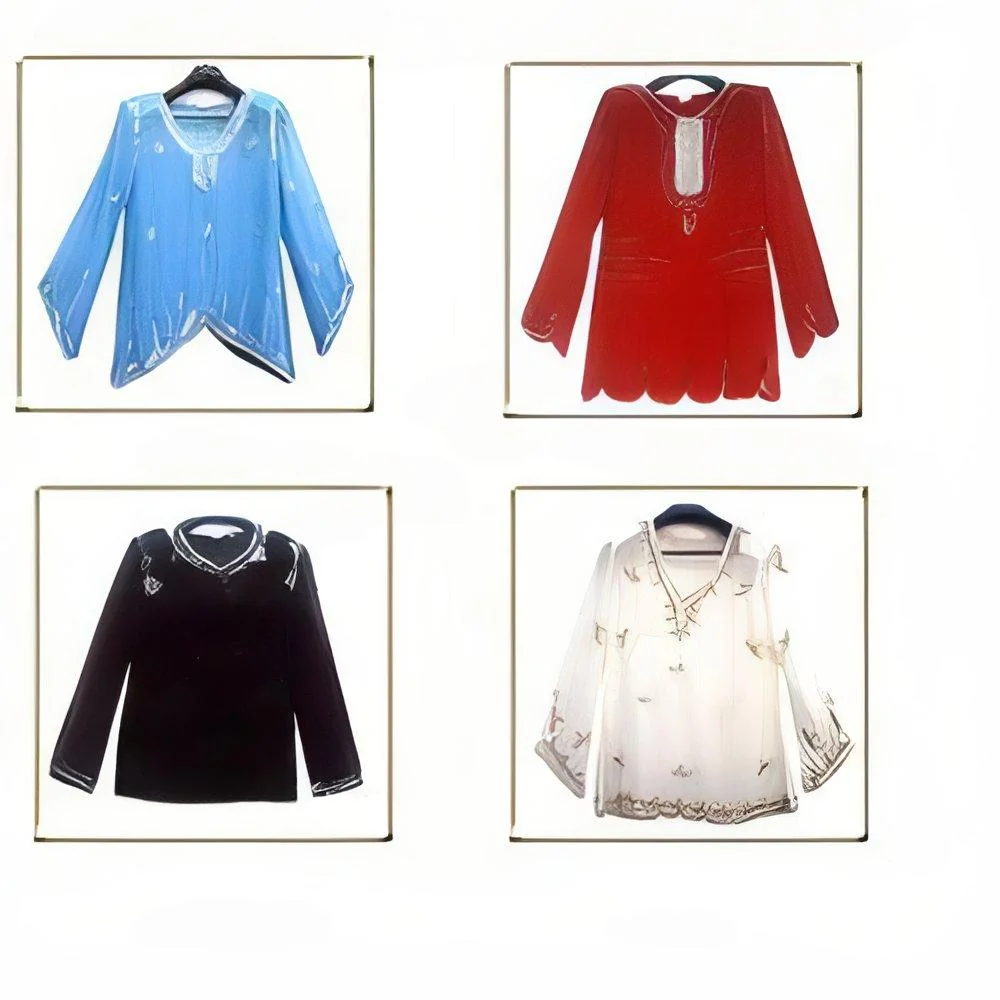
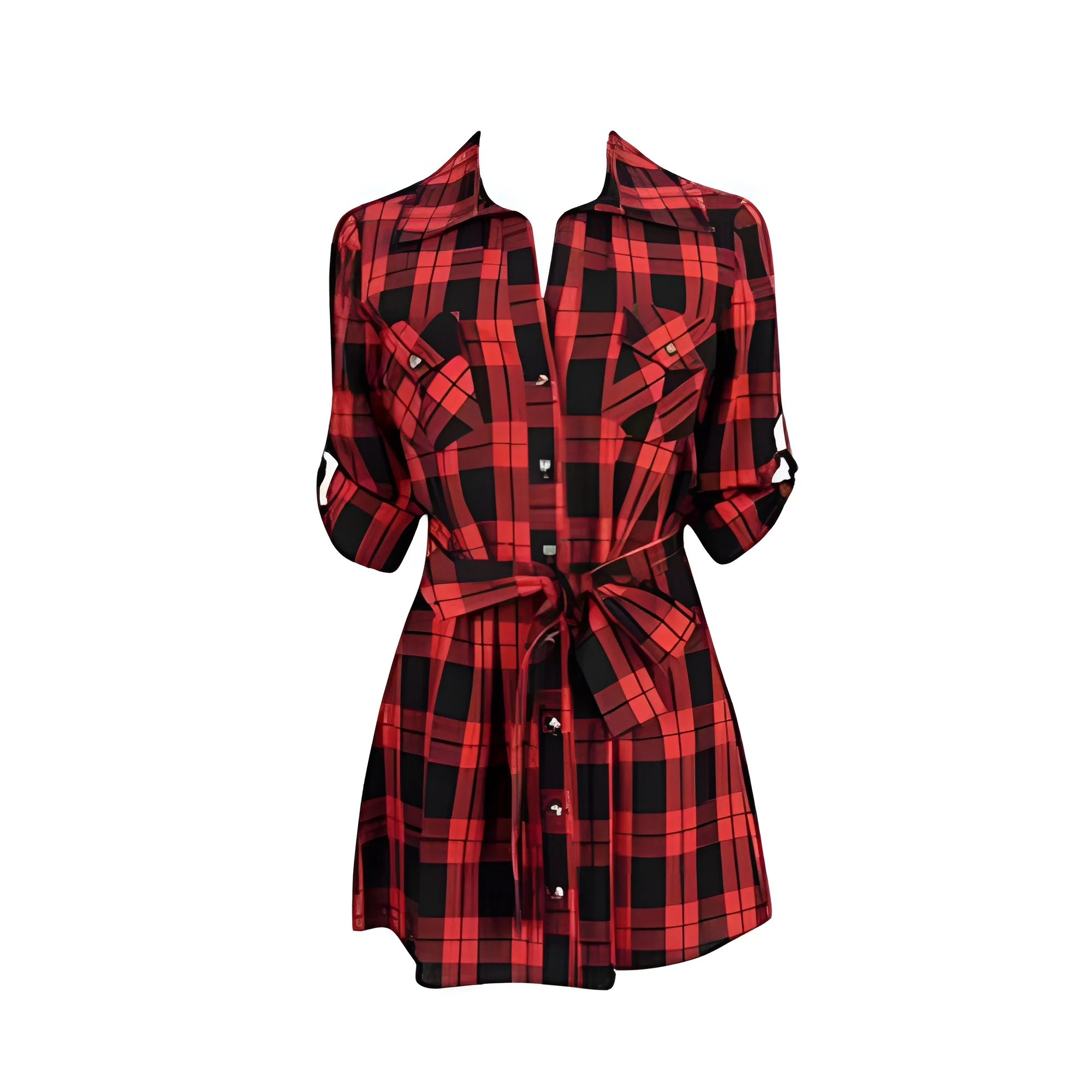
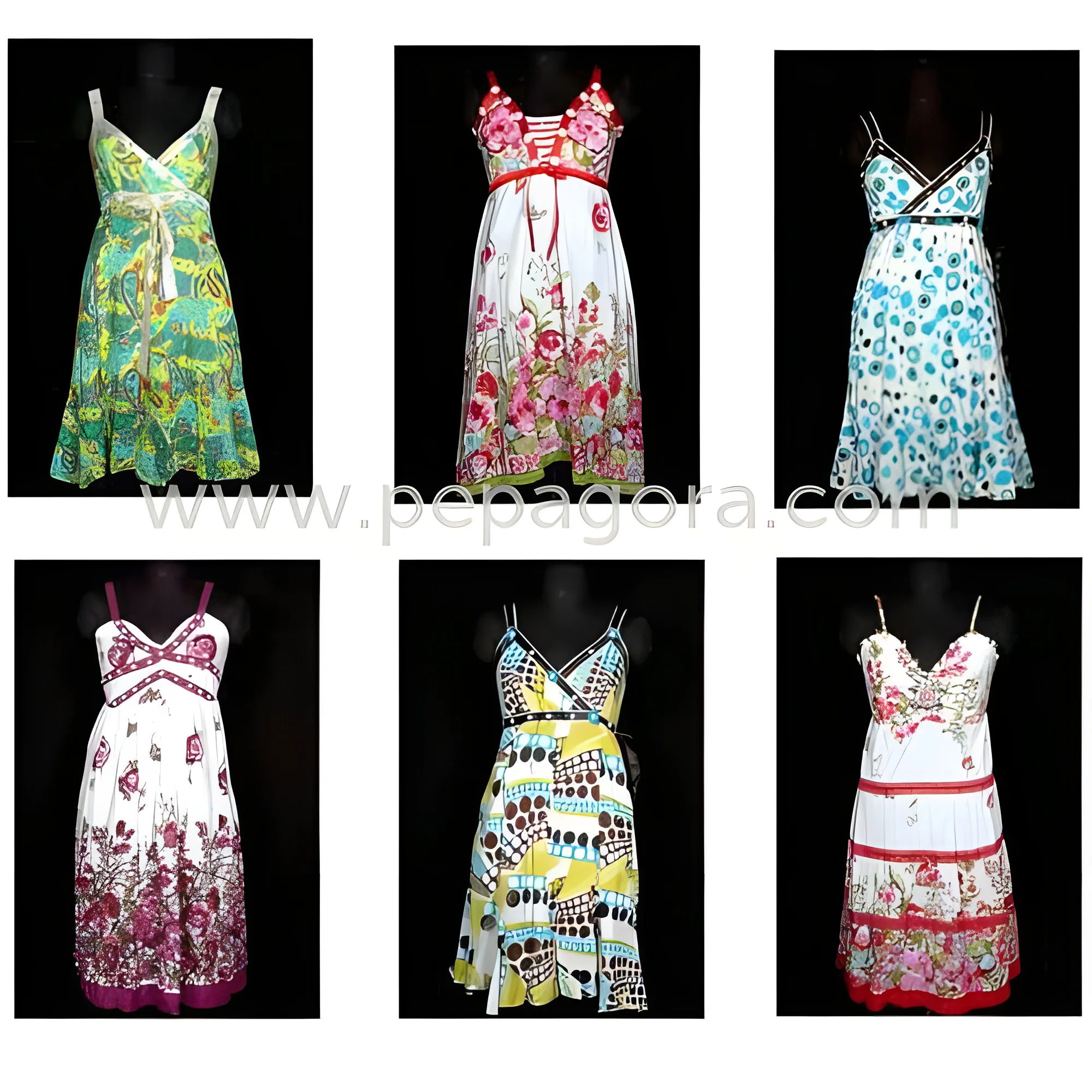
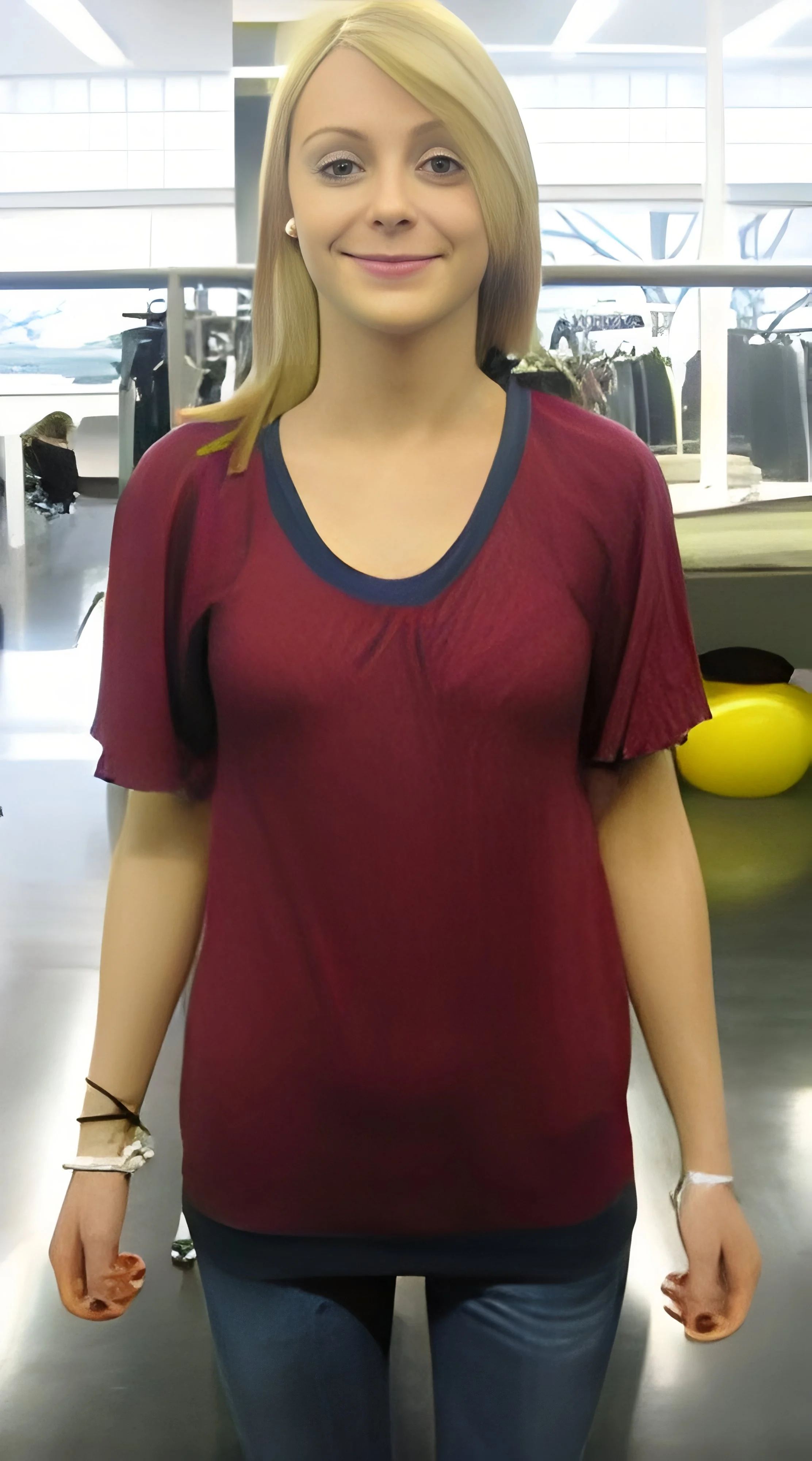
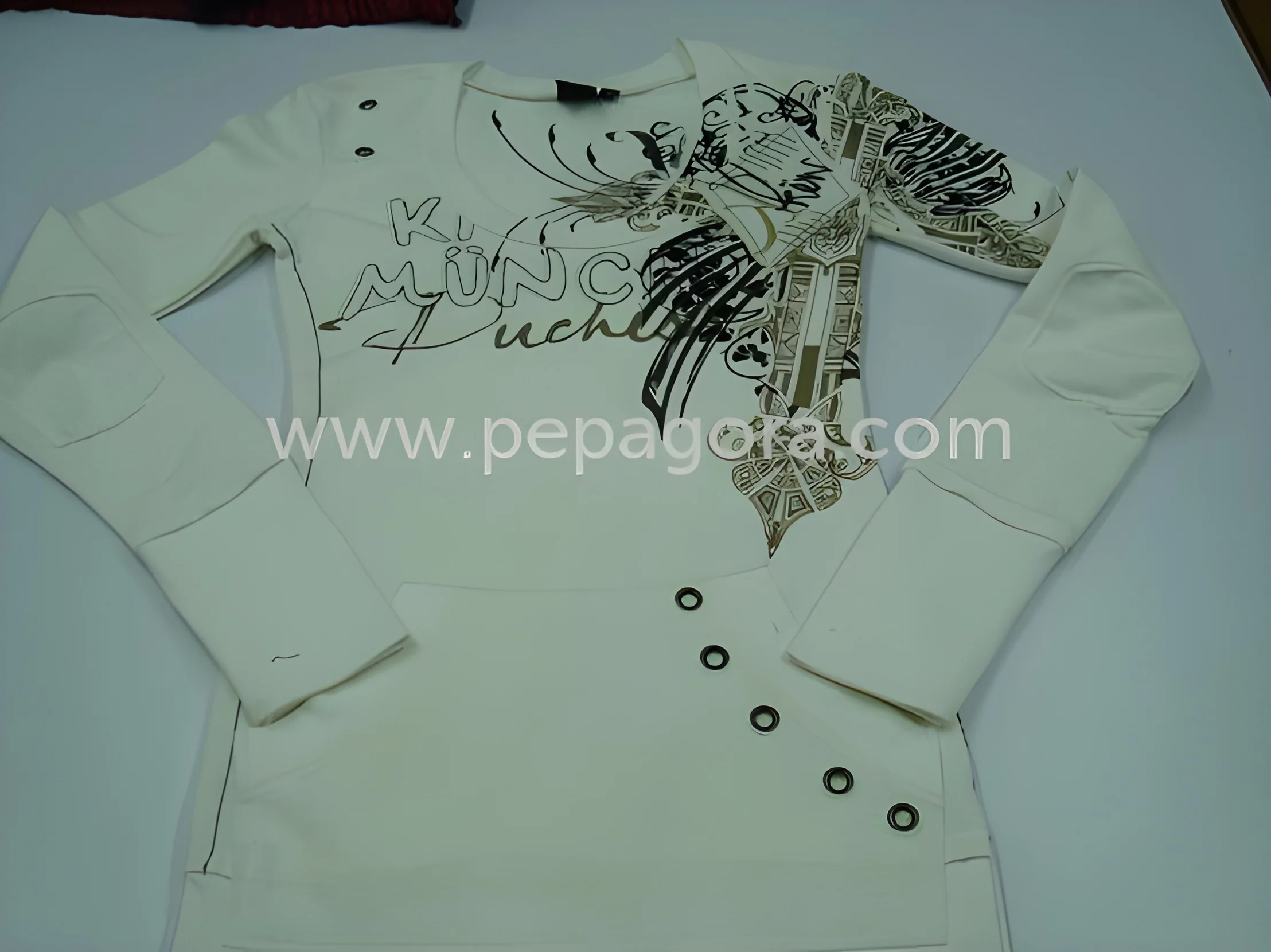
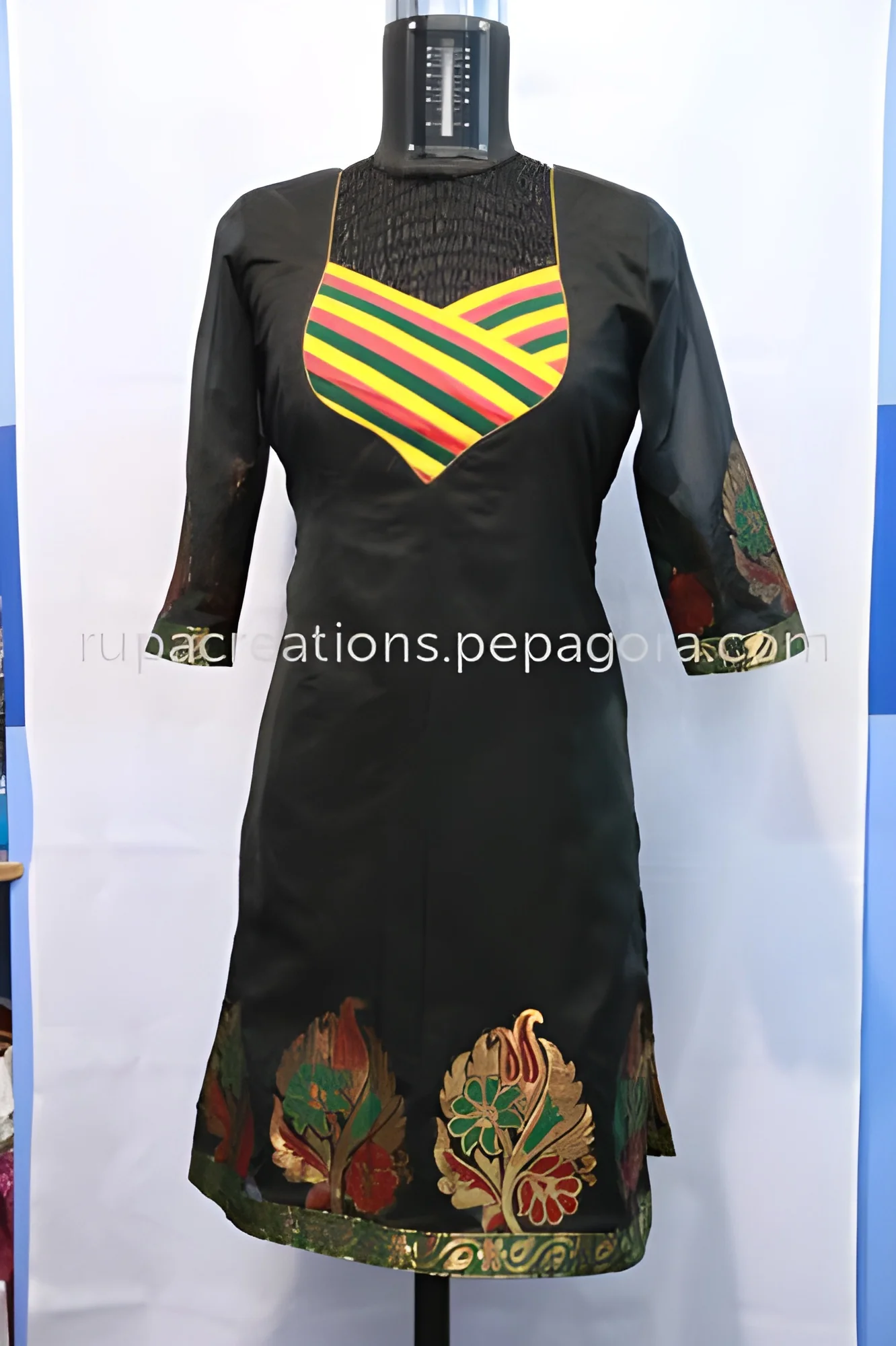
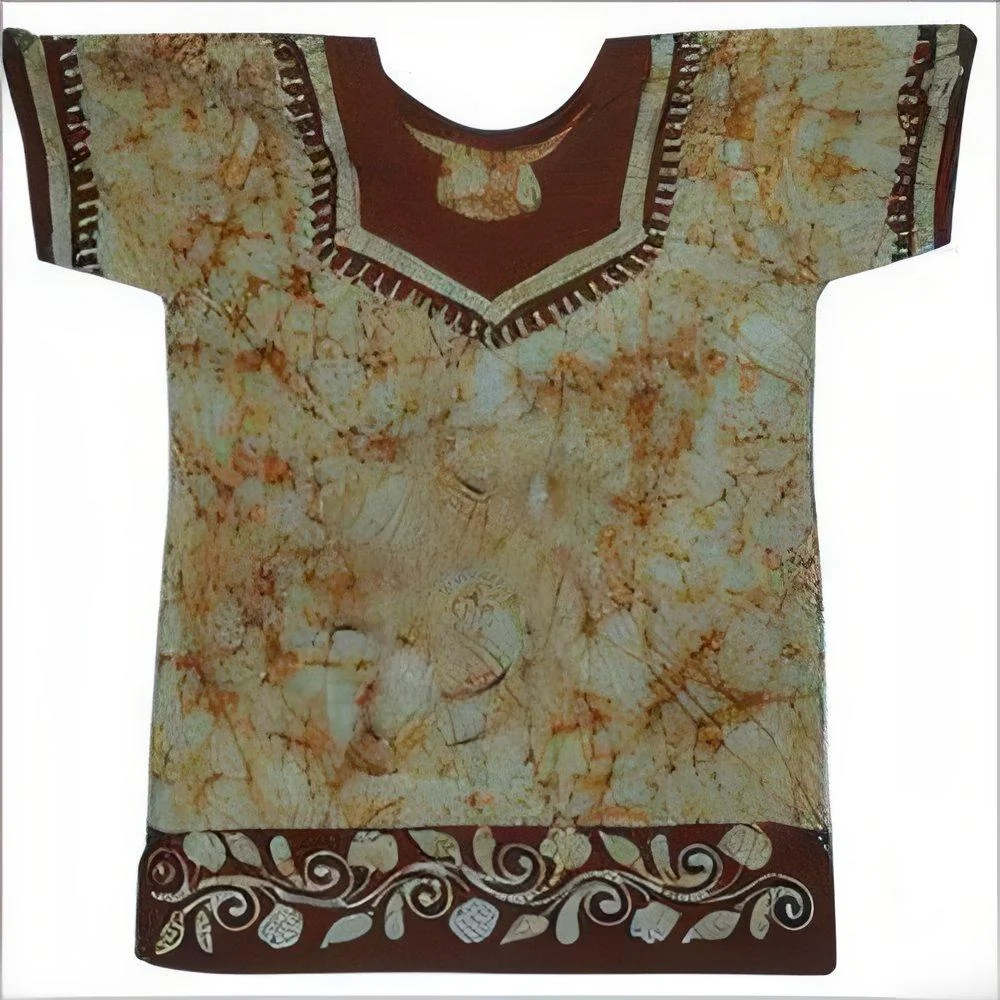
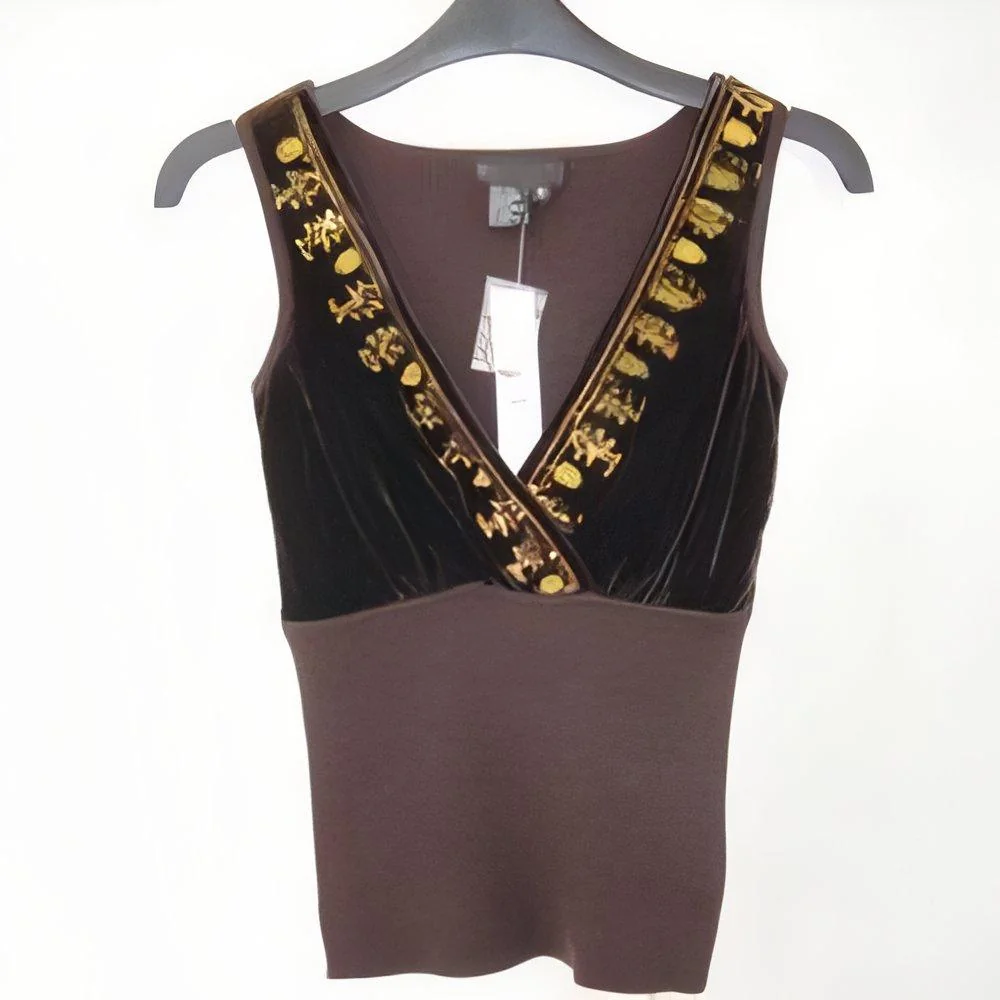
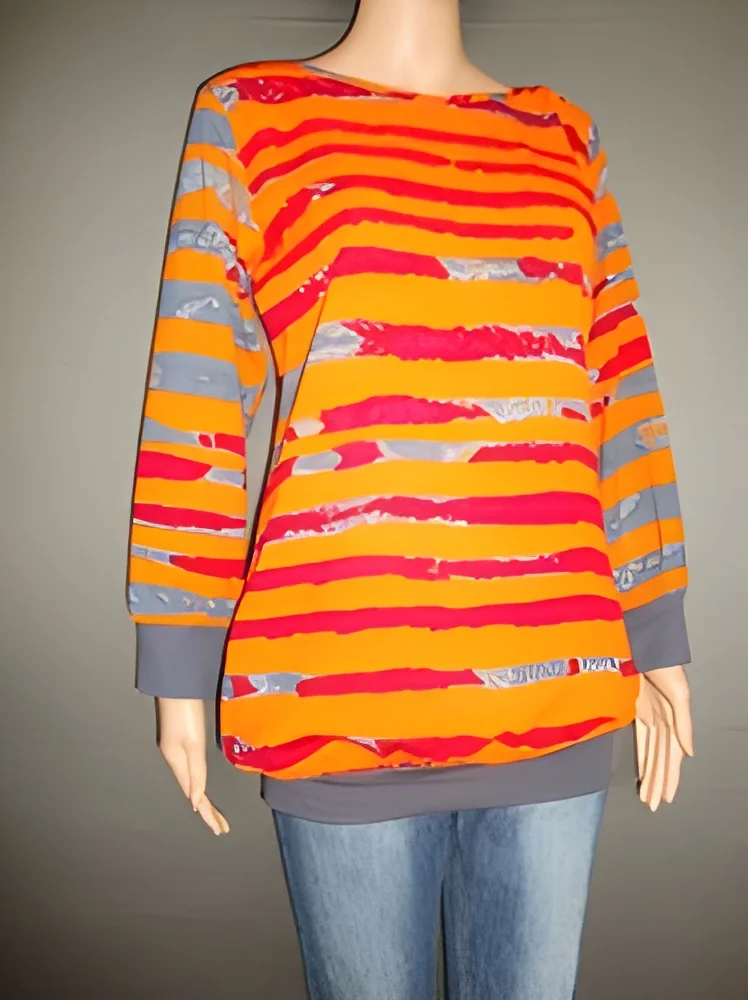
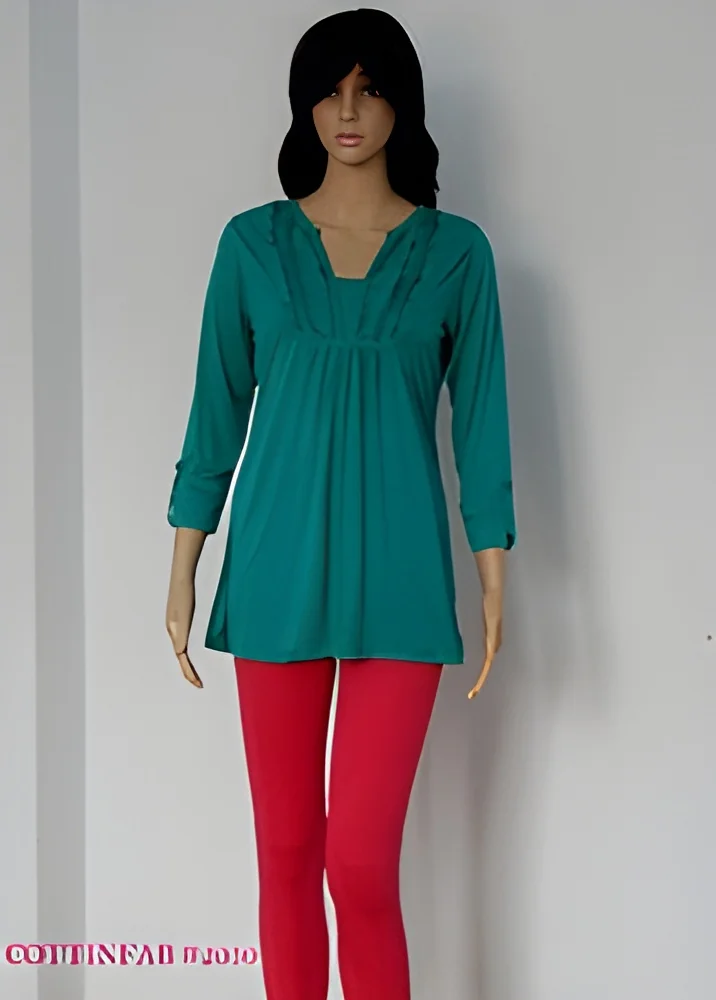
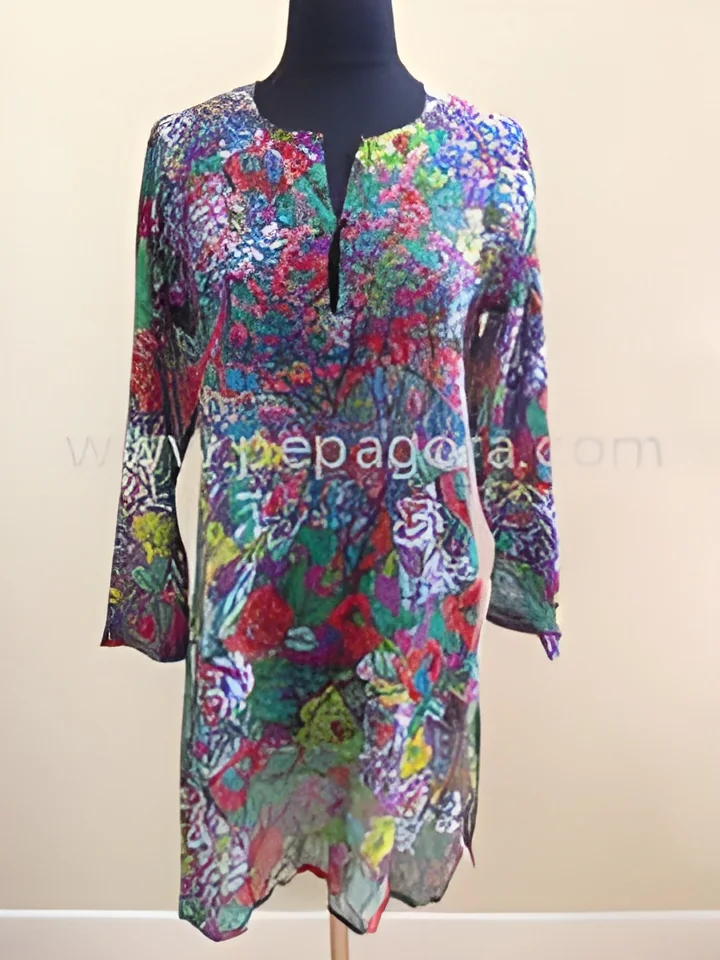
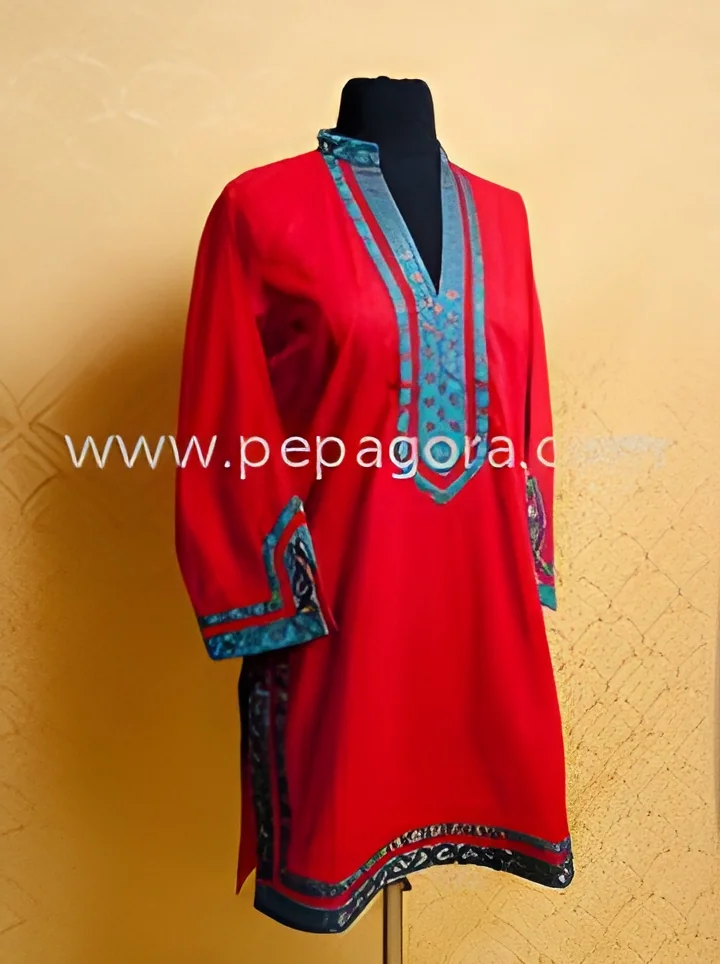
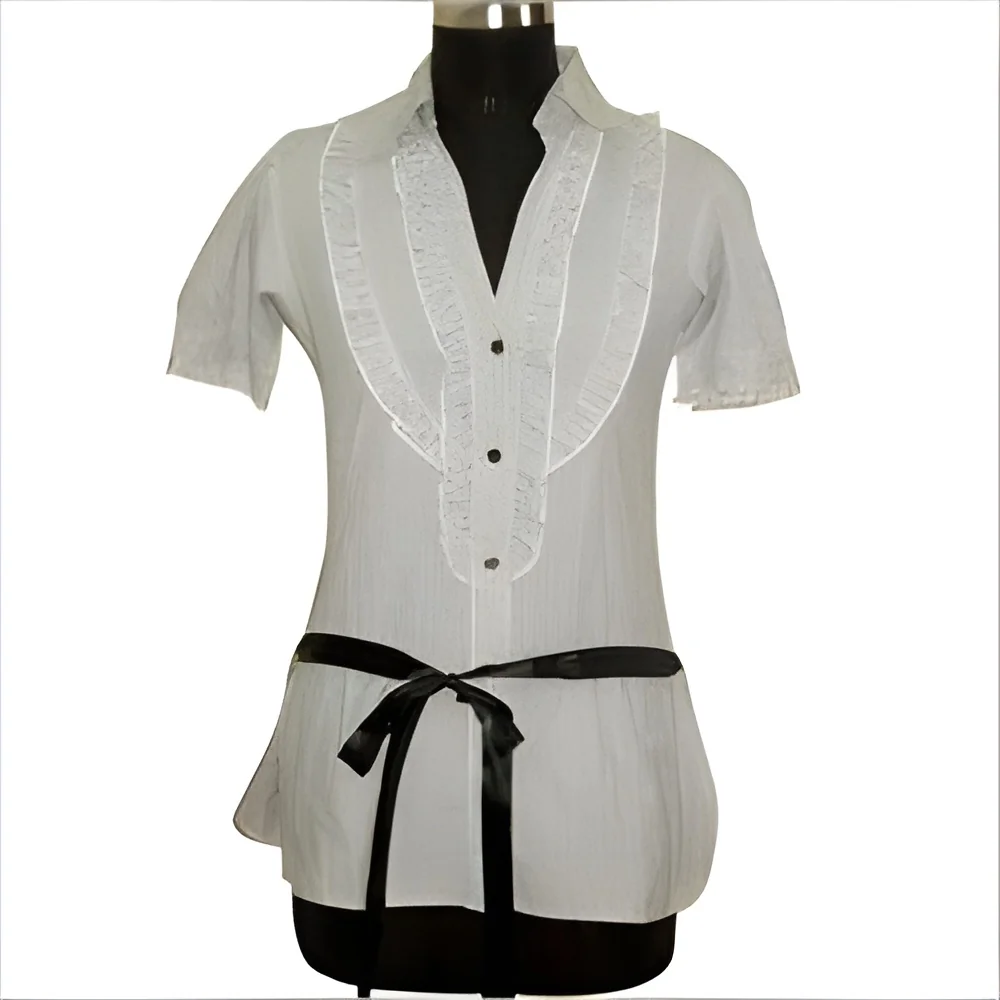
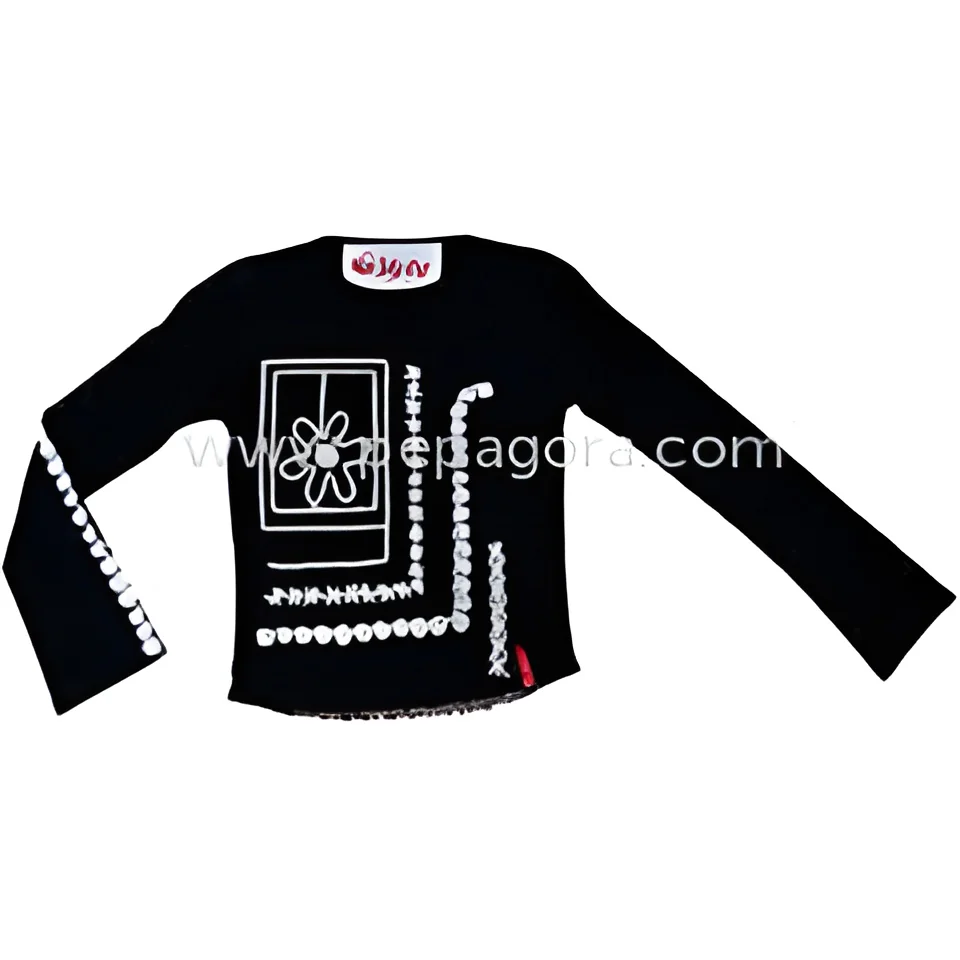
What are Women's Tops?
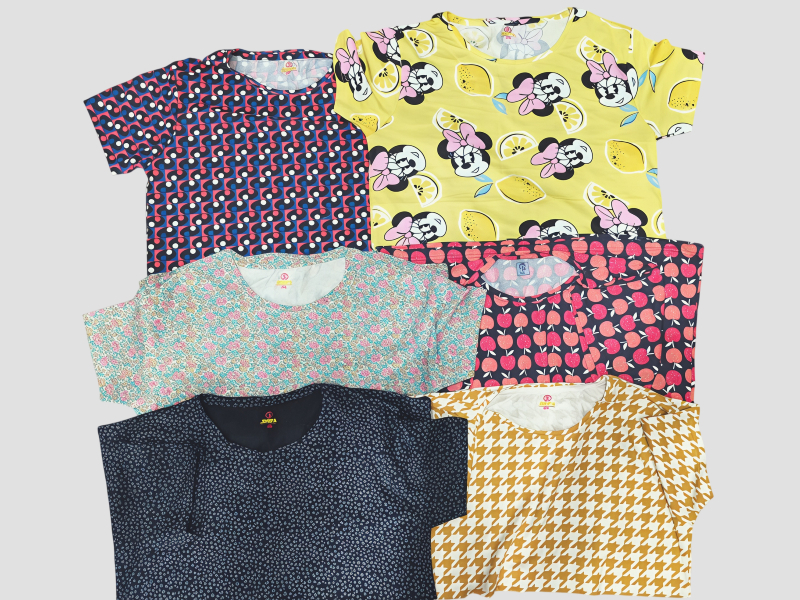
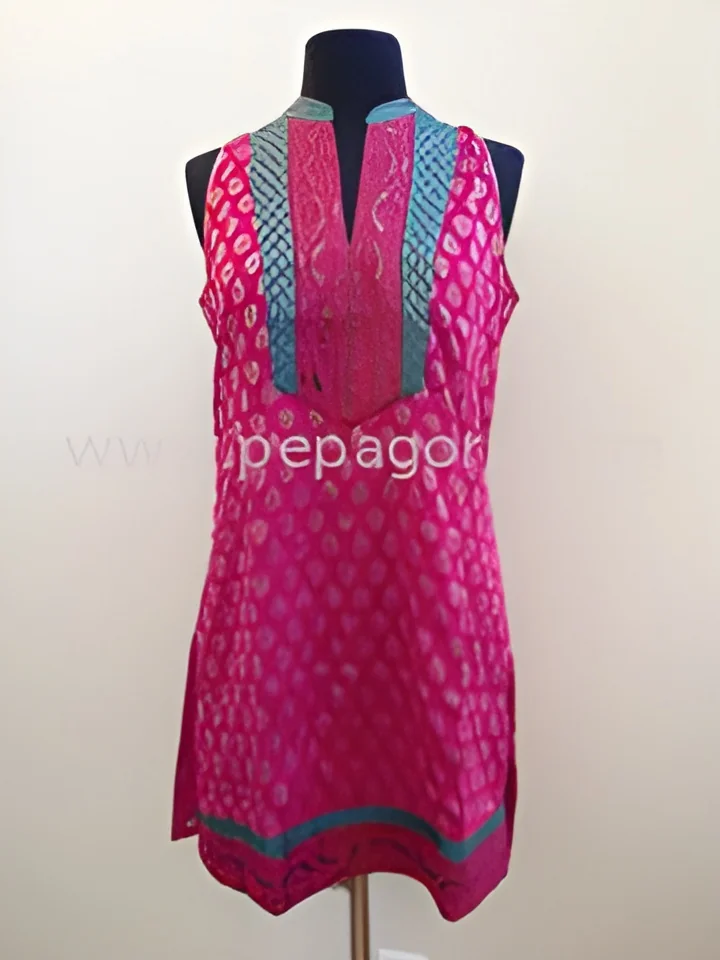
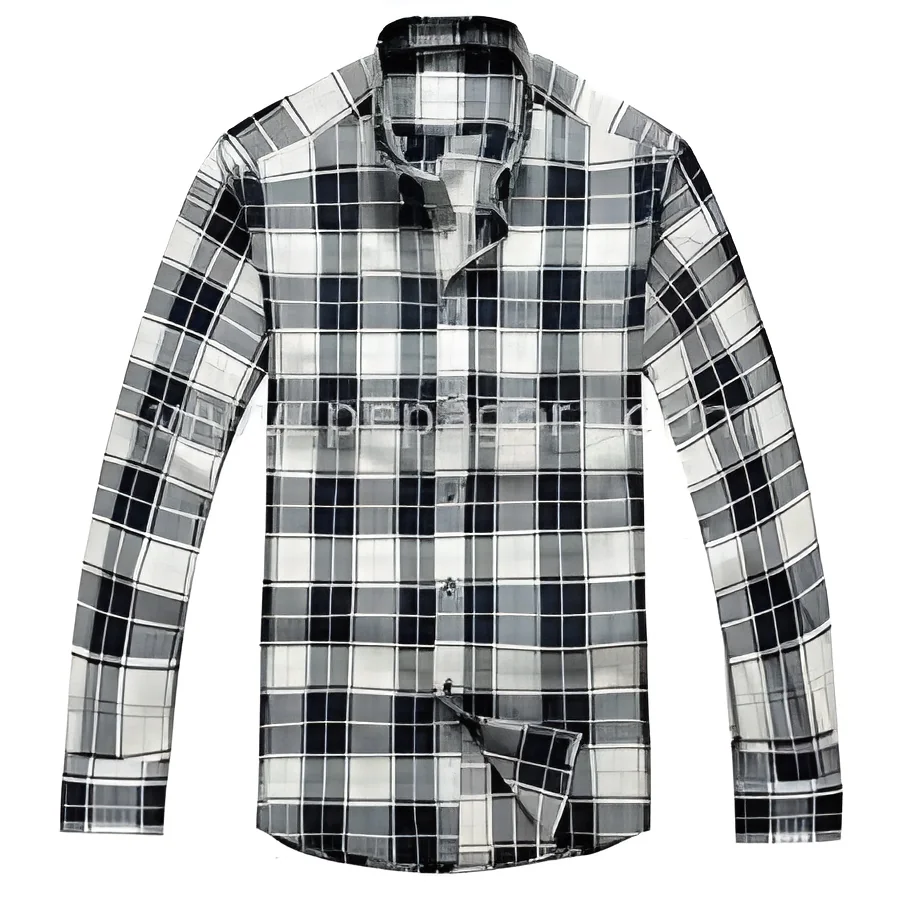
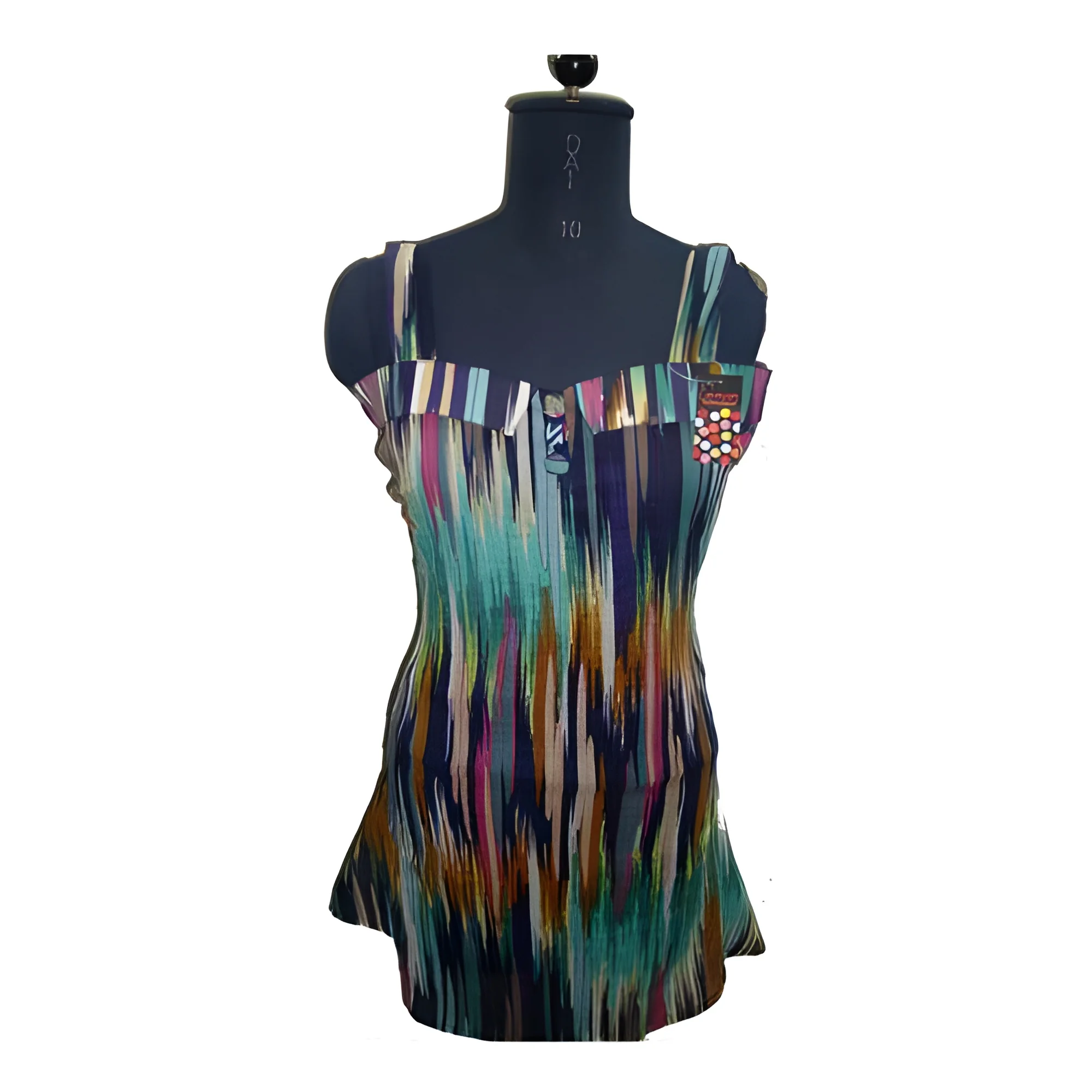
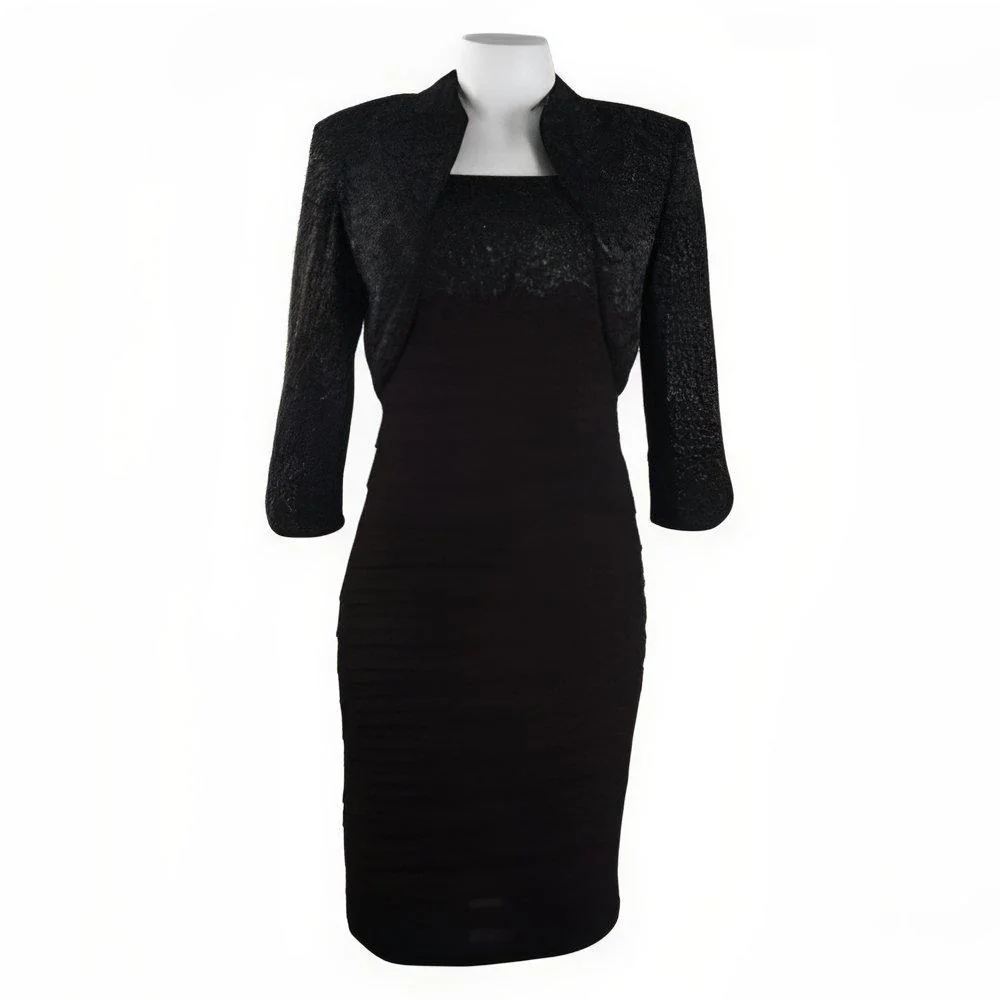
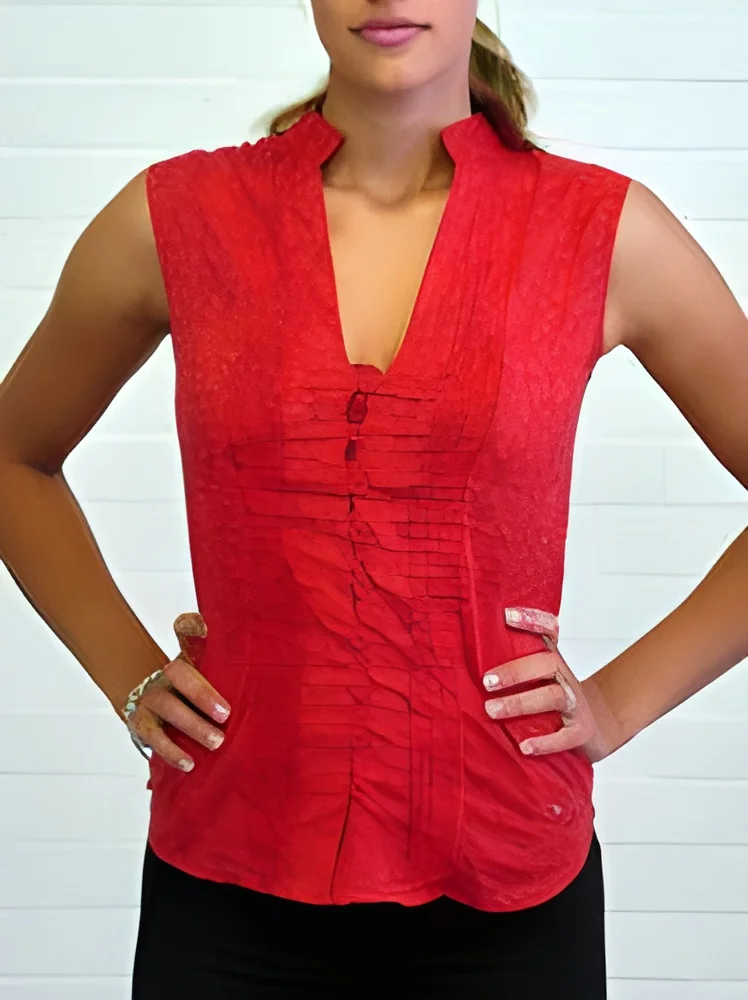
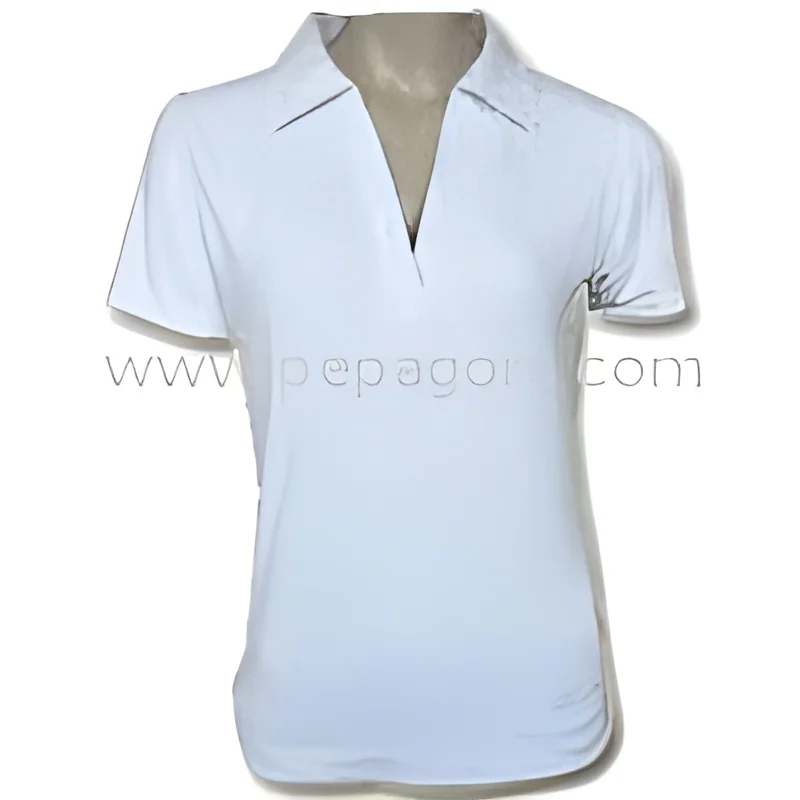
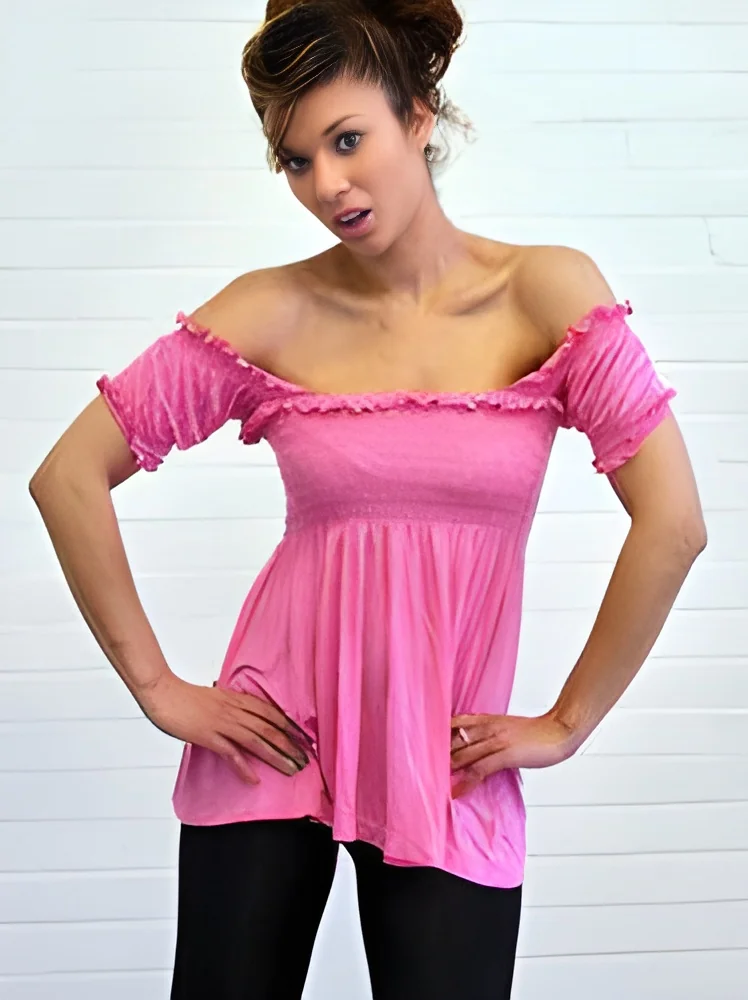
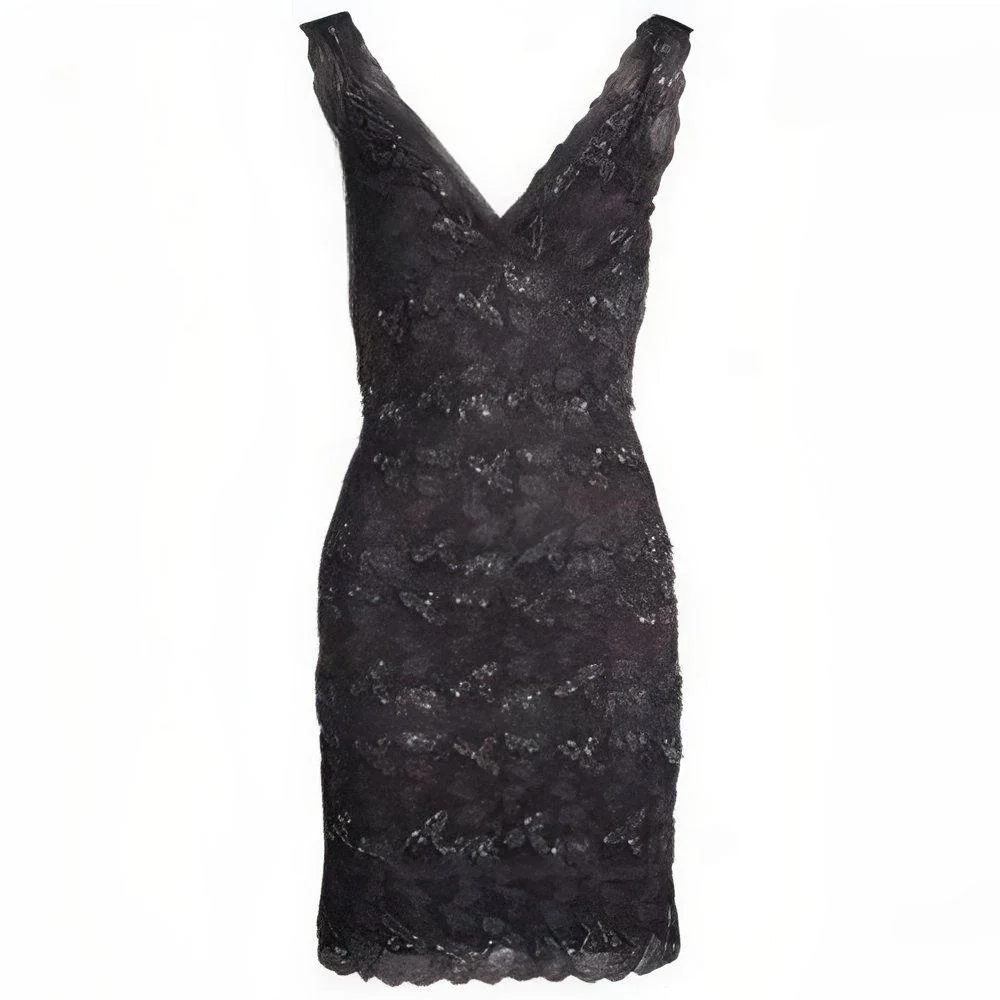
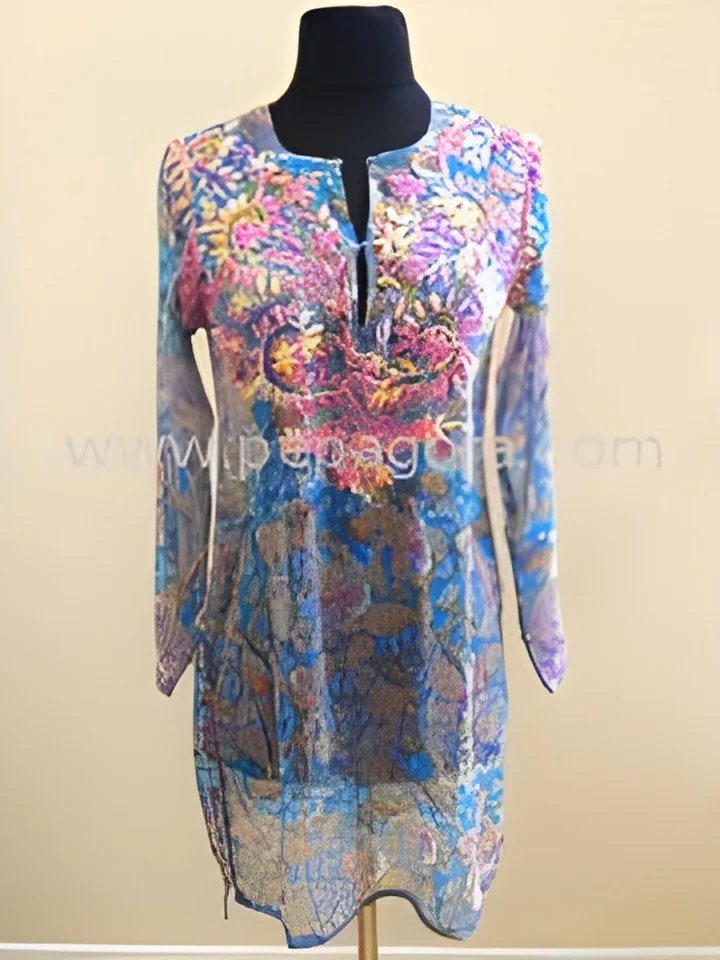
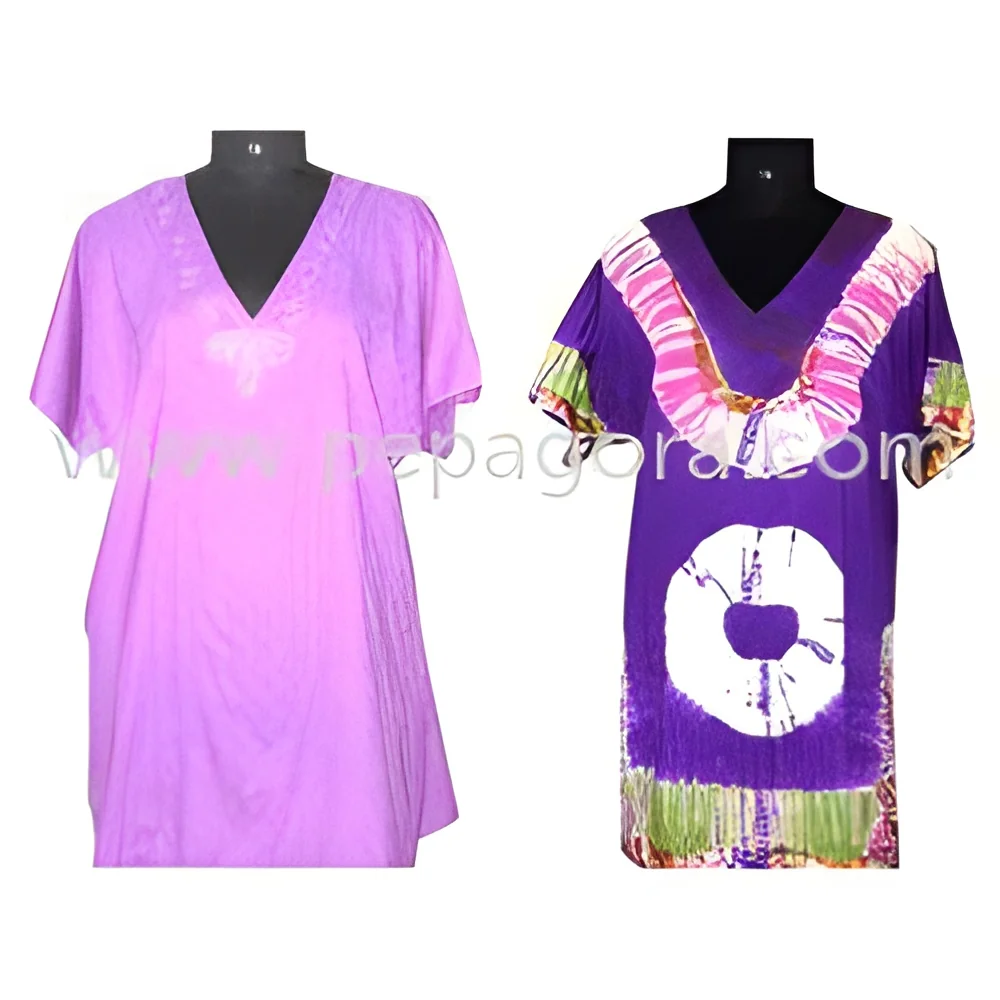
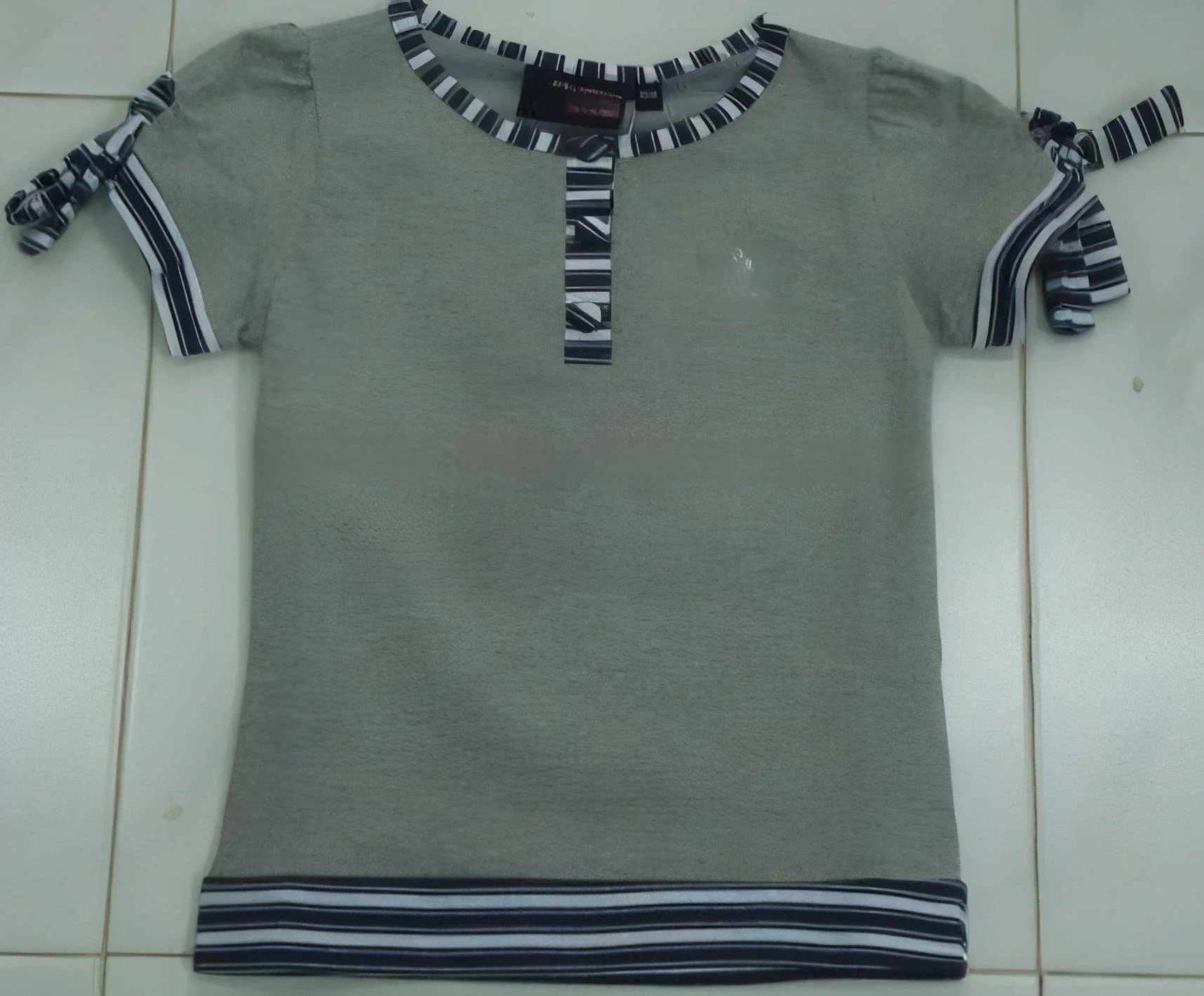
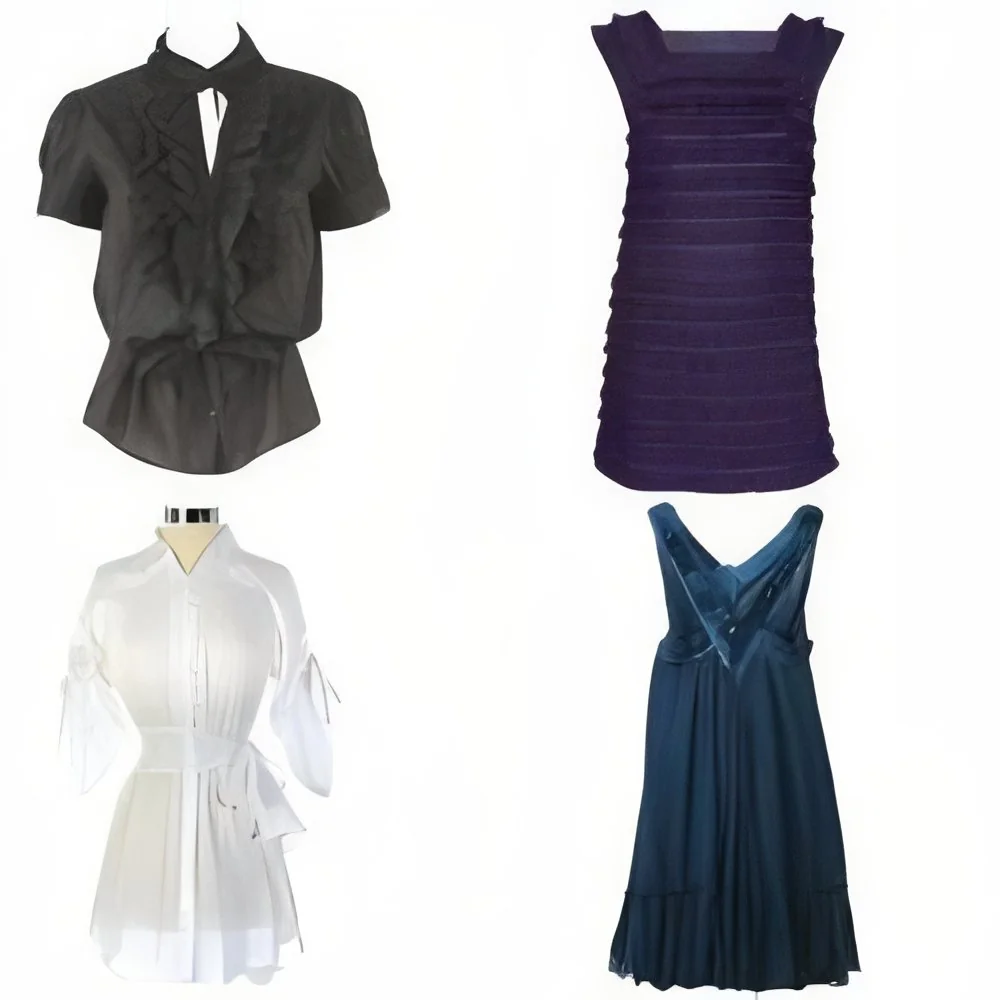
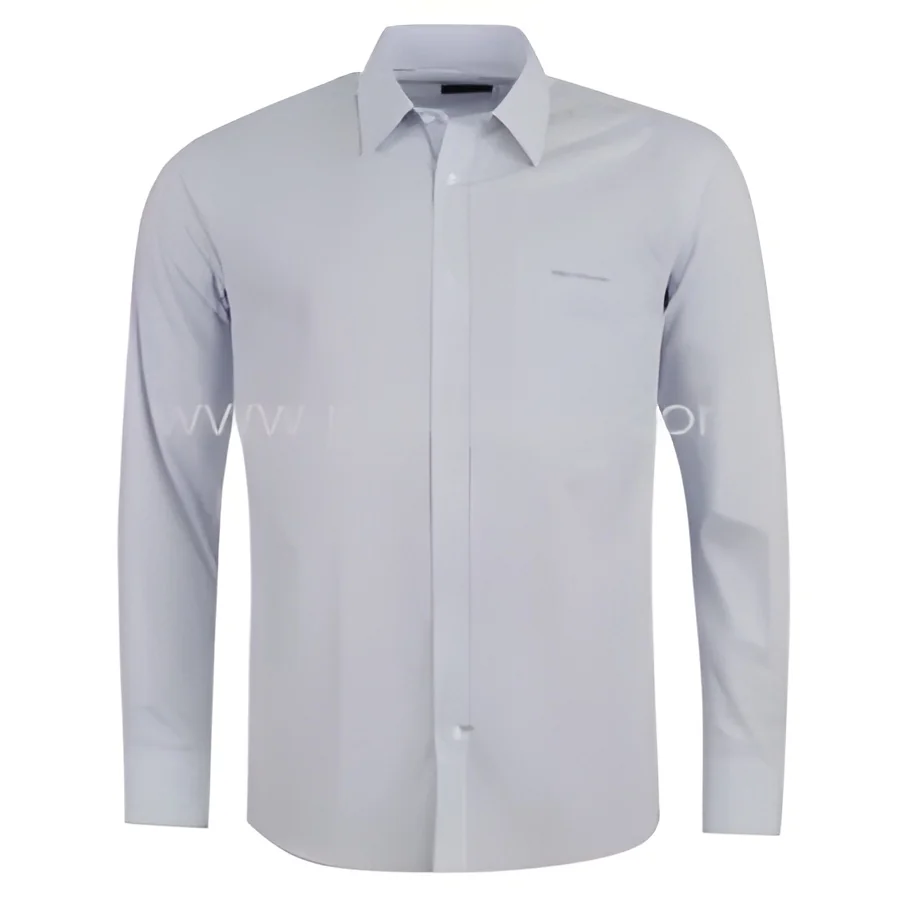
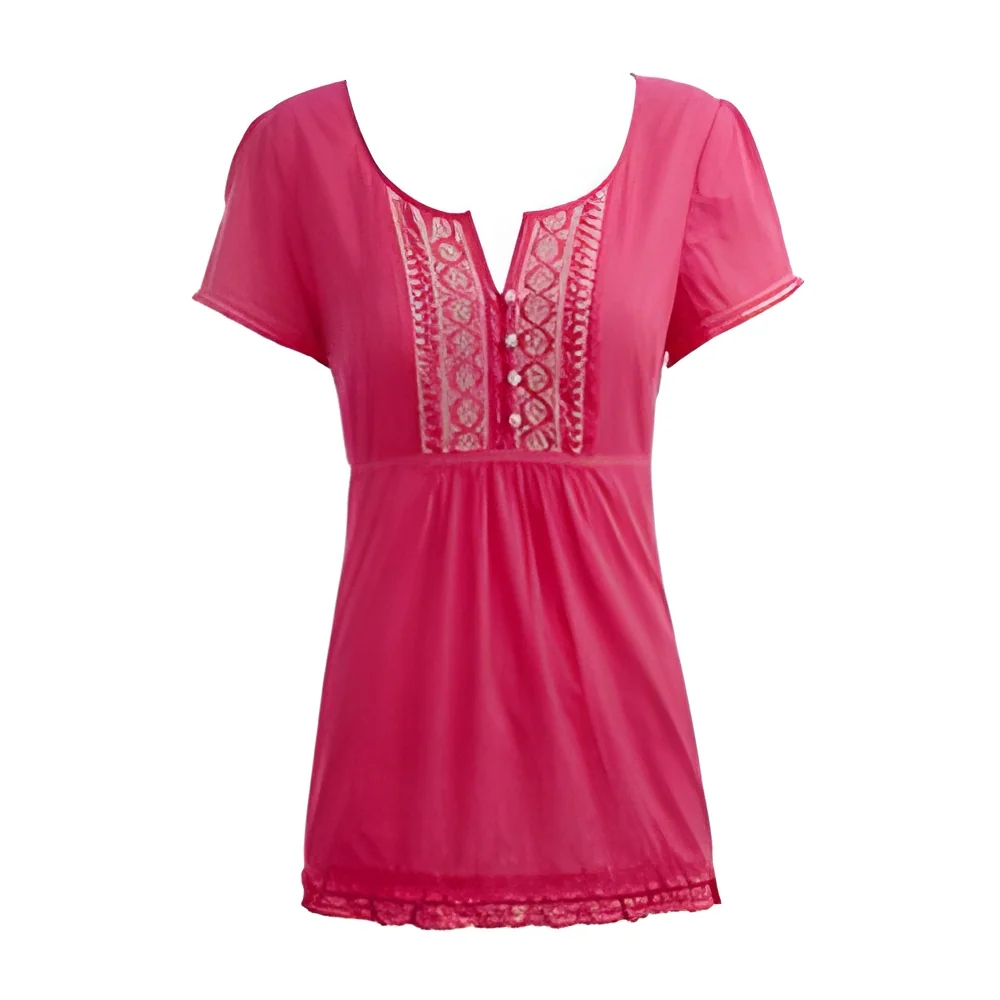
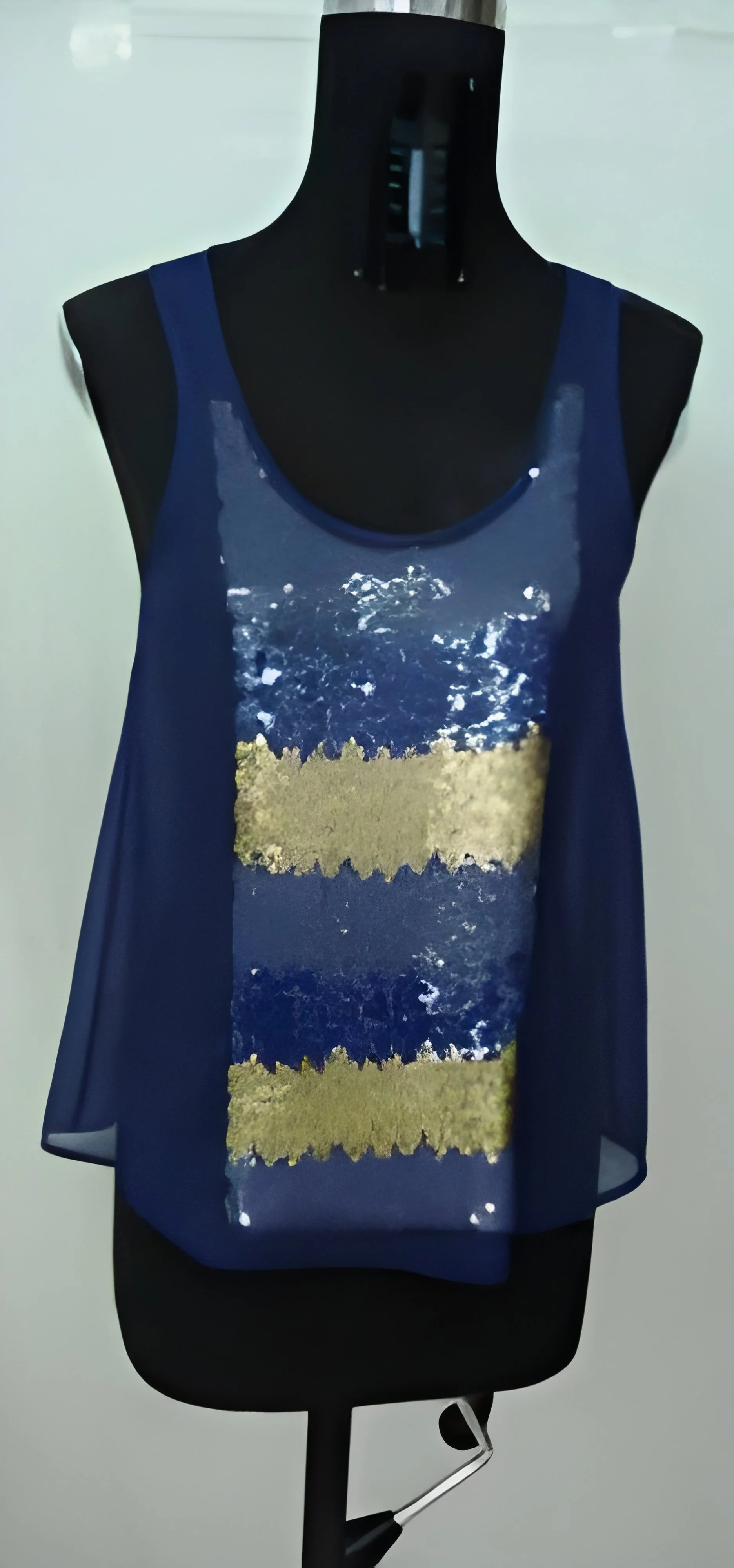
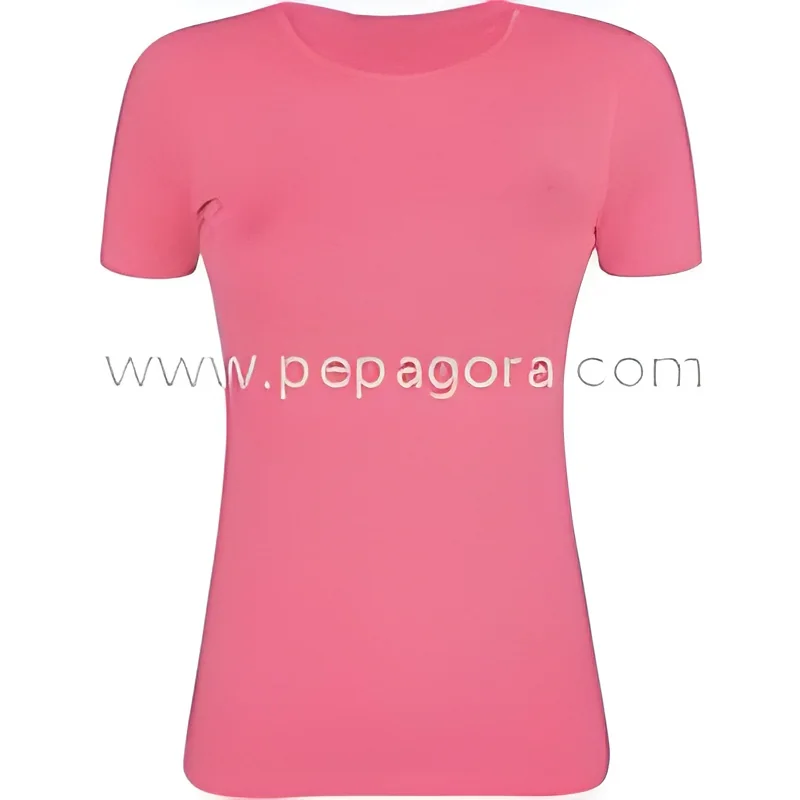
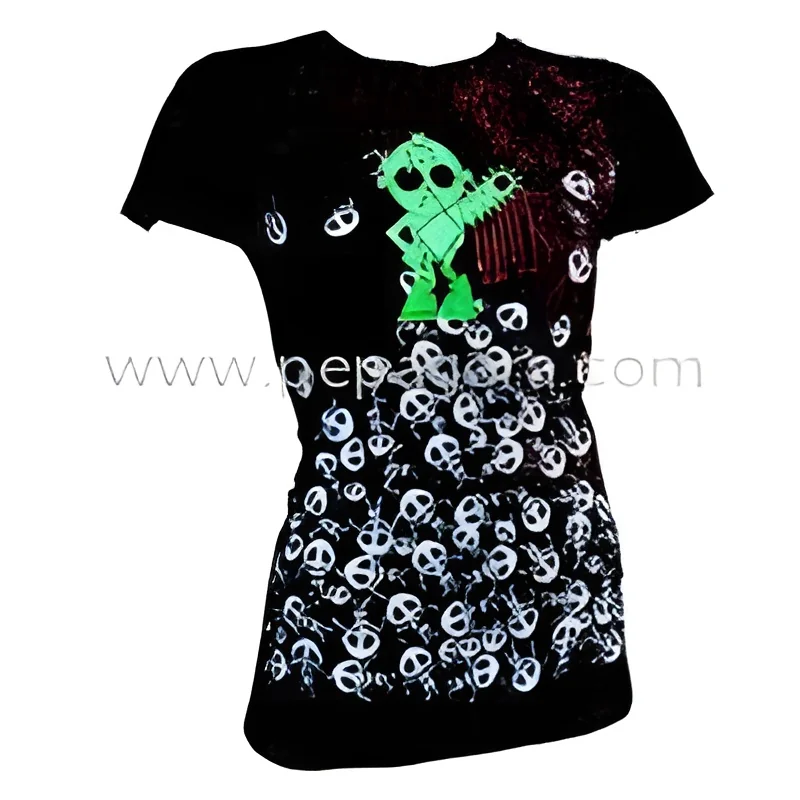
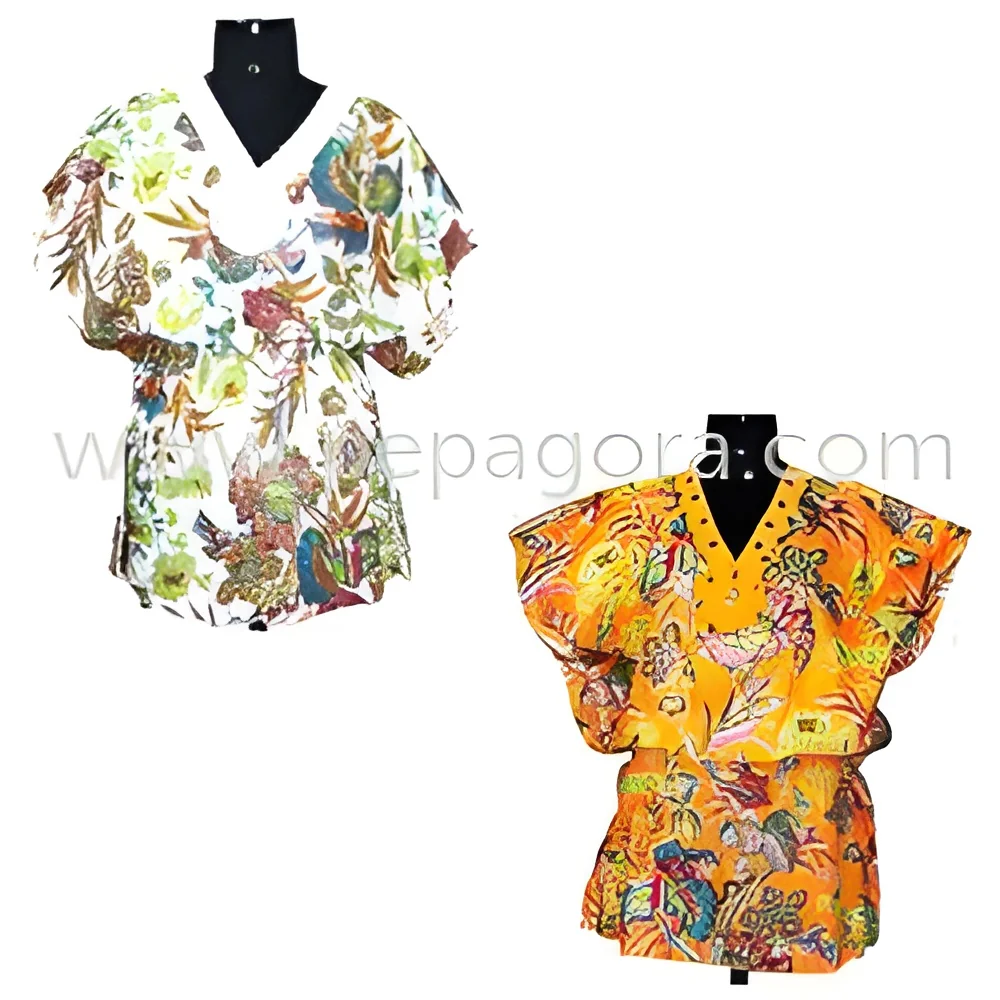
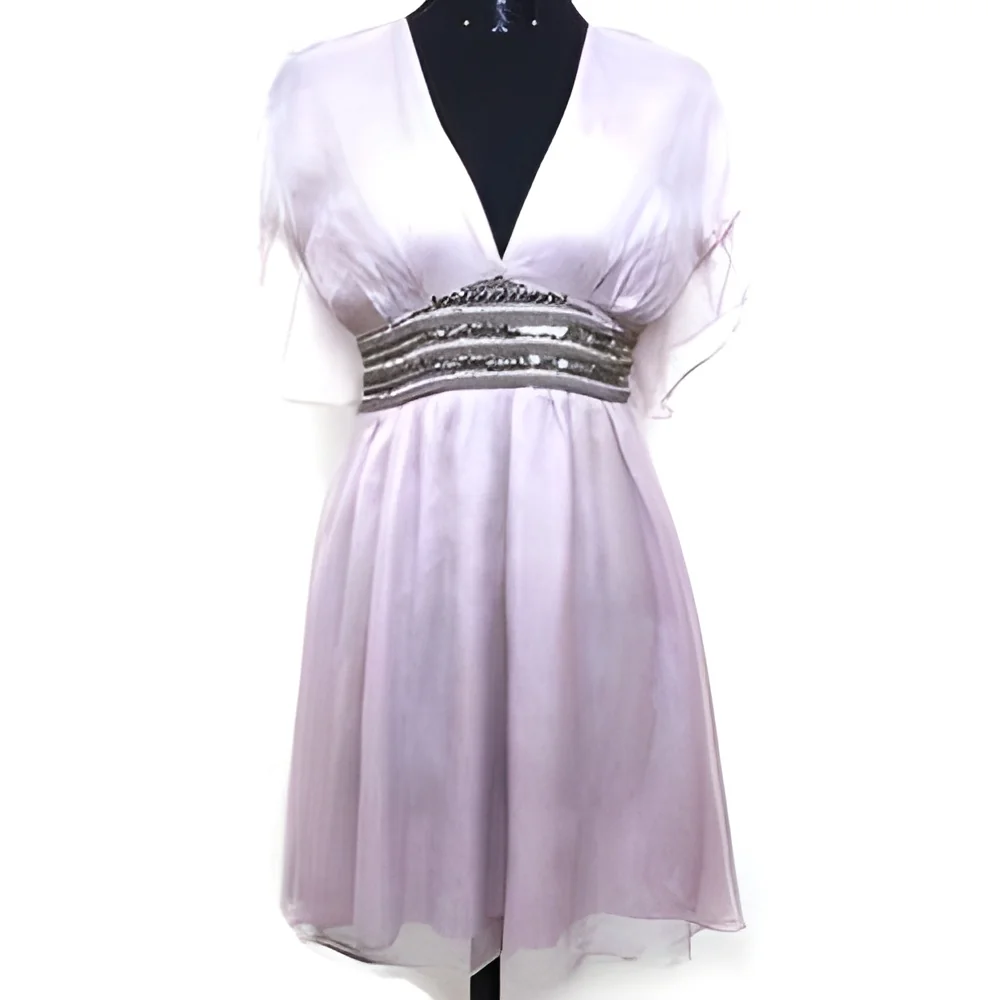
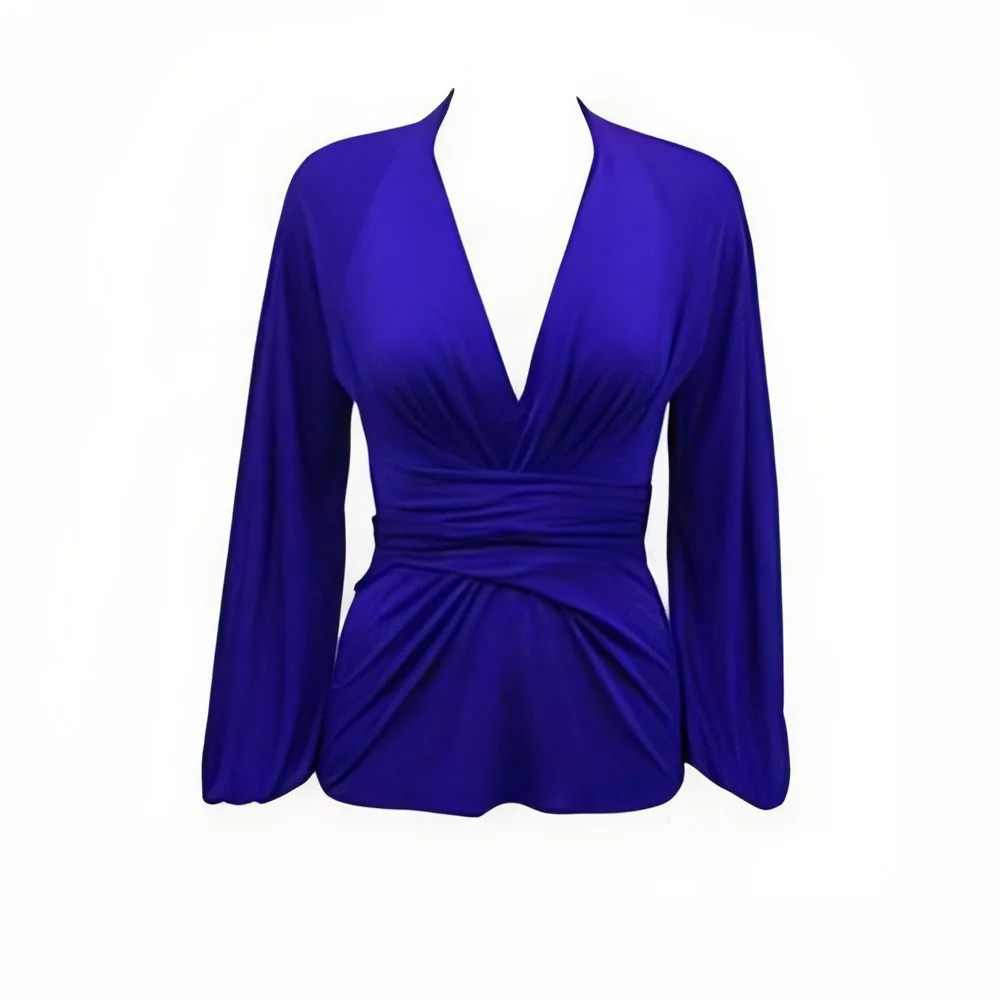
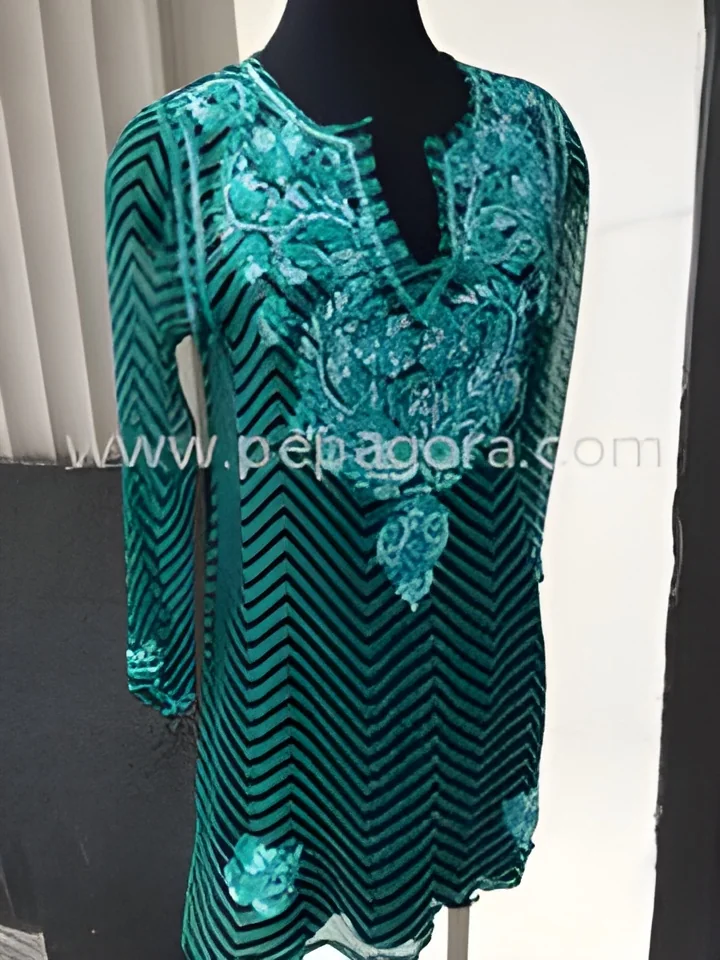
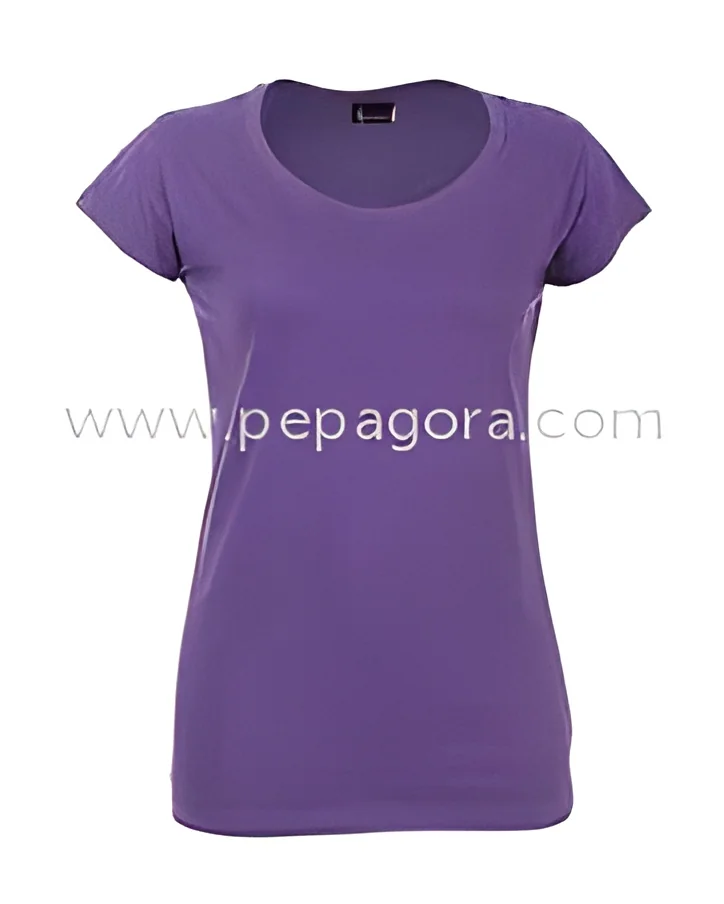
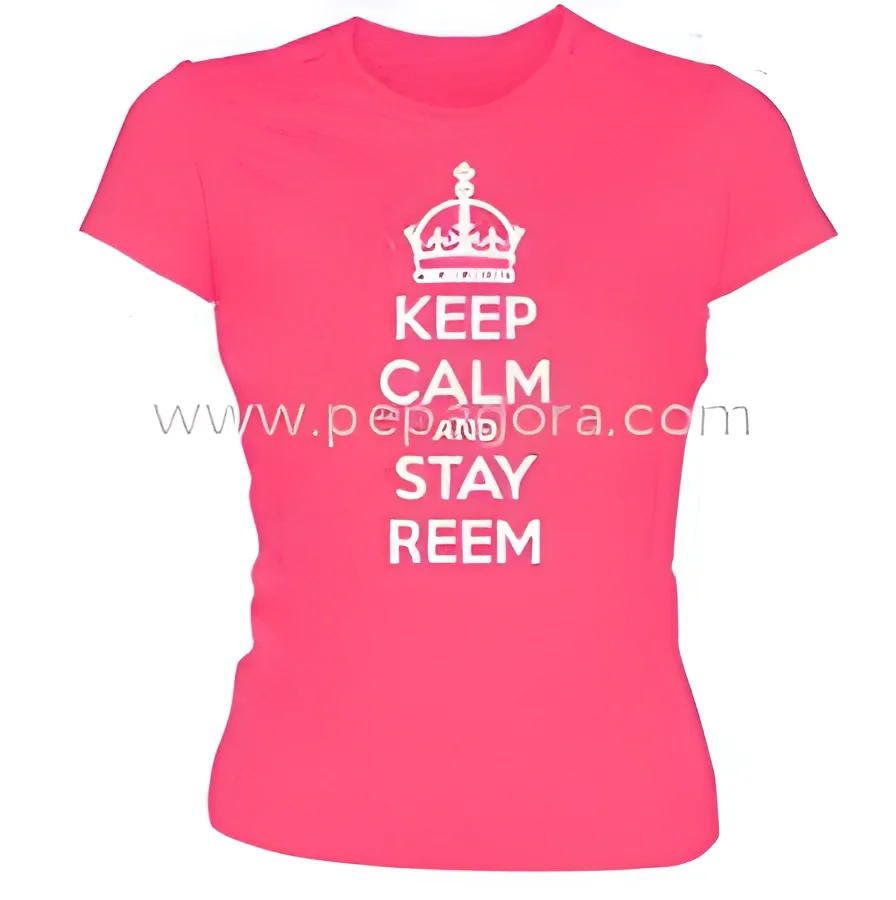
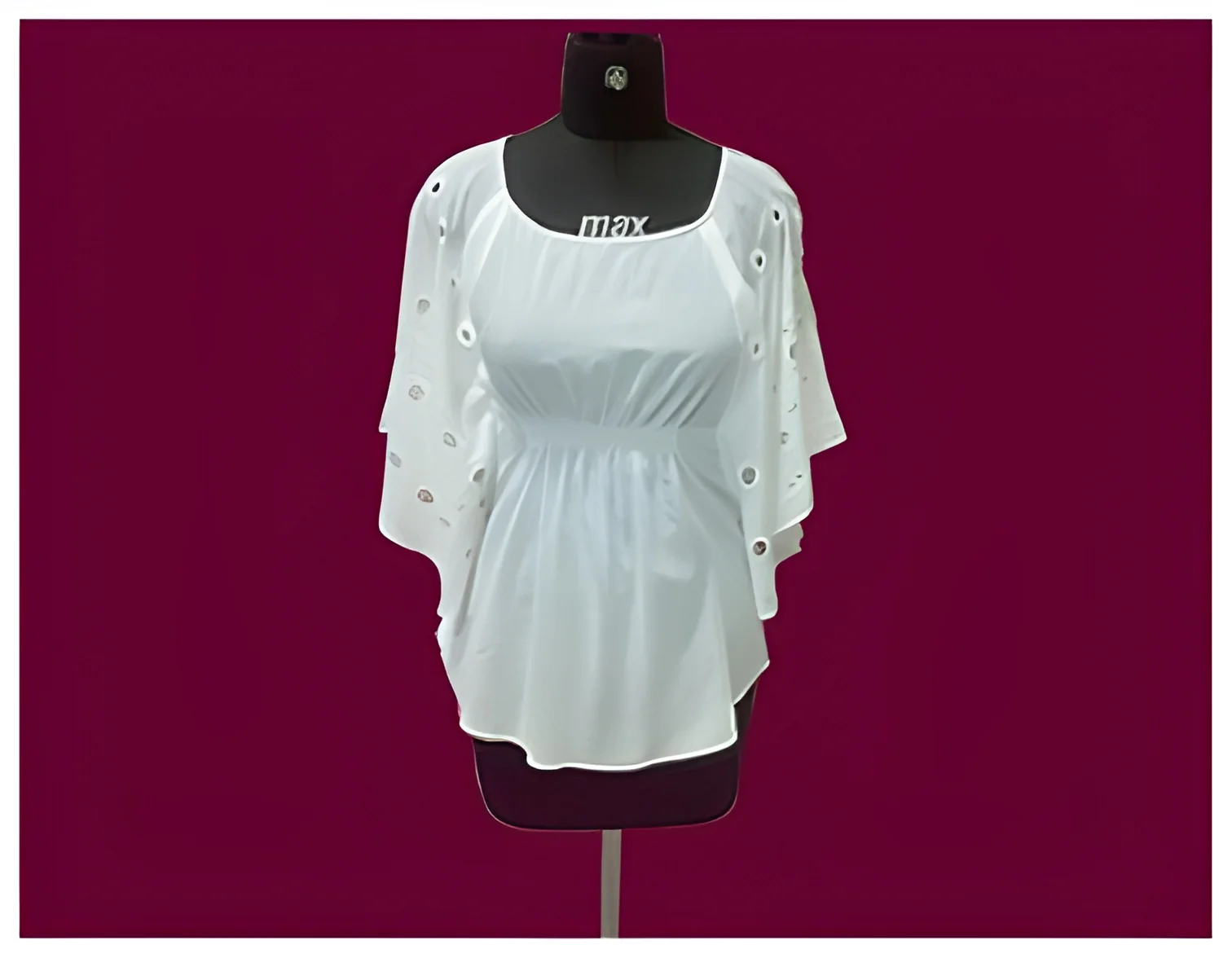
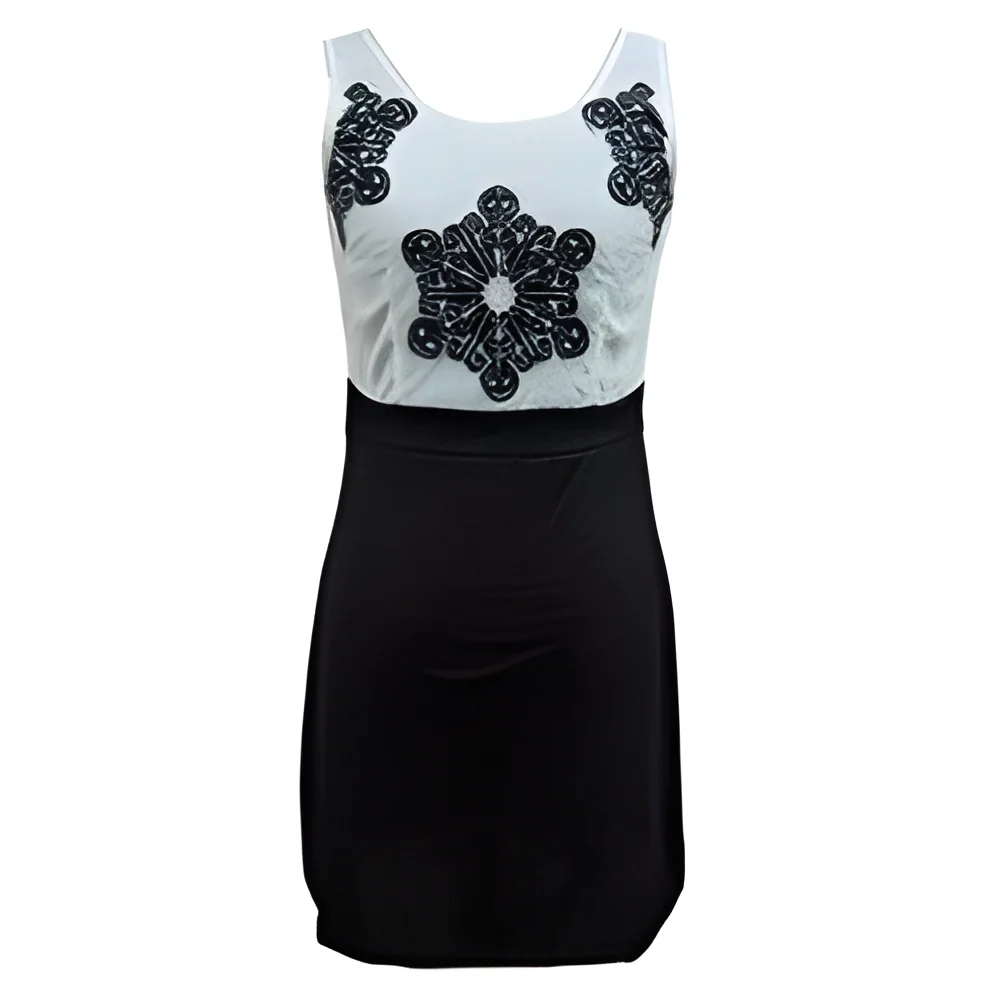
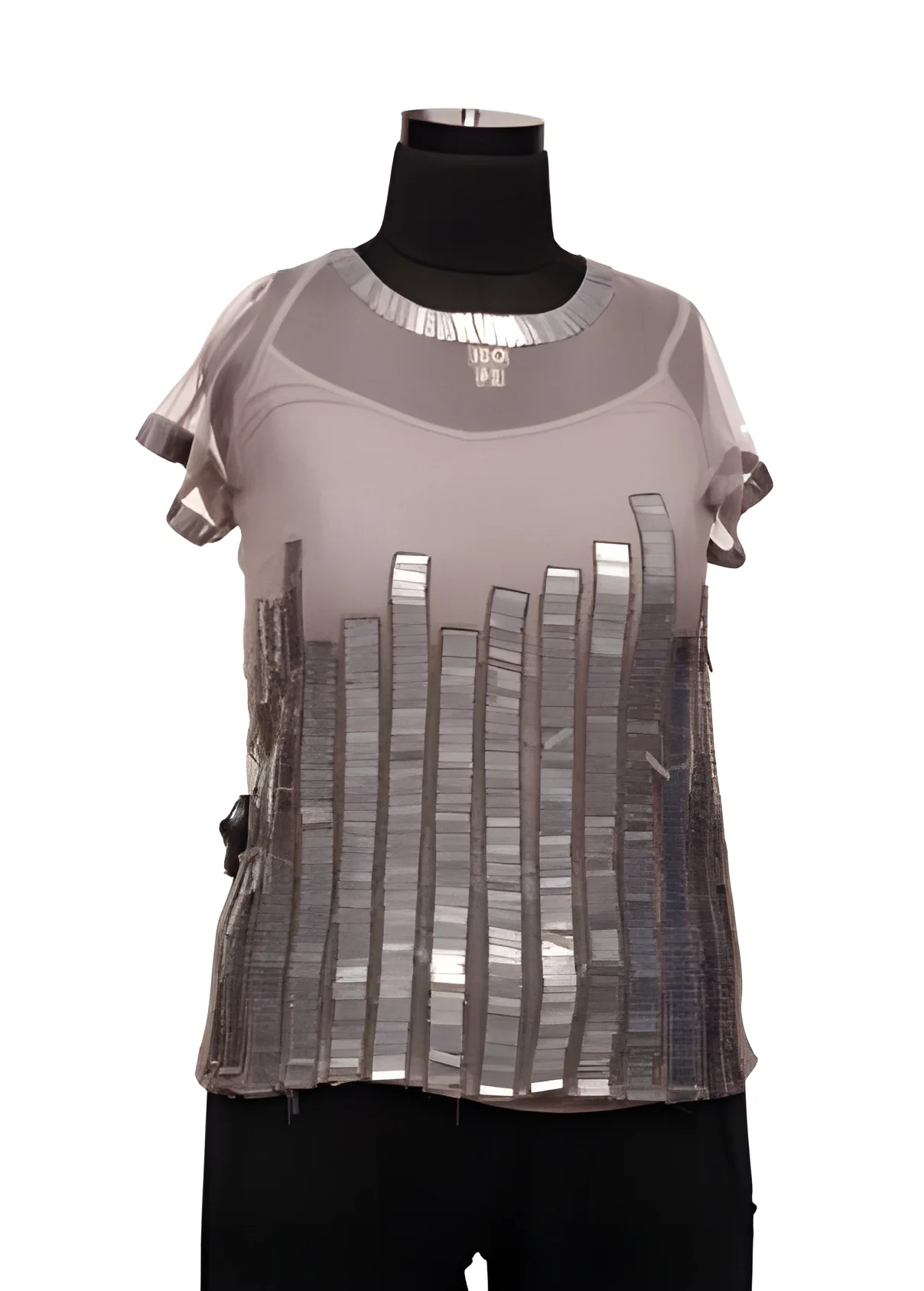
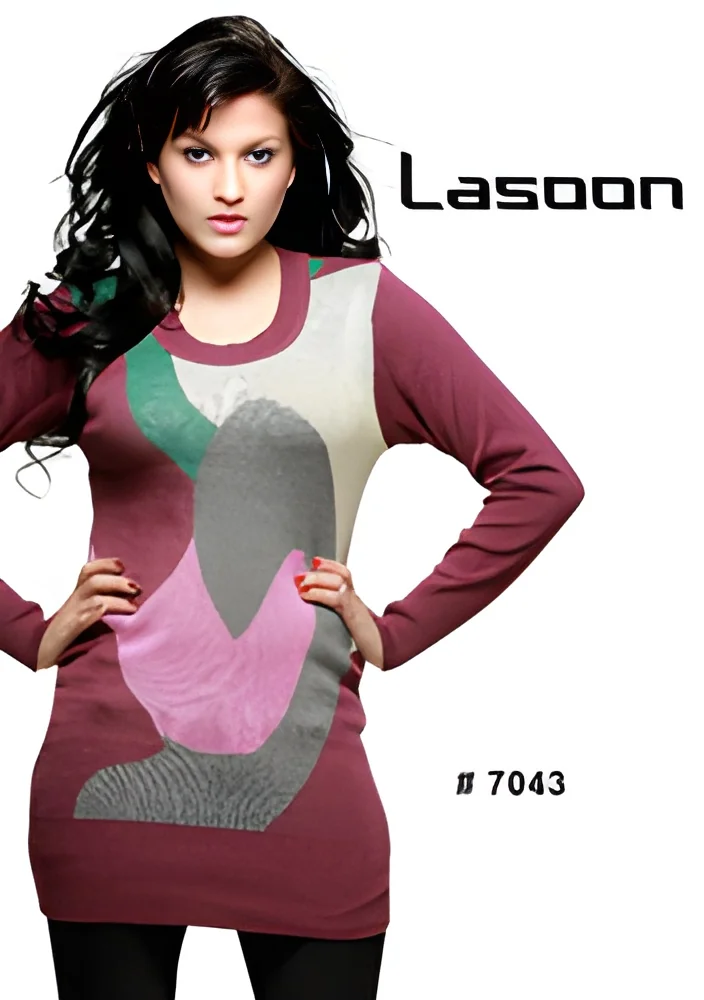
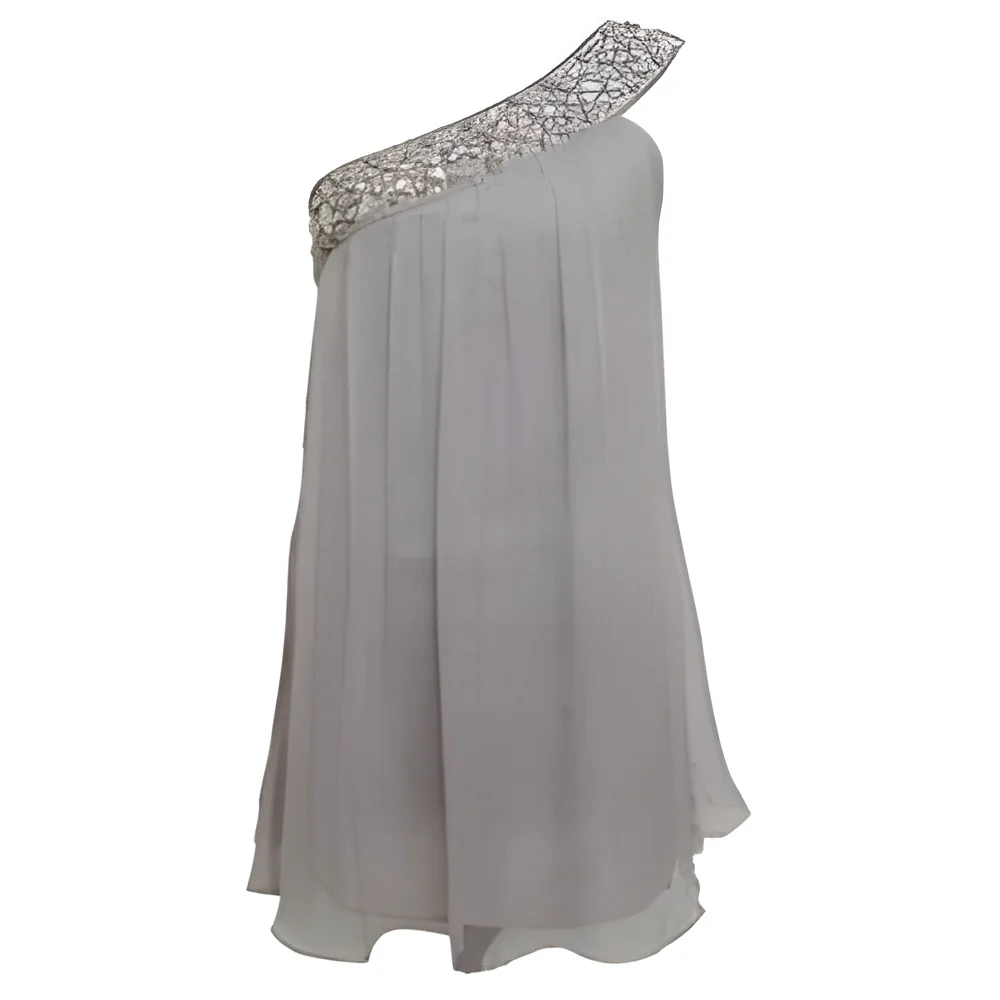
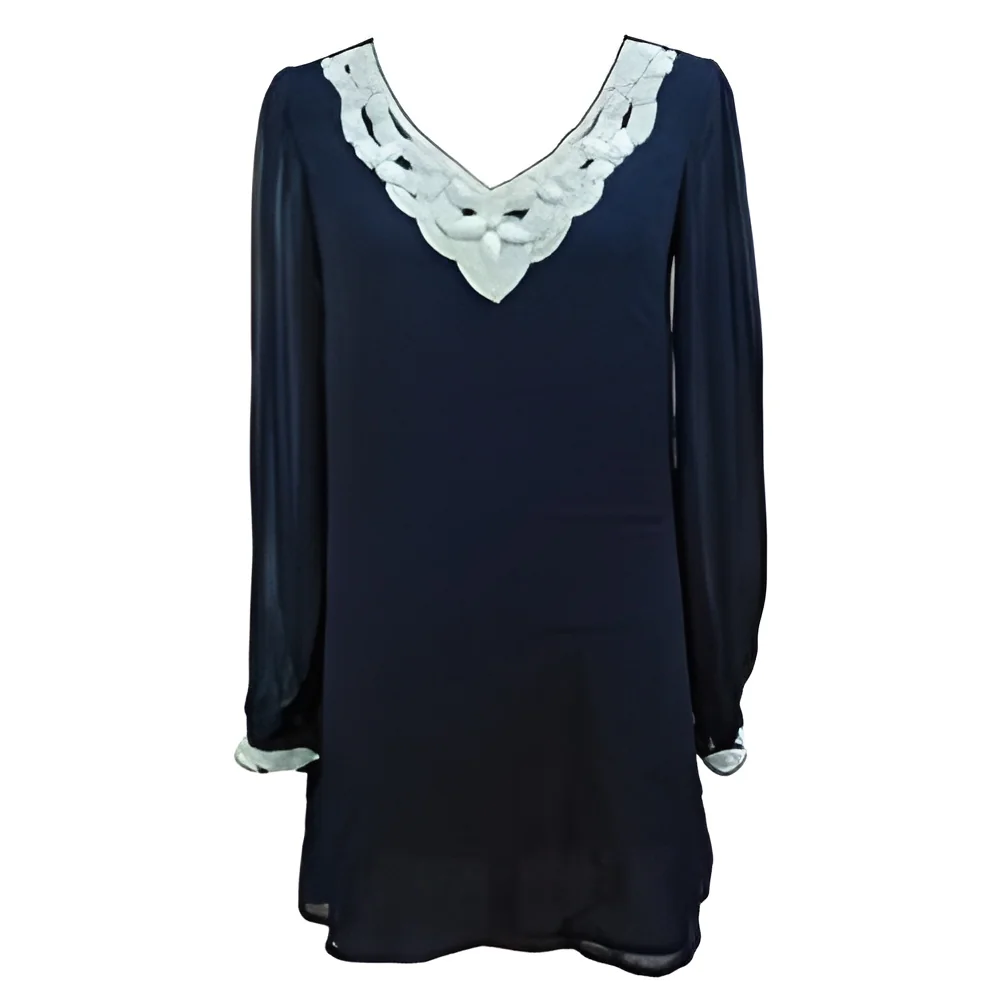
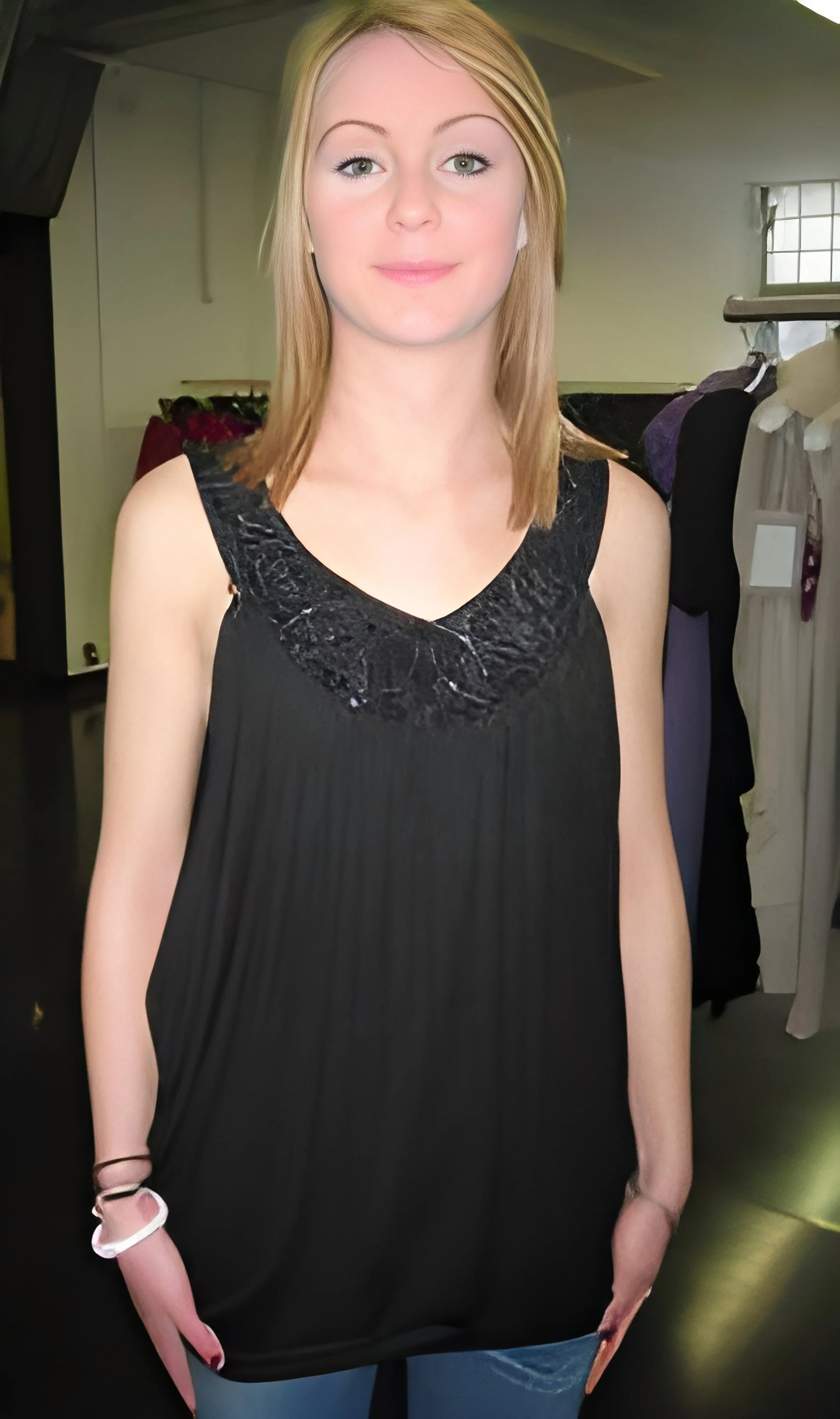
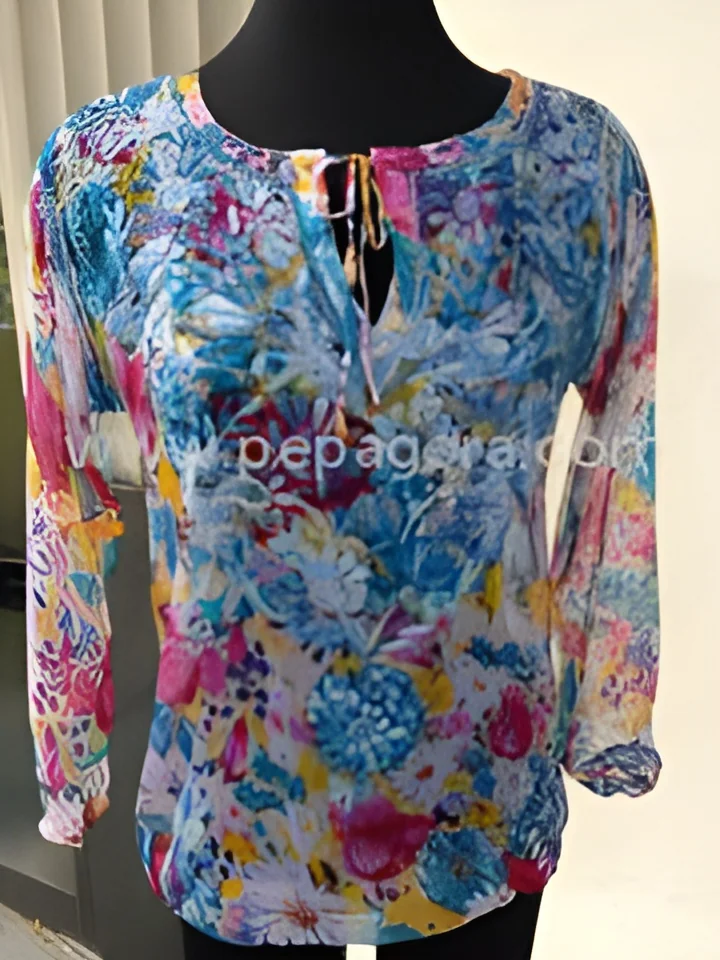
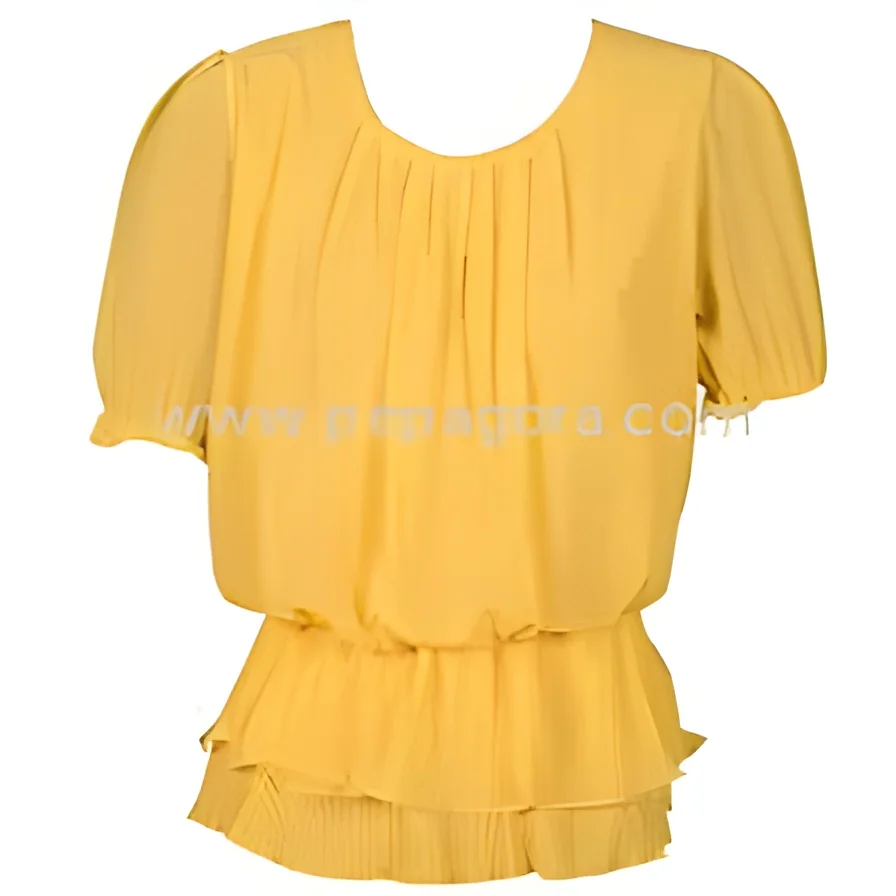
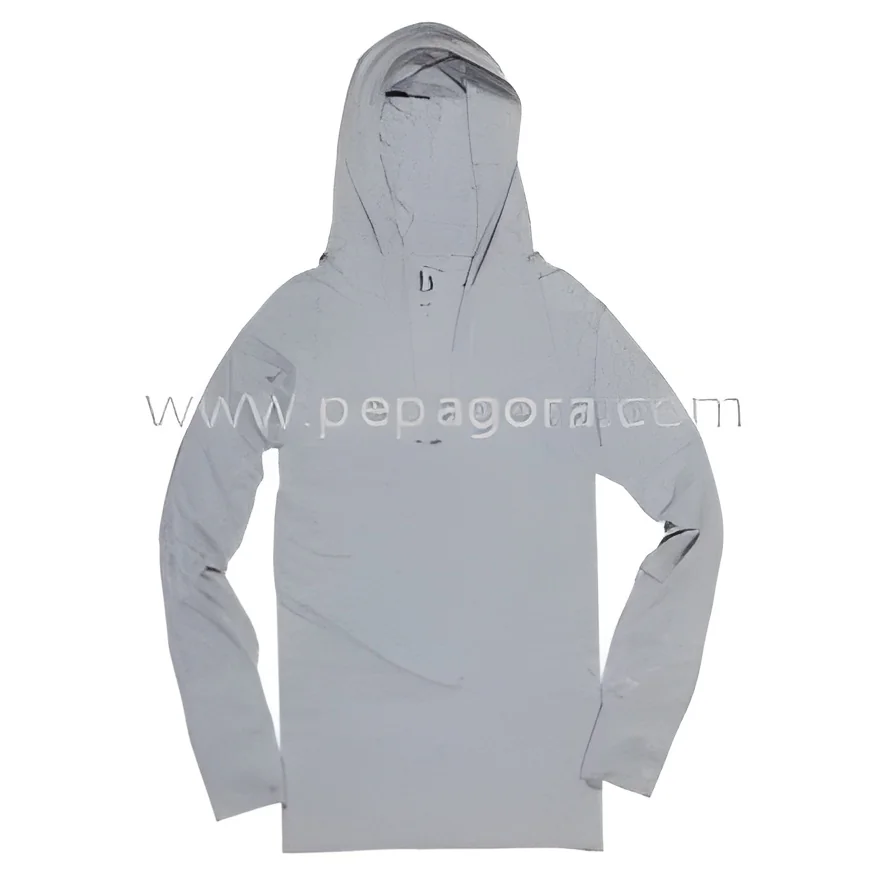
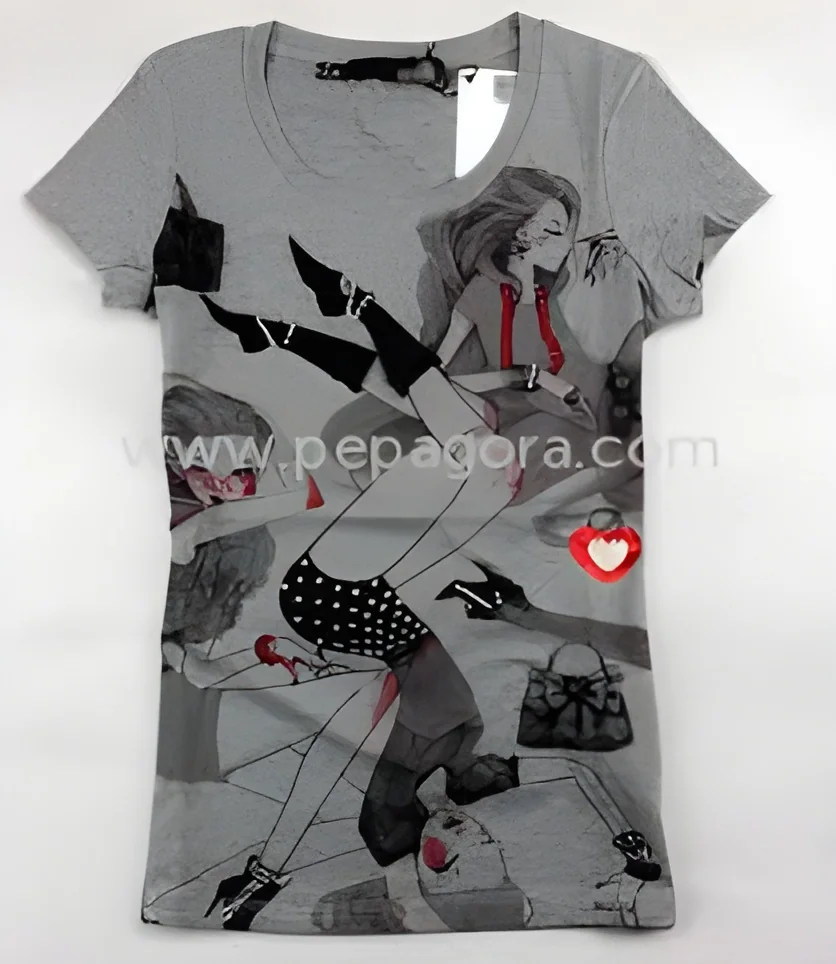
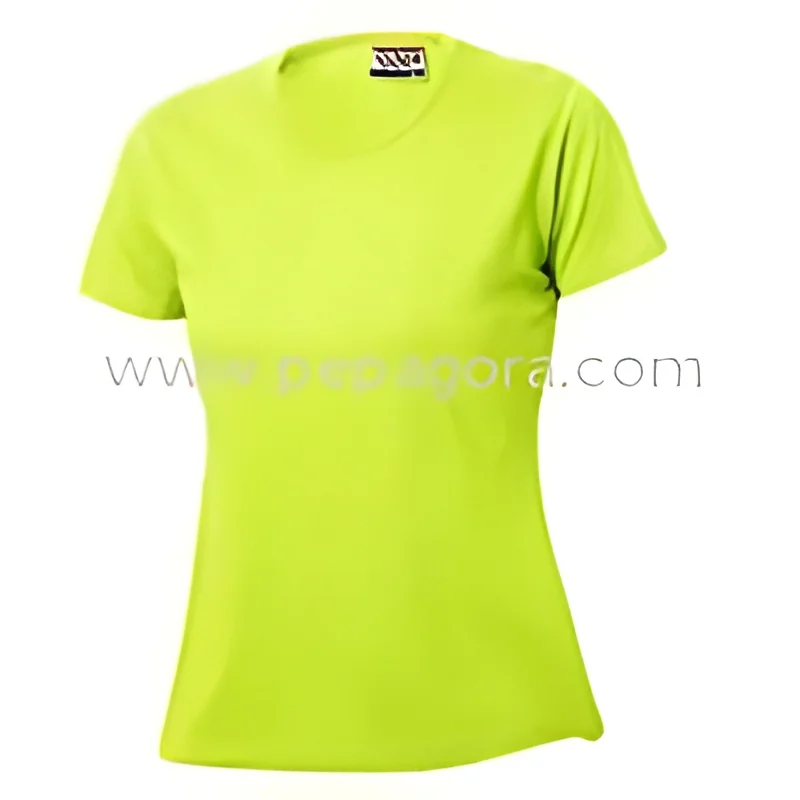
Women's tops are versatile garments that are designed to be worn on the upper body. They come in various styles, materials, and fits, catering to different preferences and occasions. Common types include blouses, shirts, t-shirts, tank tops, and sweaters. These garments can be made from materials such as cotton, polyester, silk, and blends, providing comfort and style for everyday wear or formal settings.
In the business context, women's tops are essential components of workwear and casual clothing lines. They are commonly used in various industries, including retail, fashion, and corporate sectors. Many organizations provide uniforms or dress codes that require specific styles of tops, making them a staple in employee wardrobes. The demand for women's tops is influenced by fashion trends, seasonal variations, and consumer preferences, and understanding these factors is crucial for businesses operating in this market.
The women's tops market continues to grow, driven by increasing participation of women in the workforce and the rising importance of fashion in everyday life. Brands that cater to these needs often emphasize quality, comfort, and style, making women's tops a significant category within the apparel industry.
Key Features and Specifications
Women's tops are available in a range of styles and specifications that cater to diverse needs and preferences. Understanding these key features can help businesses make informed purchasing decisions.
Key specifications include:
1. Fabric Composition
- Common materials include cotton, polyester, and blends
- Available in various weights and weaves for different uses
2. Size Range
- Typically available in sizes from XS to XXL
- Size charts should be consulted for accurate fitting
3. Style Variations
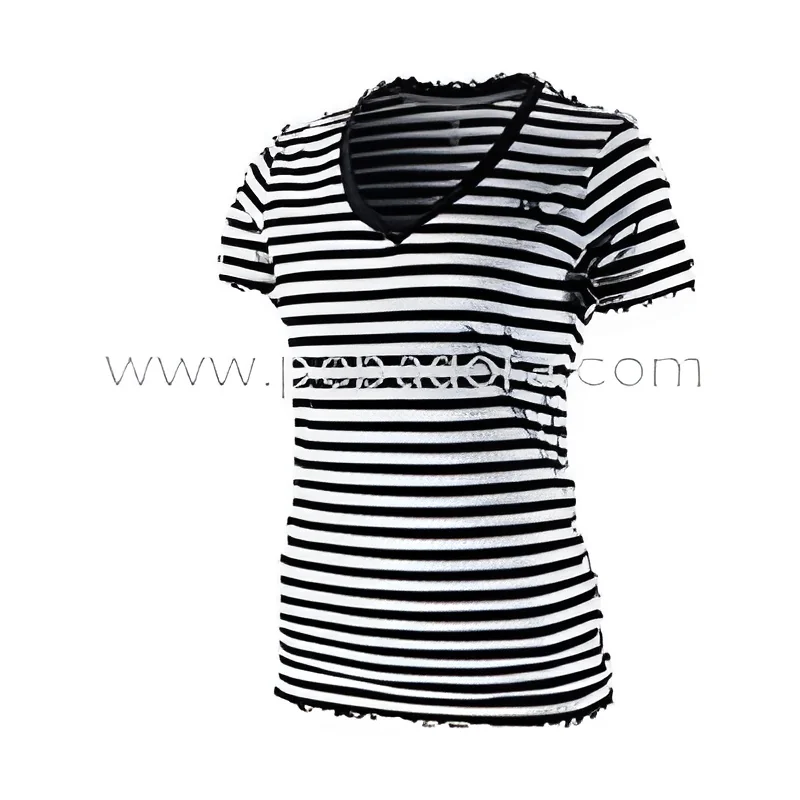
- Includes options such as blouses, shirts, and tank tops
- Different necklines, sleeve lengths, and fits available
4. Color and Pattern Options
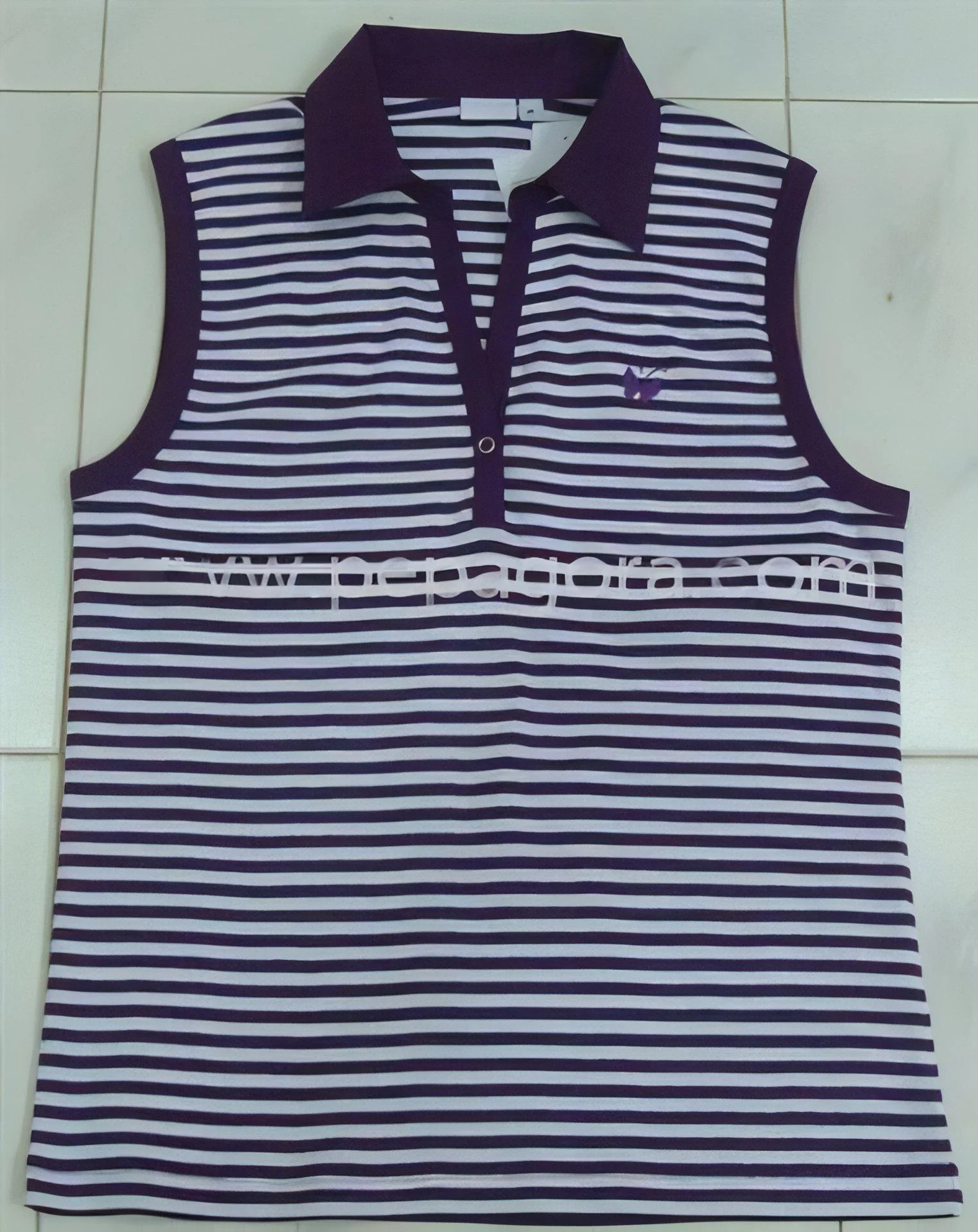
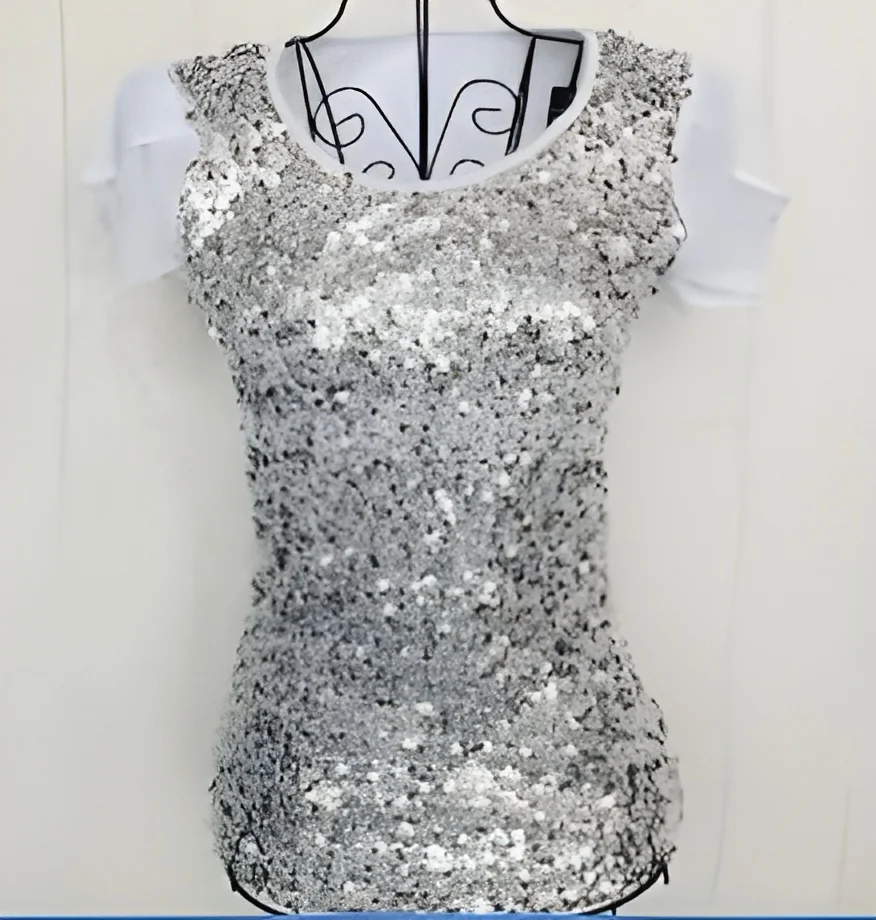
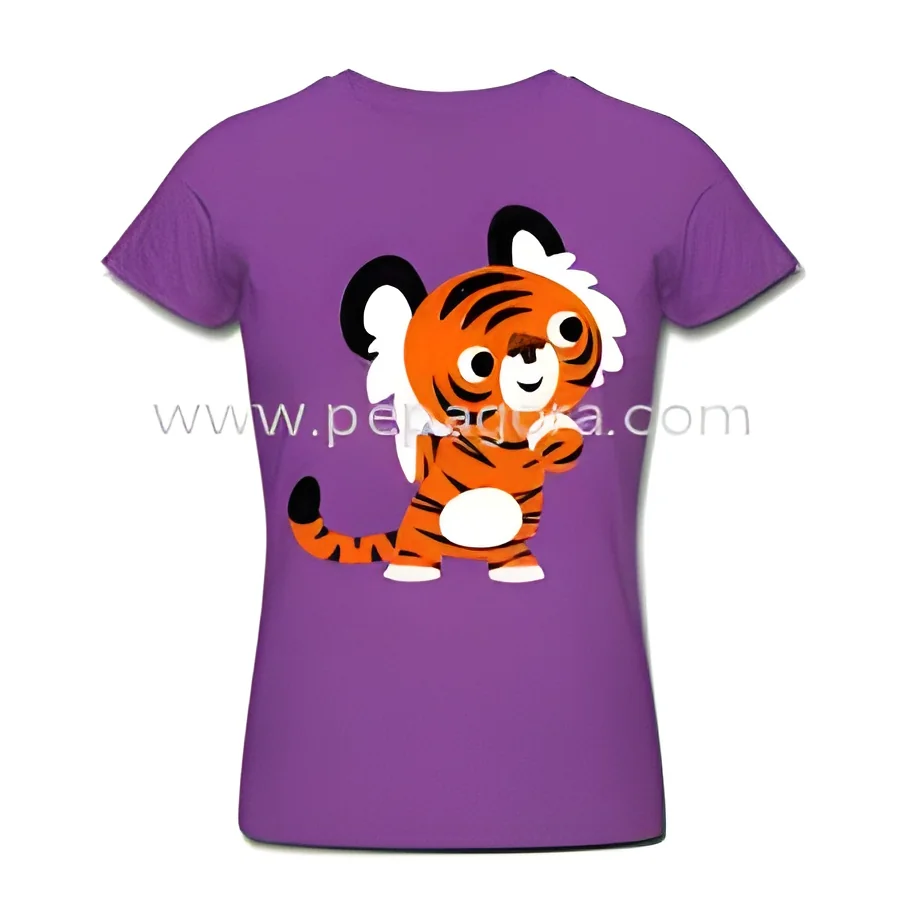
- Available in solid colors, prints, and patterns
- Custom color options may be available from suppliers
5. Care Instructions
- Most tops are machine washable; some may require special care
- Labels provide specific washing and drying instructions
6. Customization Potential
- Many suppliers offer options for custom designs and branding
- Embroidery and screen printing are common methods
7. Compliance with Industry Standards
- Certain tops may comply with safety and quality regulations
- Certifications like CE indicate adherence to specific standards
8. Pricing Structures
- Pricing can vary based on materials, styles, and order quantities
- Minimum order quantities (MOQ) may apply based on supplier policies
In summary, women's tops encompass a wide variety of styles, materials, and specifications. Understanding these aspects can aid businesses in selecting the right products for their needs.
Common Applications and Use Cases
Women's tops find applications in various industries and settings. Their versatility makes them suitable for a range of use cases.
1. Fashion Retail: Women's tops are a staple in retail clothing lines, appealing to various demographics and style preferences.
2. Corporate Environments: Many businesses require specific styles of tops for professionalism and brand representation in the workplace.
3. Hospitality Industry: Restaurants and hotels often implement uniforms that include tasteful women's tops for staff.
4. Educational Institutions: Schools and colleges may have dress codes that include women's tops as part of uniforms for students.
5. Health and Wellness: Many fitness centers offer branded women's tops for their staff and merchandise for clients.
6. Event Management: Event organizers often provide specific attire, including women's tops, for staff working at functions.
7. E-commerce: Online platforms sell women's tops to a global audience, catering to diverse tastes and needs.
Product Variants and Subcategories
Women's tops showcase a diverse range of variants to meet different fashion needs and occasions.
Casual Tops
These are designed for everyday wear and often feature comfortable fabrics and relaxed fits. They are ideal for informal settings and can be paired with jeans or shorts.
Formal Blouses
Formal blouses are tailored for business or formal occasions. They typically have refined designs and high-quality materials, making them suitable for office wear or events.
Athleisure Tops
Combining style with functionality, athleisure tops are designed for active wear. They often incorporate moisture-wicking fabrics and trendy designs for fitness enthusiasts.
Seasonal Tops
These tops are designed to cater to seasonal trends. For instance, summer collections may feature lightweight fabrics and bright colors, while winter collections focus on warmth and layering.
Benefits and Advantages
Sourcing women's tops offers numerous benefits for businesses looking to enhance their clothing offerings.
Key benefits include:
1. Versatility: Women's tops can be styled for various occasions, from casual to formal, making them adaptable to customer needs.
2. Brand Representation: Providing quality women's tops can enhance brand image and recognition in the market.
3. Comfort and Fit: Modern designs focus on comfort and fit, ensuring customer satisfaction and repeat purchases.
4. Customization Opportunities: Many suppliers allow for customization, enabling businesses to create unique offerings that stand out.
5. Seasonal Trends: Staying updated with seasonal trends can attract a wider audience and increase sales potential.
6. Quality Assurance: Sourcing from reputable suppliers ensures adherence to quality standards, enhancing product reliability.
Buying Guide for B2B Buyers
When sourcing women's tops, businesses should consider several important factors to ensure they make informed purchasing decisions.
1. Quality Assessment: Evaluate the quality of fabrics and craftsmanship. Look for samples to assess durability and comfort before placing large orders.
2. Supplier Verification: Conduct thorough research on potential suppliers. Check reviews and request references to ensure they are reputable and reliable.
3. Pricing and MOQ: Understand the pricing structure and minimum order quantities. This will help in budgeting and ensuring that the investment aligns with business needs.
4. Delivery and Lead Times: Discuss delivery timelines with suppliers to ensure that products can be received in a timely manner, especially for seasonal launches.
5. Compliance Requirements: Ensure that the products meet relevant industry standards and regulations. This is crucial for safety and quality assurance.
Compliance and Certifications
Compliance and certifications are critical factors in the sourcing of women's tops.
Relevant quality standards, such as ISO 9001, ensure that products meet high-quality management guidelines. This standard applies to manufacturers looking to provide consistent quality in their products.
Industry certifications, like CE, indicate that products comply with European health, safety, and environmental protection standards. This is essential for businesses looking to expand in international markets.
Safety and testing requirements must be adhered to, especially for products that may come in contact with skin. Compliance with these requirements guarantees that the tops are safe for consumers.
Additionally, regional compliance considerations may vary. Different countries may have unique regulations concerning textile products, which businesses must be aware of when sourcing.
Why Source Women's Tops from Pepagora?
Pepagora provides a trusted platform for sourcing women's tops, offering several key advantages that can benefit B2B buyers.
Verified Supplier Network: Pepagora connects buyers with a network of verified suppliers, ensuring that businesses have access to reliable sources of quality products. This verification process helps reduce the risks associated with sourcing.
Streamlined RFQ Process: The Request for Quotation (RFQ) system at Pepagora simplifies the procurement process. Buyers can easily request quotes from multiple suppliers, making it easier to compare options and select the best fit for their needs.
Trade Assurance and Support: Pepagora offers trade assurance, providing protection for buyers against potential risks. This support ensures that transactions are secure and that buyers can trust their suppliers.
Regional Coverage: With a focus on markets in India, the GCC, and Southeast Asia, Pepagora has a broad geographic reach. This makes it easier for businesses to find local suppliers that can meet their specific requirements and preferences.

 IN
IN