
 IN
Women's Tunics
6 products available
What are Women's Tunics?
Women's tunics are versatile garments designed to offer both comfort and style. Typically falling below the hips, tunics can be made from various fabrics, including cotton, linen, and blended materials. These garments often feature a loose fit and may include embellishments like embroidery, patterns, or unique cuts that enhance their aesthetic appeal. Tunics are designed to be worn independently or layered, making them an essential piece in many women's wardrobes.
In the business context, women's tunics are commonly used in retail and fashion industries. They serve as a popular choice for casual and semi-formal wear, making them suitable for various occasions. Companies often use tunics for branding purposes, providing employees with a stylish uniform option that reflects company values while ensuring comfort. The tunic's adaptability to different styles and settings makes it a relevant product in the fashion market.
The women's tunic market has seen steady growth due to changing fashion trends and an increasing demand for comfortable yet stylish clothing. As organizations focus on employee comfort and brand representation, tunics offer an ideal solution. This product category is particularly relevant in sectors such as retail, hospitality, and healthcare, where both functionality and style are paramount.
Key Features and Specifications
Women's tunics come with several key features and specifications that cater to diverse needs in various industries. Understanding these specifications can help buyers make informed decisions about their purchases.
Key specifications include:
1. Fabric Composition
- Tunics are available in a variety of materials such as cotton, polyester, and linen.
- The choice of fabric affects comfort, durability, and ease of care.
2. Size Range
- Typically offered in sizes ranging from small to plus size.
- Ensures inclusivity for diverse body types.
3. Length Options
- Available in various lengths, including hip-length and knee-length.
- Offers versatility for different styling preferences.
4. Design Variants
- Includes options like A-line, straight cut, and asymmetric designs.
- Provides options for various fashion tastes.
5. Care Instructions
- Most tunics are machine washable, but some may require hand washing or dry cleaning.
- Care instructions should be clearly indicated by suppliers.
6. Color and Pattern Availability
- Available in solid colors, prints, and patterns.
- Allows for personalization and brand representation.
7. Embellishments
- Features such as embroidery, lace, or sequins can enhance visual appeal.
- May be suitable for more formal occasions.
In summary, understanding the specifications of women's tunics is essential for businesses looking to source these garments effectively. The right combination of features can lead to higher customer satisfaction and greater brand loyalty.
Common Applications and Use Cases
Women's tunics serve various industries, offering flexibility and style for different applications.
1. Retail: In retail environments, tunics are often used as part of employee uniforms, providing a professional yet comfortable appearance. They can also be featured in store displays to attract customers.
2. Hospitality: In the hospitality sector, tunics can serve as stylish uniforms for staff in restaurants, hotels, and cafes. Their comfort and ease of movement are important for employees working in fast-paced settings.
3. Healthcare: Healthcare providers may adopt tunics as part of their uniforms, offering a professional look while ensuring comfort during long shifts.
4. Education: Teachers and administrative staff in educational institutions may wear tunics for their balance of professionalism and comfort, suitable for both classroom and office settings.
5. Events and Promotions: Tunics can be utilized during promotional events or trade shows, where staff need to represent a brand in a comfortable yet fashionable manner.
6. Casual Wear: Many individuals choose tunics for everyday wear, making them a staple in casual fashion. This broadens their appeal to a wide audience.
7. Corporate Settings: Tunics can also be adapted into business casual attire, providing a chic option for meetings and work-related functions.
Product Variants and Subcategories
Women's tunics come in a variety of styles to accommodate different preferences and needs.
Classic Tunic
This variant features a timeless design that is versatile for both casual and formal occasions. It is often made from breathable fabrics, ensuring comfort throughout the day.
Embellished Tunic
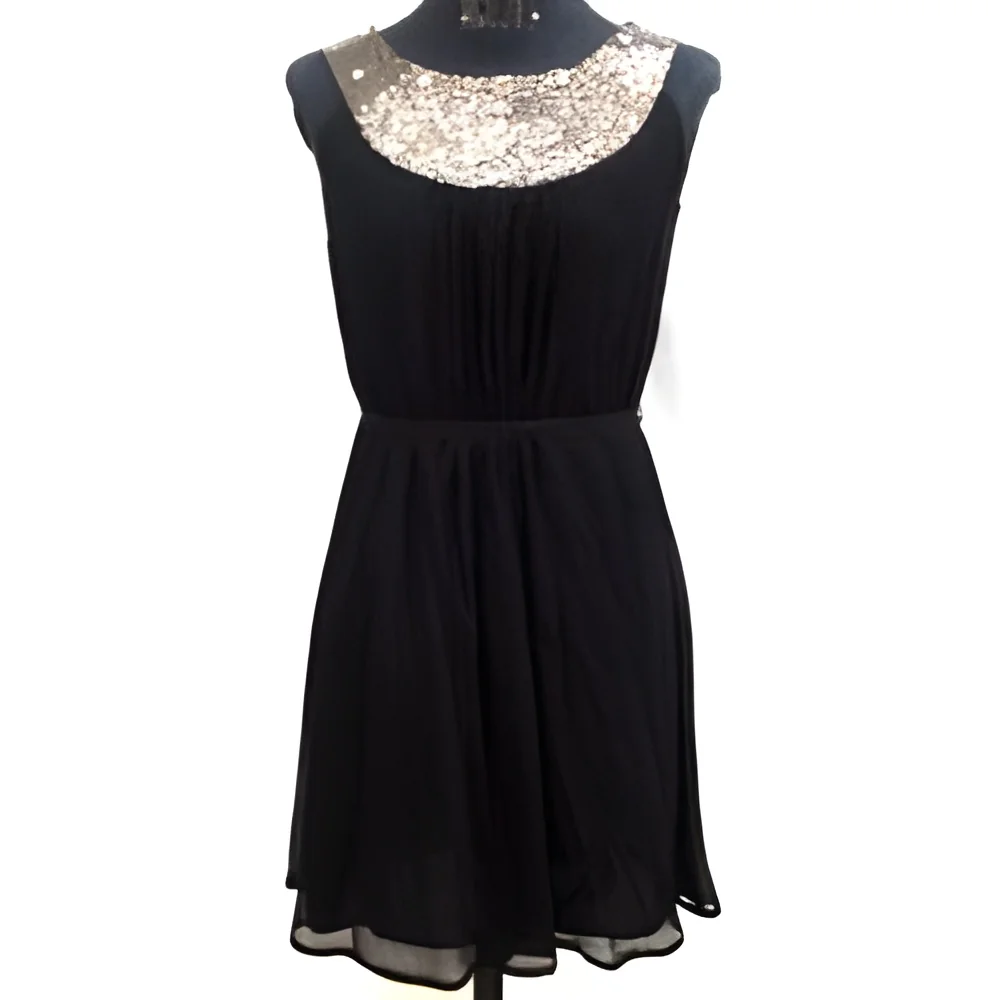
With decorative elements such as sequins or embroidery, embellished tunics offer a more sophisticated look. They are ideal for events or occasions where a polished appearance is required.
Long Tunic
This variant typically extends beyond the hips, providing additional coverage. Long tunics can be paired with leggings or fitted pants for a balanced silhouette.
Printed Tunic
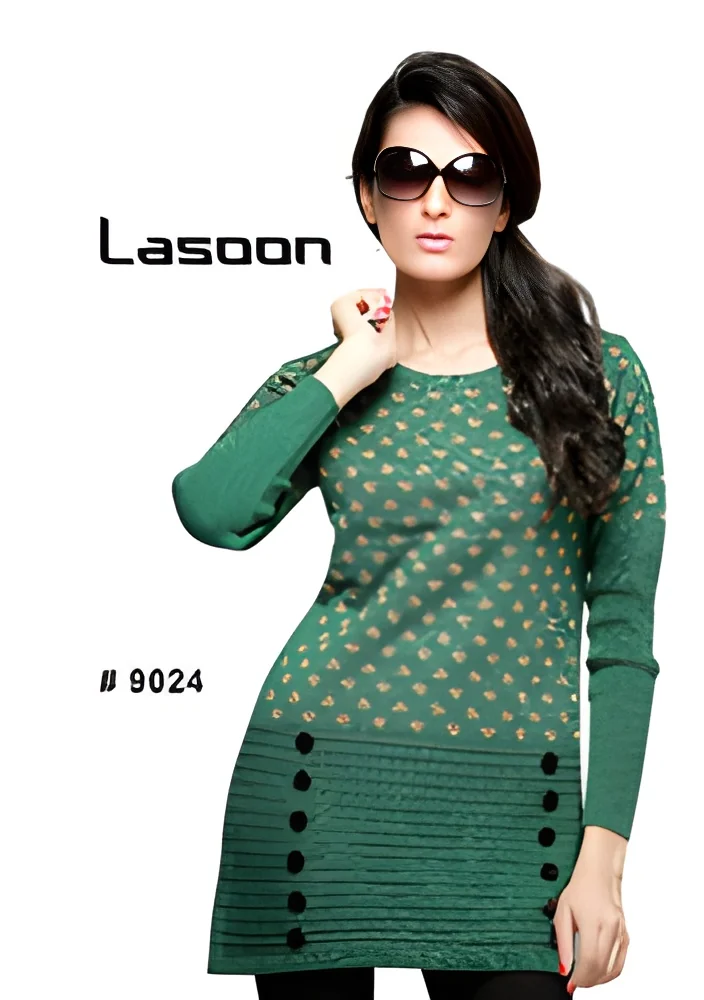
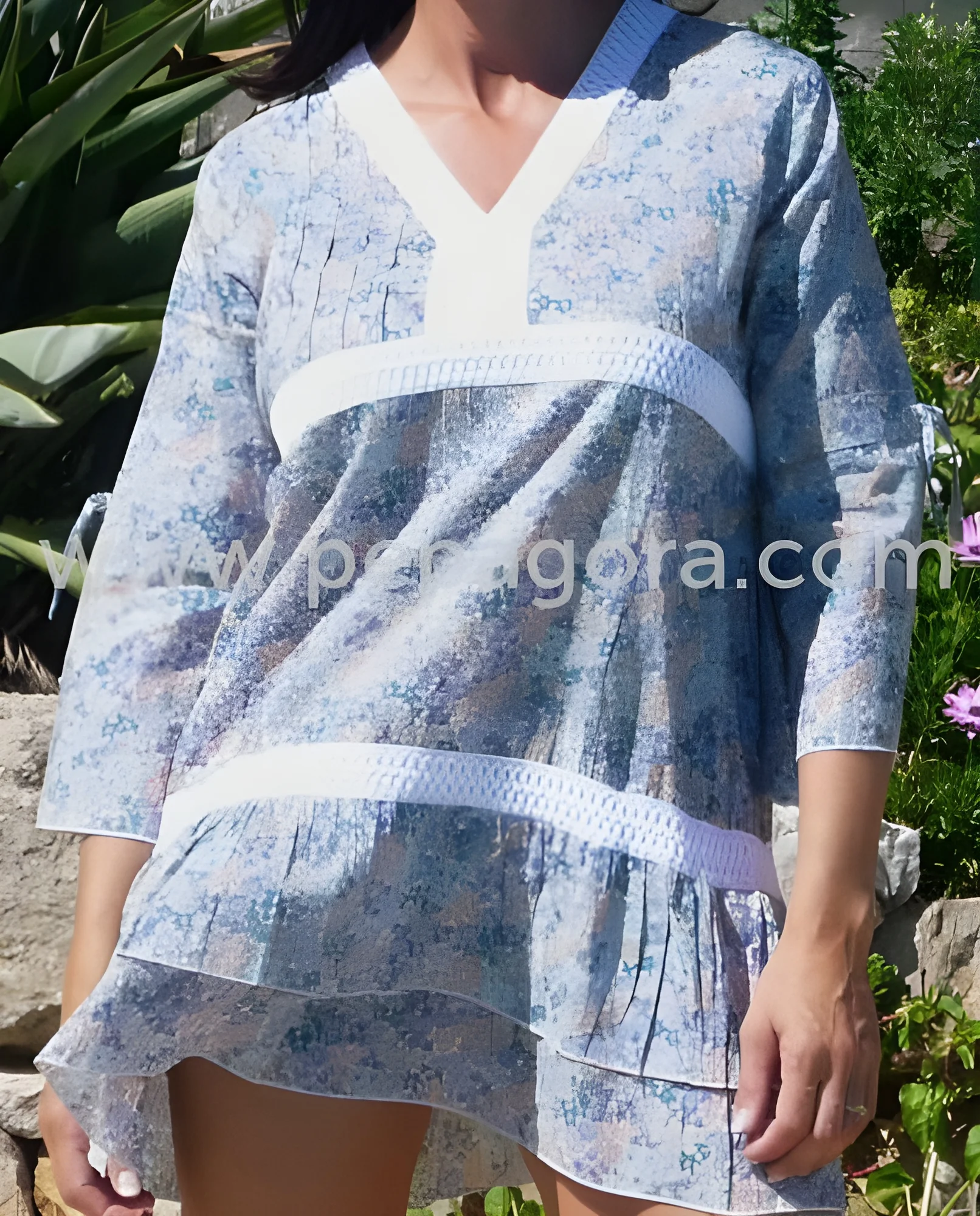
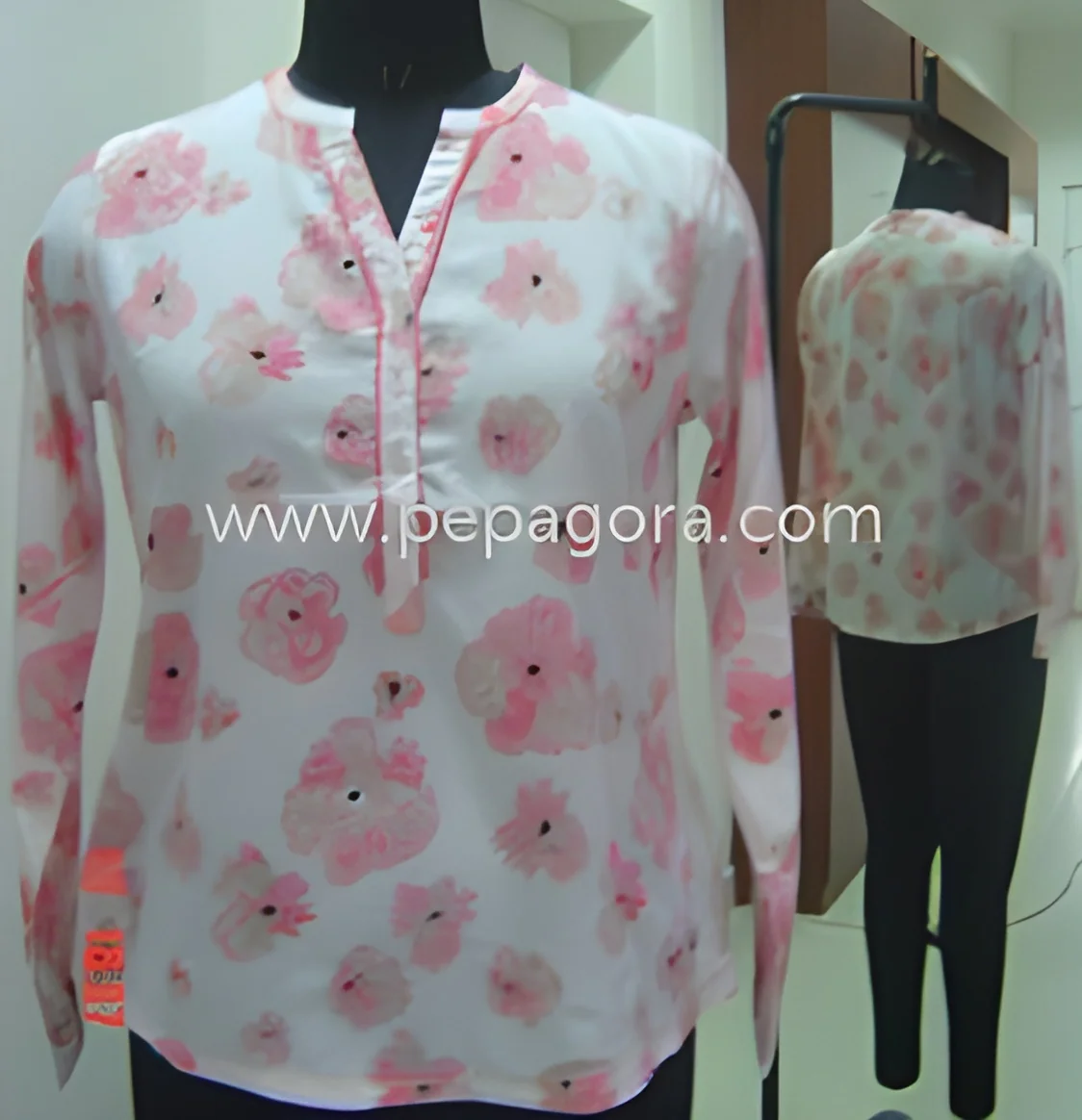
Available in various patterns and colors, printed tunics cater to those who prefer a bold statement piece. These tunics are perfect for casual outings or social gatherings.
Benefits and Advantages
Women's tunics offer numerous benefits that make them a valuable addition to any wardrobe or uniform program.
1. Versatility: Tunics can be dressed up or down, suitable for various occasions such as work, casual outings, or formal events.
2. Comfort: The loose fit of tunics provides ease of movement, making them an excellent choice for long hours of wear.
3. Style Variety: With numerous designs, colors, and embellishments available, tunics can cater to different fashion tastes and preferences.
4. Customization Potential: Businesses can easily customize tunics with logos or branding elements, enhancing brand visibility.
5. Easy Maintenance: Many tunics are machine washable, offering convenience for both individual consumers and businesses.
6. Inclusive Sizing: Tunics are available in a range of sizes, ensuring that they cater to diverse body types and promote inclusivity.
Buying Guide for B2B Buyers
When sourcing women's tunics, it is essential for B2B buyers to consider several factors to ensure a successful purchase.
1. Quality Assessment: Evaluate the fabric and craftsmanship of the tunics to ensure they meet desired standards. Look for durability and comfort to ensure customer satisfaction.
2. Supplier Verification: It is crucial to vet suppliers for reliability and quality assurance. Check their reputation and previous customer feedback to ensure trustworthy sourcing.
3. Pricing and MOQ: Understand the pricing structure and minimum order quantities. This will help in planning budgets and ensuring that orders meet business needs.
4. Delivery and Lead Times: Coordinate with suppliers regarding delivery schedules and lead times. Timely delivery is essential for maintaining inventory levels.
5. Compliance Requirements: Ensure that the products meet relevant industry standards and regulations. This may include safety certifications and quality control measures.
Compliance and Certifications
Women's tunics are subject to various compliance and certification standards, which are crucial for ensuring product quality and safety.
Relevant quality standards include ISO 9001, which focuses on quality management systems, ensuring that manufacturers maintain high-quality production processes. Compliance with HACCP (Hazard Analysis Critical Control Point) may be required in specific industries, ensuring safety in production practices.
Industry certifications such as CE mark may also apply, indicating that products meet European safety standards. This is particularly important for companies exporting their products to international markets.
Safety and testing requirements must be adhered to, ensuring that garments are safe for consumers. This includes testing for harmful substances and ensuring that materials used are safe for wear.
Regional compliance considerations may vary, and businesses should be aware of local regulations regarding textile production and consumer safety to avoid legal issues.
Why Source Women's Tunics from Pepagora?
Pepagora provides a trusted platform for sourcing women's tunics, offering several key advantages that benefit B2B buyers.
Verified Supplier Network: Pepagora ensures that all listed suppliers undergo a thorough verification process. This helps buyers access a network of reliable manufacturers known for quality products.
Streamlined RFQ Process: The request for quotation process is simplified on the Pepagora platform. Buyers can easily submit their requirements and receive competitive quotes from multiple suppliers, enhancing decision-making.
Trade Assurance and Support: Pepagora offers buyer protection through trade assurance programs. This gives buyers confidence in their transactions, knowing that they are safeguarded against potential issues.
Regional Coverage: With a focus on regions like India, GCC, and Southeast Asia, Pepagora provides extensive geographic reach. This allows buyers to connect with suppliers that can meet their specific needs while considering local market dynamics.


Frequently Asked Questions
What are Women's Tunics?
Women's tunics are versatile garments that typically extend to the hips or thighs, providing a comfortable and stylish option for various occasions. They can be worn alone or layered over other clothing items, making them suitable for both casual and formal settings.
What are the different types of Women's Tunics?
There are several types of women's tunics, including A-line tunics, asymmetrical tunics, and straight-cut tunics. They may vary in sleeve length, neckline styles, and fabric types, catering to different fashion preferences and body types.
How do I choose the right Women's Tunics?
When selecting women's tunics, consider factors such as body shape, fabric, occasion, and personal style. It's important to choose a tunic that complements your figure and fits well, ensuring comfort and confidence while wearing it.
What are the standard specifications for Women's Tunics?
Standard specifications for women's tunics typically include measurements for length, bust, waist, and hip sizes. Additionally, fabric composition, care instructions, and design details such as sleeve style and neckline are also considered essential specifications.
What is the price range for Women's Tunics?
The price range for women's tunics can vary significantly based on factors such as brand, fabric quality, and design complexity. Generally, you can expect to find women's tunics priced anywhere from INR 500 to INR 5,000 or more.
What quality standards apply to Women's Tunics?
Quality standards for women's tunics often include fabric durability, color fastness, and stitching quality. Reputable manufacturers adhere to industry standards to ensure their products meet customer expectations in terms of comfort and longevity.
Where can I find Women's Tunics suppliers in India?
You can find women's tunics suppliers in India through online B2B marketplaces like Pepagora, trade fairs, and fashion expos. Additionally, local garment manufacturers and wholesalers in major textile hubs can be valuable resources for sourcing tunics.
Can Women's Tunics be customized?
Yes, many manufacturers offer customization options for women's tunics, allowing buyers to choose specific fabrics, colors, and designs. Customization can be particularly beneficial for bulk orders or for businesses seeking unique styles for their brand.
What is the typical minimum order quantity for Women's Tunics?
The typical minimum order quantity (MOQ) for women's tunics can vary by supplier, but it usually ranges from 50 to 100 pieces. It's advisable to check with individual manufacturers for their specific MOQ requirements.
What is the typical lead time for Women's Tunics?
The typical lead time for women's tunics can range from 2 to 6 weeks, depending on the supplier's production capacity and order size. Custom orders may require additional time, so it's important to discuss timelines with the manufacturer in advance.
Why Businesses Trust Pepagora
Thousands of companies trust Pepagora to source smarter and sell faster
Expand Your Sales Globally

Source Smarter,Grow Faster
