𝗪𝗵𝗮𝘁 𝗮𝗿𝗲 𝗩𝗼𝗹𝗹𝗲𝘆𝗯𝗮𝗹𝗹𝘀?
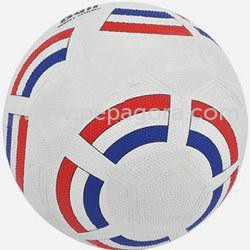
Volleyballs are specially designed balls used in the sport of volleyball. They are typically made from synthetic leather or composite materials, ensuring durability and optimal performance during play. The construction of a volleyball allows it to be lightweight yet sturdy, enabling it to withstand the impact of high-energy matches. The standard size and weight of a volleyball contribute to its unique playing characteristics, making it suitable for both indoor and outdoor settings.
In business applications, volleyballs are utilized in schools, sports clubs, and recreational facilities. They serve as essential equipment for training, competitions, and recreational games. Volleyballs are not only pivotal for physical education programs but also play a role in community events and sports leagues, promoting teamwork and physical fitness. The demand for quality volleyballs continues to grow, driven by the increasing popularity of the sport worldwide.
𝗞𝗲𝘆 𝗙𝗲𝗮𝘁𝘂𝗿𝗲𝘀 𝗮𝗻𝗱 𝗦𝗽𝗲𝗰𝗶𝗳𝗶𝗰𝗮𝘁𝗶𝗼𝗻𝘀
Volleyballs are engineered with specific features that enhance their performance on the court. Understanding these specifications is crucial for buyers looking to invest in high-quality products.
Key specifications include:
1. Material Composition
- Made from synthetic leather or composite materials for durability
- Provides a soft touch and excellent grip during play
2. Size and Weight
- Standard size is approximately 65-67 centimeters in circumference
- Weight typically ranges from 260 to 280 grams
3. Bladder Type
- Usually features a latex or butyl bladder
- Ensures optimal air retention and bounce
4. Stitching
- Often constructed with a 18-panel design
- Reinforces durability and enhances aerodynamics
5. Color and Design
- Available in various colors and designs for visibility and aesthetics
- Options may include official colors for tournaments
6. Performance Rating
- Rated for indoor or outdoor use based on construction
- Specific models designed for beach volleyball
7. Brand Compliance
- Many volleyballs are compliant with international volleyball federations
- Ensures they meet competitive standards
In summary, understanding these key features helps buyers select the right volleyballs for their specific needs.
𝗖𝗼𝗺𝗺𝗼𝗻 𝗔𝗽𝗽𝗹𝗶𝗰𝗮𝘁𝗶𝗼𝗻𝘀 𝗮𝗻𝗱 𝗨𝘀𝗲 𝗖𝗮𝘀𝗲𝘀
Volleyballs find applications across multiple sectors, enhancing their value in various business environments.
1. Educational Institutions: Schools and universities use volleyballs for physical education classes and competitive sports teams, promoting student engagement in athletics.
2. Sports Clubs: Local and professional sports clubs use volleyballs for training and competitive matches, helping players refine their skills and teamwork.
3. Recreational Facilities: Community centers and recreational facilities often host volleyball leagues and events, relying on quality volleyballs to ensure enjoyable experiences for participants.
4. Event Organizers: Volleyballs are essential for organizing tournaments and community events, providing equipment for participants of all skill levels.
5. Fitness Programs: Gyms and fitness studios incorporate volleyballs into their group fitness classes, promoting agility and coordination among participants.
6. Youth Development Programs: Nonprofit organizations utilize volleyballs to engage youth in sports, fostering teamwork and physical fitness in underserved communities.
𝗣𝗿𝗼𝗱𝘂𝗰𝘁 𝗩𝗮𝗿𝗶𝗮𝗻𝘁𝘀 𝗮𝗻𝗱 𝗦𝘂𝗯𝗰𝗮𝘁𝗲𝗴𝗼𝗿𝗶𝗲𝘀
Volleyballs come in various designs and styles to meet different needs and preferences.
Indoor Volleyballs: These volleyballs are designed for use in indoor environments, featuring a softer surface for better control and touch. They are often lighter and constructed for optimal play on hardwood or synthetic courts.
Beach Volleyballs: Crafted specifically for outdoor use, beach volleyballs are typically larger and made with weather-resistant materials. They offer a textured surface that enhances grip and control in sandy conditions.
Training Volleyballs: Training volleyballs are designed for skill development, often featuring unique designs or weights to help players improve their technique. These balls are used in training camps and coaching sessions.
𝗕𝗲𝗻𝗲𝗳𝗶𝘁𝘀 𝗮𝗻𝗱 𝗔𝗱𝘃𝗮𝗻𝘁𝗮𝗴𝗲𝘀
Investing in high-quality volleyballs offers numerous advantages for organizations and teams.
1. Enhanced Performance: Quality volleyballs provide better aerodynamics and control, improving overall gameplay during matches and training sessions.
2. Durability: High-quality construction ensures that volleyballs can withstand rigorous play, reducing the need for frequent replacements.
3. Safety: Properly designed volleyballs minimize the risk of injury during play, offering a safer experience for athletes of all ages.
4. Brand Recognition: Using official volleyballs enhances brand visibility for sports organizations and sponsors during events and competitions.
5. Versatility: Volleyballs are suitable for a range of environments, from indoor gyms to outdoor beaches, making them a versatile addition to any sports program.
6. Community Engagement: By providing access to quality volleyballs, organizations can foster community involvement in sports, encouraging physical fitness and teamwork.
𝗕𝘂𝘆𝗶𝗻𝗴 𝗚𝘂𝗶𝗱𝗲 𝗳𝗼𝗿 𝗕𝟮𝗕 𝗕𝘂𝘆𝗲𝗿𝘀
When sourcing volleyballs for your organization, it is important to consider several key factors.
1. Quality Assessment: Evaluate the materials and construction methods used in volleyballs. Look for balls that meet industry standards for performance and durability.
2. Supplier Verification: Vet potential suppliers to ensure they have a reputation for providing high-quality products. Check for certifications and customer reviews.
3. Pricing and MOQ: Understand the price range of volleyballs and inquire about minimum order quantities (MOQ). This will help you budget effectively for your purchase.
4. Delivery and Lead Times: Discuss logistics with suppliers to ensure timely delivery. Consider lead times, especially if you need the products for specific events.
5. Compliance Requirements: Ensure that the volleyballs meet any applicable safety and quality standards. This includes checking for certifications like CE that indicate compliance with industry regulations.
𝗖𝗼𝗺𝗽𝗹𝗶𝗮𝗻𝗰𝗲 𝗮𝗻𝗱 𝗖𝗲𝗿𝘁𝗶𝗳𝗶𝗰𝗮𝘁𝗶𝗼𝗻𝘀
Volleyballs are subject to various quality standards and certifications to ensure safety and performance. Commonly referenced standards include ISO 9001, which outlines quality management systems, and CE certification, which indicates compliance with European safety directives.
Manufacturers often adhere to safety and testing requirements, ensuring that volleyballs are free from harmful materials and meet specific performance criteria. Regional compliance is also important, particularly in markets that have strict regulations regarding sports equipment. Buyers should verify that the products they source conform to local laws and industry standards to ensure safe use in their intended applications.
𝗪𝗵𝘆 𝗦𝗼𝘂𝗿𝗰𝗲 𝗩𝗼𝗹𝗹𝗲𝘆𝗯𝗮𝗹𝗹𝘀 𝗳𝗿𝗼𝗺 𝗣𝗲𝗽𝗮𝗴𝗼𝗿𝗮?
Pepagora provides a trusted platform for sourcing volleyballs, offering numerous advantages for B2B buyers.
Verified Supplier Network: Pepagora connects buyers with a network of verified suppliers, ensuring that you can source high-quality volleyballs from reputable manufacturers.
Streamlined RFQ Process: The platform simplifies the request for quotation (RFQ) process, making it easy for buyers to compare prices and specifications from multiple suppliers at once.
Trade Assurance and Support: Buyers benefit from trade assurance policies that protect their purchases and provide support throughout the sourcing process, enhancing confidence in transactions.
Regional Coverage: Pepagora has a strong presence in key markets such as India, the GCC, and Southeast Asia, allowing buyers to access a diverse range of volleyball options tailored to their regional needs.

 IN
IN
 India
India