
 IN
Table Tennis Balls
1 products available
What are Table Tennis Balls?
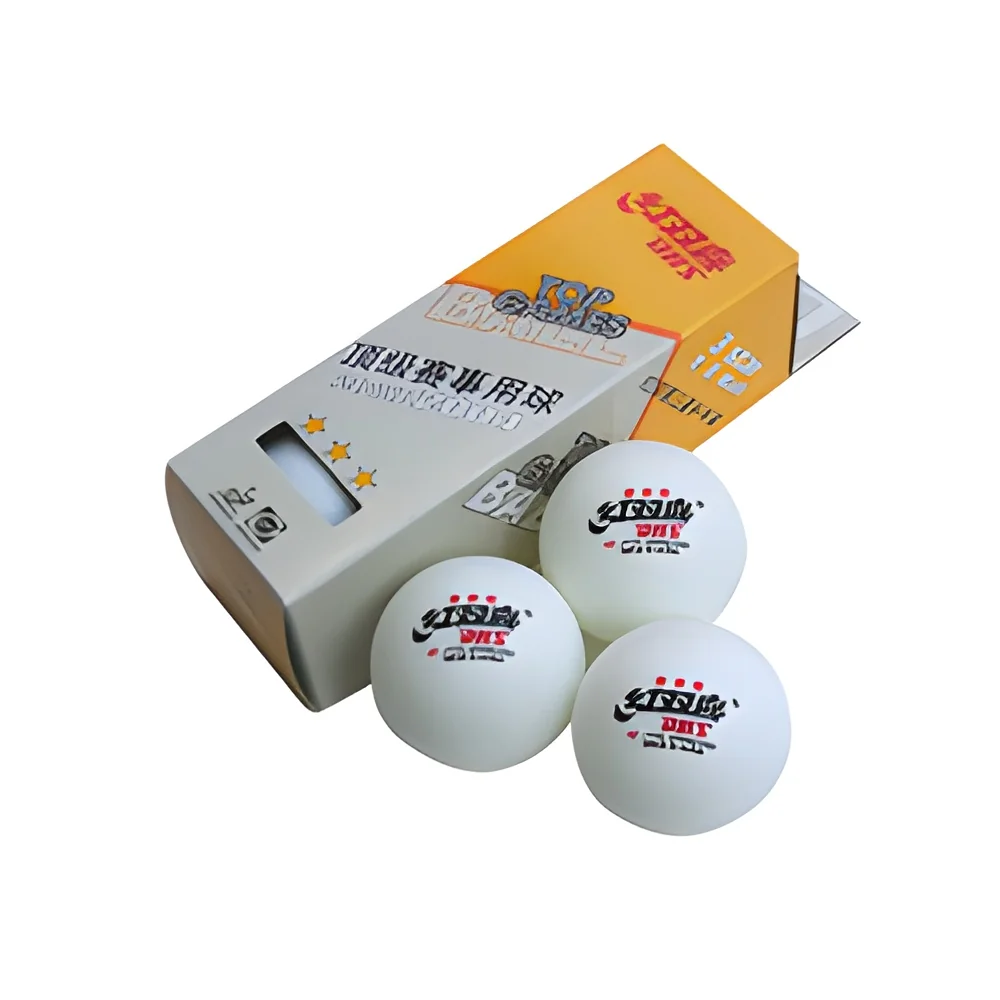
Table tennis balls are lightweight, spherical objects designed specifically for the sport of table tennis. Typically made of plastic, these balls are characterized by their size, weight, and bounce properties. Commonly, they are produced in a diameter of 40 millimeters and weigh about 2.7 grams. Their smooth surface and lightweight design contribute to their performance during play, allowing for various spins and speeds.
These balls are primarily used in competitive and recreational table tennis matches. They are essential for both professional players and amateurs who enjoy the sport for leisure. In business contexts, table tennis balls are crucial for sporting goods retailers, educational institutions with sports programs, and recreational facilities that offer table tennis as part of their service. The global market for table tennis equipment continues to grow, driven by the increasing popularity of the sport and the demand for quality equipment.
Key Features and Specifications
Table tennis balls come with specific features and specifications that dictate their performance and suitability for different play styles. Understanding these specifications is essential for businesses looking to source high-quality products for their needs.
Key specifications include:
1. Diameter
- Standard diameter is 40 mm.
- Ensures compliance with international competition standards.
2. Weight
- Standard weight is 2.7 grams.
- Affects the ball's speed and control during play.
3. Material
- Made from plastic, typically poly plastic.
- Provides durability and consistent performance.
4. Color
- Available in white and orange.
- Color choice can affect visibility during play.
5. Bounce Characteristics
- Must meet specific bounce height standards.
- Essential for ensuring fair gameplay.
6. Certification
- Most balls are certified by the International Table Tennis Federation (ITTF).
- Ensures quality and compliance with professional standards.
7. Packaging Options
- Available in boxes of various quantities.
- Common packaging includes 3-ball or 6-ball packs.
8. Spin Capability
- Designed to allow various spin techniques.
- Important for competitive play.
In summary, understanding these features and specifications is crucial for B2B buyers to ensure they select the right table tennis balls for their specific applications.
Common Applications and Use Cases
Table tennis balls find applications across various industries due to their versatility and popularity.
1. Sports and Recreation: Table tennis balls are extensively used in sports clubs and recreational centers for casual and competitive play. They are a staple in any facility that offers table tennis as an activity.
2. Educational Institutions: Schools and universities often include table tennis in their sports curriculum. This promotes physical activity and teamwork among students.
3. Event Management: Table tennis balls are used in tournaments and events. Organizers require high-quality balls to ensure a fair competition among players.
4. Retail: Sporting goods stores stock table tennis balls, catering to both amateur players and professional athletes. Their variety and quality can attract a wide range of customers.
5. Corporate Events: Many companies host team-building events that include table tennis. Quality balls enhance the experience for participants and encourage engagement.
6. Fitness Centers: Gyms and fitness clubs often offer table tennis as part of their recreational activities to attract members looking for diverse exercise options.
7. Home Use: Many households invest in table tennis tables and accessories for personal enjoyment, making table tennis balls a popular consumer item.
Product Variants and Subcategories
Table tennis balls are available in several variants that cater to different preferences and play styles.
Training Balls: These balls are designed for practice sessions and are often more durable. They may have different bounce characteristics, making them suitable for beginners who are learning the game.
Competition Balls: Specifically engineered for competitive play, these balls meet strict quality standards, ensuring consistent performance in tournaments. They are often ITTF-approved and are favored by serious players.
Practice Balls: These are more affordable options aimed at casual players. They may not meet the same quality standards as competition balls but are sufficient for recreational use.
Benefits and Advantages
Table tennis balls offer numerous benefits that enhance the playing experience for users.
1. Enhanced Performance: Quality table tennis balls provide better bounce and spin, improving the overall gameplay experience.
2. Durability: Made from robust materials, these balls withstand repeated use, making them a cost-effective option for businesses and individuals alike.
3. Versatility: Suitable for various play styles and levels, table tennis balls cater to both amateur and professional players.
4. Compliance with Standards: Sourcing ITTF-approved balls ensures that players adhere to international competition standards, which is vital for serious athletes.
5. Accessibility: Available in different price ranges, table tennis balls cater to both budget-conscious consumers and those seeking high-end products.
6. Portability: Their lightweight design makes them easy to transport, allowing players to enjoy the game anywhere.
Buying Guide for B2B Buyers
When sourcing table tennis balls, businesses should consider several critical factors to ensure they make informed purchasing decisions.
1. Quality Assessment: Evaluate the quality of the balls based on bounce, spin, and material. Request samples if possible to test performance before making bulk orders.
2. Supplier Verification: Research potential suppliers thoroughly. Check their industry reputation and ensure they have a track record of delivering quality products.
3. Pricing and MOQ: Understand the price range for different types of balls and inquire about minimum order quantities. This information helps in budgeting and planning.
4. Delivery and Lead Times: Discuss delivery options and lead times with suppliers to ensure timely availability of products. Delays can impact business operations.
5. Compliance Requirements: Be aware of any regulatory requirements related to sports equipment in your region. Ensure that the products meet safety and quality standards.
Compliance and Certifications
Table tennis balls must adhere to various compliance and certification standards to ensure safety and performance.
Relevant quality standards include ISO 9001, which specifies requirements for quality management systems. This standard helps manufacturers ensure that their products meet customer and regulatory requirements consistently.
Industry certifications such as CE indicate that the products conform to health, safety, and environmental protection standards. This certification is crucial for market acceptance in various regions.
Safety and testing requirements are essential to guarantee that the balls are free from harmful substances and perform reliably during use. Regular testing by certified laboratories ensures that manufacturers maintain high standards.
Regional compliance considerations may vary, so it's important for businesses to stay informed about local regulations governing sports equipment to ensure compliance.
Why Source Table Tennis Balls from Pepagora?
Pepagora provides a trusted platform for sourcing table tennis balls, offering several key advantages that benefit B2B buyers.
Verified Supplier Network: Pepagora connects buyers with a network of verified suppliers, ensuring that all listed products come from reputable manufacturers. This minimizes the risk of purchasing inferior products.
Streamlined RFQ Process: The request for quotation (RFQ) process on Pepagora is designed to be efficient and user-friendly. Buyers can easily compare quotes from multiple suppliers to find the best deal that meets their quality and budget requirements.
Trade Assurance and Support: Pepagora offers trade assurance, protecting buyers against potential issues during transactions. This support fosters confidence and encourages smoother business dealings.
Regional Coverage: With a strong presence in India, the GCC, and Southeast Asia, Pepagora provides extensive regional coverage. This geographical reach allows buyers to access local suppliers and benefits from reduced shipping costs and quicker delivery times.
In summary, partnering with Pepagora for sourcing table tennis balls ensures that B2B buyers receive high-quality products, competitive pricing, and reliable supplier relationships, making it a valuable choice for businesses looking to enhance their offerings.

Frequently Asked Questions
What are Table Tennis Balls?
Table Tennis Balls are lightweight, spherical balls used in the sport of table tennis. They are typically made of plastic and have a diameter of 40 mm, designed for optimal play and bounce on a table tennis table.
What are the different types of Table Tennis Balls?
There are primarily two types of Table Tennis Balls: practice balls and competition balls. Practice balls are usually of lower quality and are used for training, while competition balls adhere to strict standards set by organizations like the International Table Tennis Federation (ITTF).
How do I choose the right Table Tennis Balls?
Choosing the right Table Tennis Balls depends on your skill level and purpose of use. Beginners may opt for lower-cost practice balls, while advanced players should select ITTF-approved competition balls for enhanced performance.
What are the standard specifications for Table Tennis Balls?
The standard specifications for Table Tennis Balls include a diameter of 40 mm and a weight of 2.7 grams. They must also have a bounce height of 24 to 26 cm when dropped from a height of 30 cm onto a hard surface.
What is the price range for Table Tennis Balls?
The price range for Table Tennis Balls can vary significantly based on quality and brand. Generally, practice balls can cost between ₹20 to ₹50 each, while competition-grade balls may range from ₹100 to ₹500 each.
What quality standards apply to Table Tennis Balls?
Table Tennis Balls must meet the quality standards set by the International Table Tennis Federation (ITTF) for competitive play. These standards include uniform size, weight, and bounce characteristics to ensure fair competition.
Where can I find Table Tennis Balls suppliers in India?
You can find Table Tennis Balls suppliers in India through online B2B marketplaces like Pepagora. These platforms connect buyers with manufacturers and wholesalers, providing a wide range of products and competitive pricing.
Can Table Tennis Balls be customized?
Yes, Table Tennis Balls can be customized with logos or specific colors, depending on the manufacturer. Customization options may vary, so it's advisable to check with suppliers for available services.
What is the typical minimum order quantity for Table Tennis Balls?
The typical minimum order quantity (MOQ) for Table Tennis Balls varies by supplier, but it generally ranges from 100 to 500 balls. It's best to confirm the MOQ with individual manufacturers or suppliers.
What is the typical lead time for Table Tennis Balls?
The typical lead time for Table Tennis Balls can vary based on order size and supplier location, but it usually ranges from 7 to 21 days. For custom orders, the lead time may be longer, so it's important to discuss timelines with the supplier.
Why Businesses Trust Pepagora
Thousands of companies trust Pepagora to source smarter and sell faster
Expand Your Sales Globally

Source Smarter,Grow Faster
