
 IN
INSports Equipment (Balls, Bats, Rackets, Nets)
122 products available
𝗞𝗲𝘆 𝗙𝗲𝗮𝘁𝘂𝗿𝗲𝘀 𝗮𝗻𝗱 𝗦𝗽𝗲𝗰𝗶𝗳𝗶𝗰𝗮𝘁𝗶𝗼𝗻𝘀
𝗖𝗼𝗺𝗺𝗼𝗻 𝗔𝗽𝗽𝗹𝗶𝗰𝗮𝘁𝗶𝗼𝗻𝘀 𝗮𝗻𝗱 𝗨𝘀𝗲 𝗖𝗮𝘀𝗲𝘀
𝗣𝗿𝗼𝗱𝘂𝗰𝘁 𝗩𝗮𝗿𝗶𝗮𝗻𝘁𝘀 𝗮𝗻𝗱 𝗦𝘂𝗯𝗰𝗮𝘁𝗲𝗴𝗼𝗿𝗶𝗲𝘀
𝗕𝗲𝗻𝗲𝗳𝗶𝘁𝘀 𝗮𝗻𝗱 𝗔𝗱𝘃𝗮𝗻𝘁𝗮𝗴𝗲𝘀
𝗕𝘂𝘆𝗶𝗻𝗴 𝗚𝘂𝗶𝗱𝗲 𝗳𝗼𝗿 𝗕𝟮𝗕 𝗕𝘂𝘆𝗲𝗿𝘀
𝗖𝗼𝗺𝗽𝗹𝗶𝗮𝗻𝗰𝗲 𝗮𝗻𝗱 𝗖𝗲𝗿𝘁𝗶𝗳𝗶𝗰𝗮𝘁𝗶𝗼𝗻𝘀




Frequently Asked Questions
What are Sports Equipment (Balls, Bats, Rackets, Nets)?
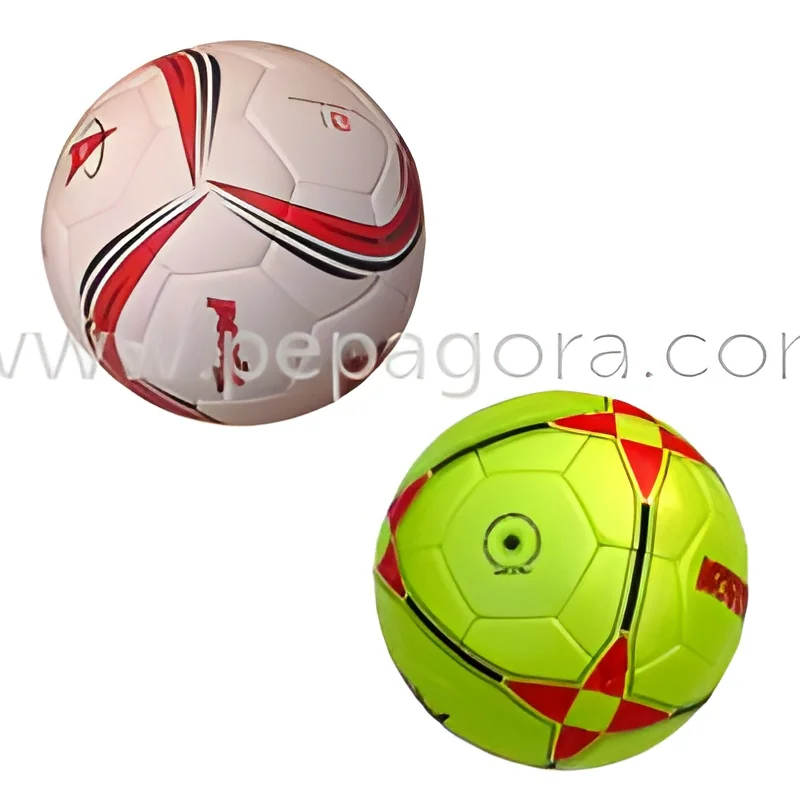
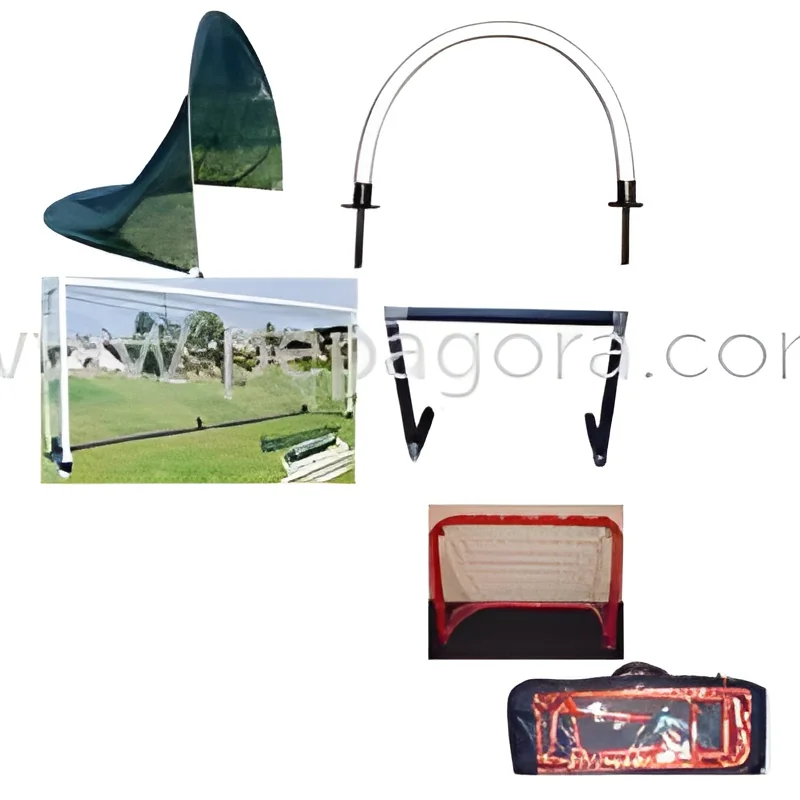
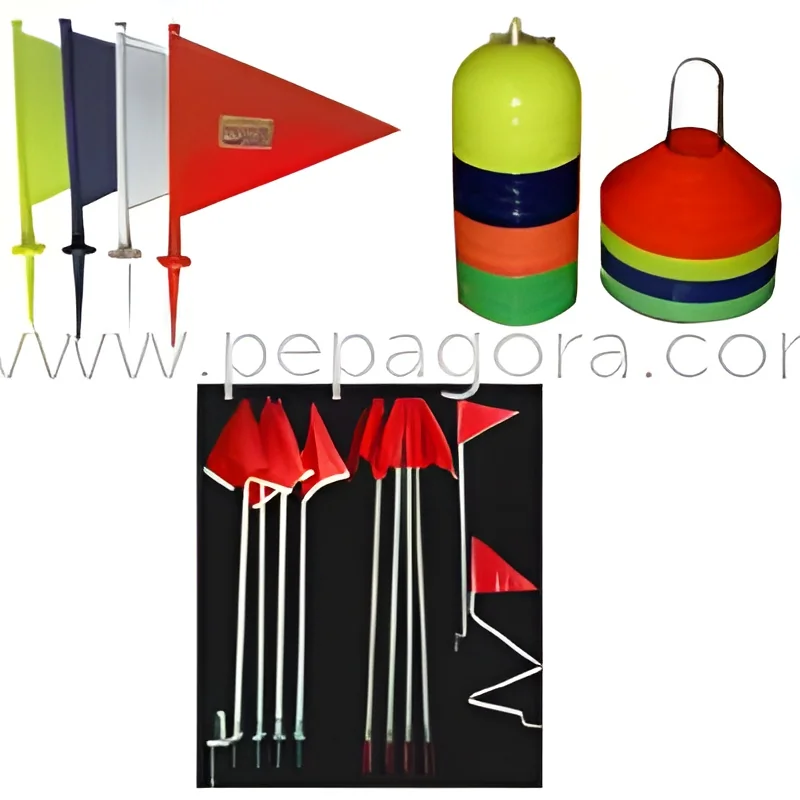
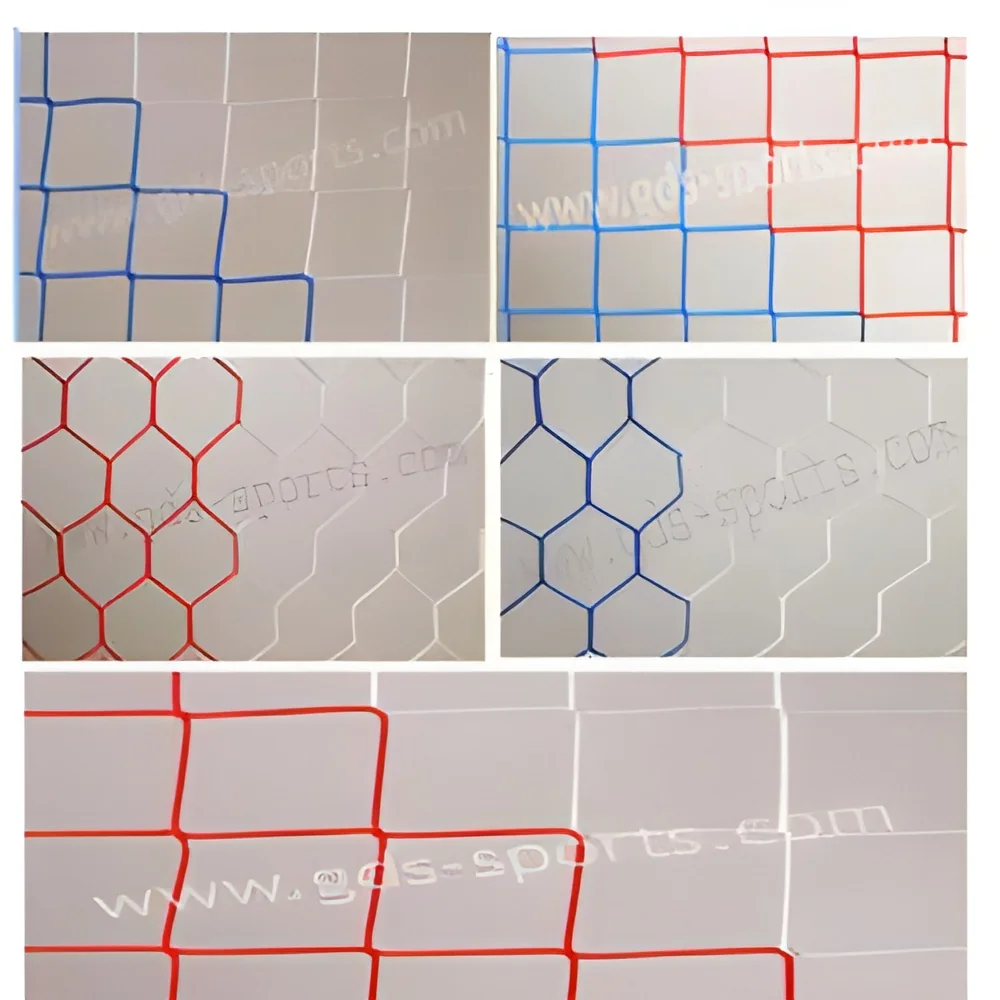
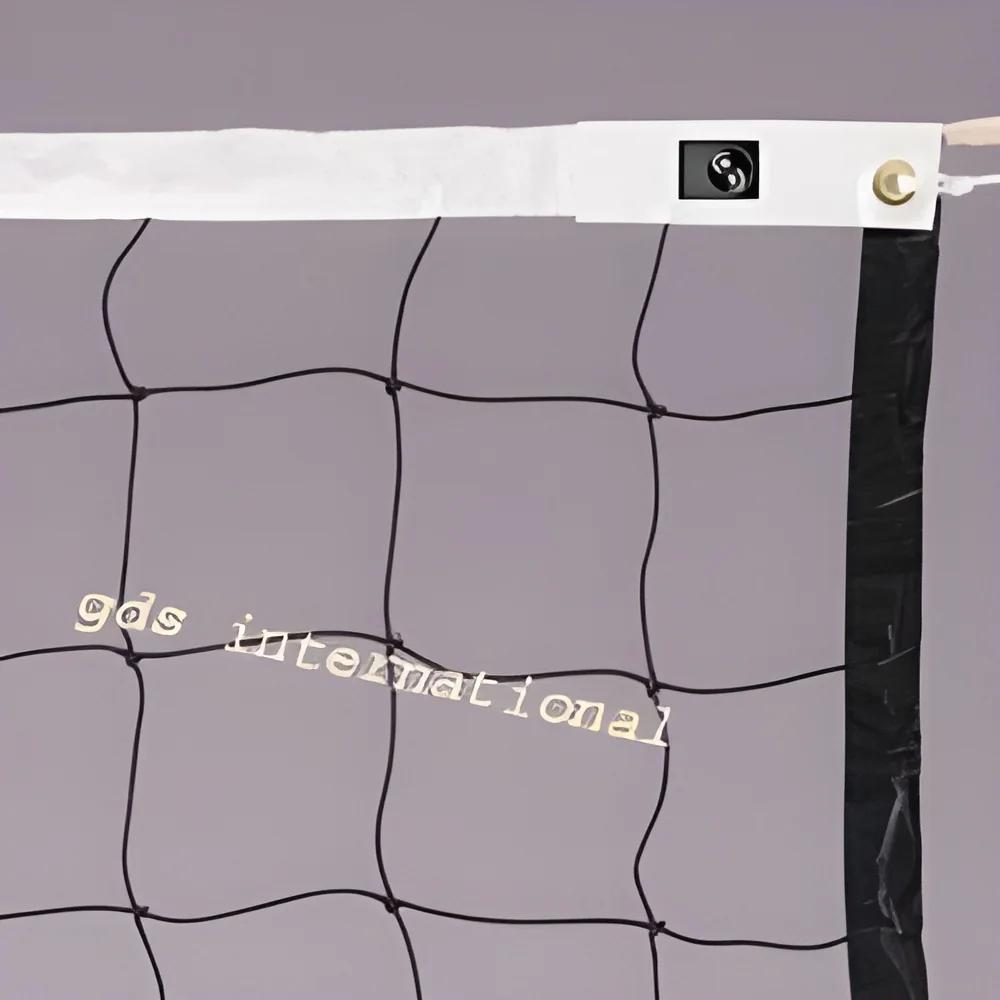
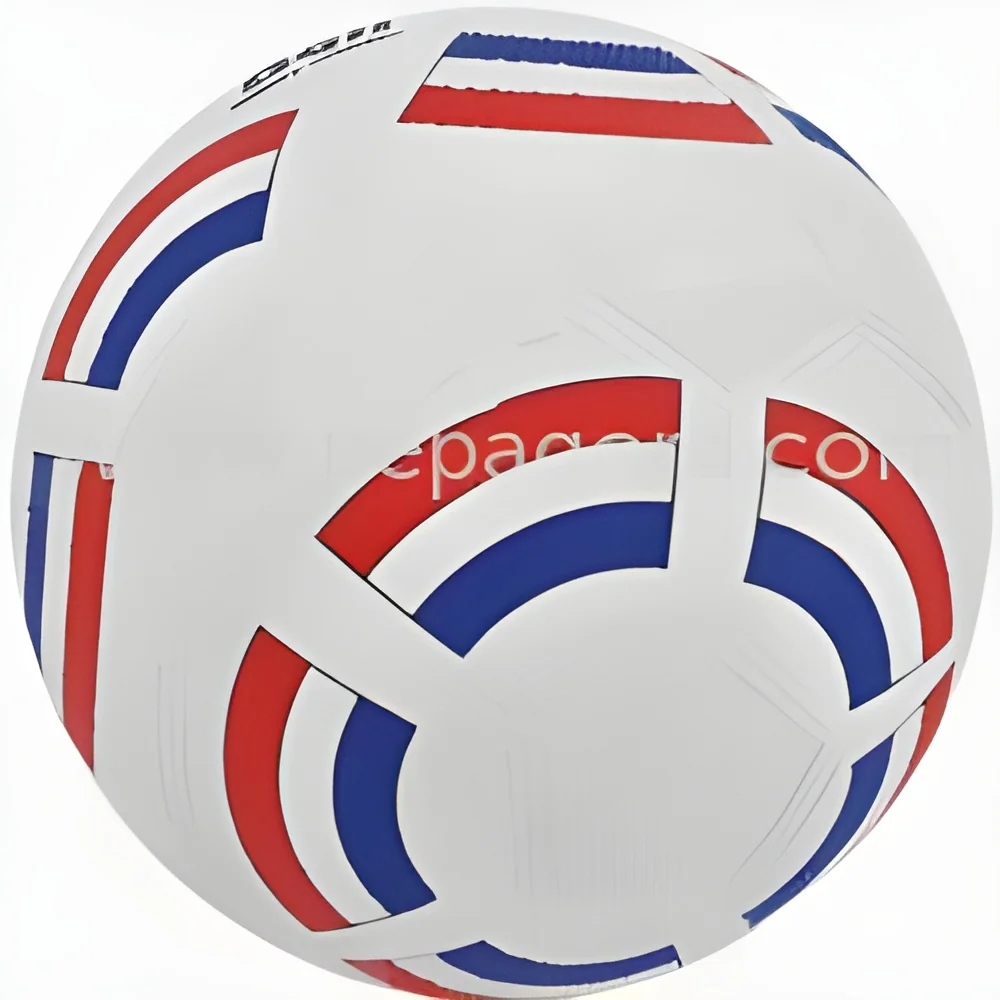
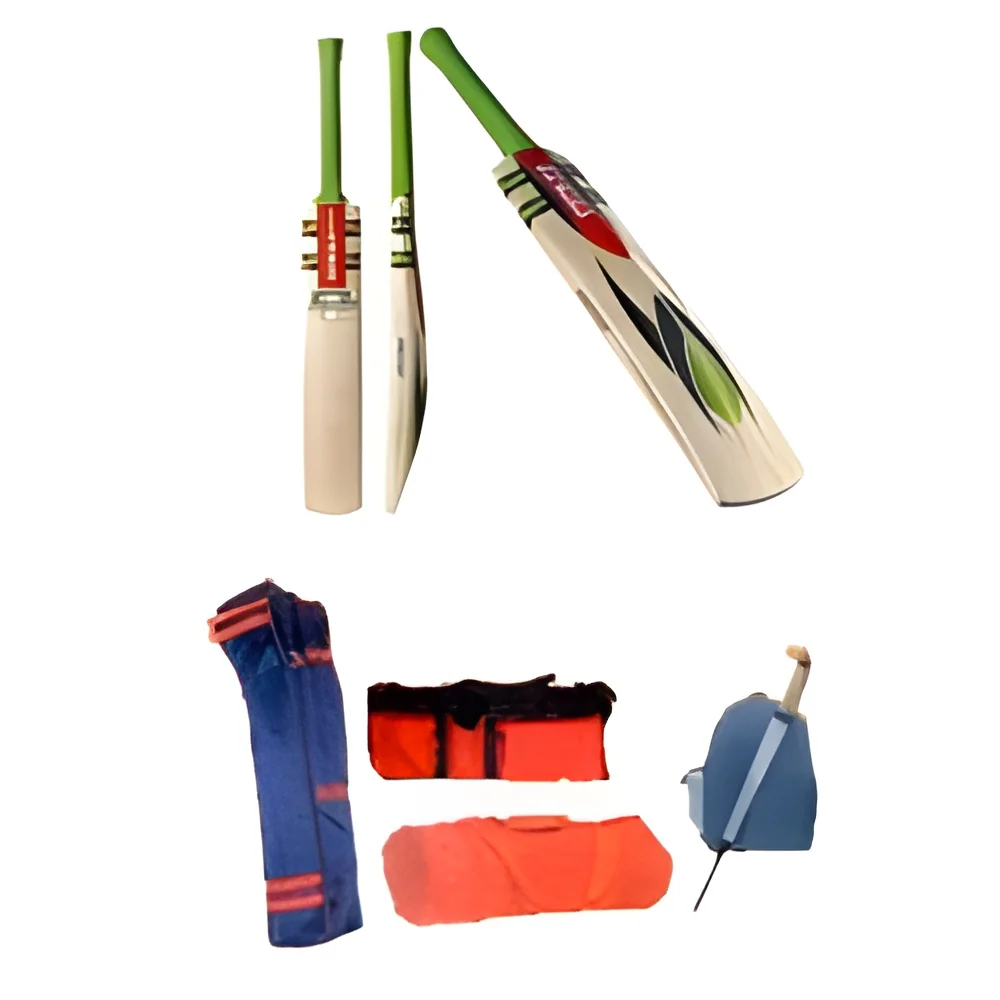
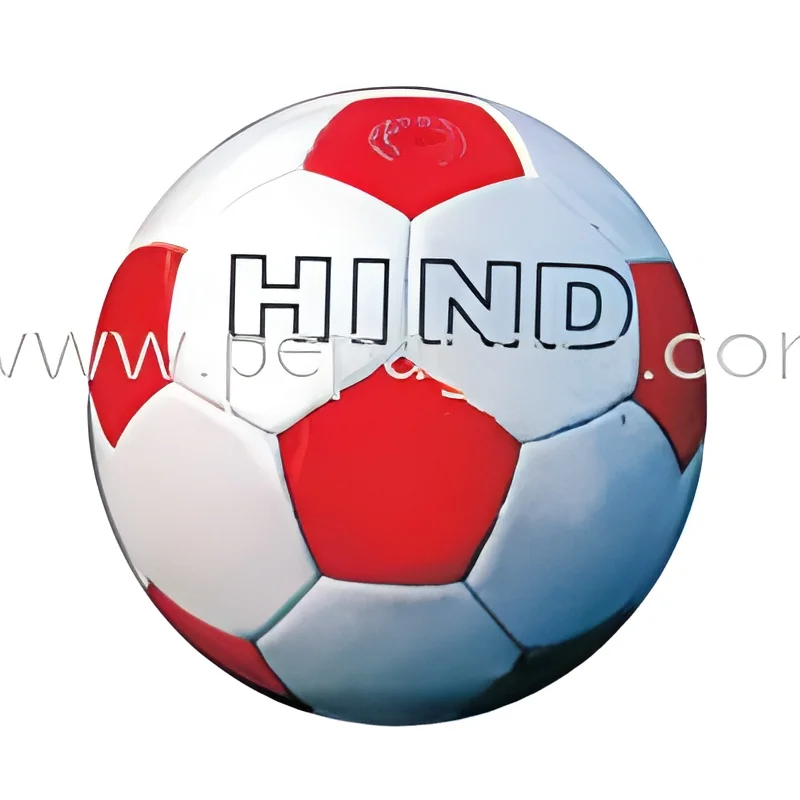
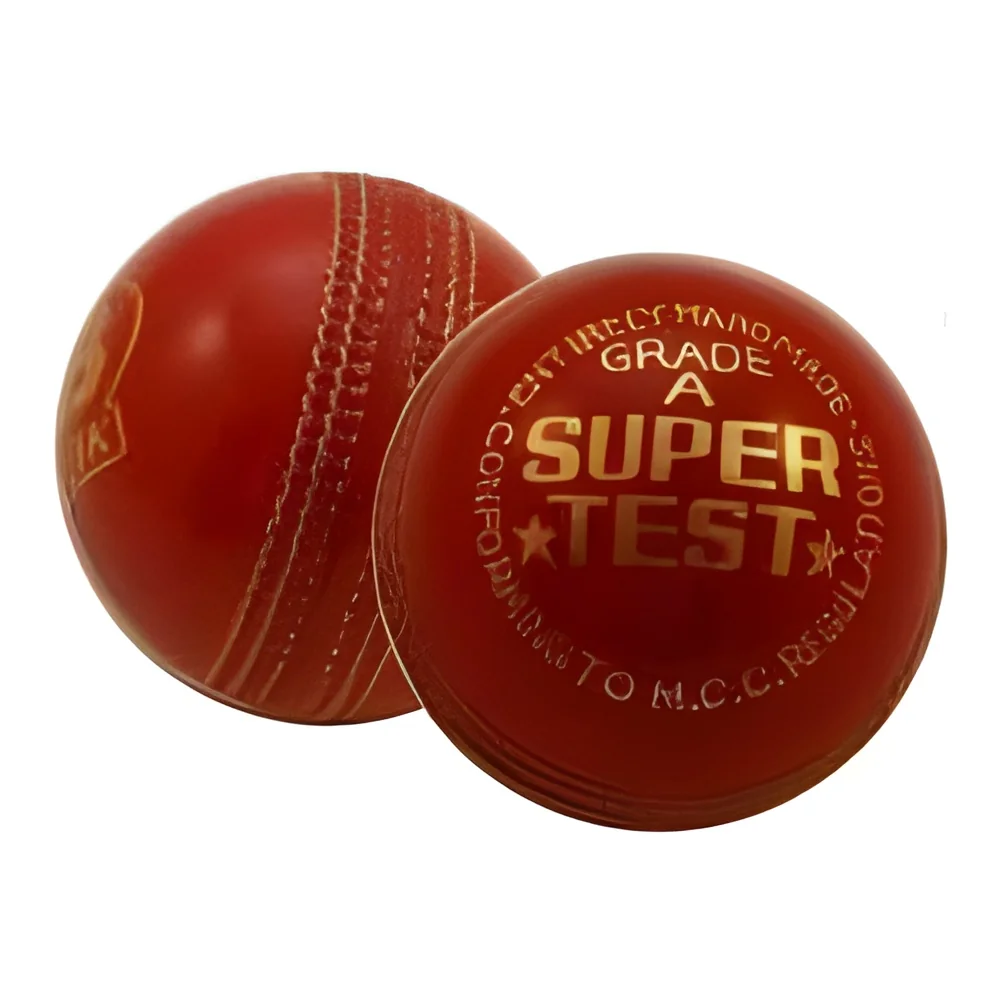
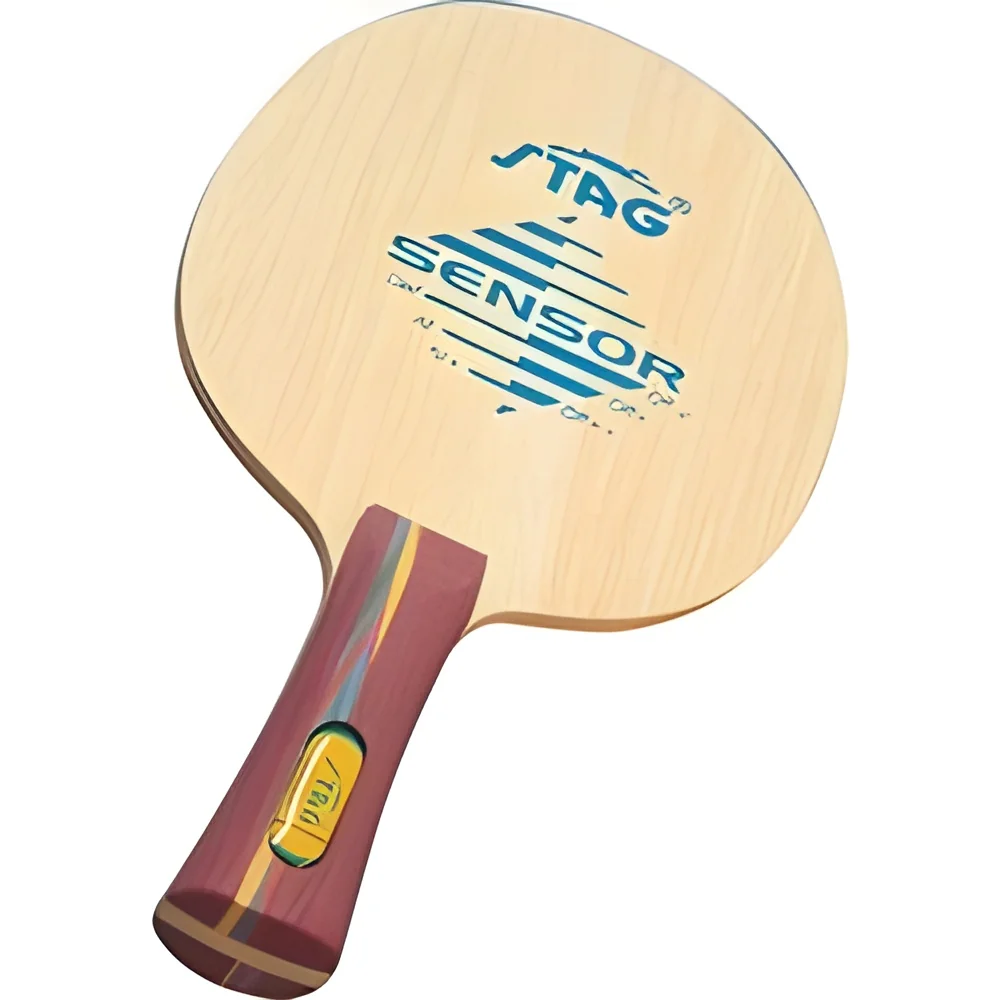
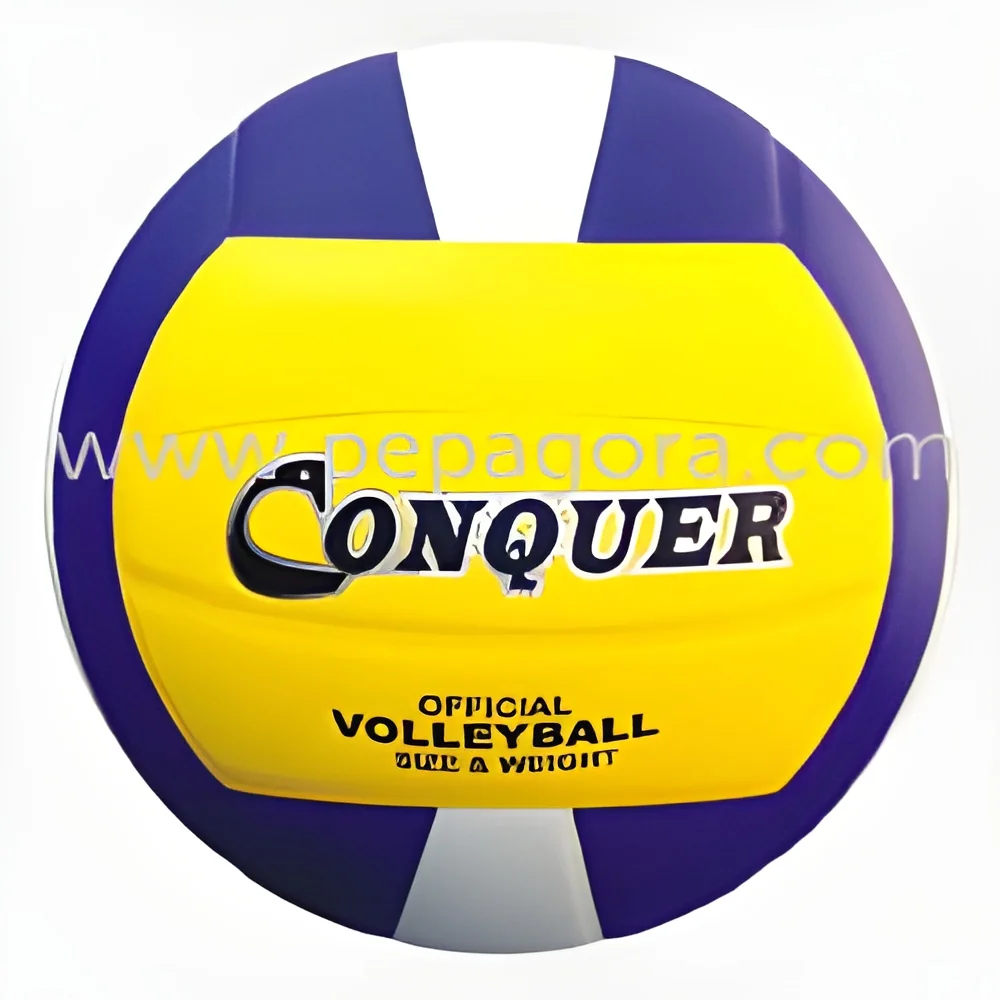
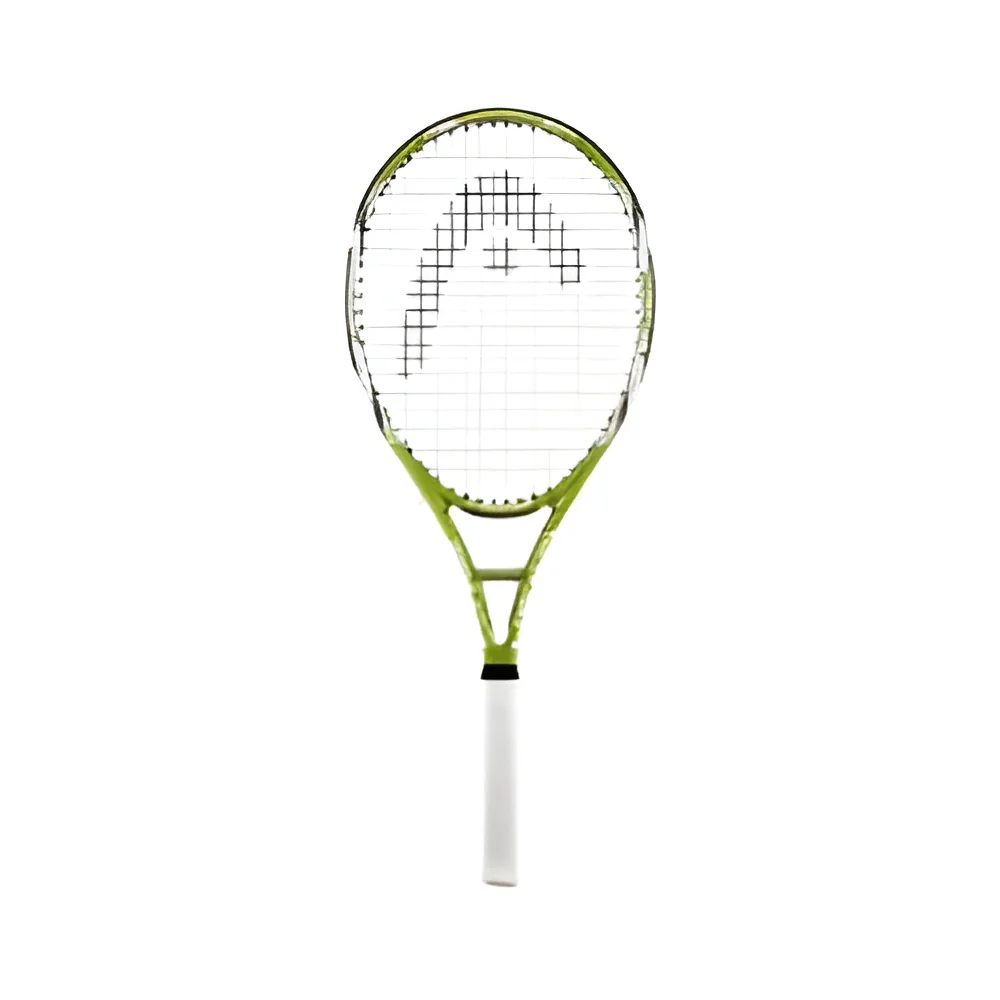
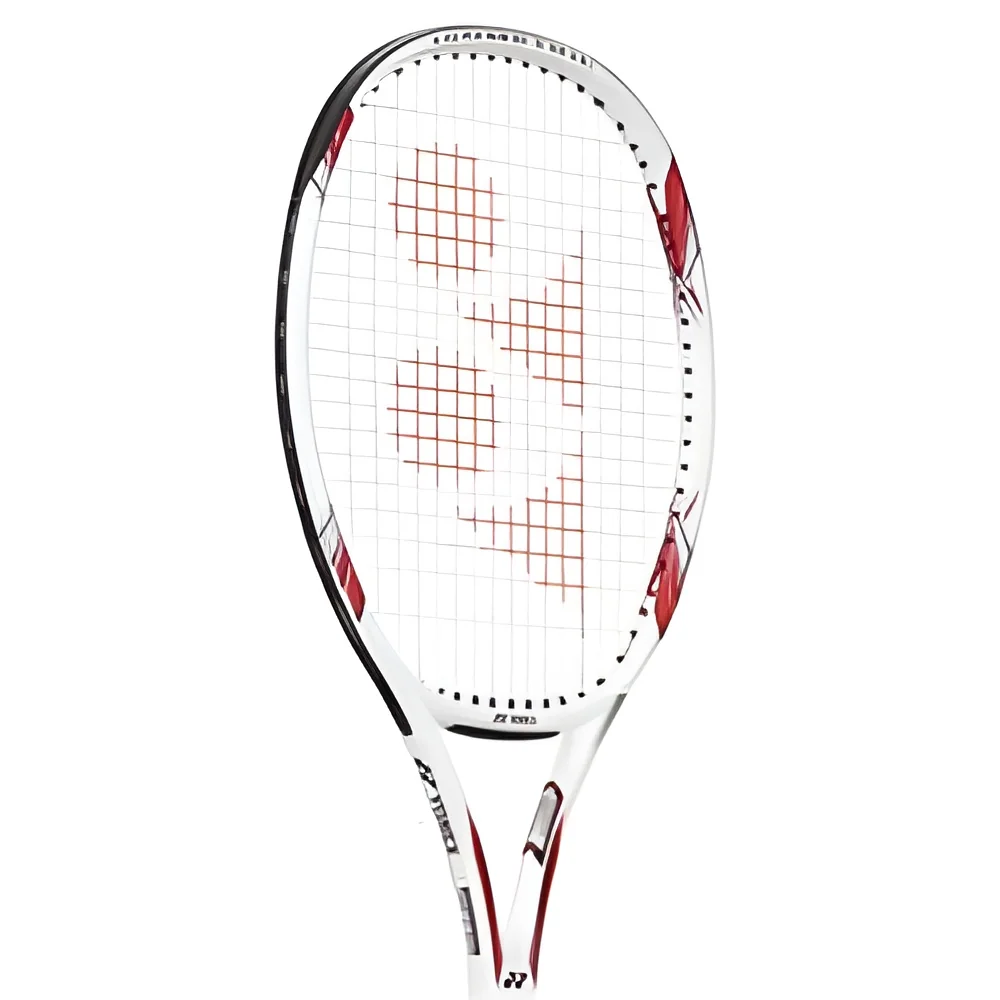
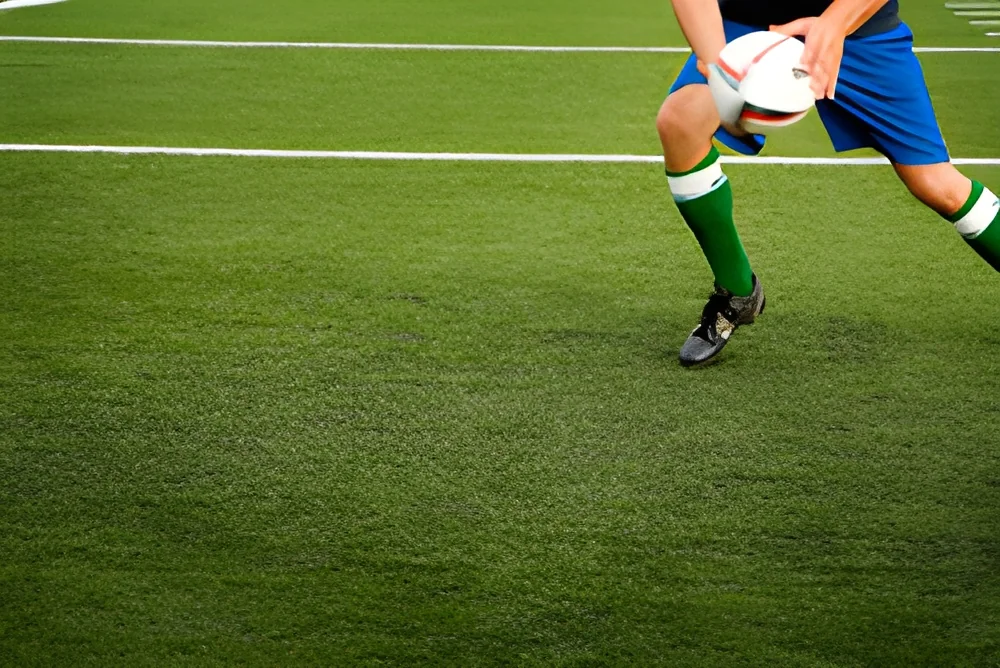
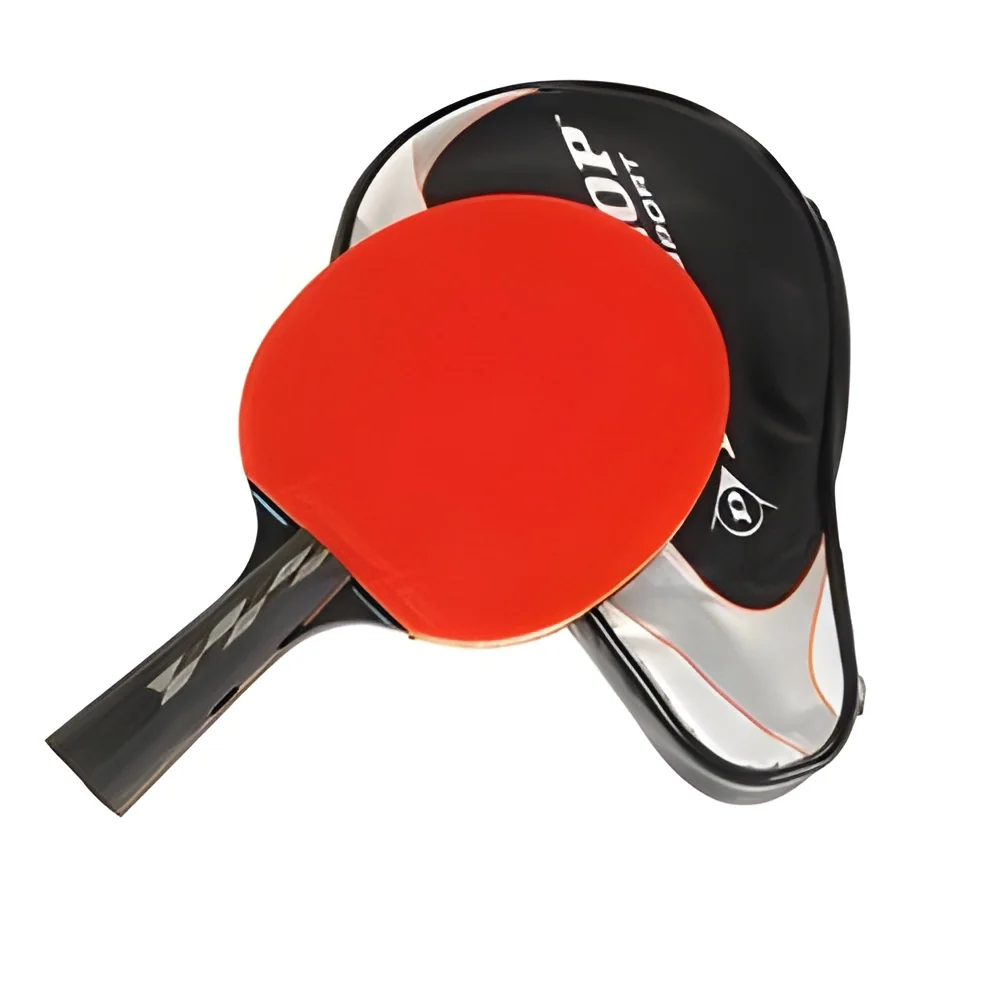
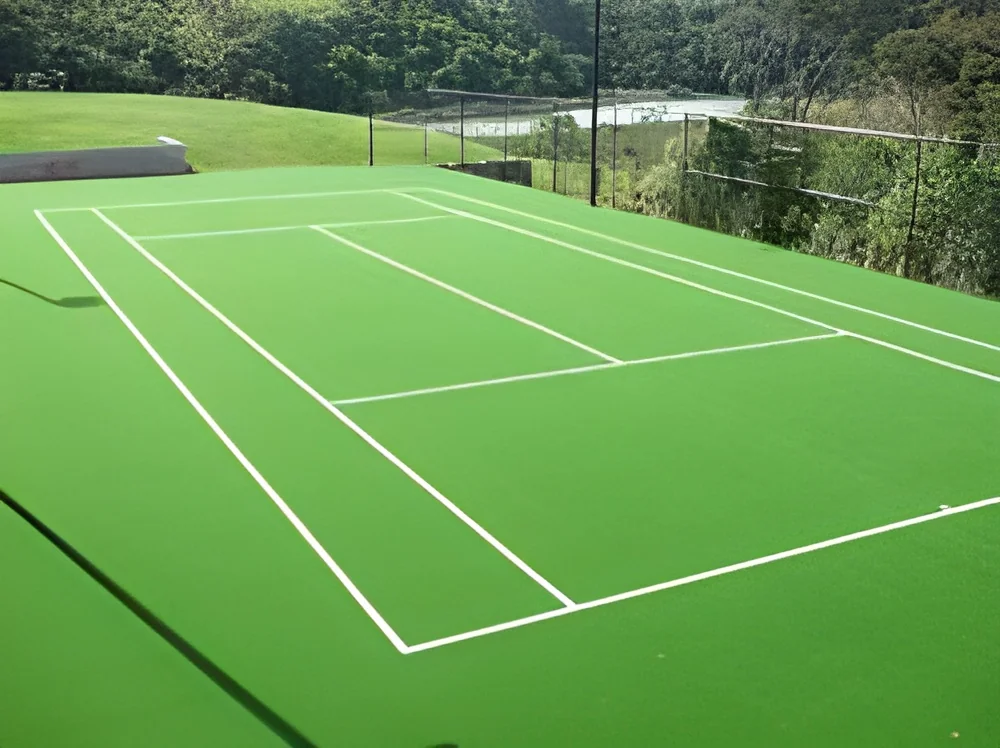
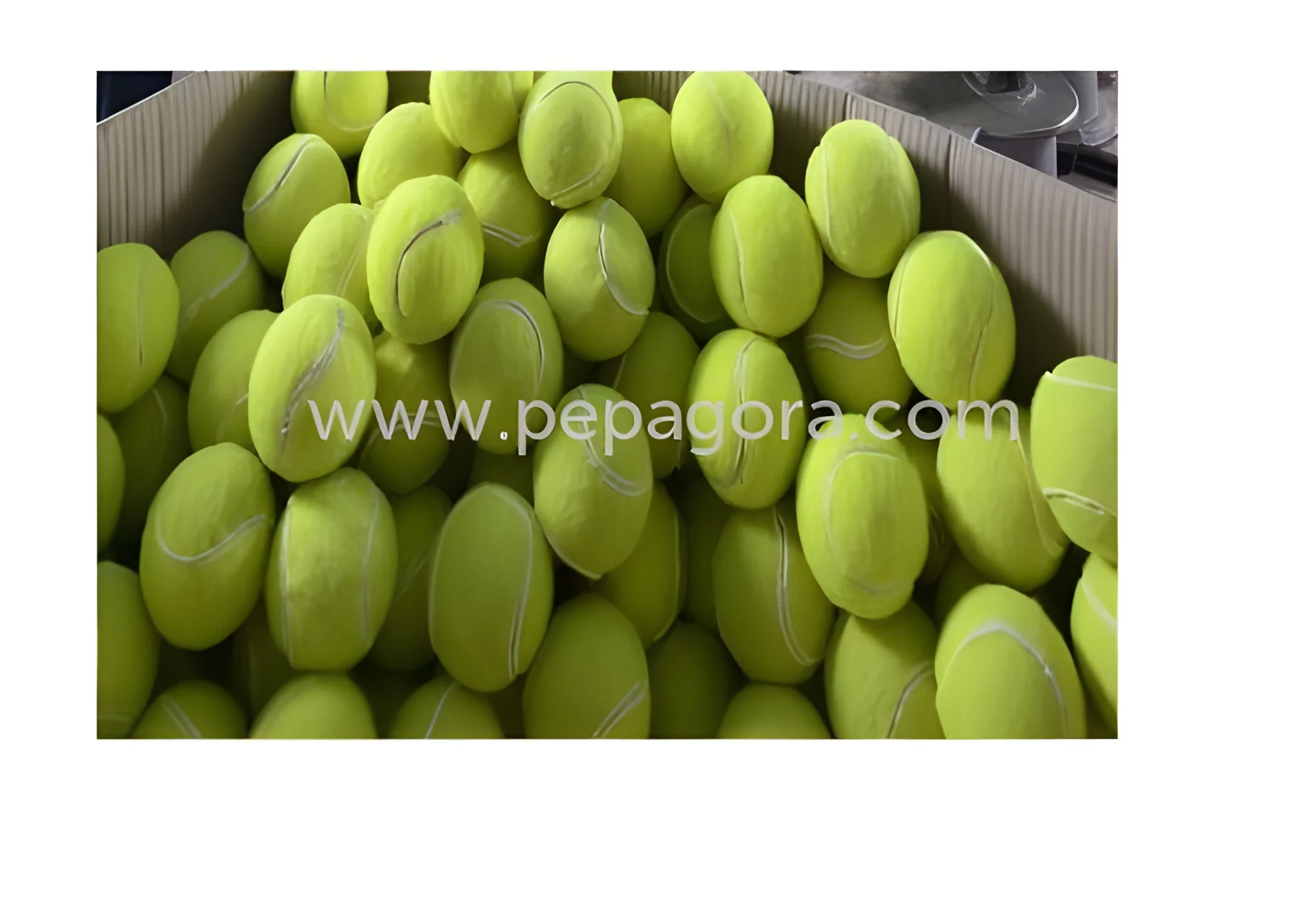
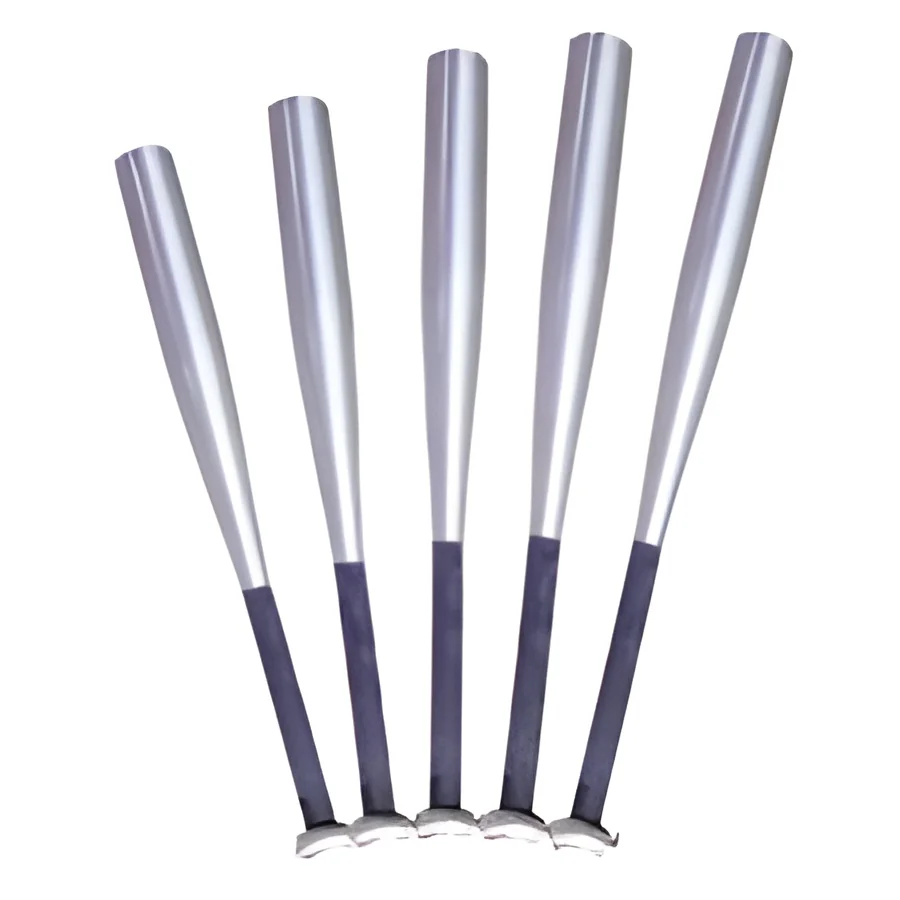
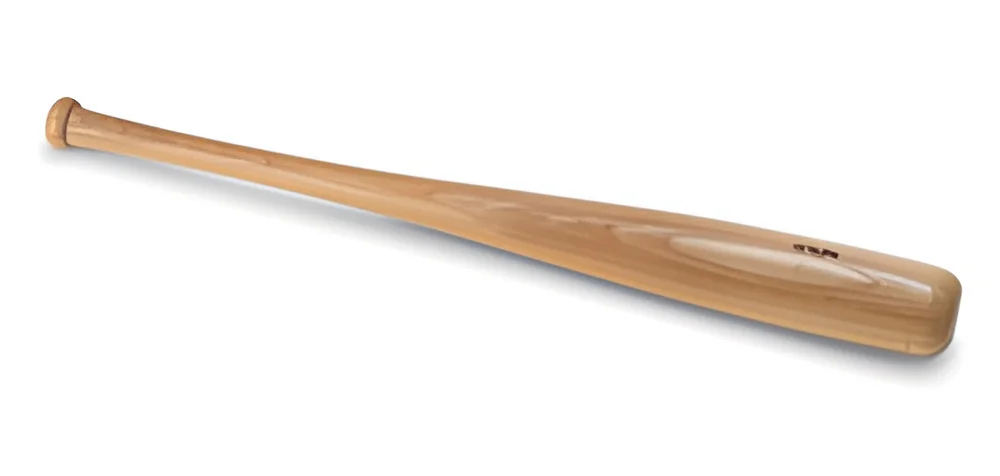
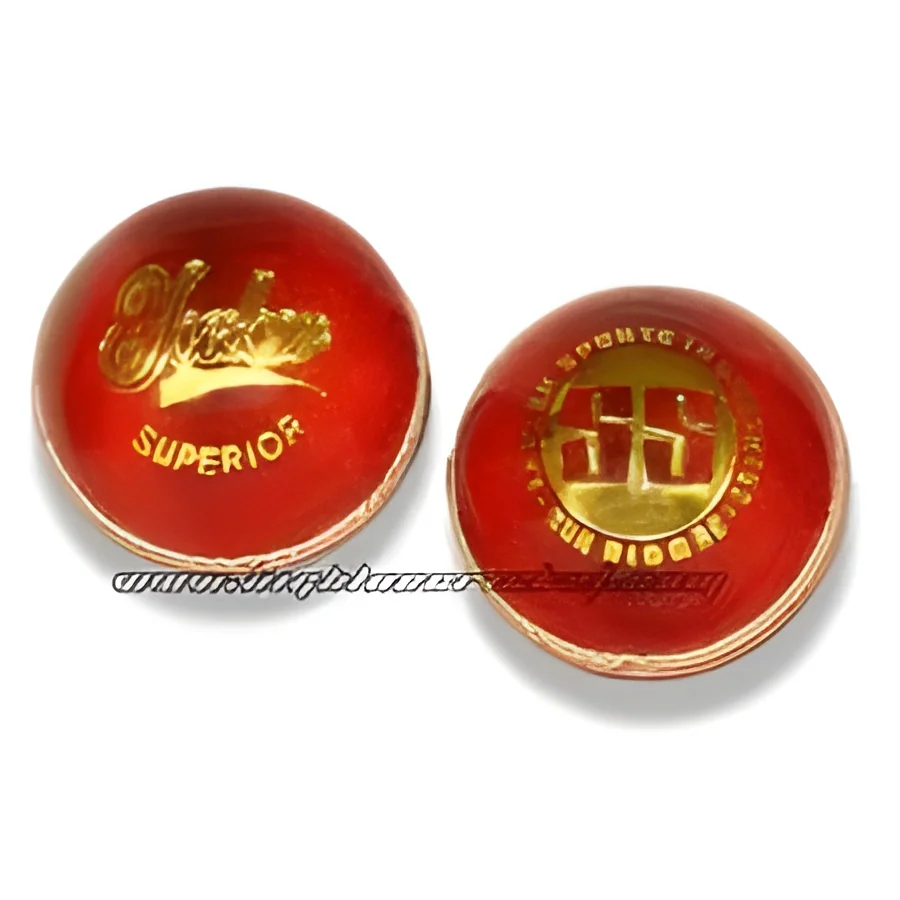
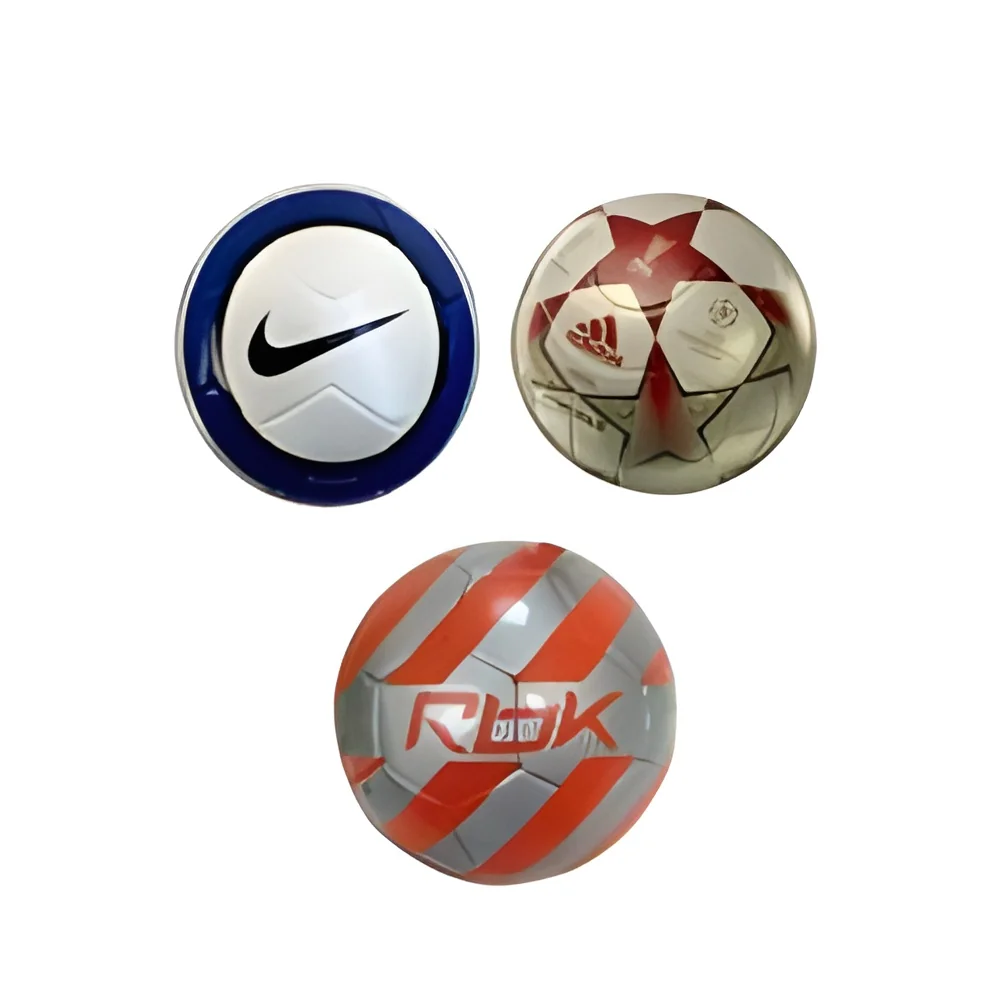
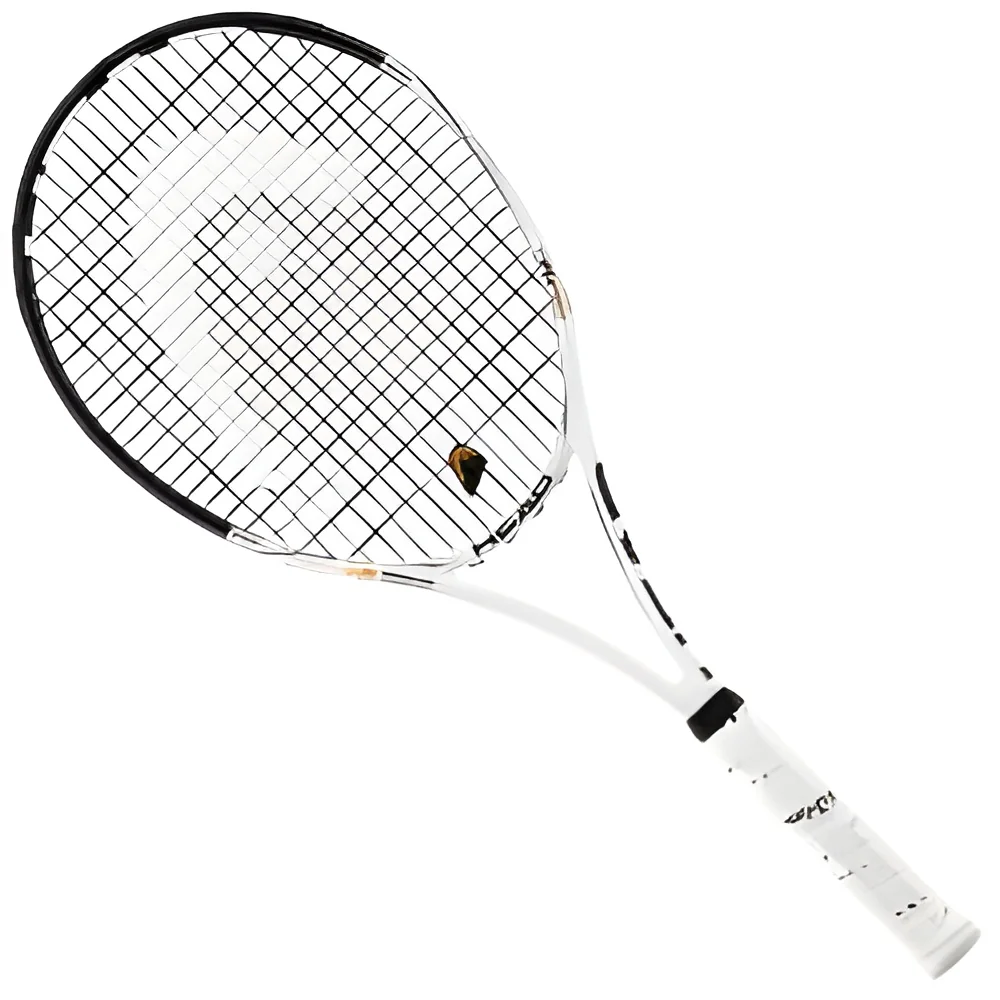
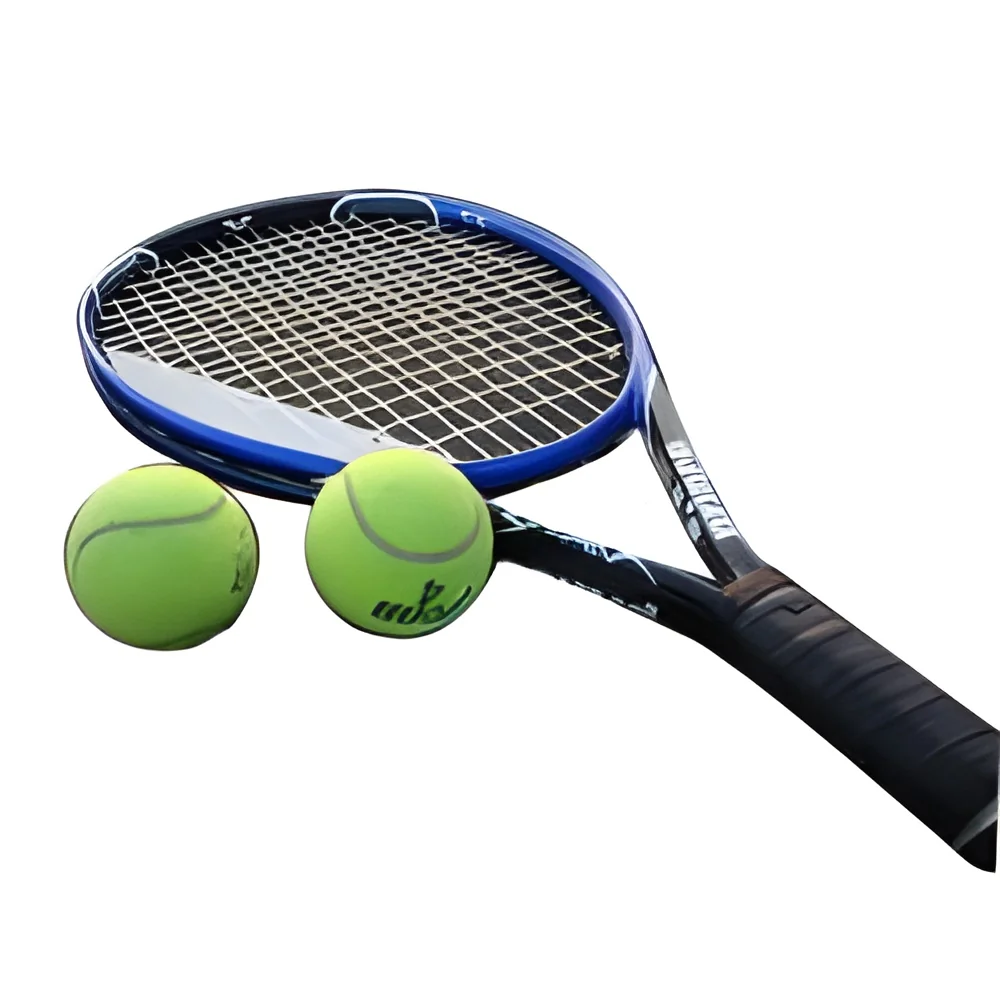
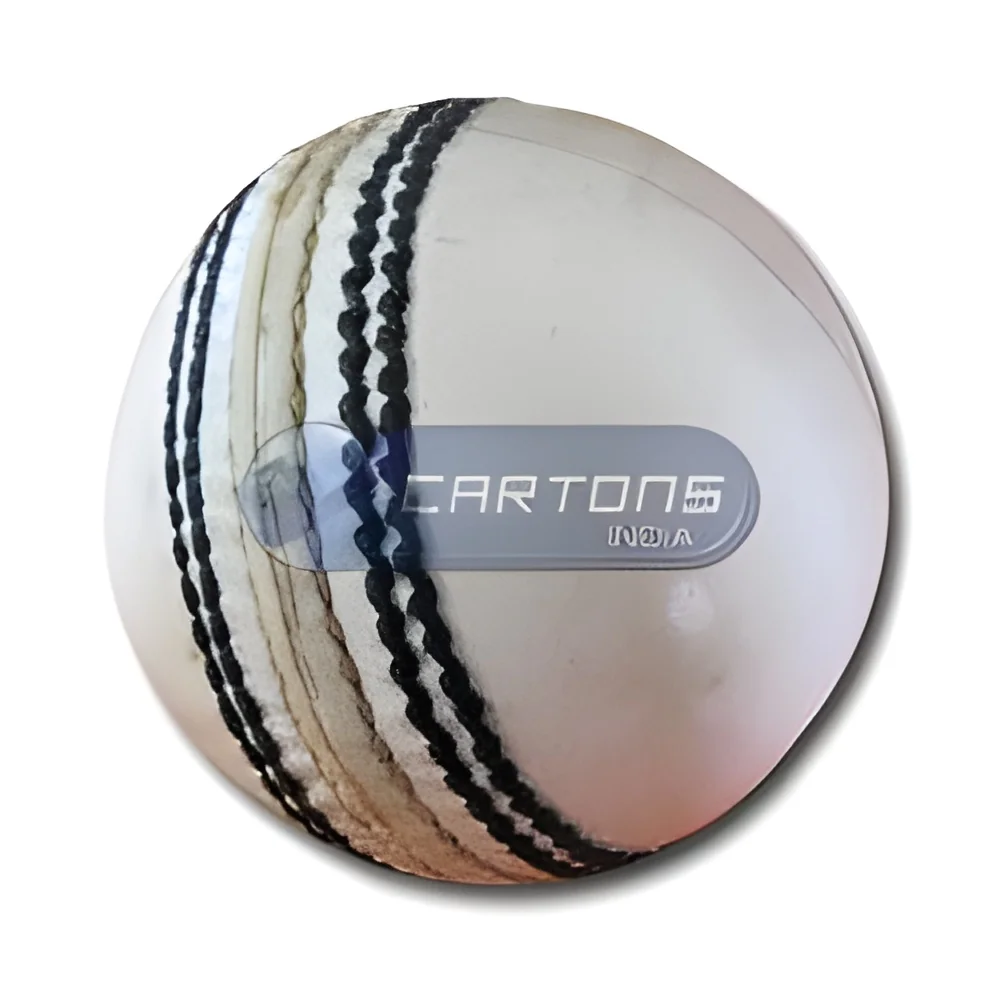
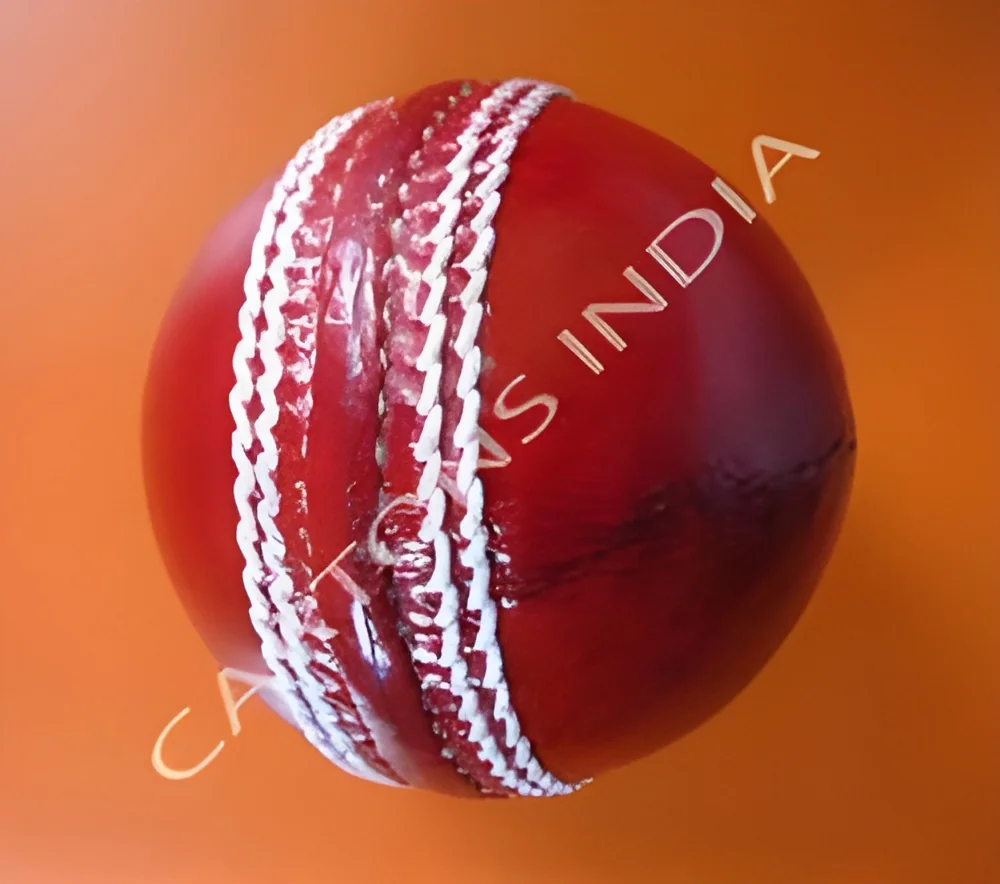
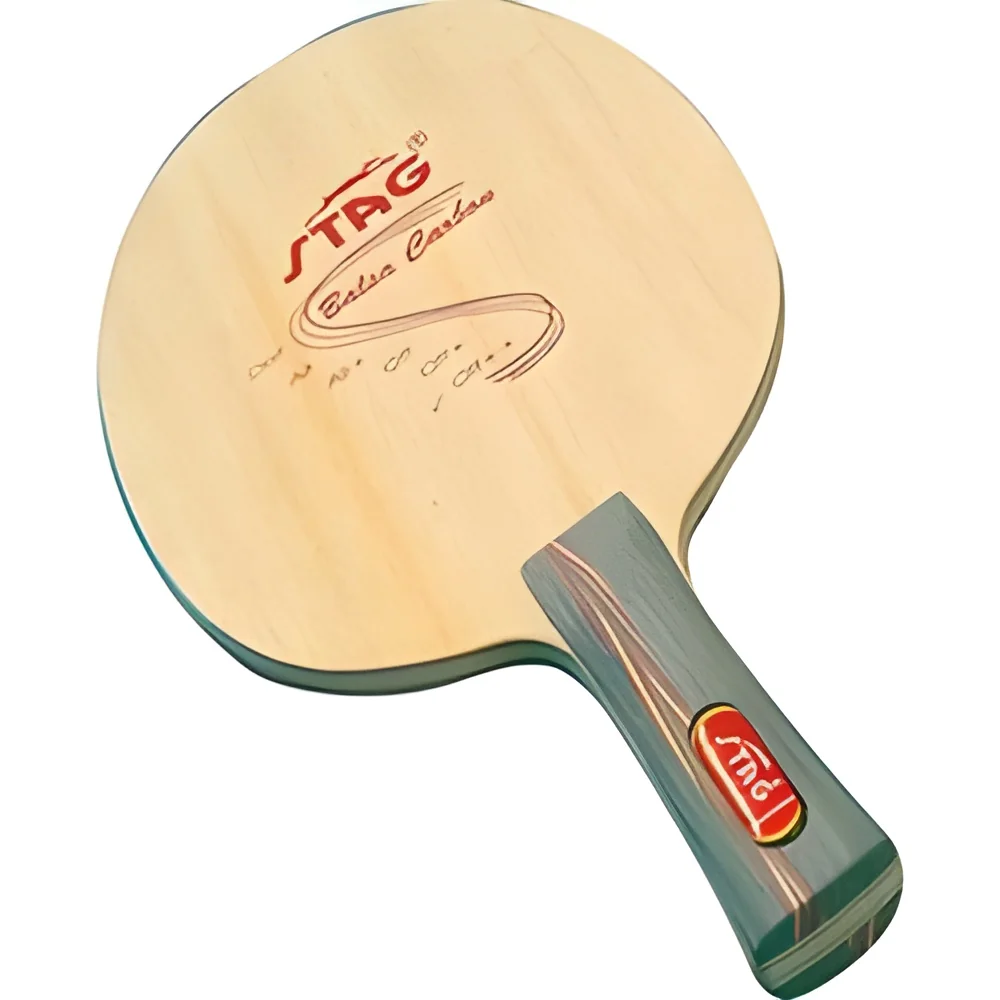
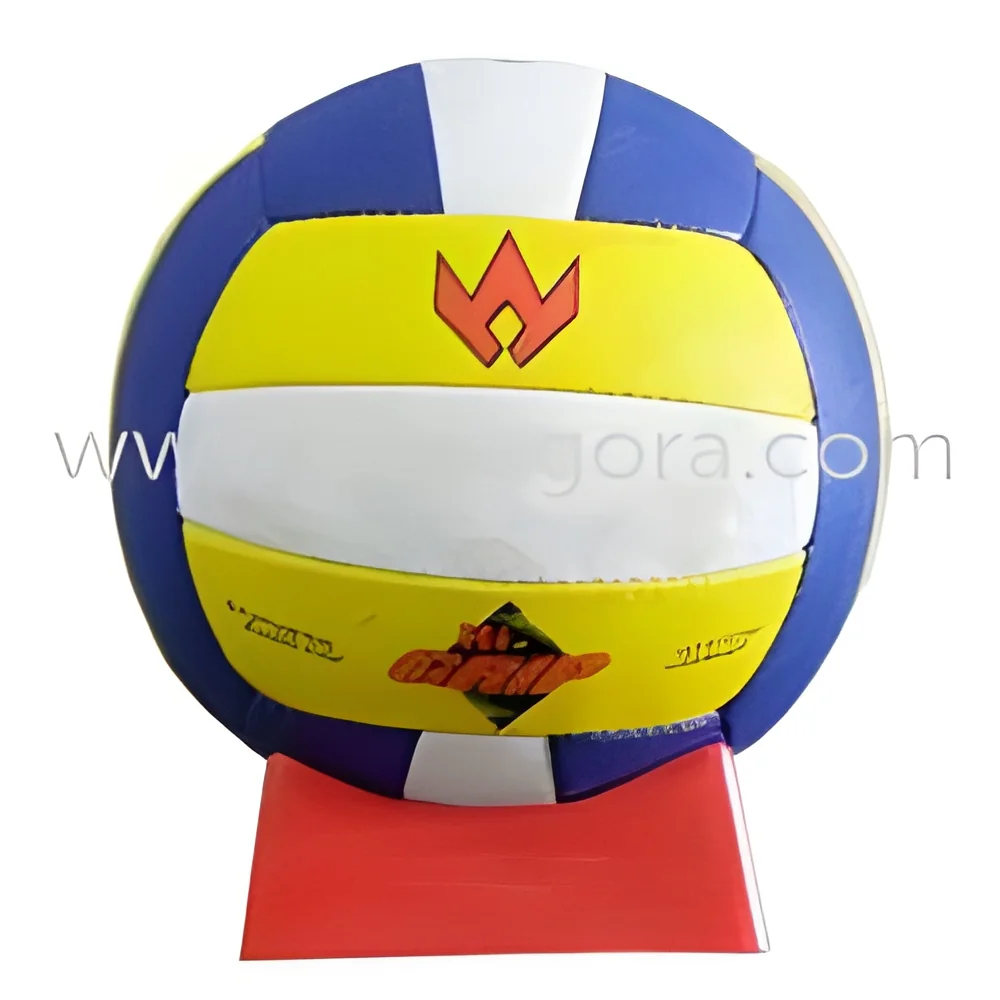
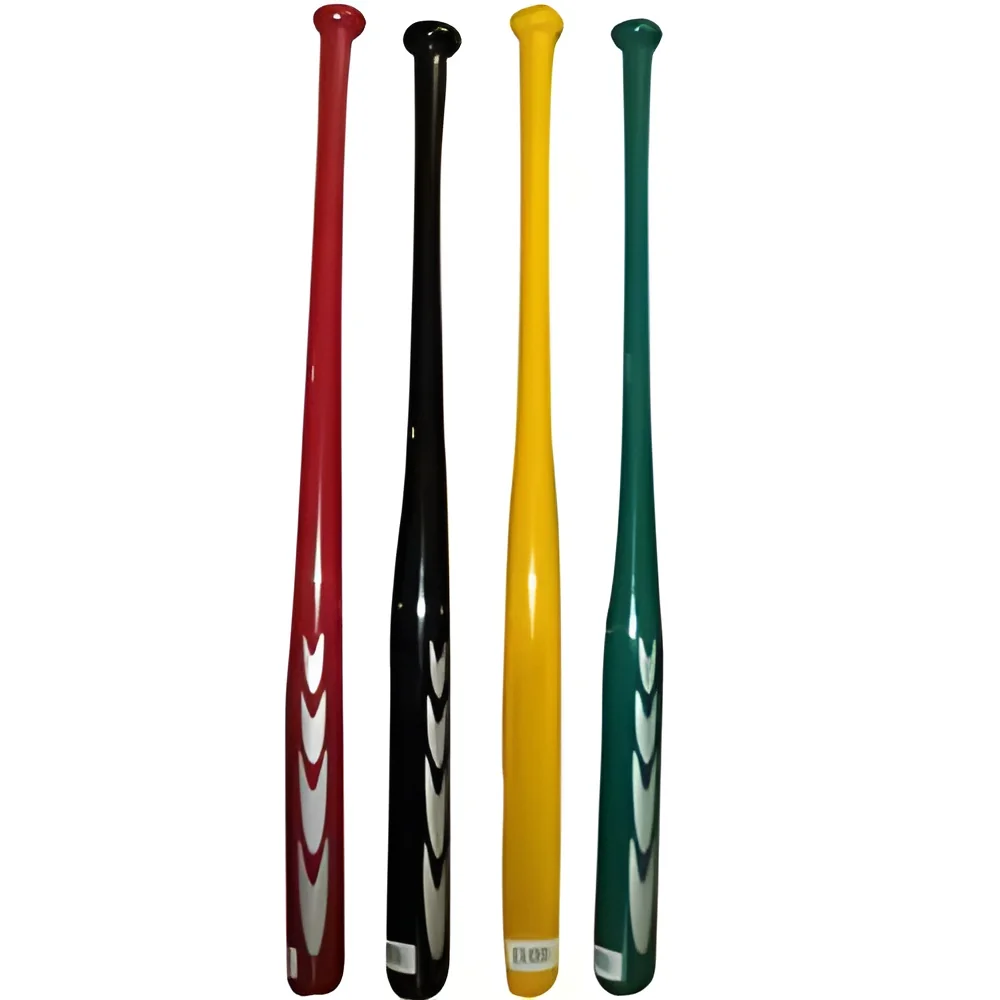
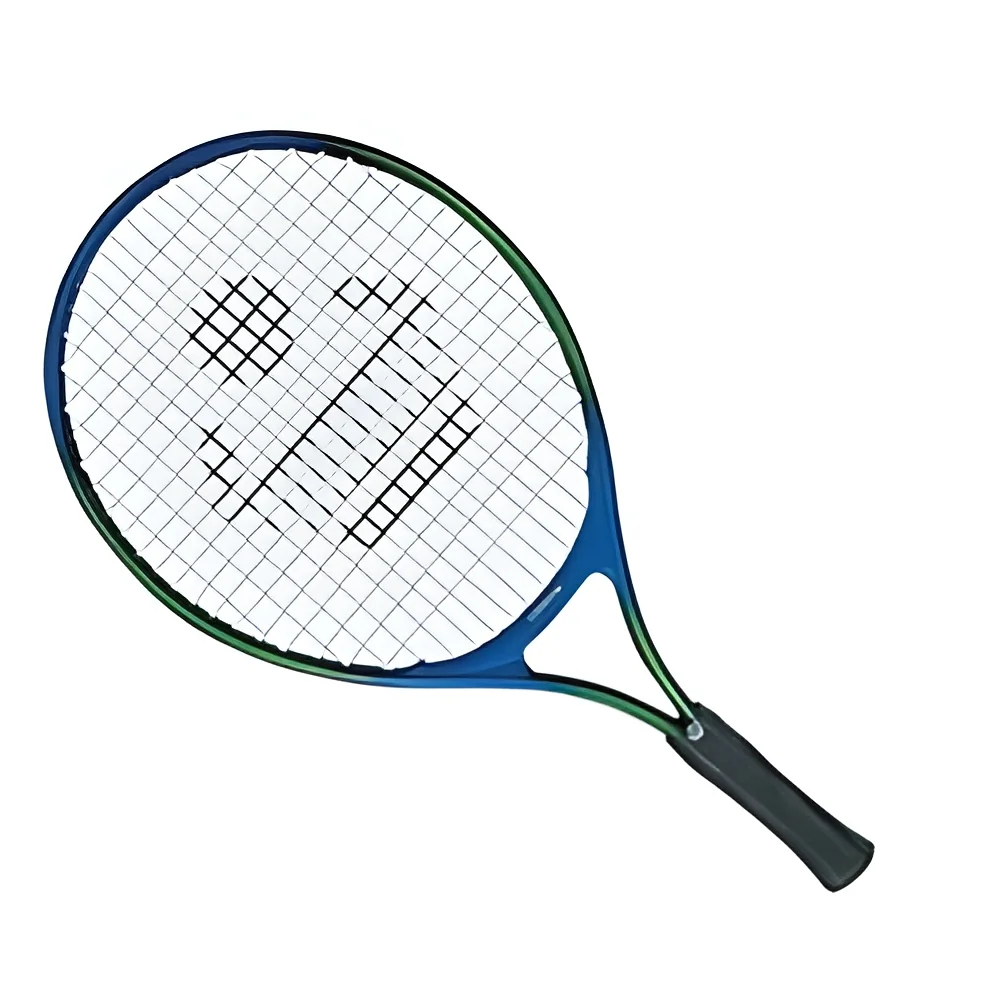
Sports Equipment (Balls, Bats, Rackets, Nets) refers to various tools and gear used in different sports activities. This category includes items such as balls for soccer and basketball, bats for cricket and baseball, rackets for tennis and badminton, and nets for various sports like volleyball and tennis.
What are the different types of Sports Equipment (Balls, Bats, Rackets, Nets)?
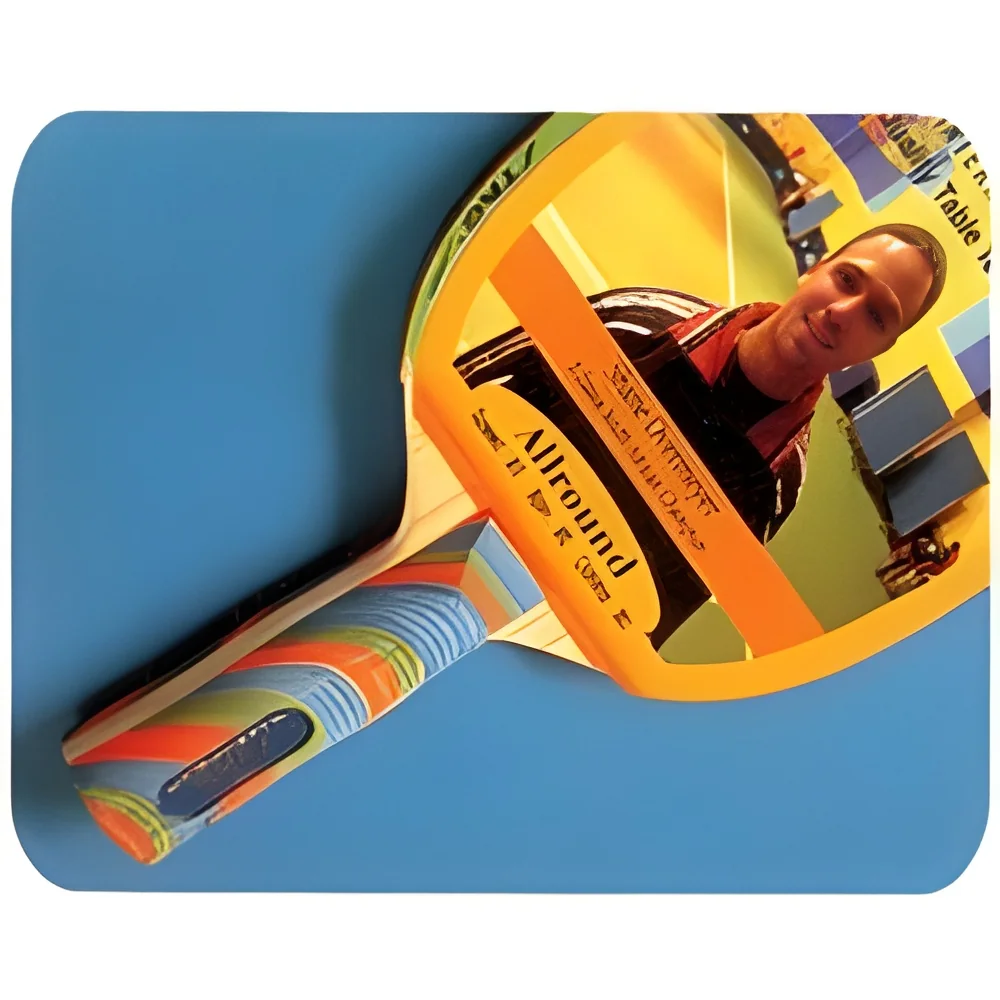
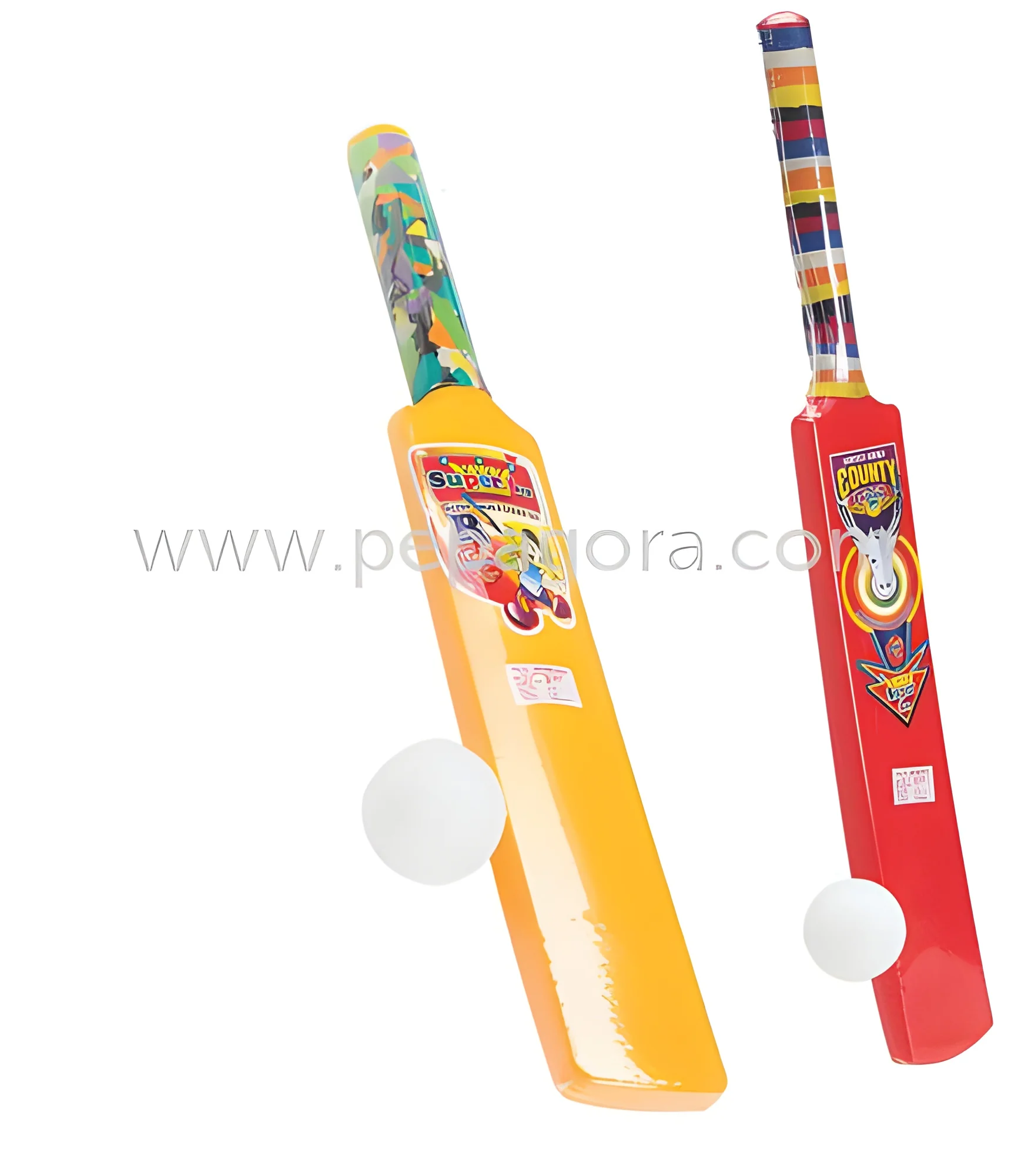
The different types of Sports Equipment include balls (e.g., footballs, basketballs), bats (e.g., cricket bats, baseball bats), rackets (e.g., tennis rackets, badminton rackets), and nets (e.g., volleyball nets, tennis nets). Each type is designed specifically for its respective sport, catering to the unique requirements of gameplay.
How do I choose the right Sports Equipment (Balls, Bats, Rackets, Nets)?
To choose the right Sports Equipment, consider factors such as the sport you are playing, your skill level, and specific requirements of the equipment. Additionally, it’s important to check the material, size, and weight of the equipment to ensure it meets your needs and preferences.
What are the standard specifications for Sports Equipment (Balls, Bats, Rackets, Nets)?
Standard specifications for Sports Equipment vary by type and sport. For example, a cricket bat should comply with the dimensions defined by the International Cricket Council (ICC), while tennis rackets must meet guidelines set by the International Tennis Federation (ITF). Always refer to the sport's governing body for precise specifications.
What is the price range for Sports Equipment (Balls, Bats, Rackets, Nets)?
The price range for Sports Equipment can vary widely based on the type, brand, and quality. Generally, you can find basic equipment starting from a few hundred rupees to high-end professional equipment that can cost several thousand rupees.
What quality standards apply to Sports Equipment (Balls, Bats, Rackets, Nets)?
Quality standards for Sports Equipment are often dictated by international sports federations and organizations. Equipment should be durable, safe for use, and meet performance standards specific to each sport, ensuring that they can withstand regular play and match conditions.
Where can I find Sports Equipment (Balls, Bats, Rackets, Nets) suppliers in India?
You can find Sports Equipment suppliers in India through online B2B marketplaces like Pepagora.com, trade shows, and sports equipment expos. Additionally, local sporting goods stores and manufacturer directories can provide valuable contacts for sourcing equipment.
Can Sports Equipment (Balls, Bats, Rackets, Nets) be customized?
Yes, many manufacturers offer customization options for Sports Equipment. This can include personal branding, specific colors, or modifications to size and material to better suit individual or team preferences.
What is the typical minimum order quantity for Sports Equipment (Balls, Bats, Rackets, Nets)?
The typical minimum order quantity (MOQ) for Sports Equipment varies by supplier and product type, usually ranging from 10 to 100 units. It is advisable to check with individual suppliers for their specific MOQ requirements.
What is the typical lead time for Sports Equipment (Balls, Bats, Rackets, Nets)?
The typical lead time for Sports Equipment can range from a few days to several weeks, depending on the type of equipment, customization requirements, and supplier capabilities. It is best to inquire directly with the supplier for accurate delivery timelines.
Why Businesses Trust Pepagora
Thousands of companies trust Pepagora to source smarter and sell faster
Expand Your Sales Globally

Source Smarter,Grow Faster
