
 IN
Squash Rackets
1 products available
What are Squash Rackets?
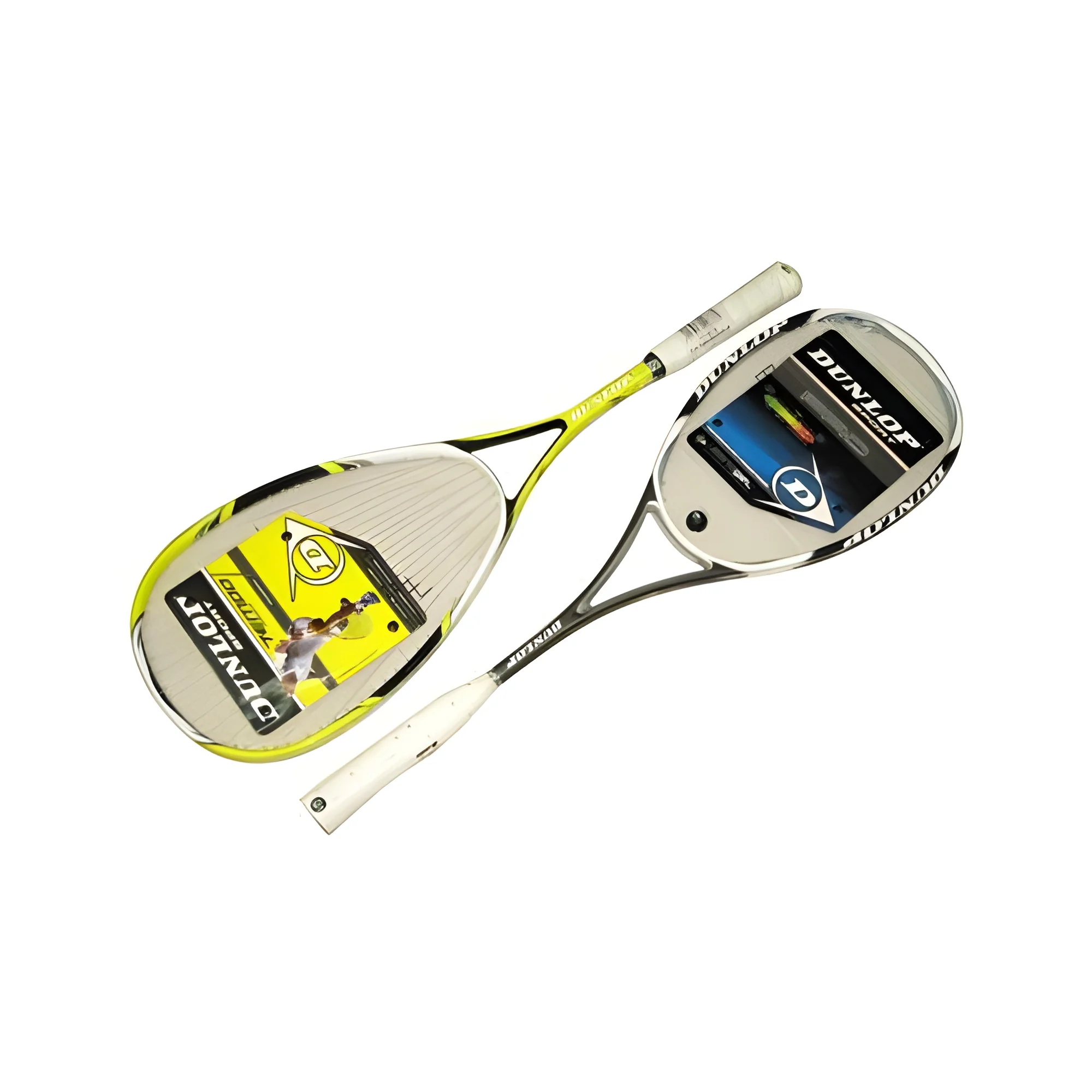
Squash rackets are specialized sports equipment designed for the game of squash, a racquet sport played by two players in a four-walled court. These rackets are lightweight and typically constructed from composite materials, allowing for quick maneuverability and power during gameplay. The design and construction of squash rackets vary to cater to different playing styles, skill levels, and player preferences.
Squash rackets are primarily used in sports facilities, schools, and recreational centers, serving athletes from beginners to advanced players. In a business context, squash rackets are essential for sporting goods retailers, fitness clubs, and sports academies that aim to provide quality equipment to their members. The growing popularity of squash as a competitive sport has led to increased demand, making it a relevant product in the sports equipment market.
The squash racket market is influenced by various factors, including advancements in materials technology, player endorsements, and trends in sports participation. As more people engage in squash, suppliers and manufacturers are adapting their offerings to meet the needs of a diverse clientele, ensuring that players have access to high-performance gear.
Key Features and Specifications
Squash rackets come with a variety of features and specifications that enhance performance and usability. Understanding these specifications is crucial for businesses looking to source the right products for their customers.
Key specifications include:
1. Frame Material
- Typically made from graphite, carbon fiber, or composite materials.
- Offers durability and lightweight handling.
2. Racket Weight
- Ranges between 110 to 160 grams.
- Lighter rackets provide better maneuverability, while heavier options offer more power.
3. Head Size
- Standard head sizes range from 500 to 500 square centimeters.
- Larger heads provide a larger sweet spot for beginners.
4. String Pattern
- Common patterns include 14x18 or 16x18.
- Affects control and power of the racket.
5. Grip Size
- Available in various sizes, typically from 3 to 4 inches in circumference.
- Ensures a comfortable hold for players of different hand sizes.
6. Balance Point
- Can be head-heavy, head-light, or evenly balanced.
- Influences the racket's feel and handling.
7. Flexibility
- Rackets can be flexible or stiff.
- Affects power and control during play.
8. String Type
- Can vary from synthetic gut to multifilament strings.
- Impacts durability and playability.
In summary, selecting a squash racket involves understanding these specifications to ensure proper fit and performance for players.
Common Applications and Use Cases
Squash rackets serve various industries beyond just recreational sports.
1. Fitness Centers: Many gyms and fitness clubs offer squash as part of their sports programs, requiring a range of rackets for members.
2. Schools and Colleges: Educational institutions often include squash in their physical education curricula, necessitating durable and affordable rackets for students.
3. Professional Sports: Competitive squash players at all levels need high-performance rackets tailored to their playing styles and preferences.
4. Sports Retail: Retailers specializing in athletic gear stock a variety of squash rackets to cater to different customer needs.
5. Squash Academies: Training programs for aspiring players require quality equipment to ensure effective coaching and development.
6. Corporate Sports Events: Companies organizing sports events may provide squash rackets for team-building activities, promoting health and wellness among employees.
Product Variants and Subcategories
The diversity of squash rackets allows players to choose equipment that suits their specific needs.
Professional Squash Rackets
These rackets are designed for advanced players, featuring lightweight construction and precision engineering for high performance. They offer enhanced control and power, catering to competitive play.
Recreational Squash Rackets
Targeted at beginners and casual players, these rackets are typically more forgiving and easier to handle. They are often made from durable materials and provide a larger sweet spot for improved playability.
Junior Squash Rackets
Designed for younger players, these rackets are lighter and shorter to accommodate smaller hands and less strength. They help in developing skills and confidence in young athletes.
Benefits and Advantages
Squash rackets offer several key benefits for players and businesses alike.
1. Enhanced Performance: High-quality rackets improve players’ skill levels and game performance, attracting more participants to the sport.
2. Improved Skill Development: Access to the right equipment aids in learning and mastering techniques, making it easier for beginners to progress.
3. Increased Durability: Modern materials ensure that rackets withstand wear and tear, providing long-term value for both players and buyers.
4. Customization Options: Many manufacturers offer customization for branding, allowing businesses to personalize rackets for events or teams.
5. Lightweight Design: The lightweight nature of many squash rackets allows for agile movements, reducing player fatigue during long matches.
6. Versatile Use: Squash rackets can be used for casual play, training, and competitive matches, making them a versatile investment for various contexts.
Buying Guide for B2B Buyers
When sourcing squash rackets, businesses should consider several essential factors.
1. Quality Assessment: Ensure that the rackets meet high standards of construction and materials. Look for certifications and reviews from other buyers to gauge performance.
2. Supplier Verification: Vet suppliers to confirm their credibility and reliability. Investigate their history, customer feedback, and ability to deliver on time.
3. Pricing and MOQ: Understand the pricing structure and minimum order quantities. This can vary significantly based on supplier relationships and product specifications.
4. Delivery and Lead Times: Check the expected delivery schedules and lead times to ensure that products arrive when needed for seasonal demands or events.
5. Compliance Requirements: Familiarize yourself with any industry regulations that may apply to sporting goods, ensuring that sourced products meet necessary standards.
Compliance and Certifications
Squash rackets must adhere to various quality and safety standards to ensure they are safe and effective for use. Relevant certifications include CE marking, which indicates compliance with European health, safety, and environmental protection standards.
Additionally, manufacturers may pursue ISO 9001 certification, which focuses on quality management systems, demonstrating their commitment to delivering high-quality products consistently. Compliance with safety standards ensures that the materials used in rackets do not pose health risks to players.
Regional compliance considerations may vary, so businesses must be aware of the specific certifications required in their target markets. Regular testing and quality checks are essential to maintain compliance and ensure that products remain within safety and performance standards.
Why Source Squash Rackets from Pepagora?
Pepagora provides a trusted platform for sourcing squash rackets with several key advantages.
Verified Supplier Network: Pepagora features a network of verified suppliers, ensuring that businesses can find reputable manufacturers and distributors. This network simplifies the sourcing process and reduces the risk of dealing with unreliable vendors.
Streamlined RFQ Process: The Request for Quotation (RFQ) system on Pepagora allows businesses to easily request pricing and product information from multiple suppliers. This efficient process helps buyers compare offers and make informed decisions quickly.
Trade Assurance and Support: Pepagora offers trade assurance, protecting buyers throughout the transaction process. This feature ensures that businesses receive their products as expected, with support available for any issues that may arise.
Regional Coverage: With a broad geographic reach, including India, GCC, and Southeast Asia, Pepagora connects buyers with suppliers across various regions. This extensive coverage ensures that businesses can source squash rackets that meet local market demands.

Frequently Asked Questions
What are Squash Rackets?
Squash rackets are specialized sports equipment used to play the game of squash. They are typically made of lightweight materials like graphite or composite materials, designed for optimal balance and power.
What are the different types of Squash Rackets?
There are several types of squash rackets, including beginner, intermediate, and advanced models. They vary in terms of weight, head size, and balance, catering to different playing styles and skill levels.
How do I choose the right Squash Rackets?
Choosing the right squash racket depends on your skill level, playing style, and preferences. Consider factors such as weight, grip size, and racket balance to find a model that suits your needs.
What are the standard specifications for Squash Rackets?
Standard specifications for squash rackets include a maximum length of 27 inches, a maximum width of 9.5 inches, and a string tension that varies based on the player's preference. Typically, rackets weigh between 110 to 190 grams.
What is the price range for Squash Rackets?
The price range for squash rackets can vary significantly based on brand and specifications, typically ranging from INR 1,500 to INR 15,000. Entry-level rackets are generally more affordable, while professional-grade models tend to be on the higher end.
What quality standards apply to Squash Rackets?
Quality standards for squash rackets include durability, balance, and string tension retention. Most reputable manufacturers adhere to international sports equipment standards to ensure safety and performance.
Where can I find Squash Rackets suppliers in India?
You can find squash racket suppliers in India through online B2B marketplaces like Pepagora, sports equipment stores, and manufacturers' websites. It is advisable to compare different suppliers to find the best deals.
Can Squash Rackets be customized?
Yes, many manufacturers offer customization options for squash rackets, including personalized grip sizes, colors, and branding. Customization may require minimum order quantities and additional lead times.
What is the typical minimum order quantity for Squash Rackets?
The typical minimum order quantity (MOQ) for squash rackets varies by supplier but generally ranges from 10 to 50 units. It is essential to check with individual suppliers for their specific MOQs.
What is the typical lead time for Squash Rackets?
The typical lead time for squash rackets can vary based on the supplier and order size, usually ranging from 2 to 6 weeks. Custom orders may require additional time for production and shipping.
Why Businesses Trust Pepagora
Thousands of companies trust Pepagora to source smarter and sell faster
Expand Your Sales Globally

Source Smarter,Grow Faster
