
 IN
Tennis Rackets
22 products available
What are Tennis Rackets?
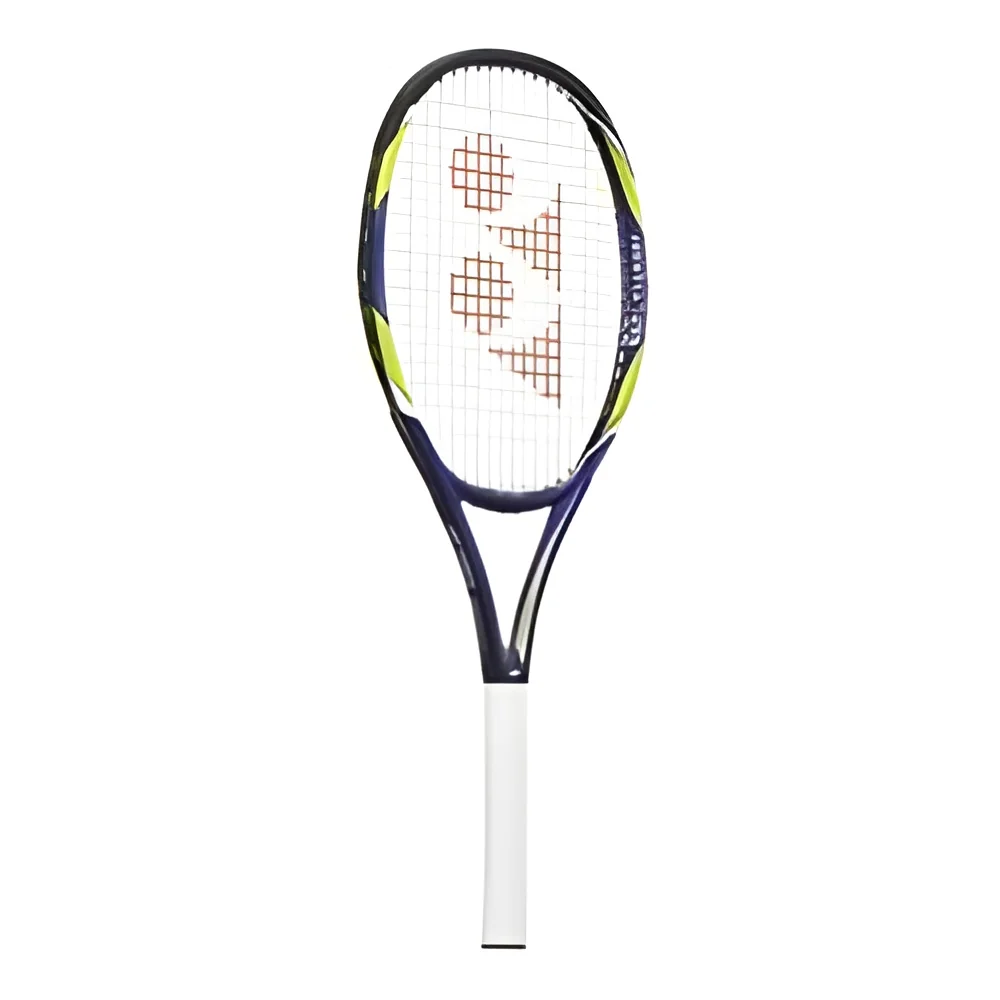
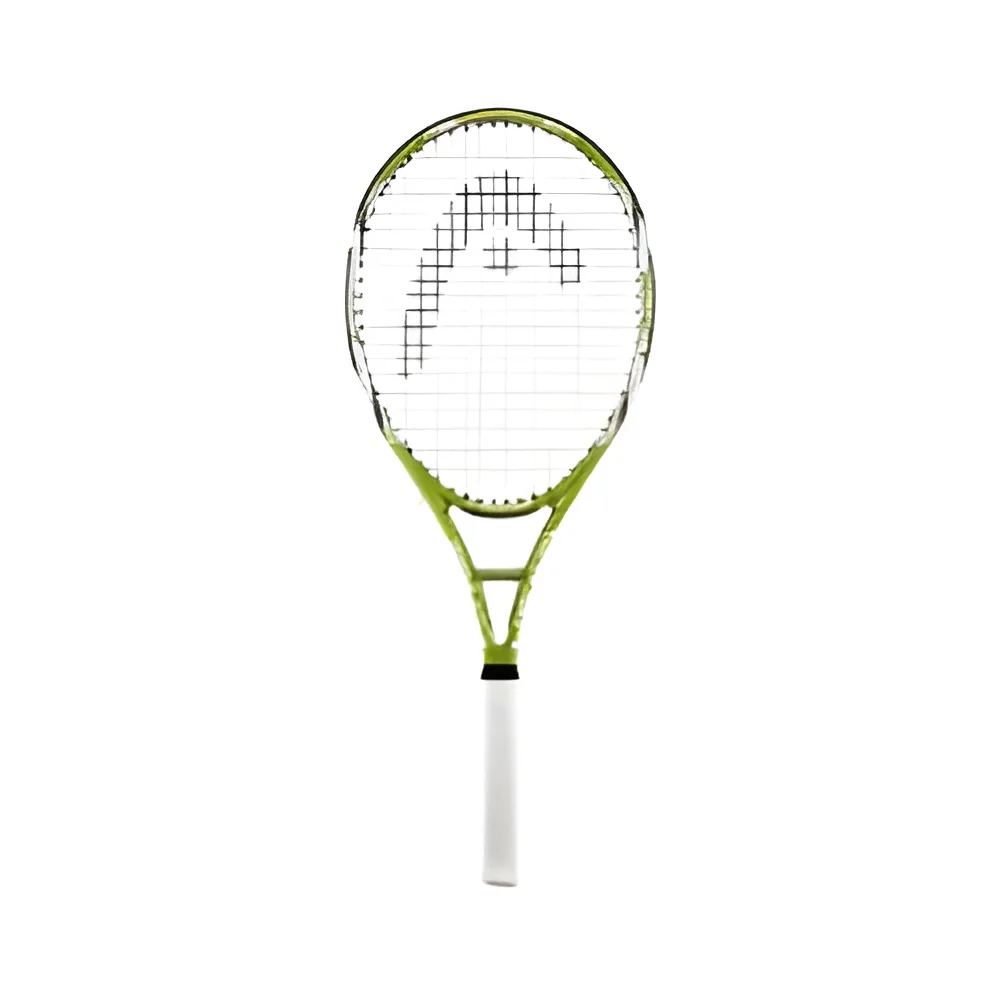
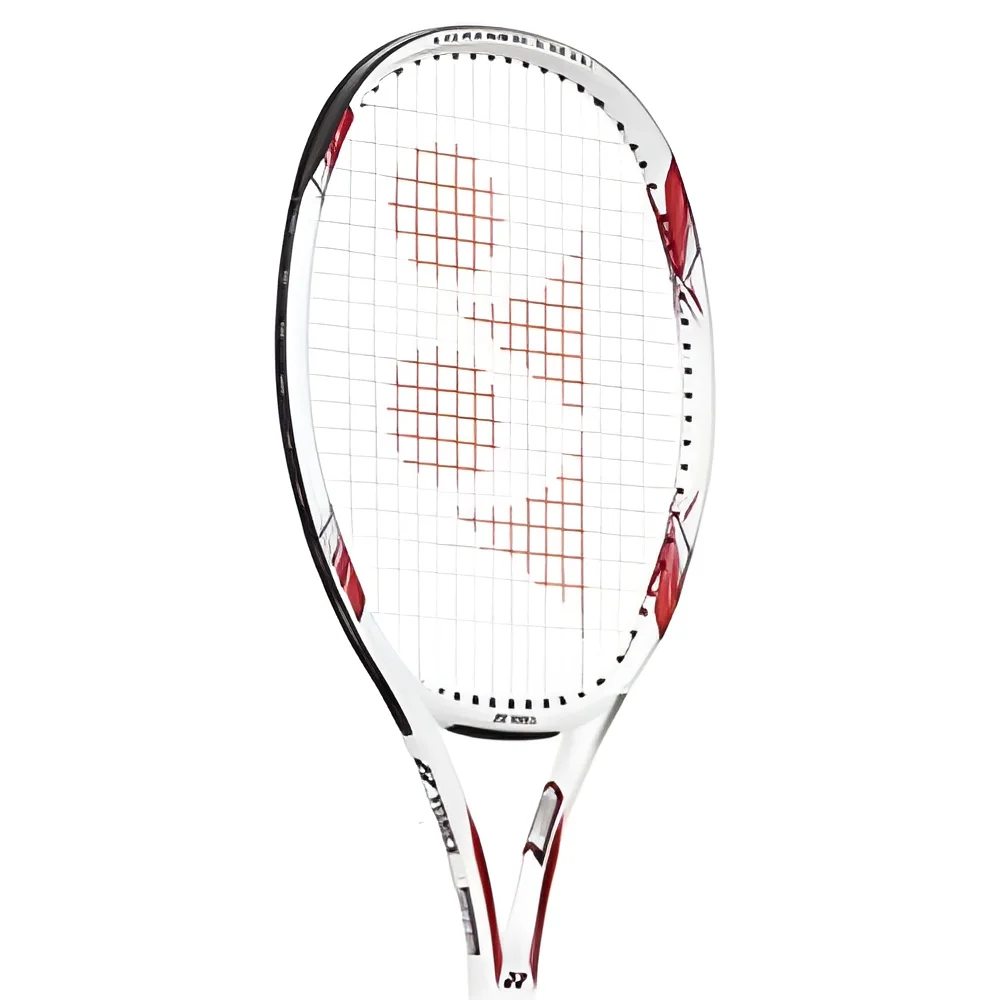
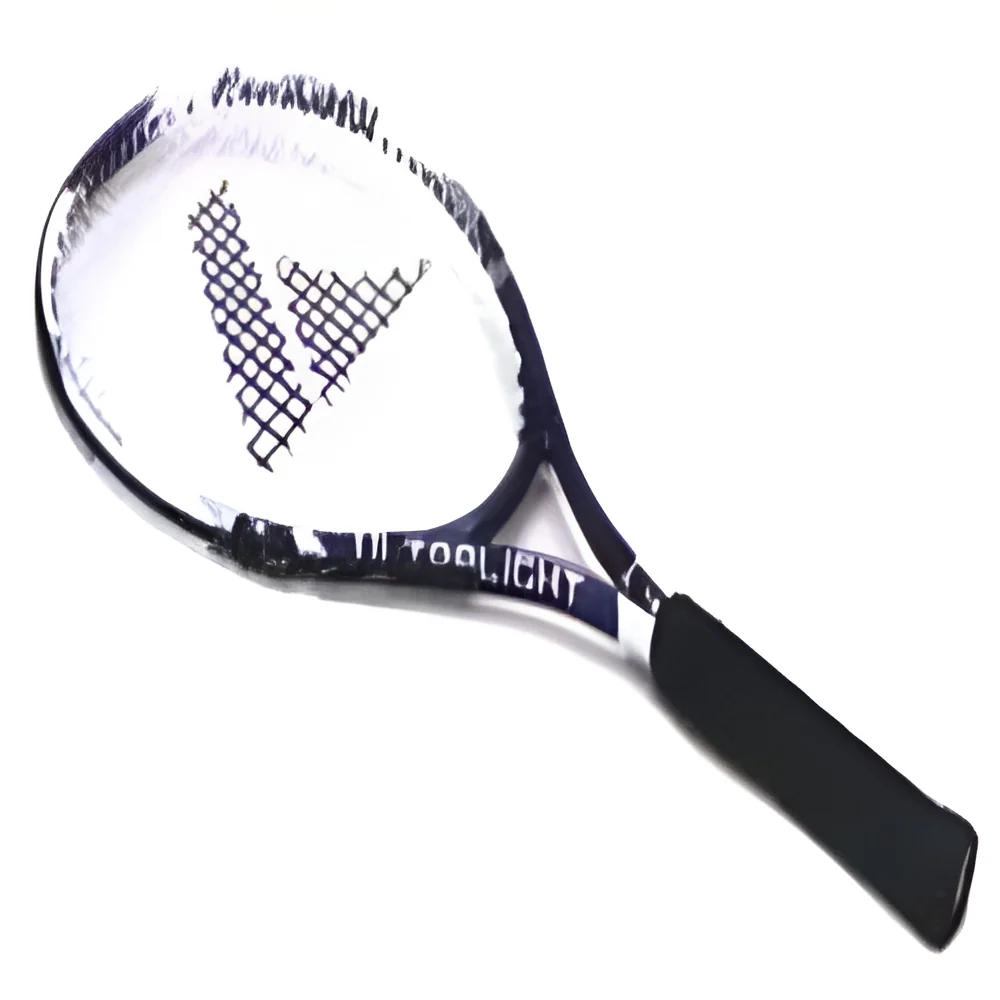
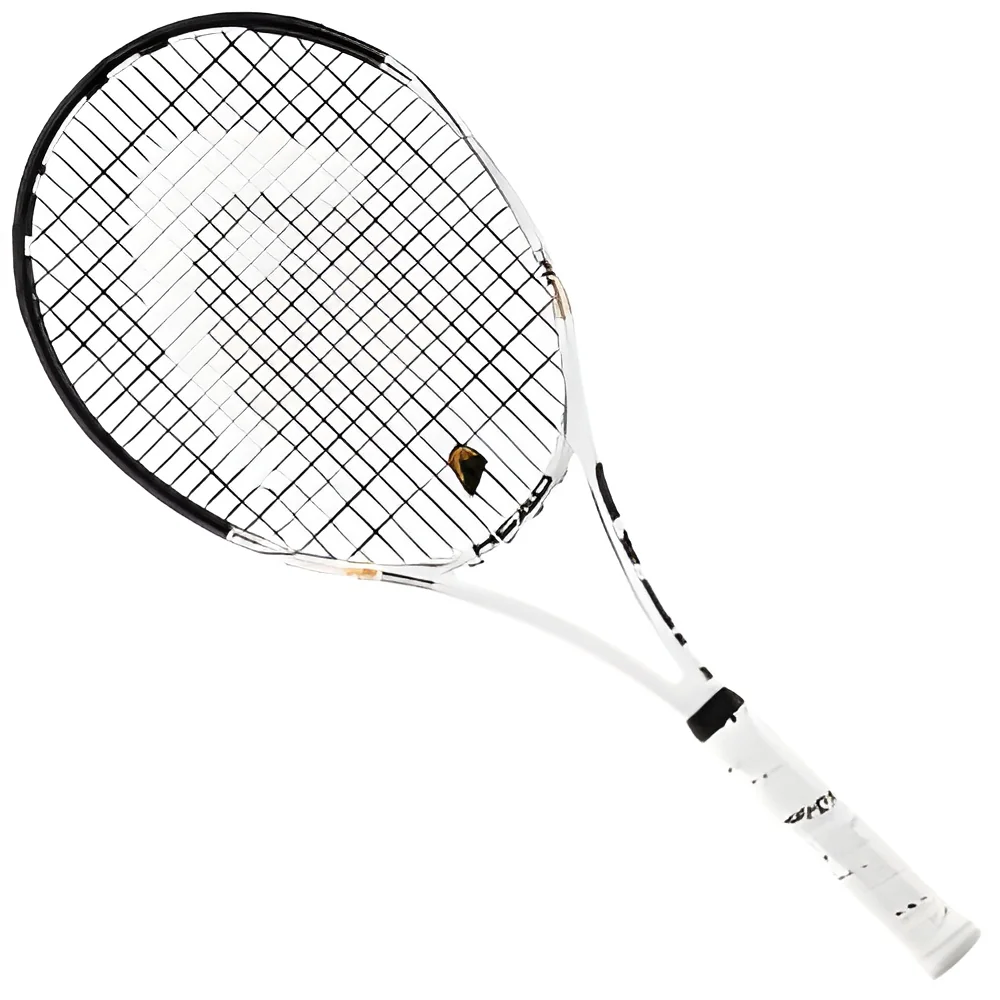
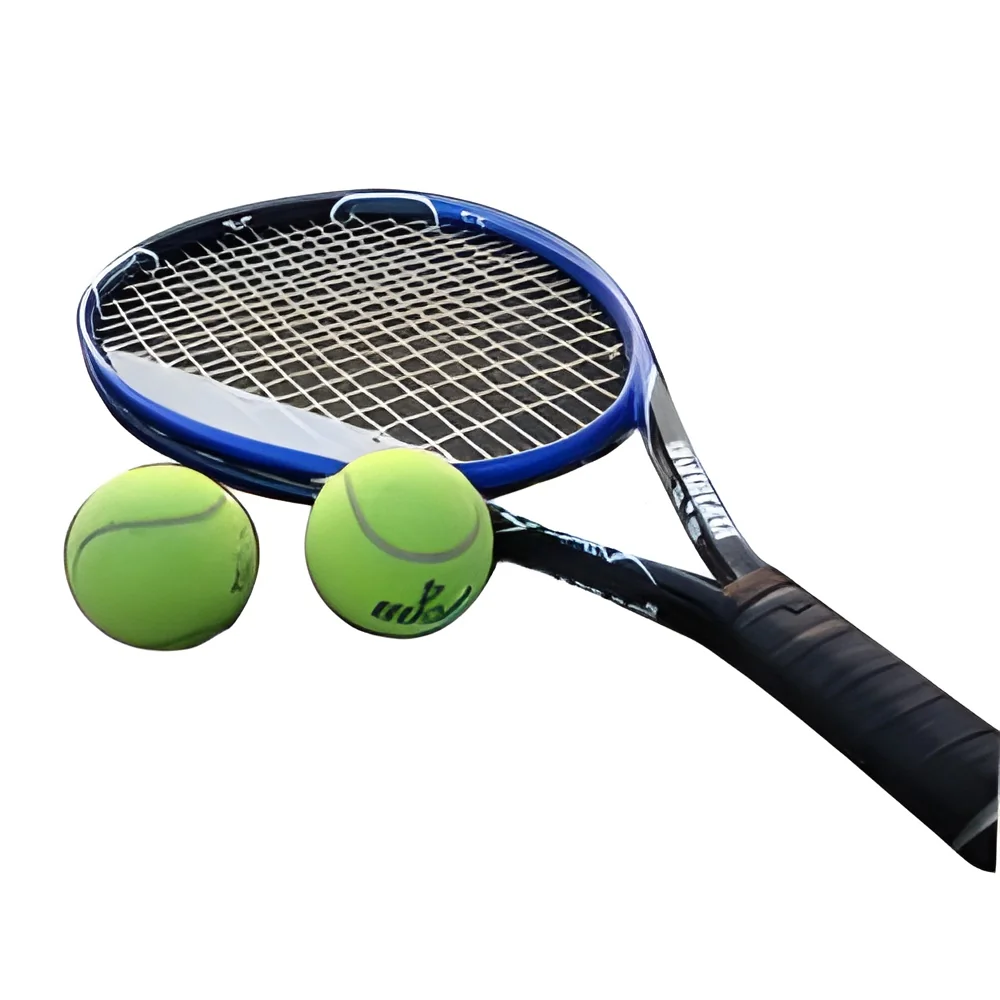
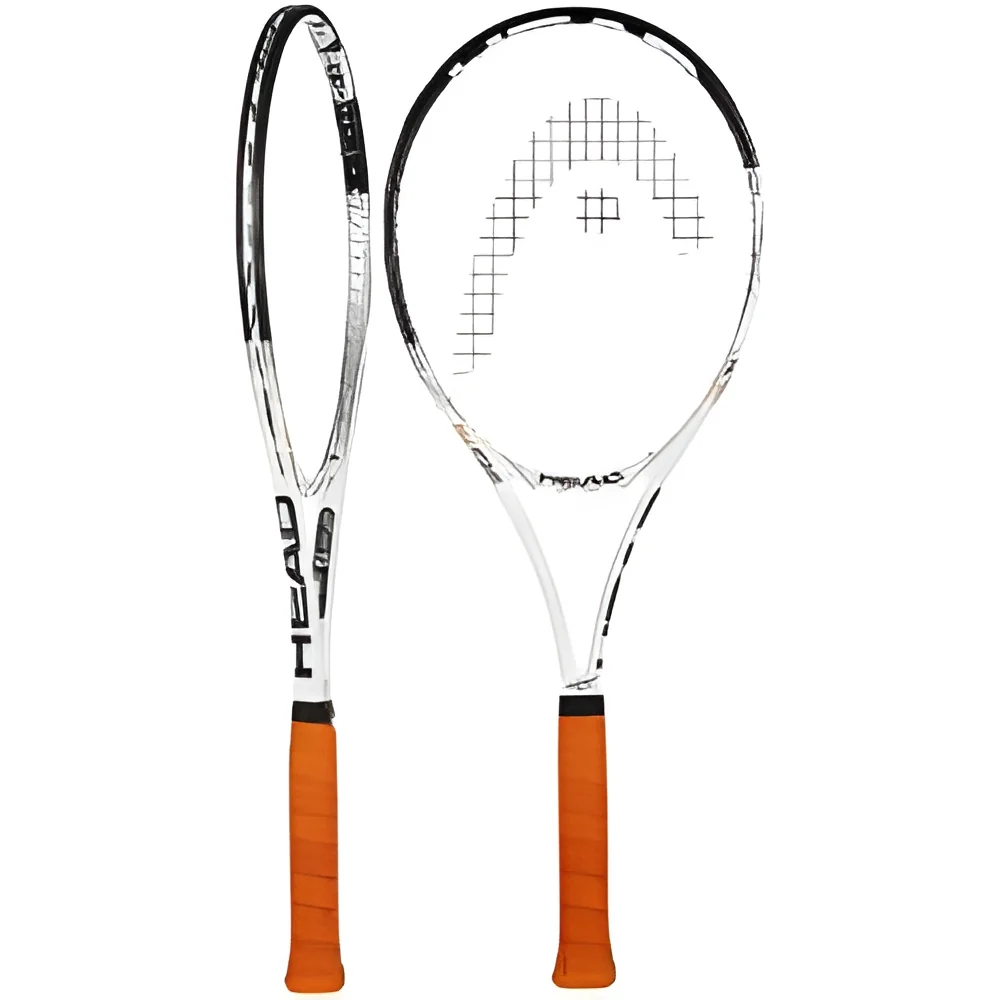
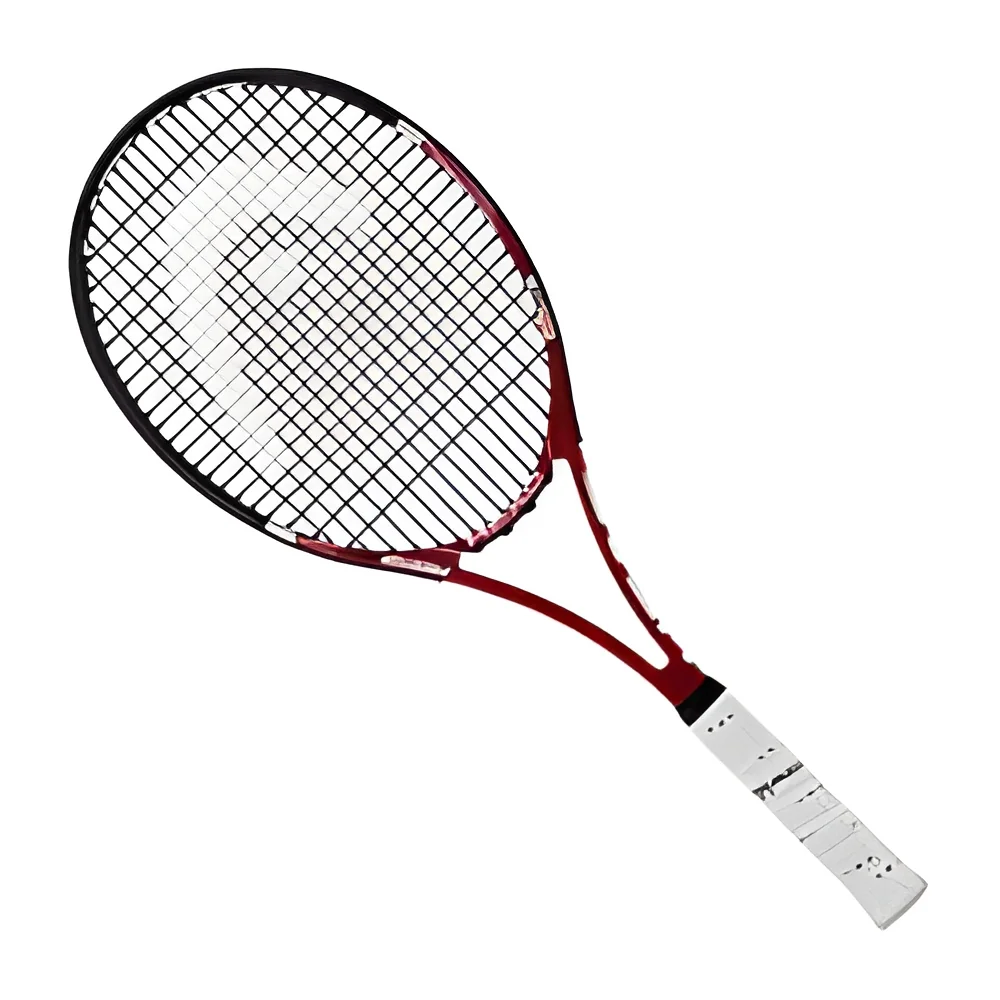
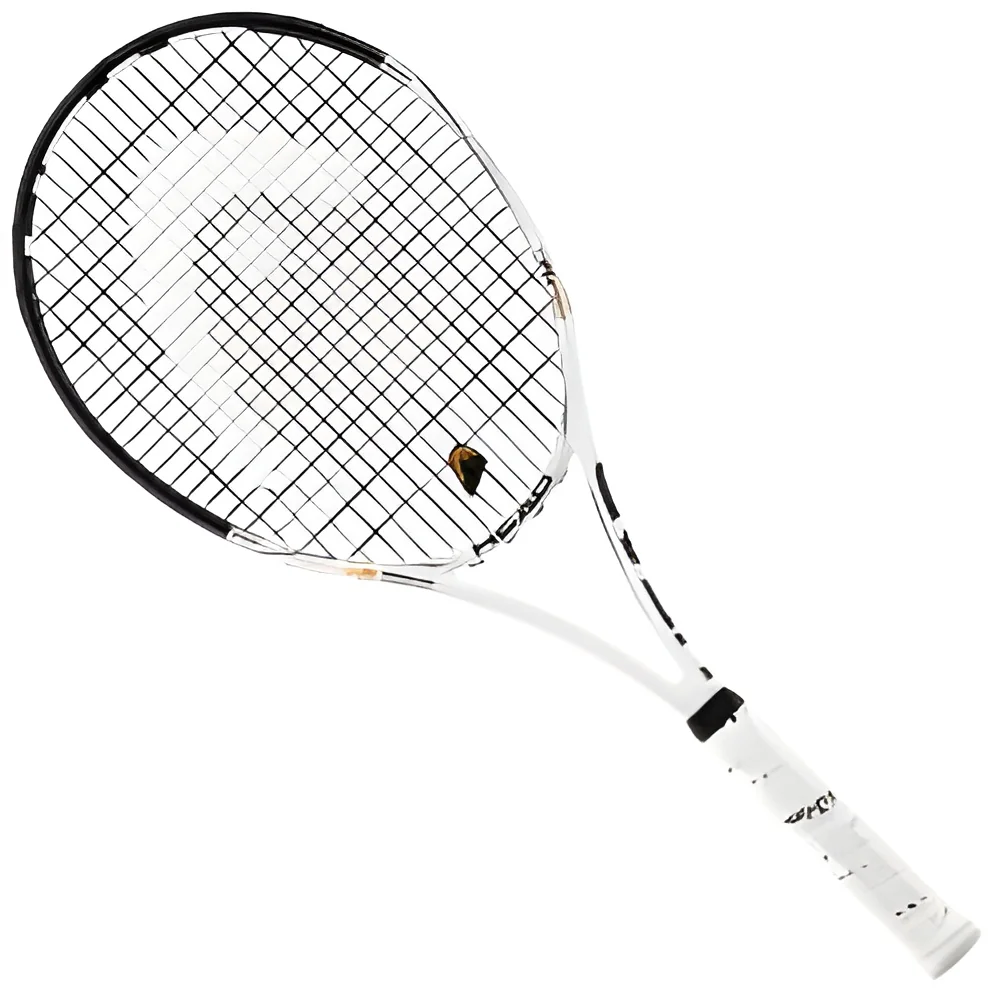
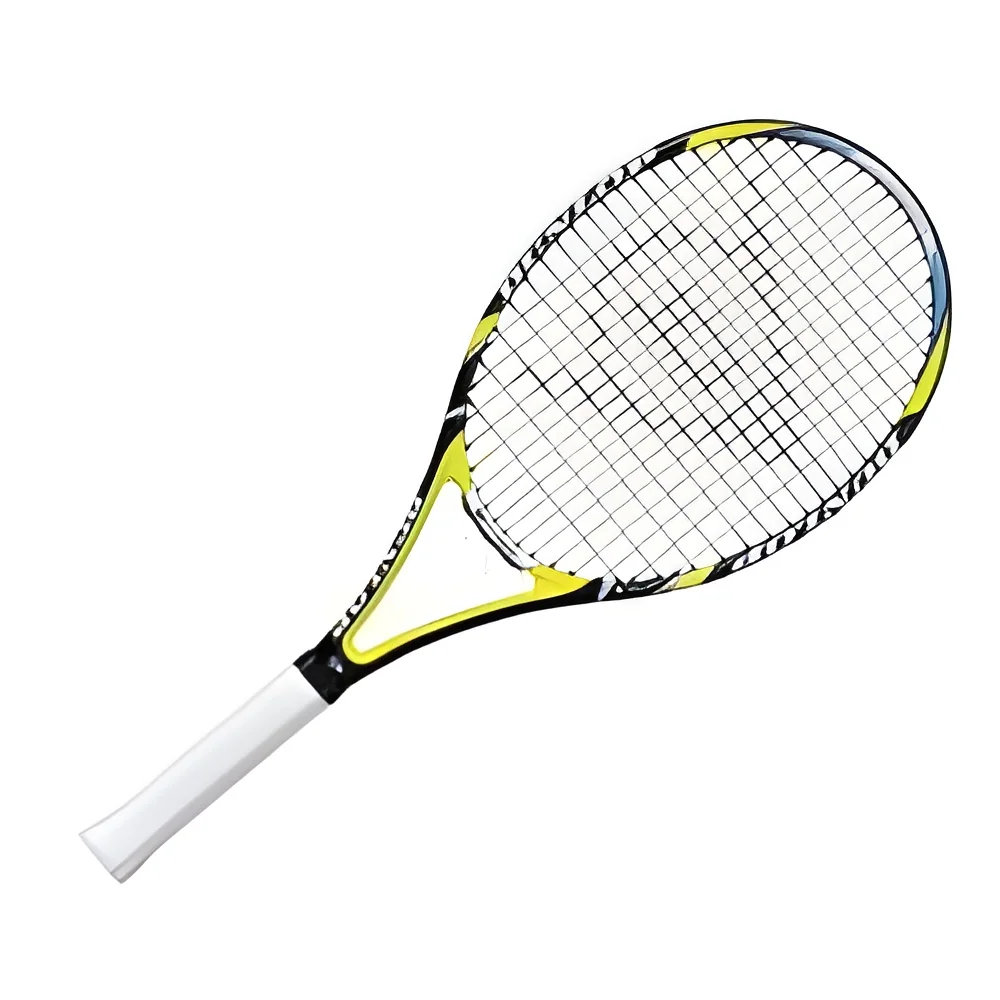
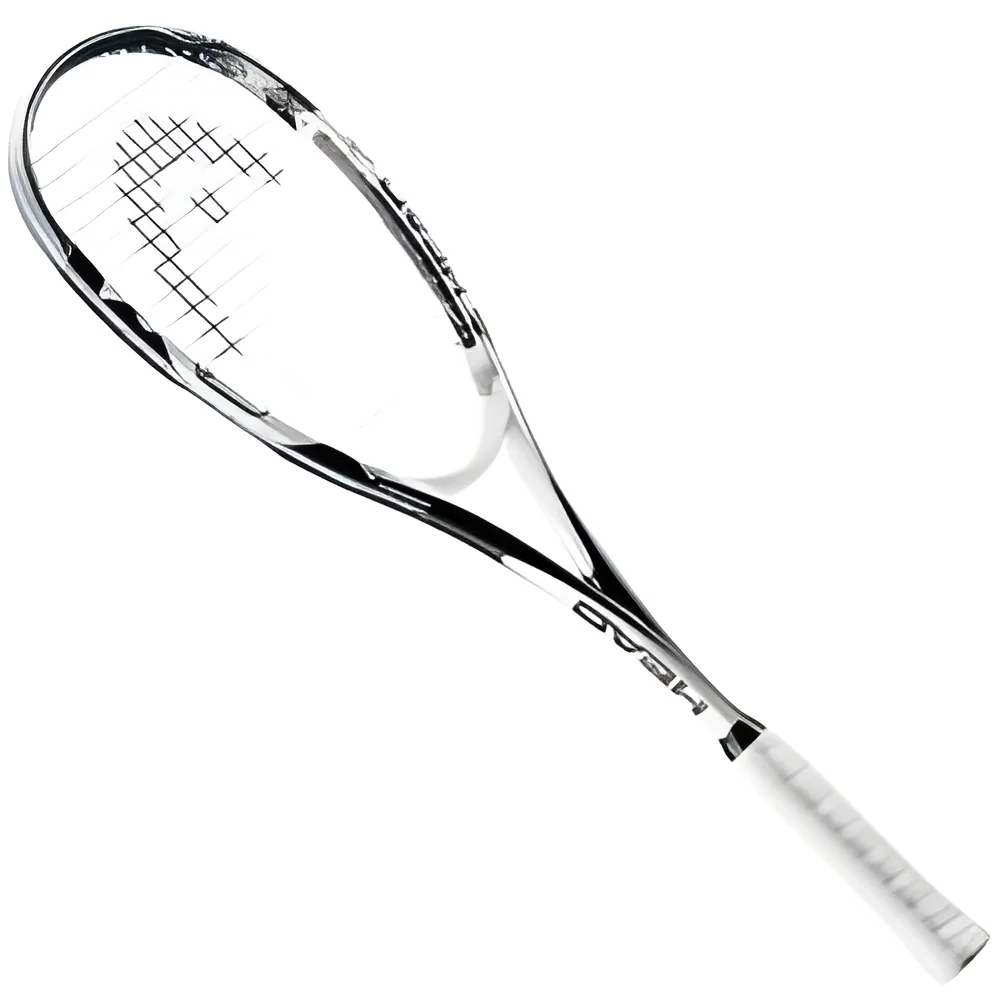
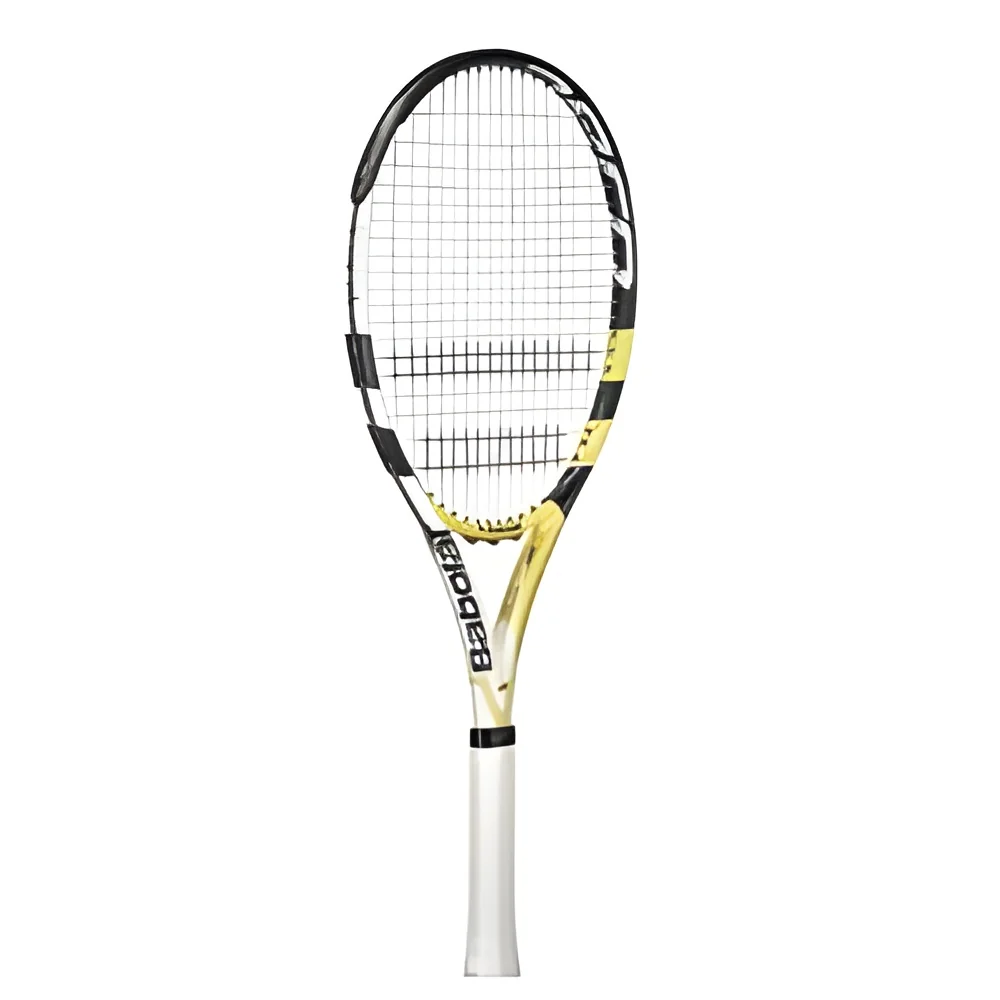
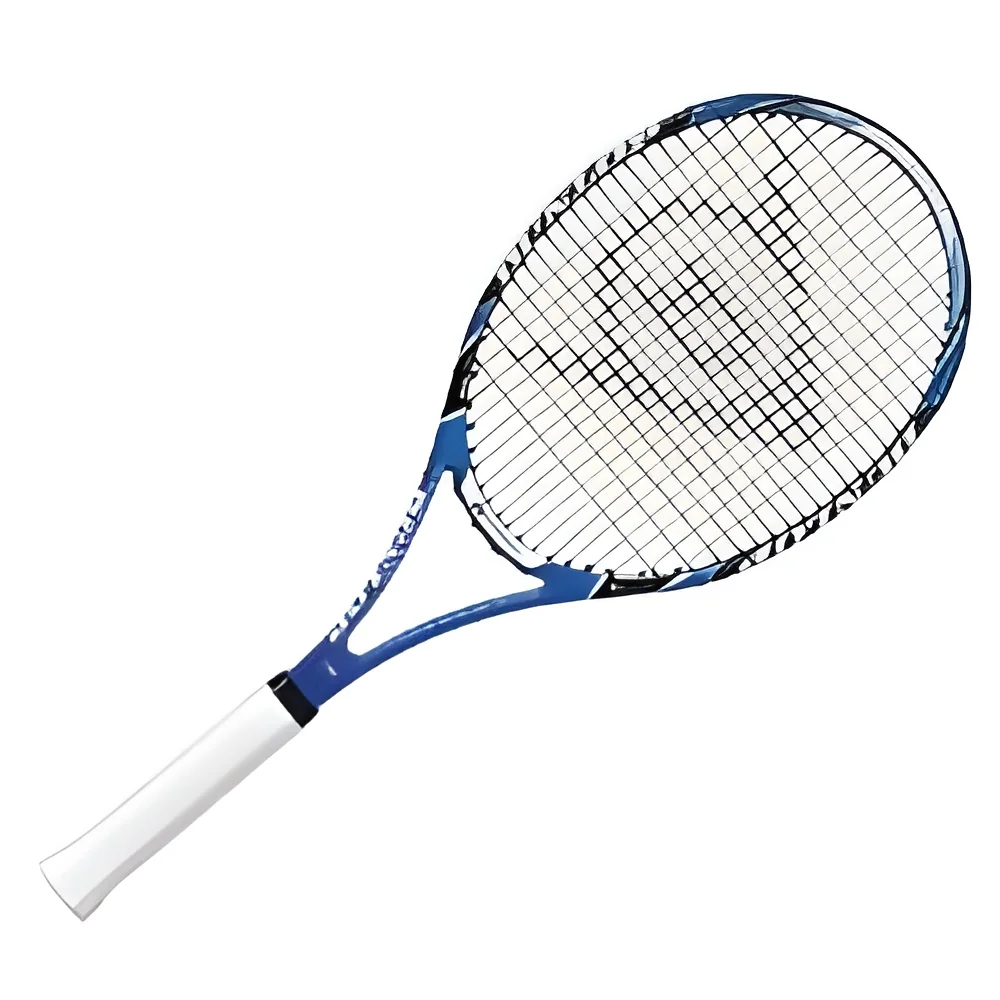
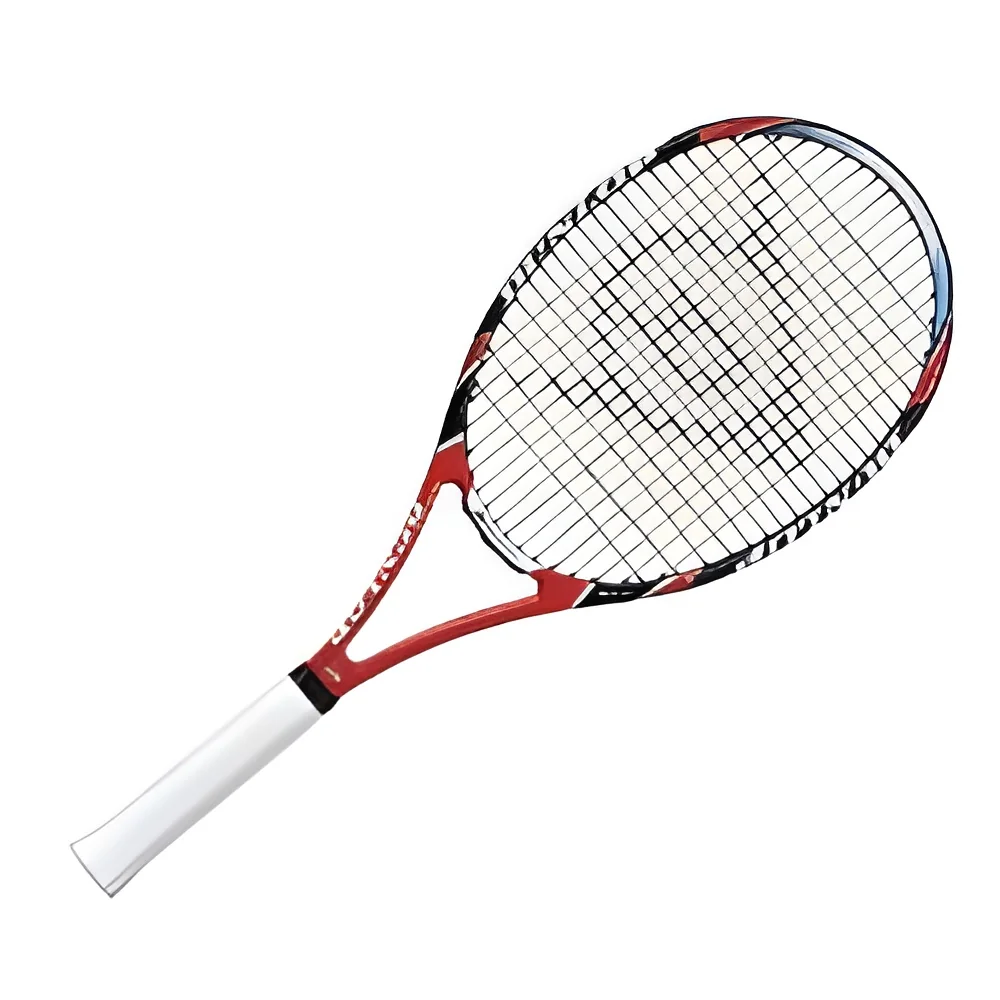
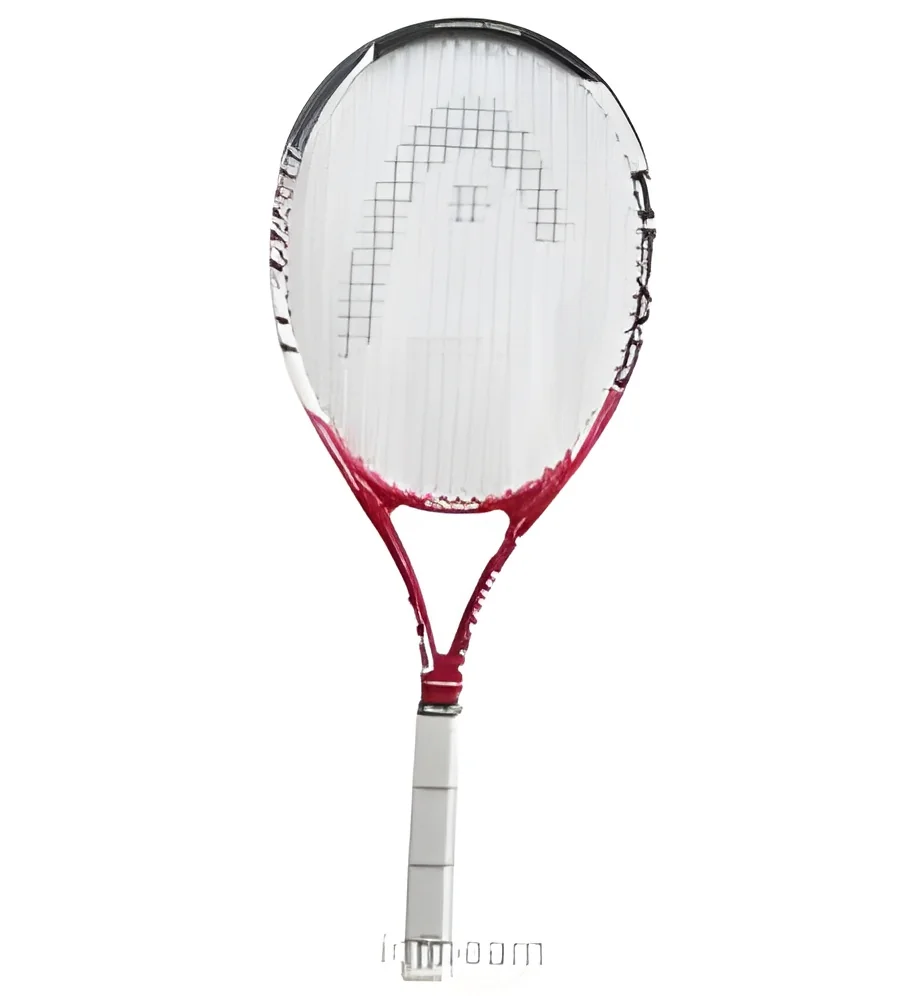
Tennis rackets are essential equipment used in the sport of tennis, designed to strike the ball during play. Typically composed of a handle, frame, and strings, these rackets vary in size, shape, and material based on the player's skill level and playing style. The frame is often made from lightweight materials such as graphite or composite materials, allowing for improved maneuverability and control.
The primary use of tennis rackets is in recreational and competitive matches, making them critical for both amateur and professional players. In the context of business applications, companies that manufacture or distribute tennis rackets cater to sports retailers, clubs, and training academies, providing equipment necessary for training sessions and tournaments. The growing interest in health and fitness has increased demand for quality tennis rackets, leading to a competitive market where innovation and technology play significant roles in product development.
In recent years, the tennis equipment industry has seen steady growth, driven by increased participation in the sport and a surge in tennis-related events globally. With a diverse range of products available, manufacturers continuously strive to meet the evolving needs of players, ensuring that tennis rackets remain relevant in a dynamic sports market.
Key Features and Specifications
Tennis rackets come with a variety of key features and specifications that influence their performance and suitability for different players. These features can greatly affect a player's game, making it essential to understand what to look for when selecting a racket.
Key specifications include:
1. Frame Material
- Commonly made from materials such as graphite, aluminum, or composite.
- Affects durability, weight, and overall performance.
2. String Pattern
- Refers to the arrangement of strings on the racket face.
- Different patterns influence spin, control, and power.
3. Head Size
- Varies from 85 to 135 square inches.
- A larger head size offers a bigger sweet spot for beginners, while smaller sizes provide more precision for advanced players.
4. Weight
- Generally ranges between 260 to 320 grams.
- Heavier rackets offer stability, while lighter options enhance maneuverability.
5. Grip Size
- Standard sizes range from 4 inches to 4 5/8 inches.
- Proper grip size ensures comfort and prevents injuries during play.
6. Balance
- Can be head-heavy, head-light, or evenly balanced.
- Influences swing speed and control.
7. Length
- Standard length is 27 inches.
- Extended lengths can provide additional reach for players.
8. Flexibility
- Measured on a scale from stiff to flexible.
- Affects power and control, with stiffer rackets providing more power and flexible ones offering better touch.
Understanding these specifications helps players choose the right racket tailored to their playing style, enhancing their overall performance on the court.
Common Applications and Use Cases
Tennis rackets serve various industries beyond just recreational use, making them versatile tools in many contexts.
1. Sports Retail: Retailers stock a range of tennis rackets to meet the demands of individual players, offering options for different skill levels and preferences.
2. Tennis Academies: Training facilities use tennis rackets for coaching purposes, providing students with access to high-quality equipment essential for skill development.
3. Event Management: Tournament organizers require a variety of rackets for promotional activities, giveaways, and equipment for players at events.
4. Schools and Universities: Educational institutions often include tennis in their sports programs, necessitating a supply of rackets for students.
5. Health and Fitness Centers: Gyms and fitness clubs may offer tennis as part of their wellness programs, requiring suitable rackets for members.
6. Sports Clubs: Local tennis clubs need a stock of rackets for their members to rent or use during practice sessions.
7. International Competitions: Professional tournaments may have specific requirements for rackets used by players, impacting manufacturing standards and design.
Product Variants and Subcategories
Tennis rackets come in a variety of designs tailored to meet diverse player needs. Each variant offers unique features and benefits.
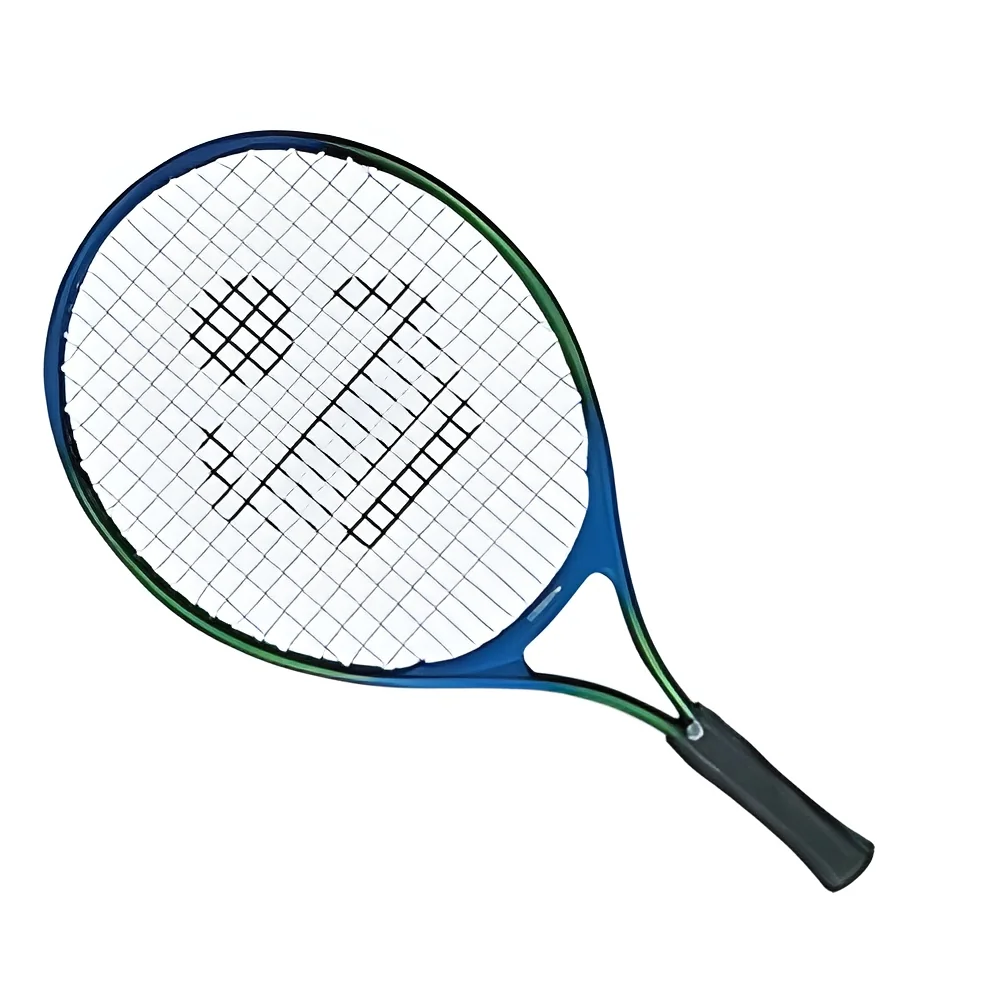
Junior Rackets
These rackets are specifically designed for younger players, generally lighter and shorter to accommodate smaller hands and developing skills. They help in building confidence and technique in young athletes.
Performance Rackets
Targeting advanced players, these rackets emphasize control and precision. They are often heavier and feature tighter string patterns, allowing skilled players to execute complex shots with accuracy.
Recreational Rackets
Ideal for casual players, these rackets focus on comfort and ease of use. They typically have a larger head size and are lighter, making them suitable for beginners looking to enjoy the game without the need for advanced skills.
Hybrid Rackets
Combining features from both performance and recreational rackets, hybrid options cater to a wide range of players. They offer a balance between power and control, making them versatile for various playing styles.
Benefits and Advantages
Choosing the right tennis racket provides several benefits that can enhance a player's game experience.
1. Improved Performance: A well-suited racket can significantly boost a player's performance, providing better control and power on shots.
2. Enhanced Comfort: Selecting the appropriate grip size and weight can reduce strain and fatigue during play, making the game more enjoyable.
3. Skill Development: Quality rackets help players develop their skills, enabling them to practice effectively and improve their overall game.
4. Increased Confidence: Players using a racket that feels good in their hands may experience a boost in confidence, leading to better performance on the court.
5. Versatility: With various options available, players can choose rackets that match their evolving skills and playing styles, ensuring they are always equipped for success.
6. Durability: High-quality materials and construction contribute to the longevity of rackets, providing a cost-effective investment over time.
Buying Guide for B2B Buyers
When sourcing tennis rackets for business purposes, several factors should be considered to ensure quality and satisfaction.
1. Quality Assessment: Inspect rackets for build quality, material durability, and performance characteristics. Test samples when possible to evaluate their performance firsthand.
2. Supplier Verification: Conduct thorough research on potential suppliers. Check for industry reputation, customer reviews, and certifications to ensure reliability.
3. Pricing and MOQ: Understand the price ranges and minimum order quantities offered by suppliers. Look for competitive pricing without compromising on quality.
4. Delivery and Lead Times: Confirm the supplier's ability to meet your delivery needs. Timely delivery is crucial for maintaining inventory and meeting customer demand.
5. Compliance Requirements: Be aware of any regulatory standards and safety certifications relevant to your region. Ensure that the products comply with necessary industry standards.
Compliance and Certifications
In the manufacturing of tennis rackets, compliance with quality standards and certifications is paramount. Relevant standards such as ISO 9001 ensure that products meet quality management requirements, enhancing customer satisfaction and operational efficiency.
Industry certifications like CE indicate that the products conform to health, safety, and environmental protection standards set by the European Union. Meeting these standards is essential for gaining access to various markets and ensuring customer trust.
Additionally, manufacturers should adhere to safety and testing requirements to confirm that their products are safe for use. Regular testing helps identify potential risks and ensures that rackets perform reliably under various conditions.
Regional compliance considerations may vary depending on the market. Understanding specific regulations in target regions helps manufacturers and suppliers navigate legal requirements effectively.
Why Source Tennis Rackets from Pepagora?
Pepagora provides a trusted platform for sourcing tennis rackets with several key advantages that benefit B2B buyers.
Verified Supplier Network: Pepagora connects buyers with verified suppliers, ensuring that all listed manufacturers have undergone thorough vetting. This process guarantees that buyers can find reliable partners for their sourcing needs.
Streamlined RFQ Process: The platform offers a user-friendly Request for Quotation (RFQ) system, making it easy for buyers to request pricing and product information from multiple suppliers. This efficiency helps businesses make informed purchasing decisions quickly.
Trade Assurance and Support: Pepagora prioritizes buyer protection with trade assurance features. This includes support for resolving disputes and ensuring that suppliers fulfill their commitments, providing peace of mind for buyers.
Regional Coverage: With a wide geographic reach across India, the GCC, and Southeast Asia, Pepagora helps businesses connect with suppliers in crucial markets. This regional coverage facilitates efficient sourcing and distribution of tennis rackets tailored to local preferences and demands.

Frequently Asked Questions
What are Tennis Rackets?
Tennis rackets are sports equipment used to strike a tennis ball during play. They consist of a handle, a frame, and a stringed area, which is used to hit the ball. Rackets come in various sizes, weights, and materials, tailored to different playing styles.
What are the different types of Tennis Rackets?
There are several types of tennis rackets, including power rackets, control rackets, and tweener rackets. Power rackets are typically lightweight and designed for beginners, while control rackets offer more precision for advanced players. Tweener rackets balance power and control, suitable for a wide range of players.
How do I choose the right Tennis Rackets?
Choosing the right tennis racket involves considering factors such as your skill level, playing style, and physical attributes. Beginners may prefer lighter rackets with larger head sizes for more forgiveness, while advanced players might opt for heavier rackets with a smaller head for better control. It's advisable to test several rackets before making a purchase.
What are the standard specifications for Tennis Rackets?
Standard specifications for tennis rackets include weight, balance, head size, and string pattern. Most rackets weigh between 260 to 320 grams, while head sizes can range from 85 to 135 square inches. The string pattern can vary, impacting spin and control, with common patterns including 16x19 and 18x20.
What is the price range for Tennis Rackets?
The price range for tennis rackets can vary significantly based on brand, materials, and technology. Entry-level rackets typically start around ₹2,000, while high-end models can exceed ₹20,000. Average mid-range rackets are generally priced between ₹5,000 and ₹10,000.
What quality standards apply to Tennis Rackets?
Quality standards for tennis rackets often include material durability, string tension consistency, and overall construction integrity. Rackets are typically tested for performance metrics such as balance and stiffness. Many reputable manufacturers adhere to international standards to ensure product reliability.
Where can I find Tennis Rackets suppliers in India?
You can find tennis racket suppliers in India through various B2B marketplaces, trade shows, and sporting goods fairs. Online platforms like Pepagora offer a comprehensive directory of manufacturers and suppliers. Additionally, local sporting goods stores may also provide leads to reliable suppliers.
Can Tennis Rackets be customized?
Yes, many manufacturers offer customization options for tennis rackets. This can include personalized string types, grip sizes, and even branding or color choices. Customization allows players to tailor the racket to their specific preferences and playing styles.
What is the typical minimum order quantity for Tennis Rackets?
The minimum order quantity (MOQ) for tennis rackets can vary by supplier, typically ranging from 10 to 50 units. Bulk orders often lead to better pricing and availability. It's advisable to consult with suppliers directly to determine their specific MOQ requirements.
What is the typical lead time for Tennis Rackets?
The typical lead time for tennis rackets can vary based on the supplier and order size, usually ranging from 2 to 6 weeks. Custom orders may require additional time for production. It's recommended to discuss lead times with suppliers during the ordering process.
Why Businesses Trust Pepagora
Thousands of companies trust Pepagora to source smarter and sell faster
Expand Your Sales Globally

Source Smarter,Grow Faster
