
 IN
Badminton Rackets
4 products available
What are Badminton Rackets?
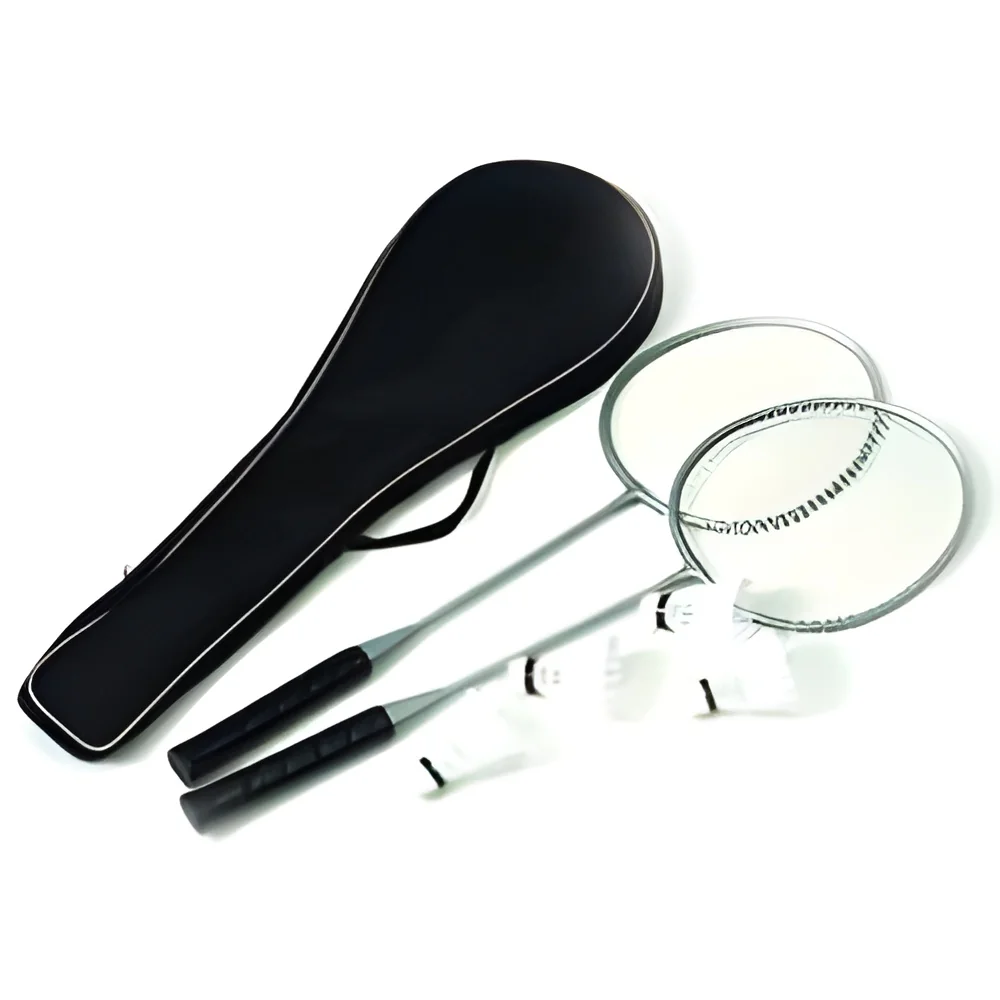
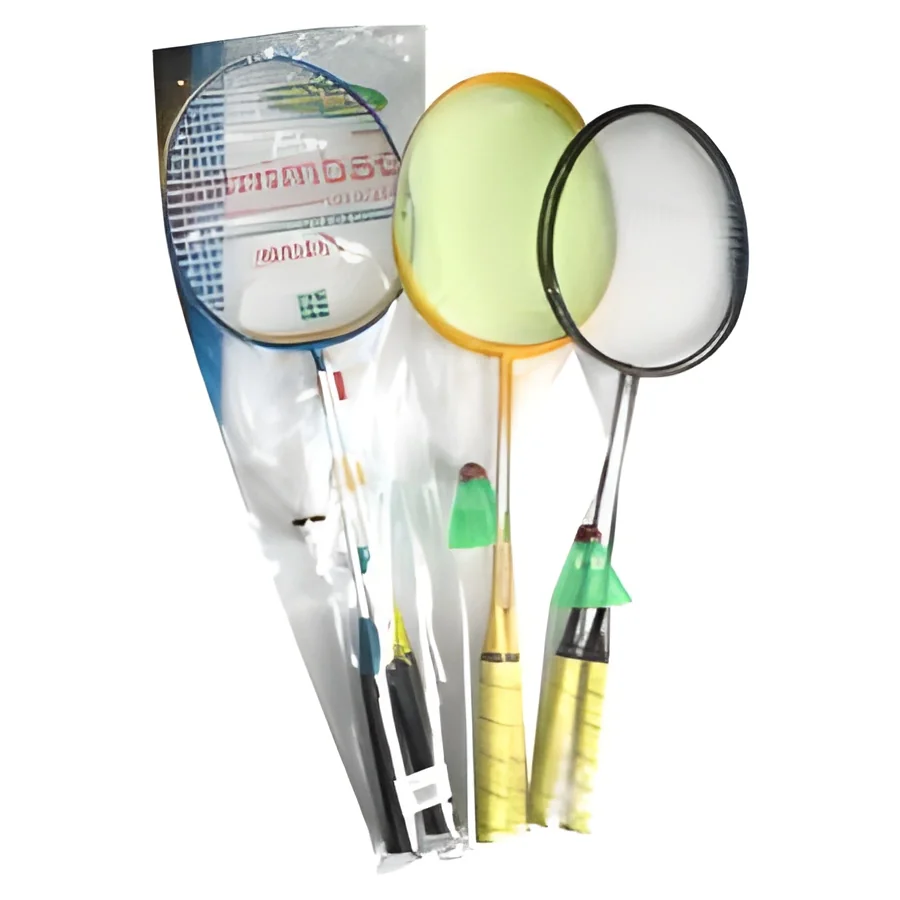
Badminton rackets are specialized equipment designed for playing the sport of badminton. These rackets are typically lightweight and constructed from materials such as graphite, aluminum, or composite materials, which provide strength and flexibility. The design of badminton rackets includes a long handle and a head with a stringed area, allowing players to hit a shuttlecock with precision and power. Their design and construction are optimized for performance, making them essential tools for both amateur and professional players.
The primary uses of badminton rackets extend beyond recreational play. They are utilized in competitive settings, including local tournaments, national championships, and international competitions. Businesses involved in sporting goods retail, sports academies, and schools often require a variety of badminton rackets to cater to different player skills and preferences. The badminton racket market is influenced by trends in sports participation, fitness awareness, and advancements in materials technology, making it a dynamic segment within the broader sports equipment industry.
Key Features and Specifications
Badminton rackets come equipped with several key features that enhance performance and player experience. Understanding these specifications is crucial for businesses looking to purchase the right equipment for their needs.
Key specifications include:
1. Weight
- Rackets typically weigh between 70 and 100 grams.
- The weight affects maneuverability and swing speed.
2. Balance Point
- Balance points vary from head-heavy to head-light configurations.
- The balance influences control and power during play.
3. Grip Size
- Available in different sizes to accommodate player comfort.
- Common sizes range from G4 to G5.
4. Shaft Flexibility
- Flexibility levels include stiff, medium, and flexible options.
- Affects the racket’s response during shots.
5. String Tension
- Ranges from 20 to 30 pounds, impacting power and control.
- Higher tension offers more control but less power.
6. Material
- Common materials include carbon fiber and aluminum.
- Affects durability and performance characteristics.
7. Frame Shape
- Rackets can have an isometric or oval frame shape.
- Determines the sweet spot and playability.
8. String Type
- Options include nylon, polyester, or natural gut.
- Each type provides different durability and feel.
In summary, selecting the right badminton racket involves considering various specifications that cater to the player's style and needs.
Common Applications and Use Cases
Badminton rackets find applications across multiple industries, demonstrating their versatility and importance in sporting activities.
1. Sports Retail: Retailers selling sporting goods stock a range of badminton rackets to meet the demands of casual and serious players.
2. Educational Institutions: Schools and universities often incorporate badminton into their physical education programs, necessitating a selection of rackets for students.
3. Athletic Training Facilities: Training centers for athletes use badminton rackets to improve agility and hand-eye coordination.
4. Professional Sports: Competitive badminton players require high-quality rackets that enhance their performance during matches.
5. Leisure and Community Centers: Local community centers provide badminton facilities and require rackets for recreational players.
Product Variants and Subcategories
Badminton rackets come in various designs, catering to different player preferences and skill levels.
Beginner Rackets
Beginner rackets are designed for new players, featuring lightweight construction and larger head sizes for improved hitting accuracy. They usually have a flexible shaft, which helps in generating power with less effort.
Intermediate Rackets
Intermediate rackets offer a balance between power and control, suitable for players looking to enhance their skills. These rackets often feature a medium flex shaft and a slightly reduced weight for improved maneuverability.
Advanced Rackets
Advanced rackets are engineered for competitive players, emphasizing precision and performance. They typically feature a stiff shaft and are made from high-end materials, allowing for maximum power and control during gameplay.
Benefits and Advantages
Choosing the right badminton racket offers numerous benefits for players and businesses alike.
1. Enhanced Performance: A well-selected racket can significantly improve a player's game, providing better control and power.
2. Increased Comfort: Rackets designed with ergonomic grips minimize hand fatigue, allowing for extended play without discomfort.
3. Improved Durability: High-quality materials ensure that rackets withstand the rigors of frequent use, offering long-term value.
4. Tailored Options: With various specifications available, businesses can cater to different player needs and preferences, enhancing customer satisfaction.
5. Brand Reputation: Offering top-notch badminton rackets can enhance a retailer's reputation within the sporting community, attracting more customers.
Buying Guide for B2B Buyers
When sourcing badminton rackets for business purposes, several factors should be taken into consideration.
1. Quality Assessment: Evaluate the quality of rackets by examining materials, construction, and brand reputation. High-quality rackets will provide better performance and durability.
2. Supplier Verification: Vet suppliers thoroughly to ensure they offer reliable products. Look for established companies with positive reviews and certifications.
3. Pricing and MOQ: Understand pricing structures and minimum order quantities (MOQ) to ensure that the purchase aligns with budgetary constraints and inventory needs.
4. Delivery and Lead Times: Assess suppliers' logistics capabilities to ensure timely delivery of rackets, especially for bulk orders.
5. Compliance Requirements: Familiarize yourself with any regional compliance standards, such as safety and quality certifications like CE, to ensure that products meet industry regulations.
Compliance and Certifications
Compliance and certifications play a critical role in ensuring the quality and safety of badminton rackets.
Relevant quality standards, such as ISO 9001, ensure that manufacturers maintain consistent quality management systems. Adherence to these standards reflects a commitment to producing reliable products.
Industry certifications, including CE, indicate that the products meet European safety and health requirements. This certification is crucial for businesses looking to sell rackets within the European market.
Safety and testing requirements must also be observed to ensure that products are safe for users. This includes testing for material durability and performance under typical playing conditions.
Regional compliance considerations may vary, so businesses should be aware of local regulations that could affect the sale and use of badminton rackets.
Why Source Badminton Rackets from Pepagora?
Pepagora provides a trusted platform for sourcing badminton rackets, offering several key advantages that benefit businesses.
Verified Supplier Network: Pepagora features a network of verified suppliers, ensuring that buyers have access to quality products from reputable manufacturers. This verification process helps mitigate risks associated with sourcing.
Streamlined RFQ Process: The platform offers a streamlined Request for Quotation (RFQ) process, making it easy for buyers to obtain competitive quotes from multiple suppliers. This efficiency saves time and facilitates informed purchasing decisions.
Trade Assurance and Support: Pepagora provides trade assurance and support, protecting buyers against potential risks associated with online transactions. This assurance fosters confidence in sourcing decisions.
Regional Coverage: With a strong presence in markets across India, the GCC, and Southeast Asia, Pepagora enables businesses to reach diverse suppliers and explore various product options that meet their specific requirements.
By sourcing badminton rackets through Pepagora, businesses can ensure they receive high-quality products while benefiting from a reliable and efficient procurement process.

Frequently Asked Questions
What are Badminton Rackets?
Badminton rackets are lightweight sporting equipment used to hit shuttlecocks in the game of badminton. They typically consist of a frame, strings, and a handle, designed for both recreational and competitive play.
What are the different types of Badminton Rackets?
There are several types of badminton rackets, including recreational, intermediate, and professional rackets. Each type varies in weight, balance, and string tension, catering to different playing styles and skill levels.
How do I choose the right Badminton Rackets?
Choosing the right badminton racket depends on factors such as your skill level, playing style, and physical attributes. Consider the racket's weight, grip size, and balance type to find one that suits your needs.
What are the standard specifications for Badminton Rackets?
Standard specifications for badminton rackets include the frame weight, which typically ranges from 70 to 100 grams, and the grip size, which can vary from G1 to G5. String tension is also important, as it affects the racket's performance.
What is the price range for Badminton Rackets?
The price range for badminton rackets can vary significantly based on brand and quality, typically from INR 500 to INR 20,000 or more. Entry-level rackets are more affordable, while professional-grade rackets tend to be on the higher end of the scale.
What quality standards apply to Badminton Rackets?
Badminton rackets are often subject to quality standards set by organizations like the Badminton World Federation (BWF). These standards ensure that rackets meet specific criteria for performance, durability, and safety.
Where can I find Badminton Rackets suppliers in India?
You can find badminton racket suppliers in India through B2B marketplaces like Pepagora.com, local sports equipment stores, and online retailers. It's advisable to check supplier credentials and customer reviews before making a purchase.
Can Badminton Rackets be customized?
Yes, badminton rackets can be customized in terms of design, grip size, and string tension. Many manufacturers offer customization options to meet the specific preferences and requirements of players.
What is the typical minimum order quantity for Badminton Rackets?
The typical minimum order quantity (MOQ) for badminton rackets can vary by supplier, but it often ranges from 10 to 50 units. Larger orders may qualify for bulk discounts or special pricing.
What is the typical lead time for Badminton Rackets?
The typical lead time for badminton rackets can range from 2 to 6 weeks, depending on the supplier and whether the rackets are customized. It's important to confirm lead times when placing an order to ensure timely delivery.
Why Businesses Trust Pepagora
Thousands of companies trust Pepagora to source smarter and sell faster
Expand Your Sales Globally

Source Smarter,Grow Faster
