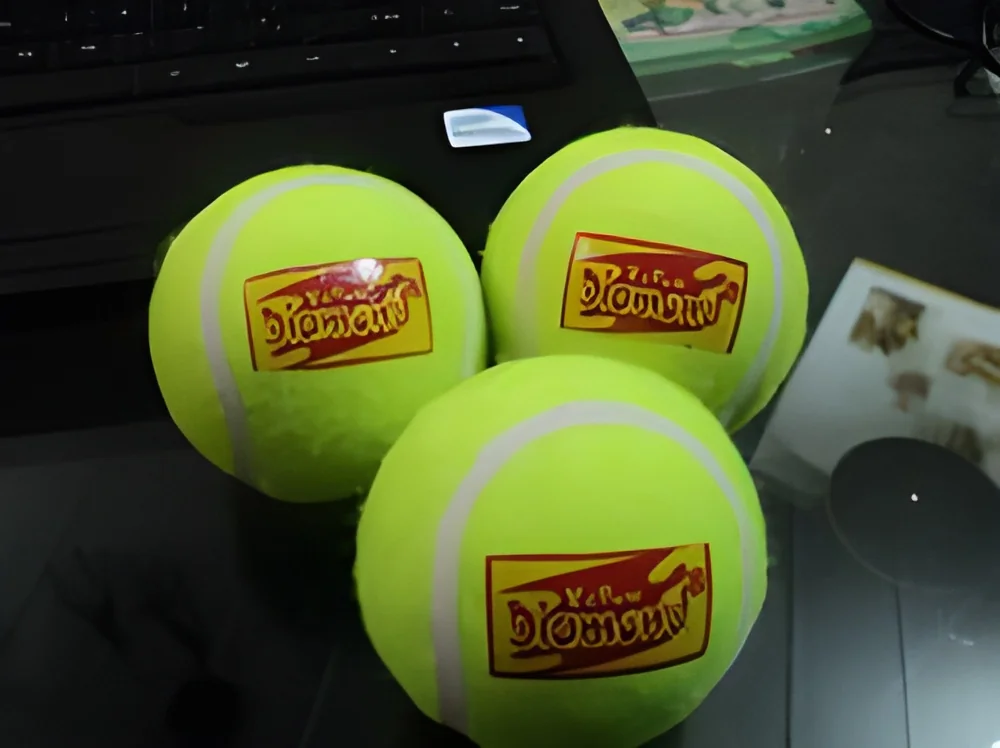
What are Tennis Balls?
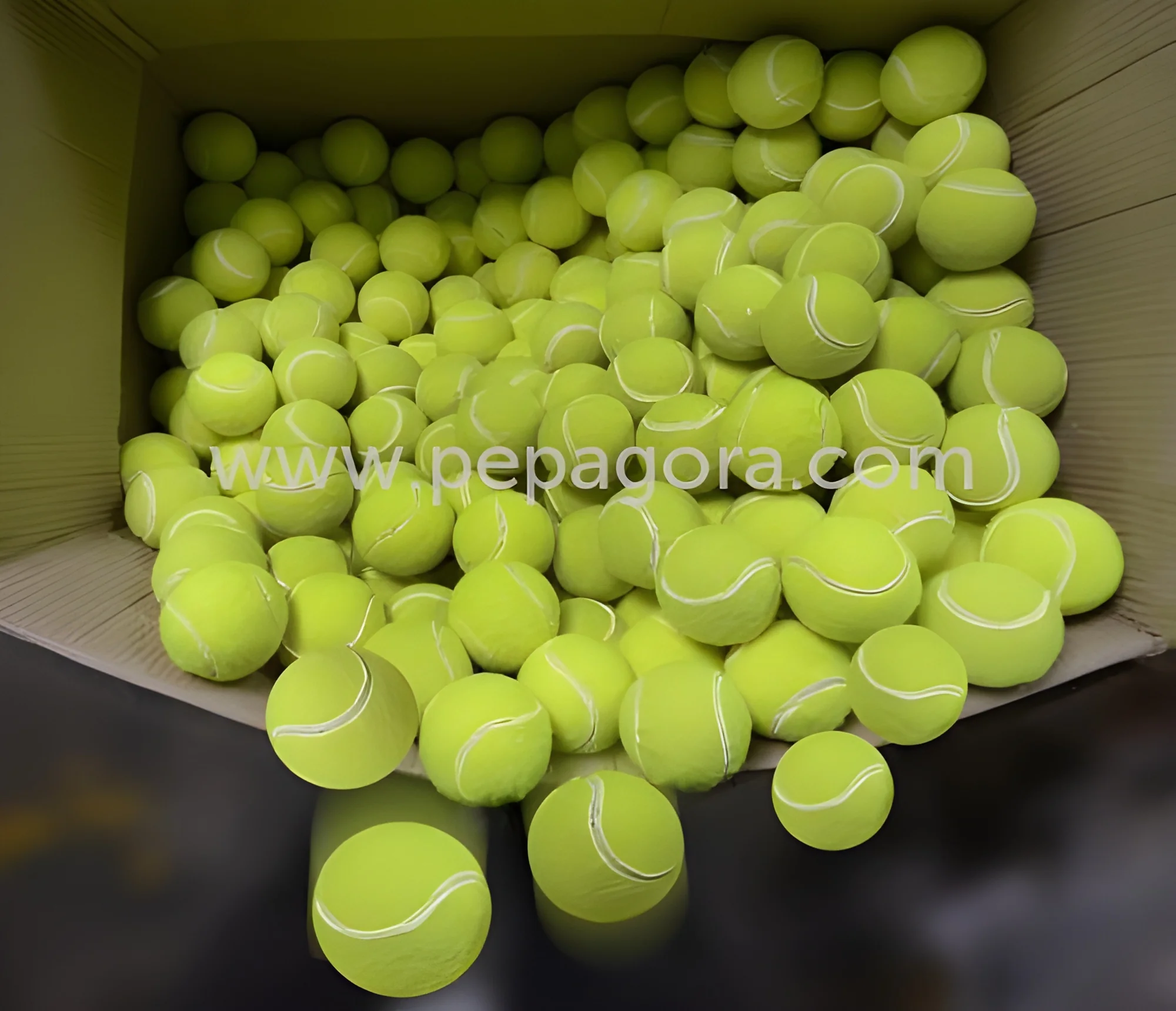
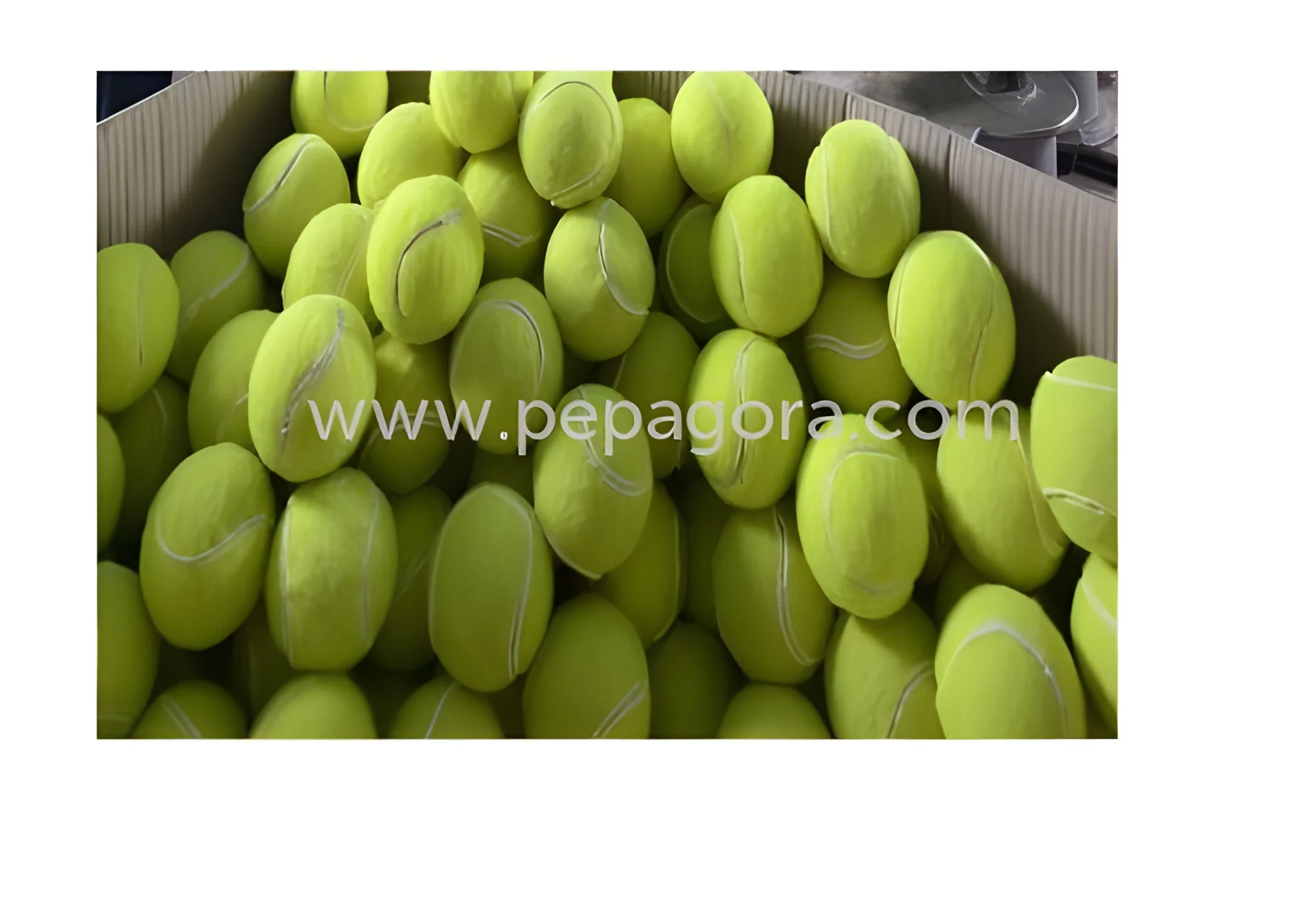
Tennis balls are specially designed spherical objects used primarily in the sport of tennis. They are typically made from a rubber core covered with a layer of felt, which helps provide the necessary bounce and control during play. The standard size of a tennis ball is around 6.7 centimeters in diameter, and they are engineered to meet specific performance criteria set by various sporting organizations.
In business applications, tennis balls are essential for sporting goods retailers, sports clubs, and recreational facilities. They are used not only for tennis but also for various training exercises and games. The growing popularity of tennis, along with the rise of recreational play, has led to increased demand for quality tennis balls. As a result, understanding their specifications and applications is crucial for businesses involved in sports equipment supply.
The tennis ball market is influenced by factors such as performance standards, consumer preferences, and innovation in materials. Major brands continually invest in research and development to enhance the durability and playability of tennis balls, ensuring they meet the needs of both professional players and amateurs alike.
Key Features and Specifications
Tennis balls come with several key features and specifications that define their quality and performance. These characteristics are essential for manufacturers, suppliers, and buyers to understand when selecting the right product.
Key specifications include:
1. Diameter
- The regulation diameter for a tennis ball is 6.7 centimeters.
- This size ensures optimal bounce and playability on various court surfaces.
2. Weight
- The standard weight of a tennis ball ranges from 56.0 to 59.4 grams.
- This weight provides a balance between control and speed during play.
3. Bounce Height
- A well-constructed tennis ball should bounce to a height of 135 to 147 centimeters when dropped from a height of 2.54 meters.
- This bounce height is critical for maintaining consistent performance in matches.
4. Felt Composition
- Tennis balls are typically covered with a high-quality nylon or wool felt.
- This covering affects the ball's durability and interaction with the court surface.
5. Pressure
- Pressurized tennis balls are filled with air to maintain their bounce and performance.
- Non-pressurized balls are also available, offering different play characteristics.
6. Color
- The most commonly used color for tennis balls is optic yellow, which enhances visibility on the court.
- Other colors may be available for training or promotional purposes.
7. Packaging
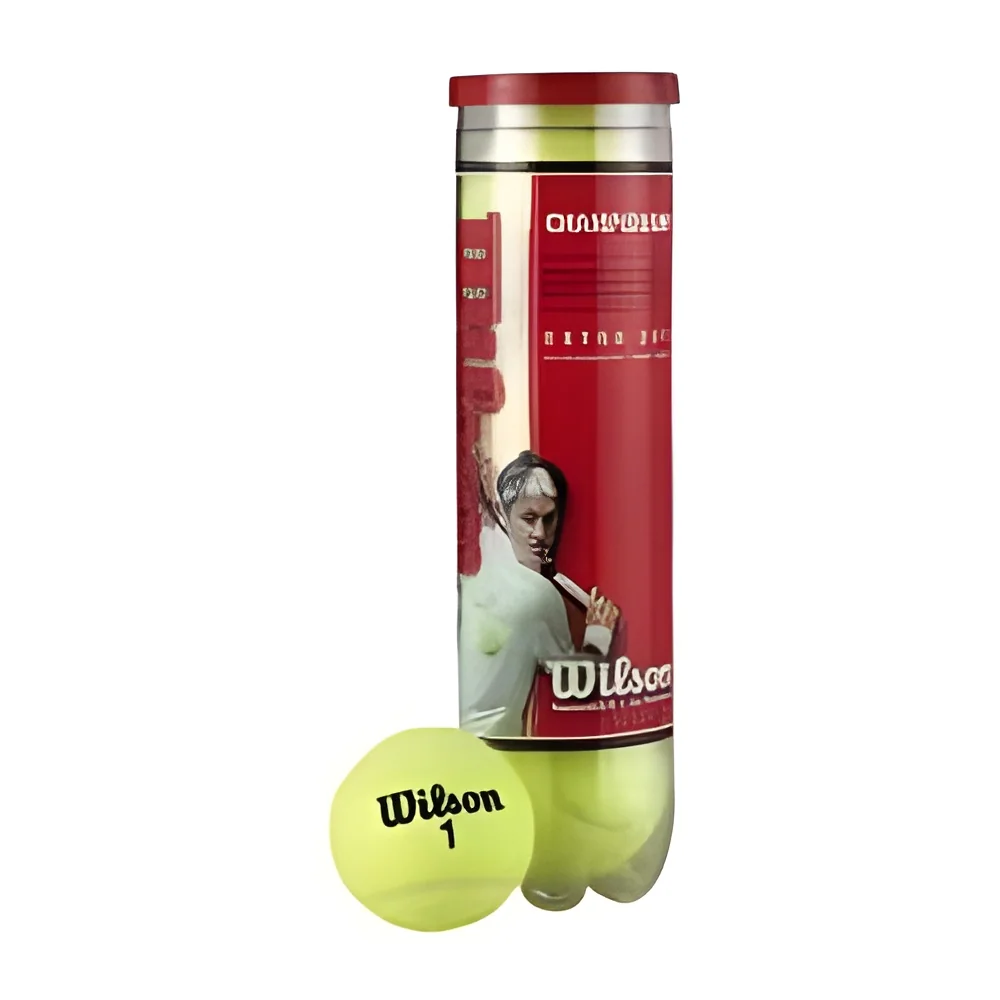
- Tennis balls are typically sold in cans of three or four balls.
- Proper packaging helps to maintain pressure and extend shelf life.
8. Certifications
- Tennis balls may carry certifications such as CE, indicating compliance with European safety standards.
Understanding these specifications helps buyers make informed decisions based on the intended use and required performance characteristics.
Common Applications and Use Cases
Tennis balls are widely utilized across various industries and settings.
1. Sports Clubs: Tennis balls are essential for training and competitive matches, providing players with the necessary tools for skill development.
2. Retail: Sporting goods retailers stock a variety of tennis balls to cater to different player levels, from beginners to professionals.
3. Education: Schools and universities use tennis balls in physical education classes, promoting teamwork and physical fitness through the sport.
4. Recreational Facilities: Community centers and recreational facilities offer tennis programs that require a steady supply of quality tennis balls.
5. Coaching and Training: Coaches use specialized tennis balls for drills and training sessions, helping athletes improve their technique and performance.
6. Event Management: Tennis tournaments and events require a substantial number of tennis balls for competition, necessitating reliable suppliers.
7. Pet Products: Tennis balls are popular as dog toys, providing entertainment and exercise for pets.
Product Variants and Subcategories
Tennis balls are available in various types to suit different playing conditions and preferences.
Pressurized Tennis Balls: These balls are filled with air to enhance bounce and performance. They are ideal for competitive play, providing the necessary speed and control.
Non-Pressurized Tennis Balls: Designed for practice and training, these balls maintain their performance over time without the need for pressure. They are commonly used for lessons and drills.
Training Tennis Balls: These balls are specifically designed for training purposes, often featuring different weights and sizes to help players develop their skills.
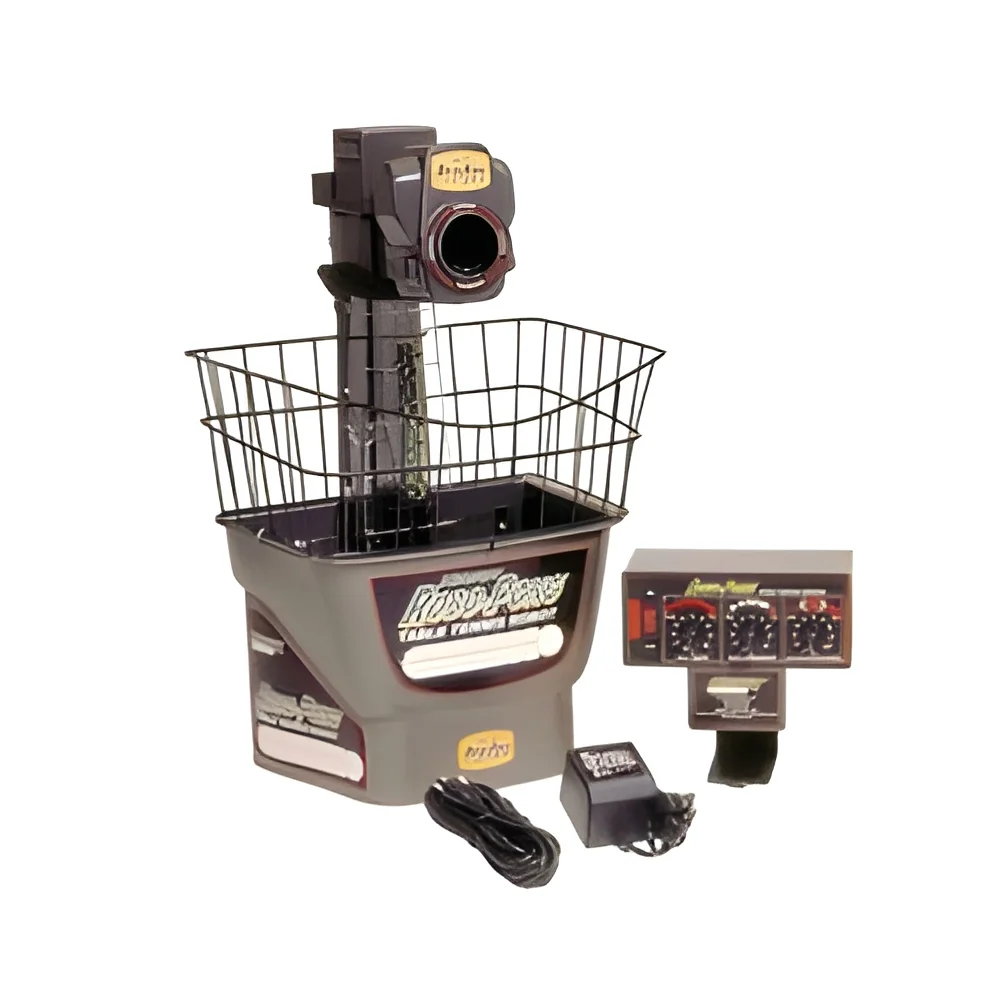
Ball Machines: Some tennis balls are created for use in ball machines. They are designed to withstand repeated impacts and offer consistent performance.
Benefits and Advantages
Tennis balls offer several advantages that make them indispensable in the world of sports.
1. Enhanced Performance: Quality tennis balls are engineered for optimal bounce and control, enhancing the overall playing experience.
2. Versatility: They can be used in various settings, from professional tournaments to casual play, making them suitable for all skill levels.
3. Durability: High-quality materials used in tennis balls ensure they can withstand the rigors of play, offering longevity and consistent performance.
4. Improved Training: Specialized training balls help athletes develop their skills and techniques, contributing to better performance in competitive settings.
5. Cost-Effectiveness: With bulk purchasing options available, businesses can acquire tennis balls at competitive prices, making them a smart investment for sports facilities and retailers.
6. Safety: Tennis balls are designed with safety in mind, ensuring they are suitable for use in schools and recreational environments.
Buying Guide for B2B Buyers
When sourcing tennis balls, it is important for B2B buyers to consider several factors to ensure they make informed purchasing decisions.
1. Quality Assessment: Buyers should evaluate the quality of tennis balls by examining materials, construction, and performance standards. Requesting samples can help assess these qualities.
2. Supplier Verification: It is crucial to vet suppliers by checking their reputation, certifications, and customer reviews to ensure reliability and product quality.
3. Pricing and MOQ: Understanding the pricing structure and minimum order quantities (MOQ) is essential for budgeting and ensuring the purchase meets business needs.
4. Delivery and Lead Times: Buyers should inquire about lead times and delivery options to ensure that the tennis balls arrive when needed for events or inventory replenishment.
5. Compliance Requirements: It is important to verify that the tennis balls meet relevant safety and regulatory standards, including certifications such as CE, especially for use in educational or public settings.
Compliance and Certifications
Tennis balls are subject to various quality standards and certifications that ensure their safety and performance in sporting applications.
ISO 9001 is a widely recognized standard that outlines quality management systems. Manufacturers of tennis balls often adhere to this standard to ensure consistent quality in production processes.
CE marking indicates that a product meets European safety standards. Tennis balls bearing this certification are deemed safe for use in competitive sports and recreational activities.
Safety and testing requirements are essential to ensure that tennis balls do not pose any hazards to users. This includes checks for material safety, durability, and performance under various conditions.
Regional compliance considerations may vary, with different countries having specific regulations governing sports equipment. Buyers should ensure that the products they procure comply with local laws and standards.
Why Source Tennis Balls from Pepagora?
Pepagora offers a trusted platform for sourcing tennis balls, providing several key advantages to B2B buyers.
Verified Supplier Network: Pepagora connects buyers with a network of verified suppliers, ensuring that all products meet high-quality standards. This helps buyers avoid the risks associated with unverified sources.
Streamlined RFQ Process: The platform features an easy-to-use request for quotation (RFQ) system, allowing buyers to quickly obtain competitive quotes from multiple suppliers, saving time and resources in the sourcing process.
Trade Assurance and Support: Pepagora provides trade assurance, which includes buyer protection policies that ensure transactions are secure. This gives buyers confidence in their purchases.
Regional Coverage: With a strong presence in India, the GCC, and Southeast Asia, Pepagora offers extensive regional coverage, making it easier for buyers to find local suppliers and reduce shipping costs.
By choosing Pepagora, businesses can simplify their sourcing process and access quality tennis balls tailored to their specific needs.

 IN
IN