
 IN
Cricket Bats
4 products available
What are Cricket Bats?
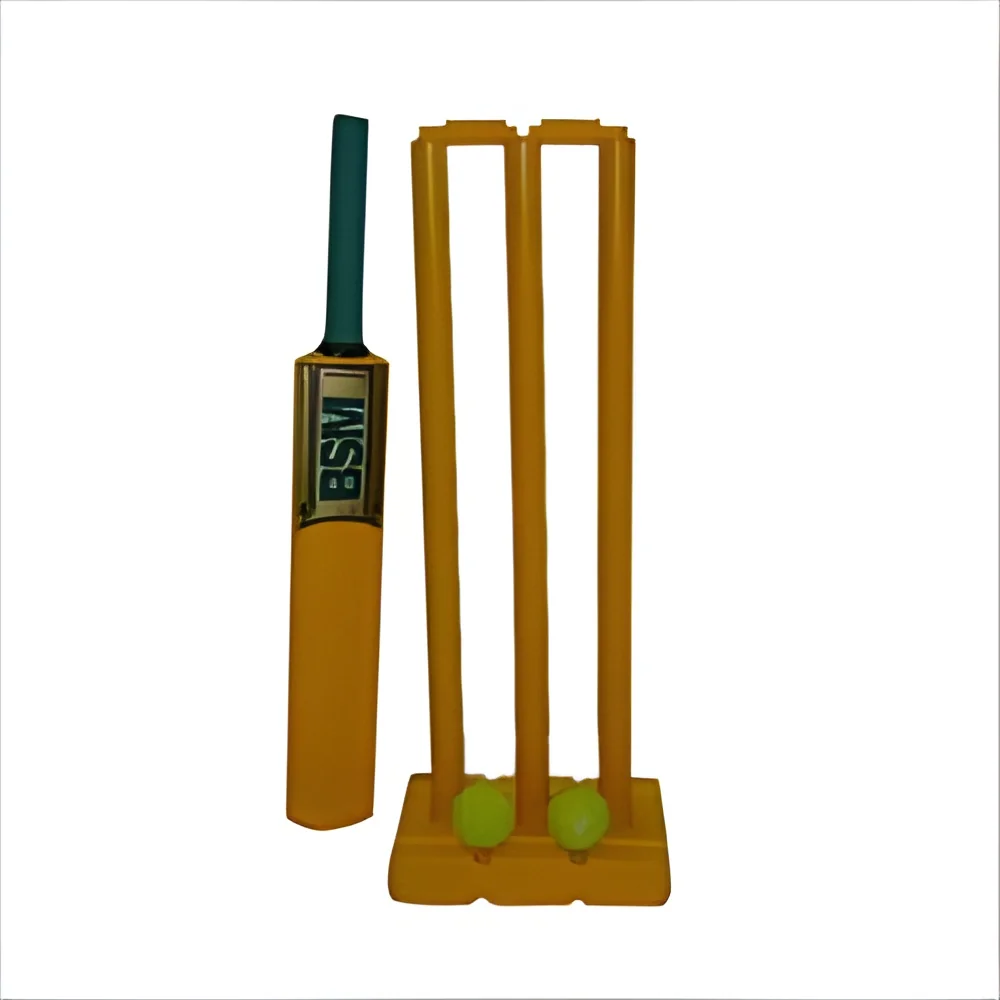
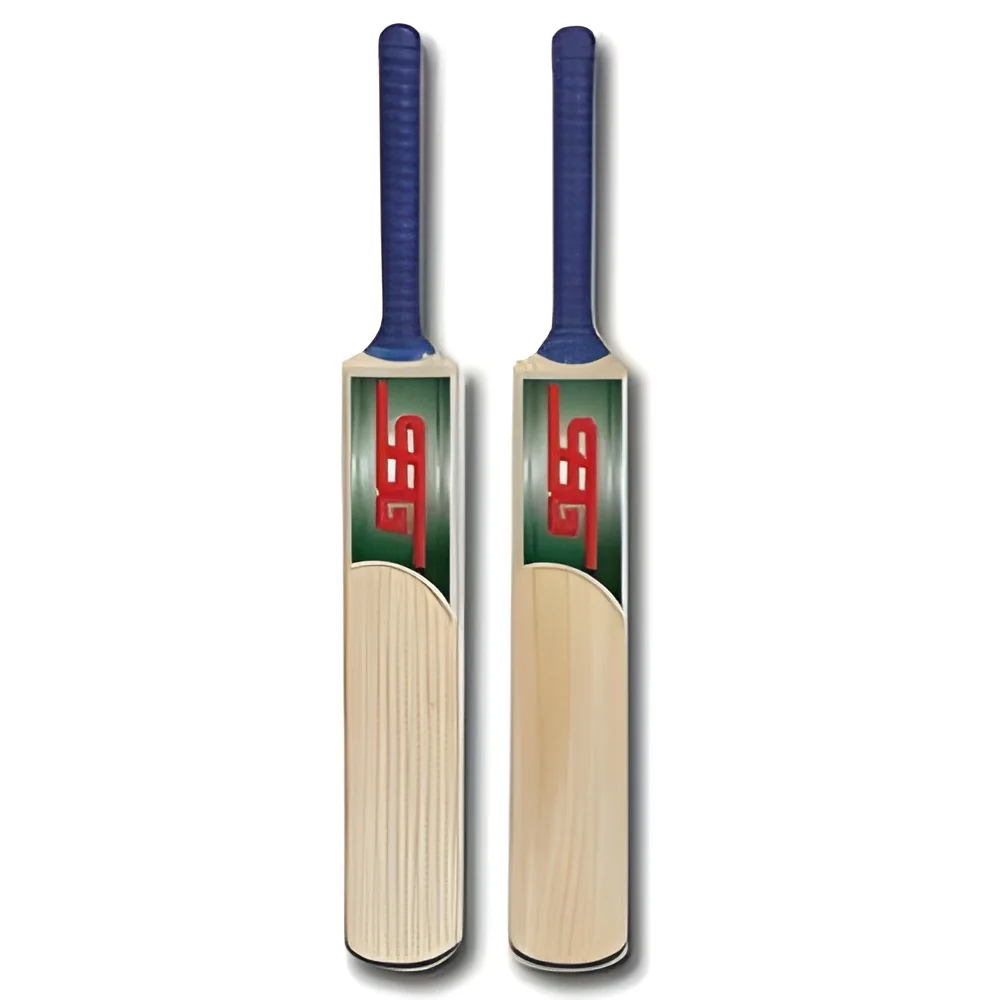
Cricket bats are specialized sports equipment designed for the game of cricket. They are typically made from high-quality wood, primarily willow, which provides the necessary strength and flexibility. The structure of a cricket bat consists of a flat blade and a rounded handle, allowing players to strike the cricket ball effectively. The design of the bat has evolved over the years to improve performance, with varying sizes and weights available to cater to different player preferences.
Cricket bats are primarily used in professional and recreational cricket matches. In a business context, they are essential for sports retailers, manufacturers, and distributors serving cricket clubs, schools, and recreational leagues. The popularity of cricket in various countries continues to drive demand for high-quality bats, making them a vital product in the sporting goods market. This relevance highlights the competitive nature of the cricket bat industry, with numerous brands vying for market share and consumer loyalty.
Key Features and Specifications
Cricket bats come with a range of features and specifications that influence their performance and suitability for different players. Understanding these specifications is crucial for buyers looking to procure bats for their teams or retail outlets.
Key specifications include:
1. Material
- Typically made from English or Kashmir willow.
- Willow provides a balance of durability and performance.
2. Weight
- Commonly ranges from 1.0 kg to 1.4 kg.
- Heavier bats offer more power, while lighter bats provide better control.
3. Size
- Available in various sizes, including children's and adult sizes.
- Ensures that players of all ages can find suitable options.
4. Blade Profile
- Flat or concave profiles affect the bat's balance and sweet spot.
- Different profiles cater to different playing styles.
5. Handle Type
- Can be round or oval, impacting grip and comfort.
- Varying handle lengths available for personal preference.
6. Grip
- Typically made from rubber or other materials for better traction.
- Enhances player comfort and control during play.
7. Sweet Spot Location
- The area on the bat where optimal strikes occur.
- Varies by bat design and can affect shot selection.
8. Brand and Model
- Various brands offer unique technologies and designs.
- Brand reputation can influence buyer decisions.
In summary, the features and specifications of cricket bats are critical for performance and satisfaction. Buyers should carefully consider these aspects when making purchasing decisions.
Common Applications and Use Cases
Cricket bats serve various industries beyond just sporting goods.
1. Sports Retail: Retailers stock cricket bats for enthusiasts and professionals, providing a variety of options to meet customer demands.
2. Educational Institutions: Schools and colleges use cricket bats in their sports programs, promoting physical activity and teamwork among students.
3. Professional Clubs: Cricket clubs require high-quality bats for their players to enhance performance in competitive matches.
4. Sporting Events: Bats are essential for organizing local, national, or international cricket tournaments, ensuring players have the right equipment.
5. Training Facilities: Cricket academies utilize bats for training purposes, helping players improve their skills and techniques.
6. Online Marketplaces: E-commerce platforms offer a wide array of cricket bats, reaching a broader audience and facilitating easy purchasing.
7. Customization Services: Some businesses provide customization options for cricket bats, catering to teams and individual preferences.
Product Variants and Subcategories
Cricket bats come in various models tailored to suit different player needs and preferences.
Professional Cricket Bat
These bats are designed for serious players and are made from the highest quality willow. They offer superior performance and are often used in competitive league matches.
Recreational Cricket Bat
Targeted at casual players, these bats are usually more affordable and designed for use in local matches or practice sessions. They prioritize ease of use and comfort.
Junior Cricket Bat
Specifically made for younger players, these bats are lighter and smaller, ensuring that children can handle them effectively as they learn the game.
Women's Cricket Bat
These bats are designed with the female player's physique in mind, offering a comfortable grip and appropriate weight distribution for better playability.
Benefits and Advantages
Cricket bats offer several key benefits to players and organizations alike.
1. Performance Enhancement: High-quality bats improve hitting accuracy and power, allowing players to perform at their best.
2. Customization Options: Many manufacturers offer customizable bats, ensuring players can have equipment tailored to their specific playing style.
3. Durability: Quality materials such as willow ensure that bats withstand rigorous play without significant wear and tear.
4. Variety of Choices: The wide range of bats available ensures that players of all skill levels and ages can find a suitable option.
5. Brand Reputation: Sourcing bats from well-known brands can enhance trust and reliability, leading to better performance outcomes.
6. Investment in Quality: Investing in a good-quality bat can improve the overall cricket experience for players, making it worthwhile for clubs and organizations.
Buying Guide for B2B Buyers
When sourcing cricket bats, businesses should consider several critical factors to ensure they make informed purchasing decisions.
1. Quality Assessment: Evaluate the quality of materials used in the bats. Look for reputable manufacturers that use high-grade willow and adhere to industry standards.
2. Supplier Verification: Vet suppliers thoroughly to ensure they have a reliable track record. Check reviews, certifications, and past client references to confirm their credibility.
3. Pricing and MOQ: Understand the pricing structure and minimum order quantities. Compare prices across different suppliers to find the best deal while ensuring quality is not compromised.
4. Delivery and Lead Times: Discuss logistics and lead times with suppliers. Reliable delivery schedules are crucial for maintaining inventory and meeting customer demands.
5. Compliance Requirements: Be aware of any regulatory standards or certifications, such as CE, that the bats must meet. Ensuring compliance can prevent legal issues and enhance product quality.
Compliance and Certifications
Compliance and certifications are essential aspects of cricket bat production. Quality standards such as ISO 9001 ensure that manufacturers maintain consistent quality management systems. Adhering to these standards is crucial for building trust with customers and ensuring product reliability.
Industry certifications like CE indicate that products meet European safety and health requirements, which is particularly important for businesses exporting to international markets.
Safety and testing requirements also play a vital role in ensuring that cricket bats are safe for use. Manufacturers must conduct rigorous testing to ensure that the bats can withstand the physical demands of the sport.
Regional compliance considerations may vary based on market requirements. Businesses should be aware of specific regulations in their target regions to ensure their products meet all necessary legal standards.
Why Source Cricket Bats from Pepagora?
Pepagora provides a trusted platform for sourcing cricket bats, offering several key advantages for B2B buyers.
Verified Supplier Network: Pepagora connects buyers with a network of verified suppliers, ensuring that each supplier meets high standards of quality and reliability. This network allows buyers to feel confident in their purchasing decisions.
Streamlined RFQ Process: The request for quotation system simplifies the buying process. Buyers can easily compare offers from multiple suppliers, facilitating informed choices based on pricing and quality.
Trade Assurance and Support: Pepagora offers trade assurance features, providing buyers with protection for their orders. This support ensures that businesses can transact securely and receive the products they expect.
Regional Coverage: With a broad geographic reach across India, the GCC, and Southeast Asia, Pepagora facilitates sourcing from a variety of markets. This regional coverage ensures that buyers have access to a diverse range of cricket bats tailored to their needs.


Frequently Asked Questions
What are Cricket Bats?
Cricket bats are specialized wooden implements used by players to hit the cricket ball. They are typically made from willow wood due to its lightweight and shock-absorbent properties, allowing players to strike the ball effectively.
What are the different types of Cricket Bats?
Cricket bats can be categorized into several types based on their usage and construction. Common types include adult bats, junior bats, and specialized bats for different formats like T20, ODI, and Test cricket.
How do I choose the right Cricket Bats?
Choosing the right cricket bat involves considering factors such as weight, size, and handle type. It's essential to select a bat that feels comfortable and suits your playing style, whether you prefer a lighter bat for quick shots or a heavier one for power hitting.
What are the standard specifications for Cricket Bats?
Standard specifications for cricket bats include a length of 32 to 34 inches and a width of up to 4.25 inches at the widest part. The weight typically ranges from 2.7 to 3.2 pounds, depending on the player's preference.
What is the price range for Cricket Bats?
The price range for cricket bats varies significantly based on material, brand, and craftsmanship. Generally, you can expect to pay anywhere from INR 1,500 for entry-level bats to over INR 30,000 for high-end professional models.
What quality standards apply to Cricket Bats?
Cricket bats must meet specific quality standards set by governing bodies like the International Cricket Council (ICC). These standards ensure that bats are made from durable materials and have a design conducive to fair play.
Where can I find Cricket Bats suppliers in India?
You can find cricket bats suppliers in India through B2B marketplaces like Pepagora.com, local sports equipment stores, and specialized manufacturers. These platforms connect buyers with reputable suppliers across the country.
Can Cricket Bats be customized?
Yes, cricket bats can be customized to meet the specific needs of players. Customization options may include personalized engravings, different handle types, and adjustments to weight and balance.
What is the typical minimum order quantity for Cricket Bats?
The typical minimum order quantity (MOQ) for cricket bats varies by supplier but usually ranges from 10 to 50 units. It's advisable to check with individual suppliers for their specific MOQ policies.
What is the typical lead time for Cricket Bats?
The typical lead time for cricket bats can range from 2 to 6 weeks, depending on the supplier and the complexity of the order. Custom orders may take longer due to the additional manufacturing processes involved.
Why Businesses Trust Pepagora
Thousands of companies trust Pepagora to source smarter and sell faster
Expand Your Sales Globally

Source Smarter,Grow Faster
