What are Paddle Balls?
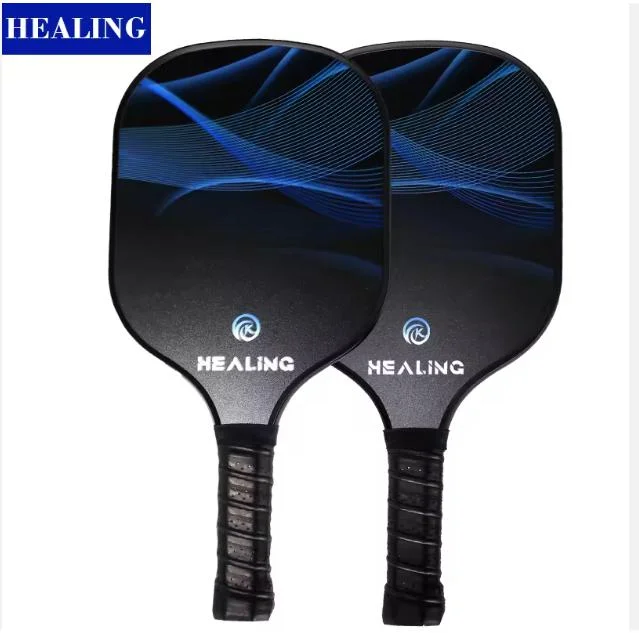
Paddle balls are specialized industrial tools designed for various applications across numerous sectors. Typically made with durable materials, these devices consist of a paddle and a ball, allowing for control and precision during their use. Paddle balls can be utilized in a range of environments, from manufacturing settings to recreational use, each requiring distinct specifications to meet operational demands.
The primary uses of paddle balls encompass both functional and recreational purposes. In industrial contexts, paddle balls can be employed in quality control processes, testing, or as part of machinery for specific tasks. In recreational settings, they serve as equipment for games, helping to develop hand-eye coordination and other skills. The relevance of paddle balls in industries such as sports, manufacturing, and education underscores their versatility and importance in various market segments.
Key Features and Specifications
Paddle balls come with several key features and specifications that make them suitable for diverse applications. Understanding these specifications is crucial for selecting the right paddle ball for your needs.
Key specifications include:
1. Material Composition
- Paddle balls are commonly made from high-density polyethylene or reinforced composites.
- These materials provide durability and resistance to wear in demanding environments.
2. Dimensions
- Paddle balls typically range in size from 6 to 12 inches.
- The size can be tailored to specific applications, enhancing usability and effectiveness.
3. Weight
- Standard paddle balls weigh between 100 to 300 grams.
- The weight impacts control and ease of use in both recreational and industrial applications.
4. Surface Texture
- Paddle balls may feature a textured surface for improved grip.
- This aspect enhances user control, especially in dynamic environments.
5. Color Options
- Available in various colors for visibility and aesthetic preferences.
- Bright colors can aid in safety and recognition in busy settings.
6. Temperature Resistance
- Some paddle balls are designed to operate in extreme temperature ranges.
- This feature is particularly relevant for applications in harsh environments.
7. Compliance Standards
- Paddle balls can comply with specific industry standards like CE certification.
- Compliance ensures safety and quality assurance for end-users.
8. Customization Options
- Many manufacturers offer customization for branding or specific application needs.
- Custom features can enhance the product's functionality and market appeal.
Paddle balls are designed to meet diverse needs, making them versatile tools in both industrial and recreational settings.
Common Applications and Use Cases
Paddle balls serve various industries, showcasing their versatility and practicality.
1. Sports and Recreation: Paddle balls are widely used in sports, helping players develop coordination and skills. They are integral to games that require hand-eye coordination, such as paddle tennis and similar sports.
2. Manufacturing: In industrial environments, paddle balls can be used in machinery for testing and quality control processes. They help ensure that equipment functions correctly and meets operational standards.
3. Education: Paddle balls are used in educational settings to teach children motor skills and coordination. They can be incorporated into physical education curriculums to promote active learning.
4. Therapy and Rehabilitation: Paddle balls are utilized in physical therapy to assist patients in regaining strength and improving coordination. They provide a fun way to engage in physical activity during recovery.
5. Event Entertainment: Paddle balls can be used in events and fairs as a recreational activity. They are often part of carnival games, promoting engagement and entertainment.
6. Team Building Exercises: Paddle balls can be employed in team-building activities, enhancing collaboration and communication among participants. They serve as tools for engaging exercises that foster teamwork.
7. Research and Development: In R&D settings, paddle balls can be used for experimental setups where precision and control are necessary. They help in testing various hypotheses in a controlled environment.
Product Variants and Subcategories
Paddle balls come in various forms, catering to different needs and applications.
Standard Paddle Ball
This variant is designed for general use, featuring a balanced weight and size. It is suitable for recreational activities and basic industrial applications, offering ease of use for all skill levels.
Heavy-Duty Paddle Ball
Engineered for industrial applications, this variant is made from reinforced materials to withstand harsh conditions. It is ideal for quality control tasks and can endure rigorous use without losing effectiveness.
Lightweight Paddle Ball
This version is designed for beginners or children, making it easier to handle. Its lighter weight promotes skill development in sports and educational environments.
Ergonomic Paddle Ball
This variant features an ergonomic design to enhance user comfort during extended use. It is suitable for therapeutic applications and long-duration activities.
Benefits and Advantages
Paddle balls offer a range of benefits that make them a valuable addition to various industries.
1. Enhanced Coordination: Paddle balls promote improved hand-eye coordination, making them ideal for training in sports and educational settings.
2. Durability: Constructed from high-quality materials, paddle balls are built to last, reducing the need for frequent replacements.
3. Versatility: Their diverse applications allow paddle balls to be used in multiple industries, from sports to manufacturing.
4. Customization: Many manufacturers offer customization options, allowing businesses to tailor paddle balls to their specific needs and branding.
5. Safety Compliance: Certified paddle balls ensure adherence to safety standards, providing peace of mind for users.
6. Cost-Effectiveness: The durability and versatility of paddle balls contribute to their cost-effectiveness, offering long-term savings for businesses.
Buying Guide for B2B Buyers
When sourcing paddle balls, several factors should be considered to ensure the best selection for your needs.
1. Quality Assessment: Evaluate the quality of materials and construction. Look for paddle balls made from durable and reliable materials to ensure longevity.
2. Supplier Verification: Vet potential suppliers by checking their certifications and industry reputation. Ensure they have a track record of delivering quality products.
3. Pricing and MOQ: Understand the pricing structure and minimum order quantities. Compare quotes from different suppliers to find the best deal for your budget.
4. Delivery and Lead Times: Inquire about delivery schedules and lead times. Ensure that suppliers can meet your timelines for production and delivery.
5. Compliance Requirements: Familiarize yourself with any regulatory compliance needs relevant to your industry. Ensure that the paddle balls you source meet necessary standards.
Compliance and Certifications
Paddle balls must adhere to various quality and safety standards to ensure they meet industry requirements. Relevant quality standards include ISO 9001, which focuses on quality management systems, ensuring consistent product quality.
Industry certifications, such as CE marking, indicate that paddle balls comply with European health, safety, and environmental protection standards. This certification is crucial for businesses operating in Europe or exporting products to that market.
Additionally, paddle balls may be subject to safety and testing requirements that ensure their performance and user safety. Manufacturers should provide documentation proving compliance with these standards.
Regional compliance considerations may vary, so it is essential to understand the specific regulatory landscape in the regions where paddle balls will be used or sold.
Why Source Paddle Balls from Pepagora?
Pepagora provides a trusted platform for sourcing paddle balls, offering several key advantages to B2B buyers.
Verified Supplier Network: Pepagora features a robust network of verified suppliers, ensuring that buyers can access high-quality paddle balls from reputable manufacturers. This verification process helps mitigate risks associated with sourcing.
Streamlined RFQ Process: The platform simplifies the request for quotation (RFQ) process, allowing buyers to easily compare offers and select the best option that meets their needs. This efficiency saves time and enhances decision-making.
Trade Assurance and Support: Pepagora offers trade assurance, protecting buyers in their transactions. This support ensures that buyers receive the products they ordered and that their investments are safeguarded.
Regional Coverage: With a focus on regions such as India, the GCC, and Southeast Asia, Pepagora provides extensive geographic reach. This coverage enables buyers to find local suppliers, reducing shipping costs and lead times while supporting regional economies.

 IN
IN