
 IN
Hockey Sticks
3 products available
What are Hockey Sticks?
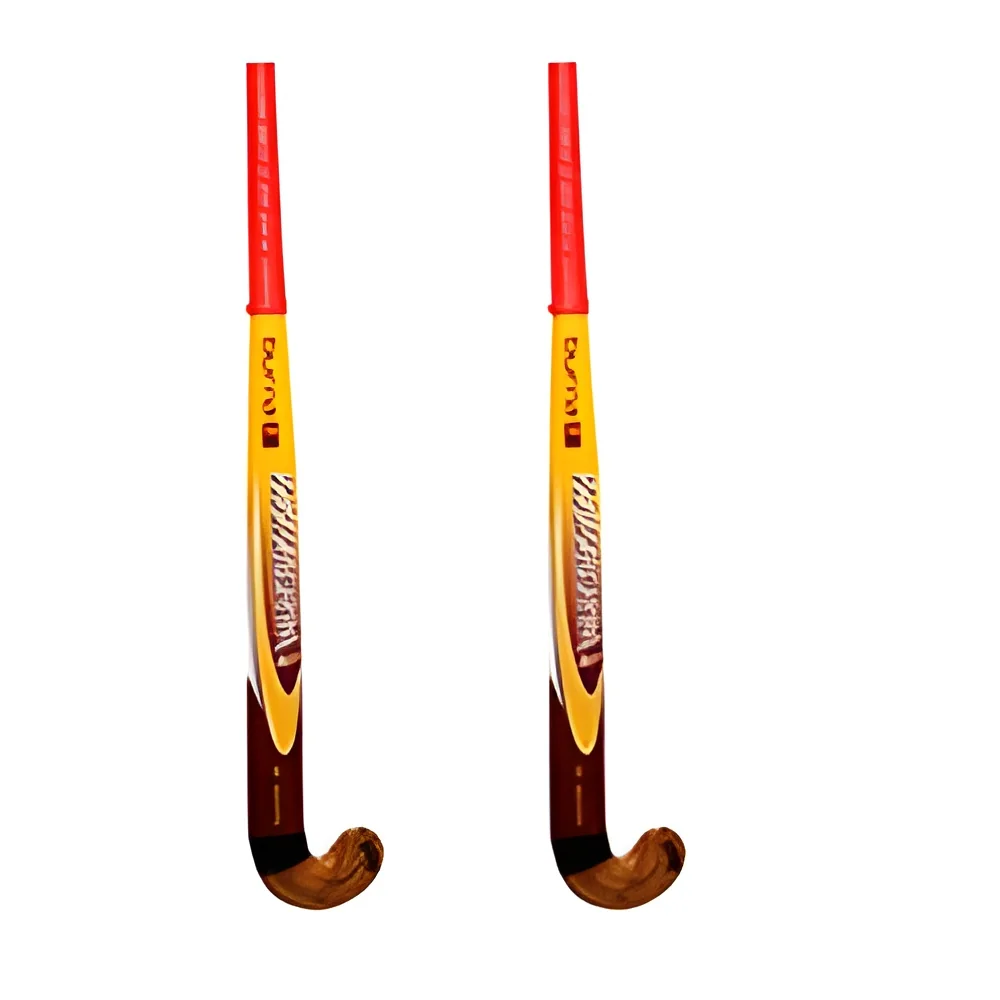
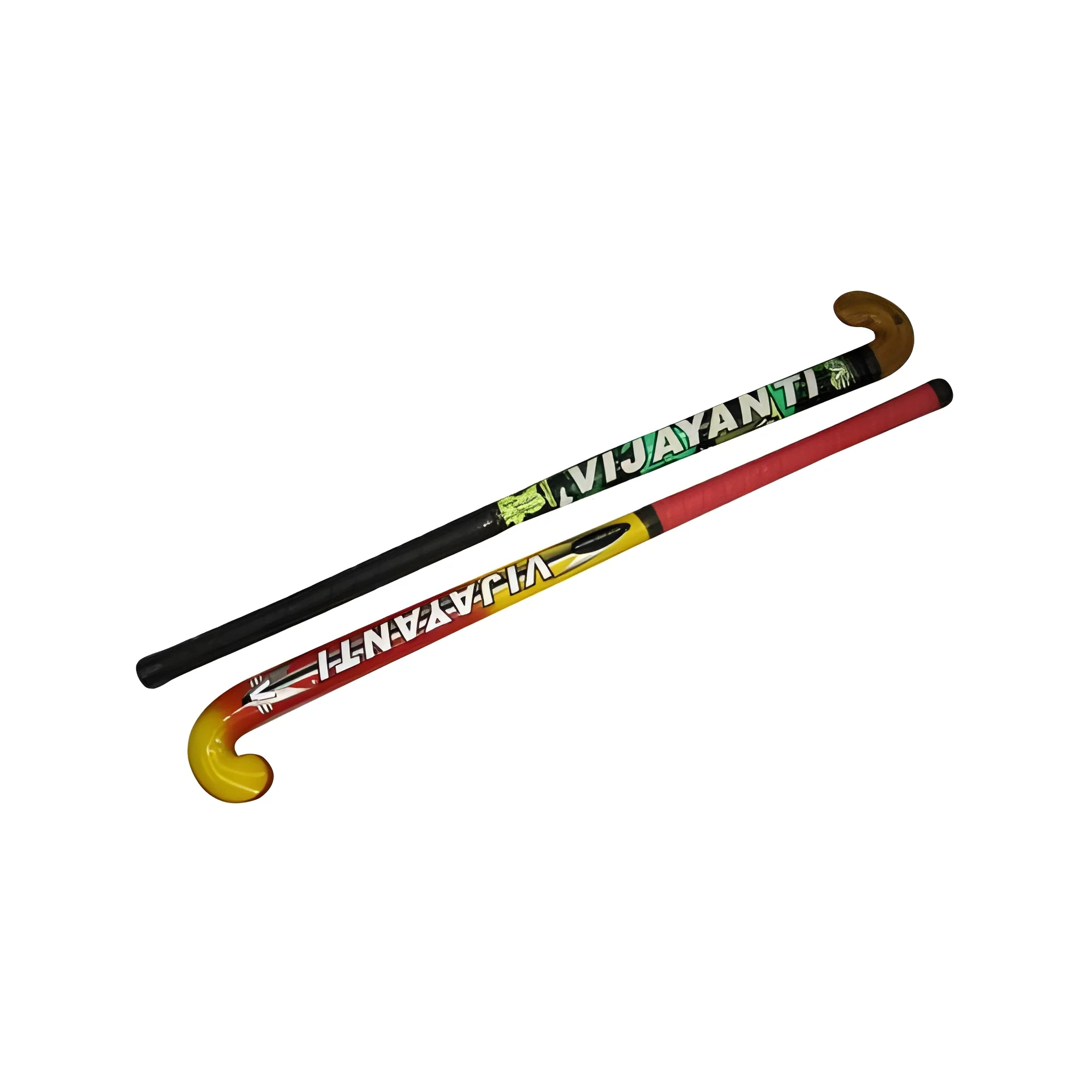
Hockey sticks are specialized sports equipment used primarily in the game of hockey. They are designed to assist players in controlling, passing, and shooting the puck. Typically made from composite materials, wood, or aluminum, these sticks come in various shapes and sizes to cater to different playing styles and positions. The blade of the stick is curved to facilitate puck handling, while the shaft can vary in length and flex to accommodate the player's height and strength.
In a business context, hockey sticks are essential for sports retailers, manufacturers, and teams. They are used in various competitive environments, including amateur leagues, professional teams, and recreational settings. The demand for high-quality hockey sticks has grown in tandem with the popularity of the sport, making it a significant area of focus for sports equipment suppliers. As hockey continues to expand globally, understanding the nuances of hockey sticks becomes crucial for businesses involved in the sporting goods industry.
The hockey stick market is highly relevant, with various manufacturers competing to provide innovative designs and technologies. Market trends indicate a shift towards lightweight materials and customizable options to enhance player performance. This competition drives continuous improvements in stick design, making it essential for businesses to stay informed about the latest developments.
Key Features and Specifications
Hockey sticks possess several key features and specifications that are crucial for performance and usability. Understanding these specifications helps buyers make informed purchasing decisions.
Key specifications include:
1. Material Composition
- Hockey sticks are often made from composite materials, wood, or aluminum.
- Composite sticks are lighter and provide better performance, while wood sticks offer a traditional feel.
2. Length
- Sticks come in various lengths, typically ranging from 52 inches to 63 inches.
- The correct length depends on the player's height and position.
3. Flex Rating
- Flex ratings usually range from 40 to 100, indicating the stiffness of the stick.
- A lower flex rating is suitable for lighter players, while a higher rating benefits stronger players.
4. Blade Pattern
- Different blade patterns affect puck handling and shooting techniques.
- Players can choose from various curves and lie angles to suit their preferences.
5. Weight
- The weight of a stick can range from 400 grams to 600 grams.
- Lighter sticks allow for quicker movements and better maneuverability.
6. Grip
- Some sticks feature textured grips for better handling and control.
- Different grip finishes can help players maintain a strong hold during gameplay.
7. Durability
- Sticks are designed to withstand intense gameplay, with varying levels of durability based on material.
- Composite sticks tend to be more durable than wood options.
8. Customization Options
- Many manufacturers offer customization, allowing teams to personalize sticks with logos or specific features.
- Custom options can include length, flex, and blade design.
In summary, understanding the key features and specifications of hockey sticks helps businesses select the right products that meet their performance needs and customer preferences.
Common Applications and Use Cases
Hockey sticks serve various industries beyond sports, impacting multiple sectors.
1. Sports Retail: Retailers stock a wide range of hockey sticks for players of all levels, catering to both amateur and professional markets.
2. Educational Institutions: Schools and colleges utilize hockey sticks for their sports programs, promoting physical education and teamwork among students.
3. Professional Teams: Professional hockey teams require high-quality sticks for their players, focusing on performance and durability to enhance gameplay.
4. Recreational Leagues: Local leagues and clubs need a variety of hockey sticks to accommodate players of different skill levels, ensuring accessibility for enthusiasts.
5. Sports Equipment Manufacturers: Manufacturers focus on innovation and design in hockey sticks, developing new materials and technologies to improve performance.
6. Event Organizers: Tournaments and events often require bulk purchases of hockey sticks for participants, necessitating reliable suppliers.
7. Fitness Centers: Some fitness facilities offer hockey training programs, requiring sticks for practice sessions and skill development.
Product Variants and Subcategories
Hockey sticks come in a variety of forms to meet the diverse needs of players.
Youth Hockey Sticks
These sticks are designed specifically for younger players, featuring lighter materials and shorter lengths to accommodate their size and strength. Youth sticks often have flexible ratings suited for beginners.
Senior Hockey Sticks
Targeted towards adult players, senior sticks come in various lengths and flex ratings. They are designed for performance and durability, catering to competitive players at all skill levels.
Custom Hockey Sticks
These sticks allow for personalized specifications, including length, flex, and blade pattern. Custom options are popular among professional players and teams who seek to optimize their equipment.
Benefits and Advantages
The advantages of using high-quality hockey sticks are numerous.
1. Enhanced Performance: Quality sticks improve player control, puck handling, and shooting accuracy, contributing to better overall performance on the ice.
2. Customization: Many hockey sticks offer customizable options, allowing teams and players to tailor their equipment to their specific needs and preferences.
3. Durability: High-quality materials ensure that sticks can withstand the rigors of gameplay, providing longevity and reliability for players and teams.
4. Lightweight Design: Modern hockey sticks are designed to be lightweight, facilitating quick movements and agility on the ice.
5. Improved Comfort: Ergonomically designed grips enhance player comfort, reducing fatigue during extended use.
6. Versatility: Hockey sticks are suitable for various playing styles and positions, making them adaptable for different players and game situations.
Buying Guide for B2B Buyers
When sourcing hockey sticks, businesses should consider several critical factors to ensure they make informed decisions.
1. Quality Assessment: Evaluate the quality of materials used in the sticks. Look for reputable brands known for their durability and performance.
2. Supplier Verification: Conduct thorough research on suppliers to ensure they have a reliable track record in the industry. Customer reviews and certifications can provide insights into supplier credibility.
3. Pricing and MOQ: Understand the pricing structure and minimum order quantities. Bulk purchasing can often lead to cost savings, so inquire about potential discounts for larger orders.
4. Delivery and Lead Times: Discuss delivery options and lead times with suppliers. Timely delivery is crucial for businesses that rely on inventory to meet customer demand.
5. Compliance Requirements: Ensure that the sticks meet relevant quality standards and regulations. Familiarize yourself with certifications such as CE to ensure safety and compliance in your market.
Compliance and Certifications
Hockey sticks must adhere to various quality standards and regulations to ensure safety and performance.
ISO 9001 is a quality management standard that outlines criteria for organizations to ensure consistent quality in their products. Compliance with this standard signifies a commitment to quality in manufacturing processes.
CE certification indicates that hockey sticks meet European safety, health, and environmental protection standards. This certification is crucial for products sold in European markets, ensuring they conform to applicable regulations.
Safety and testing requirements are essential in manufacturing hockey sticks to minimize risks during play. Regular testing for durability and performance helps maintain high standards.
Regional compliance considerations vary by market. Businesses should be aware of local regulations governing sports equipment to ensure their products meet all necessary standards.
Why Source Hockey Sticks from Pepagora?
Pepagora is a trusted platform for sourcing hockey sticks, providing several key advantages for B2B buyers.
Verified Supplier Network: Pepagora connects businesses with verified suppliers, ensuring that buyers have access to quality products from reputable manufacturers. This reduces the risk of sourcing low-quality equipment.
Streamlined RFQ Process: The platform offers a straightforward Request for Quotation process that facilitates efficient communication between buyers and suppliers. This system simplifies the purchasing process, enabling quick comparisons and informed decisions.
Trade Assurance and Support: Pepagora provides trade assurance, protecting buyers from potential risks associated with transactions. The platform offers support throughout the purchasing journey, ensuring a smooth experience.
Regional Coverage: With a reach extending across India, the GCC, and Southeast Asia, Pepagora connects businesses with suppliers in key markets. This broad coverage ensures that buyers can source hockey sticks tailored to their regional needs.

Frequently Asked Questions
What are Hockey Sticks?
Hockey sticks are elongated pieces of equipment used in the sport of hockey to hit the ball or puck. They come in various designs, materials, and sizes, tailored for different playing styles and skill levels.
What are the different types of Hockey Sticks?
Hockey sticks can be categorized mainly into field hockey sticks and ice hockey sticks. Field hockey sticks are typically lighter and have a flat blade, while ice hockey sticks are heavier and feature a curved blade for better puck control.
How do I choose the right Hockey Sticks?
Choosing the right hockey stick involves considering factors such as the player's skill level, position, and personal preference for weight and flexibility. Additionally, the stick's length and curve should be appropriate for the player's height and playing style.
What are the standard specifications for Hockey Sticks?
Standard specifications for hockey sticks include length, weight, and material composition. Common materials are wood, fiberglass, and carbon fiber, each affecting the stick's performance and durability.
What is the price range for Hockey Sticks?
The price range for hockey sticks varies widely based on the type and quality, typically ranging from INR 500 to INR 20,000. Higher-end sticks, often used by professionals, may cost more due to advanced materials and technology.
What quality standards apply to Hockey Sticks?
Quality standards for hockey sticks often include durability, balance, and performance characteristics, complying with regulations set by governing bodies like the International Hockey Federation (FIH) for field hockey. Manufacturers may also adhere to specific certifications to ensure product reliability.
Where can I find Hockey Sticks suppliers in India?
You can find hockey sticks suppliers in India through B2B marketplaces like Pepagora.com, industry trade shows, and local sporting goods retailers. Online platforms allow you to compare different suppliers and their offerings efficiently.
Can Hockey Sticks be customized?
Yes, hockey sticks can often be customized to meet specific preferences regarding length, weight, and design. Many manufacturers offer customization options to cater to individual player needs and branding for teams.
What is the typical minimum order quantity for Hockey Sticks?
The typical minimum order quantity (MOQ) for hockey sticks can vary by supplier, but it generally ranges from 10 to 100 units. Bulk orders may qualify for discounts, so it's advisable to check with individual suppliers for their specific policies.
What is the typical lead time for Hockey Sticks?
The typical lead time for hockey sticks can range from 2 to 6 weeks, depending on the supplier and whether the order is customized. It's best to confirm lead times directly with the supplier at the time of order placement.
Why Businesses Trust Pepagora
Thousands of companies trust Pepagora to source smarter and sell faster
Expand Your Sales Globally

Source Smarter,Grow Faster
