
 IN
Tyre Changers & Balancers
4 products available
What are Tyre Changers & Balancers?
Tyre changers and balancers are essential equipment used in automotive service for changing and balancing tyres. A tyre changer is designed to remove and install tyres on wheels with efficiency and precision, while a tyre balancer ensures that the weight distribution of the tyre and wheel assembly is even. This equipment is crucial for maintaining vehicle performance and safety by ensuring that tyres are properly fitted and balanced.
These tools are primarily used in automotive repair shops, tyre retailers, and service stations. They are vital for any business that provides tyre-related services, as they help streamline the process of tyre maintenance. This not only enhances customer satisfaction but also increases operational efficiency by reducing the time taken for tyre services.
In the current market, the relevance of tyre changers and balancers cannot be overstated. With the increasing number of vehicles on the road and the growing emphasis on vehicle safety, the demand for efficient tyre service equipment is on the rise. Businesses in the automotive industry are continually looking for reliable and advanced tyre changers and balancers to meet the needs of their customers.
Key Features and Specifications
Tyre changers and balancers come with a variety of features designed to improve performance and usability. It is important for buyers to understand these specifications to choose the right equipment for their operations.
Key specifications include:
1. Motor Power
- This specification indicates the power of the motor used in the machine.
- Common ranges are between 0.75 to 2.2 kW for tyre changers.
2. Rim Diameter Capacity
- Refers to the size of rims the machine can accommodate.
- Typical ranges are from 10 inches to 30 inches.
3. Maximum Tyre Width
- Indicates the maximum width of tyres that can be handled.
- Ranges usually vary from 5 to 15 inches.
4. Balancing Speed
- Reflects the speed at which the balancer can complete a cycle.
- Typical speeds are around 90 to 120 RPM.
5. Weight Capacity
- The maximum weight that can be balanced or changed.
- Generally, this ranges from 40 kg to 80 kg.
6. Control Type
- Refers to whether the machine is manual or features digital controls.
- Advanced models often include touchscreen interfaces.
7. Space Requirements
- Indicates the physical footprint needed for installation.
- Typical dimensions range from small compact units to large floor-standing machines.
8. Certification
- Many machines come with certifications such as CE, ensuring compliance with safety standards.
In summary, understanding these features and specifications is crucial for making an informed purchasing decision. Buyers should assess their specific needs and operational capacity to select the appropriate equipment.
Common Applications and Use Cases
Tyre changers and balancers serve diverse industries, providing essential services across various sectors.
1. Automotive Repair Shops: These facilities use tyre changers and balancers to service customer vehicles, ensuring tyres are installed and balanced correctly for safety and performance.
2. Tyre Retailers: Retail outlets rely on this equipment for quick tyre changes and balancing to meet customer demand efficiently.
3. Fleet Maintenance Services: Companies managing vehicle fleets use tyre changers and balancers to maintain their vehicles, ensuring minimal downtime and enhanced operational efficiency.
4. Motorcycle Shops: Specific tyre changers designed for motorcycles are essential for shops that handle two-wheeled vehicles, ensuring precision in tyre fitting.
5. Agricultural Equipment: Businesses servicing agricultural machinery utilize heavy-duty tyre changers and balancers to handle larger tyres commonly found on tractors and similar equipment.
6. Commercial Vehicle Services: Service stations that cater to trucks and buses require robust tyre changers and balancers to manage larger tyre sizes and weights.
7. Racing Teams: Professional racing teams use advanced tyre changers and balancers for quick pit stops, optimizing vehicle performance during competitions.
Product Variants and Subcategories
The market for tyre changers and balancers offers various product variants to cater to different needs and applications.
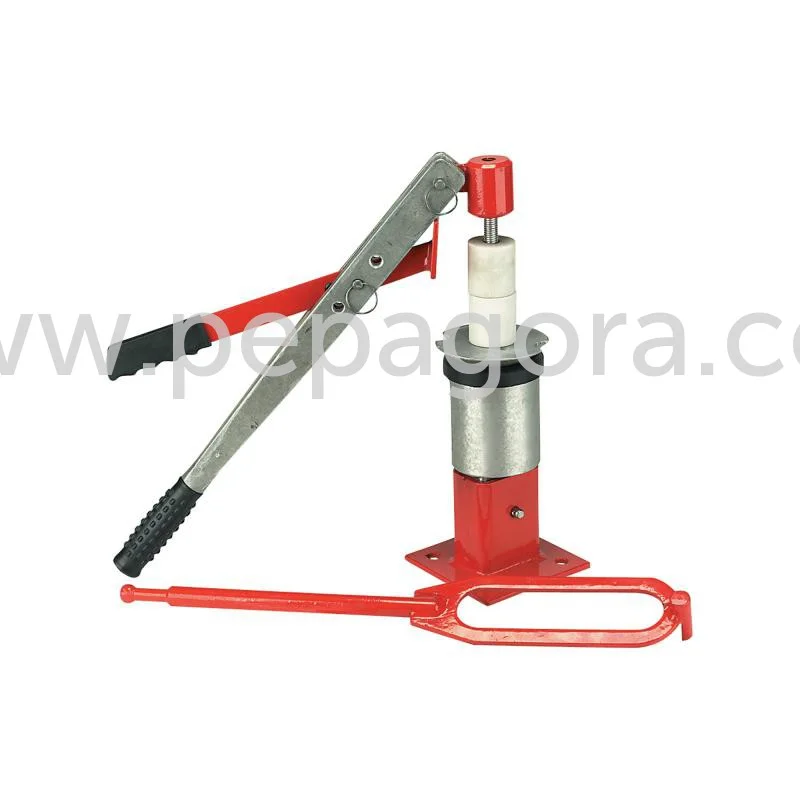
Manual Tyre Changers: These are cost-effective, simpler machines operated by hand. They are suitable for smaller shops or businesses with lower volume needs.
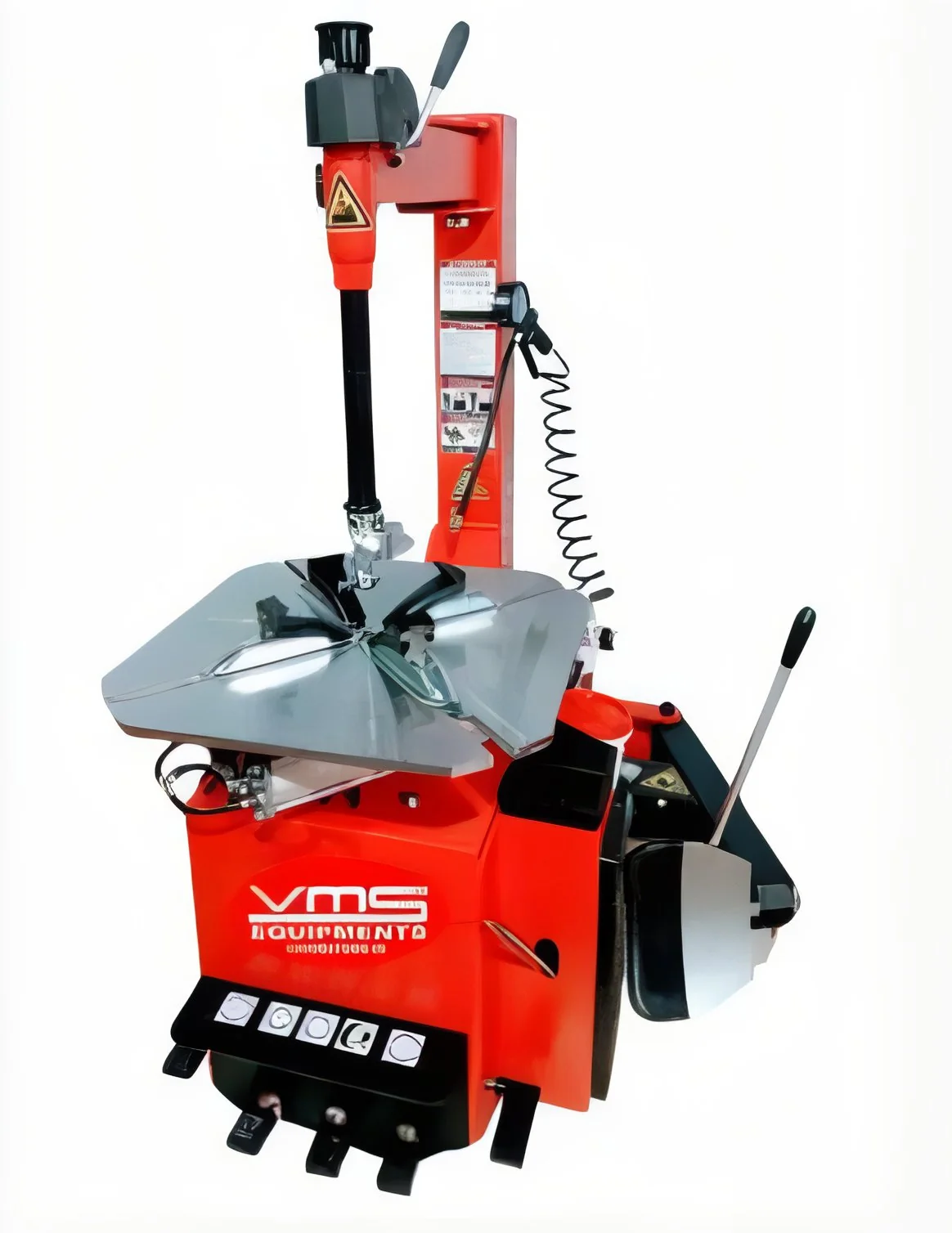
Automatic Tyre Changers: More advanced than manual models, these machines automate much of the tyre changing process, improving efficiency and reducing the risk of human error.
Digital Balancers: These balancers provide precise weight measurements and often come with automated settings for different tyre types, enhancing usability in busy environments.
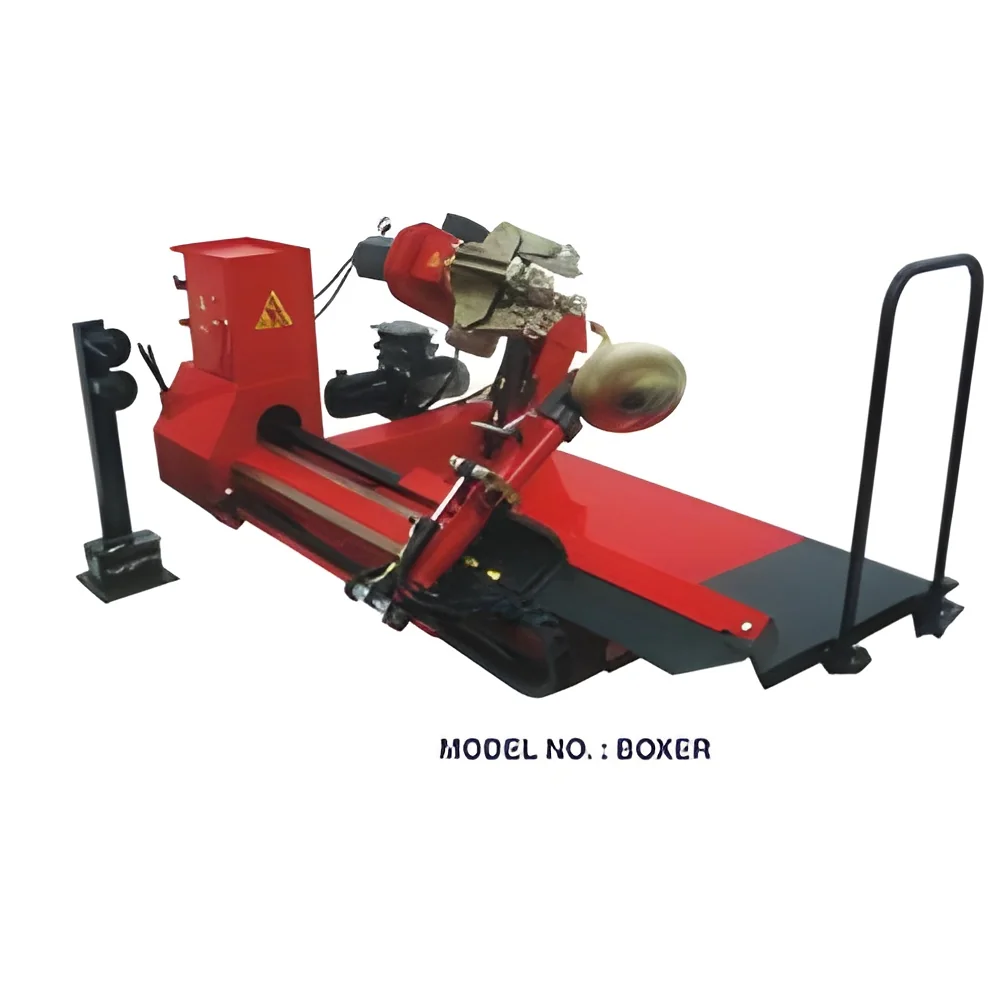
Heavy-Duty Tyre Changers: Designed specifically for larger vehicles, these machines can handle heavy tyres found in trucks and agricultural equipment.
Portable Tyre Changers: Compact and lightweight, these changers are ideal for mobile tyre services, allowing technicians to change tyres on-site.
Benefits and Advantages
Investing in tyre changers and balancers offers numerous benefits that can enhance operational efficiency and customer satisfaction.
1. Improved Efficiency: These machines significantly reduce the time required to change and balance tyres, allowing businesses to serve more customers in less time.
2. Enhanced Safety: Properly balanced and installed tyres improve vehicle safety, reducing the risk of accidents caused by tyre failure.
3. Cost-Effectiveness: Automating tyre changes and balancing can lower labor costs and minimize the risk of damage to tyres and wheels.
4. Increased Customer Satisfaction: Quick and efficient service leads to happier customers, encouraging repeat business and positive referrals.
5. Versatility: Many tyre changers and balancers can handle a wide range of tyre sizes, making them suitable for various vehicles.
6. Compliance with Standards: Quality equipment often meets industry standards, ensuring safety and reliability in operations.
Buying Guide for B2B Buyers
When sourcing tyre changers and balancers, buyers should consider several critical factors to ensure they make an informed decision.
1. Quality Assessment: It is vital to evaluate the quality of the equipment. Look for machines that meet international standards and have positive reviews from other users.
2. Supplier Verification: Vet potential suppliers by checking their credentials, customer feedback, and their history in the market to ensure reliability.
3. Pricing and MOQ: Understand the pricing landscape and minimum order quantities to align with budget constraints and operational needs.
4. Delivery and Lead Times: Consider logistics and timelines for delivery to ensure that the equipment will be available when needed.
5. Compliance Requirements: Check for any regulatory requirements that the equipment must meet, especially in specific regions or industries.
Compliance and Certifications
Tyre changers and balancers must adhere to several compliance standards to ensure safety and quality.
ISO 9001 is a widely recognized standard that ensures quality management systems are in place for manufacturers, which is critical for maintaining product reliability.
CE certification indicates that the equipment meets safety, health, and environmental protection standards for products sold within the European Economic Area.
Safety and testing requirements are stringent, especially for machines that handle heavy loads. Manufacturers must conduct rigorous testing to ensure that the equipment can operate safely under various conditions.
Additionally, regional compliance considerations may vary, with different countries having specific regulations that must be met. Buyers need to be aware of these requirements to avoid issues when importing or using this equipment.
Why Source Tyre Changers & Balancers from Pepagora?
Pepagora provides a trusted platform for sourcing tyre changers and balancers, presenting several key advantages to B2B buyers.
Verified Supplier Network: Pepagora has a robust network of verified suppliers, ensuring that buyers can find reliable equipment from trusted manufacturers. This network helps mitigate risks associated with sourcing from unknown vendors.
Streamlined RFQ Process: The Request for Quotation (RFQ) process on Pepagora is designed to be efficient, allowing buyers to compare multiple suppliers quickly and select the best options based on their specific needs.
Trade Assurance and Support: Pepagora offers trade assurance programs that protect buyers throughout the purchasing process. This includes support for any issues that may arise post-purchase, ensuring peace of mind.
Regional Coverage: Pepagora's geographic reach includes key markets such as India, the Gulf Cooperation Council (GCC), and Southeast Asia, providing access to a wide range of products and suppliers in these regions. This broad coverage allows businesses to find the right equipment regardless of their location.

 India
 India
 India
Frequently Asked Questions
What are Tyre Changers & Balancers?
Tyre Changers and Balancers are specialized machines used in the automotive industry for the installation, removal, and balancing of tyres. Tyre changers assist in mounting and demounting tyres from wheels, while balancers ensure that the weight distribution of the tyres is even, promoting a smoother ride and extending the lifespan of the tyres.
What are the different types of Tyre Changers & Balancers?
There are primarily three types of tyre changers: manual, semi-automatic, and fully automatic. Similarly, balancers can be classified into static and dynamic balancers, each serving different operational needs and efficiency levels based on tyre size and vehicle type.
How do I choose the right Tyre Changers & Balancers?
To choose the right tyre changers and balancers, consider factors such as the volume of tyres you handle, the range of tyre sizes, and the technical features you require. It is also important to evaluate the machine's durability, ease of use, and maintenance requirements.
What are the standard specifications for Tyre Changers & Balancers?
Standard specifications for tyre changers often include maximum tyre diameter, maximum wheel width, and power requirements. Balancers typically have specifications regarding the wheel weight range and balancing speed, ensuring they meet the needs of various vehicle types.
What is the price range for Tyre Changers & Balancers?
The price range for tyre changers and balancers can vary widely depending on the type and features. Generally, basic models may start from around INR 30,000, while advanced models with enhanced features can go up to INR 200,000 or more.
What quality standards apply to Tyre Changers & Balancers?
Quality standards for tyre changers and balancers typically include compliance with international safety and performance standards, such as ISO certifications. Manufacturers often adhere to specific guidelines to ensure reliability and efficiency in their products.
Where can I find Tyre Changers & Balancers suppliers in India?
You can find tyre changers and balancers suppliers in India through B2B marketplaces like Pepagora.com, industry trade shows, and automotive equipment exhibitions. Additionally, researching online directories and manufacturer websites can help identify reputable suppliers.
Can Tyre Changers & Balancers be customized?
Yes, tyre changers and balancers can often be customized to meet specific operational needs. Customization options may include modifications to accommodate different tyre sizes, additional features, or branding requirements.
What is the typical minimum order quantity for Tyre Changers & Balancers?
The typical minimum order quantity (MOQ) for tyre changers and balancers can vary by supplier but often ranges from 1 to 10 units. It is advisable to check with individual suppliers for their specific MOQ policies.
What is the typical lead time for Tyre Changers & Balancers?
The typical lead time for tyre changers and balancers can range from 2 to 8 weeks, depending on the supplier and the complexity of the order. Factors such as customization and stock availability can also influence delivery times.
Why Businesses Trust Pepagora
Thousands of companies trust Pepagora to source smarter and sell faster
Expand Your Sales Globally

Source Smarter,Grow Faster
