
 IN
Travelators / Moving Walkways
4 products available
What are Travelators / Moving Walkways?
Travelators, also known as moving walkways, are mechanized pedestrian transport systems designed to move individuals across horizontal or slightly inclined surfaces. These systems are similar to escalators but operate on a flat plane, allowing users to stand or walk while being transported. They consist of a conveyor belt system that moves continuously in one direction, providing an efficient solution for transporting people in high-traffic areas.
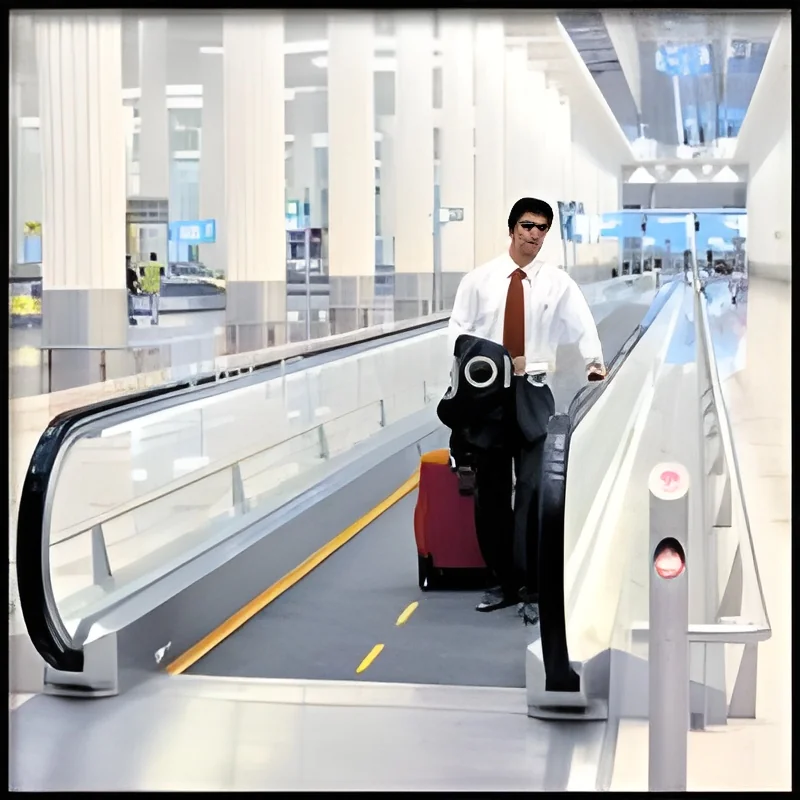
Primarily, travelators are utilized in environments such as airports, shopping malls, and large public transit stations. They enhance pedestrian flow by reducing walking time and effort, especially in crowded or expansive spaces. Businesses leverage travelators to improve customer experience, ensuring smooth movement for individuals carrying luggage or shopping bags.
In the current market context, the demand for travelators is growing, driven by increasing infrastructural development and the need for efficient transport solutions in urban areas. With advancements in technology, manufacturers are focusing on energy-efficient and safe designs, making travelators a key component in modern architecture.
Key Features and Specifications
Travelators are designed with several features that enhance their functionality and user experience. Their specifications are tailored to meet diverse operational requirements across different environments.
Key specifications include:
1. Capacity
- Travelators can accommodate a defined number of passengers per minute, typically ranging from 3,000 to 10,000, depending on the model and usage environment.
2. Speed
- The speed of travelators generally ranges from 0.5 to 1.0 meters per second, allowing for a comfortable pace for users.
3. Length
- Travelators can vary in length, commonly measuring from 10 meters to over 50 meters, depending on the installation requirements.
4. Width
- Standard widths usually range from 1 meter to 1.2 meters, designed to facilitate two-way traffic in busy areas.
5. Power Source
- Most travelators operate on electric power, with some models designed for energy efficiency and low power consumption.
6. Safety Features
- Safety features may include emergency stop buttons, safety sensors, and non-slip surfaces to prevent accidents.
7. Maintenance Requirements
- Regular maintenance is necessary to ensure optimal performance, with service intervals typically suggested by manufacturers.
8. Customization Options
- Many manufacturers offer customizable options for travelators, allowing for specific design and functionality adjustments based on client needs.
In summary, travelators are engineered with specific features that address user capacity, safety, and operational efficiency, making them a valuable asset for high-traffic environments.
Common Applications and Use Cases
Travelators serve a variety of industries, enhancing movement and accessibility in numerous settings.
1. Airports: Travelators are widely used in airports to expedite passenger movement between terminals, baggage claim areas, and parking lots, reducing travel time for travelers.
2. Shopping Malls: In shopping centers, travelators facilitate easy access to different levels, enabling shoppers to move between floors efficiently without the need for elevators.
3. Train and Bus Stations: These systems provide convenient transit solutions in train and bus stations, helping passengers navigate large terminal spaces with ease.
4. Exhibition Centers: Travelators are common in exhibition venues, allowing visitors to move quickly between various sections while carrying materials or promotional items.
5. Corporate Offices: In large corporate campuses, travelators assist employees in navigating between buildings, promoting a seamless work environment.
6. Theme Parks: Travelators help manage foot traffic in theme parks, allowing visitors to access rides and attractions comfortably.
7. Hospitals: In healthcare facilities, travelators support patient movement between departments, enhancing accessibility for those with mobility issues.
Product Variants and Subcategories
Travelators come in various designs and configurations to meet the unique needs of different applications.
Standard Travelators
These are the most commonly used type, designed for general pedestrian use in locations like airports and malls. They feature a simple design focused on user comfort and safety.
Heavy-Duty Travelators
Engineered for high-capacity use, these models are suitable for environments with heavy foot traffic, such as train stations and large shopping complexes.
Outdoor Travelators
These variants are specifically designed to withstand outdoor conditions, equipped with weather-resistant materials and enhanced safety features for public use.
Benefits and Advantages
Travelators offer numerous benefits that enhance operational efficiency in various settings.
1. Improved Efficiency: Travelators significantly reduce walking distances, allowing users to move faster in busy environments.
2. Enhanced User Experience: By providing a comfortable and effortless way to traverse long distances, travelators improve overall satisfaction for visitors and employees.
3. Space-Saving Design: Travelators allow for a compact design that can fit into narrow spaces, optimizing layout in crowded areas.
4. Energy Efficiency: Many modern travelators are designed to consume less energy, contributing to lower operational costs for businesses.
5. Reduced Strain: Travelators help reduce physical strain on users, particularly beneficial for individuals with mobility challenges or those carrying heavy items.
6. Safety Features: Equipped with safety mechanisms, travelators minimize the risk of accidents, ensuring a secure environment for all users.
Buying Guide for B2B Buyers
When sourcing travelators, it is important for B2B buyers to consider several key factors to ensure successful procurement.
1. Quality Assessment: Evaluate the quality of materials and construction used in travelators. Look for reputable brands that meet industry standards for durability and reliability.
2. Supplier Verification: Conduct thorough vetting of suppliers, checking for certifications, customer reviews, and previous installations. This ensures that you partner with dependable manufacturers.
3. Pricing and MOQ: Understand the pricing structures and minimum order quantities. Compare quotes from multiple suppliers to ensure competitive pricing aligned with your budget.
4. Delivery and Lead Times: Discuss delivery schedules and lead times with suppliers. This helps in planning installation timelines and ensuring that the travelator is ready for use when needed.
5. Compliance Requirements: Ensure that the travelators meet relevant safety and industry compliance standards. Verify any specific regulations that may apply based on your region.
Compliance and Certifications
Travelators must adhere to specific quality standards and certifications to ensure safety and reliability in their operation.
Relevant quality standards include ISO 9001, which focuses on quality management systems, ensuring manufacturers maintain high-quality production processes. Additionally, HACCP (Hazard Analysis Critical Control Point) may apply in food-related environments, ensuring safety standards are met.
Industry certifications such as CE indicate that the travelators comply with European safety regulations. This certification assures buyers of the product's reliability and safety in operational settings.
Furthermore, safety and testing requirements mandate that travelators undergo rigorous testing to validate their functionality and safety features. Regional compliance considerations may vary, necessitating buyers to understand local regulations pertinent to installation and use.
Why Source Travelators / Moving Walkways from Pepagora?
Pepagora provides a trusted platform for sourcing travelators, offering several key advantages to B2B buyers.
Verified Supplier Network: With a robust network of verified suppliers, Pepagora ensures that buyers connect with reputable manufacturers. This verification process adds an extra layer of confidence in sourcing quality products.
Streamlined RFQ Process: Pepagora simplifies the request for quotation process, allowing buyers to easily gather quotes from multiple suppliers. This efficiency enables informed decision-making based on competitive pricing and offerings.
Trade Assurance and Support: Buyers benefit from trade assurance, providing protection during transactions. Pepagora offers ongoing support to address any concerns, ensuring a smooth purchasing experience.
Regional Coverage: With a focus on markets in India, the GCC, and Southeast Asia, Pepagora has extensive regional coverage. This geographic reach ensures that buyers can source travelators tailored to their specific market needs and logistical requirements.




 India
 India
 India
Frequently Asked Questions
What are Travelators / Moving Walkways?
Travelators, also known as moving walkways, are powered conveyor systems designed to transport people over a flat or inclined surface. They are commonly used in airports, malls, and large public spaces to facilitate the movement of foot traffic efficiently.
What are the different types of Travelators / Moving Walkways?
Travelators can be classified into two main types: inclined and horizontal. Inclined travelators are designed to move users up or down slopes, while horizontal travelators operate on a flat surface, allowing for seamless movement in both directions.
How do I choose the right Travelators / Moving Walkways?
Selecting the right travelator involves considering factors such as the intended location, user traffic volume, and available space. Additionally, you should evaluate the load capacity, speed settings, and safety features to ensure it meets your specific requirements.
What are the standard specifications for Travelators / Moving Walkways?
Standard specifications for travelators include dimensions such as width, length, and incline angle. Other important factors are speed (typically ranging from 0.5 to 1.0 m/s), weight capacity, and safety features like handrails and emergency stop buttons.
What is the price range for Travelators / Moving Walkways?
The price of travelators can vary significantly based on factors such as size, type, and manufacturer. Generally, prices can range from INR 1,00,000 to INR 10,00,000 or more, depending on the specifications and features.
What quality standards apply to Travelators / Moving Walkways?
Travelators must adhere to various quality standards, including safety standards set by organizations such as the Bureau of Indian Standards (BIS) and international standards like EN 115. These standards ensure that travelators are safe, reliable, and durable for public use.
Where can I find Travelators / Moving Walkways suppliers in India?
You can find travelator suppliers in India through various online B2B marketplaces, industry trade shows, and local directories. Additionally, Pepagora.com is a reliable platform where you can connect with reputable manufacturers and suppliers.
Can Travelators / Moving Walkways be customized?
Yes, many manufacturers offer customization options for travelators to better suit specific needs. Customizations may include size, color, speed settings, and additional safety features, depending on the supplier's capabilities.
What is the typical minimum order quantity for Travelators / Moving Walkways?
The typical minimum order quantity (MOQ) for travelators varies by manufacturer but generally starts at one unit. However, some suppliers may offer discounts for bulk orders, so it's advisable to inquire directly with them.
What is the typical lead time for Travelators / Moving Walkways?
The lead time for travelators can vary based on factors such as order size and customization options. Generally, the lead time ranges from 4 to 12 weeks, depending on the supplier and production schedule.
Why Businesses Trust Pepagora
Thousands of companies trust Pepagora to source smarter and sell faster
Expand Your Sales Globally

Source Smarter,Grow Faster
