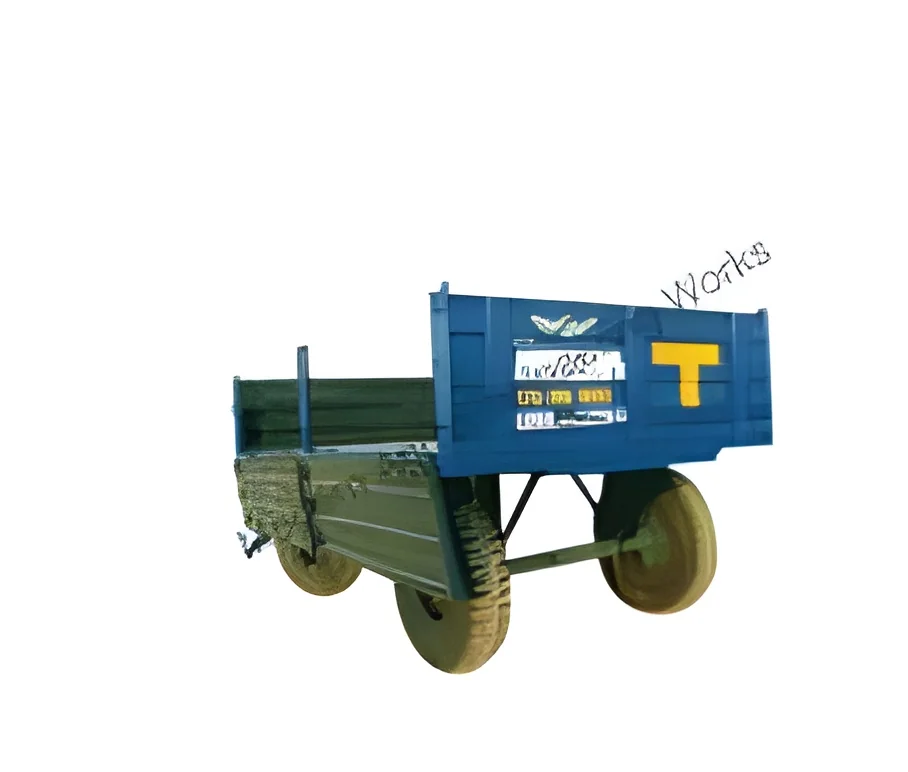
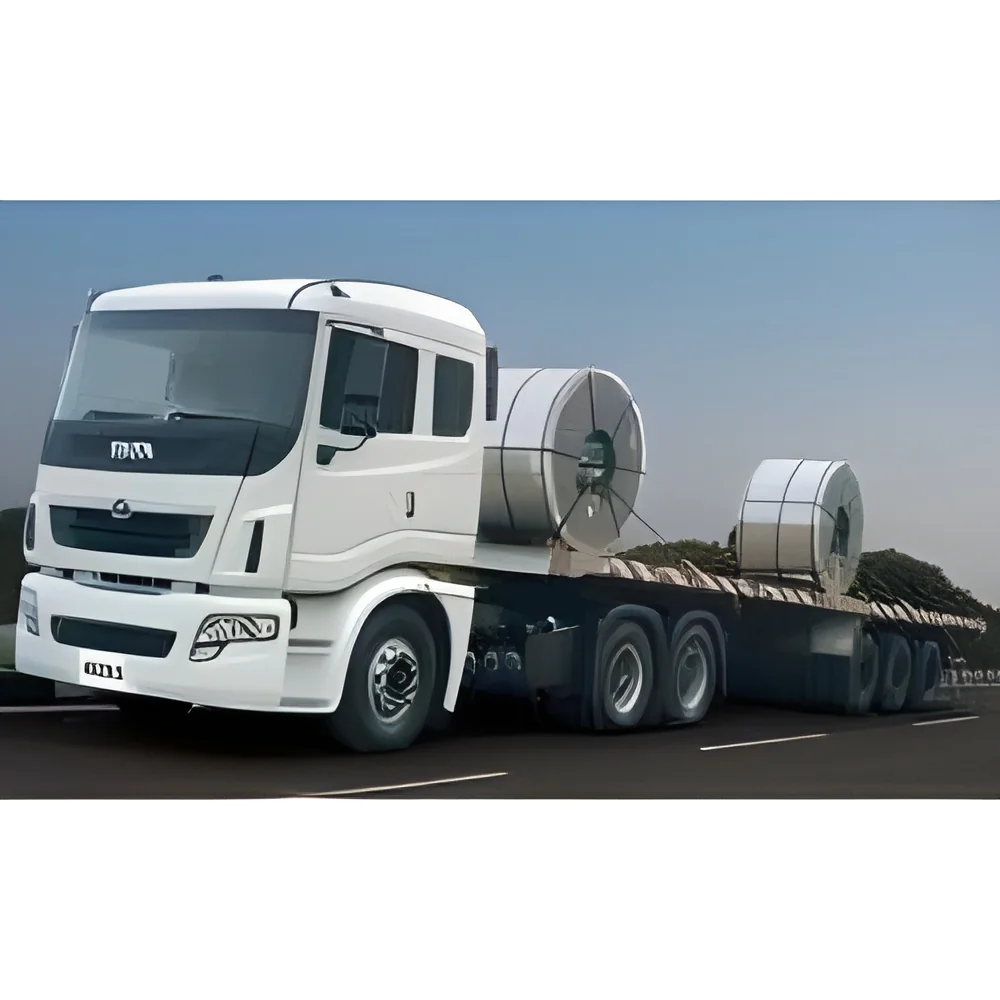
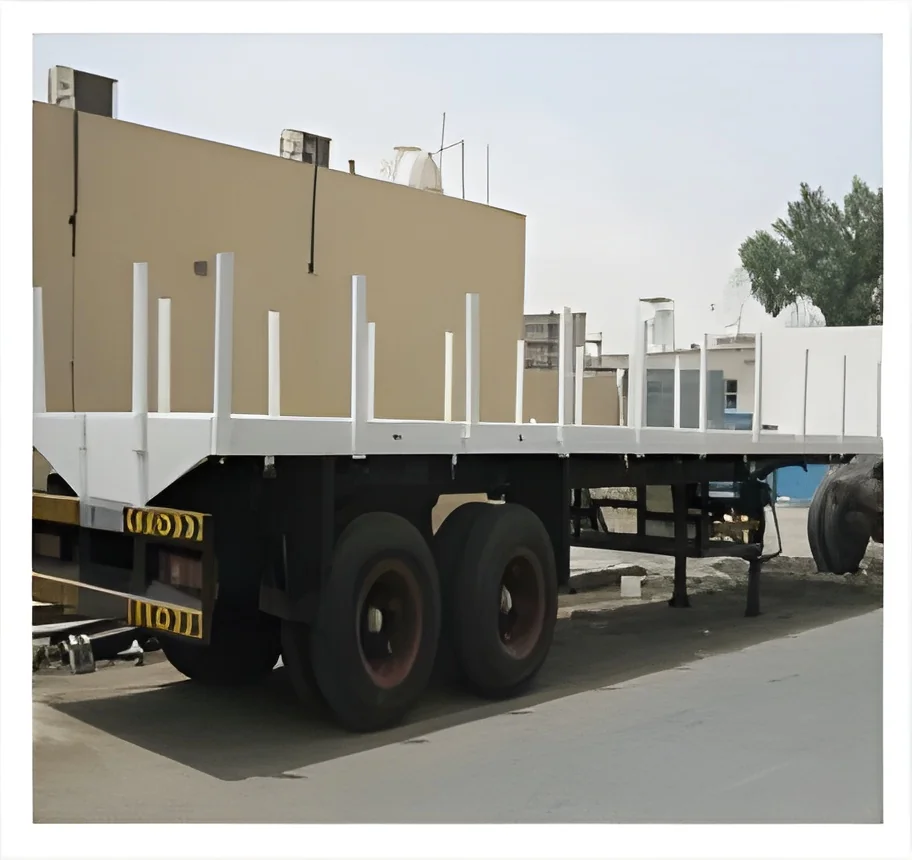
What are Trailer Trucks?
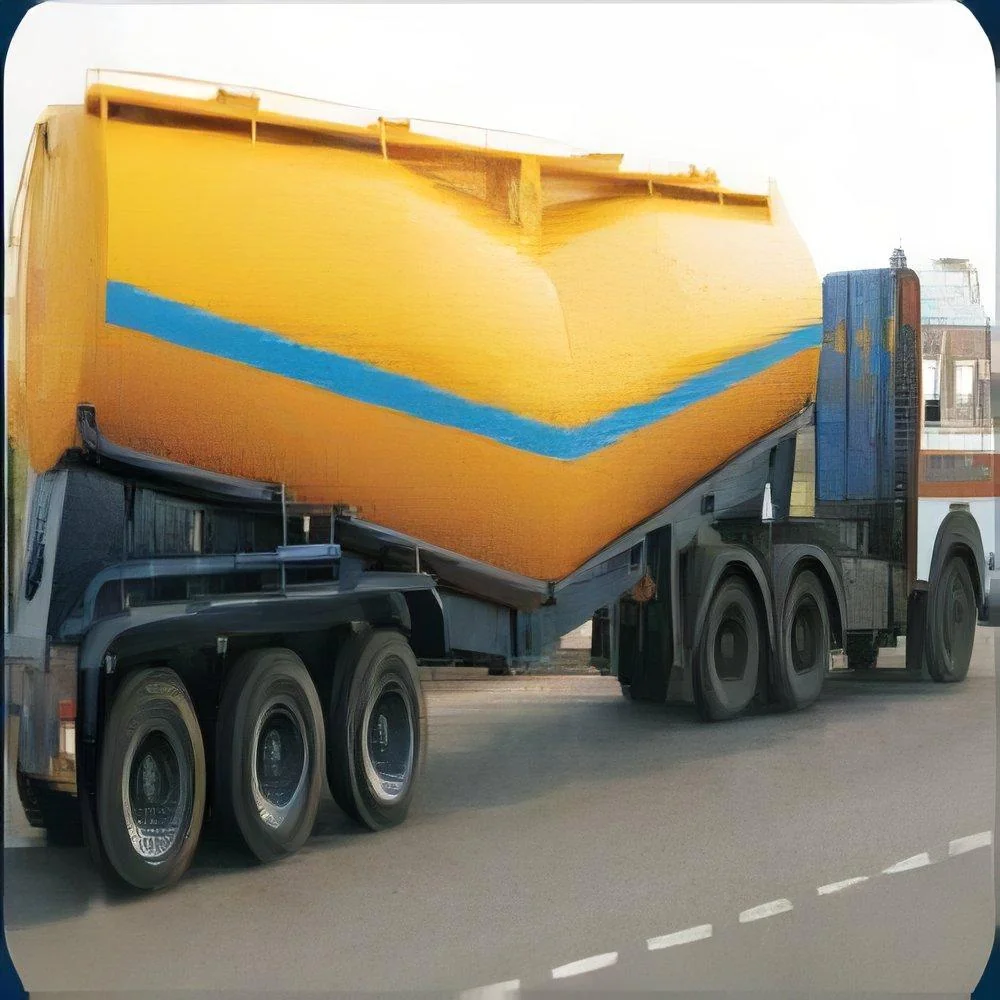
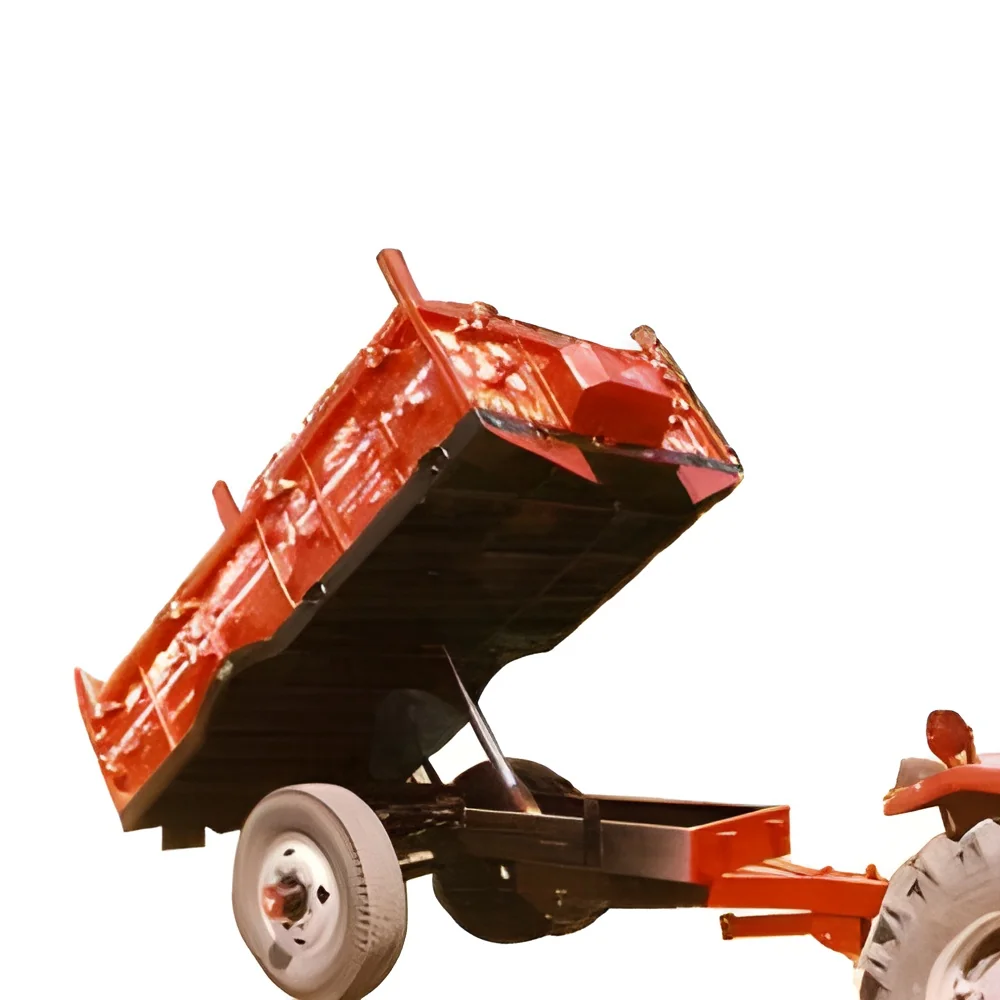
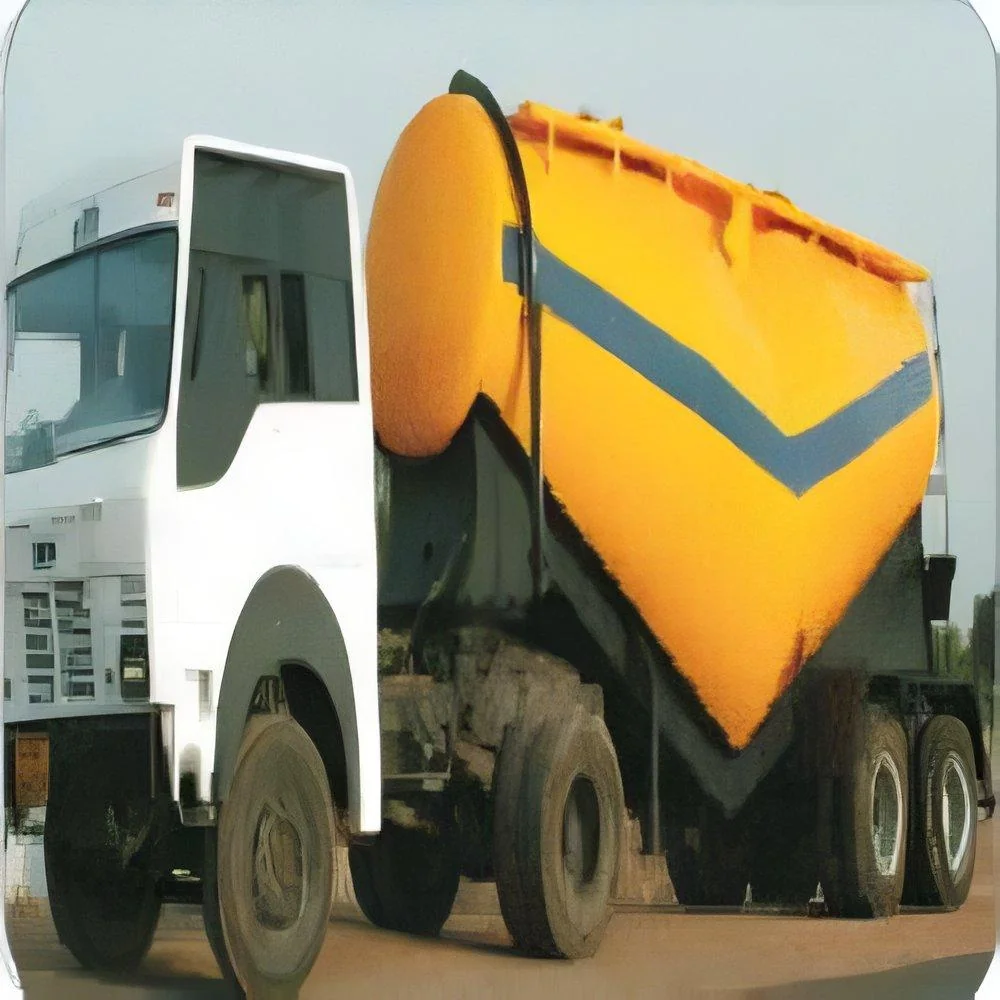
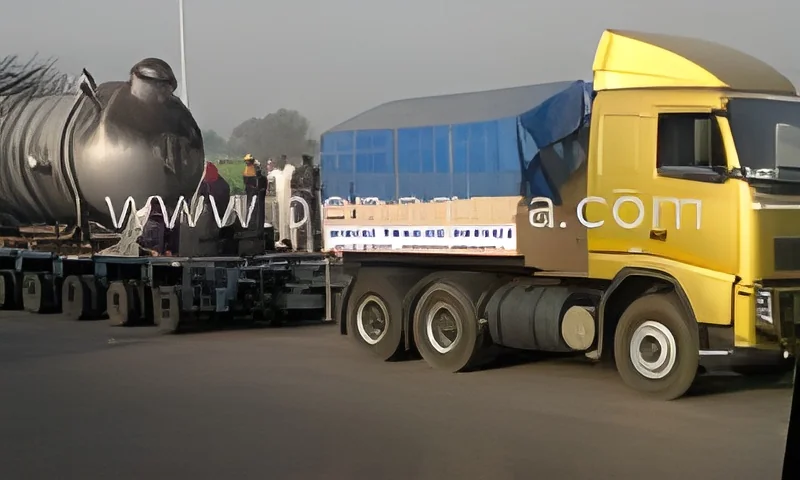
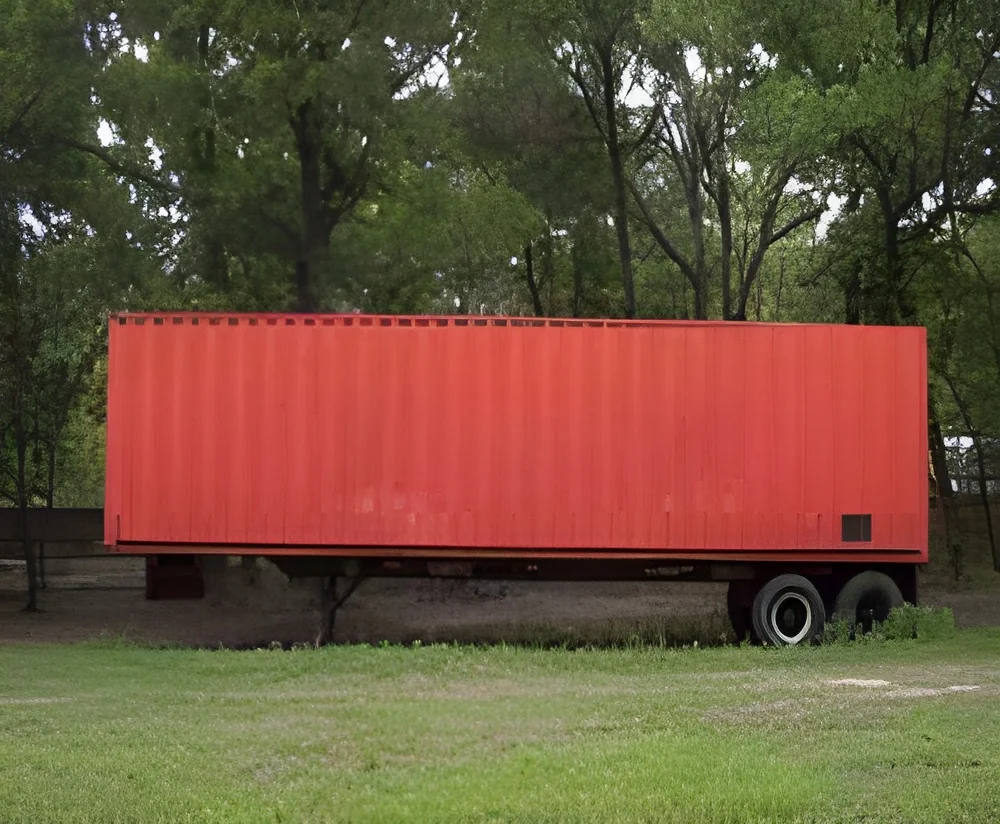
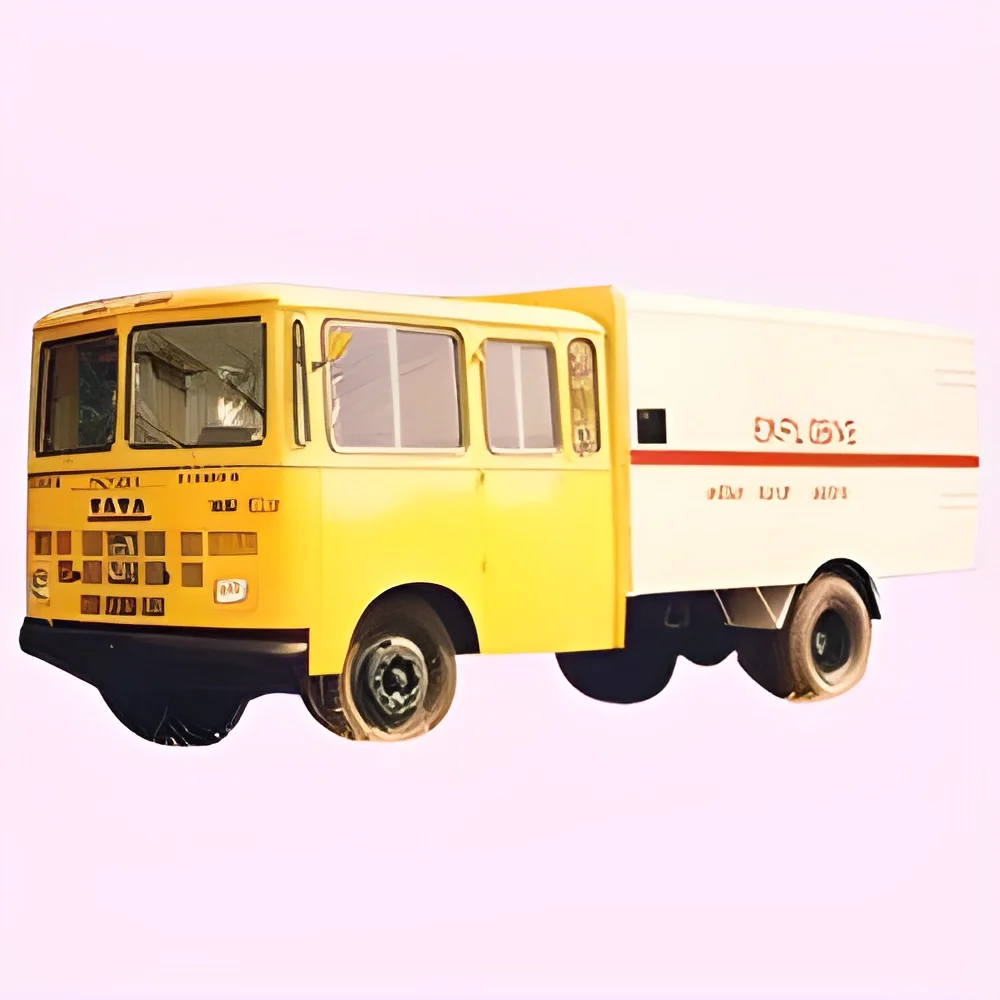
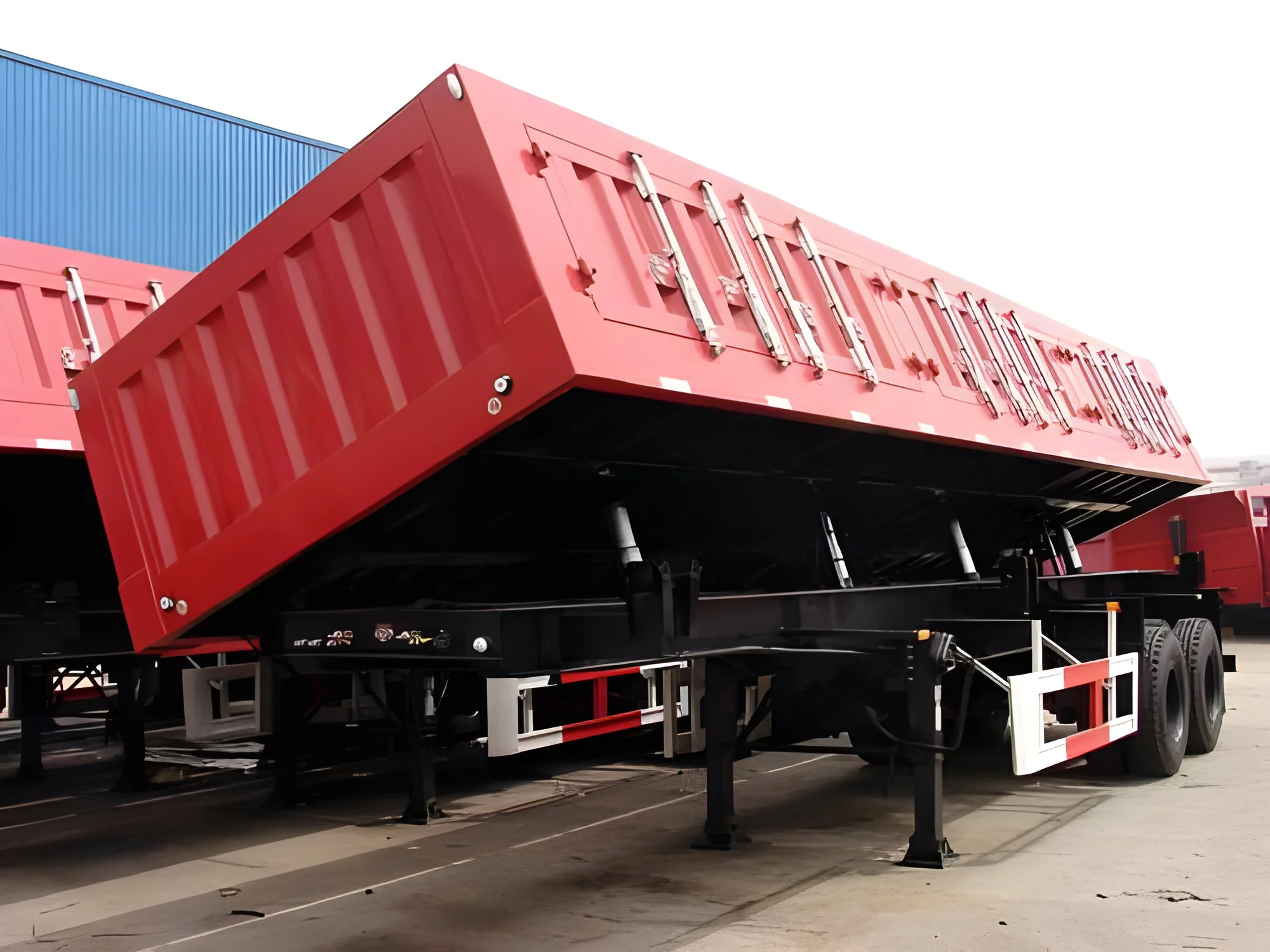
Trailer trucks, also known as articulated lorries or tractor-trailers, are heavy-duty vehicles designed for transporting goods over long distances. They consist of a tractor unit that pulls one or more trailers, which can be loaded with a variety of cargo. These trucks are engineered for efficiency and versatility, allowing businesses to move large volumes of freight while optimizing fuel consumption and road space.
Primarily, trailer trucks are used in logistics and transportation sectors to deliver goods from manufacturers to retailers, warehouses, or directly to consumers. They are particularly valuable for industries requiring the transport of bulk materials, such as construction, agriculture, and manufacturing. The flexibility of trailer trucks allows them to adapt to various loads and road conditions, making them a crucial component in the supply chain.
In the current market context, the demand for trailer trucks continues to rise due to the growth of e-commerce and global trade. Companies are increasingly looking for reliable transportation solutions to enhance their distribution capabilities. As a result, trailer trucks play a significant role in meeting the logistical challenges of modern commerce, driving innovation and efficiency in the industry.
Key Features and Specifications
Trailer trucks are equipped with a range of features that enhance their performance and usability. Understanding these specifications is essential for businesses looking to invest in reliable transportation solutions.
Key specifications include:
1. Load Capacity
- Typical load capacities range from 20,000 to 80,000 pounds.
- This varies based on the number of axles and the specific design of the trailer.
2. Engine Power
- Most trailer trucks feature diesel engines ranging from 300 to 600 horsepower.
- Engine specifications may vary based on manufacturer and model.
3. Fuel Efficiency
- Many modern models achieve fuel efficiency ratings of 6 to 8 miles per gallon.
- Advances in technology continue to improve these metrics.
4. Trailer Length
- Standard trailer lengths typically range from 48 to 53 feet.
- Custom options may be available for specific cargo needs.
5. Braking Systems
- Trailer trucks are equipped with air brake systems for enhanced safety.
- Anti-lock braking systems (ABS) are often standard in newer models.
6. Safety Features
- Common safety features include electronic stability control and collision avoidance systems.
- These features are crucial for reducing accident risks on highways.
7. Cargo Type Compatibility
- Trailer trucks can be configured for various cargo types, including refrigerated goods and dry bulk materials.
- Specialized trailers may be available for specific industries.
8. Transmission Types
- Options typically include automatic and manual transmissions.
- Automatic transmissions are becoming more popular for ease of operation.
In summary, trailer trucks are equipped with advanced features and specifications that cater to diverse transportation needs, making them an essential asset for many businesses.
Common Applications and Use Cases
Trailer trucks are utilized across multiple industries due to their versatility and capacity for heavy loads.
1. Logistics and Transportation: Trailer trucks are the backbone of logistics operations, ensuring timely deliveries across vast distances. They are essential for transporting consumer goods, industrial materials, and raw products.
2. Construction: In the construction industry, trailer trucks deliver heavy equipment and building materials such as concrete, steel, and timber. Their robust design allows them to handle the demands of construction sites.
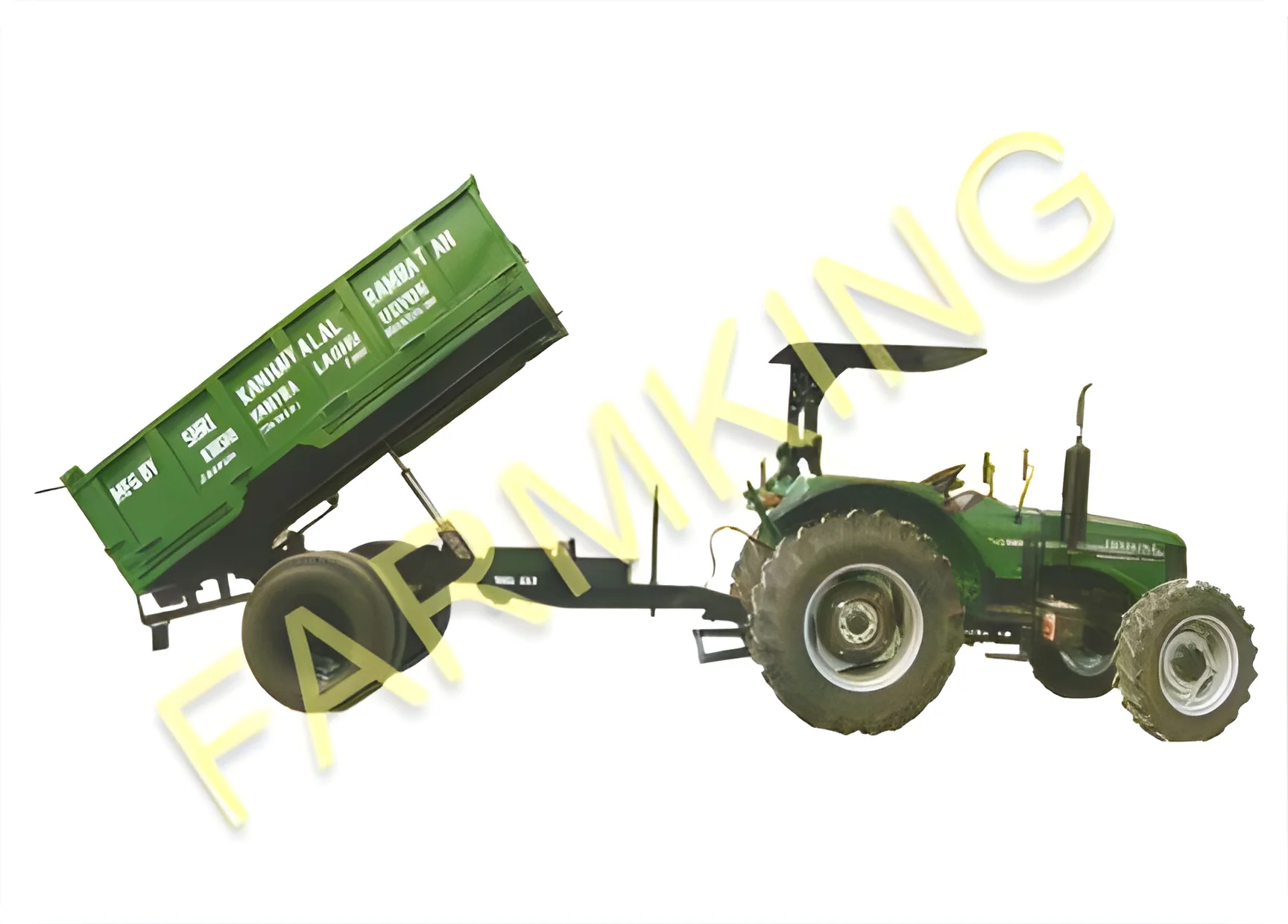
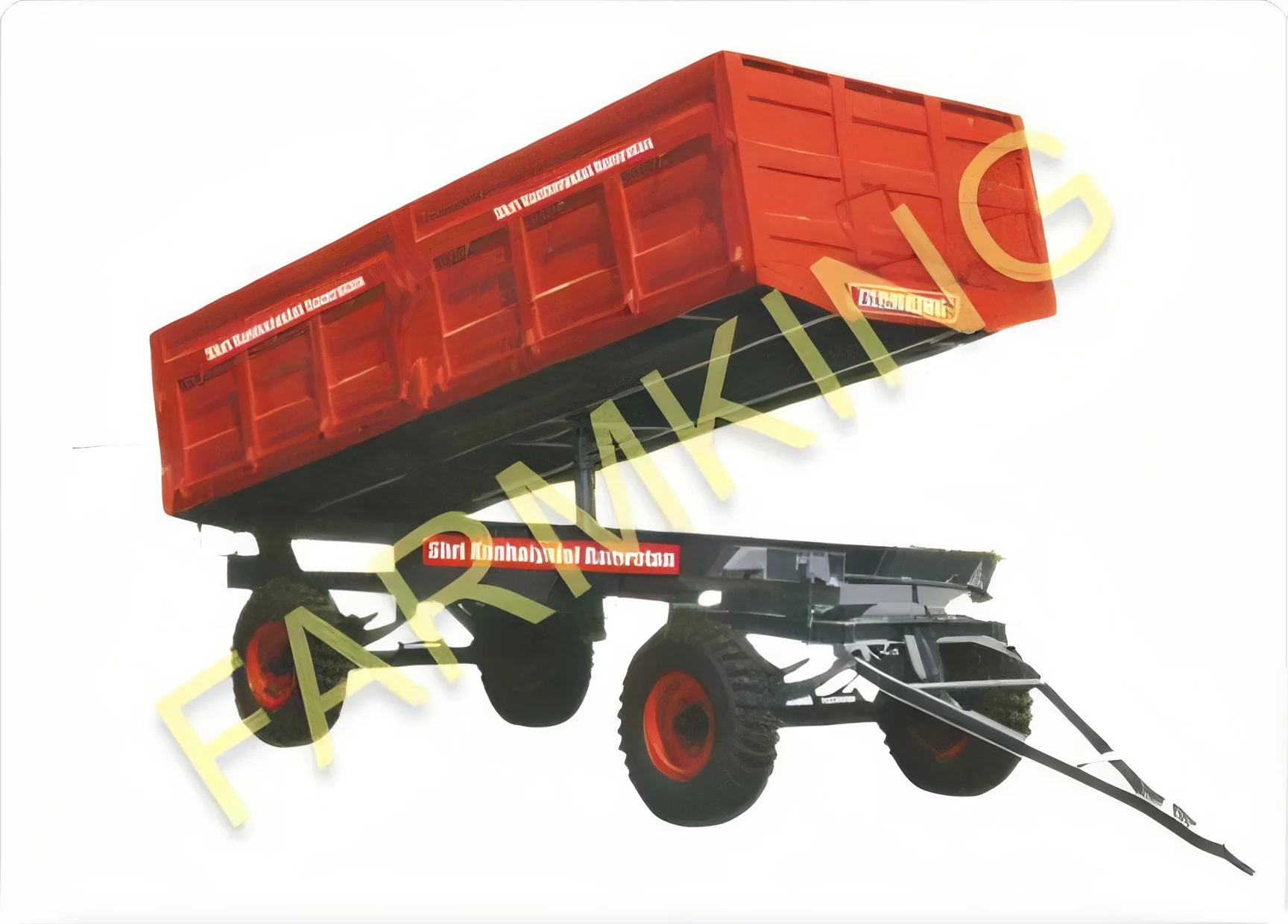
3. Agriculture: Trailer trucks are widely used in agriculture to transport harvests, livestock, and agricultural supplies. They play a critical role in getting products from farms to processing facilities and markets.
4. Manufacturing: Manufacturing companies rely on trailer trucks for the delivery of components and finished products. They facilitate the supply chain, ensuring that production lines remain operational.
5. Food and Beverage: In the food and beverage sector, refrigerated trailer trucks are crucial for maintaining temperature-sensitive products during transport. They ensure that perishable goods arrive fresh and safe.
6. Retail: Retailers use trailer trucks to replenish stock from distribution centers to stores. This process is vital for maintaining inventory levels and meeting consumer demand.
7. Waste Management: Trailer trucks are also used in waste management to transport refuse and recyclables to processing facilities. Their capacity allows for efficient collection and transportation of waste materials.
Product Variants and Subcategories
Trailer trucks offer a variety of configurations to meet specific business needs.
Flatbed Trailer
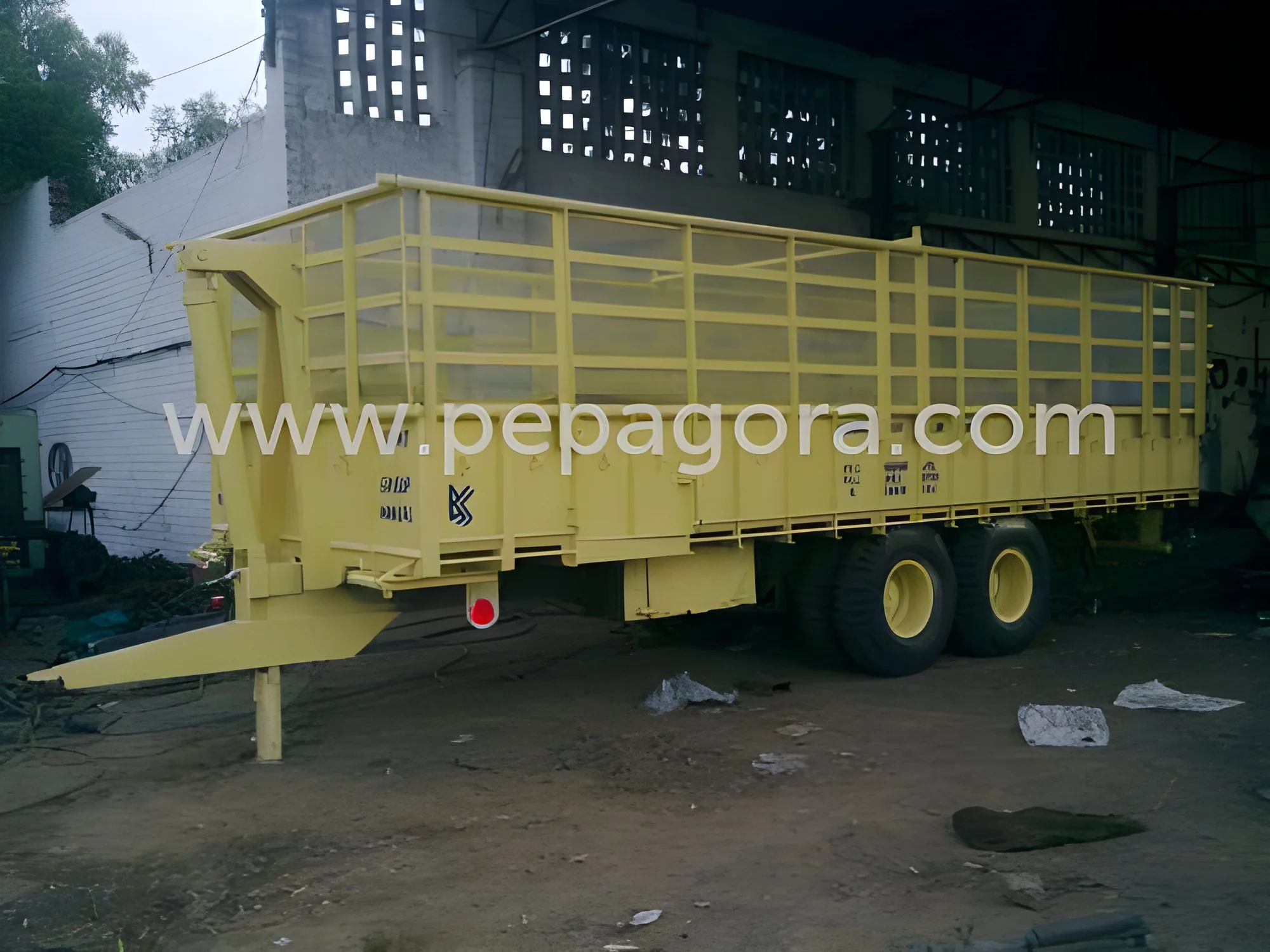
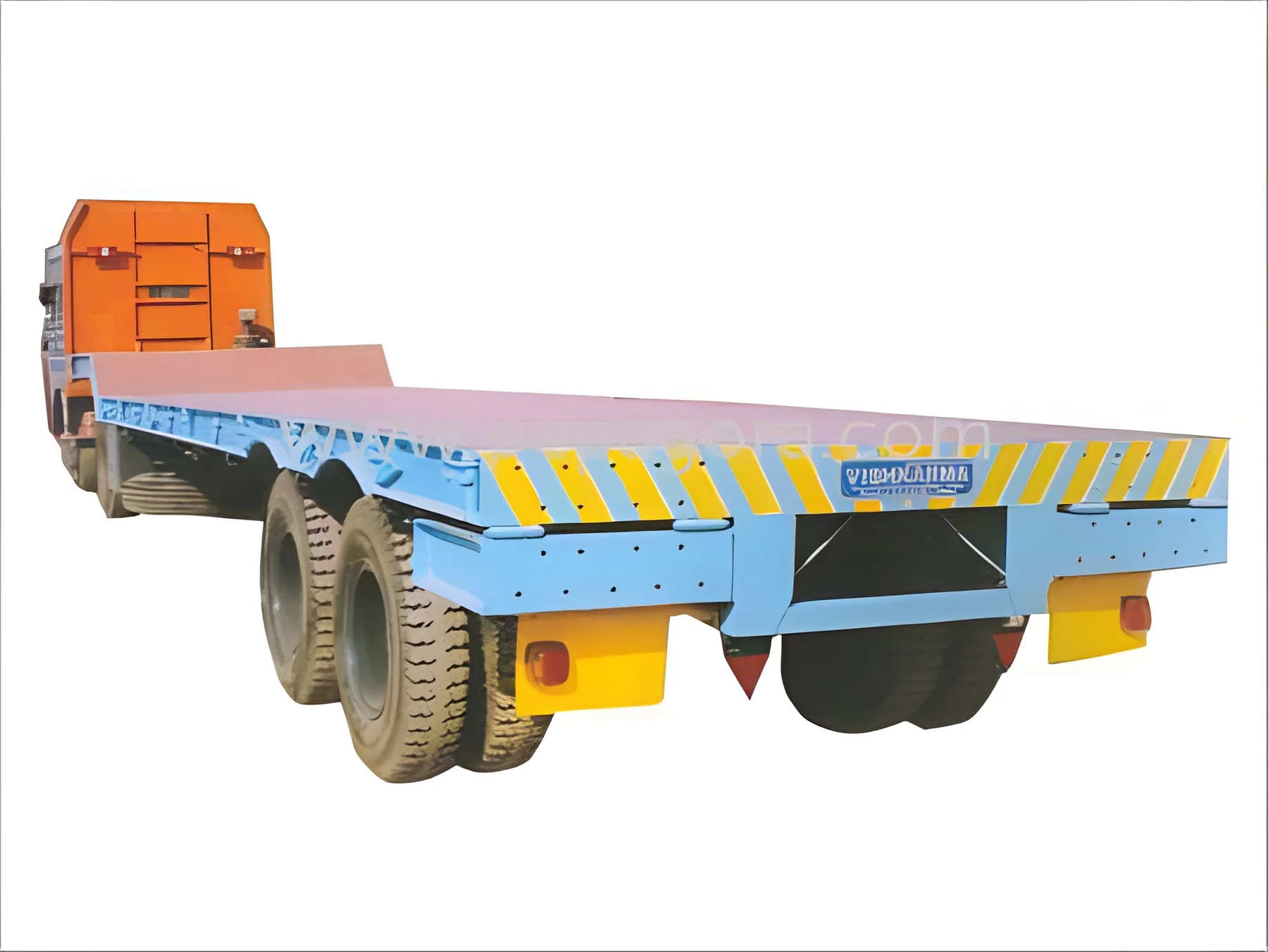
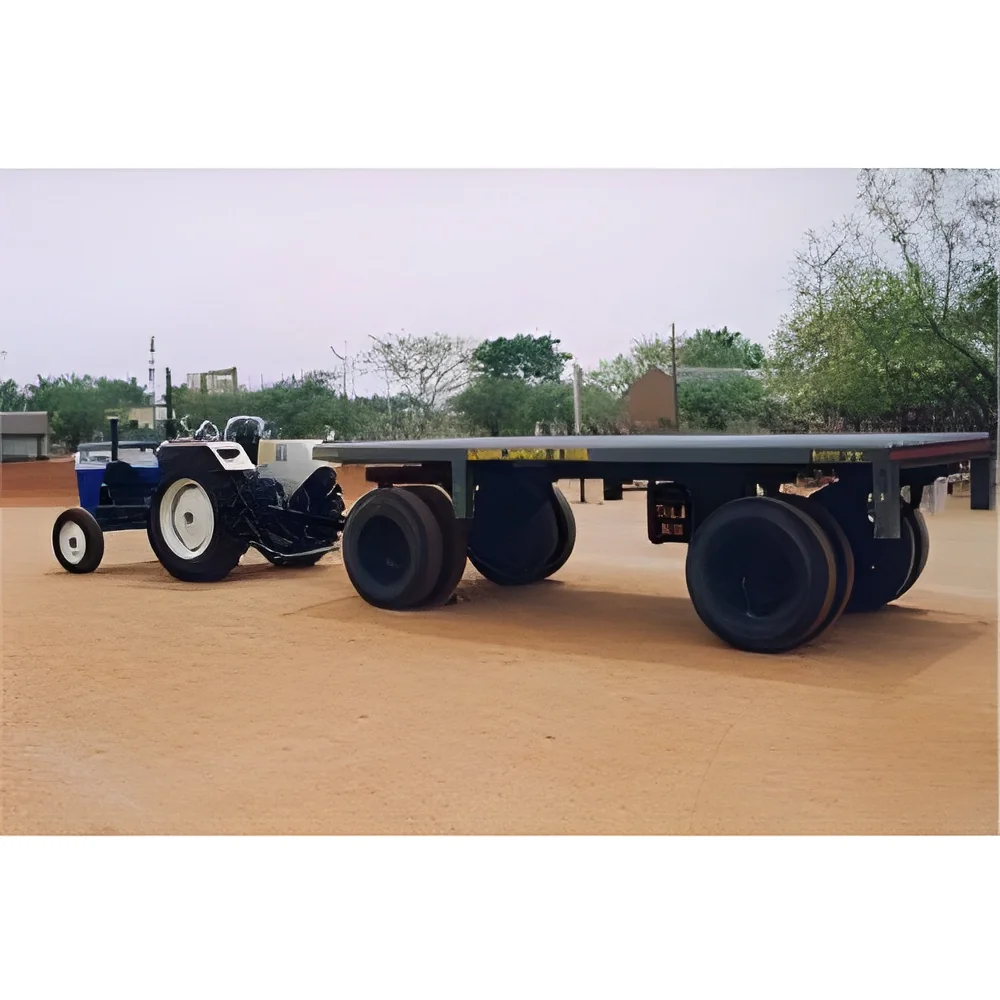
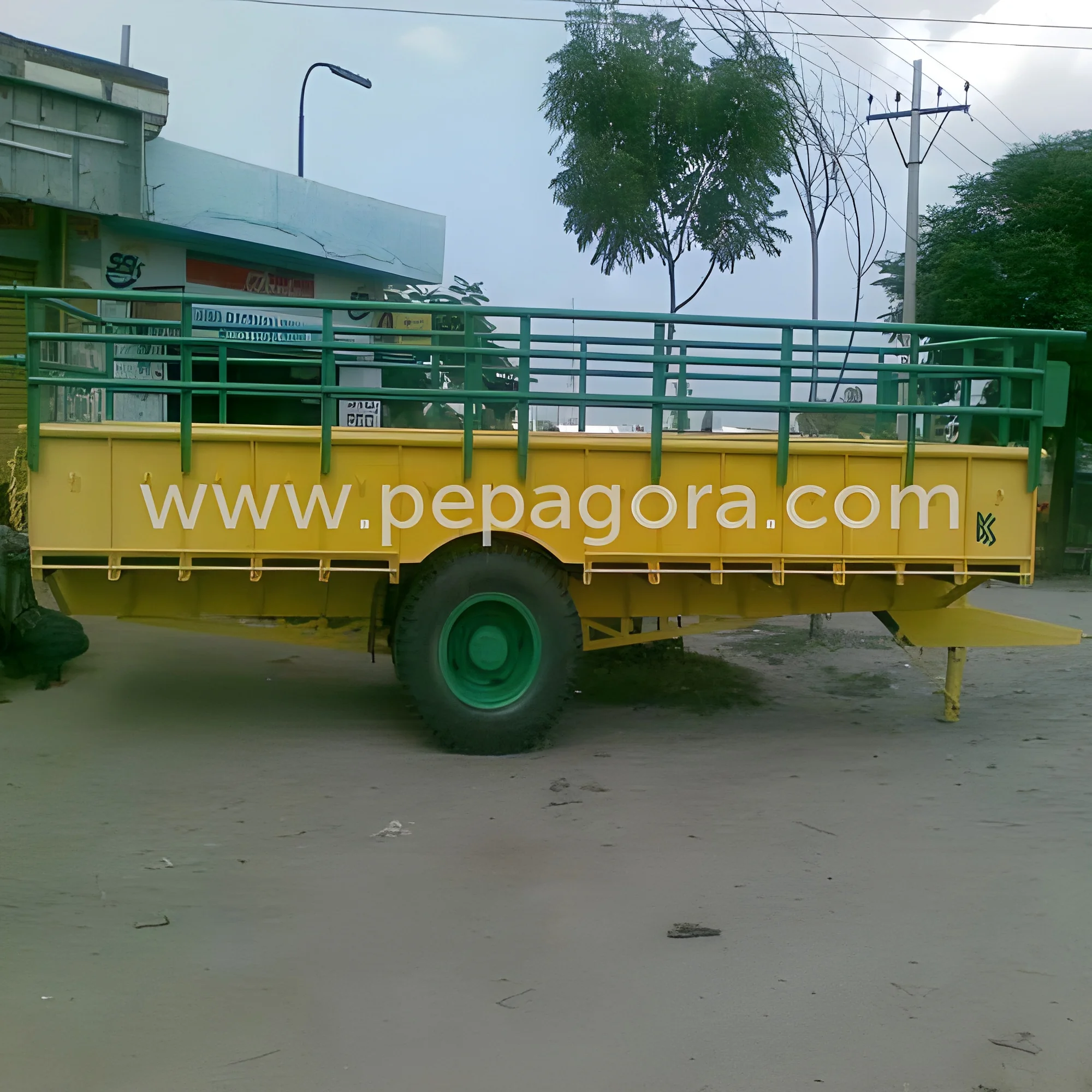
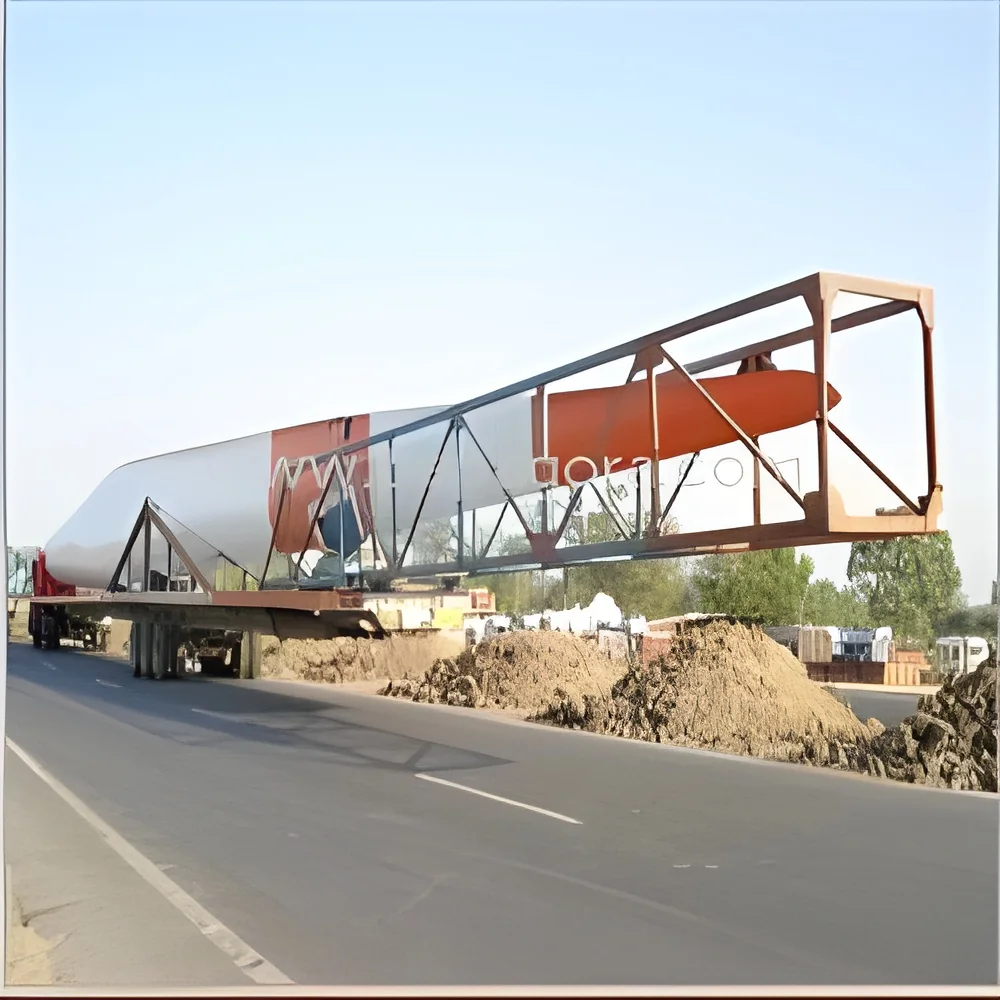
Flatbed trailers are designed for transporting oversized or irregularly shaped loads. Their open design allows for easy loading and unloading, making them suitable for construction materials and machinery.
Refrigerated Trailer
Refrigerated trailers, or reefer trailers, are equipped with temperature-controlled environments. They are ideal for transporting perishable goods such as food and pharmaceuticals, ensuring products remain within safe temperature ranges during transit.
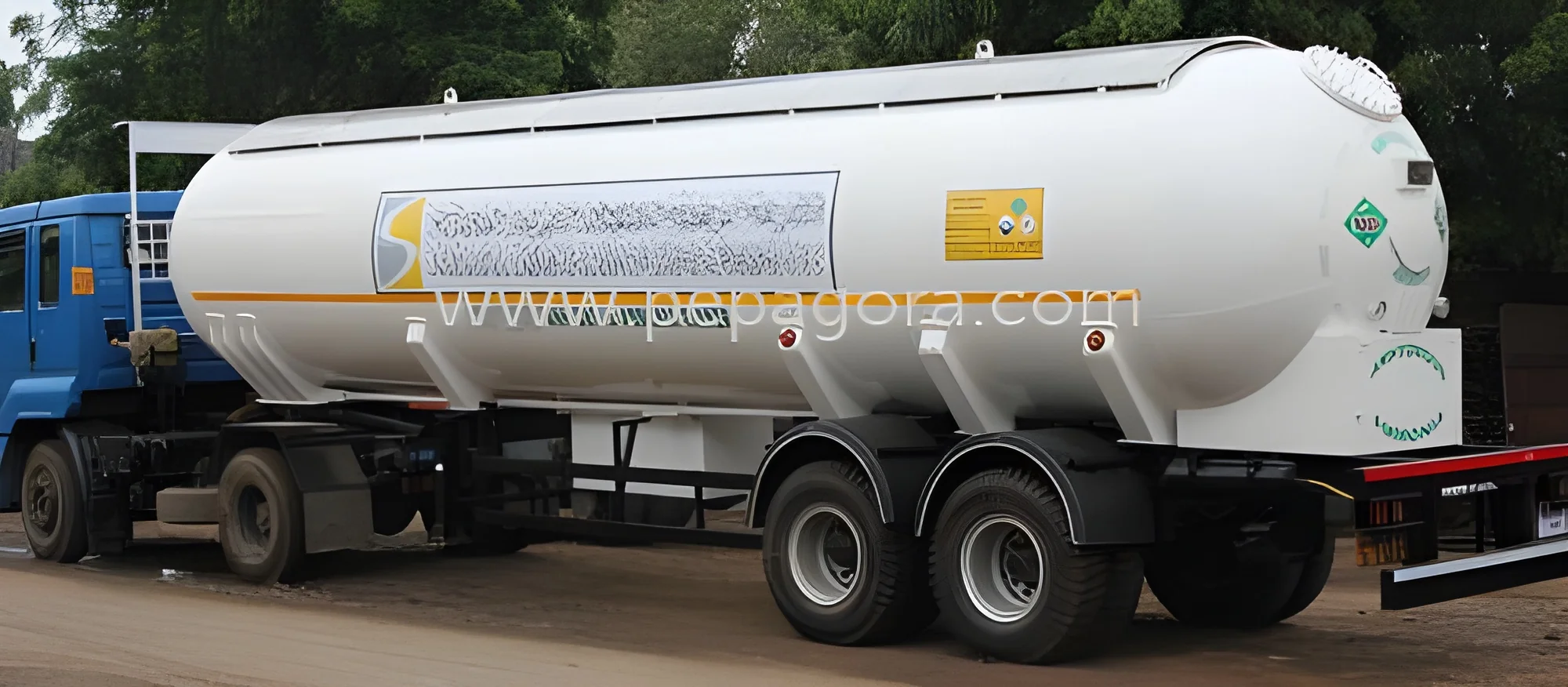
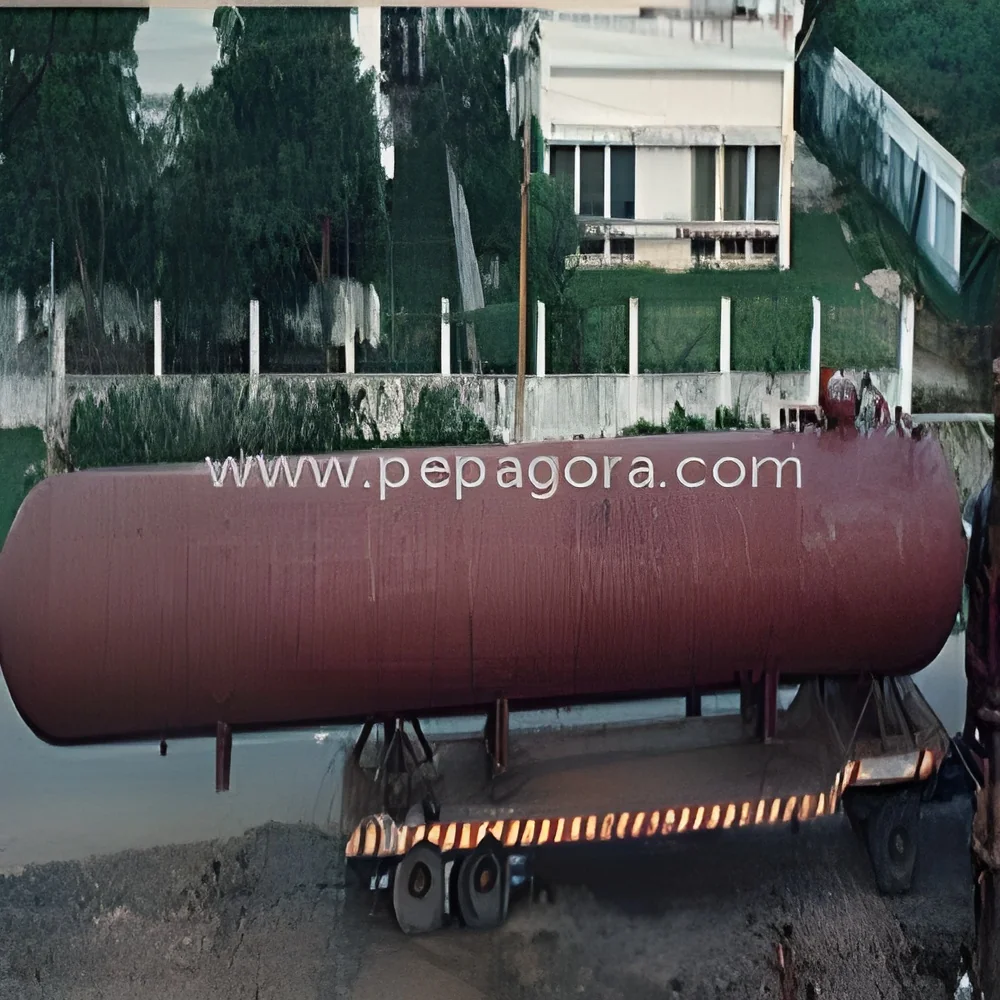
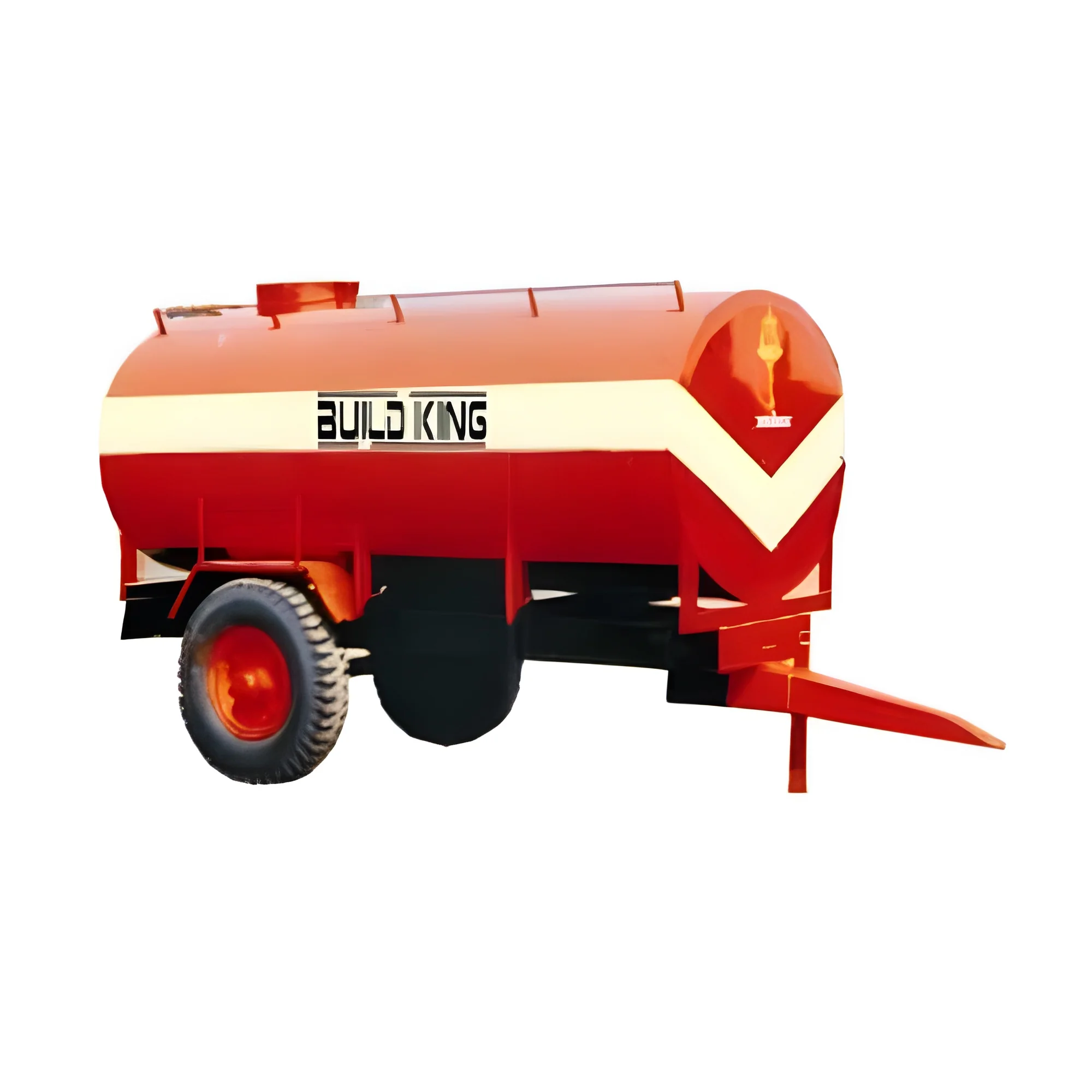
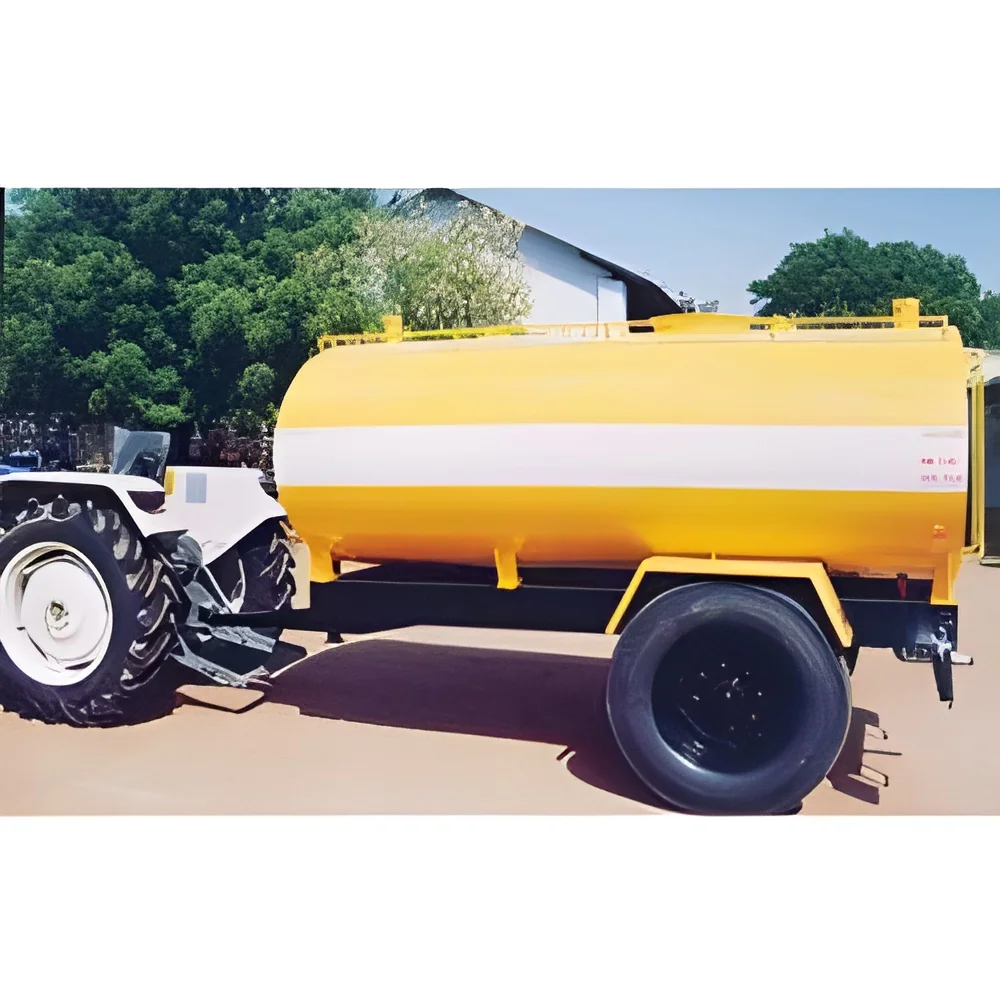
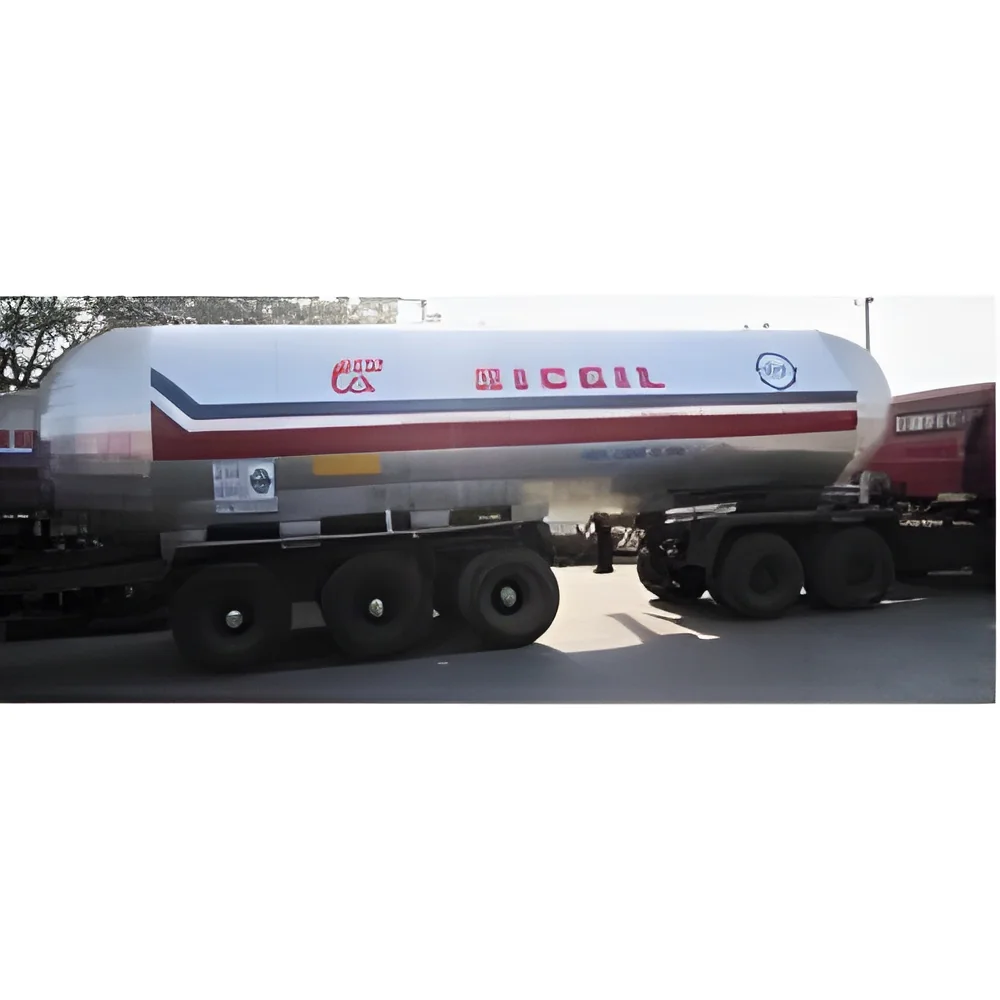
Tanker Trailer
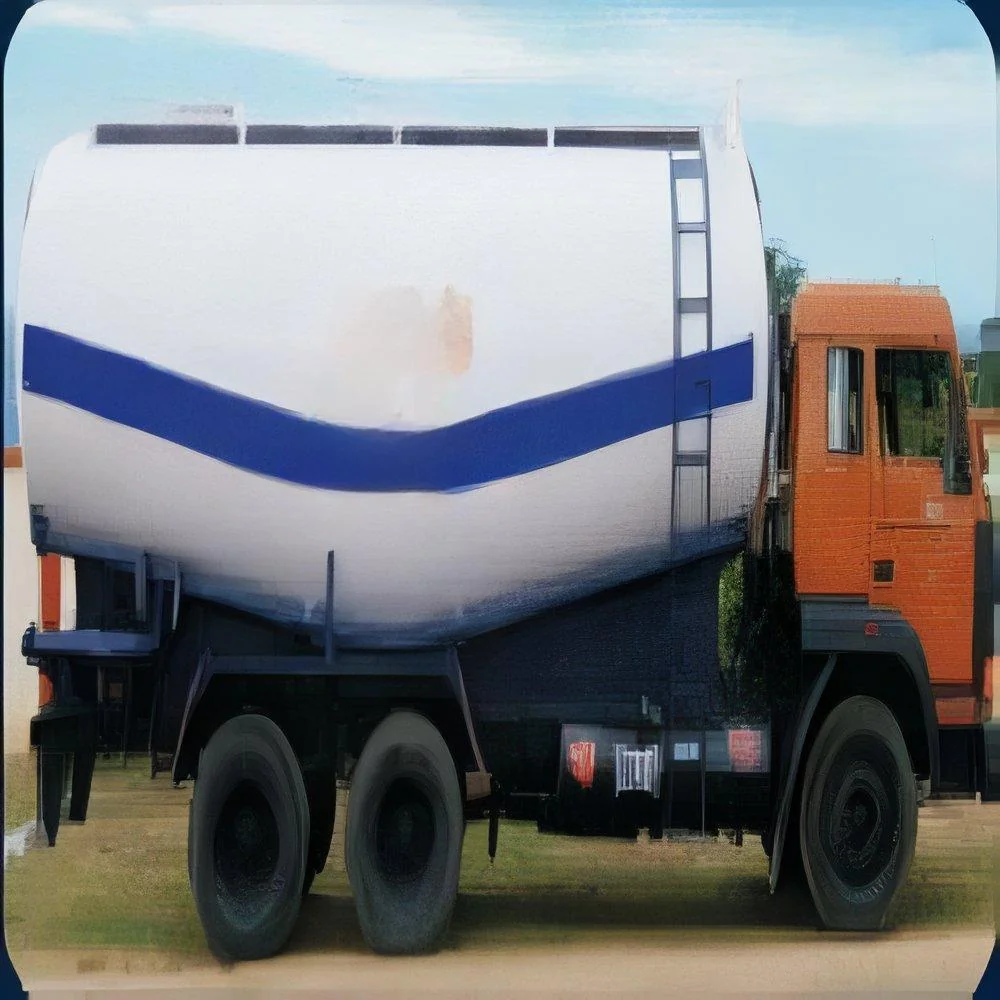
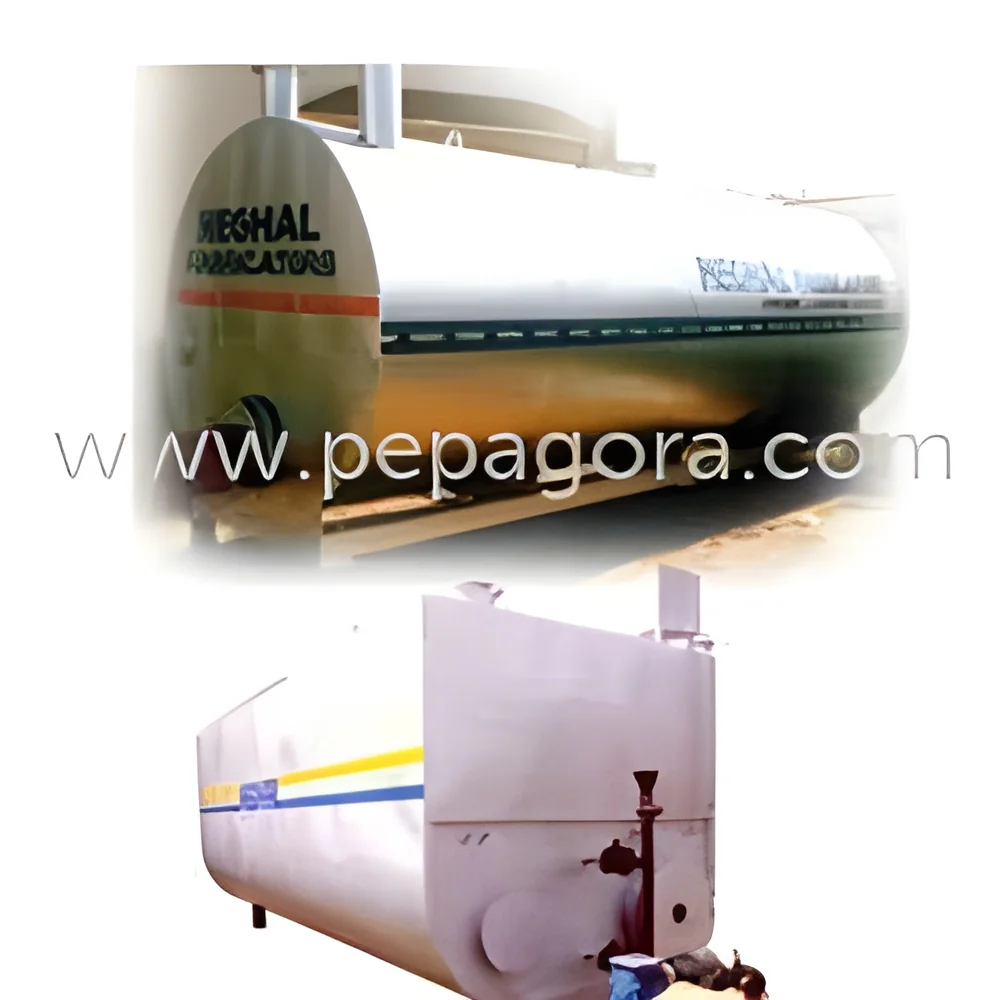
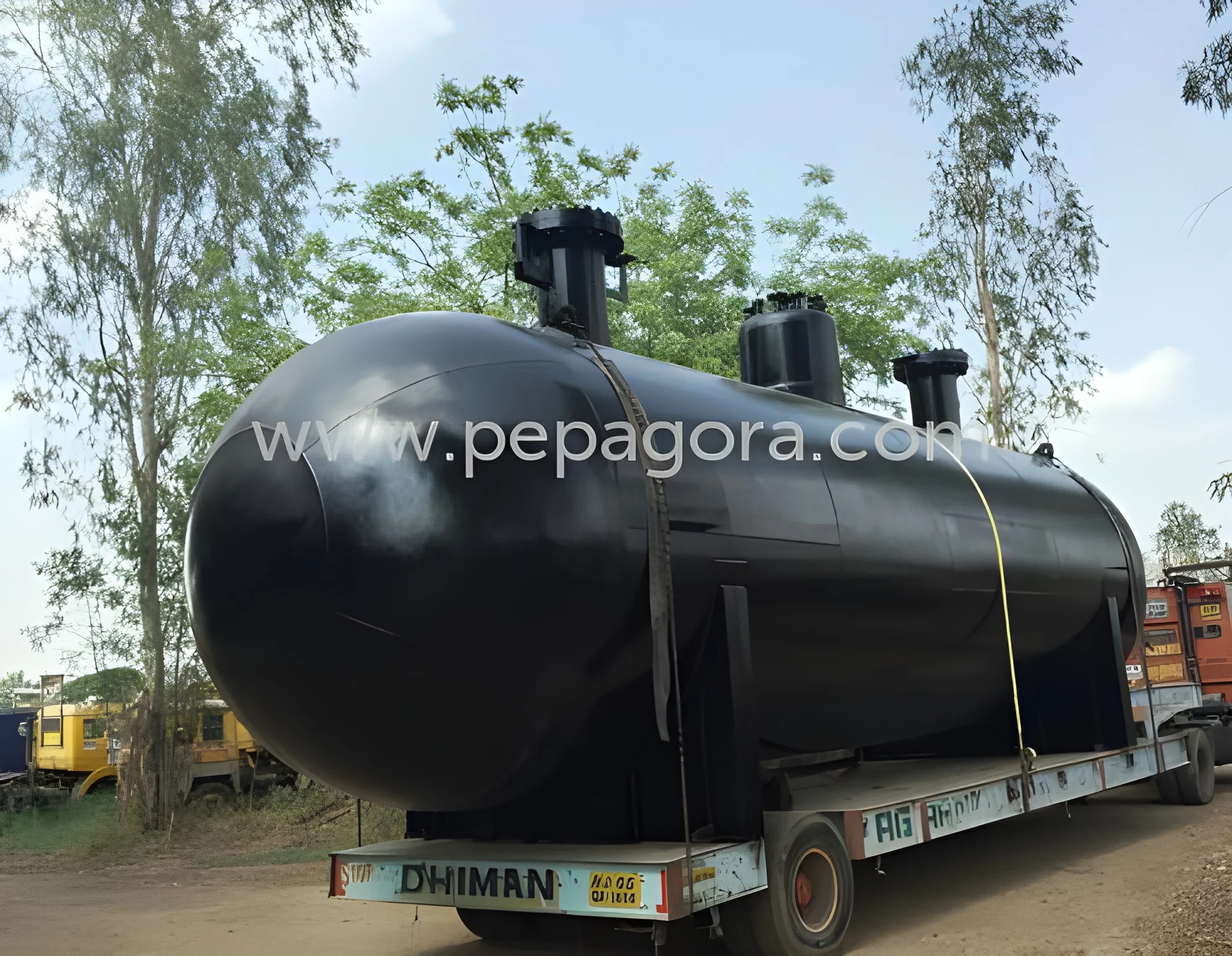
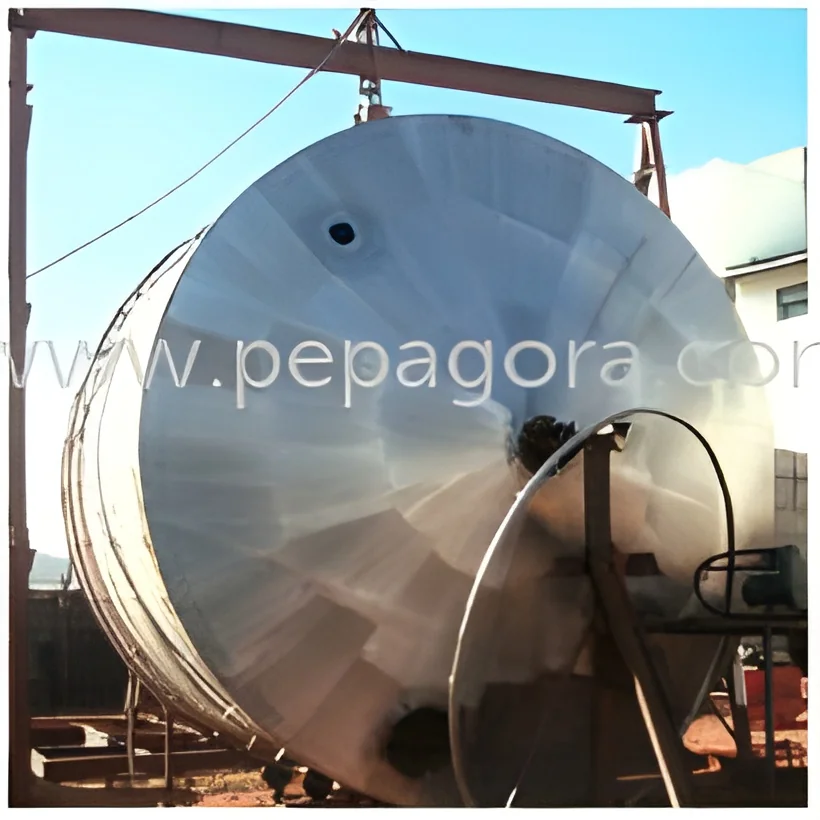
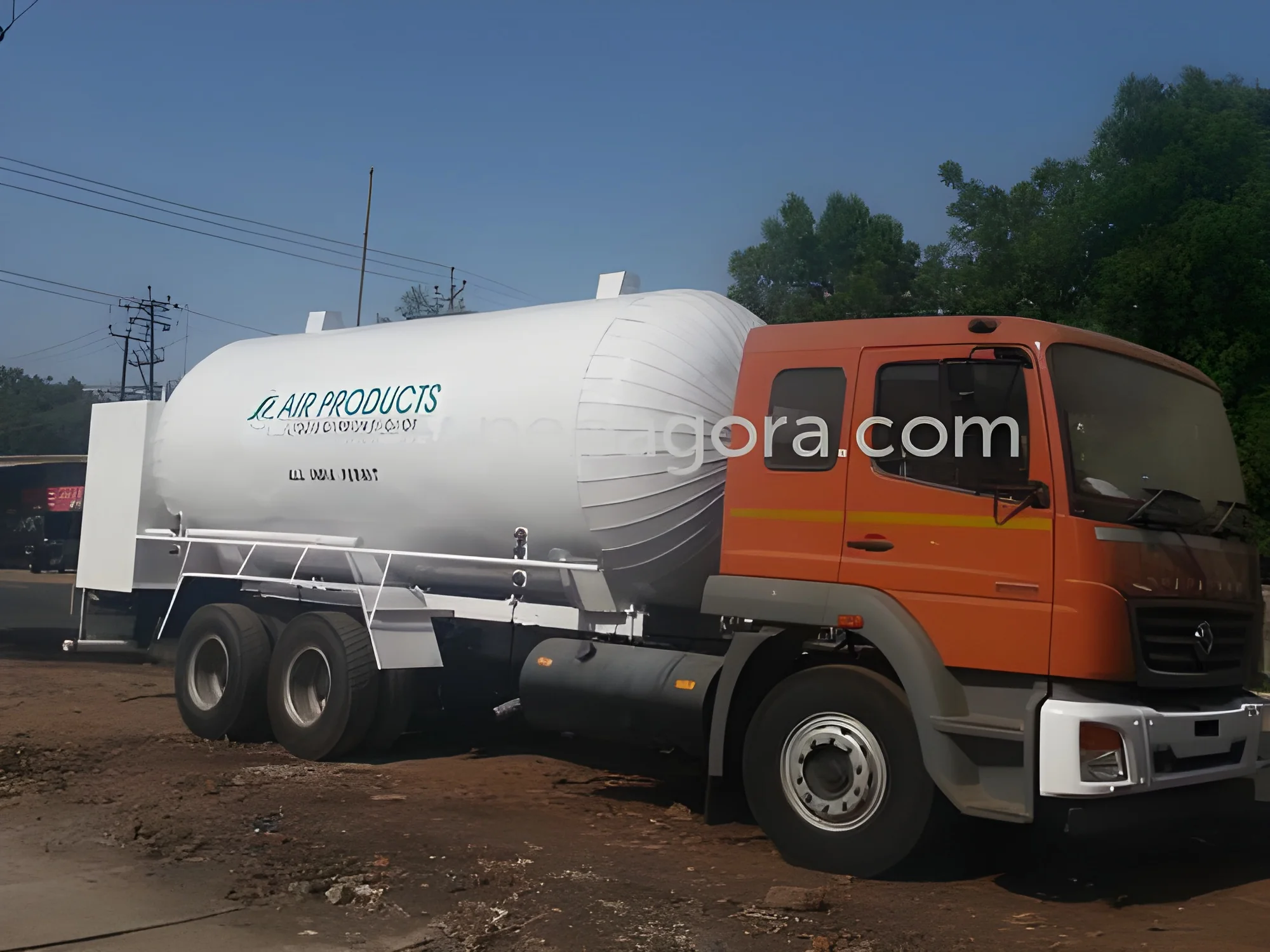
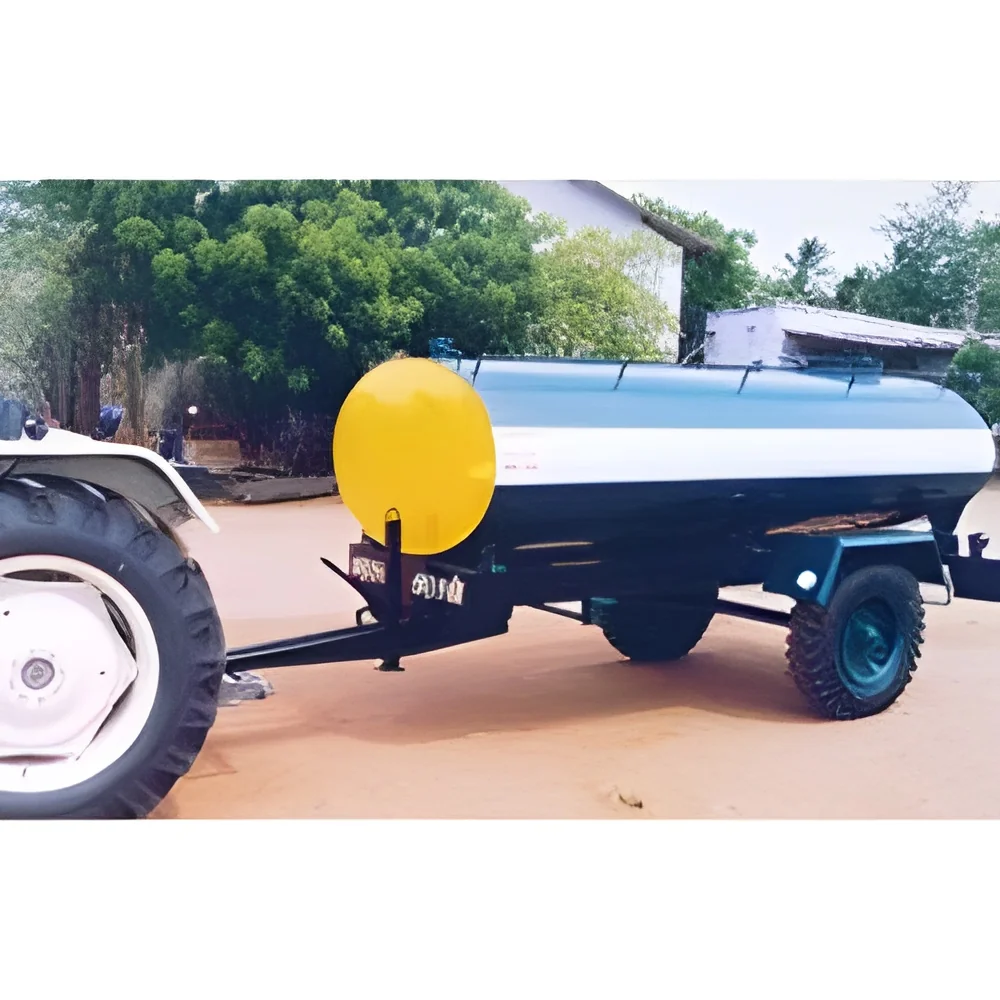
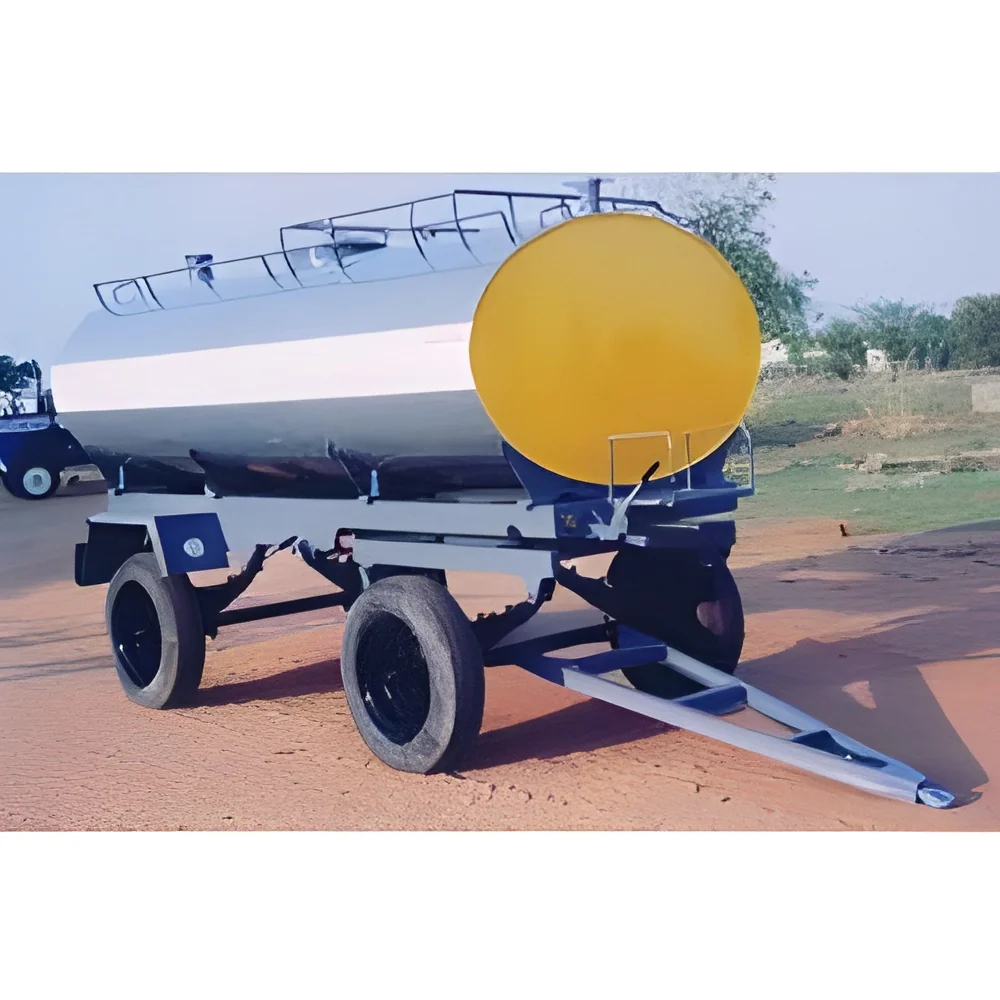
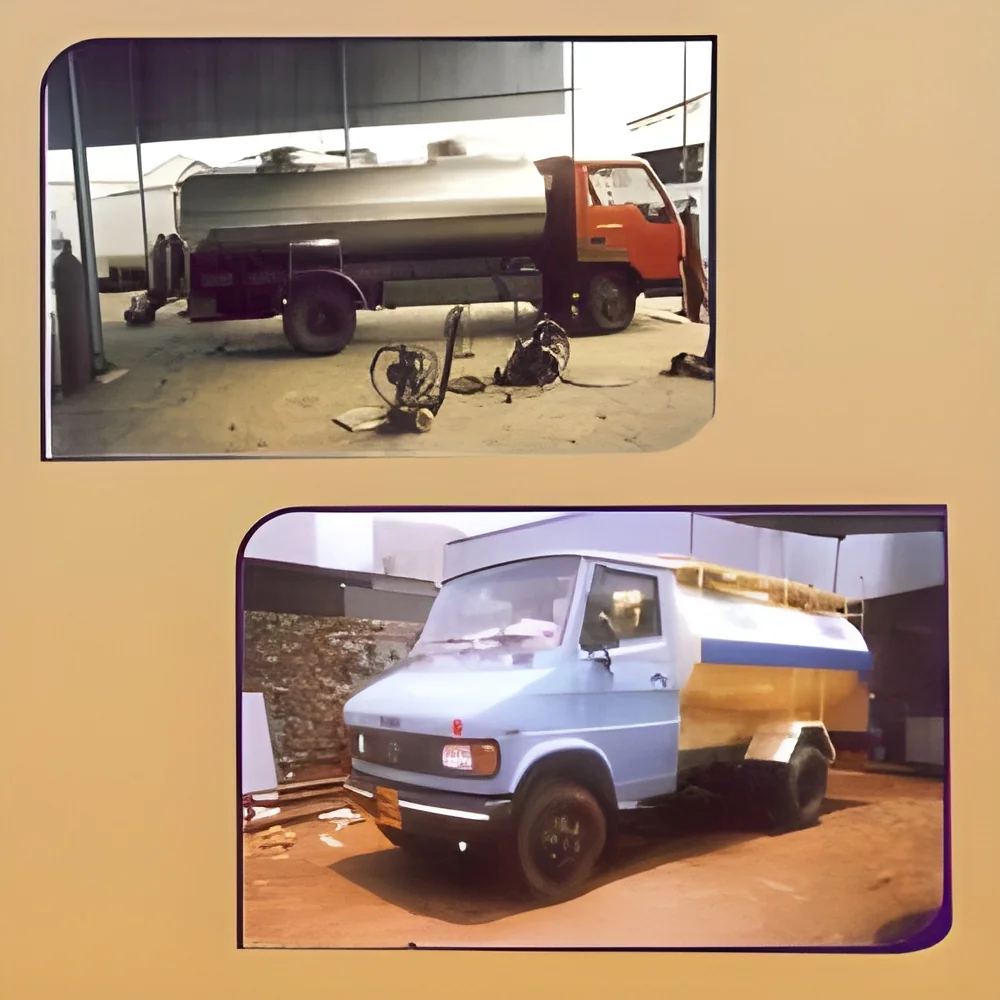
Tanker trailers are specialized for transporting liquids, including fuels, chemicals, and food-grade liquids. Their design ensures safe and efficient movement of hazardous or sensitive materials.
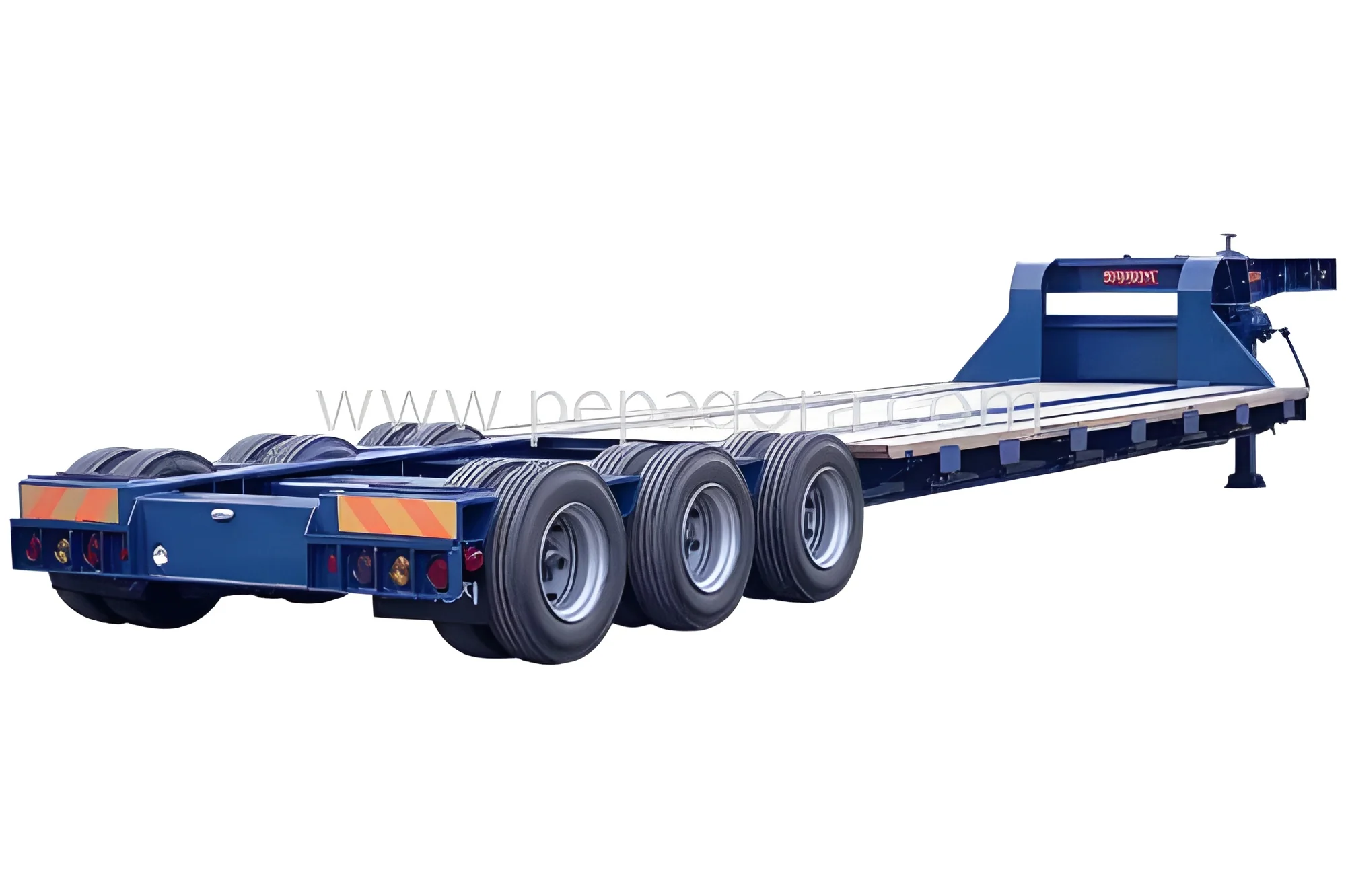
Lowboy Trailer
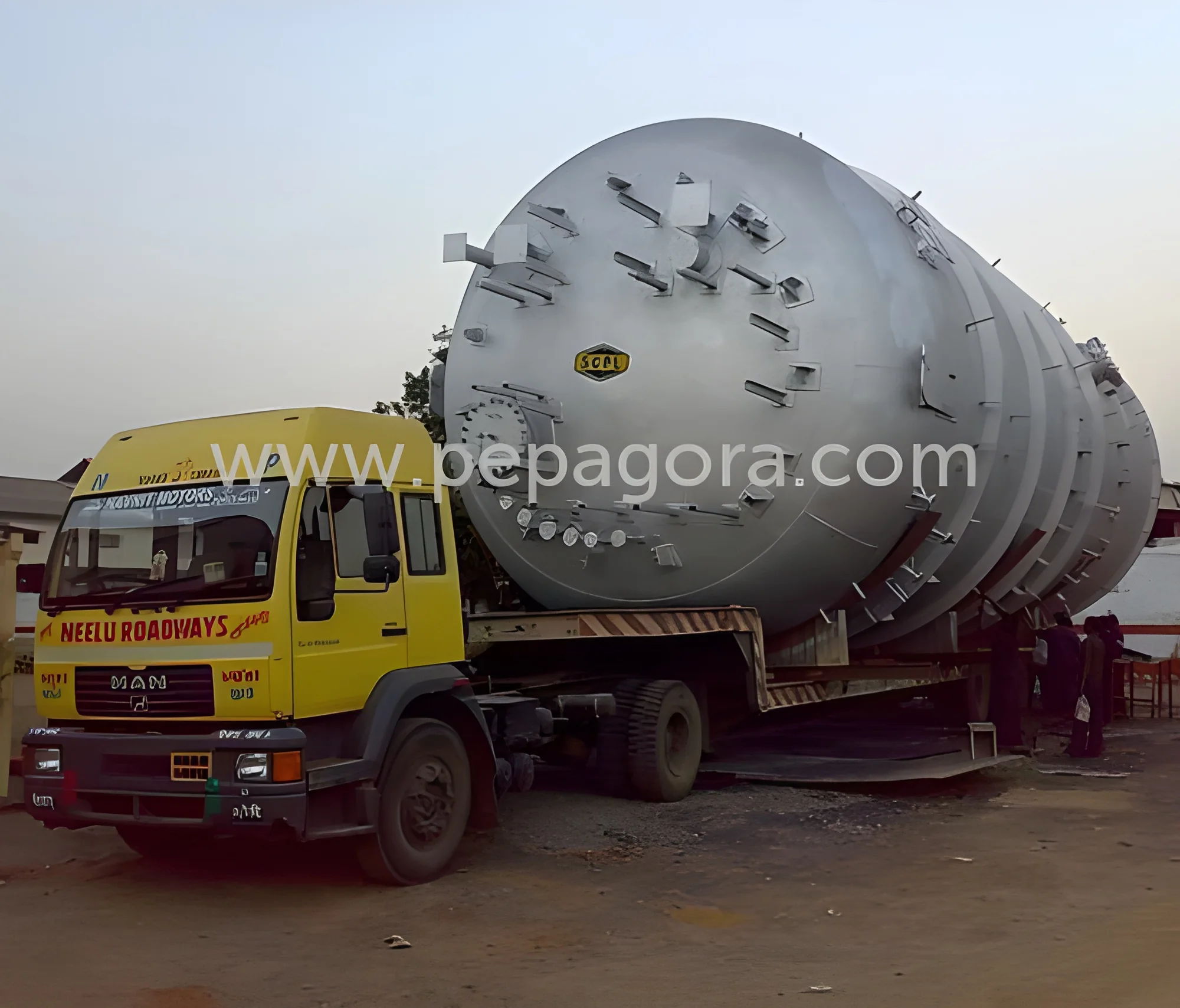
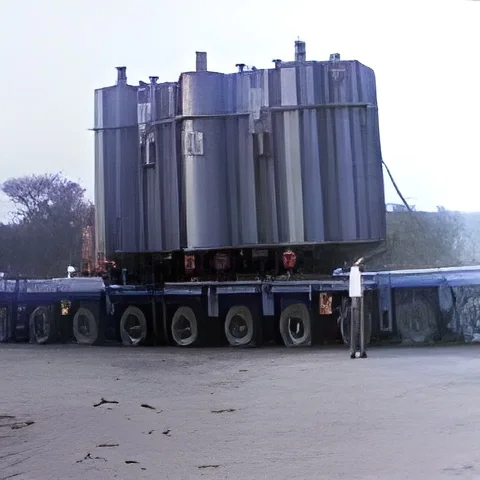
Lowboy trailers are designed for carrying heavy equipment and machinery. Their low profile allows for the transportation of tall loads that exceed standard height limits, making them essential in construction and heavy industry.
Benefits and Advantages
Investing in trailer trucks provides numerous benefits for businesses looking to enhance their transportation capabilities.
Key benefits include:
1. Increased Efficiency: Trailer trucks can carry larger loads, reducing the number of trips required to transport goods. This efficiency leads to cost savings and improved productivity.
2. Versatility: These trucks can transport various types of cargo, accommodating different industries and freight requirements. Their adaptability makes them a valuable asset.
3. Enhanced Safety: Modern trailer trucks come equipped with advanced safety features, reducing the risk of accidents on the road. This leads to safer transportation for both drivers and other road users.
4. Cost-effectiveness: By utilizing trailer trucks for transportation, businesses can lower fuel costs and improve overall operational efficiency. This can lead to significant savings in logistics expenses.
5. Improved Reliability: Trailer trucks are designed for durability and reliability, ensuring consistent performance under demanding conditions. This reliability is crucial for maintaining supply chain integrity.
6. Better Cargo Protection: The design of trailer trucks allows for secure transportation of goods, minimizing the risk of damage during transit. This is particularly important for fragile or high-value items.
Buying Guide for B2B Buyers
When sourcing trailer trucks, it is essential to consider several factors to ensure the right choice for your business needs.
1. Quality Assessment: Evaluate the quality of materials and construction used in the trailer trucks. Look for industry standards that guarantee reliability and performance.
2. Supplier Verification: Vet potential suppliers to ensure they have a good reputation in the industry. This includes checking their experience, customer reviews, and compliance with safety standards.
3. Pricing and MOQ: Understand the pricing structure and minimum order quantities (MOQ) that suppliers offer. This will help you budget appropriately and ensure you meet your transportation needs.
4. Delivery and Lead Times: Inquire about the delivery timelines and lead times associated with your order. Timely delivery is crucial for maintaining your business operations.
5. Compliance Requirements: Be aware of any regulatory compliance requirements for trailer trucks in your region. This includes safety standards and environmental regulations that must be met.
Compliance and Certifications
Compliance is a critical aspect of trailer trucks, ensuring they meet safety and quality standards.
Relevant quality standards such as ISO 9001 ensure that manufacturers maintain consistent quality in their production processes. This certification indicates that the company adheres to international standards for quality management systems.
Industry certifications like CE mark indicate that the trailer trucks meet European safety, health, and environmental protection standards. This certification is essential for businesses looking to operate in Europe or collaborate with European partners.
Safety and testing requirements focus on ensuring that trailer trucks are tested for reliability and performance. This includes assessments of braking systems, load capacities, and overall safety features.
Regional compliance considerations vary based on local regulations. It is important for buyers to be aware of the specific compliance requirements in their operating areas to ensure smooth operations.
Why Source Trailer Trucks from Pepagora?
Pepagora provides a trusted platform for sourcing trailer trucks with several key advantages for B2B buyers.
Verified Supplier Network: Pepagora connects buyers with a network of verified suppliers, ensuring that you can find reputable manufacturers. This reduces the risk of sourcing from unreliable vendors.
Streamlined RFQ Process: The platform offers a streamlined Request for Quotation (RFQ) process, making it easy for buyers to obtain quotes from multiple suppliers. This saves time and helps you make informed purchasing decisions.
Trade Assurance and Support: Pepagora offers trade assurance, providing buyers with protection against potential issues during transactions. This support enhances buyer confidence in their purchases.
Regional Coverage: With a strong presence in India, the GCC, and Southeast Asia, Pepagora ensures that you can access a diverse range of suppliers. This geographic reach allows for better sourcing options tailored to your specific needs.

 IN
IN