What are Passenger Buses & Coaches?
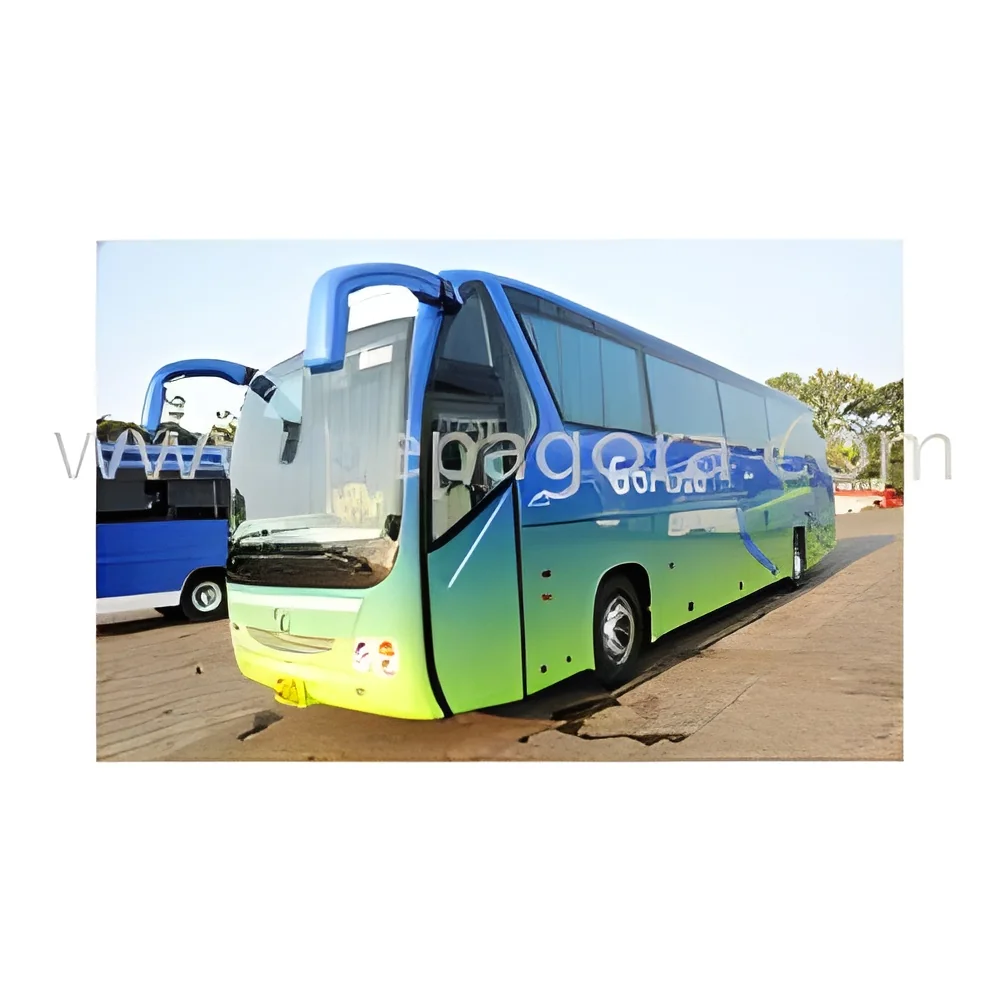
Passenger buses and coaches are large vehicles designed for the transportation of multiple passengers. They come in various sizes and configurations, serving both urban and long-distance travel needs. These vehicles are equipped with comfortable seating, safety features, and amenities that enhance the travel experience. Passenger buses are typically used for public transit, while coaches are employed for longer journeys, often featuring additional comforts.
The primary uses of passenger buses and coaches include public transportation, charter services, school transport, and tourism. Businesses and organizations leverage these vehicles to move groups efficiently and safely, making them essential in various sectors, including education, tourism, and public services. The growing demand for sustainable transport solutions has further fueled the market for passenger buses and coaches, as companies seek to reduce their carbon footprint while meeting the mobility needs of their communities.
In the current market context, the passenger transportation sector is evolving with advancements in technology and stricter environmental regulations. This has led to an increased emphasis on electric and hybrid buses, enhancing energy efficiency and reducing emissions. The industry is also witnessing the integration of smart technologies that improve operational efficiency and passenger experience.
Key Features and Specifications
Passenger buses and coaches are characterized by a range of features and specifications that cater to different transportation needs. These specifications ensure safety, comfort, and performance in various operating environments.
Key specifications include:
1. Seating Capacity
- Typically ranges from 20 to 60 seats
- Configurations can be customized based on client needs
2. Engine Types
- Options include diesel, electric, and hybrid engines
- Power output varies from 150 to 400 horsepower
3. Safety Features
- Equipped with anti-lock braking systems and stability control
- Often includes passenger seat belts and emergency exits
4. Accessibility
- Many models offer wheelchair access and priority seating
- Compliance with ADA standards for public transport
5. Fuel Efficiency
- Advanced models achieve up to 10 miles per gallon
- Hybrid options provide significantly improved fuel economy
6. Amenities
- Features may include air conditioning, Wi-Fi, and onboard restrooms
- Customizable interiors for enhanced passenger comfort
7. Durability
- Built to withstand various weather conditions and heavy use
- Often constructed with corrosion-resistant materials
8. Warranty and Support
- Standard warranties usually cover 2-5 years
- Comprehensive service packages available from manufacturers
In summary, passenger buses and coaches are designed with various features that enhance safety, comfort, and efficiency, making them suitable for diverse transport applications.
Common Applications and Use Cases
Passenger buses and coaches serve a broad spectrum of industries, effectively facilitating transportation needs.
1. Public Transportation: Many cities utilize passenger buses to offer reliable transit services to residents, connecting neighborhoods and commercial areas.
2. School Transport: Educational institutions often rely on buses to safely transport students to and from school, ensuring safety and timeliness.
3. Corporate Travel: Companies use coaches for employee transportation, especially for events, meetings, and conferences, providing comfort and efficiency.
4. Tourism: Travel agencies and tour operators leverage coaches to offer guided tours, providing a convenient way for groups to explore attractions.
5. Shuttle Services: Airports and hotels often employ buses to shuttle guests, enhancing their travel experience through seamless connectivity.
6. Event Transportation: Large events, such as concerts and conventions, frequently require buses to transport attendees, ensuring smooth logistics.
7. Emergency Services: Some organizations utilize buses for emergency evacuations or disaster response, highlighting their versatility in critical situations.
Product Variants and Subcategories
Passenger buses and coaches come in various styles and configurations to meet specific transportation needs.
City Bus: This variant is designed for urban environments, offering high passenger capacity and features suited for frequent stops. City buses focus on efficiency and accessibility for daily commuters.
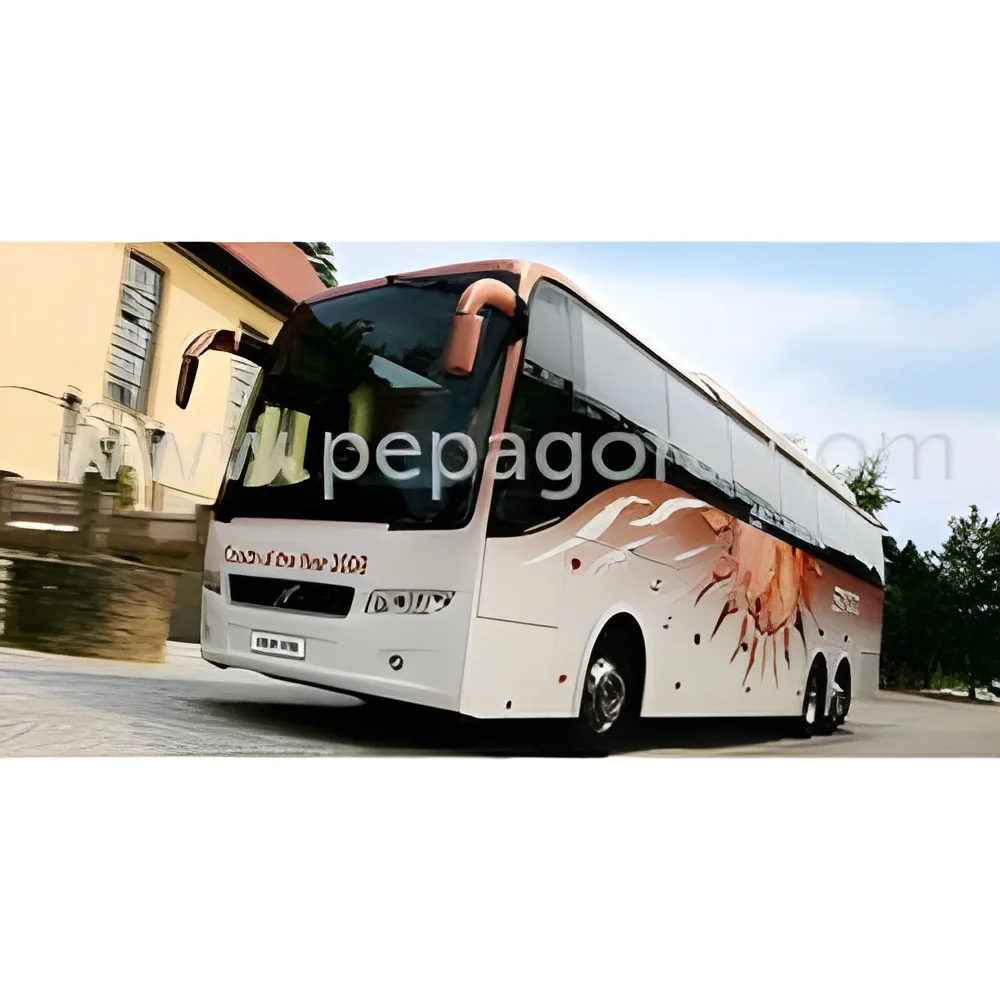
Luxury Coach: These vehicles provide high-end amenities, such as reclining seats and onboard entertainment systems, ideal for long-distance travel. Luxury coaches are often used by tour operators and corporate clients.
School Bus: Specifically designed for transporting students, these buses prioritize safety and durability. They often feature bright colors and robust safety measures to ensure student protection.
Electric Bus: A growing option in the market, electric buses minimize environmental impact while offering similar passenger capacities. They are increasingly adopted in urban settings to reduce carbon emissions.
Benefits and Advantages
Passenger buses and coaches offer numerous benefits that make them a preferred choice for group transportation.
1. Cost-Effectiveness: Buses are often more affordable than other modes of transport when moving large groups, reducing overall travel costs.
2. Environmental Impact: Many modern buses are designed to be environmentally friendly, with electric and hybrid options that lower emissions.
3. Safety Features: Equipped with advanced safety technologies, these vehicles prioritize passenger safety, making them reliable for commercial use.
4. Comfort: Buses and coaches are built with passenger comfort in mind, featuring spacious seating and amenities that enhance the travel experience.
5. Flexibility: Passenger buses can be customized for various applications, from public transport to luxury travel, accommodating diverse needs.
6. High Capacity: Buses can transport a significant number of passengers at once, making them ideal for group travel, events, and public transportation.
Buying Guide for B2B Buyers
When sourcing passenger buses and coaches, it is essential to evaluate several factors to ensure a successful purchase.
1. Quality Assessment: Review the quality of materials and construction methods used in the buses. Look for certifications that indicate adherence to industry standards.
2. Supplier Verification: Conduct thorough background checks on suppliers. Verify their reputation and reliability through customer reviews and industry references.
3. Pricing and MOQ: Consider the pricing structure and minimum order quantities imposed by suppliers. Compare costs against industry standards to ensure competitive pricing.
4. Delivery and Lead Times: Assess the supplier’s ability to meet your delivery requirements. Understand lead times to plan operational needs effectively.
5. Compliance Requirements: Ensure that the buses meet local and international regulations. This includes safety standards and environmental compliance.
Compliance and Certifications
Passenger buses and coaches must adhere to various industry standards and certifications to ensure safety and quality.
Relevant quality standards, such as ISO 9001, ensure that manufacturers maintain high production standards. These certifications indicate that the vehicles are produced consistently and meet customer expectations.
Industry certifications like CE mark compliance are vital for ensuring that vehicles meet European safety and environmental requirements. This certification is crucial for market entry in many regions.
Safety and testing requirements also play a significant role in compliance. Manufacturers must conduct rigorous tests to verify that their vehicles can withstand various conditions and scenarios.
Regional compliance considerations vary by market. Buyers should be aware of specific regulations governing passenger transport in their respective regions to ensure adherence.
Why Source Passenger Buses & Coaches from Pepagora?
Pepagora provides a trusted platform for sourcing passenger buses and coaches, offering several key advantages to buyers.
Verified Supplier Network: Pepagora connects buyers with a network of verified suppliers. This ensures that businesses can source high-quality vehicles while minimizing risks associated with unverified vendors.
Streamlined RFQ Process: The request for quotation process is simplified, allowing buyers to easily compare offers from multiple suppliers. This saves time and enhances decision-making.
Trade Assurance and Support: Buyers benefit from trade assurance programs that protect their purchases. Pepagora offers support throughout the sourcing process, ensuring a smooth transaction experience.
Regional Coverage: With a strong presence in India, the GCC, and Southeast Asia, Pepagora provides extensive geographic reach. This allows buyers to access a diverse range of suppliers and products tailored to their regional needs.

 IN
IN