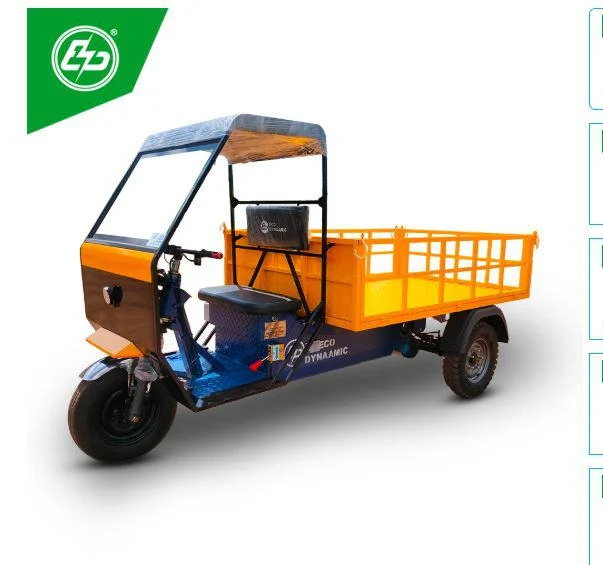
What are Commercial EVs (Electric Trucks & Vans)?
Commercial Electric Vehicles (EVs) encompass electric trucks and vans specifically designed for business operations. These vehicles are powered entirely by electric energy, utilizing rechargeable batteries. They represent a significant shift in transportation, focusing on reducing carbon emissions while providing efficient logistics solutions. Commercial EVs harness advanced technologies to optimize performance, enhance range, and lower operational costs.
Businesses utilize Commercial EVs for various applications, including delivery services, freight transport, and utility operations. Their capacity to operate in urban environments without generating harmful emissions makes them suitable for last-mile delivery and public services. As industries increasingly prioritize sustainability and cost-effectiveness, the relevance of Commercial EVs continues to grow, influencing market dynamics across sectors such as logistics, retail, and public transportation.
𝗞𝗲𝘆 𝗙𝗲𝗮𝘁𝘂𝗿𝗲𝘀 𝗮𝗻𝗱 𝗦𝗽𝗲𝗰𝗶𝗳𝗶𝗰𝗮𝘁𝗶𝗼𝗻𝘀
Commercial EVs are equipped with features that enhance their efficiency, safety, and overall performance. Understanding these specifications is essential for businesses looking to invest in electric transportation solutions.
Key specifications include:
1. Battery Capacity
- Determines the range and performance of the vehicle
- Typically ranges from 50 kWh to 300 kWh, allowing for varied operational distances
2. Gross Vehicle Weight Rating (GVWR)
- Indicates the maximum weight the vehicle can handle
- Common GVWRs are between 3,500 kg to 7,500 kg, suitable for different types of cargo
3. Charging Time
- Time required to fully charge the vehicle
- Fast charging capabilities can reduce time to as little as 1-2 hours
4. Range
- Distance the vehicle can travel on a single charge
- Average range varies from 100 miles to over 300 miles, depending on the model and battery size
5. Payload Capacity
- Maximum weight the vehicle can carry excluding its own weight
- Ranges typically from 1,000 kg to 3,500 kg, depending on the vehicle type
6. Drive Type
- Options include front-wheel drive, rear-wheel drive, or all-wheel drive
- Influences handling and performance in various terrains
7. Safety Features
- Includes advanced driver-assistance systems (ADAS) such as collision avoidance and lane departure warnings
- Compliance with safety standards ensures operational security
8. Maintenance Requirements
- Generally lower than conventional vehicles due to fewer moving parts
- Regular checks on battery health and software updates are essential
In summary, these specifications highlight the capabilities of Commercial EVs, enabling businesses to make informed purchasing decisions based on their operational needs.
𝗖𝗼𝗺𝗺𝗼𝗻 𝗔𝗽𝗽𝗹𝗶𝗰𝗮𝘁𝗶𝗼𝗻𝘀 𝗮𝗻𝗱 𝗨𝘀𝗲 𝗖𝗮𝘀𝗲𝘀
Commercial EVs serve various industries, each leveraging their unique advantages.
1. Logistics and Delivery: Companies in this sector use electric vans for last-mile delivery, benefiting from reduced operational costs and lower emissions in urban areas.
2. Food and Beverage: Electric trucks are increasingly adopted for transporting perishable goods, ensuring compliance with environmental regulations while maintaining product integrity.
3. Public Transportation: Many municipalities are transitioning to electric buses to enhance public transport efficiency and reduce air pollution in city centers.
4. Construction: Electric utility vehicles are being used on construction sites for transporting materials and personnel, offering a quieter and more eco-friendly alternative.
5. Retail: Retail businesses utilize electric vans for inventory replenishment, allowing them to meet customer demands while minimizing their carbon footprint.
6. Waste Management: Electric trucks are employed in waste collection, supporting cities in their sustainability goals and reducing noise pollution during operations.
7. E-commerce: Online retailers are adopting electric delivery vehicles to align with consumer preferences for sustainable practices.
𝗣𝗿𝗼𝗱𝘂𝗰𝘁 𝗩𝗮𝗿𝗶𝗮𝗻𝘁𝘀 𝗮𝗻𝗱 𝗦𝘂𝗯𝗰𝗮𝘁𝗲𝗴𝗼𝗿𝗶𝗲𝘀
Commercial EVs are available in various forms to accommodate different business needs. The diversity of these vehicles allows companies to select solutions that best fit their operational requirements.
Electric Delivery Vans: These vans are designed for urban logistics, offering ample cargo space and efficient energy consumption. They are ideal for businesses focusing on last-mile delivery.
Electric Box Trucks: Suitable for transporting larger loads, these trucks provide a balance between capacity and maneuverability, making them effective for regional distribution.
Electric Chassis Cabs: These vehicles serve as a base for various applications, including refrigeration units and specialized service vehicles. Their versatility allows for customization based on specific industry needs.
Electric Buses: Designed for public transport, these buses provide a sustainable solution for mass transportation, reducing emissions and enhancing air quality in urban environments.
𝗕𝗲𝗻𝗲𝗳𝗶𝘁𝘀 𝗮𝗻𝗱 𝗔𝗱𝘃𝗮𝗻𝘁𝗮𝗴𝗲𝘀
Investing in Commercial EVs presents numerous advantages for businesses.
1. Environmental Impact: Electric vehicles contribute significantly to reducing carbon emissions, helping companies meet sustainability goals and comply with environmental regulations.
2. Operational Cost Savings: Lower fuel and maintenance costs lead to significant savings over time, making electric vehicles a financially sound investment.
3. Government Incentives: Many governments offer incentives for adopting electric vehicles, providing financial benefits that can offset initial investment costs.
4. Enhanced Brand Image: Organizations that utilize electric vehicles can enhance their brand reputation, appealing to environmentally conscious consumers and stakeholders.
5. Quiet Operation: Electric vehicles operate more quietly than their diesel counterparts, contributing to reduced noise pollution in urban settings.
6. Improved Fleet Efficiency: Real-time data and monitoring capabilities allow businesses to optimize routes, reduce downtime, and enhance overall fleet management.
𝗕𝘂𝘆𝗶𝗻𝗴 𝗚𝘂𝗶𝗱𝗲 𝗳𝗼𝗿 𝗕𝟮𝗕 𝗕𝘂𝘆𝗲𝗿𝘀
When sourcing Commercial EVs (Electric Trucks & Vans), several critical factors should be considered to ensure a successful acquisition.
1. Quality Assessment: Evaluate the build quality and reliability of the vehicles. Look for models that comply with necessary industry standards and have a proven track record.
2. Supplier Verification: Conduct thorough research on potential suppliers. Verify their reputation, customer reviews, and after-sales support to ensure a trustworthy partnership.
3. Pricing and MOQ: Understand the pricing structure and minimum order quantities. Compare multiple suppliers to find competitive pricing and favorable purchasing terms.
4. Delivery and Lead Times: Inquire about logistics and expected delivery timelines. Ensure that the supplier can meet your operational deadlines for seamless integration.
5. Compliance Requirements: Check for compliance with local regulations and safety standards. Ensure that the vehicles meet all necessary certifications to avoid legal complications.
𝗖𝗼𝗺𝗽𝗹𝗶𝗮𝗻𝗰𝗲 𝗮𝗻𝗱 𝗖𝗲𝗿𝘁𝗶𝗳𝗶𝗰𝗮𝘁𝗶𝗼𝗻𝘀
Commercial EVs must adhere to several quality and safety standards to ensure reliability and performance. Relevant standards like ISO 9001 focus on quality management systems, ensuring consistent production and service quality.
Industry certifications, such as CE marking, indicate that the vehicles comply with European safety and environmental requirements. These certifications are crucial for market access and consumer trust.
Safety and testing requirements play a vital role in the manufacturing process. Rigorous testing is conducted to ensure that vehicles meet safety regulations, including crash tests and battery safety assessments.
Regional compliance considerations also affect the marketability of Commercial EVs. Different regions may have specific regulations regarding emissions, noise levels, and operational capabilities, making it essential for manufacturers to understand and comply with local laws.
Why Source Commercial EVs (Electric Trucks & Vans) from Pepagora?
Pepagora provides a trusted platform for sourcing Commercial EVs (Electric Trucks & Vans), offering several key advantages.
Verified Supplier Network: Pepagora has established a comprehensive network of verified suppliers, ensuring that businesses can find reputable manufacturers. This network minimizes risks associated with sourcing.
Streamlined RFQ Process: The quotation system simplifies the procurement process. Buyers can easily request quotes from multiple suppliers, allowing for quick comparisons and informed decisions.
Trade Assurance and Support: Buyers benefit from trade assurance programs that protect their investments. This support includes assistance with dispute resolution and guarantees for product quality.
Regional Coverage: Pepagora's geographic reach spans India, the GCC, and Southeast Asia. This broad coverage ensures that businesses can access a diverse range of Commercial EV options tailored to their specific market needs.

 IN
IN