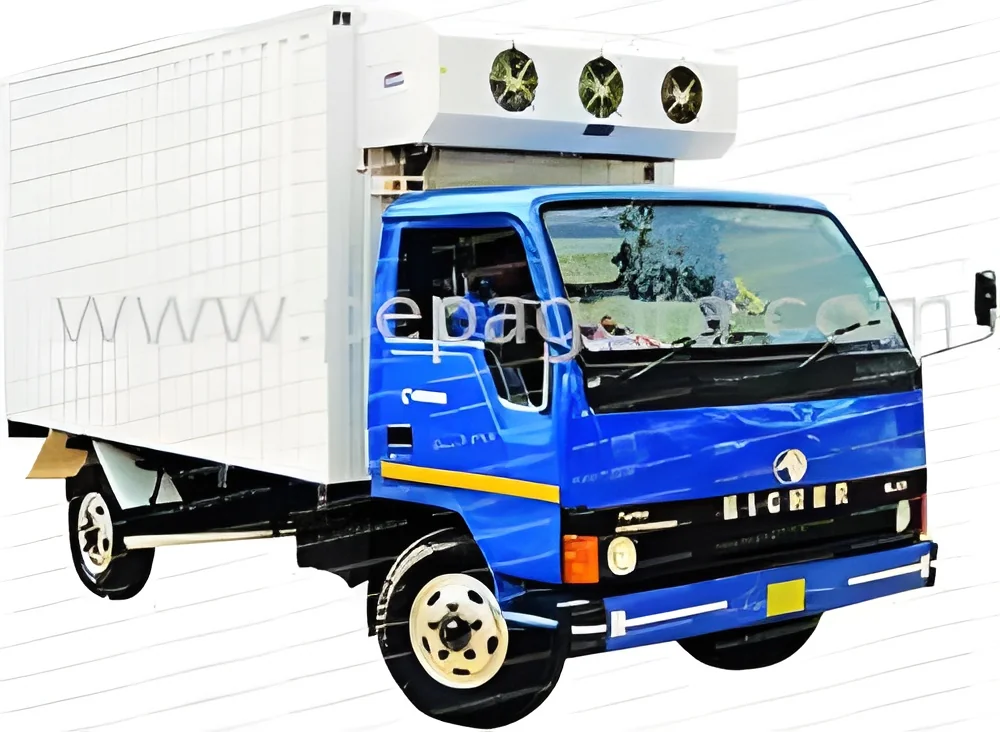
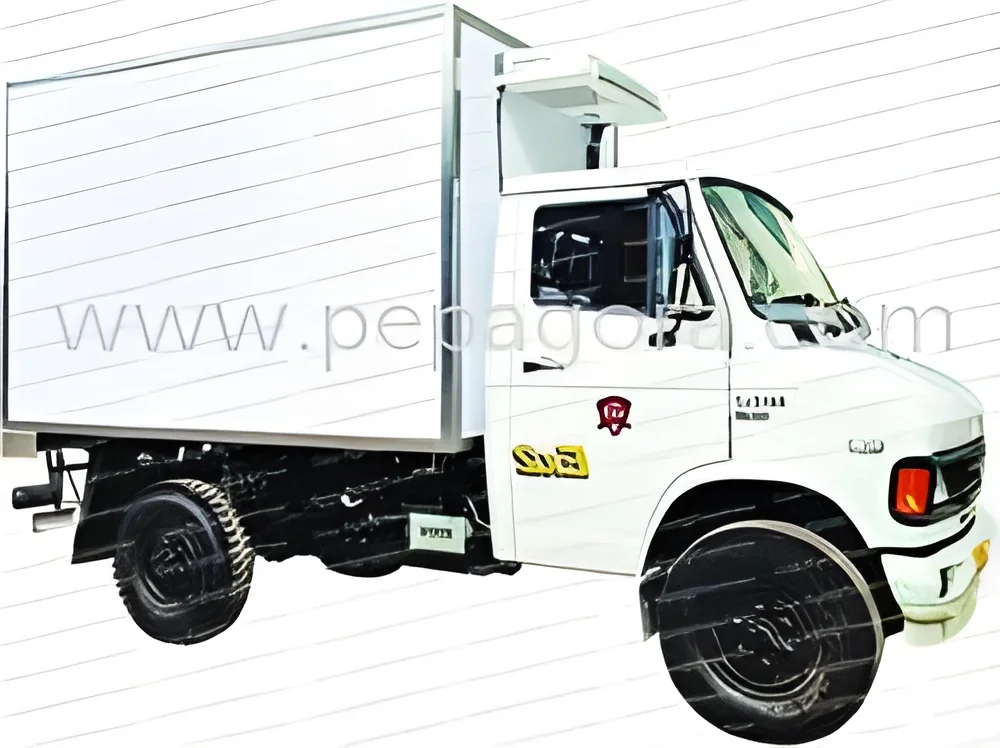
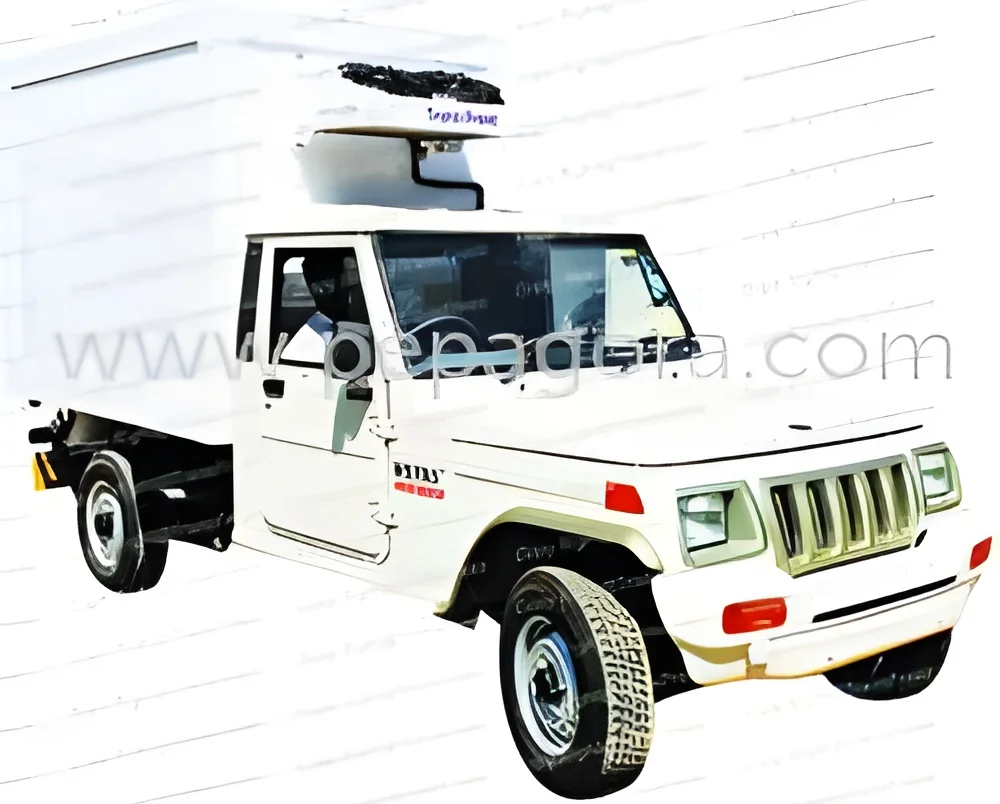
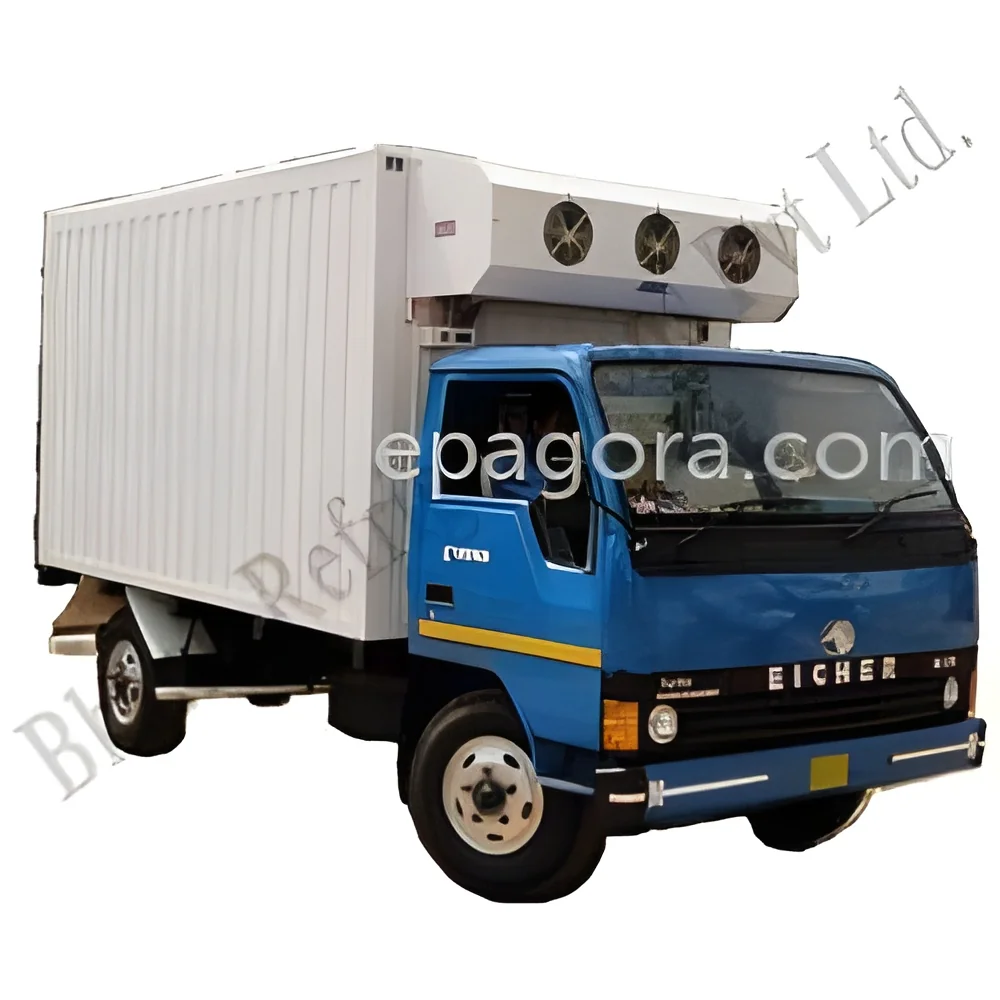
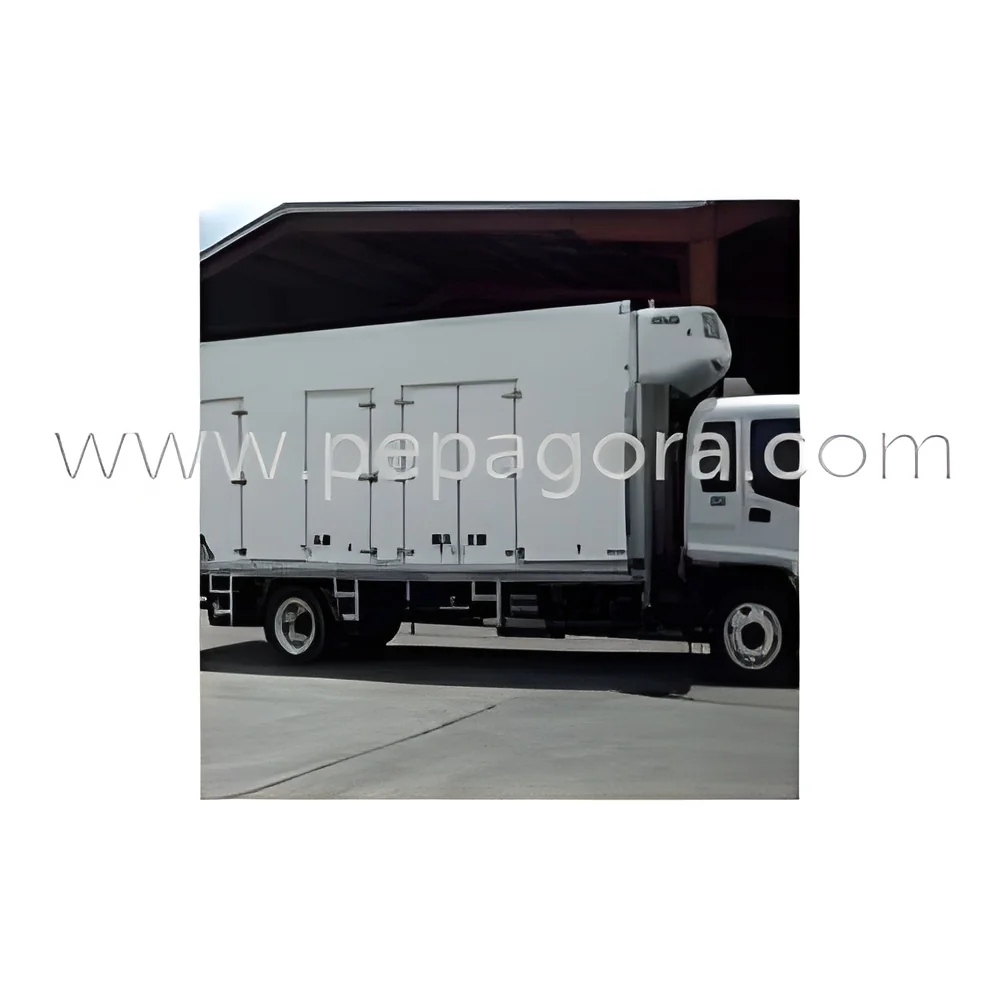
𝗪𝗵𝗮𝘁 𝗮𝗿𝗲 𝗥𝗲𝗳𝗿𝗶𝗴𝗲𝗿𝗮𝘁𝗲𝗱 𝗧𝗿𝘂𝗰𝗸𝘀?
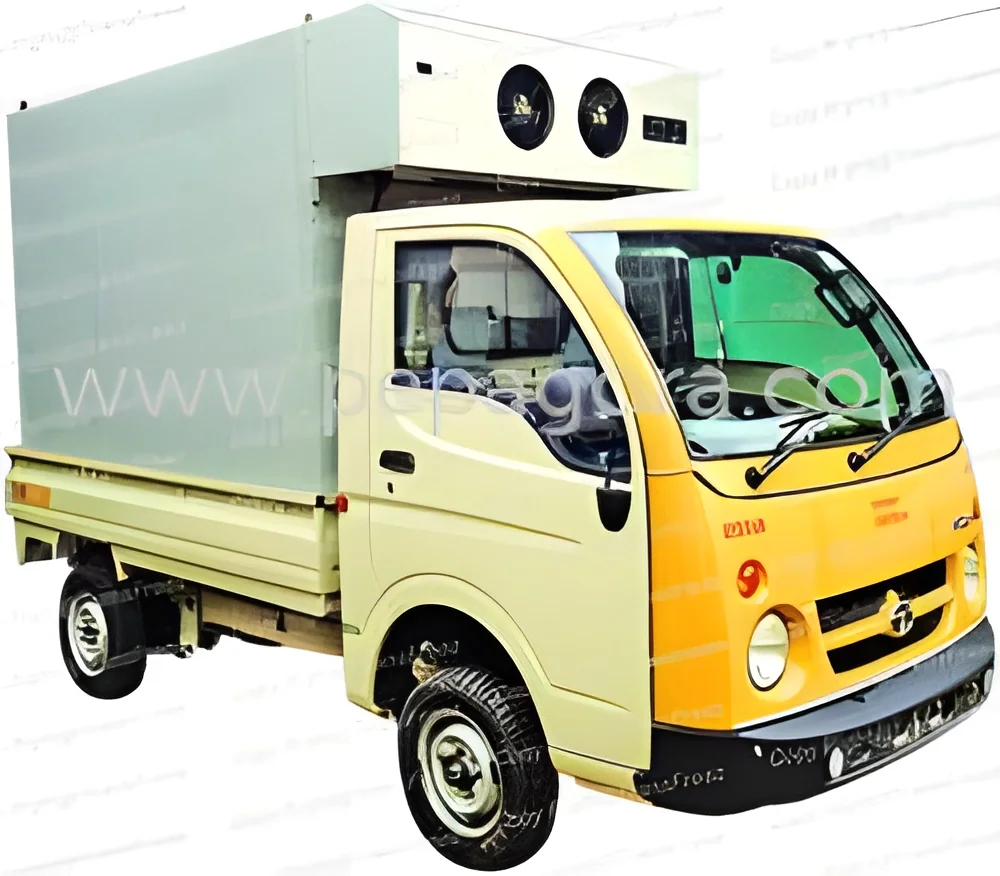
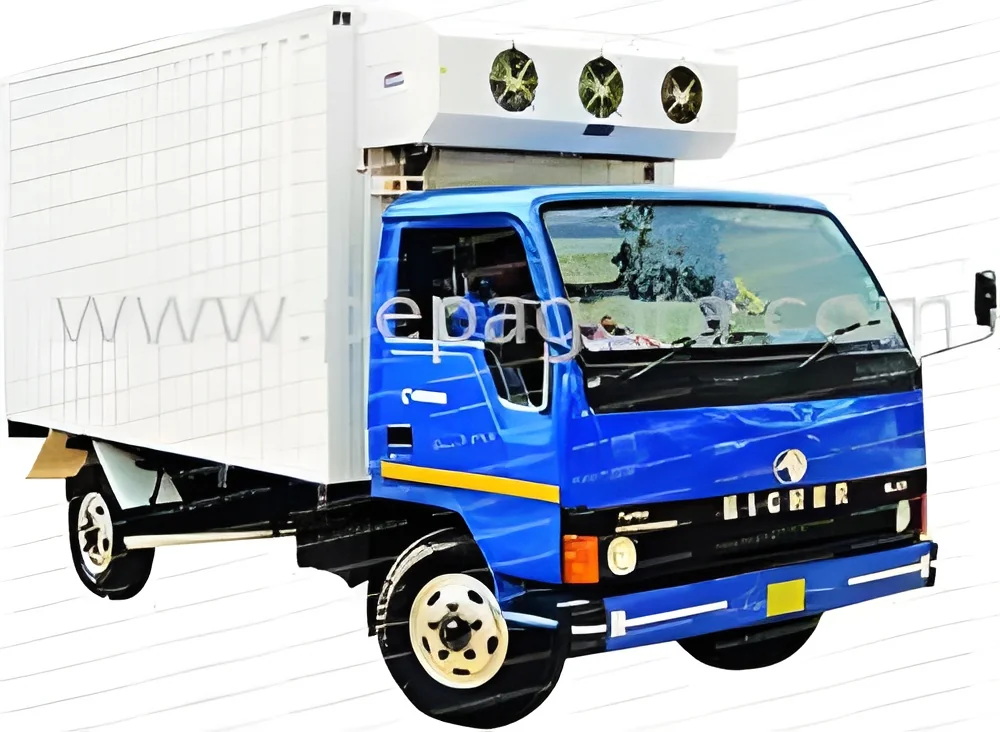
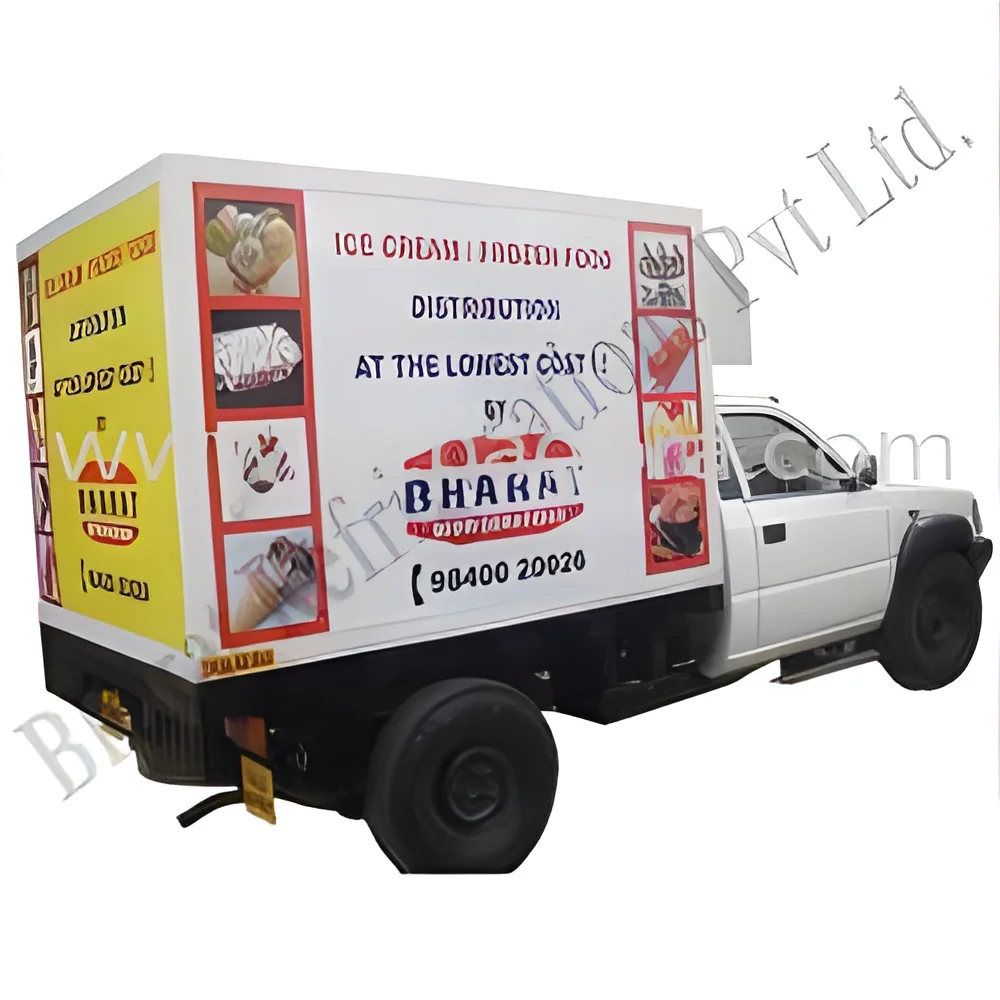
Refrigerated trucks, often referred to as reefer trucks, are specialized vehicles designed to transport perishable goods at controlled temperatures. These trucks utilize refrigeration units that maintain a specific temperature range, ensuring that products such as food, pharmaceuticals, and other temperature-sensitive items remain fresh and safe during transit. The truck's insulated cargo area helps to retain the cold air produced by the refrigeration system, providing an environment suitable for various perishable products.
These trucks play a crucial role in the supply chain for industries that depend on the timely delivery of perishables. Common applications include transporting fruits, vegetables, dairy products, meats, and pharmaceuticals. Businesses across the food service, grocery, and healthcare sectors rely heavily on refrigerated trucks to maintain quality and compliance with safety regulations. As the demand for fresh and safe products continues to rise, refrigerated trucks have become a pivotal component of modern logistics and distribution networks.
𝗞𝗲𝘆 𝗙𝗲𝗮𝘁𝘂𝗿𝗲𝘀 𝗮𝗻𝗱 𝗦𝗽𝗲𝗰𝗶𝗳𝗶𝗰𝗮𝘁𝗶𝗼𝗻𝘀
Refrigerated trucks come equipped with a variety of features and specifications that enhance their performance and reliability. These specifications are essential for ensuring that the transported goods maintain their quality throughout the journey.
Key specifications include:
1. Temperature Control
- Capable of maintaining temperature ranges typically between -20°C to +10°C.
- Equipped with digital thermostats for precise temperature monitoring.
2. Insulation Quality
- High-grade insulation materials used to minimize thermal exchange.
- Insulation thickness generally ranges from 50mm to 100mm.
3. Refrigeration Unit
- Powerful refrigeration units that operate using either diesel or electric power.
- Some units feature dual-temperature zones for transporting different products.
4. Cargo Space Dimensions
- Standard cargo lengths usually range from 12 to 20 feet.
- Width and height dimensions can vary based on truck size and model.
5. Load Capacity
- Load capacities typically range from 1,500 kg to 10,000 kg.
- Designed to accommodate various load configurations.
6. Safety Features
- Equipped with anti-lock braking systems (ABS) and rearview cameras.
- Some models include alarm systems for unauthorized access.
7. Monitoring Technology
- Advanced monitoring systems that log temperature and humidity levels.
- GPS tracking for real-time location updates during transit.
8. Fuel Efficiency
- Designed to optimize fuel consumption based on load and route.
- Some models may include eco-friendly technologies to reduce emissions.
In summary, the combination of these features and specifications ensures that refrigerated trucks meet the stringent requirements of transporting perishable goods safely and efficiently.
𝗖𝗼𝗺𝗺𝗼𝗻 𝗔𝗽𝗽𝗹𝗶𝗰𝗮𝘁𝗶𝗼𝗻𝘀 𝗮𝗻𝗱 𝗨𝘀𝗲 𝗖𝗮𝘀𝗲𝘀
Refrigerated trucks serve multiple industries with unique requirements for temperature-sensitive products.
1. Food and Beverage Industry: These trucks are used to transport a wide range of perishable food items, including dairy products, meat, seafood, and frozen foods. Maintaining the right temperature is crucial to prevent spoilage and ensure food safety.
2. Pharmaceutical Industry: Refrigerated trucks are essential for transporting vaccines, medicines, and biological samples that require strict temperature control to remain effective.
3. Grocery and Retail: Supermarkets and retailers rely on refrigerated trucks to deliver fresh produce, dairy, and frozen goods to their stores, ensuring that customers receive high-quality products.
4. Catering and Food Service: Catering companies utilize refrigerated trucks to transport prepared meals and ingredients, maintaining freshness and safety until delivery.
5. Agricultural Transport: Farmers and agricultural businesses use these trucks for transporting fresh produce directly from farms to markets, ensuring that goods arrive in optimal condition.
6. Floral Industry: Florists and wholesalers use refrigerated trucks to transport flowers and plants, as they are sensitive to temperature changes and require a controlled environment.
7. Cold Storage Distribution: Businesses that operate cold storage facilities often use refrigerated trucks to move goods between locations, ensuring continuous temperature control throughout the supply chain.
𝗣𝗿𝗼𝗱𝘂𝗰𝘁 𝗩𝗮𝗿𝗶𝗮𝗻𝘁𝘀 𝗮𝗻𝗱 𝗦𝘂𝗯𝗰𝗮𝘁𝗲𝗴𝗼𝗿𝗶𝗲𝘀
Refrigerated trucks come in various forms to cater to specific business needs.
Standard Refrigerated Trucks: These trucks are ideal for general distribution and can be fitted with multi-temperature zones, making them versatile for transporting different types of goods simultaneously.
Box Refrigerated Trucks: Designed with a rigid box structure, these trucks offer enhanced insulation and are commonly used for transporting frozen foods and perishables over long distances.
Curtain-Sided Refrigerated Trucks: These trucks feature a flexible curtain design that allows for easy loading and unloading, making them suitable for businesses that require quick access to their cargo.
𝗕𝗲𝗻𝗲𝗳𝗶𝘁𝘀 𝗮𝗻𝗱 𝗔𝗱𝘃𝗮𝗻𝘁𝗮𝗴𝗲𝘀
Refrigerated trucks provide numerous benefits to businesses involved in the transportation of perishable goods.
Key benefits include:
1. Quality Preservation: By maintaining strict temperature controls, these trucks help preserve the quality of perishable goods, reducing spoilage and waste.
2. Compliance with Regulations: Refrigerated trucks enable businesses to meet industry regulations regarding food safety and health standards, avoiding penalties and ensuring consumer trust.
3. Increased Shelf Life: Proper temperature management extends the shelf life of products, allowing businesses to optimize inventory and reduce losses.
4. Versatility: Refrigerated trucks can be configured for different temperature zones, allowing for the simultaneous transport of various products.
5. Enhanced Supply Chain Efficiency: Reliable refrigerated transportation supports timely deliveries, improving overall supply chain performance.
6. Cost Savings: Investing in refrigerated trucks can lead to long-term savings by minimizing spoilage, reducing waste, and optimizing inventory management.
𝗕𝘂𝘆𝗶𝗻𝗴 𝗚𝘂𝗶𝗱𝗲 𝗳𝗼𝗿 𝗕𝟮𝗕 𝗕𝘂𝘆𝗲𝗿𝘀
When sourcing refrigerated trucks, B2B buyers should consider several key factors to make informed purchasing decisions.
1. Quality Assessment: Buyers should evaluate the construction quality and materials used in the truck's design. Look for insulation quality, refrigeration unit efficiency, and overall build integrity.
2. Supplier Verification: It is essential to vet suppliers by checking their credentials, reviews, and past performance to ensure they are reliable and capable of delivering quality products.
3. Pricing and MOQ: Understand the pricing structure and minimum order quantities (MOQ) offered by suppliers. This will help in budgeting and ensuring that the purchase aligns with business needs.
4. Delivery and Lead Times: Inquire about estimated delivery times and lead times for production. Timely delivery is crucial in maintaining the flow of goods.
5. Compliance Requirements: Ensure that the trucks meet all relevant regulatory requirements and industry standards. This includes certifications like CE and adherence to safety regulations.
𝗖𝗼𝗺𝗽𝗹𝗶𝗮𝗻𝗰𝗲 𝗮𝗻𝗱 𝗖𝗲𝗿𝘁𝗶𝗳𝗶𝗰𝗮𝘁𝗶𝗼𝗻𝘀
Refrigerated trucks must adhere to specific compliance and certification standards to ensure safety and quality in the transportation of perishable goods.
Relevant quality standards such as ISO 9001 provide guidelines for quality management systems, ensuring that manufacturers maintain high production standards. Additionally, HACCP (Hazard Analysis Critical Control Point) principles are often implemented to manage food safety risks effectively.
Industry certifications like CE signify that the products meet European health, safety, and environmental protection standards. Compliance with these certifications is essential for businesses operating in regions with strict regulatory frameworks.
Safety and testing requirements also play a vital role in ensuring that refrigerated trucks are fit for their intended use. Regular inspections and maintenance are necessary to verify that refrigeration units function correctly and that cargo areas remain insulated.
Regional compliance considerations may vary based on local regulations, necessitating a thorough understanding of the legal landscape in the areas where the trucks will operate.
𝗪𝗵𝘆 𝗦𝗼𝘂𝗿𝗰𝗲 𝗥𝗲𝗳𝗿𝗶𝗴𝗲𝗿𝗮𝘁𝗲𝗱 𝗧𝗿𝘂𝗰𝗸𝘀 𝗳𝗿𝗼𝗺 𝗣𝗲𝗽𝗮𝗴𝗼𝗿𝗮?
Pepagora provides a trusted platform for sourcing refrigerated trucks with several key advantages.
Verified Supplier Network: Pepagora has a comprehensive network of verified suppliers who meet stringent quality and reliability standards. This ensures that buyers can trust the integrity of the products they purchase.
Streamlined RFQ Process: The platform features an efficient Request for Quotation (RFQ) system, allowing buyers to receive competitive quotes from multiple suppliers quickly. This simplifies the sourcing process, enabling businesses to make informed decisions.
Trade Assurance and Support: Pepagora offers trade assurance to protect buyers from potential issues during the purchasing process. This includes support in case of disputes or product quality concerns.
Regional Coverage: With a strong presence in regions such as India, the GCC, and Southeast Asia, Pepagora connects buyers with suppliers that cater to their specific geographic needs, ensuring accessibility and convenience in sourcing refrigerated trucks.

 IN
IN