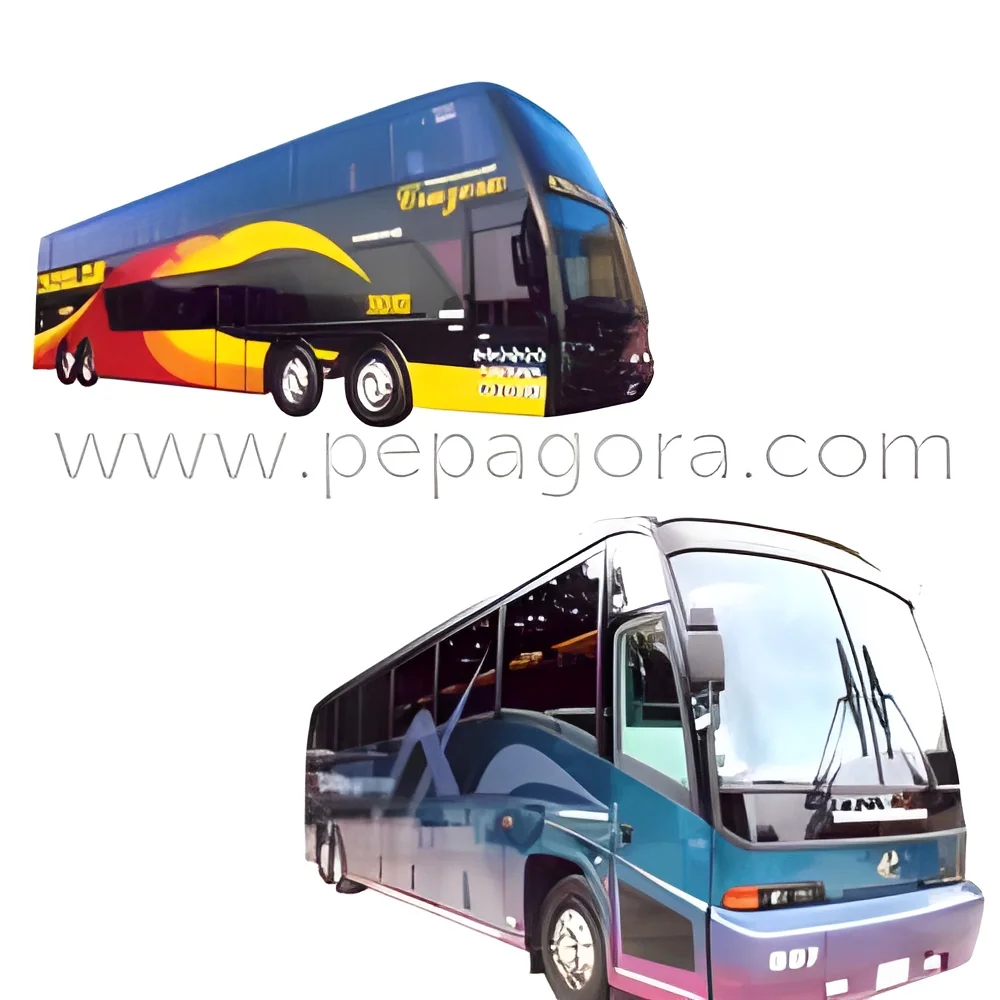
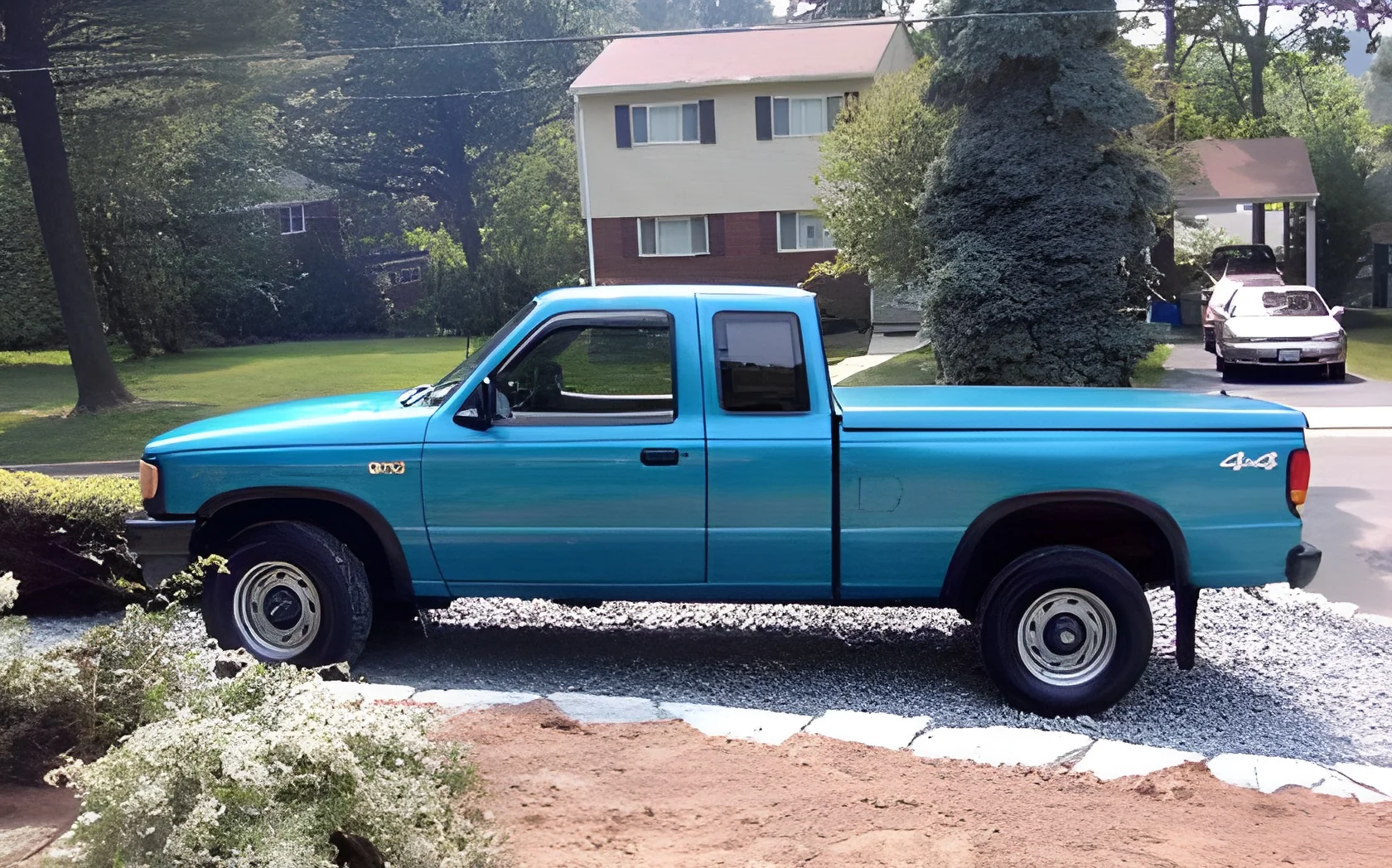
𝗪𝗵𝗮𝘁 𝗮𝗿𝗲 𝗖𝗼𝗺𝗺𝗲𝗿𝗰𝗶𝗮𝗹 𝗩𝗲𝗵𝗶𝗰𝗹𝗲 𝗗𝗲𝗮𝗹𝗲𝗿𝘀 & 𝗗𝗶𝘀𝘁𝗿𝗶𝗯𝘂𝘁𝗼𝗿𝘀?
Commercial vehicle dealers and distributors play a crucial role in the automotive industry, focusing on the sale and distribution of vehicles designed for commercial use. This includes trucks, buses, vans, and specialized vehicles that serve various industries. These dealers act as intermediaries between manufacturers and end-users, providing essential services such as sales, financing, maintenance, and parts supply. Their operations are vital for ensuring that businesses have access to the vehicles necessary for their daily operations.
The primary uses of commercial vehicles include transportation of goods, public transport, and specialized services like construction or logistics. Businesses rely on these vehicles to enhance efficiency, reduce operational costs, and meet customer demands. The industry is diverse, encompassing sectors like freight and logistics, public transportation, and construction, making it a significant part of the overall economy. As global markets evolve, the relevance of commercial vehicle dealers and distributors continues to grow, adapting to technological advancements and changing consumer preferences.
𝗞𝗲𝘆 𝗙𝗲𝗮𝘁𝘂𝗿𝗲𝘀 𝗮𝗻𝗱 𝗦𝗽𝗲𝗰𝗶𝗳𝗶𝗰𝗮𝘁𝗶𝗼𝗻𝘀
Commercial vehicle dealers and distributors offer a range of features and specifications tailored to meet the needs of various businesses. These specifications ensure that the vehicles are suitable for specific applications and comply with industry standards.
Key specifications include:
1. Vehicle Type
- Includes trucks, vans, buses, and specialized vehicles.
- Designed for specific functions in different industries.
2. Engine Capacity
- Varies based on vehicle type and application.
- Typically ranges from 2.5 liters to 15 liters for heavy-duty vehicles.
3. Payload Capacity
- Indicates the maximum weight a vehicle can carry.
- Ranges from 1 ton for light commercial vehicles to over 30 tons for heavy trucks.
4. Fuel Efficiency
- Critical for reducing operational costs.
- Varies by model, with some achieving up to 10 miles per gallon for heavy-duty trucks.
5. Safety Features
- Includes airbags, anti-lock braking systems, and stability control.
- Compliance with safety standards such as CE certification.
6. Warranty and Support
- Usually includes a manufacturer's warranty covering key components.
- Provides access to maintenance and repair services.
7. Customization Options
- Many dealers offer options to tailor vehicles for specific needs.
- Common modifications include shelving, refrigeration, or specialized equipment.
8. Compliance with Regulations
- Vehicles must meet local and international regulations.
- Adherence to environmental and safety standards is mandatory.
Overall, understanding these specifications helps businesses select the right vehicles that align with their operational requirements.
𝗖𝗼𝗺𝗺𝗼𝗻 𝗔𝗽𝗽𝗹𝗶𝗰𝗮𝘁𝗶𝗼𝗻𝘀 𝗮𝗻𝗱 𝗨𝘀𝗲 𝗖𝗮𝘀𝗲𝘀
Commercial vehicles serve multiple industries, each with unique applications that enhance productivity and efficiency.
1. Logistics and Freight: Commercial vehicles are essential for transporting goods across regions, ensuring timely delivery and supply chain efficiency.
2. Public Transportation: Buses and vans are utilized for transporting passengers, contributing to urban mobility and reducing traffic congestion.
3. Construction: Heavy-duty trucks and specialized vehicles are used on construction sites to transport materials and equipment, facilitating project completion.
4. Agriculture: Commercial vehicles are employed for transporting agricultural products and supplies, enhancing farm productivity and distribution.
5. Emergency Services: Specialized vehicles, such as ambulances and fire trucks, are critical for public safety and emergency response.
6. Waste Management: Commercial vehicles are used for collecting and transporting waste, playing a vital role in urban sanitation.
7. Delivery Services: Vans and trucks are essential for last-mile delivery in e-commerce, meeting increasing consumer demand for quick service.
𝗣𝗿𝗼𝗱𝘂𝗰𝘁 𝗩𝗮𝗿𝗶𝗮𝗻𝘁𝘀 𝗮𝗻𝗱 𝗦𝘂𝗯𝗰𝗮𝘁𝗲𝗴𝗼𝗿𝗶𝗲𝘀
The diversity of commercial vehicles allows dealers and distributors to cater to various customer needs through different product variants.
Light Commercial Vehicles
These vehicles are ideal for urban deliveries and small businesses, offering flexibility and efficiency. They are often designed for short-distance travel and have lower payload capacities.
Medium Duty Trucks
These trucks strike a balance between performance and capacity, suitable for logistics and regional transport. They often come equipped with advanced features for better fuel efficiency.
Heavy-Duty Trucks
Designed for long-haul transportation and heavy loads, these vehicles are built for durability and power. They feature high engine capacities and advanced safety systems for enhanced performance.
Specialty Vehicles
These include customized vehicles for specific industries, such as refrigerated trucks for food transport or construction vehicles with specialized equipment.
𝗕𝗲𝗻𝗲𝗳𝗶𝘁𝘀 𝗮𝗻𝗱 𝗔𝗱𝘃𝗮𝗻𝘁𝗮𝗴𝗲𝘀
Choosing the right commercial vehicle dealers and distributors offers numerous advantages that can enhance business operations.
1. Access to a Wide Range of Vehicles: Dealers provide a variety of vehicle options, ensuring businesses can find models that meet their unique needs.
2. Expert Support and Maintenance: Professional dealers offer ongoing support and maintenance services, ensuring vehicles remain in optimal condition.
3. Financing Options: Many dealers provide financing solutions, making it easier for businesses to acquire the vehicles they need without significant upfront costs.
4. Compliance Assurance: Dealers ensure that vehicles meet necessary regulatory standards, reducing the risk of legal issues and penalties.
5. Customization Possibilities: Dealers often offer customization options, allowing businesses to tailor vehicles to their specific operational requirements.
6. Market Insights: Experienced dealers can provide valuable market insights and trends, helping businesses make informed purchasing decisions.
𝗕𝘂𝘆𝗶𝗻𝗴 𝗚𝘂𝗶𝗱𝗲 𝗳𝗼𝗿 𝗕𝟮𝗕 𝗕𝘂𝘆𝗲𝗿𝘀
When sourcing commercial vehicle dealers and distributors, several factors should be considered to ensure a successful partnership.
1. Quality Assessment: Evaluate the quality of vehicles offered by reviewing manufacturer credentials, warranty provisions, and customer testimonials.
2. Supplier Verification: Conduct thorough background checks on potential suppliers to verify their reliability, reputation, and compliance with industry standards.
3. Pricing and MOQ: Understand the pricing structures and minimum order quantities (MOQ) to ensure they align with your budget and operational needs.
4. Delivery and Lead Times: Discuss logistics and expected delivery timelines to avoid disruptions in your operations and ensure timely access to vehicles.
5. Compliance Requirements: Confirm that suppliers adhere to relevant regulations and certifications, ensuring that vehicles are compliant with safety and environmental standards.
𝗖𝗼𝗺𝗽𝗹𝗶𝗮𝗻𝗰𝗲 𝗮𝗻𝗱 𝗖𝗲𝗿𝘁𝗶𝗳𝗶𝗰𝗮𝘁𝗶𝗼𝗻𝘀
Compliance with industry standards and certifications is essential for commercial vehicle dealers and distributors.
Relevant quality standards such as ISO 9001 ensure that manufacturers adhere to rigorous quality management systems, leading to consistent product quality. Other relevant standards may include HACCP for safety in food transport vehicles and GDP for the distribution of pharmaceutical products.
Industry certifications like CE indicate that vehicles meet European health, safety, and environmental protection standards. This certification is crucial for businesses operating in regions that prioritize compliance with strict regulatory frameworks.
Safety and testing requirements are also critical components, ensuring that vehicles are rigorously tested for performance and safety standards before reaching the market.
Additionally, regional compliance considerations may vary, necessitating awareness of local regulations regarding emissions, safety, and operational guidelines.
𝗪𝗵𝘆 𝗦𝗼𝘂𝗿𝗰𝗲 𝗖𝗼𝗺𝗺𝗲𝗿𝗰𝗶𝗮𝗹 𝗩𝗲𝗵𝗶𝗰𝗹𝗲 𝗗𝗲𝗮𝗹𝗲𝗿𝘀 & 𝗗𝗶𝘀𝘁𝗿𝗶𝗯𝘂𝘁𝗼𝗿𝘀 𝗳𝗿𝗼𝗺 𝗣𝗲𝗽𝗮𝗴𝗼𝗿𝗮?
Pepagora provides an efficient and reliable platform for sourcing commercial vehicle dealers and distributors, offering several key advantages to B2B buyers.
Verified Supplier Network: Pepagora emphasizes supplier verification, ensuring that all listed dealers and distributors meet rigorous standards for quality and reliability. This reduces the risk of engaging with untrustworthy suppliers and enhances buyer confidence.
Streamlined RFQ Process: The platform simplifies the request for quotation (RFQ) process, allowing businesses to easily connect with multiple suppliers. This efficiency helps buyers receive competitive pricing and tailored solutions quickly.
Trade Assurance and Support: Buyers benefit from trade assurance features that protect their investments, providing peace of mind when purchasing vehicles. The dedicated support team is available to assist with any inquiries, ensuring a smooth purchasing experience.
Regional Coverage: With a broad geographic reach across India, the Gulf Cooperation Council (GCC), and Southeast Asia, Pepagora connects buyers with local suppliers, facilitating access to essential commercial vehicles tailored to regional market needs.
By choosing Pepagora, businesses can enhance their sourcing process and ensure they secure high-quality commercial vehicles to support their operations effectively.

 IN
IN