What are Dump Trucks?
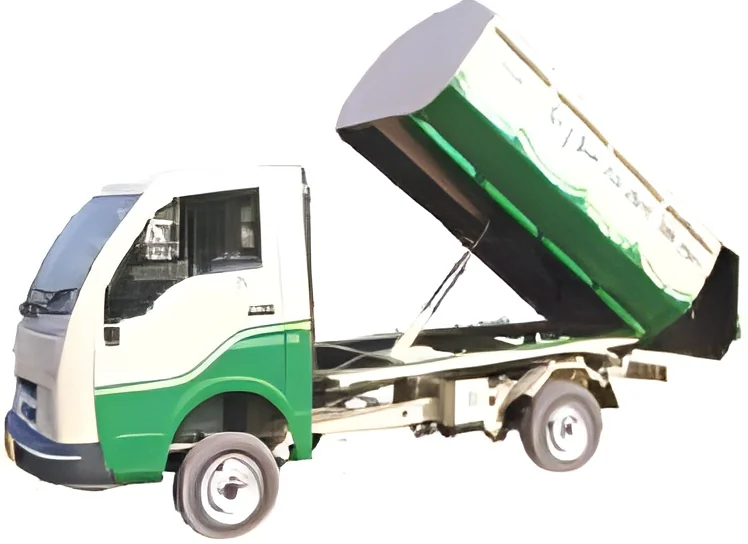
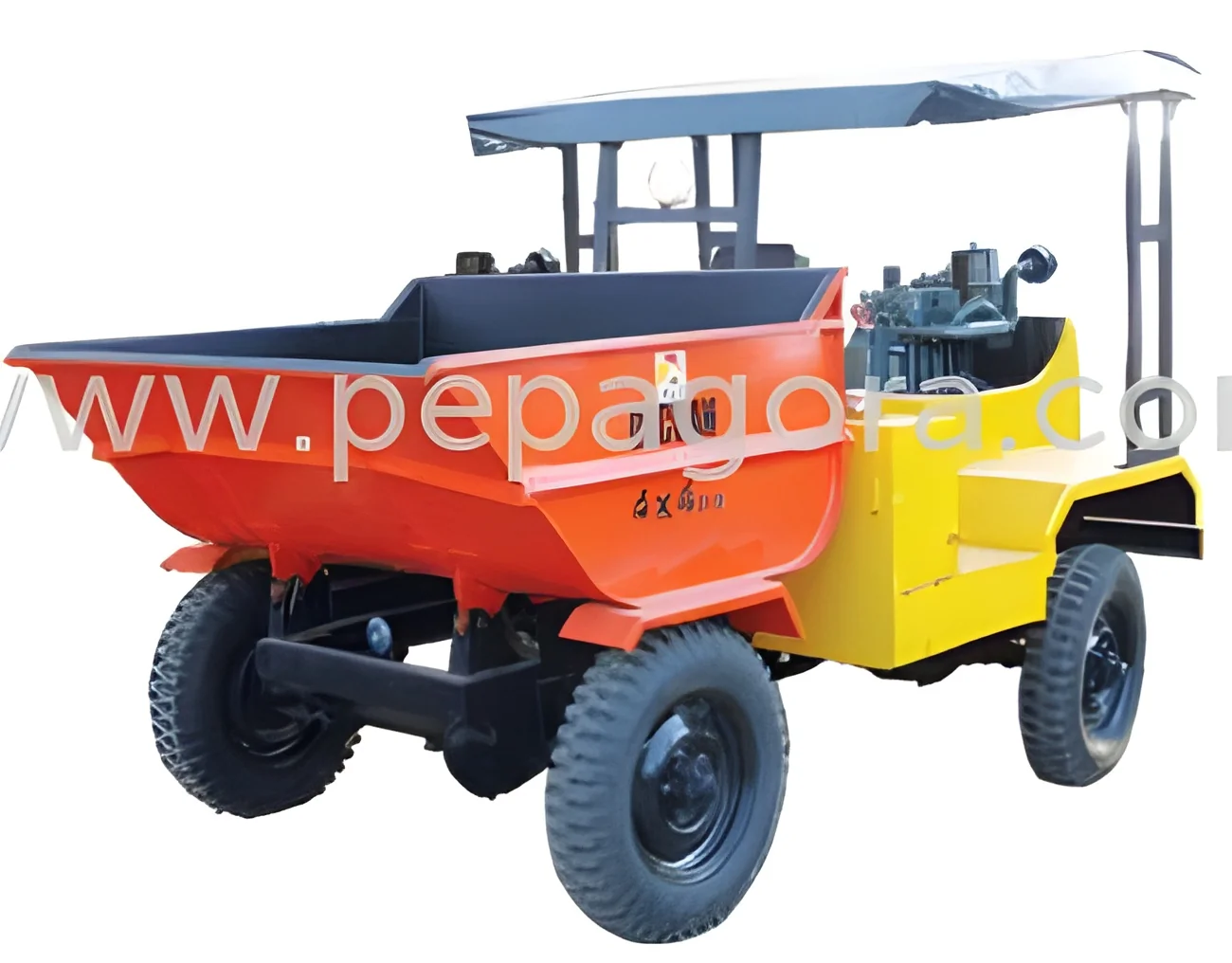
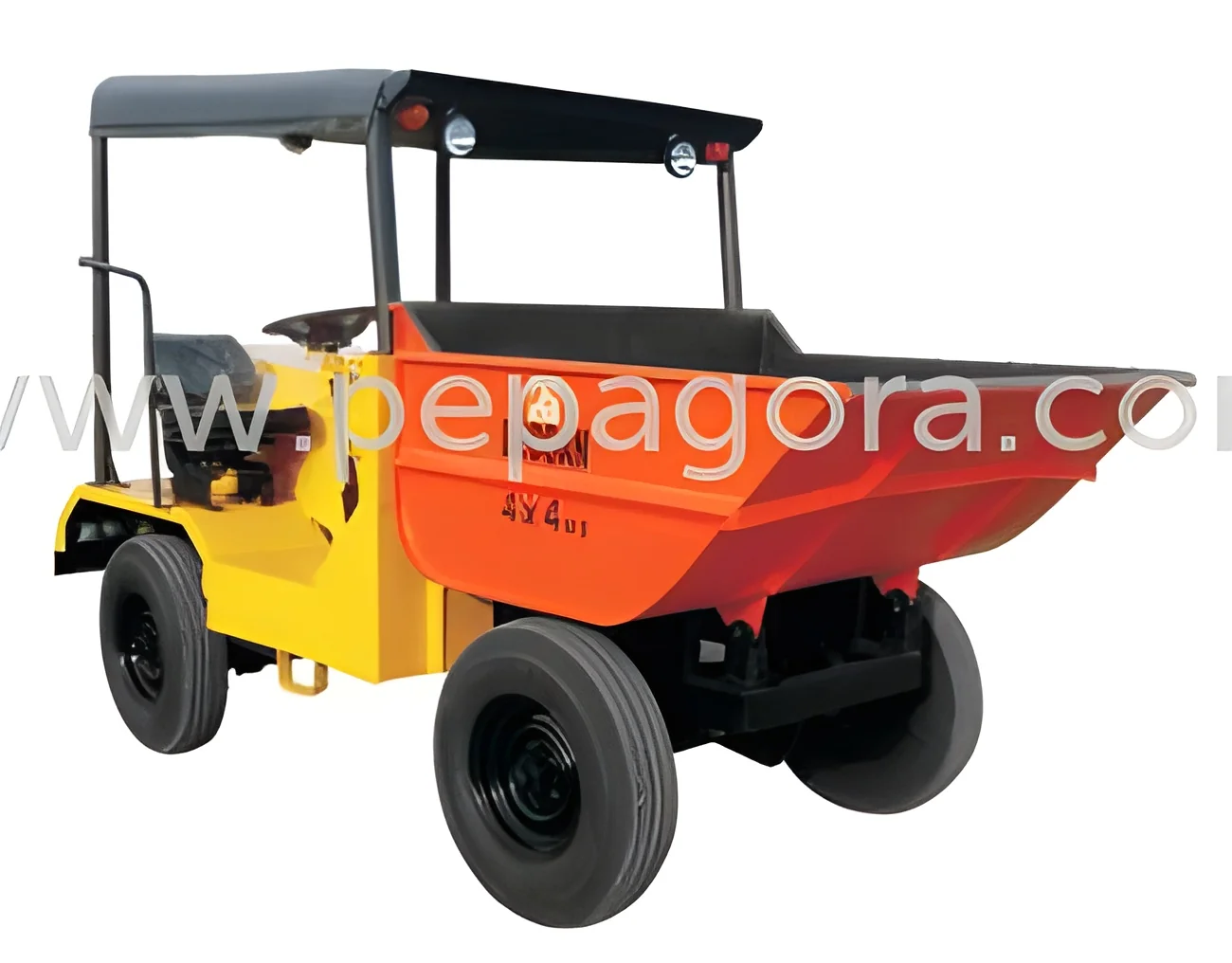
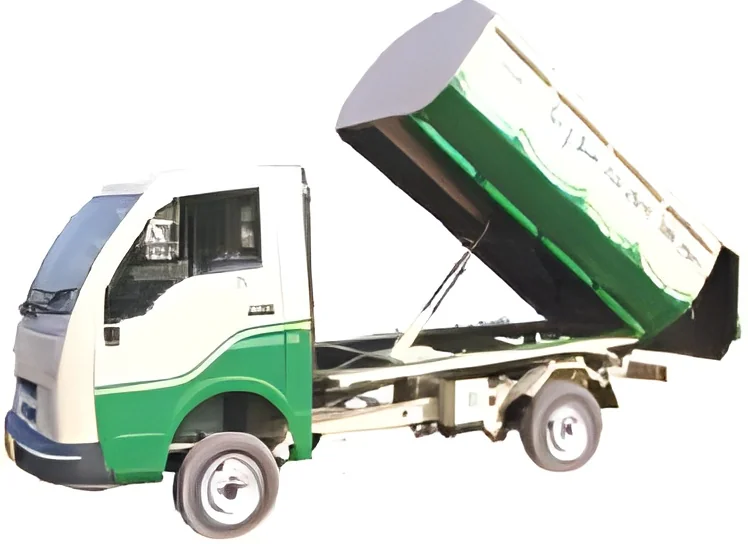
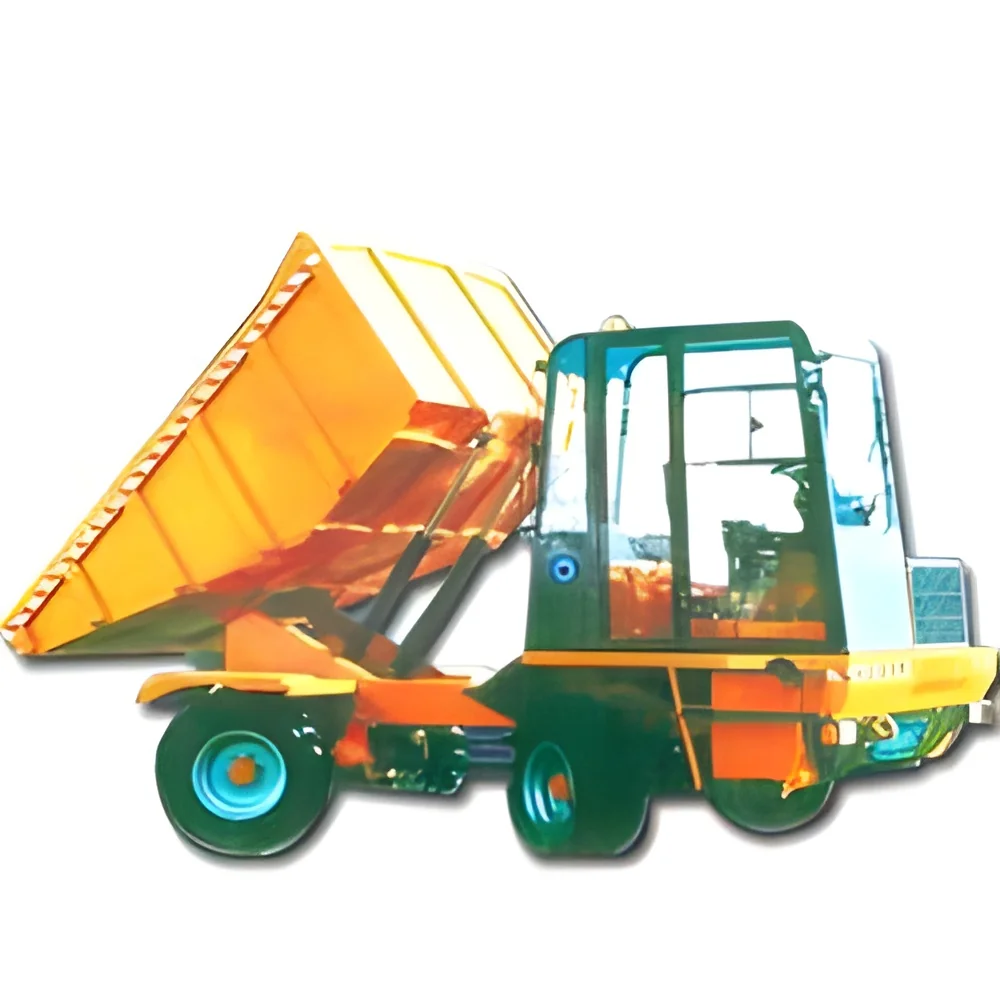
Dump trucks are heavy-duty vehicles designed specifically for transporting and unloading materials such as sand, gravel, dirt, and construction debris. They are equipped with an open-box bed with a hinged tailgate that allows for easy dumping of the load. The design of dump trucks enables operators to efficiently transport large quantities of materials, making them essential in various construction and mining operations.
These vehicles are primarily used in industries such as construction, mining, and waste management. In construction, dump trucks are used for transporting materials to and from job sites. In mining, they facilitate the movement of raw materials from extraction sites to processing locations. Additionally, dump trucks are vital in waste management for collecting and disposing of debris and other waste materials. The versatility and efficiency of dump trucks make them a critical component of modern industrial operations.
The demand for dump trucks continues to grow, driven by urban development and infrastructure projects across the globe. As industries evolve and expand, the relevance of dump trucks in facilitating efficient material transport and disposal cannot be overstated. This market is characterized by ongoing innovations aimed at enhancing performance, fuel efficiency, and safety features.
Key Features and Specifications
Dump trucks come with various features and specifications that make them suitable for different applications. Understanding these specifications is crucial for buyers looking to invest in reliable and efficient vehicles.
Key specifications include:
1. Payload Capacity
- The maximum weight of materials a dump truck can carry.
- Ranges from 10,000 to 40,000 pounds depending on the model.
2. Engine Power
- The horsepower generated by the truck's engine.
- Typically ranges from 200 to 500 horsepower.
3. Transmission Type
- The system that transmits power from the engine to the wheels.
- Available in automatic or manual configurations.
4. Dumping Mechanism
- The hydraulic system used to raise the dump bed for unloading.
- Most models utilize a rear or side dumping mechanism.
5. Wheel Configuration
- The arrangement of wheels which affects stability and load distribution.
- Common configurations include 4x2, 6x4, and 8x4.
6. Frame Material
- The material used in the construction of the truck's frame.
- Typically made of high-strength steel or aluminum for durability.
7. Safety Features
- Includes systems such as anti-lock brakes, backup alarms, and stability control.
- Essential for ensuring operator safety during operation.
8. Fuel Efficiency
- The average fuel consumption of the dump truck.
- Generally ranges from 5 to 10 miles per gallon.
These specifications help buyers choose the right dump truck for their specific needs while ensuring optimal performance and safety.
Common Applications and Use Cases
Dump trucks are utilized across a variety of industries, each with unique applications.
1. Construction: In the construction industry, dump trucks are essential for transporting materials like concrete, asphalt, and aggregates to building sites, facilitating timely project completion.
2. Mining: In mining operations, dump trucks are used to haul ore and waste materials from extraction sites to processing facilities, aiding in efficient resource management.
3. Waste Management: These trucks play a crucial role in waste collection and disposal, transporting debris from sites to landfills or recycling centers.
4. Agriculture: Dump trucks are employed in agricultural settings for transporting bulk materials like fertilizers and harvested crops, ensuring smooth operations during planting and harvest seasons.
5. Landscaping: In landscaping projects, dump trucks are used to deliver soil, mulch, and rocks, helping create aesthetically pleasing outdoor spaces.
6. Road Maintenance: Dump trucks are vital for road maintenance tasks, transporting materials needed for repairs and upgrades, thus ensuring public safety.
7. Utilities: Utility companies utilize dump trucks to transport equipment and materials required for infrastructure maintenance and emergency repairs.
Product Variants and Subcategories
Dump trucks come in various configurations to meet diverse operational needs. Each variant is designed with specific features tailored for its intended use.
Standard Dump Truck: This is the most common type, featuring a traditional open-box design for general hauling of materials. It is versatile and widely used in construction and landscaping.
Articulated Dump Truck: Designed for off-road use, this variant allows for better maneuverability on rough terrains. It is ideal for mining and large construction sites where space is limited.
Side Dump Truck: This variant allows for unloading materials from the side rather than the rear. It is useful in jobs where quick unloading is necessary and is often used in road construction.
Rear Dump Truck: This type features a standard dumping mechanism and is commonly used for general material transport. It is recognized for its reliability and efficiency.
Benefits and Advantages
Investing in dump trucks offers numerous benefits that enhance operational efficiency.
1. Increased Productivity: Dump trucks enable faster transportation and unloading of materials, reducing project timelines and improving overall productivity.
2. Versatility: These vehicles can be used across various industries and applications, making them a versatile addition to any fleet.
3. Improved Safety: Modern dump trucks are equipped with advanced safety features, minimizing the risk of accidents and enhancing operator safety.
4. Efficient Load Management: The design of dump trucks allows for optimized load distribution, ensuring stability and reducing wear on the vehicle.
5. Cost-Effectiveness: With their ability to transport large volumes of materials, dump trucks can help companies save on transportation costs and increase profitability.
6. Enhanced Durability: Built with robust materials, dump trucks are designed to withstand harsh working conditions, ensuring longevity and a good return on investment.
Buying Guide for B2B Buyers
When sourcing dump trucks, several key factors should be considered to ensure a sound investment.
1. Quality Assessment: Buyers should evaluate the quality of the dump trucks, looking for reputable manufacturers and models known for durability and performance.
2. Supplier Verification: It is essential to vet suppliers carefully, checking their credentials, customer reviews, and after-sales support to ensure reliability.
3. Pricing and MOQ: Understanding the price range and the minimum order quantity (MOQ) is crucial for budget planning and ensuring sufficient supply for operations.
4. Delivery and Lead Times: Buyers should inquire about delivery schedules and lead times to ensure timely acquisition of vehicles for ongoing projects.
5. Compliance Requirements: It is important to ensure that the dump trucks meet regional compliance and safety standards, including certifications that may be necessary for operation.
Compliance and Certifications
Dump trucks are subject to various compliance and certification requirements that ensure they meet industry standards for quality and safety.
Relevant quality standards such as ISO 9001 apply to manufacturers of dump trucks, ensuring that quality management systems are in place. This certification indicates that the manufacturer adheres to best practices in production and supply chain management.
Additionally, many dump trucks are certified with the CE mark, indicating compliance with European health, safety, and environmental protection standards. This certification is essential for vehicles sold in the European market.
Safety and testing requirements also play a critical role in the manufacturing of dump trucks. These vehicles must undergo rigorous testing to ensure they meet safety standards, including load stability and braking performance.
Regional compliance considerations may vary, so it is crucial for buyers to understand the specific requirements in their area, ensuring that the dump trucks they purchase are legally compliant.
Why Source Dump Trucks from Pepagora?
Pepagora provides a trusted platform for sourcing dump trucks, offering several key advantages to buyers.
Verified Supplier Network: Pepagora connects buyers with a network of verified suppliers, ensuring that all listed manufacturers have been thoroughly vetted for reliability and quality. This gives buyers confidence in their purchasing decisions.
Streamlined RFQ Process: The platform facilitates a streamlined Request for Quotation (RFQ) process, allowing buyers to easily compare offers from multiple suppliers. This transparency helps in making informed financial decisions.
Trade Assurance and Support: Pepagora offers trade assurance and support services that protect buyers throughout the transaction process. This includes ensuring timely delivery and addressing any potential issues with orders.
Regional Coverage: With a strong presence in regions such as India, the GCC, and Southeast Asia, Pepagora provides extensive geographic reach. This broad coverage allows buyers to access a diverse range of dump trucks suited to their specific operational needs.

 IN
IN