𝗪𝗵𝗮𝘁 𝗮𝗿𝗲 𝗖𝗼𝗺𝗺𝗲𝗿𝗰𝗶𝗮𝗹 𝗩𝗲𝗵𝗶𝗰𝗹𝗲 𝗜𝗺𝗽𝗼𝗿𝘁𝗲𝗿𝘀 & 𝗘𝘅𝗽𝗼𝗿𝘁𝗲𝗿𝘀?
Commercial vehicle importers and exporters are businesses that facilitate the international trade of vehicles designed for transporting goods and passengers. This category includes trucks, vans, buses, and specialized vehicles used in various industries. These companies play a critical role in connecting manufacturers and consumers across borders, ensuring that commercial vehicles meet specific market demands and regulatory requirements.
The primary use of commercial vehicle importers and exporters is to source vehicles from manufacturers and distribute them to different regions, whether for fleet operations, construction, or logistics. They help businesses acquire the right vehicles for their operations, which can significantly impact efficiency and productivity. These entities also provide valuable insights into market trends, pricing, and compliance issues.
In today's global economy, the relevance of commercial vehicle importers and exporters is underscored by the increasing demand for efficient transportation solutions. As businesses expand their operations internationally, the need for reliable and compliant vehicles grows. This sector is influenced by factors such as trade agreements, changing regulations, and technological advancements in vehicle design and production.
𝗞𝗲𝘆 𝗙𝗲𝗮𝘁𝘂𝗿𝗲𝘀 𝗮𝗻𝗱 𝗦𝗽𝗲𝗰𝗶𝗳𝗶𝗰𝗮𝘁𝗶𝗼𝗻𝘀
Commercial vehicle importers and exporters are characterized by several key features that distinguish them in the market. These specifications are crucial for B2B buyers looking to make informed purchasing decisions.
Key specifications include:
1. Vehicle Types
- Includes trucks, vans, buses, and specialized vehicles.
- Each type serves different industry needs and applications.
2. Compliance Standards
- Vehicles must meet various international standards and regulations.
- Compliance with safety and environmental regulations is essential.
3. Supplier Verification
- Importers and exporters often vet suppliers for quality and reliability.
- Verification ensures that vehicles meet the required specifications.
4. Pricing Models
- Pricing may vary based on vehicle type, specifications, and market demand.
- Understanding pricing models is vital for budget planning.
5. Delivery Options
- Different delivery methods may be available, including direct shipping and freight forwarding.
- Delivery timelines can vary based on location and logistics.
6. Warranty and Support
- Many suppliers offer warranties and after-sales support.
- This support can include maintenance and parts availability.
7. Geographic Coverage
- Importers and exporters often have a network that covers multiple regions.
- This allows them to effectively meet customer needs across borders.
8. Customization Options
- Some importers may offer vehicles that can be customized to meet specific requirements.
- Customization can include modifications for industry-specific applications.
These specifications ensure that businesses can choose the right commercial vehicles that meet their operational needs while adhering to relevant regulations.
𝗖𝗼𝗺𝗺𝗼𝗻 𝗔𝗽𝗽𝗹𝗶𝗰𝗮𝘁𝗶𝗼𝗻𝘀 𝗮𝗻𝗱 𝗨𝘀𝗲 𝗖𝗮𝘀𝗲𝘀
Commercial vehicle importers and exporters serve various industries by providing specialized vehicles tailored to specific applications.
1. Construction Industry: Commercial vehicles are essential for transporting materials and equipment to job sites. Trucks and flatbeds are commonly used to facilitate heavy lifting and logistics.
2. Logistics and Transportation: Delivery vans and trucks are vital for moving goods quickly and efficiently. Importers and exporters help logistics companies find vehicles that meet their distribution needs.
3. Public Transportation: Buses and vans are crucial for public transport services. Companies in this sector rely on importers to source reliable vehicles that comply with safety standards.
4. Agriculture: Agricultural vehicles play a significant role in farming operations. Importers provide specialized vehicles designed for transporting crops and equipment.
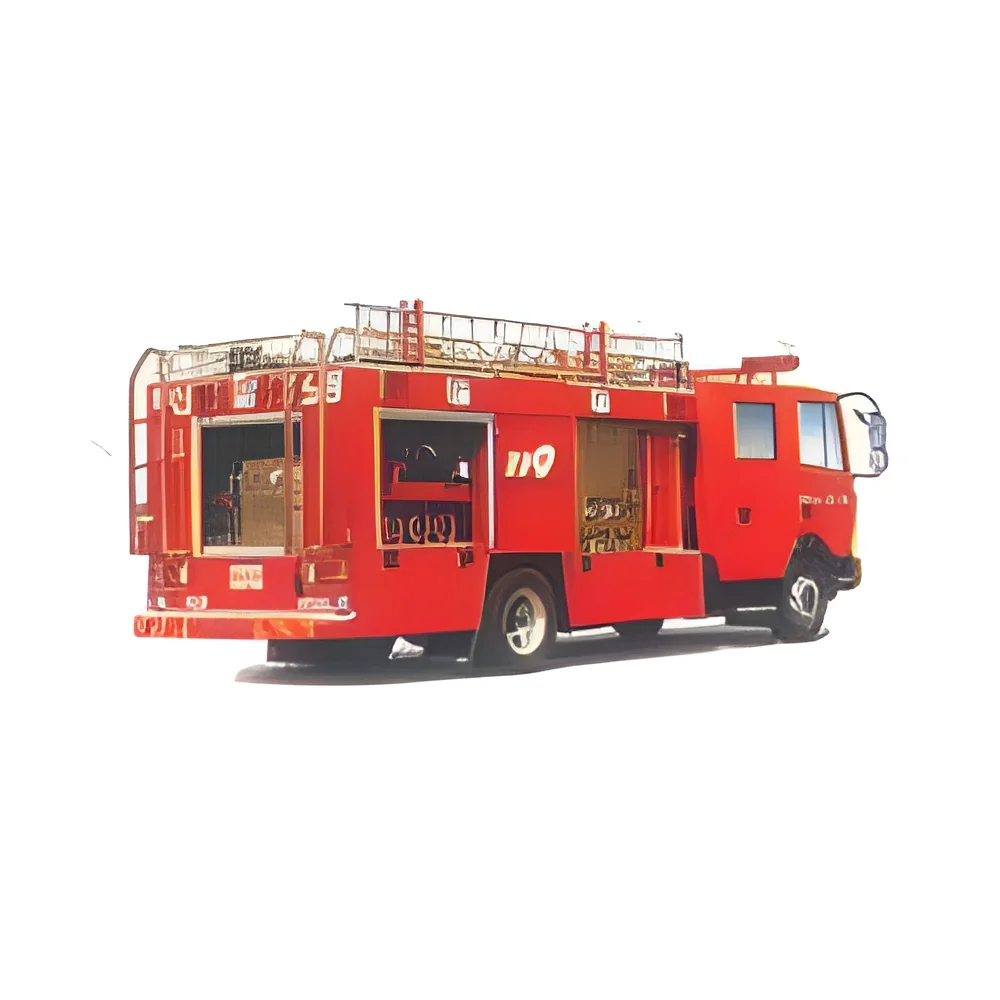
5. Emergency Services: Ambulances and fire trucks are critical for emergency response. Importers ensure that these vehicles meet specific safety and operational requirements.
6. Waste Management: Waste collection vehicles are essential for municipal services. Importers help municipalities source vehicles that are durable and efficient.
7. Food and Beverage Distribution: Refrigerated trucks are necessary for transporting perishable goods. Importers assist companies in finding vehicles that maintain the required temperature during transit.
𝗣𝗿𝗼𝗱𝘂𝗰𝘁 𝗩𝗮𝗿𝗶𝗮𝗻𝘁𝘀 𝗮𝗻𝗱 𝗦𝘂𝗯𝗰𝗮𝘁𝗲𝗴𝗼𝗿𝗶𝗲𝘀
Commercial vehicle importers and exporters offer a diverse range of vehicles to meet various business needs. This diversity ensures that companies can find the right vehicle for their specific applications.
Truck Variants: These vehicles are designed for heavy hauling and come in various sizes and capacities. They are suited for logistics, construction, and agricultural applications.
Bus Variants: Buses are available in different configurations, including city buses and shuttle buses. They cater to public transportation and corporate travel needs.
Van Variants: Delivery vans are crucial for last-mile logistics. They are designed for efficiency and accessibility, making them ideal for urban environments.
Specialized Vehicles: These include vehicles designed for specific purposes, such as refrigerated trucks for food transport or flatbed trucks for construction materials. They offer tailored solutions for niche markets.
𝗕𝗲𝗻𝗲𝗳𝗶𝘁𝘀 𝗮𝗻𝗱 𝗔𝗱𝘃𝗮𝗻𝘁𝗮𝗴𝗲𝘀
Sourcing commercial vehicle importers and exporters provides numerous advantages for businesses looking to enhance their operations.
Key benefits include:
1. Access to Diverse Options: Importers and exporters provide a wide range of vehicle types, allowing businesses to select models that best suit their needs.
2. Cost Efficiency: By sourcing vehicles through importers, businesses can often benefit from competitive pricing and favorable terms.
3. Regulatory Compliance: Importers ensure that vehicles meet necessary regulations, helping businesses avoid legal issues and delays.
4. Quality Assurance: Many importers conduct thorough quality checks, ensuring that the vehicles delivered are reliable and meet performance standards.
5. Market Insights: Importers and exporters often have extensive knowledge of market trends, helping businesses make informed purchasing decisions.
6. After-Sales Support: Many importers offer support services, including maintenance and parts supply, ensuring that vehicles remain operational over time.
𝗕𝘂𝘆𝗶𝗻𝗴 𝗚𝘂𝗶𝗱𝗲 𝗳𝗼𝗿 𝗕𝟮𝗕 𝗕𝘂𝘆𝗲𝗿𝘀
When sourcing commercial vehicle importers and exporters, B2B buyers should consider several important factors to ensure a successful purchase.
1. Quality Assessment: Ensure that the vehicles meet quality standards relevant to your industry. Look for importers who provide detailed specifications and compliance documentation.
2. Supplier Verification: Vet suppliers thoroughly to ensure reliability and trustworthiness. Check references and reviews to gauge their reputation in the market.
3. Pricing and MOQ: Understand the pricing structures and minimum order quantities. Compare offers from different suppliers to find the best deal for your budget.
4. Delivery and Lead Times: Inquire about delivery options and timelines. Efficient logistics are crucial for maintaining operational schedules.
5. Compliance Requirements: Familiarize yourself with any regulatory requirements that may apply to the vehicles you are purchasing. Ensure that the importer can provide vehicles that meet these standards.
𝗖𝗼𝗺𝗽𝗹𝗶𝗮𝗻𝗰𝗲 𝗮𝗻𝗱 𝗖𝗲𝗿𝘁𝗶𝗳𝗶𝗰𝗮𝘁𝗶𝗼𝗻𝘀
Compliance and certifications are critical considerations for commercial vehicle importers and exporters. Vehicles must adhere to various quality standards and regulations to ensure safety and reliability.
Relevant quality standards often include ISO 9001, which focuses on quality management systems, and CE certification, indicating conformity with health, safety, and environmental protection standards. These certifications help buyers ensure that vehicles are manufactured to high-quality standards.
Safety and testing requirements also play a vital role in vehicle compliance. Importers must ensure that the vehicles undergo rigorous testing to meet safety regulations specific to different markets. This may include crash testing and emissions testing.
Regional compliance considerations are important as well. Different countries have specific regulations regarding vehicle emissions, safety features, and operational capabilities. Commercial vehicle importers and exporters must navigate these regulations to facilitate successful trade.
𝗪𝗵𝘆 𝗦𝗼𝘂𝗿𝗰𝗲 𝗖𝗼𝗺𝗺𝗲𝗿𝗰𝗶𝗮𝗹 𝗩𝗲𝗵𝗶𝗰𝗹𝗲 𝗜𝗺𝗽𝗼𝗿𝘁𝗲𝗿𝘀 & 𝗘𝘅𝗽𝗼𝗿𝘁𝗲𝗿𝘀 𝗳𝗿𝗼𝗺 𝗣𝗲𝗽𝗮𝗴𝗼𝗿𝗮?
Pepagora provides a trusted platform for sourcing commercial vehicle importers and exporters, offering several key advantages to B2B buyers.
Verified Supplier Network: Pepagora features a network of verified suppliers, ensuring that buyers can connect with reputable importers and exporters. This verification process enhances trust and reduces risks associated with sourcing.
Streamlined RFQ Process: The request for quotation (RFQ) process on Pepagora is designed to be efficient and user-friendly. Buyers can easily submit their requirements and receive competitive quotes from multiple suppliers, simplifying the procurement process.
Trade Assurance and Support: Pepagora offers trade assurance to protect buyers against potential risks. This support includes assistance with disputes and ensuring that transactions are secure and transparent.
Regional Coverage: With a strong presence in India, the GCC, and Southeast Asia, Pepagora provides regional coverage that facilitates international trade. This geographic reach allows buyers to access a diverse range of commercial vehicles from various markets.

 IN
IN