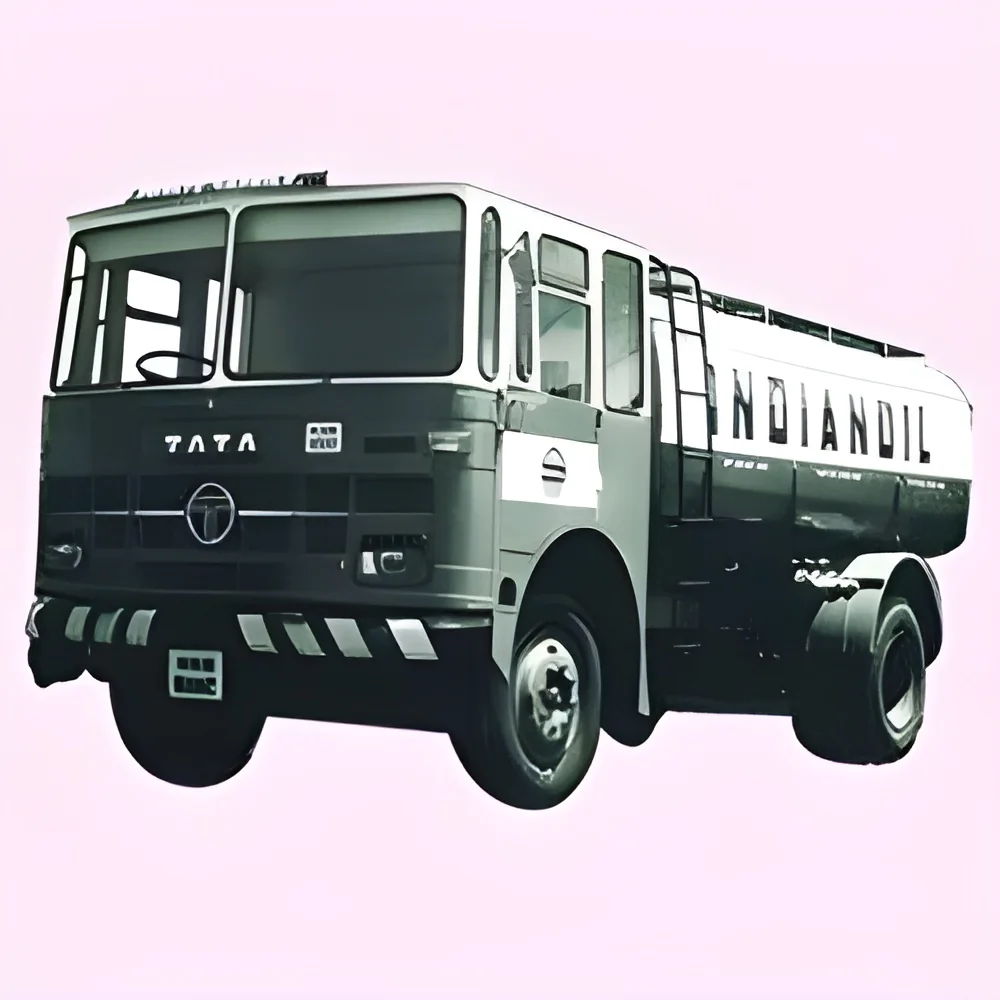
𝗪𝗵𝗮𝘁 𝗮𝗿𝗲 𝗧𝗮𝗻𝗸𝗲𝗿 𝗧𝗿𝘂𝗰𝗸𝘀?
Tanker trucks are specialized vehicles designed to transport liquids, gases, and other bulk materials. They come equipped with large tanks that can hold various substances, including fuel, chemicals, water, and food products. The design of tanker trucks varies depending on the type of cargo they carry, ensuring safety and compliance with industry standards. These trucks are essential for logistics and supply chain operations, enabling efficient transportation over short and long distances.
The primary uses of tanker trucks span several industries, including oil and gas, food and beverage, agriculture, and chemicals. In the oil and gas sector, they transport fuel and lubricants to and from refineries, while in the food industry, they are used to deliver ingredients like milk and vegetable oils. Their versatility makes them vital for businesses that require bulk liquid transport, contributing significantly to the economy and facilitating the movement of goods across regions.
In today’s market, the demand for tanker trucks has been increasing due to rising industrial activity and the growth of e-commerce. Companies are looking for reliable and efficient transportation solutions to meet their growing logistics needs. As environmental regulations become more stringent, the industry is also focusing on developing tanker trucks that minimize emissions and enhance safety features to comply with regulatory standards.
𝗞𝗲𝘆 𝗙𝗲𝗮𝘁𝘂𝗿𝗲𝘀 𝗮𝗻𝗱 𝗦𝗽𝗲𝗰𝗶𝗳𝗶𝗰𝗮𝘁𝗶𝗼𝗻𝘀
Tanker trucks come with several key features and specifications that make them suitable for transporting various types of cargo. Understanding these specifications is crucial for B2B buyers looking to make informed purchasing decisions.
Key specifications include:
1. Capacity
- The tank's capacity varies, typically ranging from 1,000 to 10,000 gallons depending on the application and regulations.
2. Material
- Tanks are usually made from stainless steel, aluminum, or carbon steel, with specific materials chosen based on the type of liquid being transported.
3. Tank Design
- Common designs include single-compartment and multi-compartment tanks, allowing for the transport of different products simultaneously.
4. Safety Features
- Many tanker trucks are equipped with safety features such as rollover protection, emergency shut-off valves, and pressure relief systems.
5. Loading and Unloading Systems
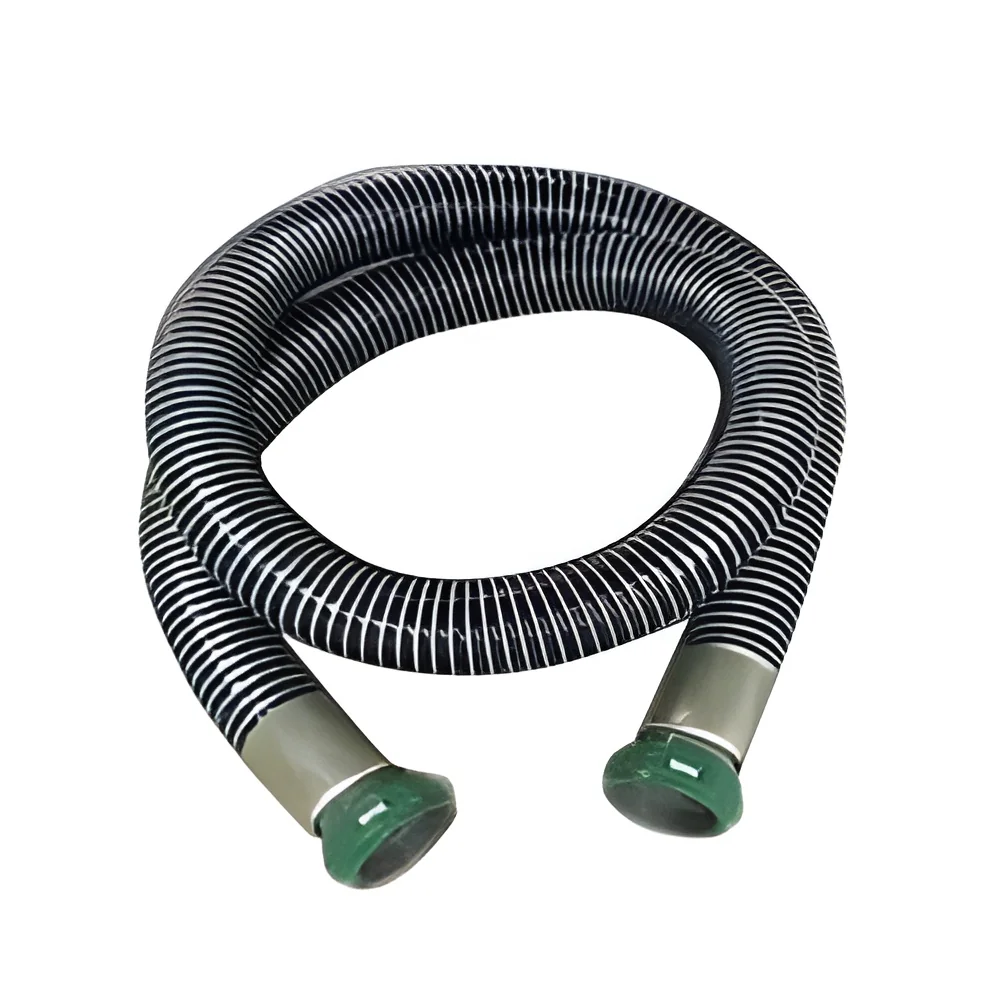
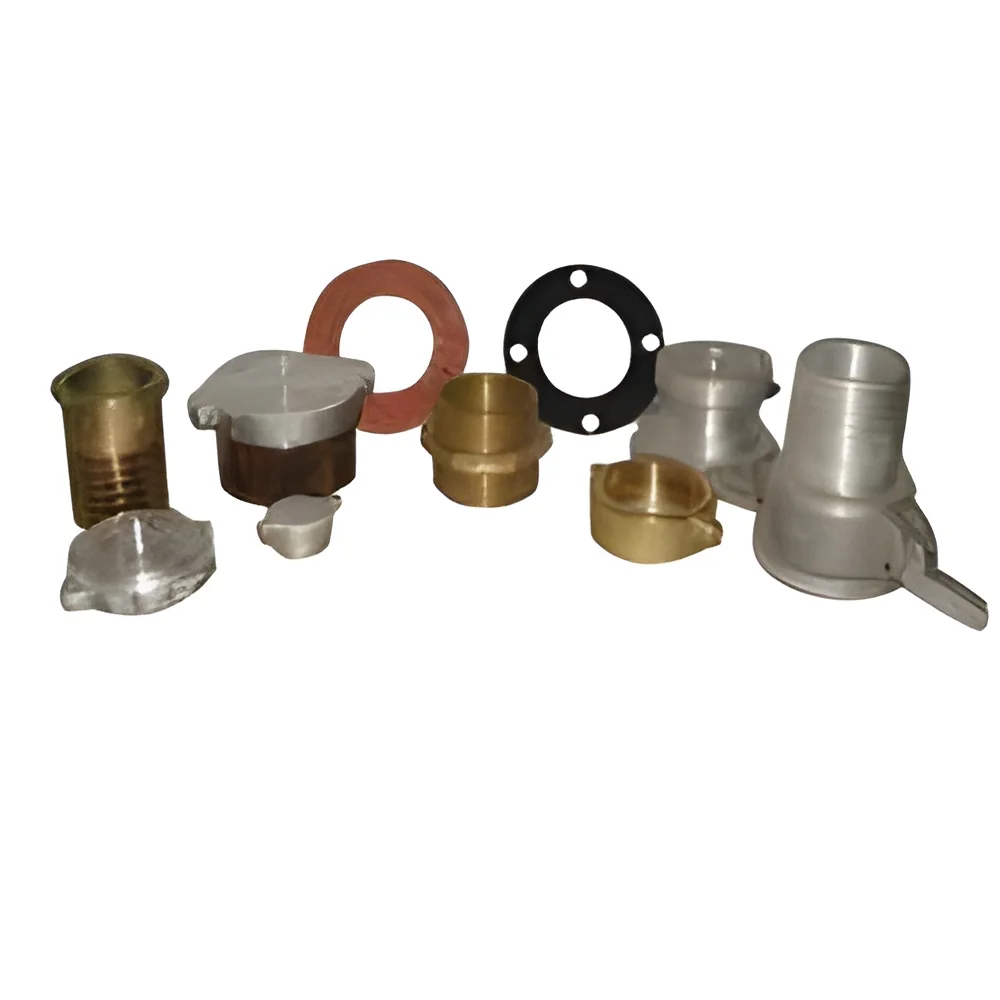
- Various systems, including pumps and gravity discharge, facilitate efficient loading and unloading processes.
6. Axle Configuration
- Tanker trucks may have different axle configurations, such as single, tandem, or tri-axle setups, impacting weight distribution and road safety.
7. Compliance Standards
- Compliance with industry standards such as CE certification ensures that the trucks meet safety and environmental regulations.
8. Customization Options
- Many manufacturers offer customization options to meet specific business needs, including tank size, insulation, and additional safety features.
These features and specifications are critical for ensuring the safe and efficient transport of goods.
𝗖𝗼𝗺𝗺𝗼𝗻 𝗔𝗽𝗽𝗹𝗶𝗰𝗮𝘁𝗶𝗼𝗻𝘀 𝗮𝗻𝗱 𝗨𝘀𝗲 𝗖𝗮𝘀𝗲𝘀
Tanker trucks serve various industries, each with unique applications that require specialized transport solutions.
1. Oil and Gas: Tanker trucks are primarily used to transport crude oil, gasoline, and other petroleum products from refineries to distribution points, ensuring timely deliveries.
2. Food and Beverage: In the food industry, tanker trucks transport perishable liquids such as milk, juices, and syrups, adhering to strict hygiene and safety standards.
3. Chemicals: Chemical manufacturers rely on tanker trucks to move hazardous and non-hazardous liquids to production sites, requiring adherence to safety regulations.
4. Agriculture: Tanker trucks transport fertilizers and pesticides, playing a crucial role in agricultural supply chains to ensure timely application.
5. Water Transport: These trucks are often used to deliver potable water in areas where infrastructure is lacking or during emergencies.
6. Construction: Tanker trucks are employed to transport liquid materials like concrete additives and emulsions, contributing to various construction projects.
7. Pharmaceutical: In the pharmaceutical industry, tanker trucks are used to transport raw materials and products that require strict temperature control and cleanliness.
𝗣𝗿𝗼𝗱𝘂𝗰𝘁 𝗩𝗮𝗿𝗶𝗮𝗻𝘁𝘀 𝗮𝗻𝗱 𝗦𝘂𝗯𝗰𝗮𝘁𝗲𝗴𝗼𝗿𝗶𝗲𝘀
Tanker trucks offer a variety of options to cater to different transport needs. Each variant is designed with specific features to address particular cargo requirements.
Food Grade Tanker Trucks
These trucks are constructed with materials that meet food safety standards, ensuring the safe transport of edible liquids. They often include additional insulation and cleaning systems to maintain product integrity.
Chemical Tanker Trucks
Designed for the safe transport of chemicals, these trucks include specialized features such as reinforced tanks and safety mechanisms to handle hazardous materials.
Fuel Tanker Trucks
Fuel tanker trucks are specifically designed for transporting gasoline, diesel, and other fuels. They are equipped with specialized loading and unloading systems to minimize spillage and ensure safety.
Insulated Tanker Trucks
These trucks are equipped with thermal insulation to maintain the temperature of sensitive liquids during transport, ideal for food and pharmaceutical applications.
𝗕𝗲𝗻𝗲𝗳𝗶𝘁𝘀 𝗮𝗻𝗱 𝗔𝗱𝘃𝗮𝗻𝘁𝗮𝗴𝗲𝘀
Tanker trucks offer numerous advantages for businesses looking to transport liquids safely and efficiently.
1. Enhanced Safety: These trucks are designed with safety features that minimize the risk of spills and accidents during transport.
2. Versatility: Tanker trucks can transport a wide range of liquids, making them suitable for various industries, from food to chemicals.
3. Cost-Effectiveness: By enabling bulk transport, tanker trucks help reduce transportation costs per unit, improving overall operational efficiency.
4. Compliance with Standards: Many tanker trucks meet international safety and quality standards, ensuring regulatory compliance and peace of mind for buyers.
5. Customization Options: Businesses can tailor tanker trucks to meet specific needs, ensuring optimal performance for their unique applications.
6. Reliability: Tanker trucks are built for durability and long-term use, providing reliable service for transporting goods over time.
𝗕𝘂𝘆𝗶𝗻𝗴 𝗚𝘂𝗶𝗱𝗲 𝗳𝗼𝗿 𝗕𝟮𝗕 𝗕𝘂𝘆𝗲𝗿𝘀
When sourcing tanker trucks, B2B buyers should consider several critical factors to ensure they make a well-informed decision.
1. Quality Assessment: Evaluate the quality of materials and construction used in the tanker trucks. Look for certifications and compliance with industry standards to ensure reliability.
2. Supplier Verification: Vet potential suppliers by checking their reputation, customer reviews, and industry experience. A reliable supplier will provide necessary documentation and support.
3. Pricing and MOQ: Understand the pricing structure and minimum order quantities (MOQ) offered by suppliers. Compare quotes to ensure competitive pricing while maintaining quality.
4. Delivery and Lead Times: Inquire about delivery schedules and lead times to align with your logistics needs. Timely delivery is crucial for maintaining supply chain efficiency.
5. Compliance Requirements: Ensure that the tanker trucks meet all relevant safety and environmental regulations, as non-compliance can lead to legal issues and fines.
𝗖𝗼𝗺𝗽𝗹𝗶𝗮𝗻𝗰𝗲 𝗮𝗻𝗱 𝗖𝗲𝗿𝘁𝗶𝗳𝗶𝗰𝗮𝘁𝗶𝗼𝗻𝘀
Compliance and certifications are essential considerations when sourcing tanker trucks. Adherence to relevant quality standards ensures that these vehicles operate safely and efficiently.
ISO 9001 is a widely recognized quality management standard that ensures manufacturers maintain high-quality processes in producing tanker trucks. Compliance with HACCP and GDP standards is crucial for food-grade tanker trucks, ensuring safety and hygiene during the transport of edible products.
Industry certifications such as CE indicate that the tanker trucks meet European safety requirements. These certifications provide assurance to buyers regarding the quality and safety of the vehicles.
Safety and testing requirements must be met, including pressure testing and leak detection systems, to ensure the integrity of the transport tanks. Additionally, regional compliance considerations vary, and buyers must be aware of local regulations that govern the transport of liquids and hazardous materials.
𝗪𝗵𝘆 𝗦𝗼𝘂𝗿𝗰𝗲 𝗧𝗮𝗻𝗸𝗲𝗿 𝗧𝗿𝘂𝗰𝗸𝘀 𝗳𝗿𝗼𝗺 𝗣𝗲𝗽𝗮𝗴𝗼𝗿𝗮?
Pepagora provides a trusted platform for sourcing tanker trucks, offering numerous key advantages for B2B buyers.
Verified Supplier Network: Pepagora carefully screens suppliers to ensure they meet stringent quality and reliability standards. Buyers can trust that they are dealing with reputable manufacturers.
Streamlined RFQ Process: The request for quotation (RFQ) process on Pepagora is straightforward, allowing buyers to quickly access multiple quotes and select the best option that meets their needs.
Trade Assurance and Support: Pepagora offers trade assurance, providing buyers with protection and support throughout the purchasing process. This includes assistance with contracts, payments, and logistics.
Regional Coverage: With a strong presence in regions such as India, the Gulf Cooperation Council (GCC), and Southeast Asia, Pepagora facilitates connections between buyers and suppliers across various markets. This geographic reach ensures that businesses can find the right tanker trucks tailored to their operational needs.

 IN
IN