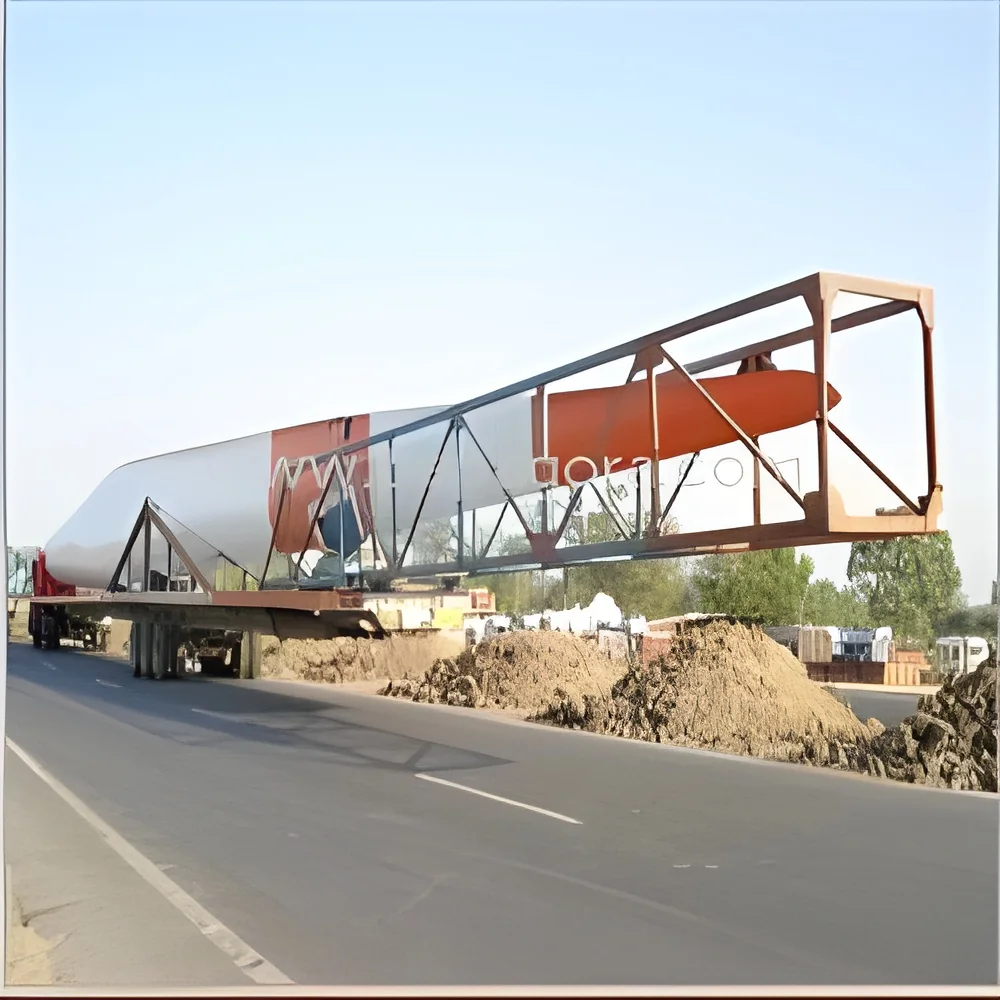
𝗪𝗵𝗮𝘁 𝗮𝗿𝗲 𝗖𝗼𝗺𝗺𝗲𝗿𝗰𝗶𝗮𝗹 𝗩𝗲𝗵𝗶𝗰𝗹𝗲𝘀?
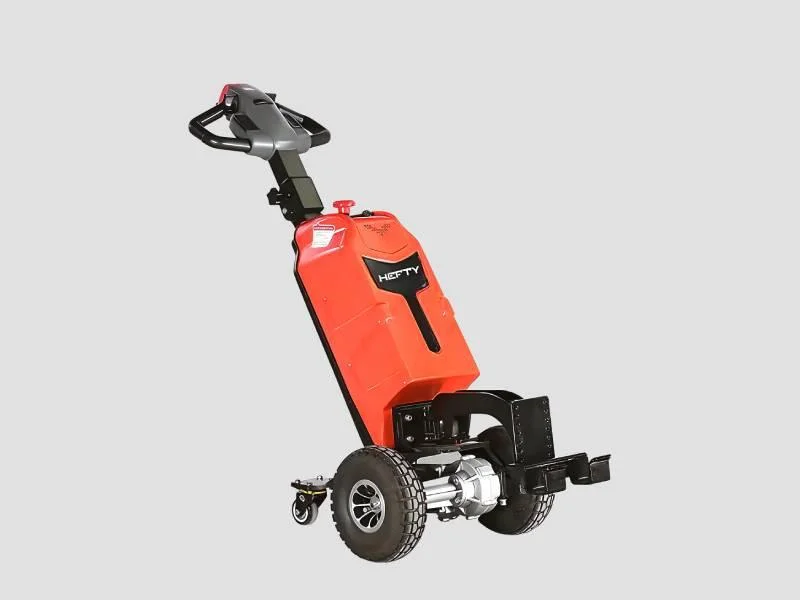
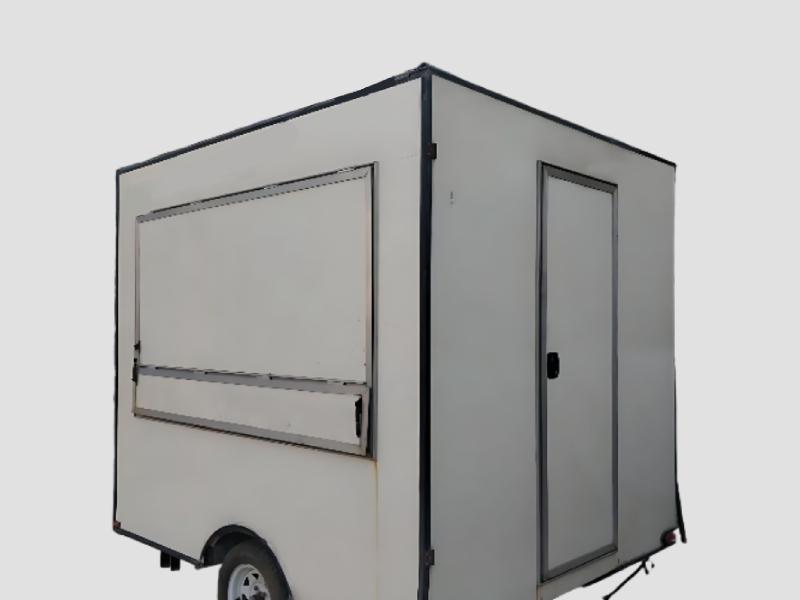
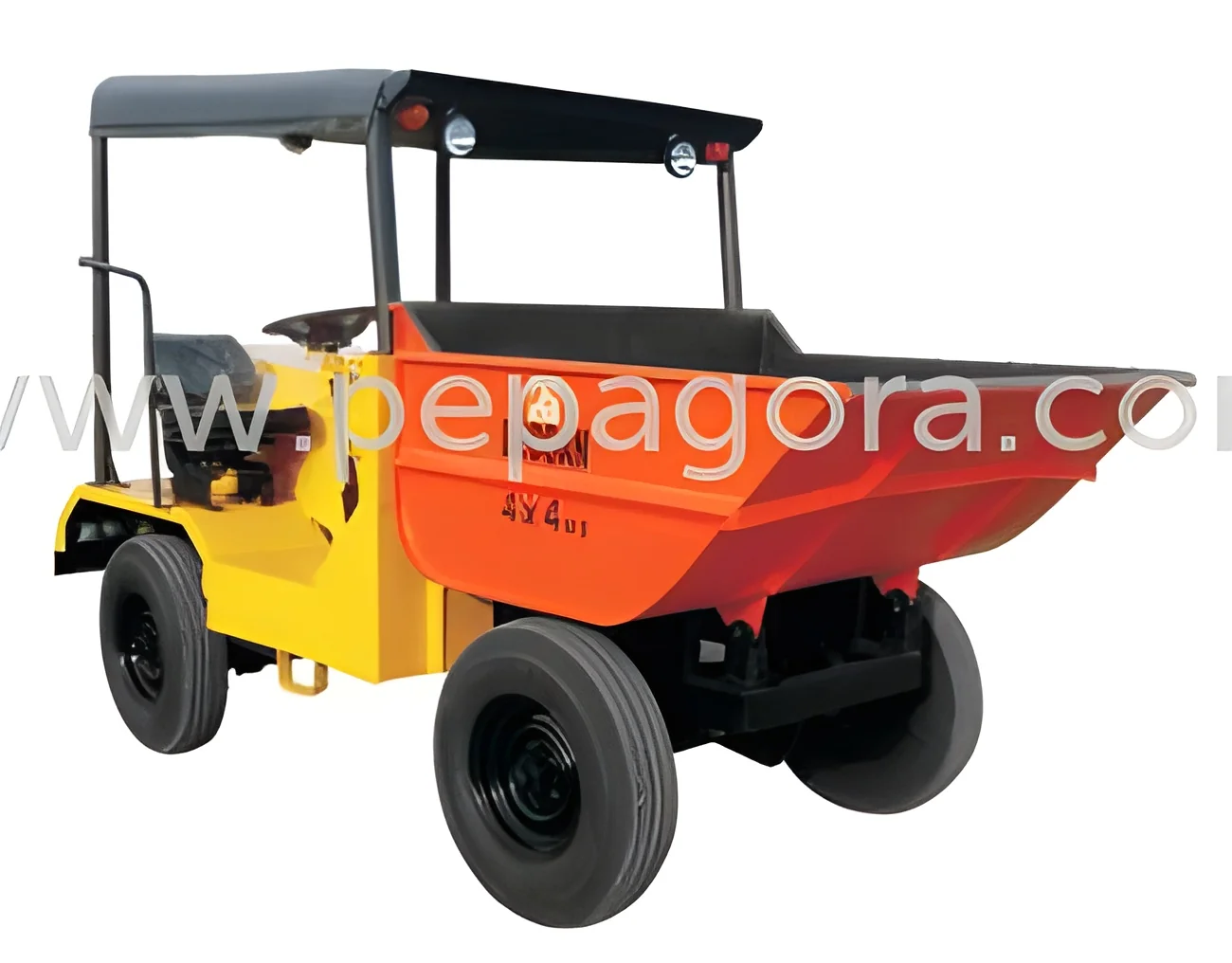
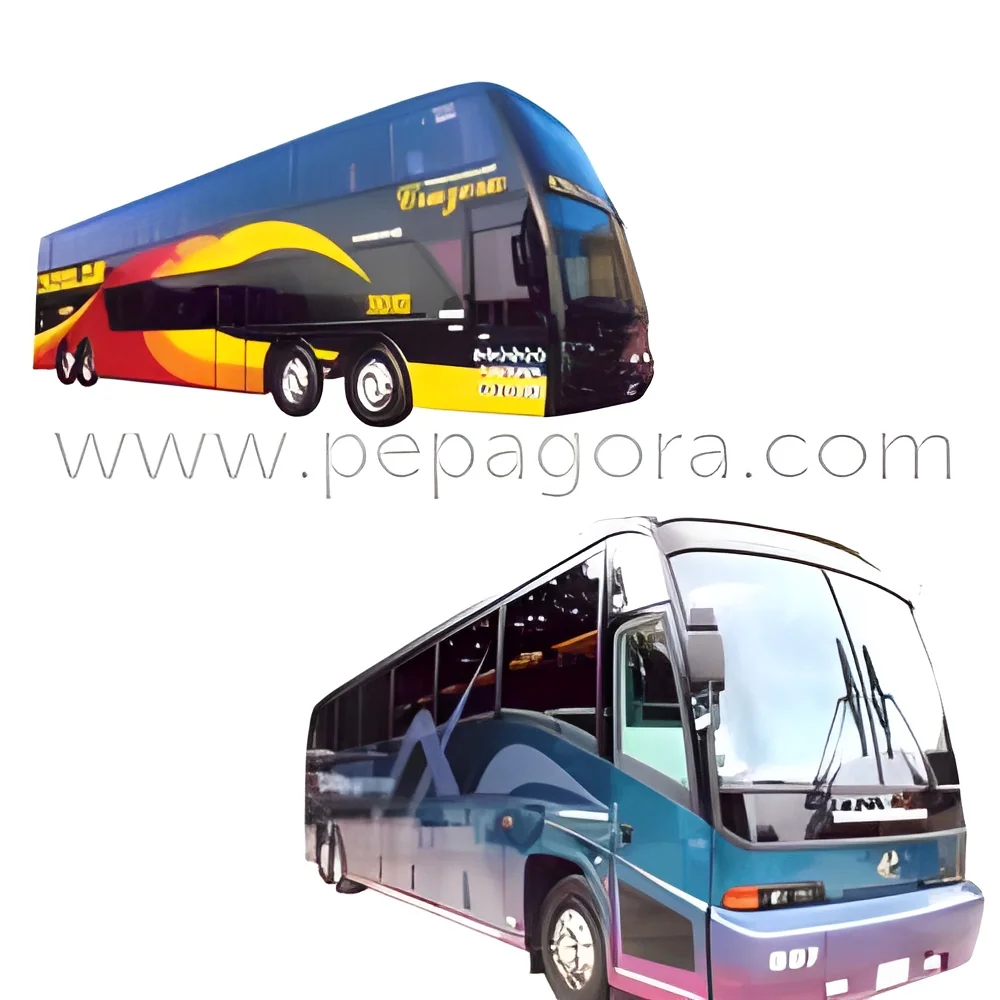
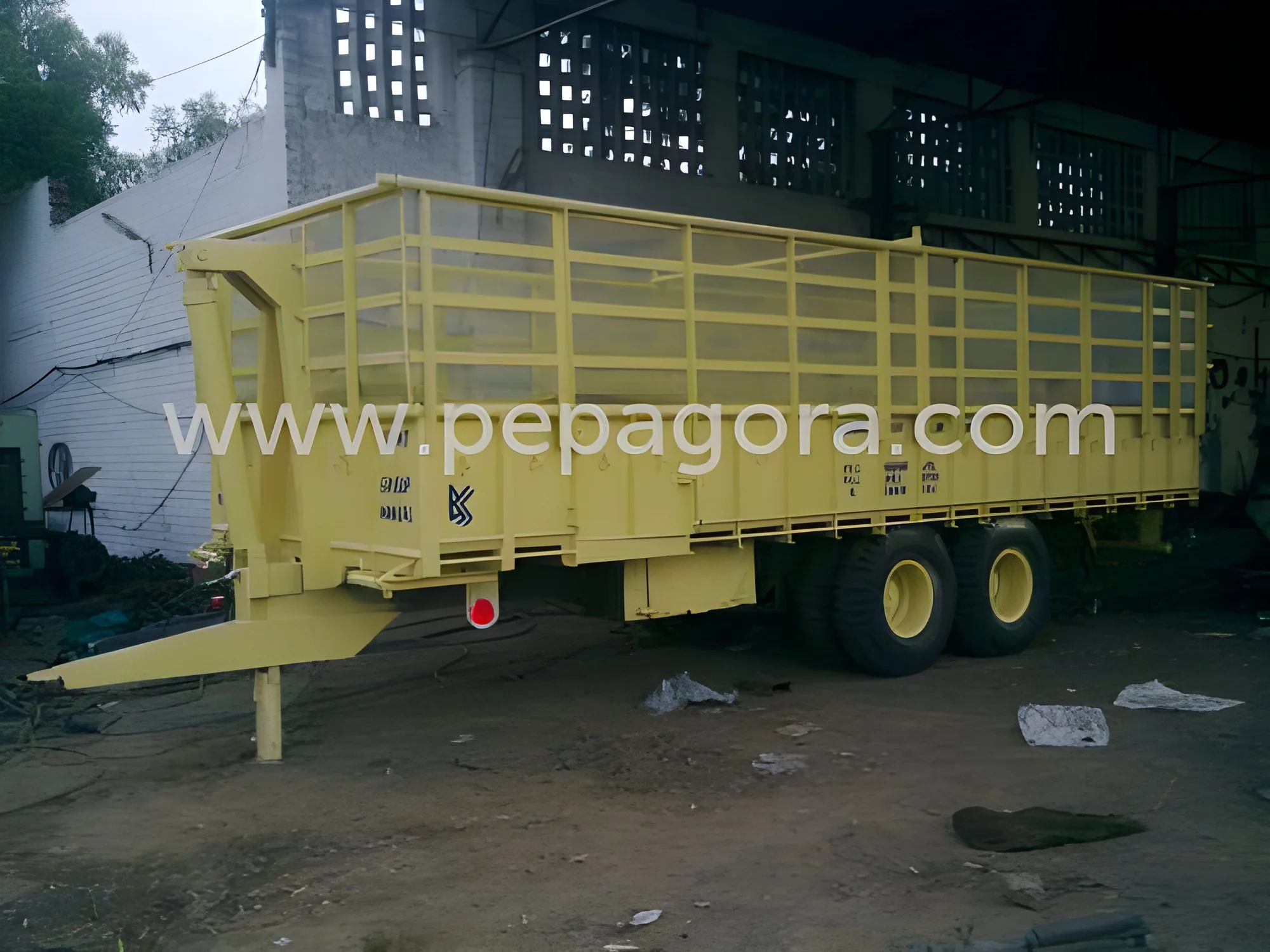
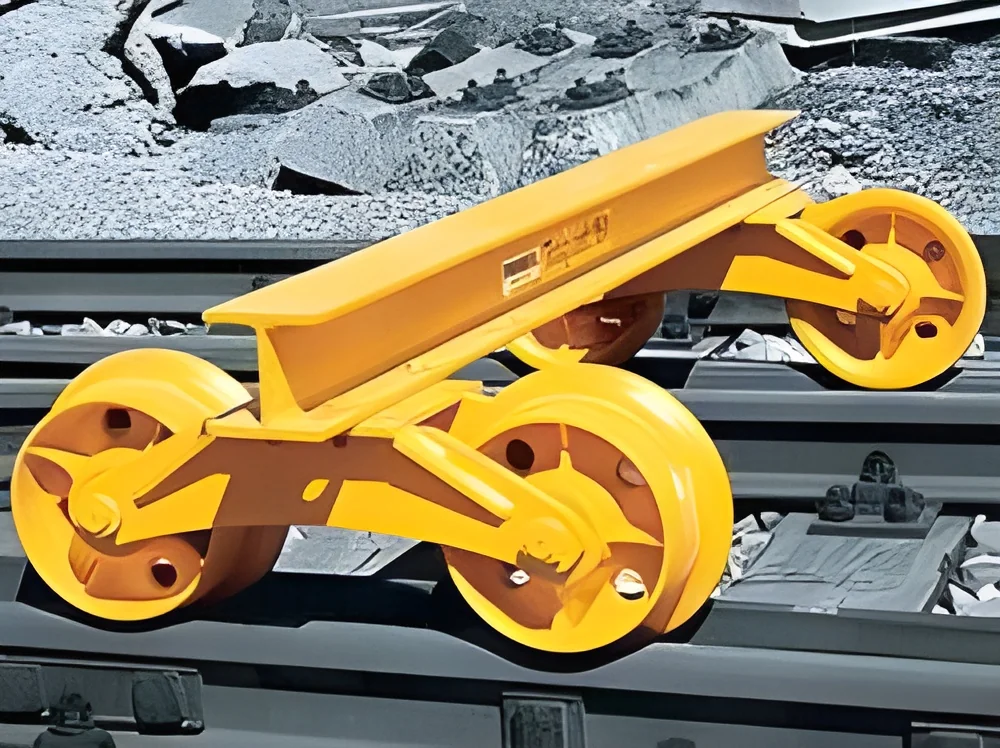
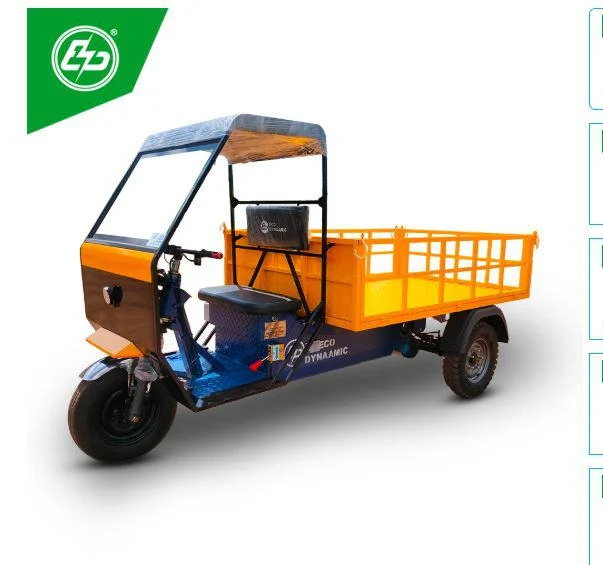
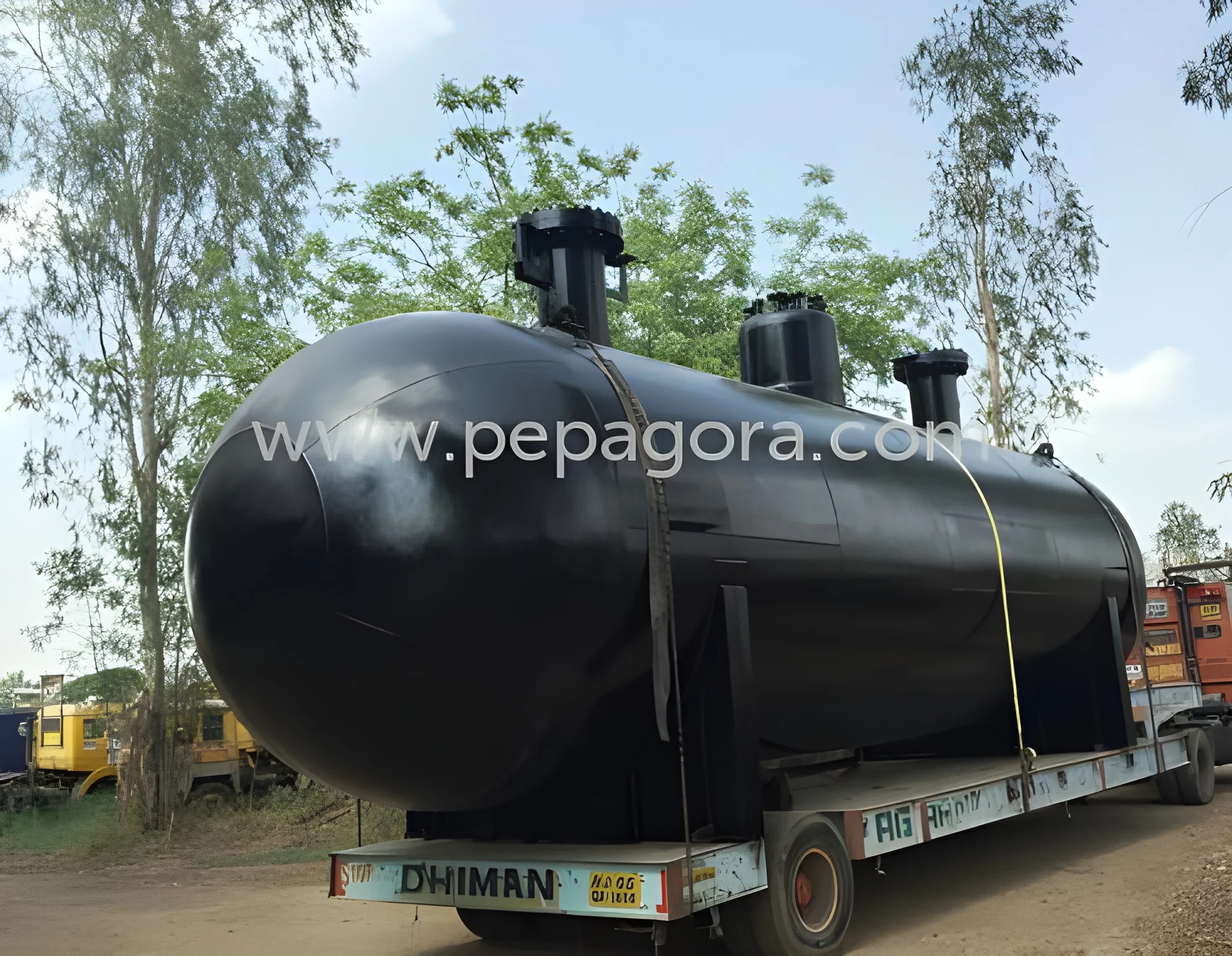
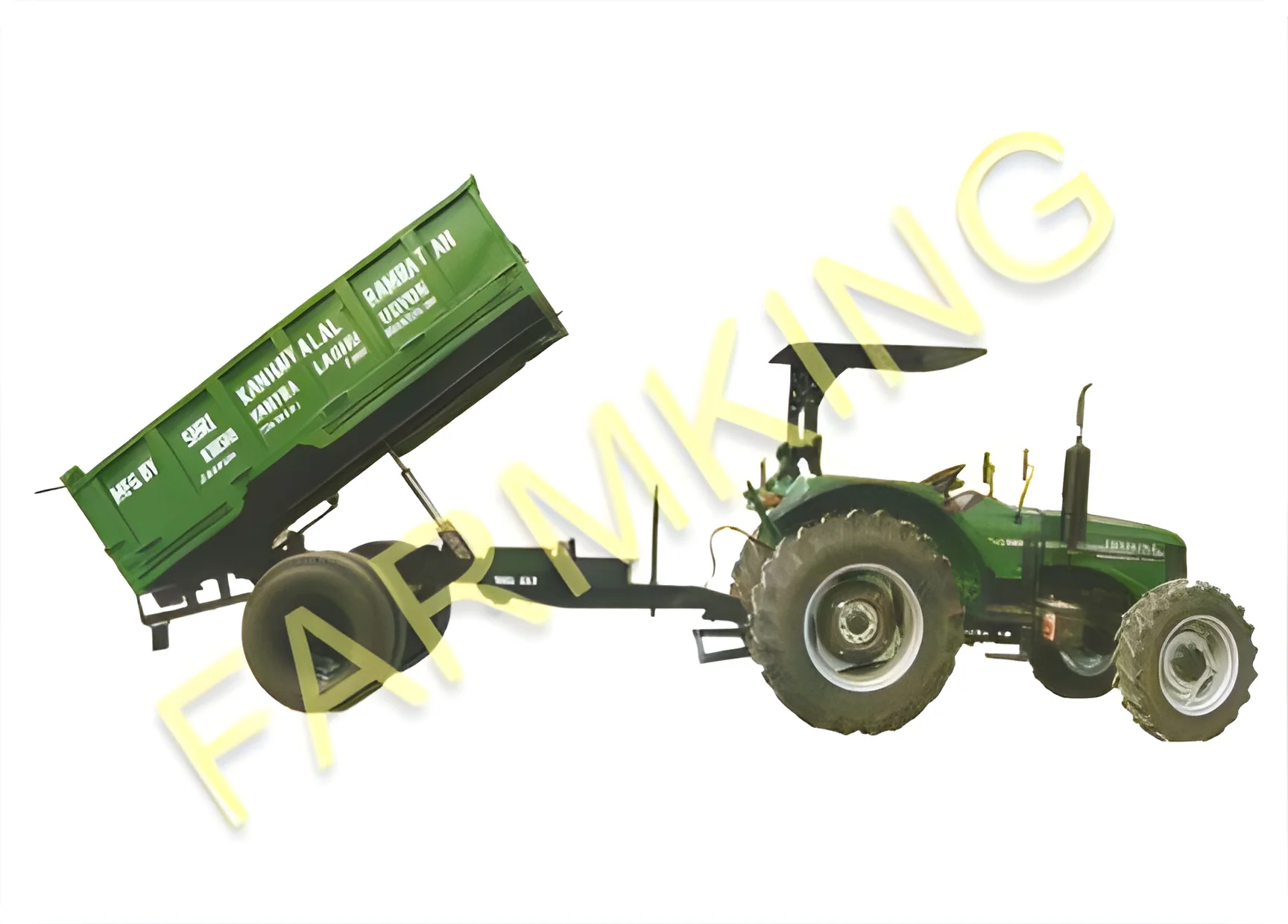
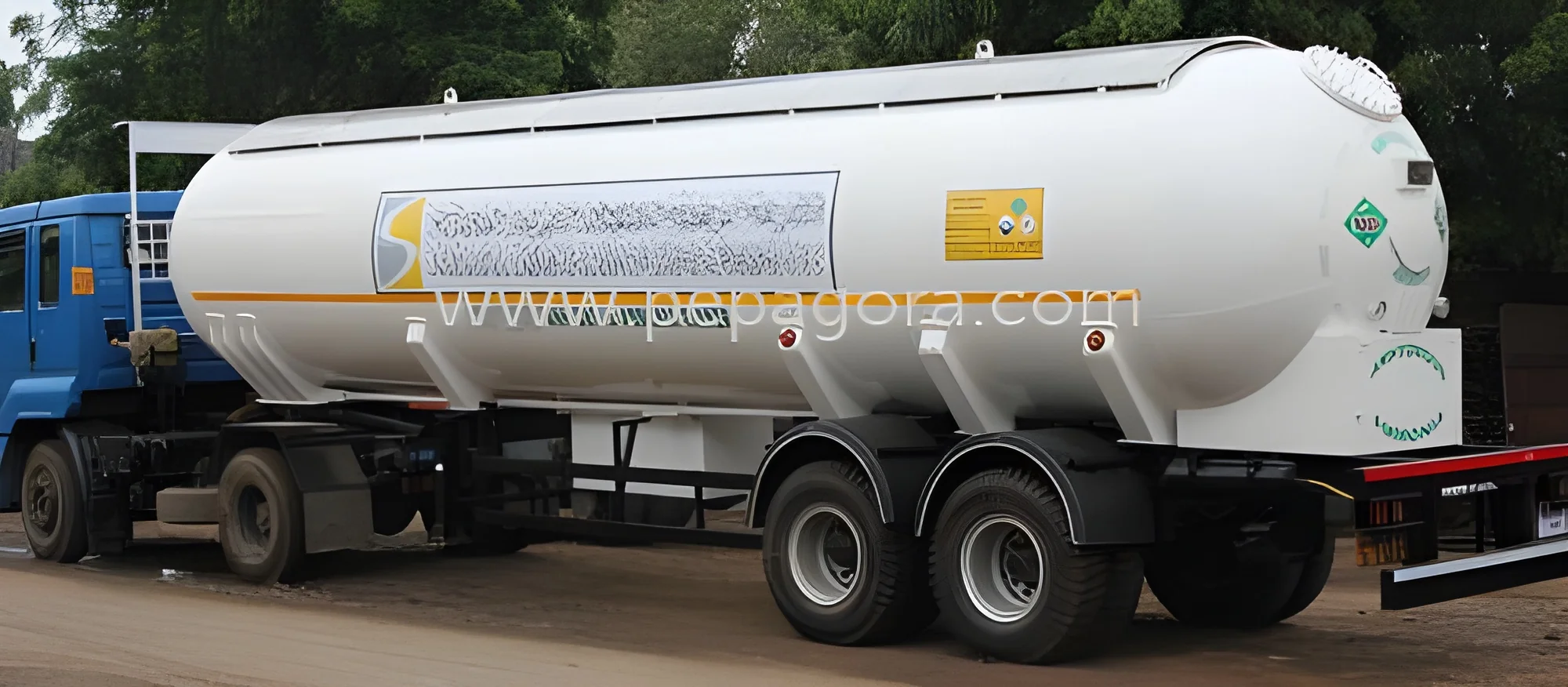
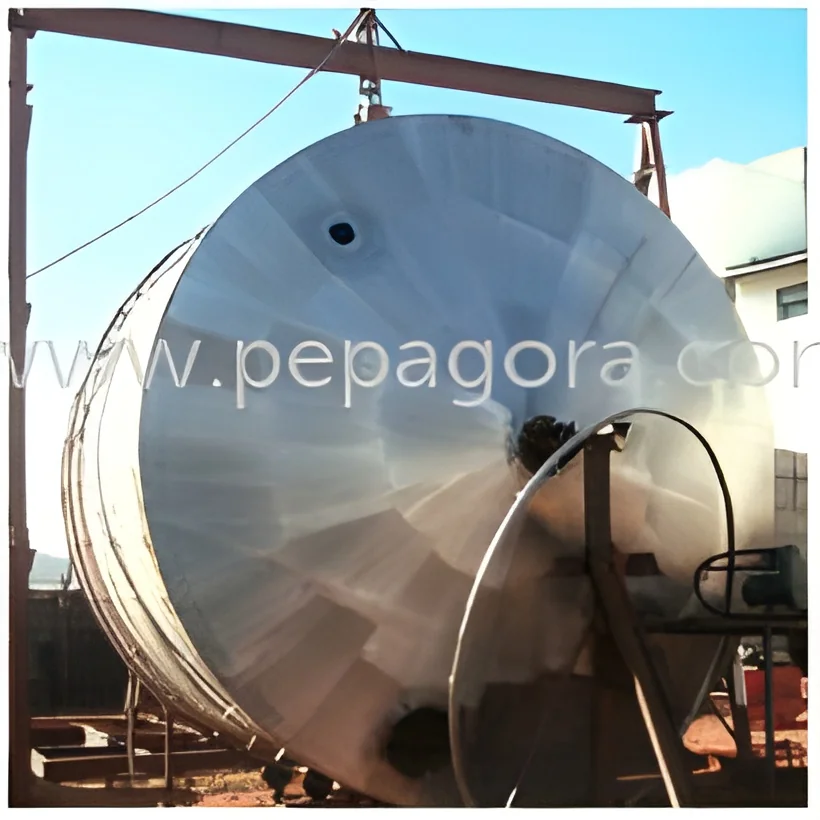
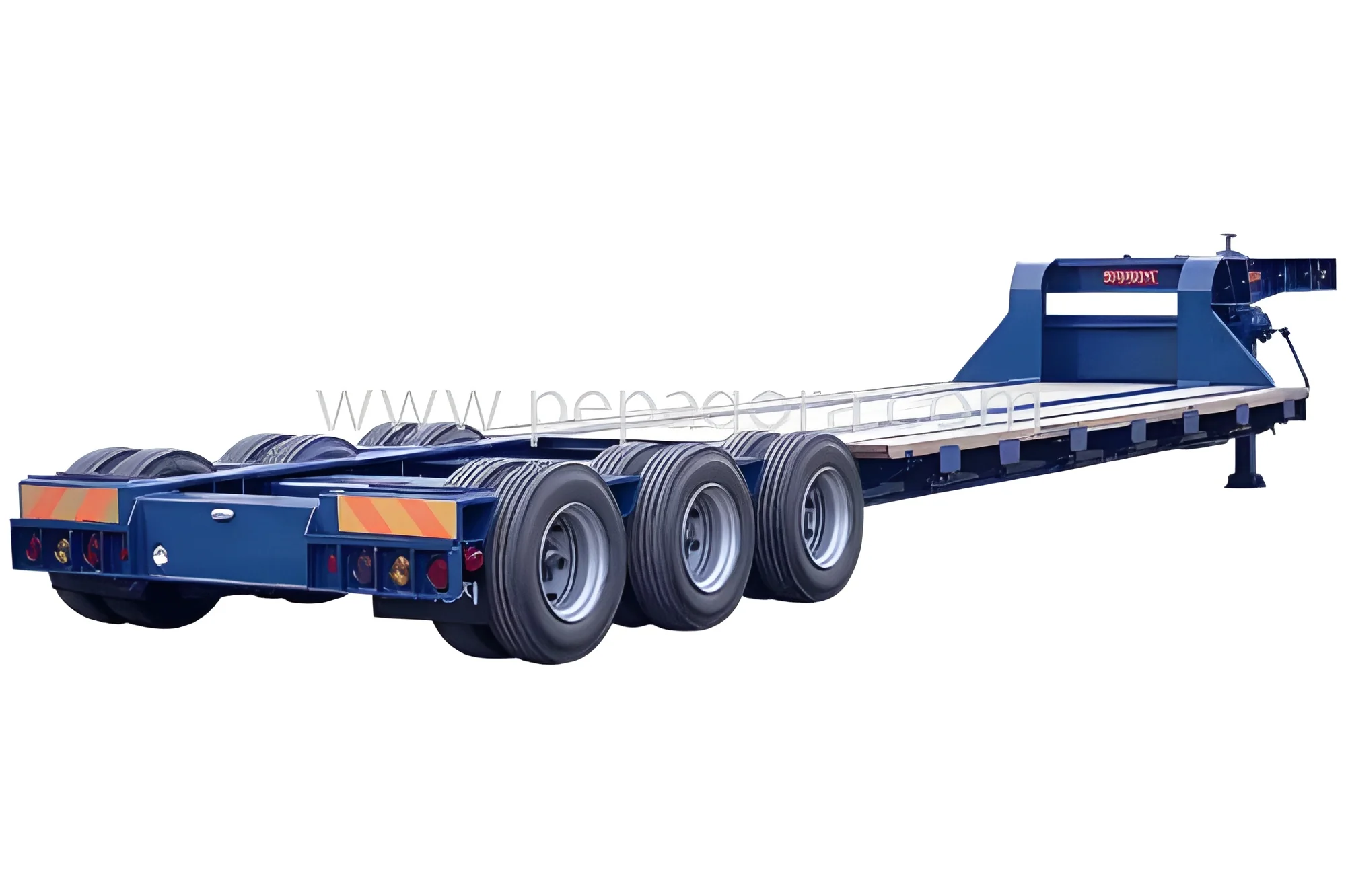
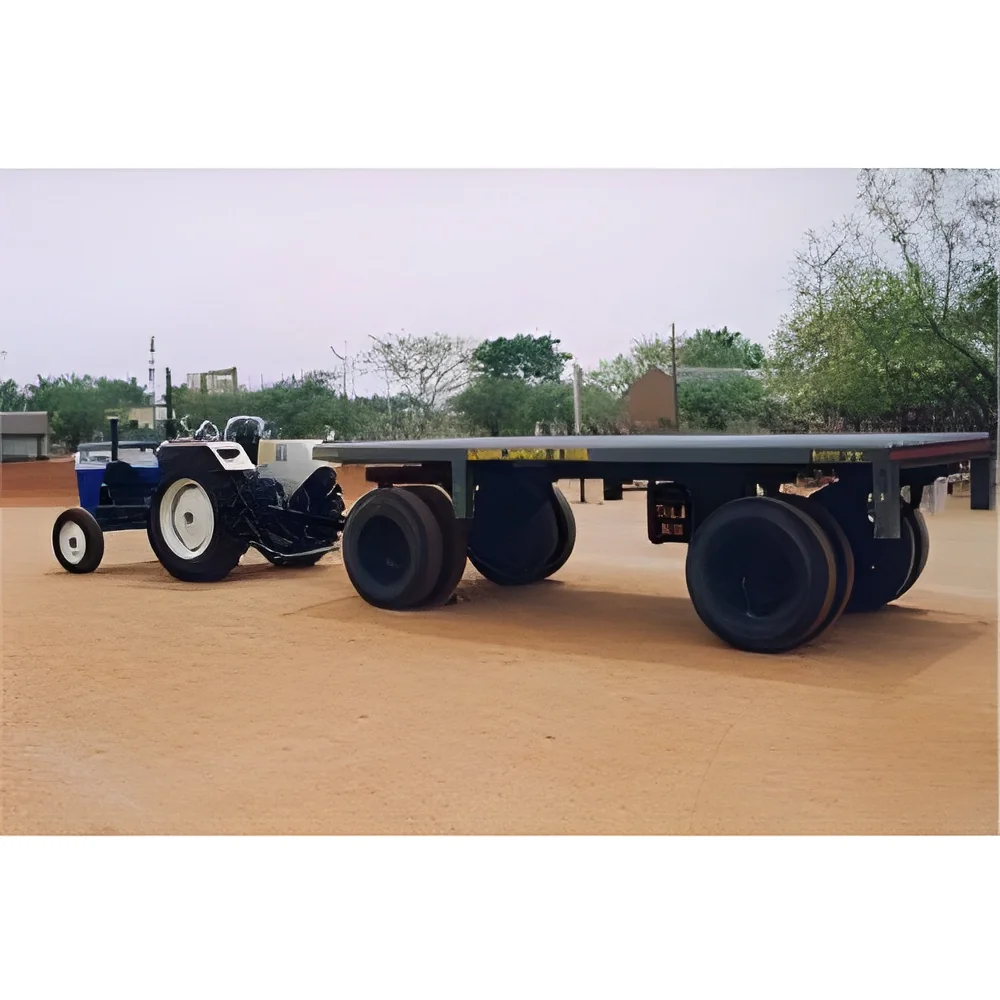
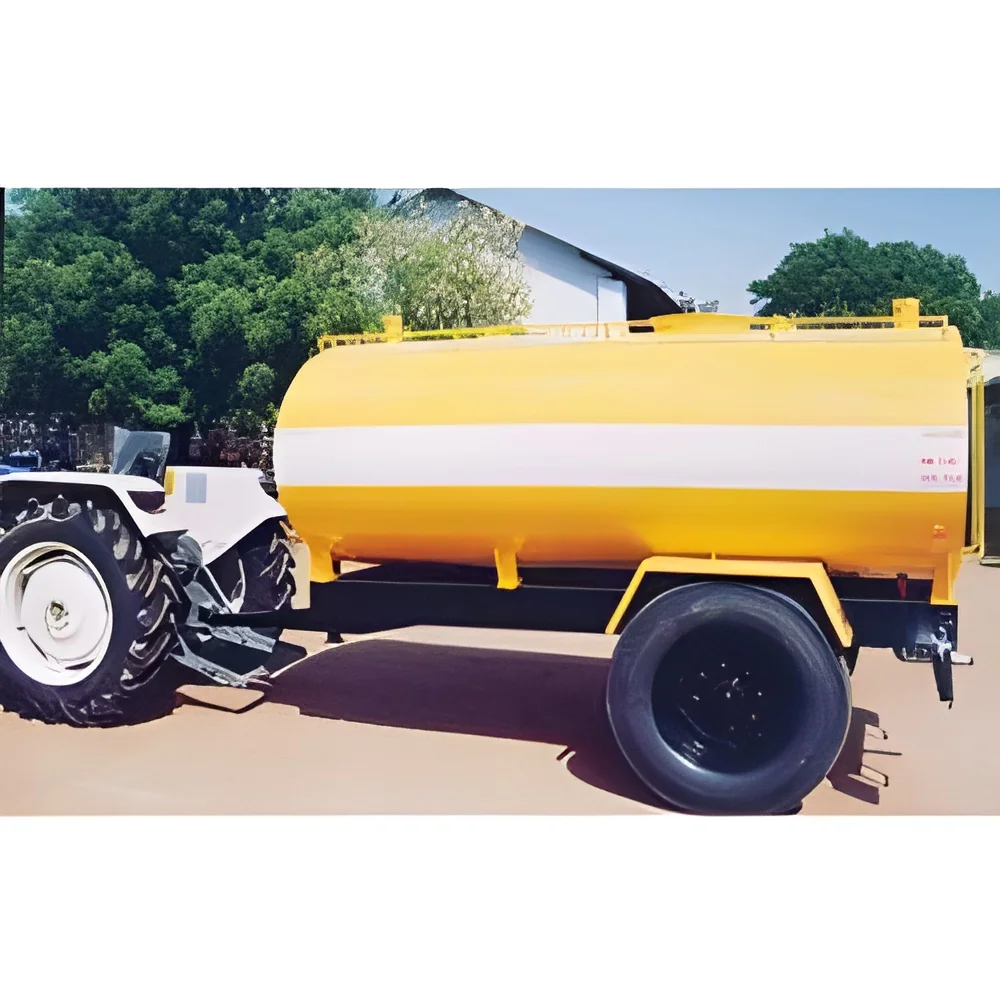
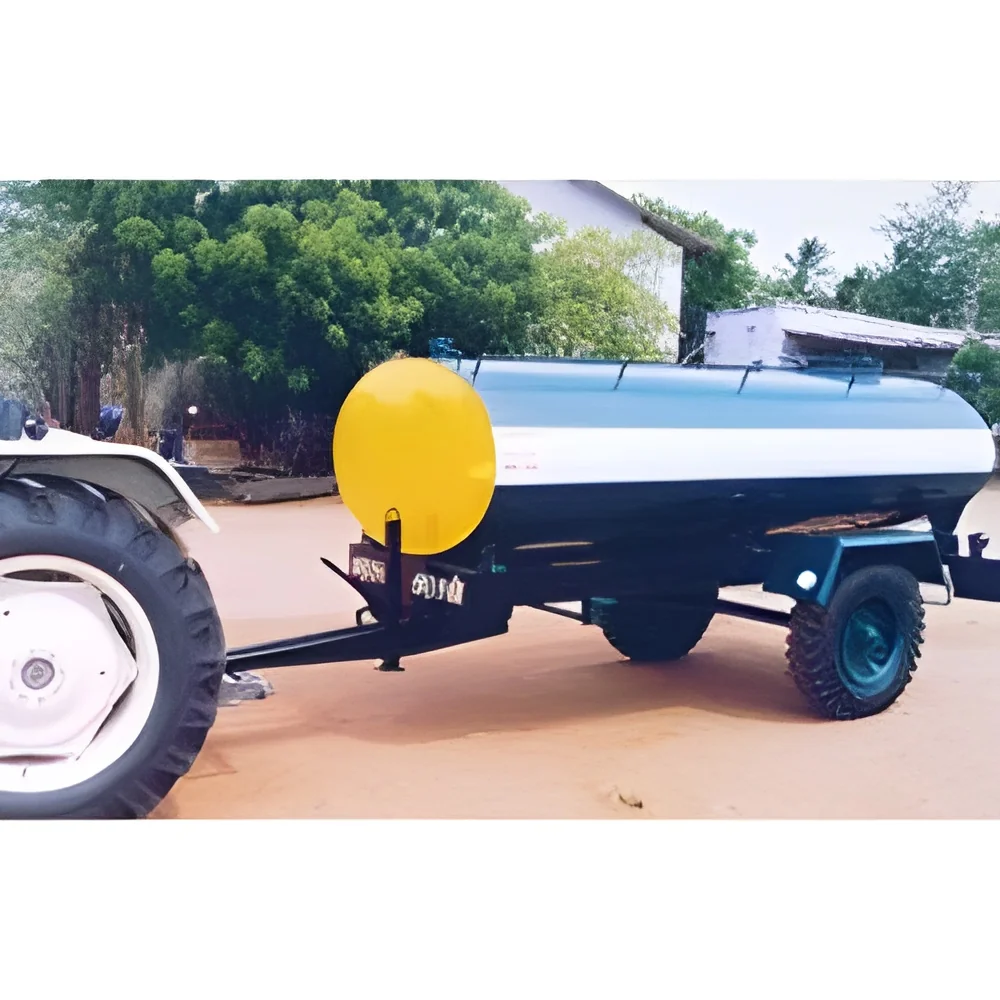
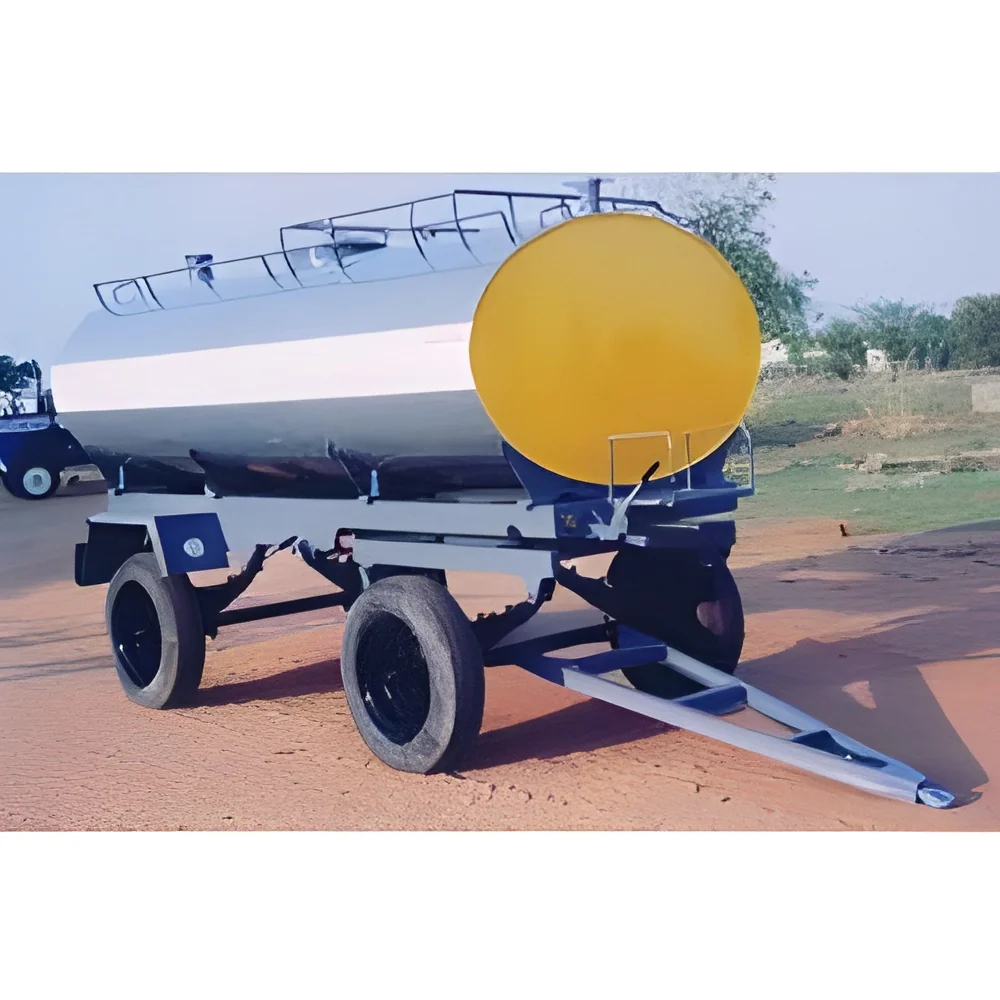
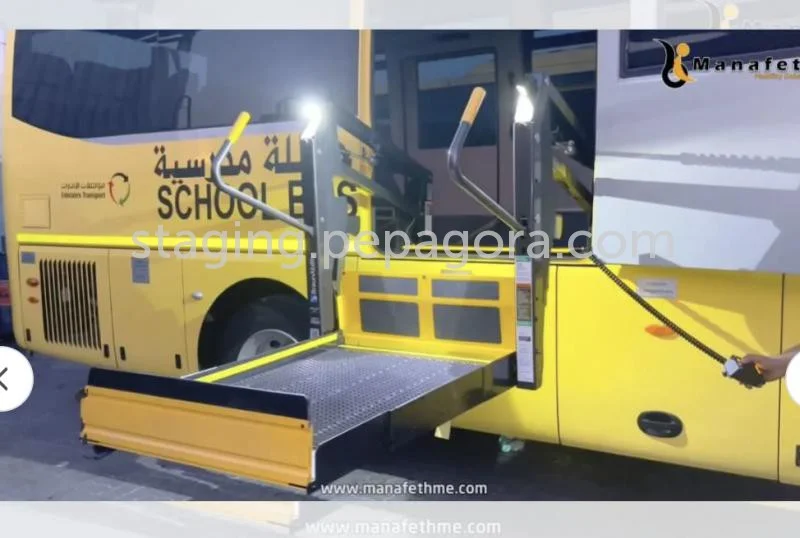
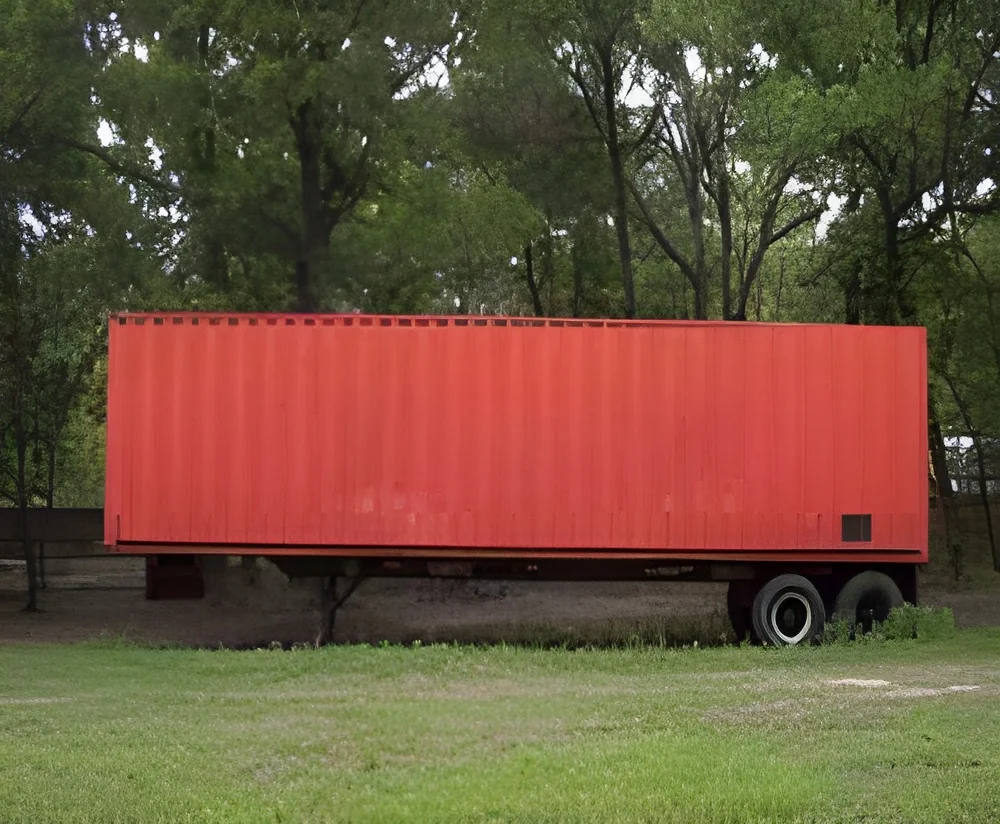
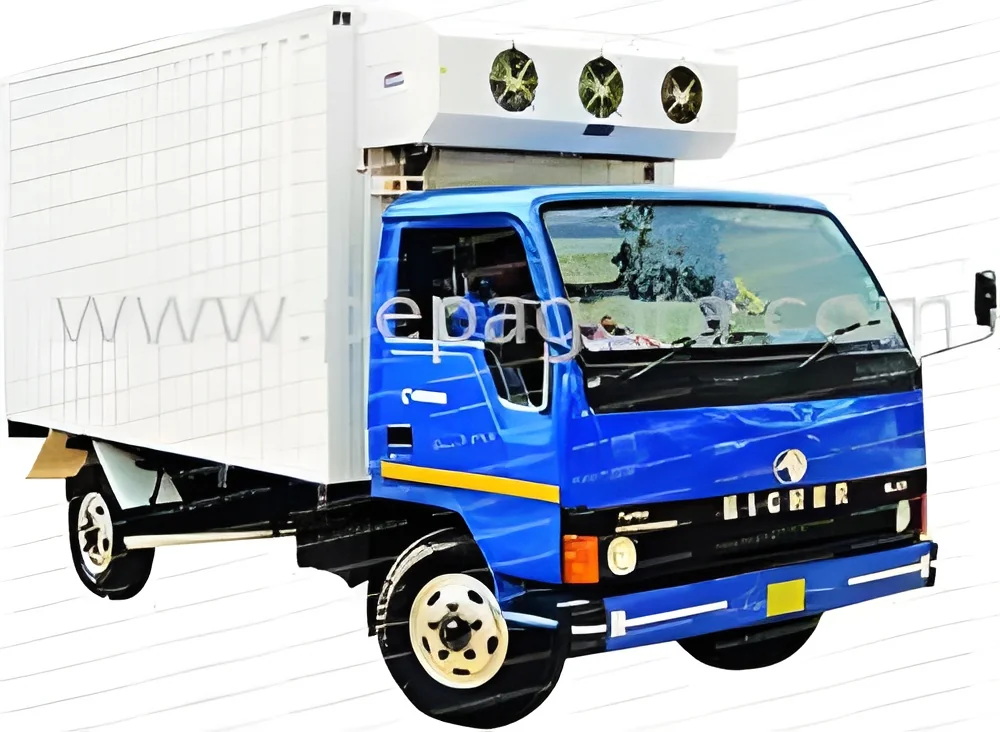
Commercial vehicles are motor vehicles designed primarily for transporting goods or passengers for business purposes. Unlike personal vehicles, these vehicles are built to handle heavy loads and are often equipped with specialized features to meet the demands of various industries. Commercial vehicles can include trucks, vans, buses, and trailers, each designed to serve unique operational requirements.
The primary uses of commercial vehicles vary significantly across different sectors. For instance, logistics companies rely on trucks for freight transport, while construction businesses may use heavy-duty vehicles for hauling materials. Public transportation systems utilize buses to move people efficiently. In this context, commercial vehicles play a vital role in supporting economic activities by facilitating trade, enhancing service delivery, and contributing to overall productivity. The commercial vehicle market continues to expand, driven by increasing urbanization and growing demand for efficient transportation solutions.
𝗞𝗲𝘆 𝗙𝗲𝗮𝘁𝘂𝗿𝗲𝘀 𝗮𝗻𝗱 𝗦𝗽𝗲𝗰𝗶𝗳𝗶𝗰𝗮𝘁𝗶𝗼𝗻𝘀
Commercial vehicles are characterized by their robust construction and specialized features tailored to their intended applications. These vehicles are designed to offer reliability, performance, and safety in various operational environments. Understanding their key specifications is essential for businesses looking to invest in these vehicles.
Key specifications include:
1. Payload Capacity
- The maximum weight a commercial vehicle can carry, typically ranging from 1 ton to over 30 tons depending on the vehicle type.
2. Engine Type
- Options may include diesel, gasoline, or alternative fuels, with horsepower varying widely to meet different performance needs.
3. Fuel Efficiency
- Measured in miles per gallon (MPG) or liters per 100 kilometers (L/100km), fuel efficiency is crucial for operational cost management.
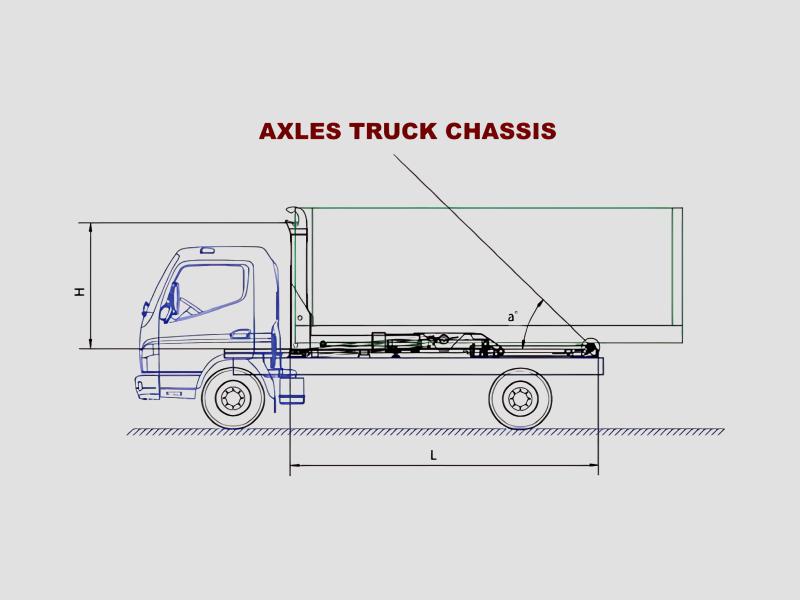
4. Dimensions
- Overall vehicle dimensions, including length, width, and height, determine maneuverability and compatibility with loading areas.
5. Safety Features
- Common features include anti-lock braking systems (ABS), electronic stability control (ESC), and advanced driver-assistance systems (ADAS).
6. Cargo Space
- Volume and layout of cargo areas, which can include customized shelving or flooring based on operational requirements.
7. Warranty and Service
- Standard warranty periods and available service packages, ensuring long-term vehicle reliability and maintenance support.
8. Compliance Standards
- Adherence to regional and international regulations, including safety and emissions standards, which vary by market.
In summary, understanding these specifications is key for businesses to select the right commercial vehicles that align with their operational needs and compliance requirements.
𝗖𝗼𝗺𝗺𝗼𝗻 𝗔𝗽𝗽𝗹𝗶𝗰𝗮𝘁𝗶𝗼𝗻𝘀 𝗮𝗻𝗱 𝗨𝘀𝗲 𝗖𝗮𝘀𝗲𝘀
Commercial vehicles serve a wide range of industries and applications, making them integral to many business operations.
1. Logistics and Transportation: These vehicles are essential for freight shipping and distribution, helping companies manage supply chains efficiently.
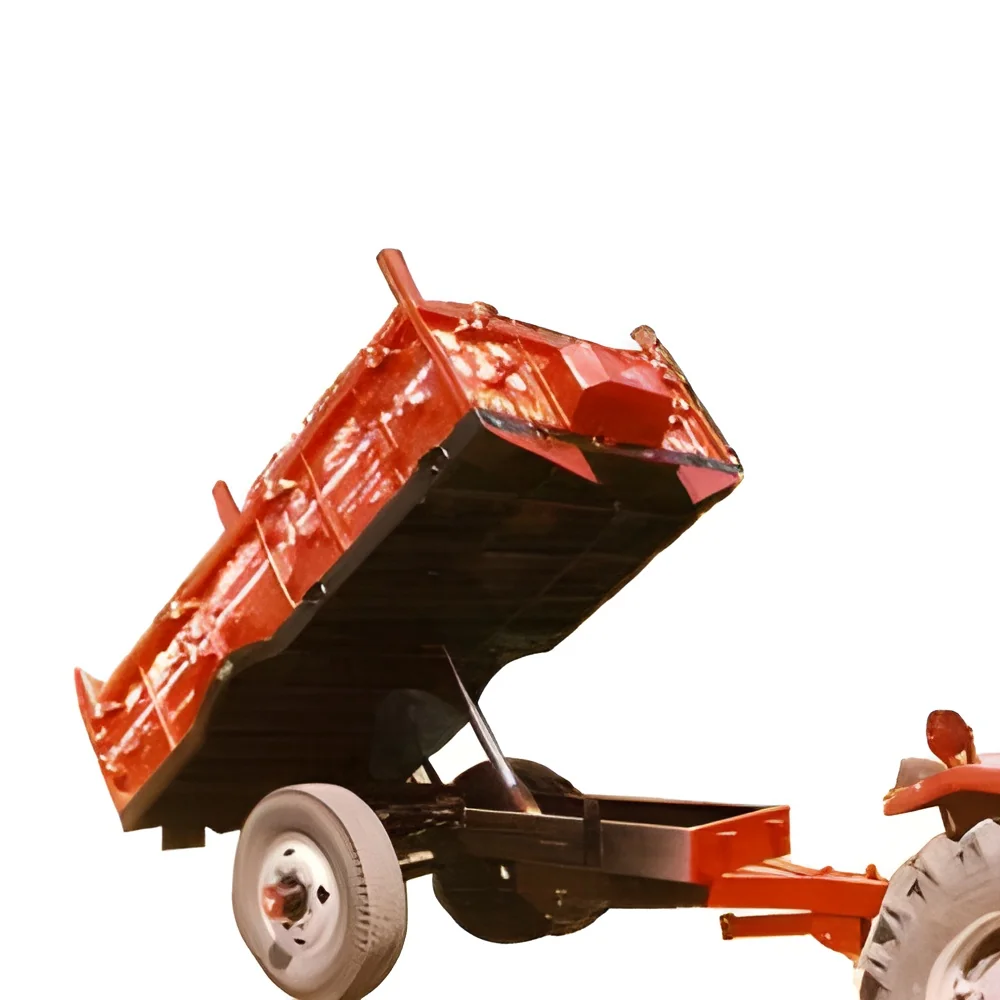
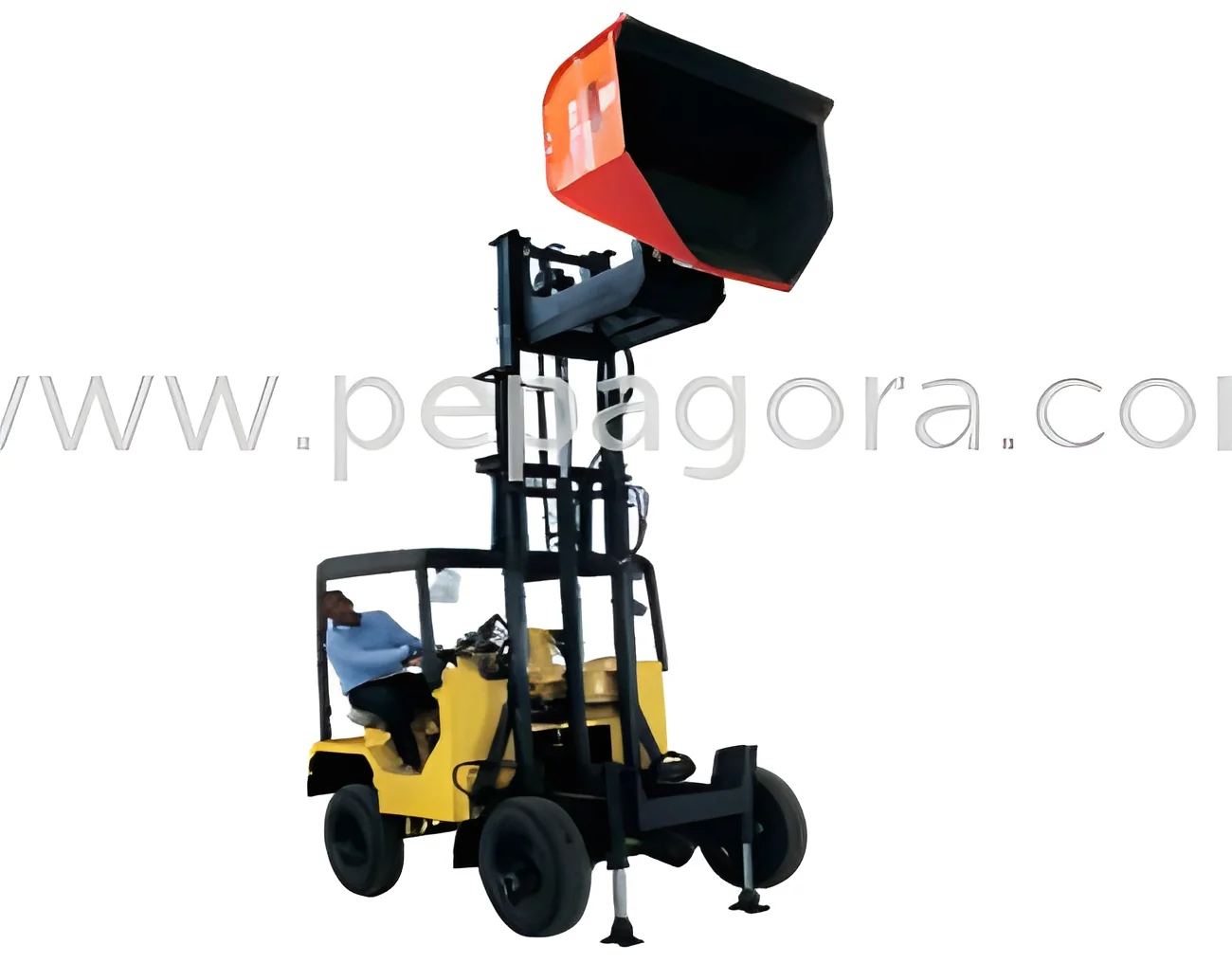
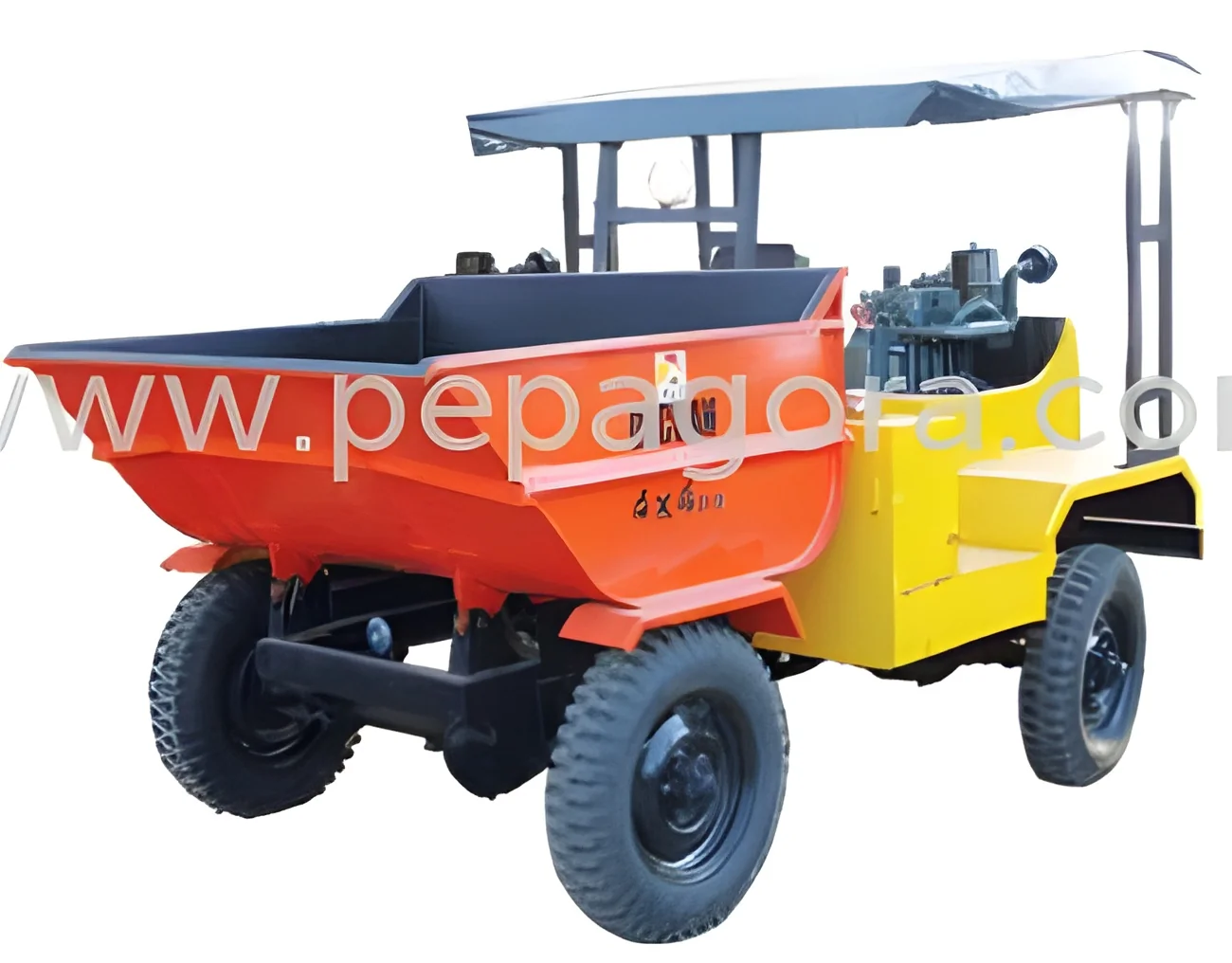
2. Construction: Heavy-duty trucks and specialized vehicles are used for transporting construction materials and equipment to job sites.
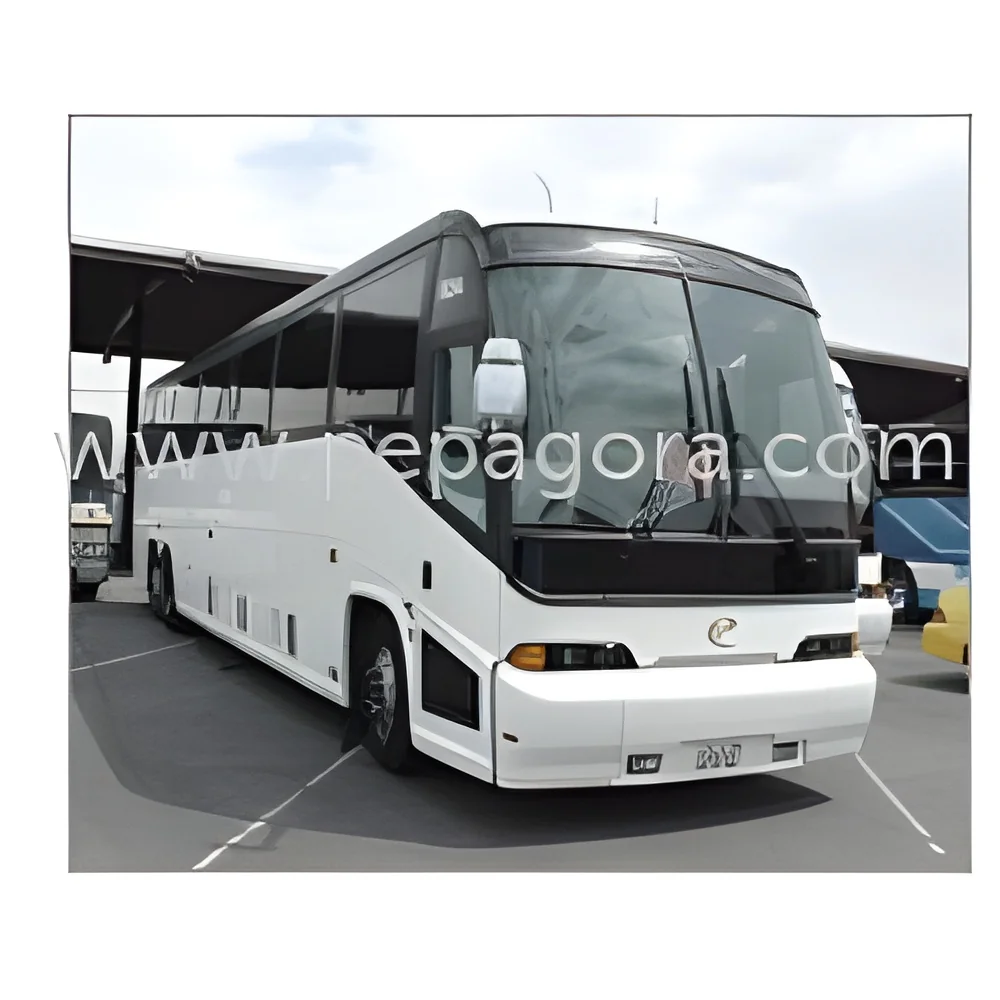
3. Public Transport: Buses and vans are utilized for transporting passengers, providing essential mobility services in urban and rural areas.
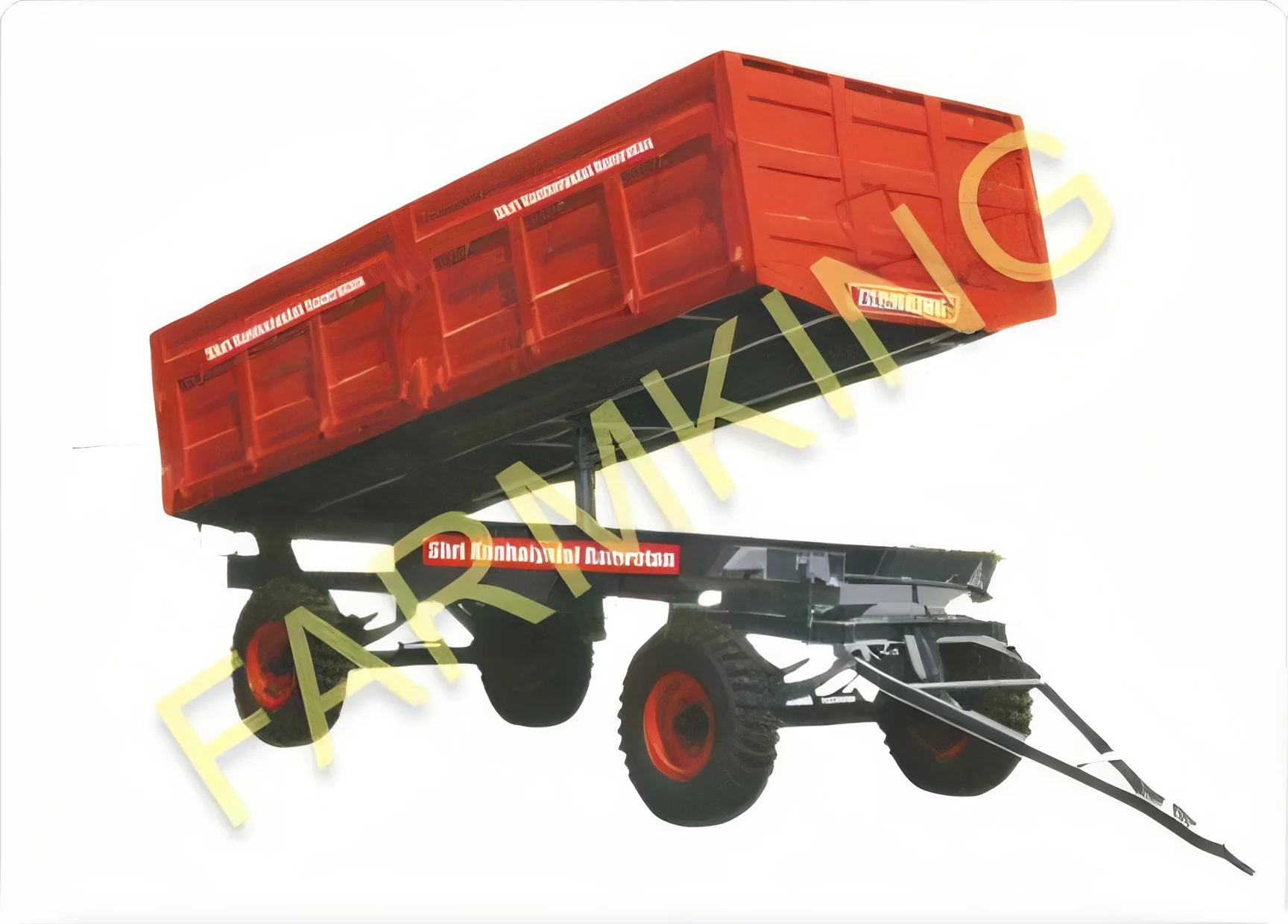
4. Agriculture: Trucks and trailers are employed to transport agricultural produce and equipment, supporting farming operations.
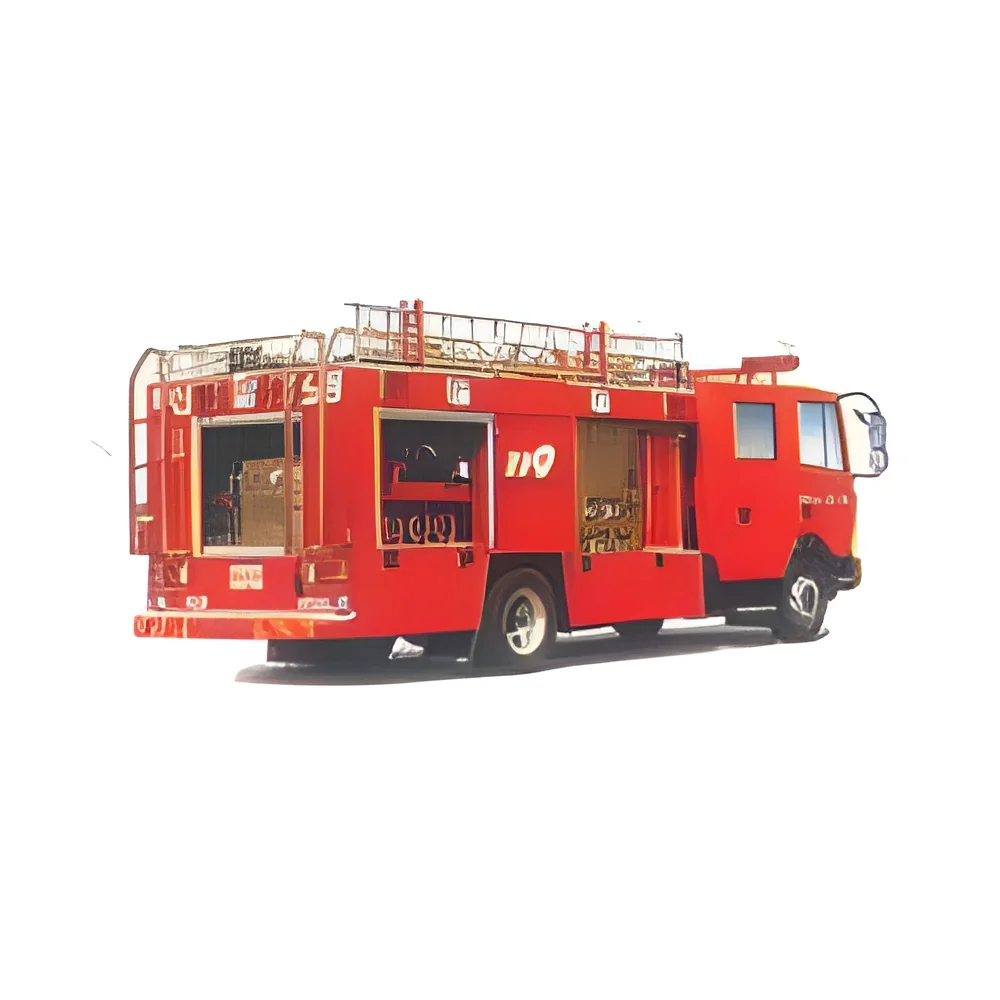
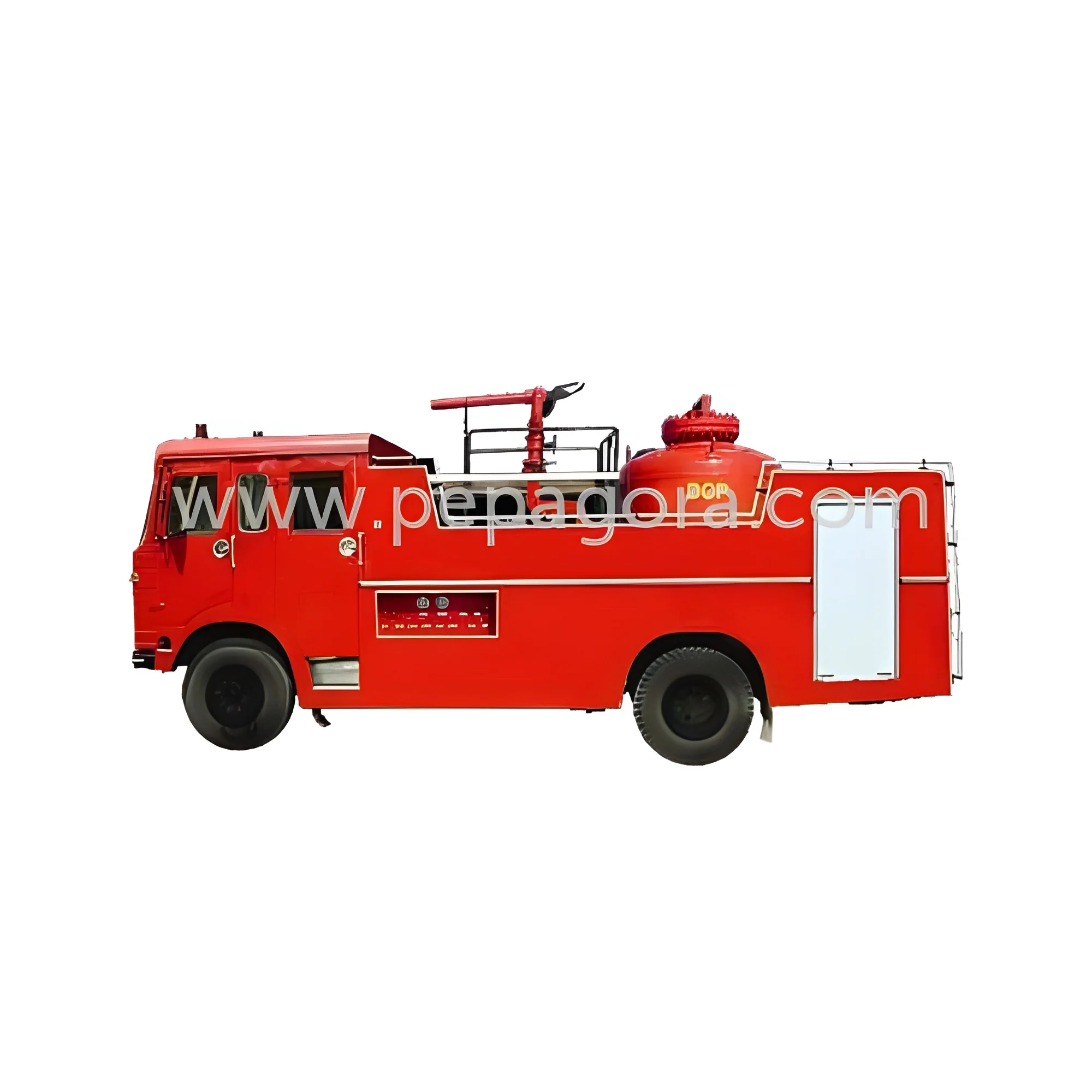
5. Emergency Services: Fire trucks and ambulances are critical for providing emergency response services, ensuring public safety and health.
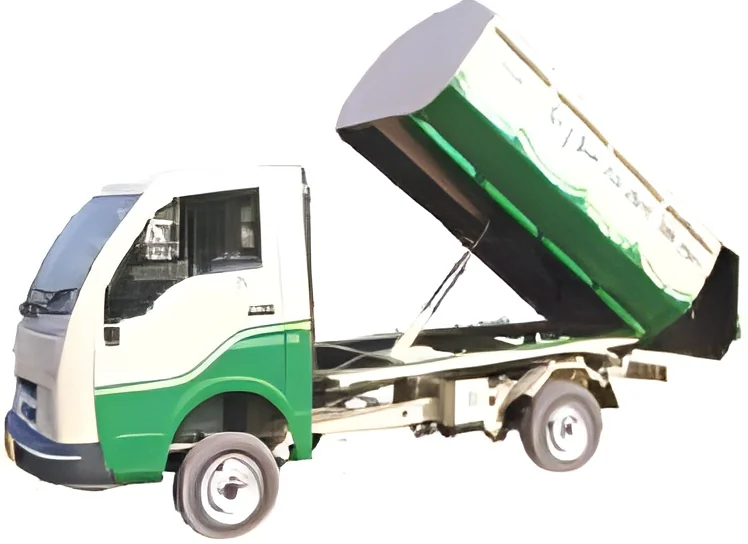
6. Waste Management: Garbage trucks and recycling vehicles are used to collect and manage waste, contributing to environmental sustainability.
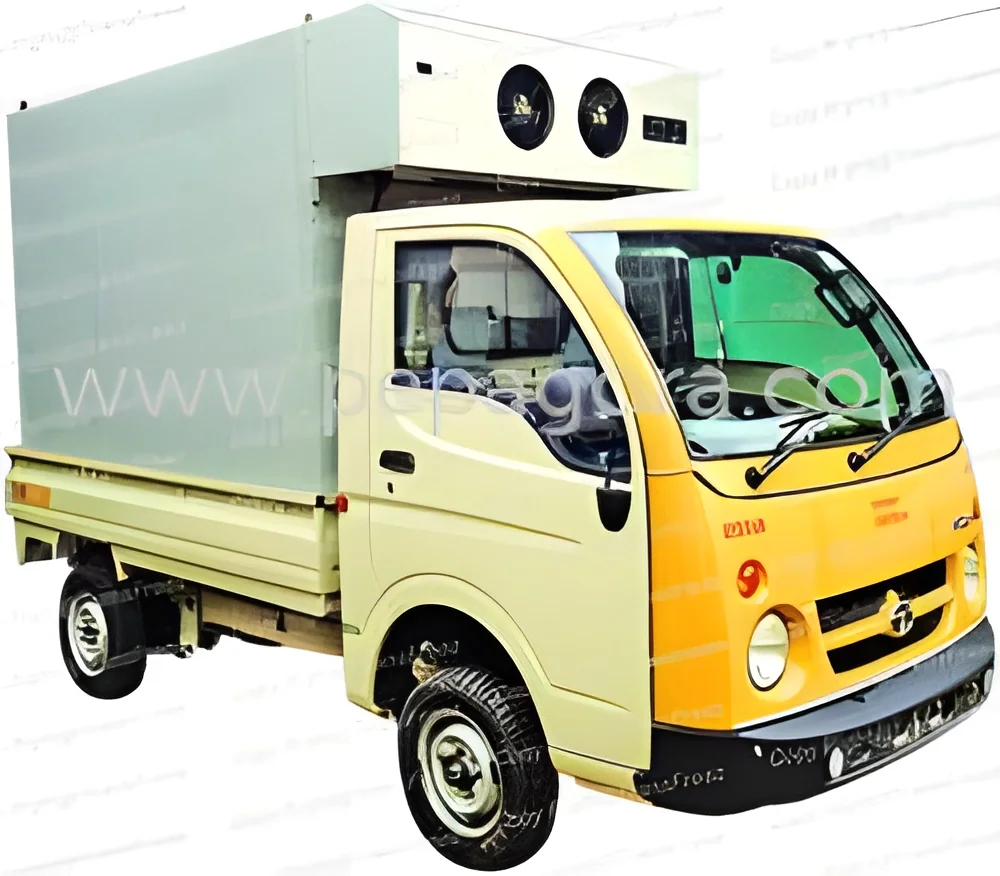
7. Delivery Services: Vans and light trucks are commonly used for last-mile delivery, meeting the growing demand for e-commerce logistics.
𝗣𝗿𝗼𝗱𝘂𝗰𝘁 𝗩𝗮𝗿𝗶𝗮𝗻𝘁𝘀 𝗮𝗻𝗱 𝗦𝘂𝗯𝗰𝗮𝘁𝗲𝗴𝗼𝗿𝗶𝗲𝘀
Commercial vehicles come in various forms, each designed for specific applications and operational demands. This diversity allows businesses to choose vehicles that best fit their needs.
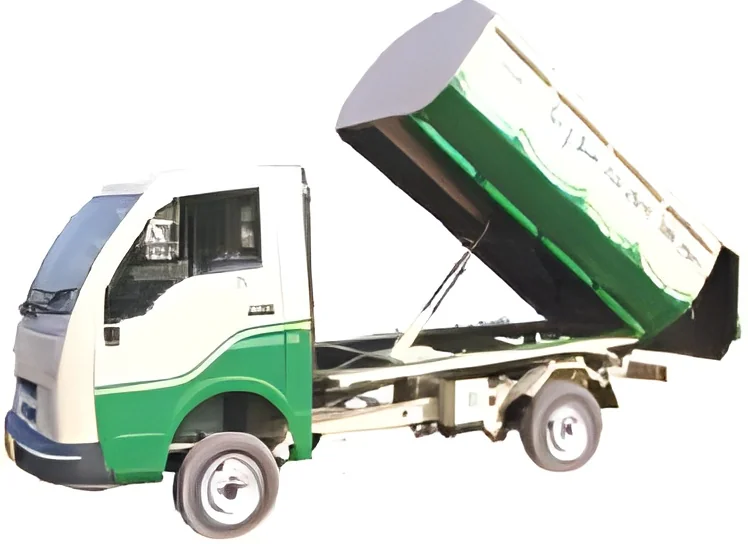
Light-Duty Trucks: These trucks are ideal for smaller loads and urban deliveries, offering versatility and ease of maneuverability in city environments.
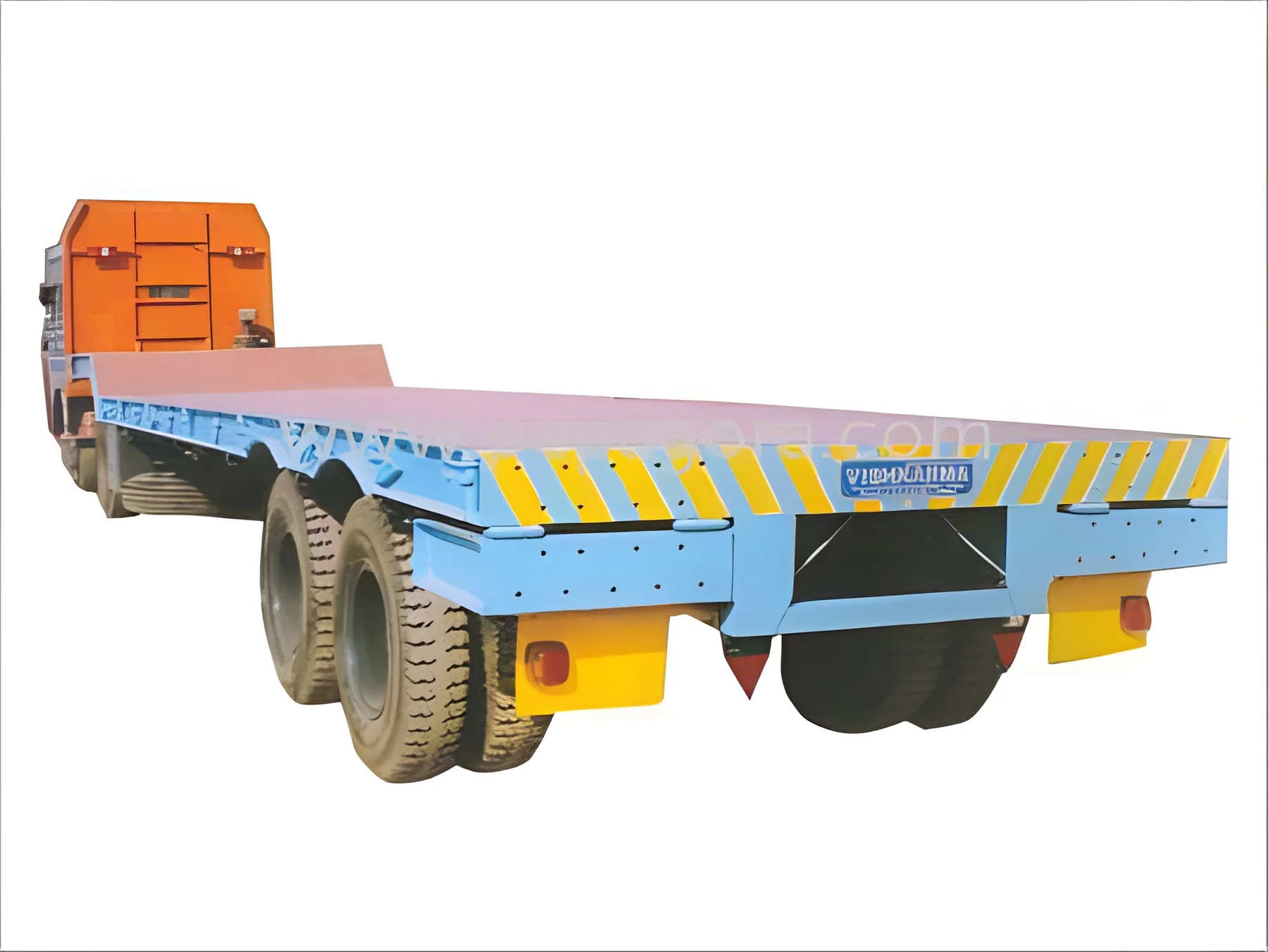
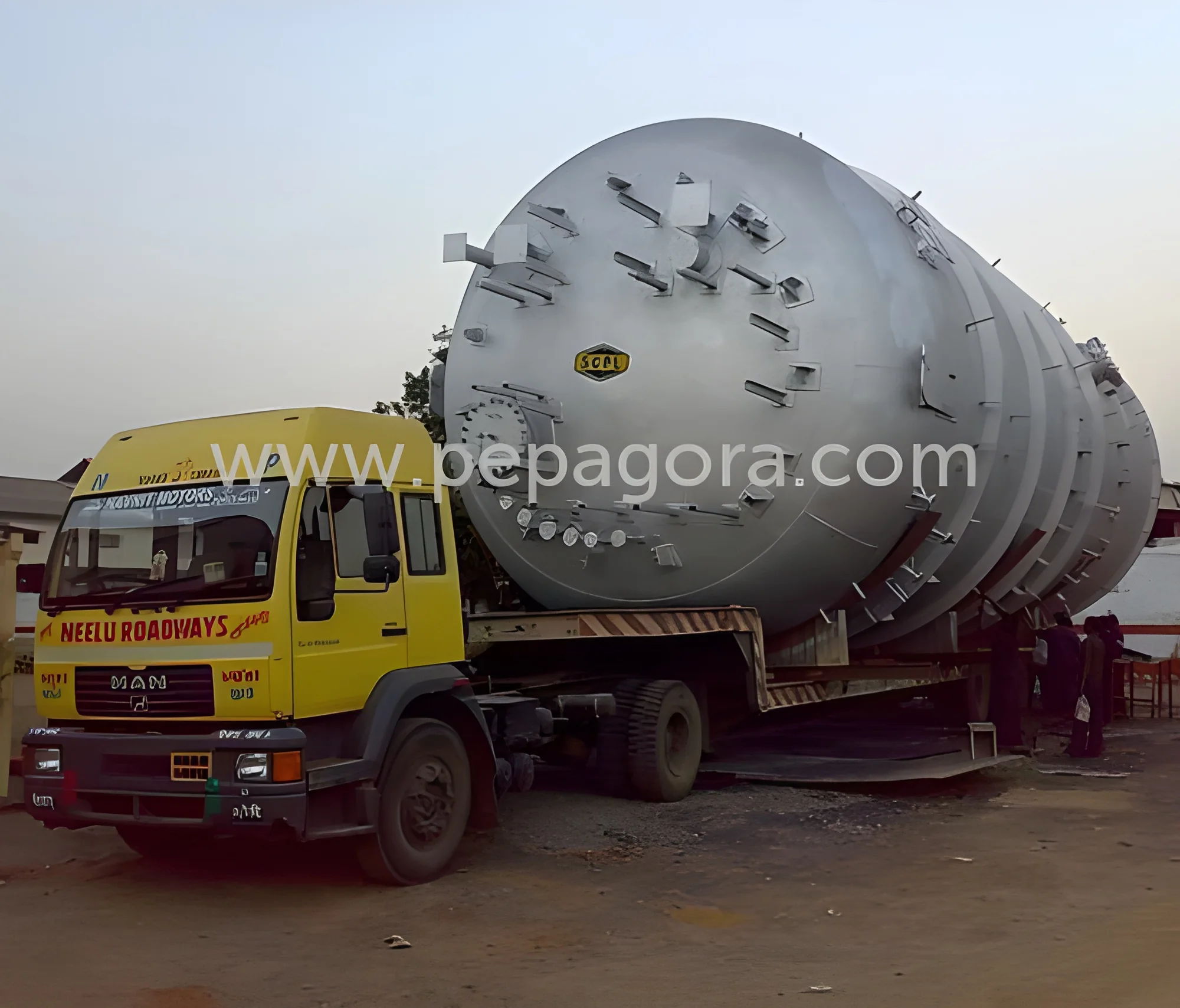
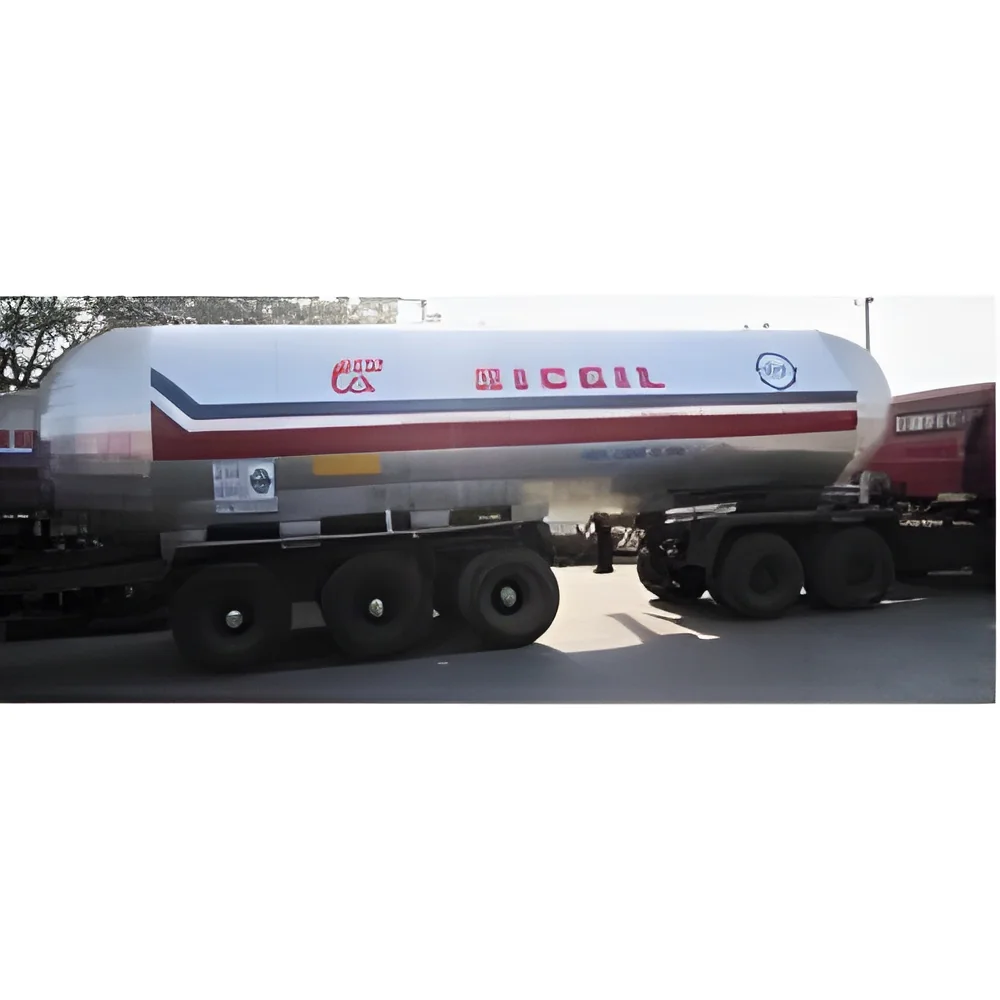
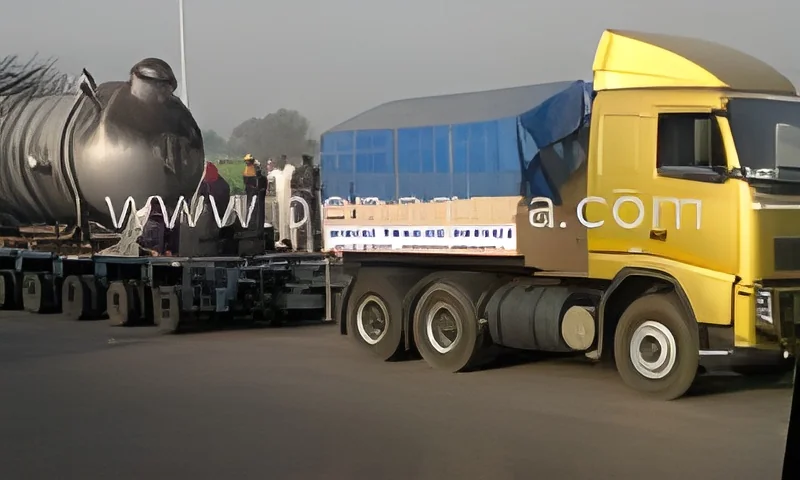
Heavy-Duty Trucks: Built for transporting larger loads over long distances, these trucks are often used in logistics and construction industries.
Vans: Cargo vans provide ample space for transporting goods and are commonly used by service industries for deliveries and mobile businesses.
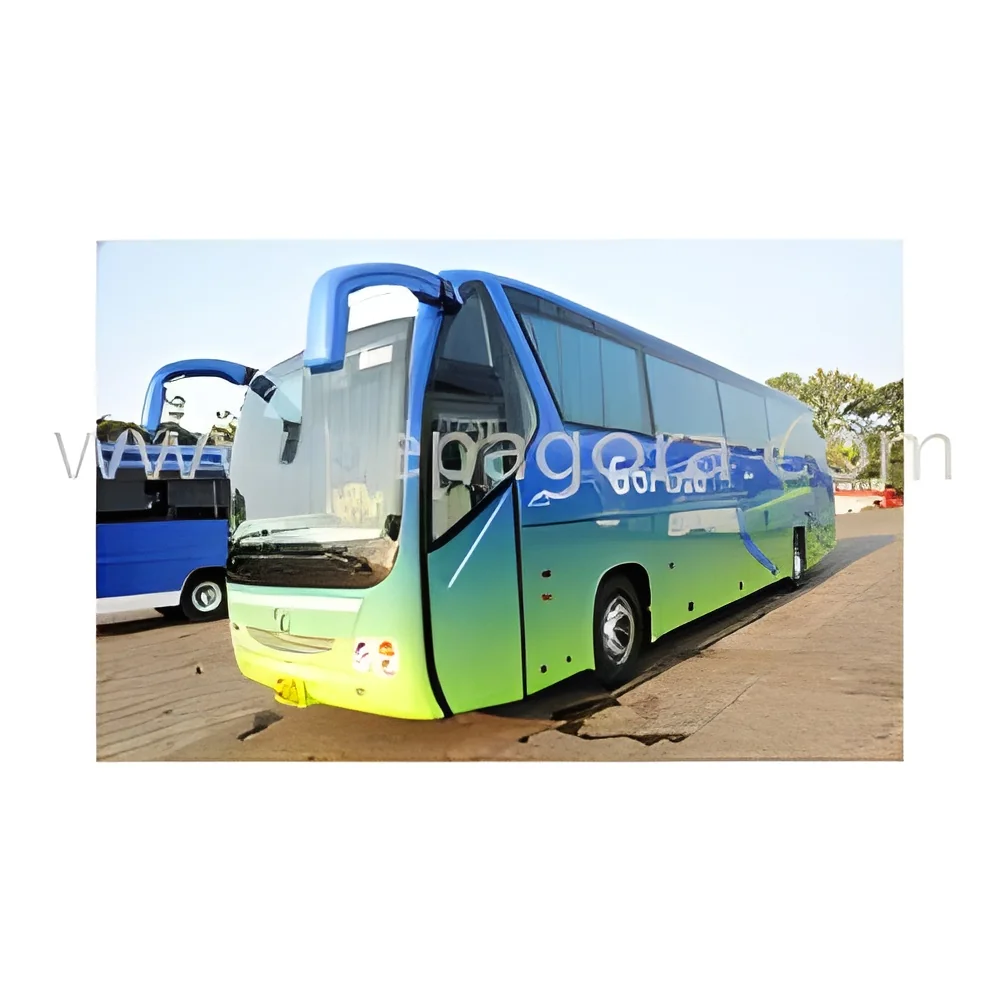
Buses: Designed for passenger transport, buses vary in size and capacity, making them suitable for public transit as well as private charters.
𝗕𝗲𝗻𝗲𝗳𝗶𝘁𝘀 𝗮𝗻𝗱 𝗔𝗱𝘃𝗮𝗻𝘁𝗮𝗴𝗲𝘀
Investing in commercial vehicles offers numerous advantages to businesses across various sectors.
Key benefits include:
1. Enhanced Efficiency: Commercial vehicles are designed to optimize load capacity and fuel efficiency, reducing operational costs.
2. Increased Reliability: Built to withstand rigorous use, these vehicles offer dependable performance under heavy workloads.
3. Improved Safety: Equipped with advanced safety features, commercial vehicles help protect drivers and cargo, reducing accident risks.
4. Customization Options: Many commercial vehicles can be tailored to specific business needs, including specialized cargo areas and equipment.
5. Regulatory Compliance: Sourcing vehicles that meet industry standards ensures compliance with safety and environmental regulations.
6. Long-Term Investment: High-quality commercial vehicles can provide a solid return on investment through durability and operational longevity.
𝗕𝘂𝘆𝗶𝗻𝗴 𝗚𝘂𝗶𝗱𝗲 𝗳𝗼𝗿 𝗕𝟮𝗕 𝗕𝘂𝘆𝗲𝗿𝘀
When sourcing commercial vehicles, B2B buyers should consider several key factors to ensure they make informed purchasing decisions.
1. Quality Assessment: Evaluate the build quality and reliability of the vehicles. Consider manufacturers with a strong reputation for durability and performance.
2. Supplier Verification: Conduct thorough background checks on suppliers to ensure they are reputable and meet industry standards for quality and service.
3. Pricing and MOQ: Compare pricing structures and minimum order quantities across different suppliers to find the best deal that fits your budget.
4. Delivery and Lead Times: Understand the logistics involved in delivery, including estimated lead times to ensure timely availability of vehicles.
5. Compliance Requirements: Ensure that the vehicles meet local and international compliance standards to avoid legal issues and ensure safety.
𝗖𝗼𝗺𝗽𝗹𝗶𝗮𝗻𝗰𝗲 𝗮𝗻𝗱 𝗖𝗲𝗿𝘁𝗶𝗳𝗶𝗰𝗮𝘁𝗶𝗼𝗻𝘀
Compliance and certifications are critical aspects of the commercial vehicle industry. Various quality standards and industry certifications apply to ensure safety, performance, and environmental responsibility.
Many commercial vehicles adhere to ISO 9001 standards, which focus on quality management systems. This certification assures buyers that the vehicles meet rigorous quality benchmarks.
The CE marking is another important certification for commercial vehicles, indicating compliance with European health, safety, and environmental protection standards. It ensures that vehicles are safe for use within the European market.
Additionally, commercial vehicles must meet safety and testing requirements specific to their design and intended use. This includes crash testing and emissions testing to ensure they do not contribute negatively to the environment.
Regional compliance considerations may also vary, requiring businesses to be aware of local regulations that impact the operation and registration of commercial vehicles.
𝗪𝗵𝘆 𝗦𝗼𝘂𝗿𝗰𝗲 𝗖𝗼𝗺𝗺𝗲𝗿𝗰𝗶𝗮𝗹 𝗩𝗲𝗵𝗶𝗰𝗹𝗲𝘀 𝗳𝗿𝗼𝗺 𝗣𝗲𝗽𝗮𝗴𝗼𝗿𝗮?
Pepagora provides a trusted platform for sourcing commercial vehicles, offering several key advantages to B2B buyers.
Verified Supplier Network: Pepagora features a curated list of verified suppliers, ensuring that buyers can trust the quality and reliability of the vehicles offered.
Streamlined RFQ Process: The platform simplifies the request for quotation process, allowing buyers to easily compare offers and find the best value for their investment.
Trade Assurance and Support: Pepagora offers buyer protection services, providing peace of mind during transactions and ensuring that buyers receive what they pay for.
Regional Coverage: With a strong presence in markets such as India, the GCC, and Southeast Asia, Pepagora connects buyers with suppliers across diverse regions, facilitating easier access to commercial vehicles.

 IN
IN