
 IN
Tourist Buses
4 products available
What are Tourist Buses?
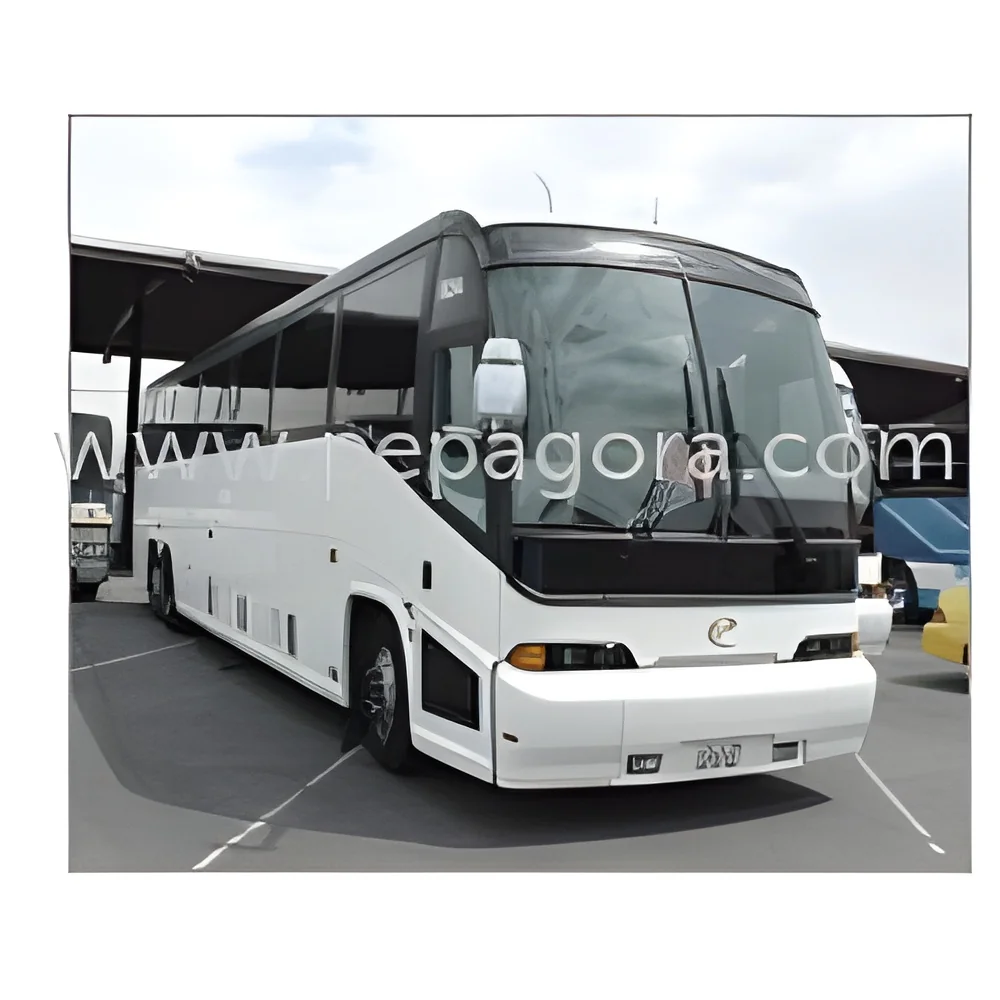
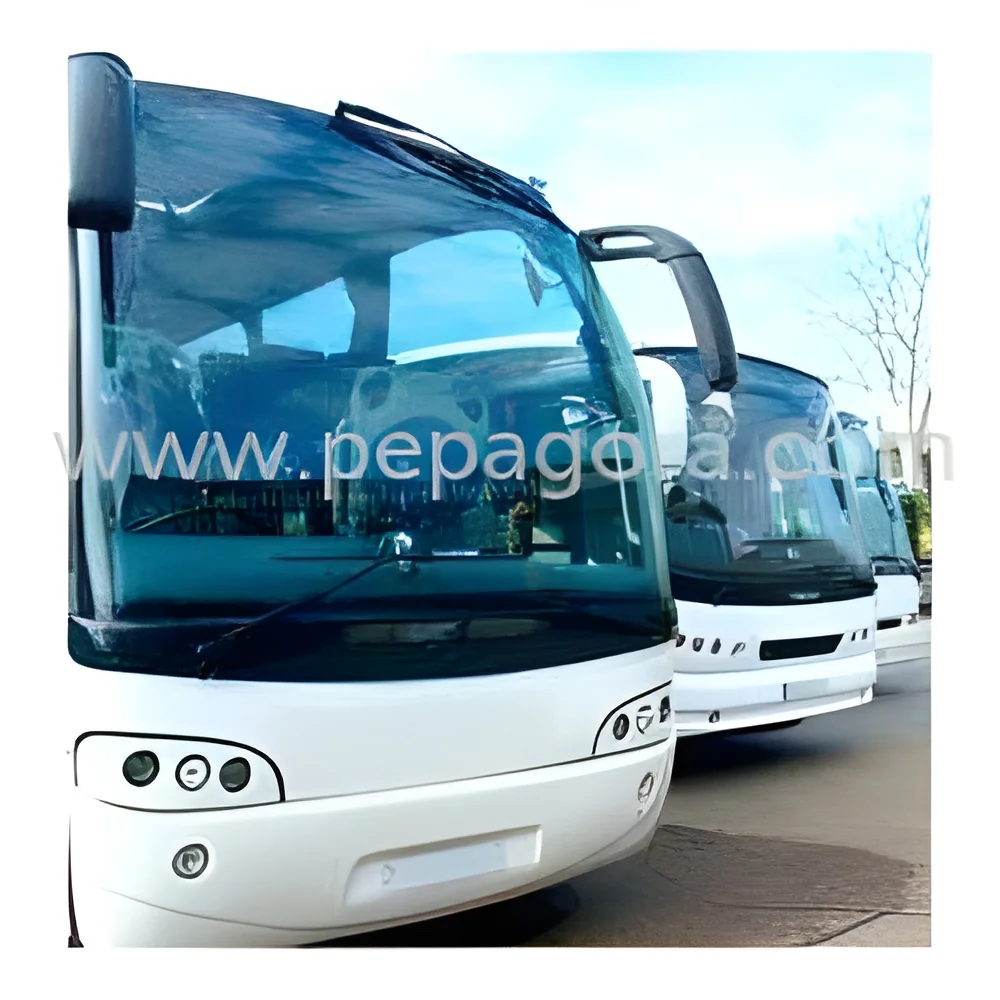
Tourist buses are specially designed vehicles that cater to the transportation needs of tourists. These buses are built to provide comfort, safety, and a pleasant travel experience for passengers. They typically feature spacious seating, large windows for sightseeing, and amenities such as air conditioning and onboard entertainment systems. The design of tourist buses can vary, but they are generally larger than standard buses to accommodate group travel.
Tourist buses are primarily used by travel agencies, tour operators, and hotels to transport groups on sightseeing excursions, airport transfers, and longer trips. They play a crucial role in the tourism industry by making it easier for groups to visit multiple attractions in a single trip. The demand for tourist buses has grown in recent years, driven by an increase in domestic and international travel, as well as the rising popularity of guided tours.
In the context of the tourism market, tourist buses are a significant segment. The industry is characterized by a variety of operators, from small local companies to large international firms. With the increasing emphasis on sustainable travel, some companies are exploring eco-friendly options, further shaping the future of tourist bus services.
Key Features and Specifications
Tourist buses come equipped with a range of features that enhance the travel experience for passengers. These specifications can vary based on the manufacturer and intended use of the bus.
Key specifications include:
1. Seating Capacity
- Typically ranges from 20 to 60 seats
- Configured for comfort with ample legroom
2. Engine Type
- Diesel or alternative fuel options available
- Designed for efficiency and reliability
3. Safety Features
- Equipped with advanced braking systems
- Includes seat belts and emergency exits
4. Air Conditioning
- Climate control systems for passenger comfort
- Multi-zone options available in larger models
5. Entertainment Systems
- Onboard audio and video systems
- Options for Wi-Fi connectivity
6. Accessibility Features
- Wheelchair access options
- Designated seating for passengers with disabilities
7. Storage Space
- Ample luggage compartments for tours
- Additional storage options for long trips
8. Fuel Efficiency
- Designed to optimize fuel consumption
- Meets eco-friendly standards where applicable
Overall, these features ensure that tourist buses meet the diverse needs of travelers while providing a safe and enjoyable environment.
Common Applications and Use Cases
Tourist buses are utilized across various industries, serving multiple purposes.
1. Travel Agencies: These buses are essential for transporting clients to popular tourist destinations, ensuring a seamless travel experience.
2. Corporate Events: Many companies use tourist buses for employee outings, conferences, and team-building activities, enhancing group cohesion.
3. Educational Tours: Schools and colleges often hire tourist buses for field trips, providing students with a comfortable means to explore educational sites.
4. Hotel Services: Hotels frequently arrange tourist bus services for guests, facilitating airport transfers and local sightseeing tours.
5. Event Transportation: Large events such as concerts or festivals often require tourist buses to transport attendees safely and efficiently.
6. Cruise Ship Transfers: Tourist buses are commonly used for transporting cruise ship passengers to and from ports and local attractions.
7. Sports Teams: Athletic teams often rely on tourist buses for transportation to games and tournaments, ensuring they arrive together.
Product Variants and Subcategories
Tourist buses are available in various configurations to meet different needs.
Luxury Tourist Bus: This variant offers high-end features such as reclining seats, premium entertainment systems, and enhanced climate control. It is ideal for companies looking to provide a superior travel experience for their clients.
Standard Tourist Bus: A cost-effective option that still provides essential features for comfortable travel. This bus is suitable for budget-conscious operators who need reliable transportation for larger groups.
Economy Tourist Bus: Designed for short trips and budget tours, this variant focuses on basic comfort and functionality while remaining affordable.
Benefits and Advantages
Investing in tourist buses offers several advantages for businesses in the travel and tourism sector.
1. Enhanced Customer Experience: Comfortable and well-equipped buses improve passenger satisfaction, leading to positive reviews and repeat business.
2. Increased Operational Efficiency: Modern tourist buses are designed for fuel efficiency, reducing overall operating costs.
3. Versatility in Use: These buses can be used for various applications, allowing operators to cater to different customer needs.
4. Safety Assurance: Equipped with the latest safety features, tourist buses help protect passengers and reduce liability for operators.
5. Brand Image Improvement: Providing high-quality transportation enhances a company's reputation, making it more attractive to potential clients.
6. Eco-Friendly Options: With growing environmental concerns, many tourist buses offer eco-friendly technologies that appeal to sustainability-minded customers.
Buying Guide for B2B Buyers
When sourcing tourist buses, there are several important factors to consider for a successful purchase.
1. Quality Assessment: Evaluate the build quality and materials used in the bus construction. Look for reputable manufacturers known for reliability and durability.
2. Supplier Verification: Vet suppliers by checking their credentials, previous customer reviews, and industry reputation to ensure you are partnering with a trustworthy source.
3. Pricing and MOQ: Understand the pricing structure and minimum order quantities that suppliers require. This helps in budgeting and planning your purchases effectively.
4. Delivery and Lead Times: Consider the logistics involved in the delivery of the buses. Ensure that the supplier can meet your timelines to avoid disruptions in your operations.
5. Compliance Requirements: Research any regulatory standards and certifications that the buses must meet in your region to ensure compliance and safety.
Compliance and Certifications
Tourist buses must adhere to various quality standards and regulations to ensure safety and reliability.
ISO 9001 is a widely recognized standard that focuses on quality management systems. Manufacturers of tourist buses often pursue this certification to demonstrate their commitment to quality.
Additionally, CE certification is important in many markets, indicating that the bus meets European safety, health, and environmental protection requirements.
Safety testing is critical, and manufacturers must ensure that their buses pass all necessary safety evaluations before being put into service. This includes crash tests and performance assessments.
Regional compliance may vary, and it is essential to check local regulations that pertain to vehicle emissions, safety standards, and operational guidelines in your area.
Why Source Tourist Buses from Pepagora?
Pepagora offers a reliable platform for sourcing tourist buses, providing several key advantages for B2B buyers.
Verified Supplier Network: Pepagora has an extensive network of verified suppliers, ensuring that buyers can find reputable manufacturers who meet their quality standards.
Streamlined RFQ Process: The platform simplifies the request for quotation process, allowing buyers to easily compare offers from multiple suppliers and make informed decisions.
Trade Assurance and Support: Pepagora provides trade assurance to protect buyers, ensuring that their transactions are secure and that they receive the products as promised.
Regional Coverage: With a strong presence in India, the GCC, and Southeast Asia, Pepagora offers broad geographic reach, making it easier for businesses to source tourist buses that meet their specific needs.

 India

Frequently Asked Questions
What are Tourist Buses?
Tourist buses are specially designed vehicles used for transporting passengers on sightseeing tours and long-distance travels. They typically offer comfortable seating, ample luggage space, and may include amenities such as air conditioning and entertainment systems.
What are the different types of Tourist Buses?
There are several types of tourist buses, including standard coaches, luxury coaches, and mini buses. Standard coaches are suitable for larger groups, while luxury coaches offer higher-end features for a more comfortable experience, and mini buses cater to smaller groups or short trips.
How do I choose the right Tourist Buses?
Choosing the right tourist bus involves considering the number of passengers, the distance of travel, and the type of amenities required. It's important to assess the bus's comfort, safety features, and compliance with local transportation regulations.
What are the standard specifications for Tourist Buses?
Standard specifications for tourist buses often include seating capacity, engine type, fuel efficiency, and safety features such as ABS brakes and seat belts. Additionally, buses may be equipped with air conditioning, heating systems, and onboard entertainment options.
What is the price range for Tourist Buses?
The price range for tourist buses can vary significantly based on factors such as size, specifications, and brand. Generally, prices can start from around INR 15 lakhs and can go up to INR 1 crore or more for high-end luxury models.
What quality standards apply to Tourist Buses?
Tourist buses must adhere to various quality standards, including safety regulations set by the Ministry of Road Transport and Highways in India. Additionally, manufacturers may seek certifications such as ISO for quality management and compliance with emission standards.
Where can I find Tourist Buses suppliers in India?
You can find tourist bus suppliers in India through B2B marketplaces, trade shows, and industry directories. Websites like Pepagora.com feature a list of verified suppliers and manufacturers, making it easier to compare options.
Can Tourist Buses be customized?
Yes, tourist buses can often be customized to meet specific requirements. Customization options may include seating arrangements, interior design, branding, and additional features such as Wi-Fi and entertainment systems.
What is the typical minimum order quantity for Tourist Buses?
The typical minimum order quantity (MOQ) for tourist buses varies by manufacturer but is generally around 1 to 5 units. It is advisable to check with individual suppliers for their specific MOQ policies.
What is the typical lead time for Tourist Buses?
The typical lead time for tourist buses can range from 4 to 12 weeks, depending on the manufacturer's production schedule and the level of customization required. It's best to confirm lead times directly with suppliers during the ordering process.
Why Businesses Trust Pepagora
Thousands of companies trust Pepagora to source smarter and sell faster
Expand Your Sales Globally

Source Smarter,Grow Faster
