What are Temporary Event Pavilions?
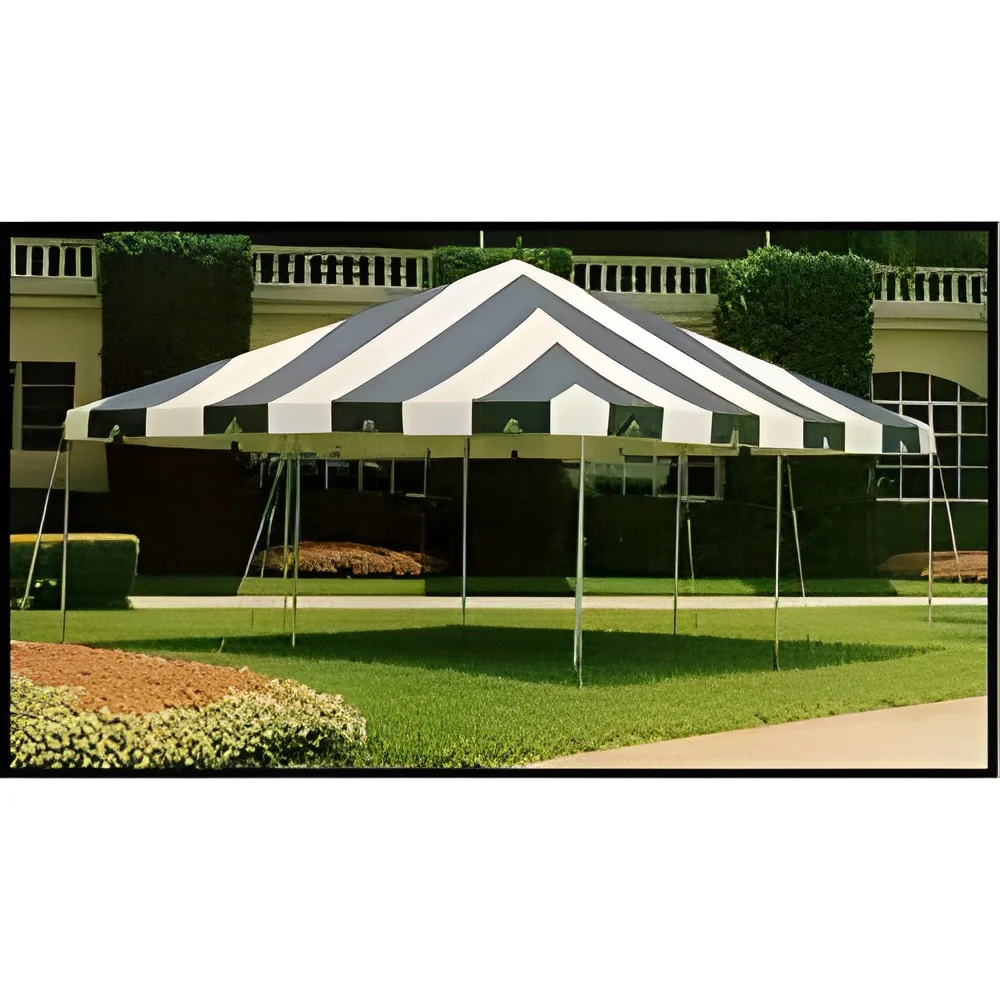
Temporary event pavilions are versatile structures designed for short-term use in various settings. These pavilions are typically made from lightweight materials, allowing for easy assembly and disassembly. They provide a flexible solution for hosting events, exhibitions, and gatherings, catering to diverse spatial requirements.
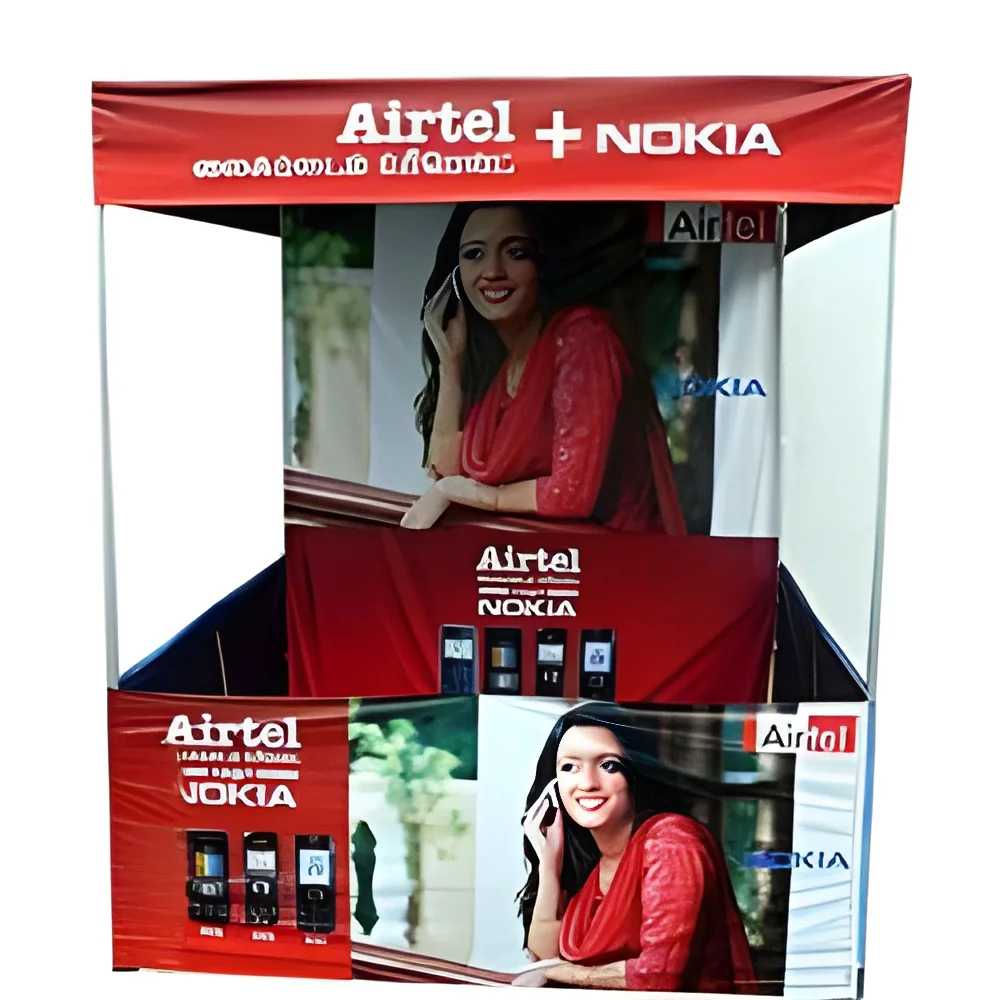
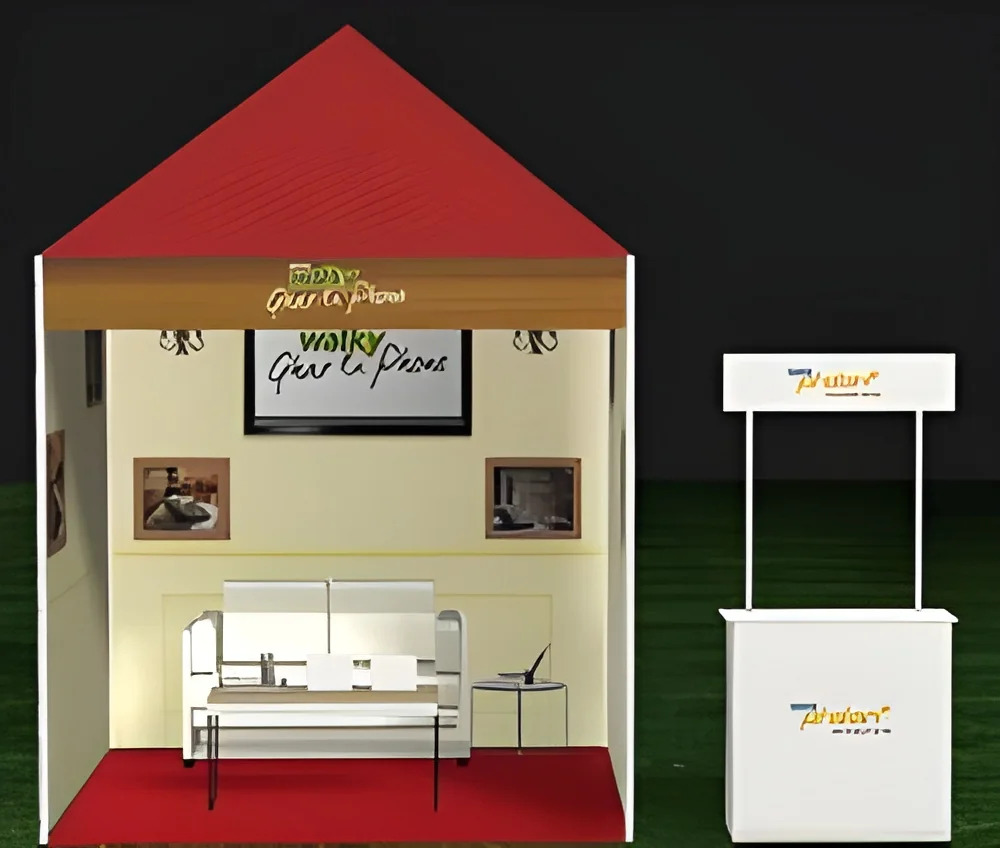
These pavilions are commonly used in industries such as entertainment, sports, and corporate events. They can serve as exhibition spaces, trade show booths, VIP lounges, or even as shelters for outdoor activities. The ability to customize these structures to fit specific themes or branding makes them a popular choice for businesses looking to create an impactful presence at events.
In the current market, the demand for temporary event pavilions has surged due to the growing trend of outdoor events and the need for adaptable spaces. Companies value the ability to quickly set up and take down structures without significant investment, making these pavilions an essential resource for event planners and organizers.
Key Features and Specifications
Temporary event pavilions offer a wide range of features that enhance their functionality and usability. Their design focuses on providing an efficient setup while ensuring durability and aesthetic appeal.
Key specifications include:
1. Material Composition
- Typically made of aluminum or high-quality fabric
- Lightweight yet robust for easy transport and assembly
2. Size Variability
- Available in various dimensions to accommodate different event scales
- Common sizes range from small 10x10 feet to large 50x100 feet structures
3. Customization Options
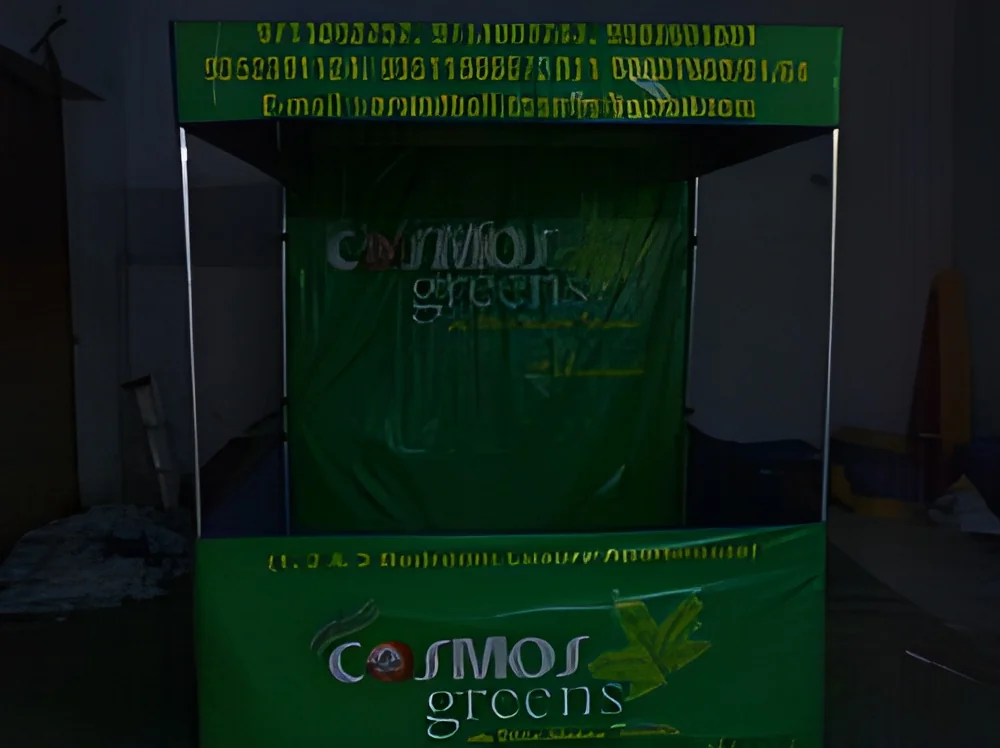
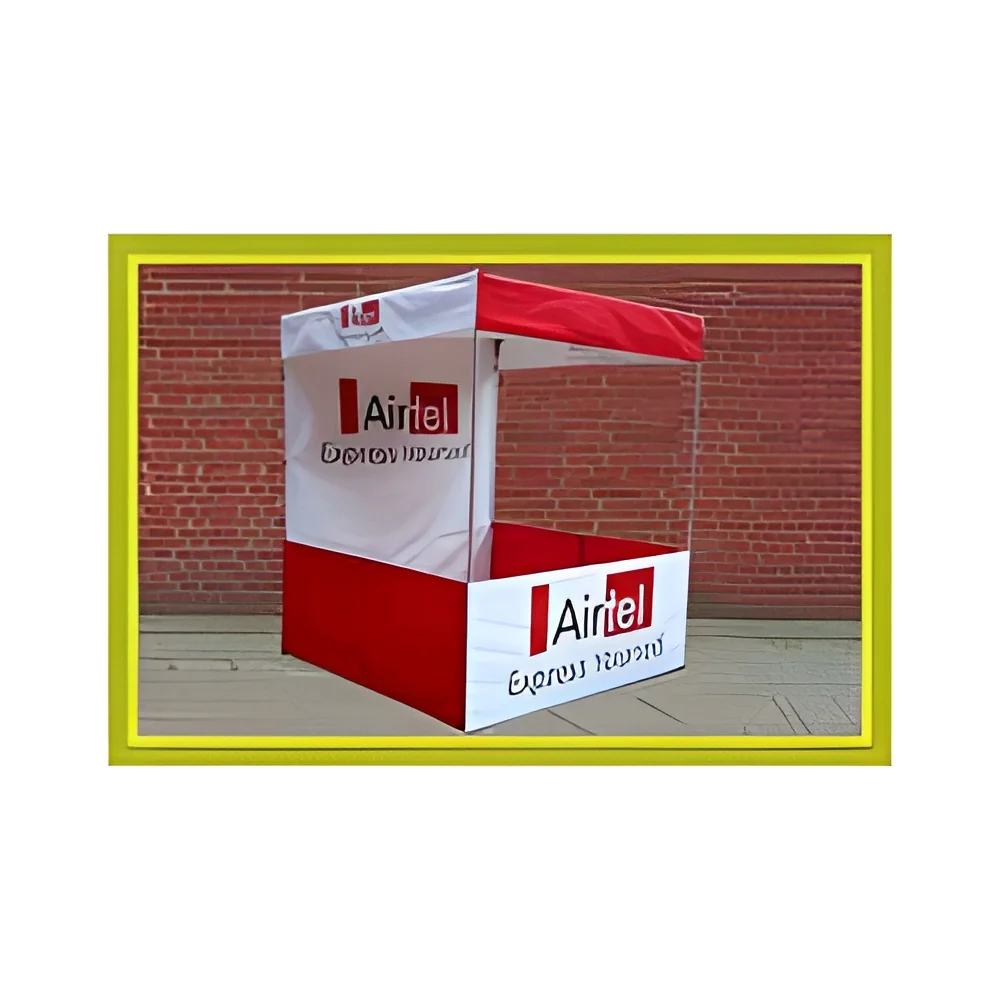
- Ability to add branding and graphics
- Configurable layouts to suit specific event needs
4. Weather Resistance
- Designed to withstand varying weather conditions
- Features such as waterproof fabric and UV protection
5. Assembly Time
- Quick setup, often within hours
- Requires minimal tools or personnel for installation
6. Mobility
- Portable and easy to relocate
- Comes with carrying cases or wheels for transport
7. Ventilation and Lighting
- Options for integrated lighting systems
- Ventilation features to ensure comfort
8. Safety Standards
- Compliant with local safety regulations
- Fire-retardant materials and secure anchoring systems
In summary, these specifications highlight the practicality and adaptability of temporary event pavilions, making them ideal for various applications.
Common Applications and Use Cases
Temporary event pavilions are utilized across multiple sectors, underscoring their versatility in different environments.
1. Corporate Events: These pavilions are often used for product launches, networking events, and trade shows, providing a professional setting that can be tailored to brand identity.
2. Festivals and Concerts: They serve as VIP areas, ticket booths, or food and beverage stations, accommodating large crowds and enhancing the overall attendee experience.
3. Sports Events: Used for hospitality suites or team zones, these pavilions offer a space for fans and sponsors to engage in a comfortable environment.
4. Community Events: Local fairs, markets, and cultural festivals frequently rely on temporary pavilions to create engaging community spaces.
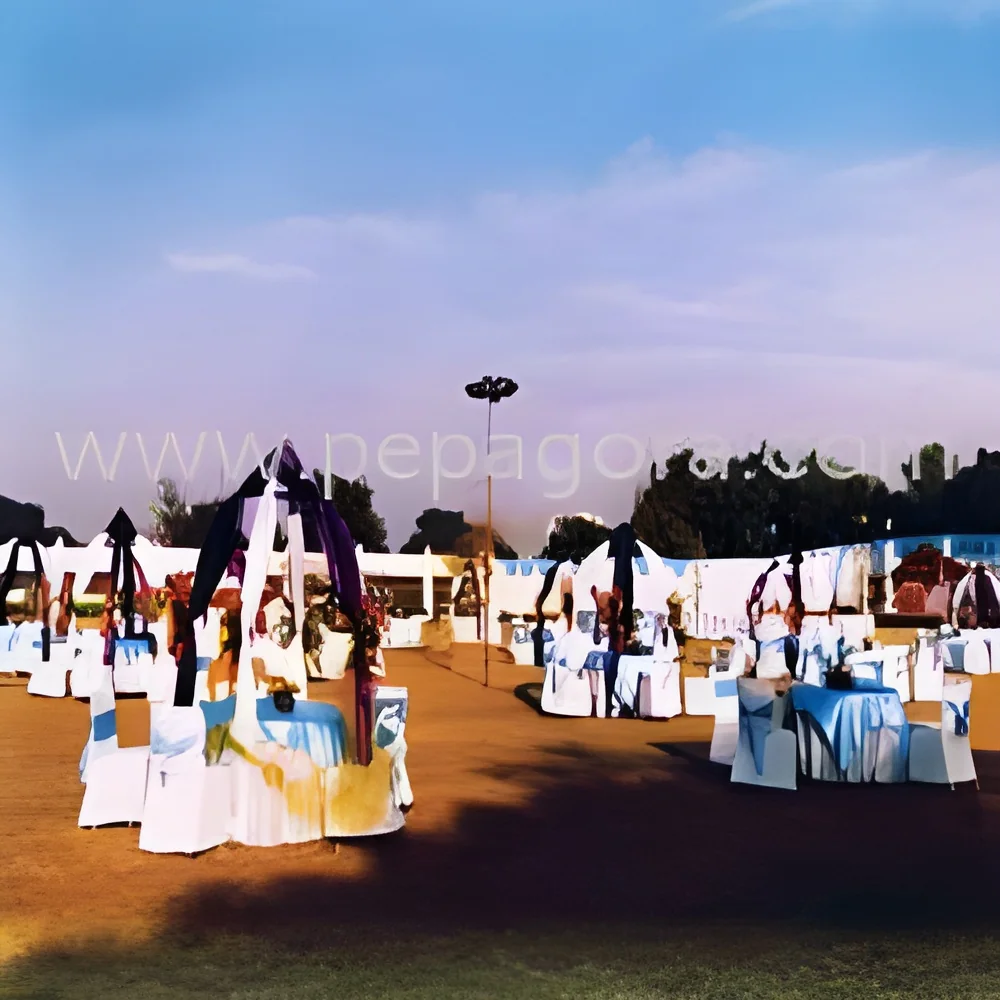
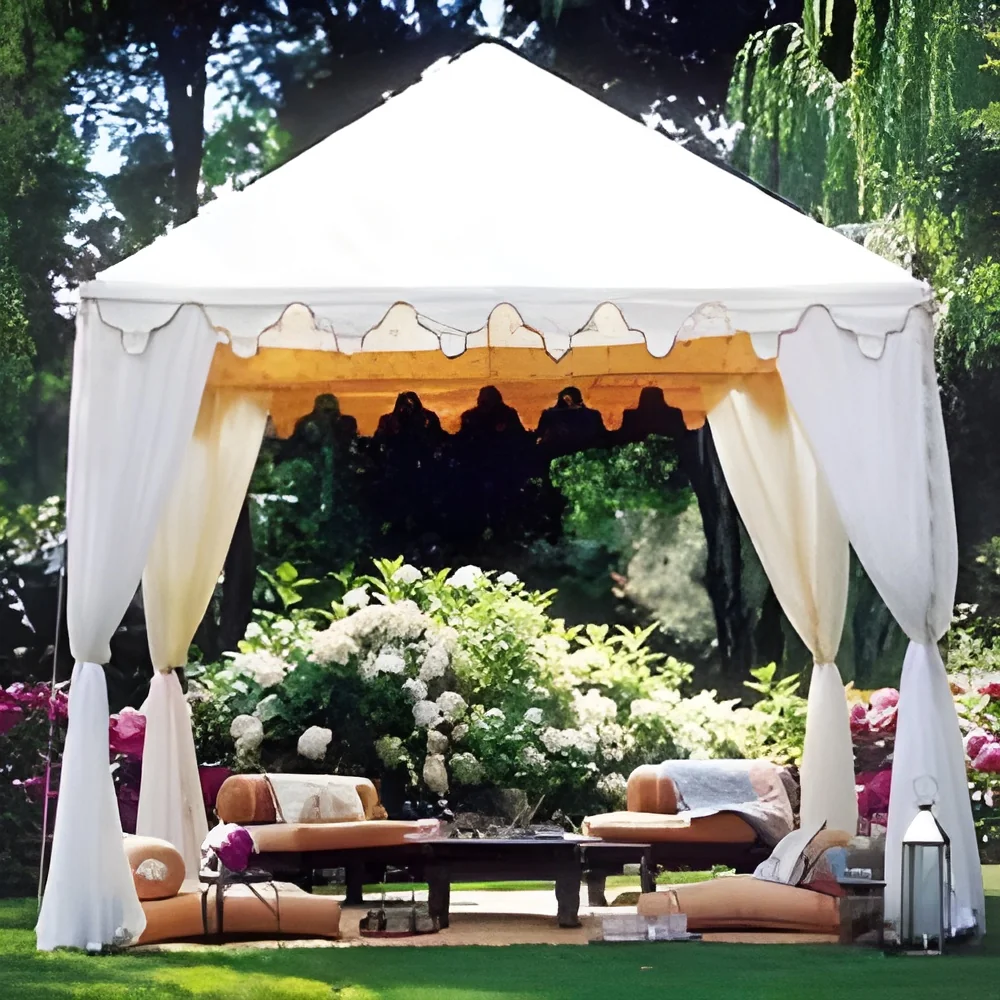
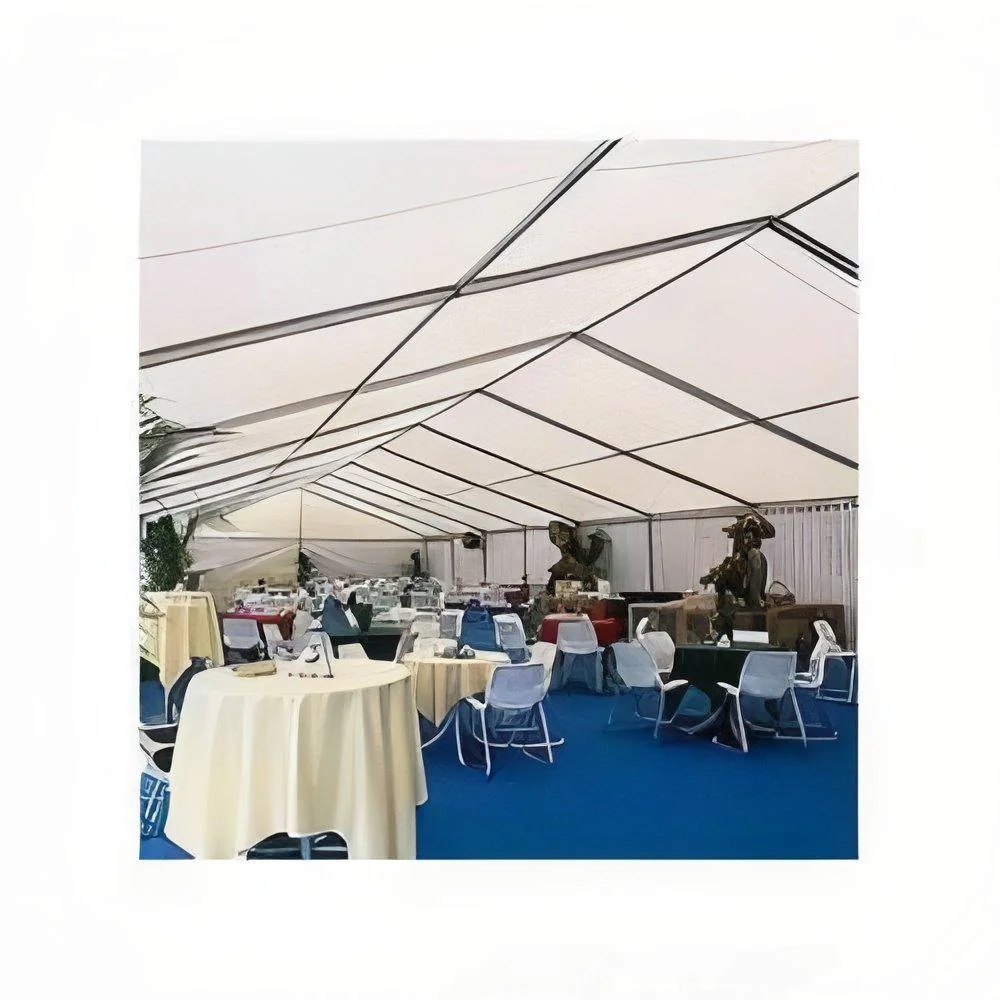
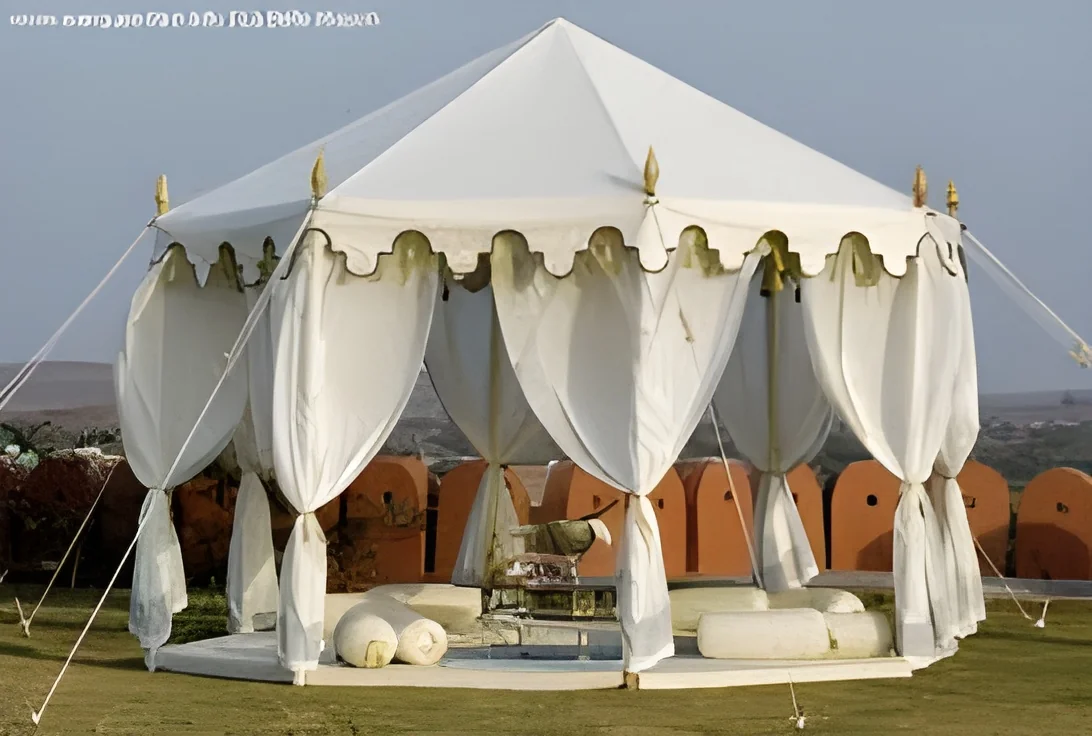
5. Weddings and Private Events: They provide an elegant solution for outdoor ceremonies or receptions, allowing for customization to match the occasion.
6. Emergency Shelters: In crisis situations, these structures can be quickly deployed to provide shelter or support for affected individuals.
7. Educational Events: Used for workshops, seminars, and exhibitions, they facilitate learning in an interactive environment.
Product Variants and Subcategories
Temporary event pavilions come in a variety of designs to meet diverse needs.
Classic Pavilion
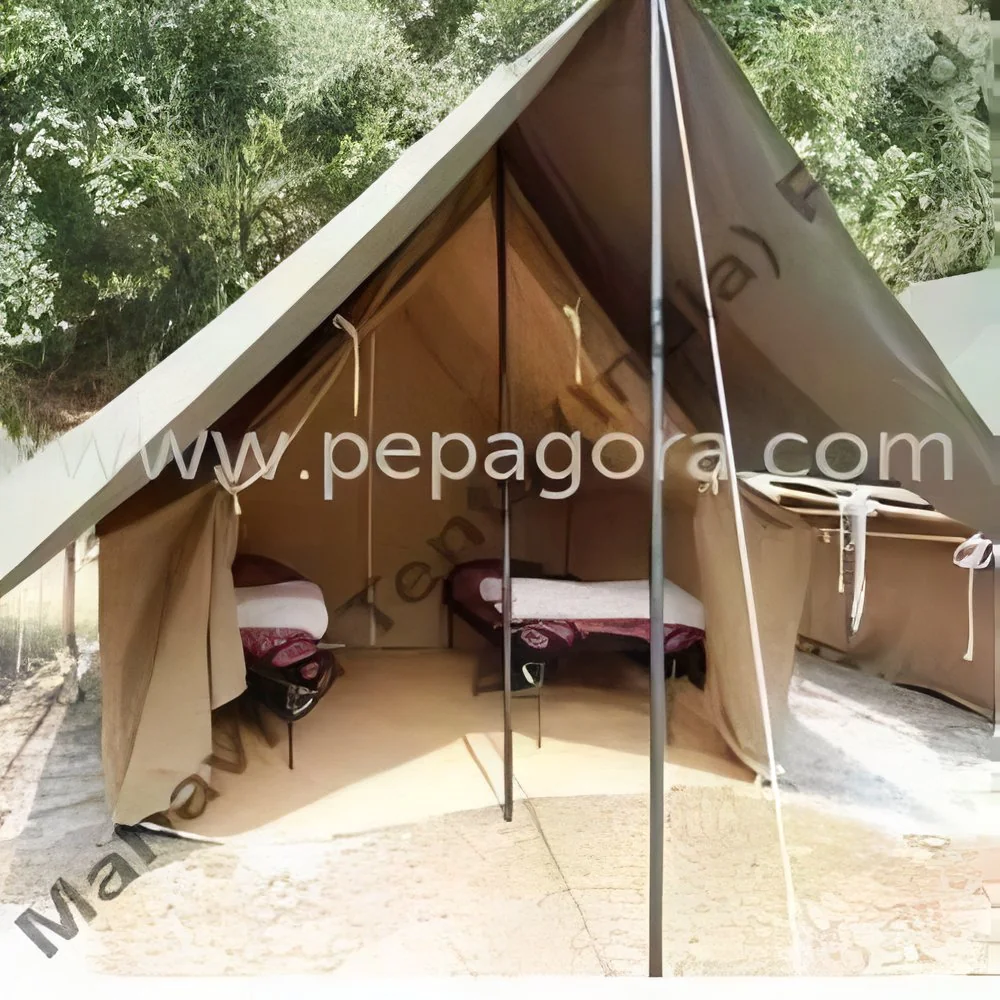
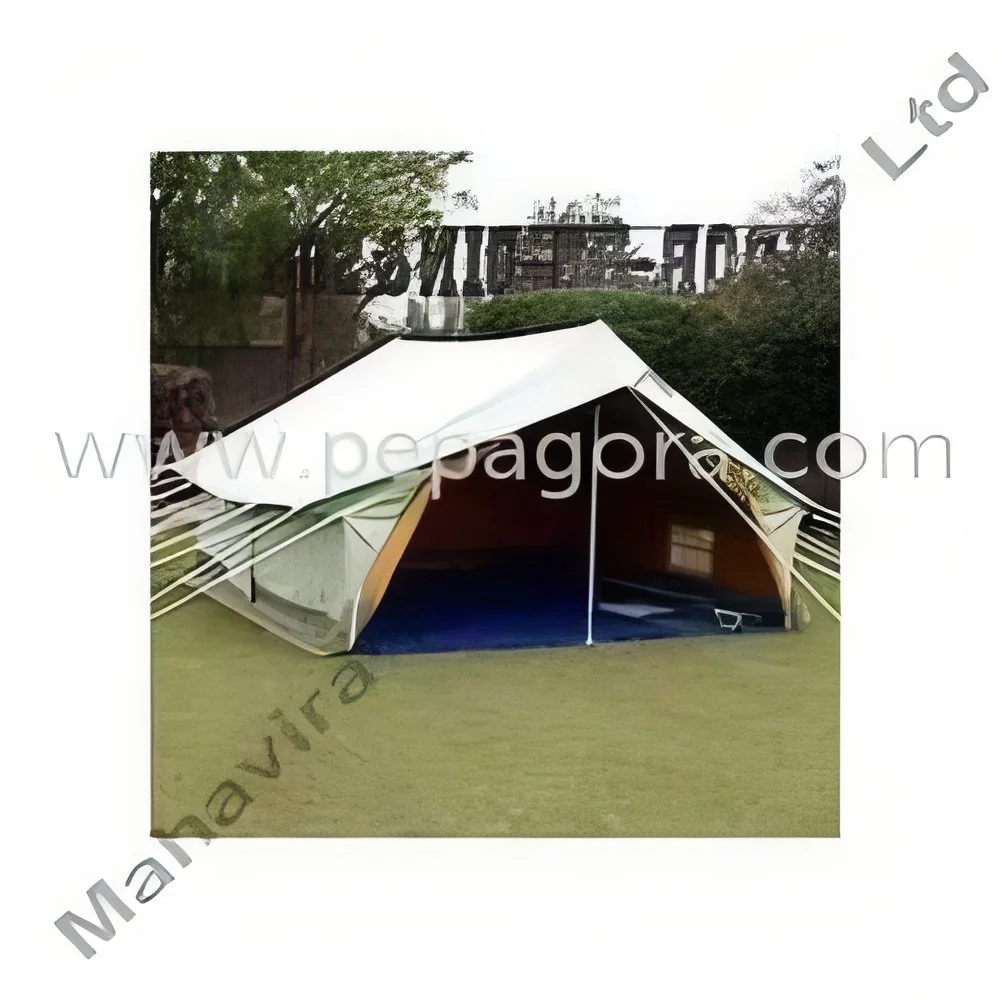
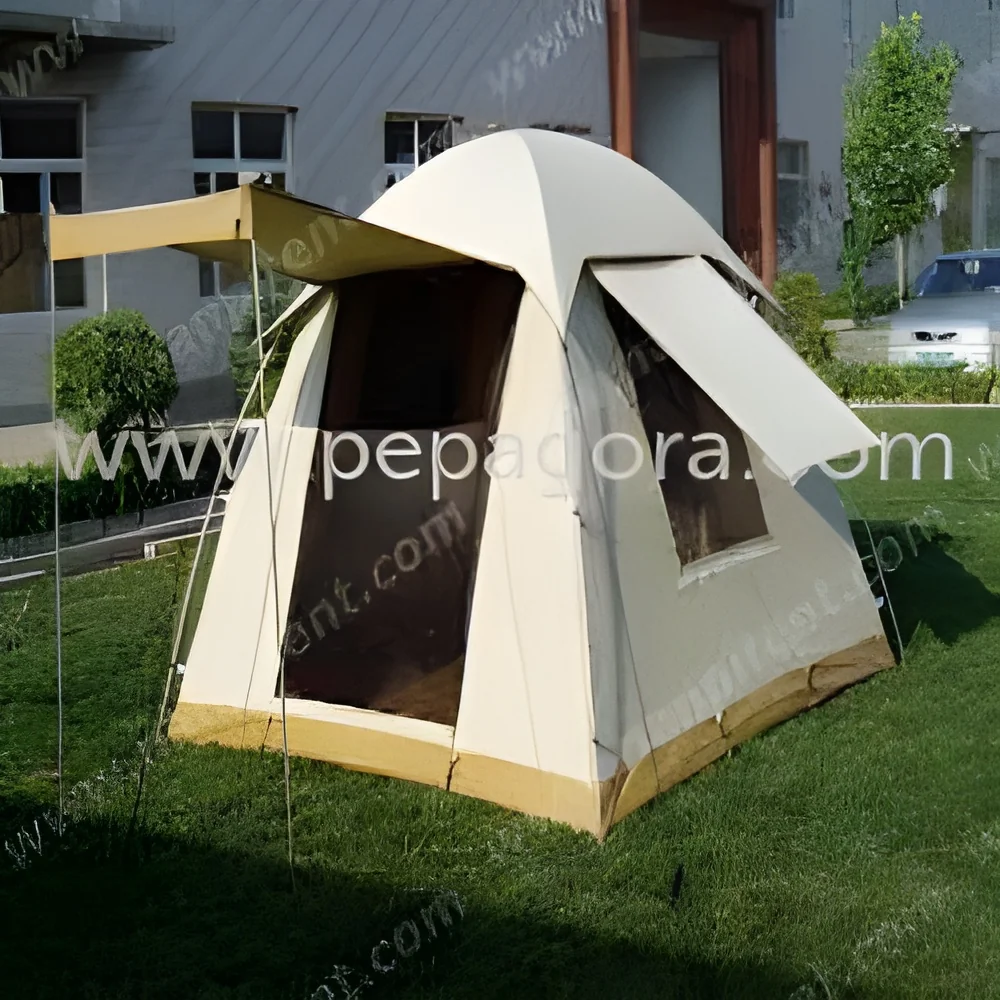
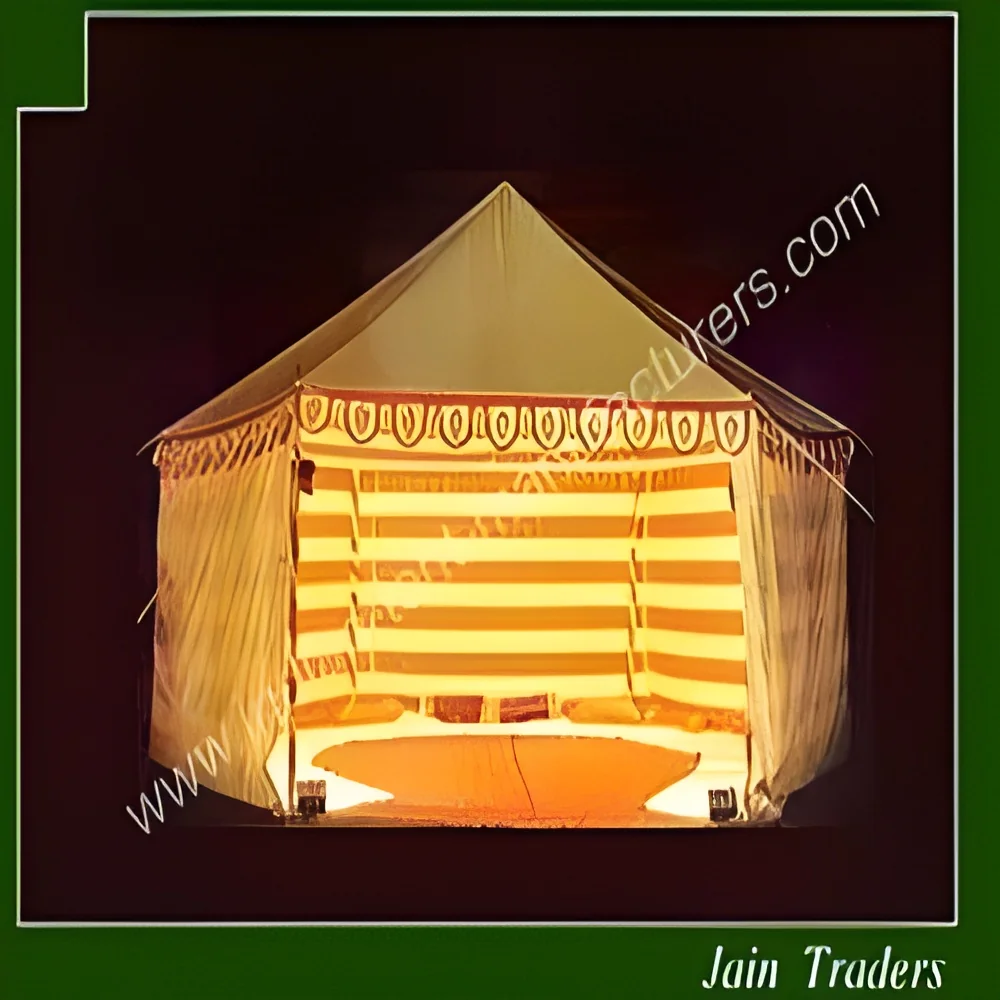
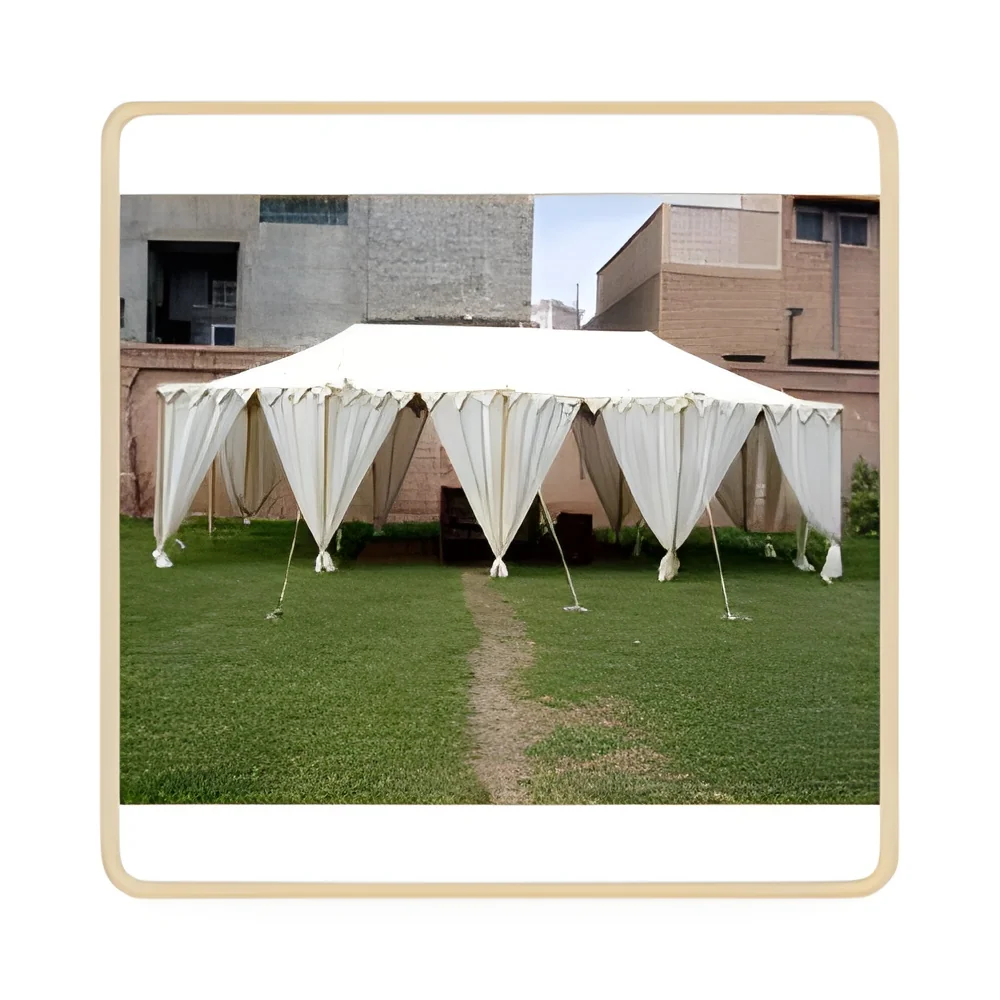
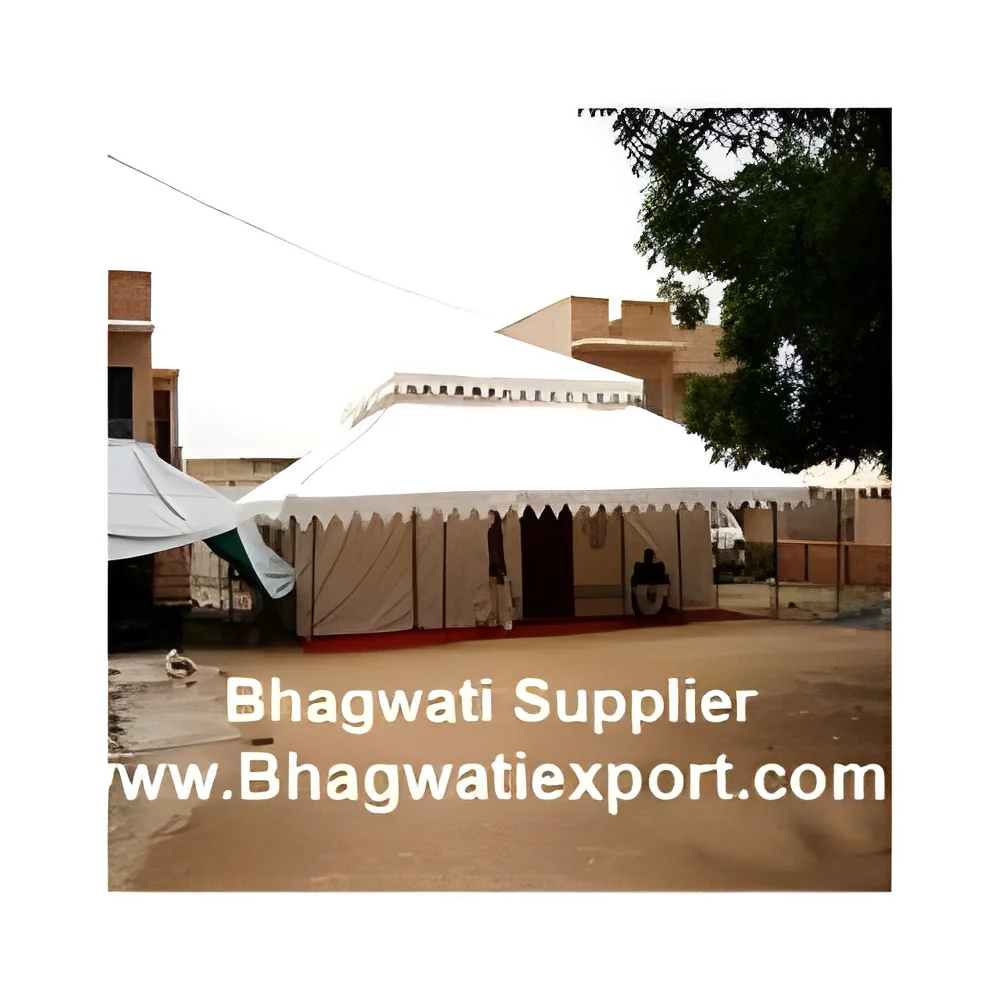
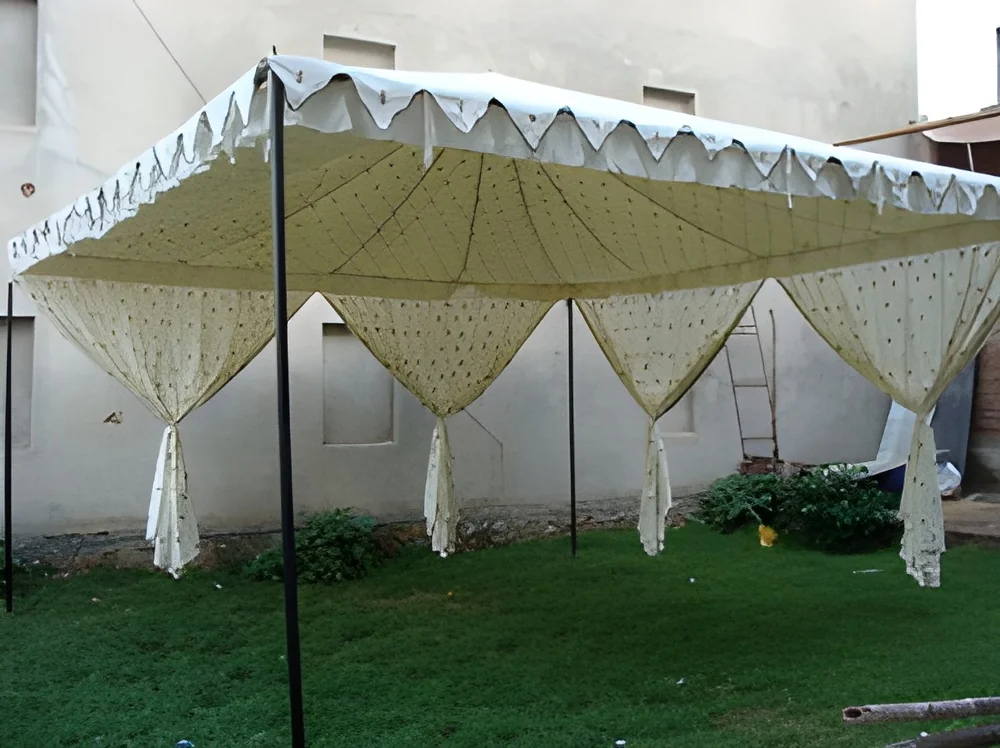
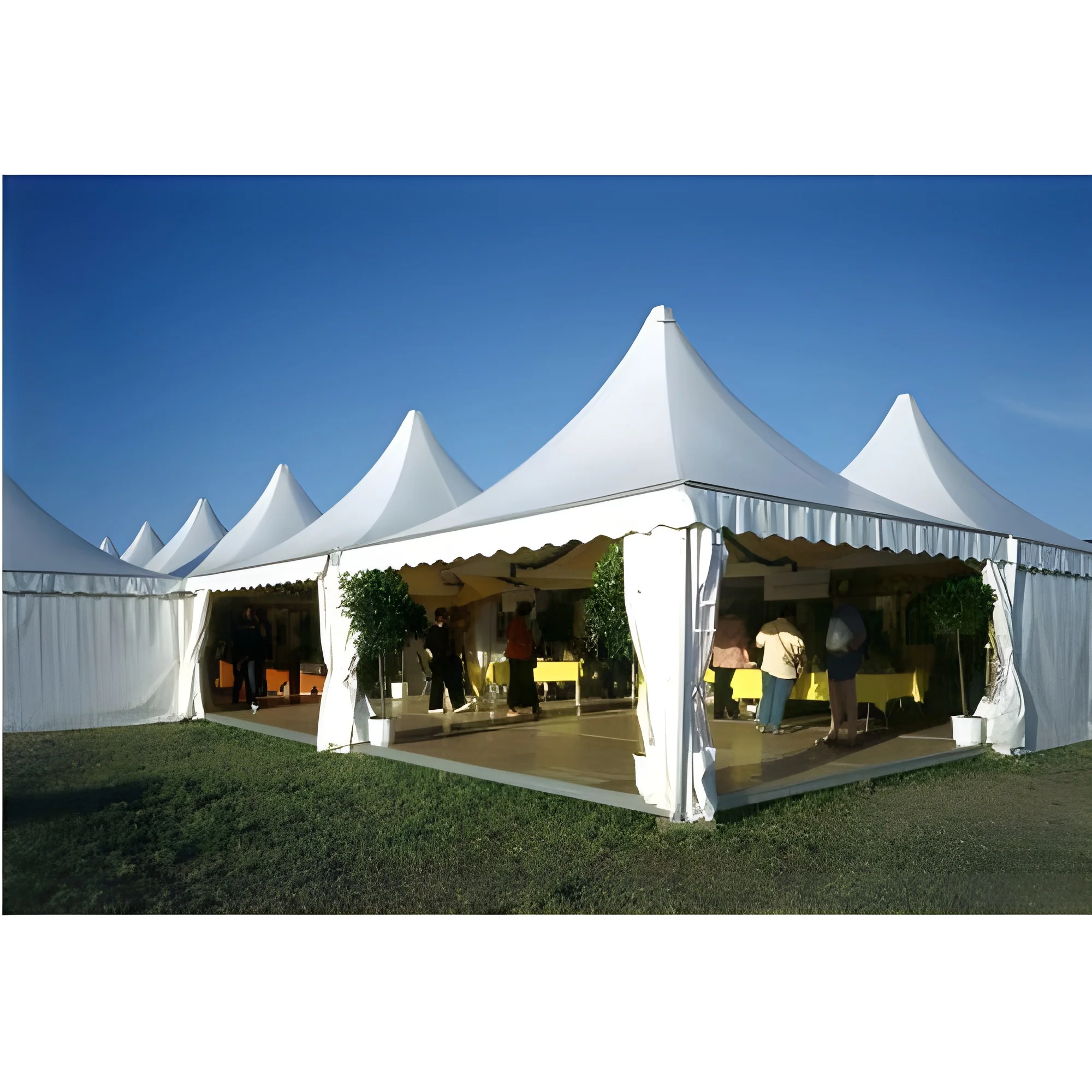
This is a traditional tent-style structure, ideal for outdoor events. It offers ample headroom and can be customized with side walls, flooring, and lighting options.
Modular Pavilion
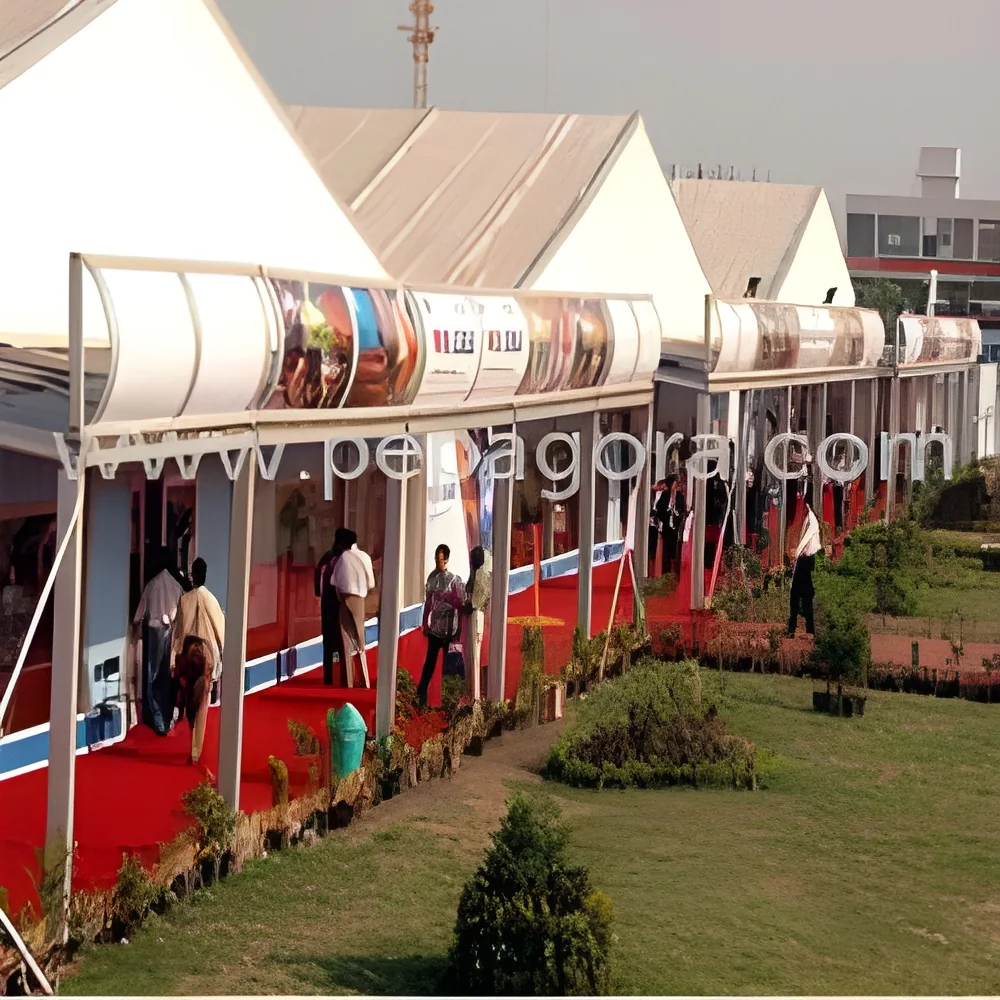
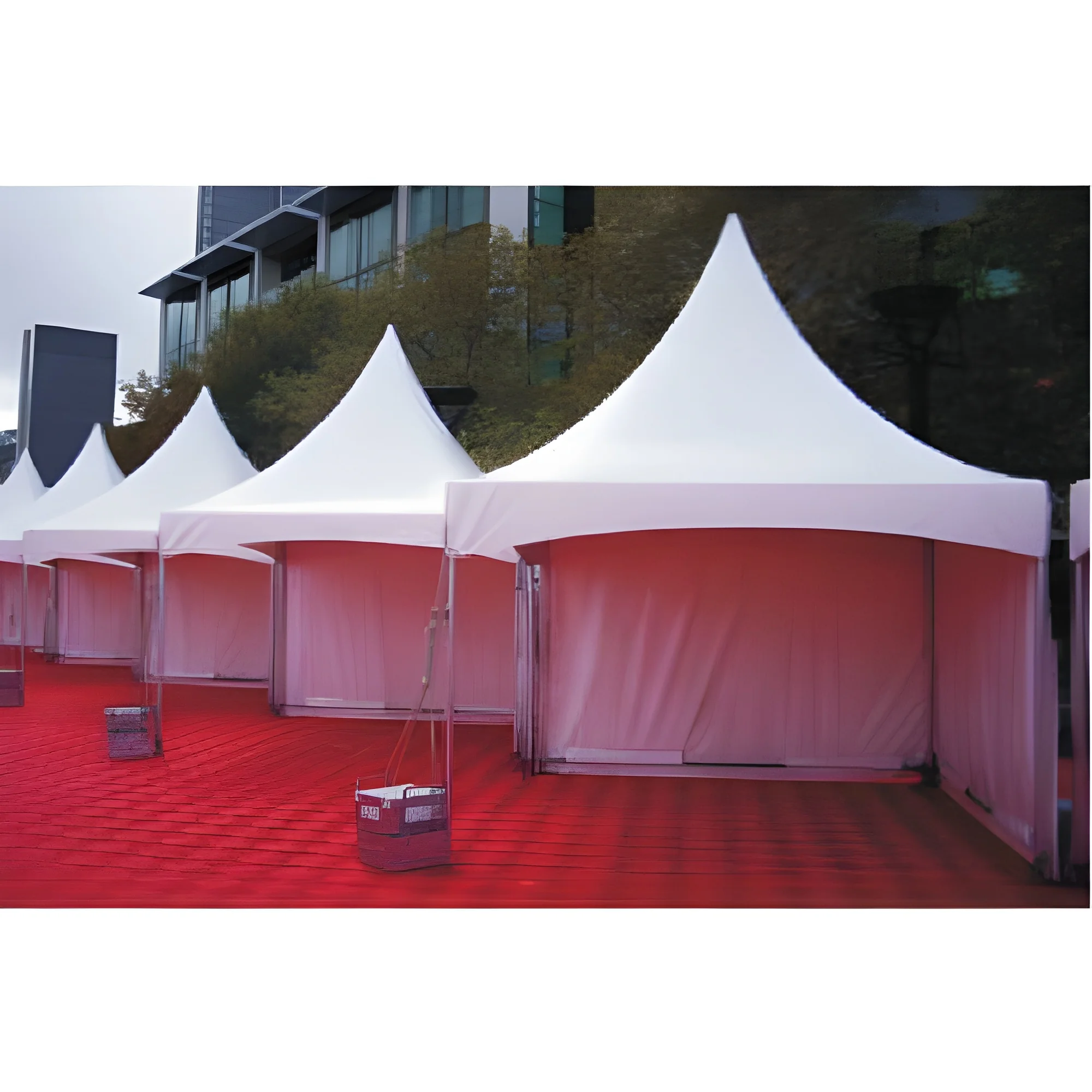
Designed for scalability, this variant allows for multiple pavilions to be connected. It is particularly useful for larger events where extra space is needed.
Pop-Up Pavilion
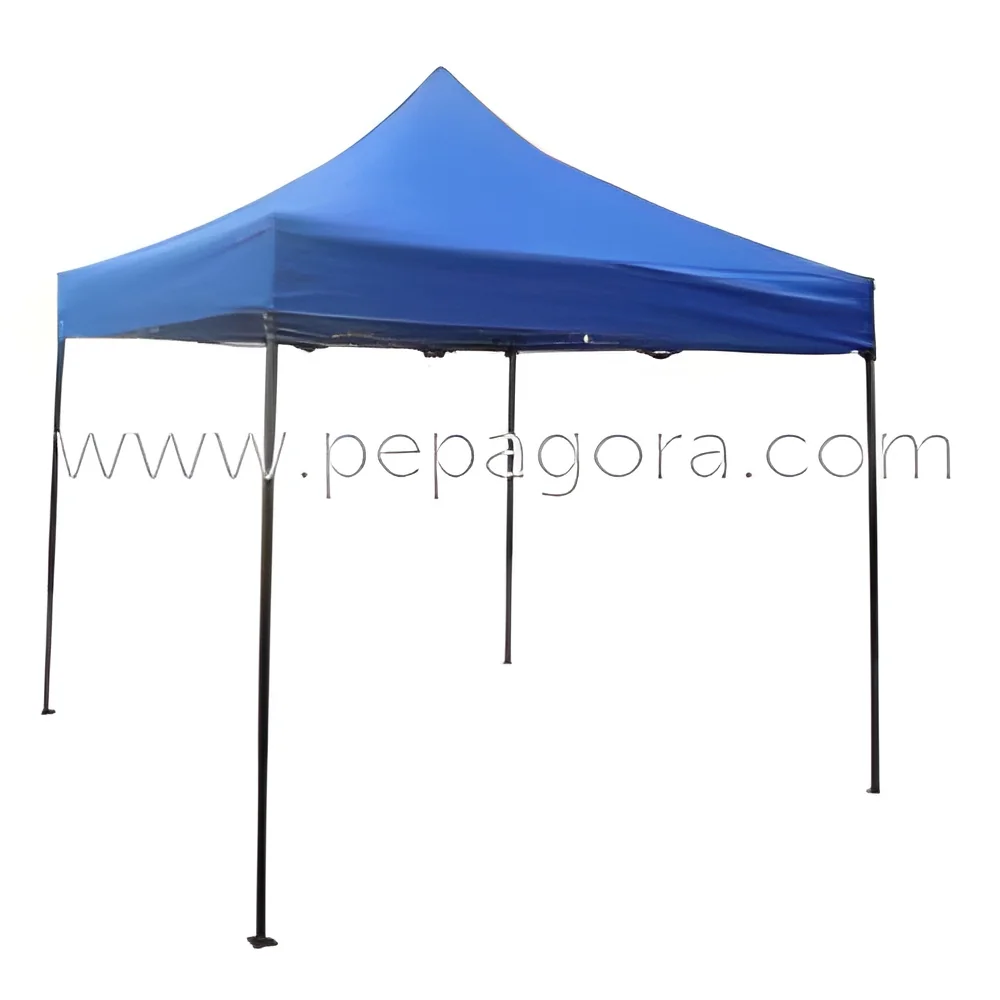
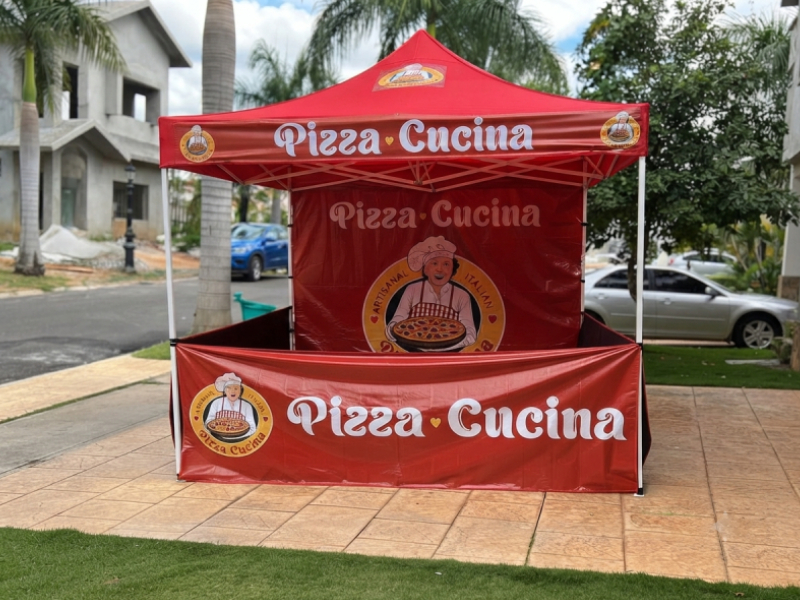
A lightweight and compact option, this pavilion is designed for quick assembly and disassembly. It is perfect for small events or temporary setups.
Benefits and Advantages
The benefits of temporary event pavilions extend beyond mere functionality, enhancing the overall event experience.
1. Cost-Effective: These structures eliminate the need for permanent installations, offering a budget-friendly option for event planners.
2. Flexibility: Their modular nature allows for easy reconfiguration, accommodating changes in event size or layout.
3. Quick Setup: Designed for rapid assembly, they minimize downtime and allow events to begin on schedule.
4. Enhanced Branding: Customization options enable businesses to effectively promote their brand during events.
5. Increased Engagement: Providing a comfortable and designated space can enhance attendee interaction and satisfaction.
6. Outdoor Versatility: These pavilions can be used in various outdoor settings, making them suitable for any season or weather condition.
Buying Guide for B2B Buyers
When sourcing temporary event pavilions, businesses should consider several key factors to ensure a successful purchase.
1. Quality Assessment: Look for pavilions made from durable materials that can withstand the elements. Check for certifications that indicate compliance with industry standards.
2. Supplier Verification: Ensure that suppliers have a good reputation and proven track record. Review customer feedback and request references if necessary.
3. Pricing and MOQ: Understand the pricing structure and minimum order quantities. Compare quotes from multiple suppliers to find the best value.
4. Delivery and Lead Times: Consider logistics and lead times for delivery. Confirm timelines to ensure that structures arrive well before the event date.
5. Compliance Requirements: Be aware of any local regulations regarding temporary structures. Ensure that the pavilions meet safety and compliance standards.
Compliance and Certifications
Temporary event pavilions must adhere to various quality standards and regulations to ensure safety and reliability.
Relevant quality standards include ISO 9001, which outlines requirements for quality management systems. Compliance with HACCP may be necessary for pavilions used in food service settings, ensuring food safety during events. Additionally, adherence to GDP guidelines is crucial for maintaining the integrity of goods transported in and out of pavilions.
Industry certifications such as CE mark are essential, indicating that the product meets European safety and performance standards. Safety and testing requirements may include fire resistance ratings and structural integrity assessments to ensure the pavilion can withstand environmental stresses.
Furthermore, regional compliance considerations may vary, necessitating local permits or inspections, particularly for large-scale installations or those in public spaces.
Why Source Temporary Event Pavilions from Pepagora?
Pepagora provides a trusted platform for sourcing temporary event pavilions with several key advantages.
Verified Supplier Network: Pepagora connects buyers with a network of verified suppliers, ensuring that businesses receive quality products from reputable sources. This helps mitigate risks associated with sourcing.
Streamlined RFQ Process: The quotation system simplifies the procurement process. Buyers can easily submit requests for quotes, making it quicker to compare options and make informed decisions.
Trade Assurance and Support: Pepagora offers trade assurance to protect buyers, providing peace of mind during transactions. This support ensures that businesses can source pavilions with confidence.
Regional Coverage: Pepagora’s geographic reach extends across India, the GCC, and Southeast Asia. This broad coverage facilitates access to local suppliers and enhances the likelihood of finding the right pavilion for any event.

 IN
IN


 India
India