
 IN
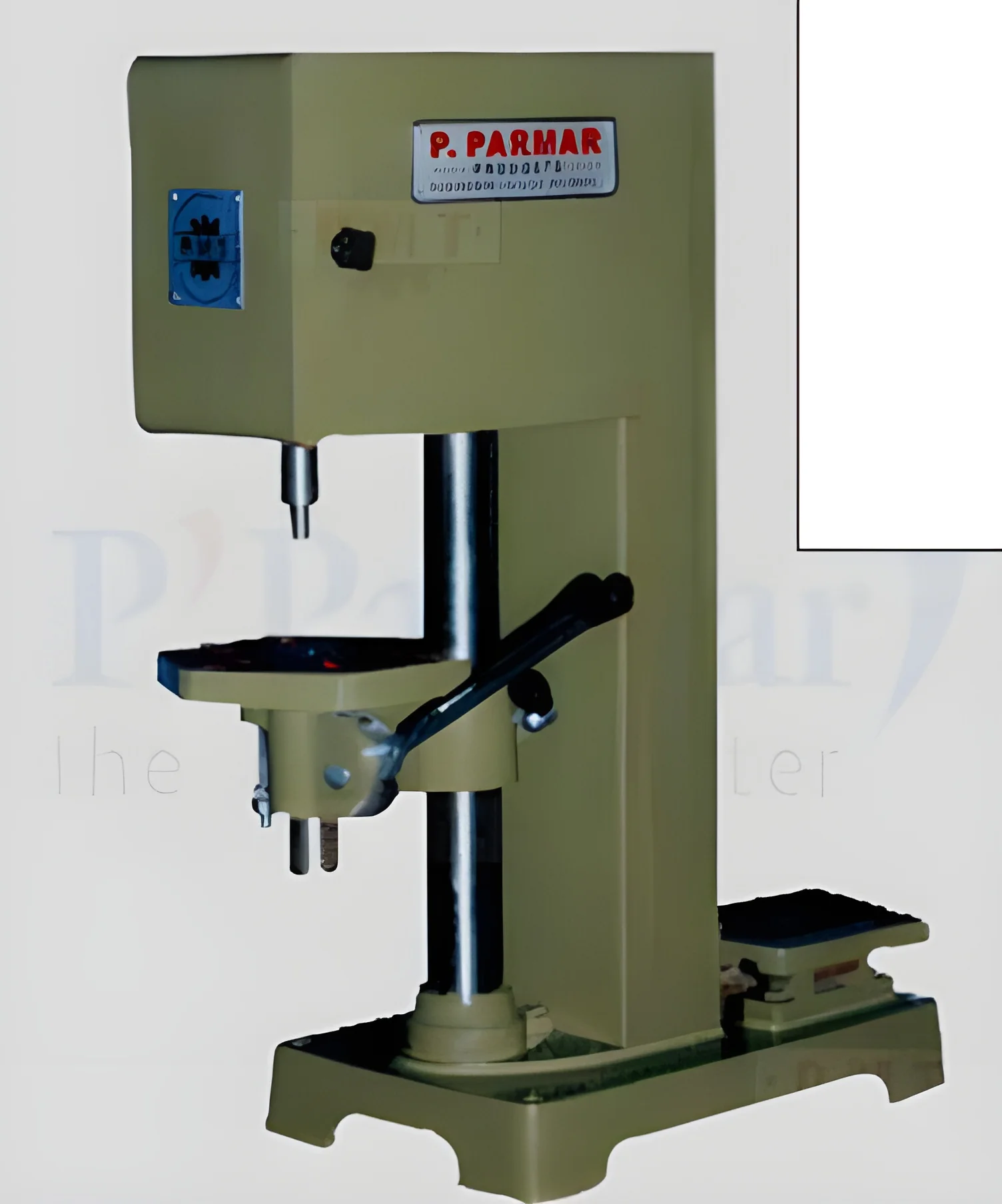
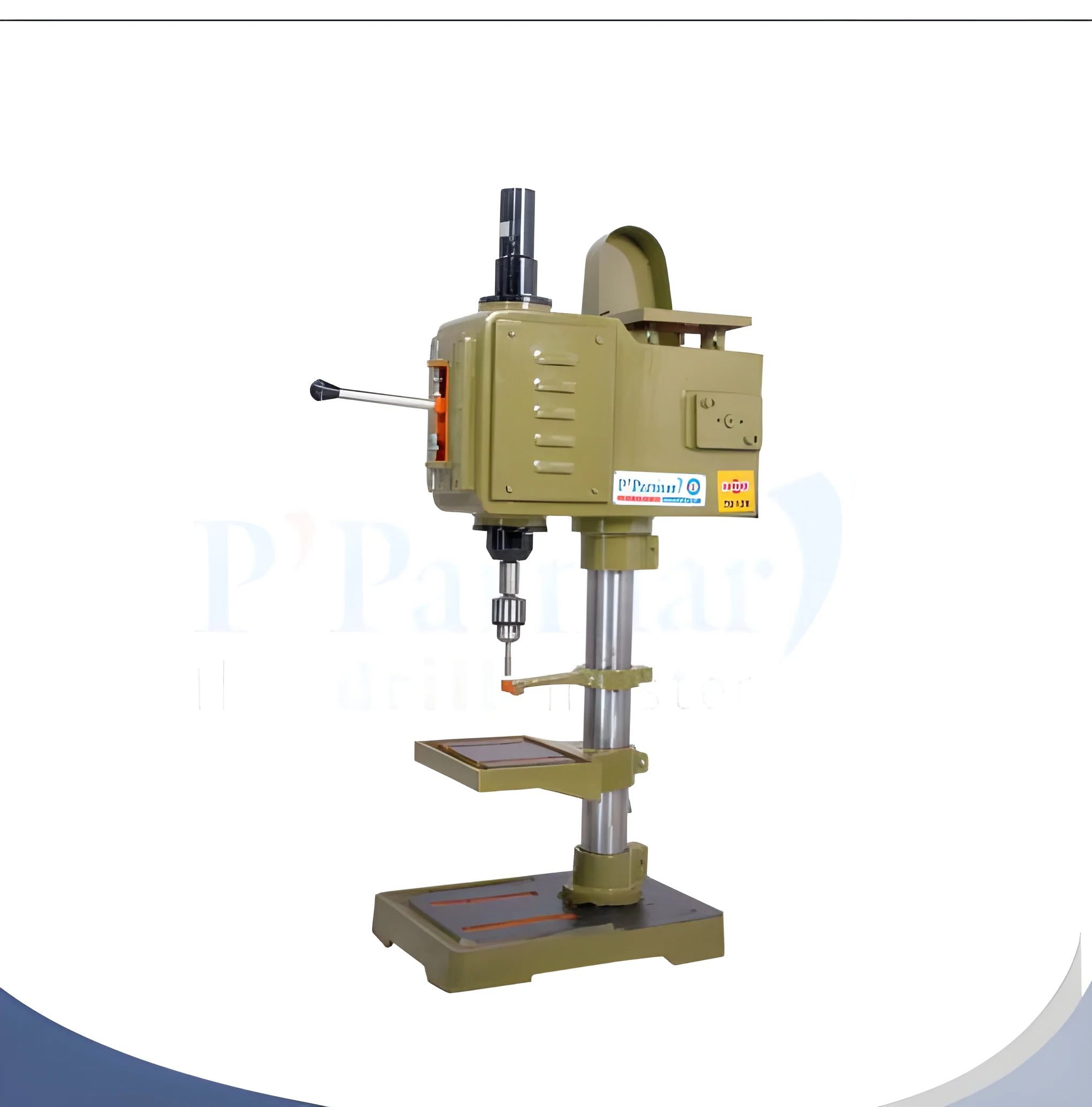
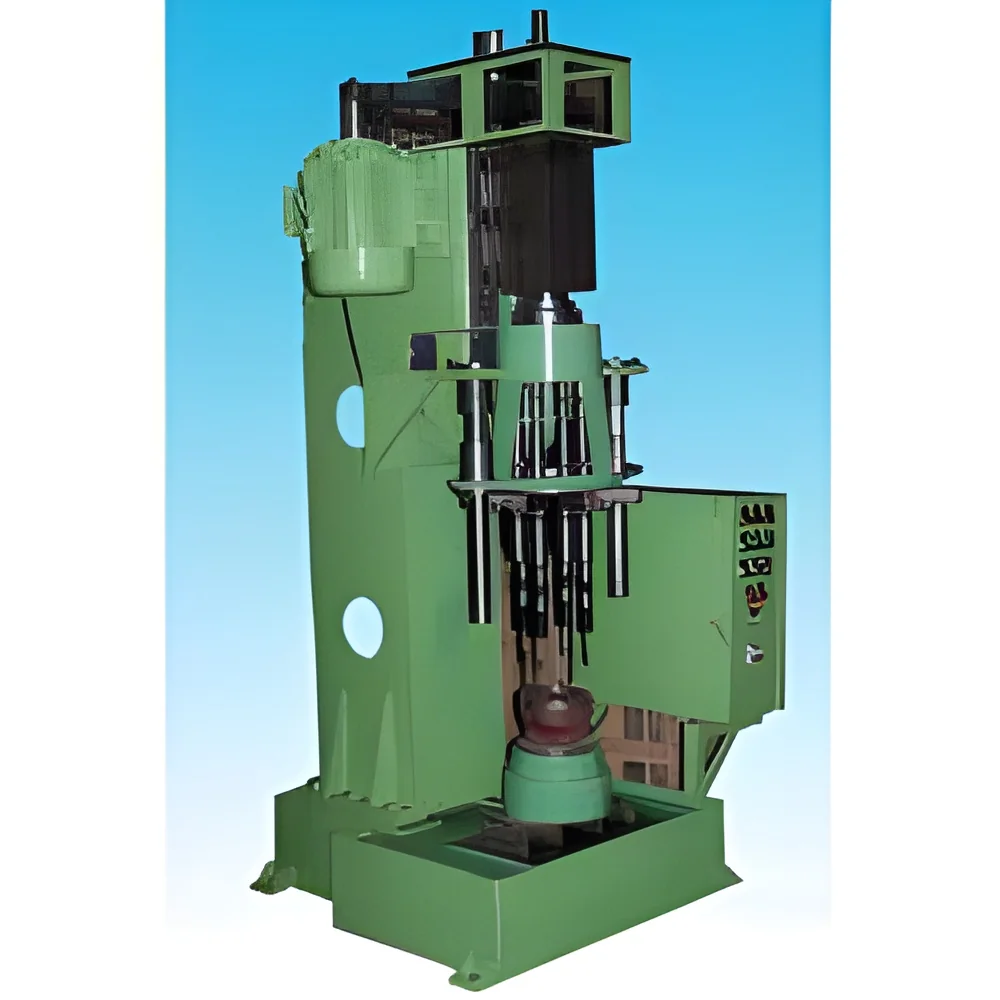
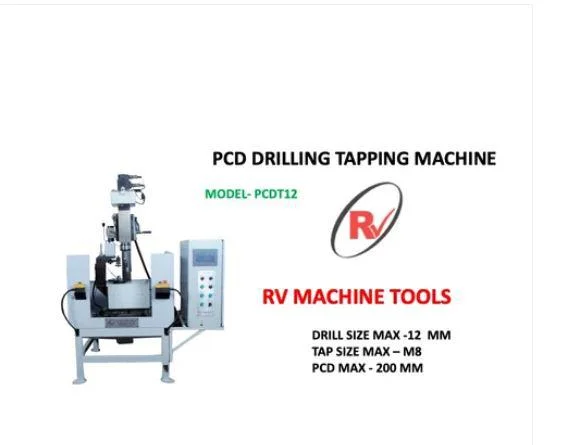
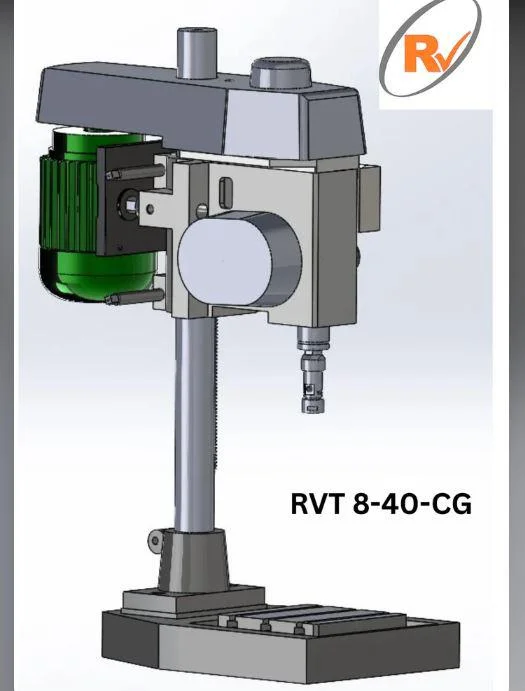
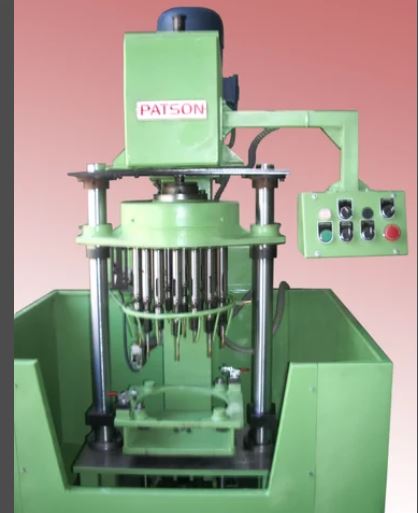
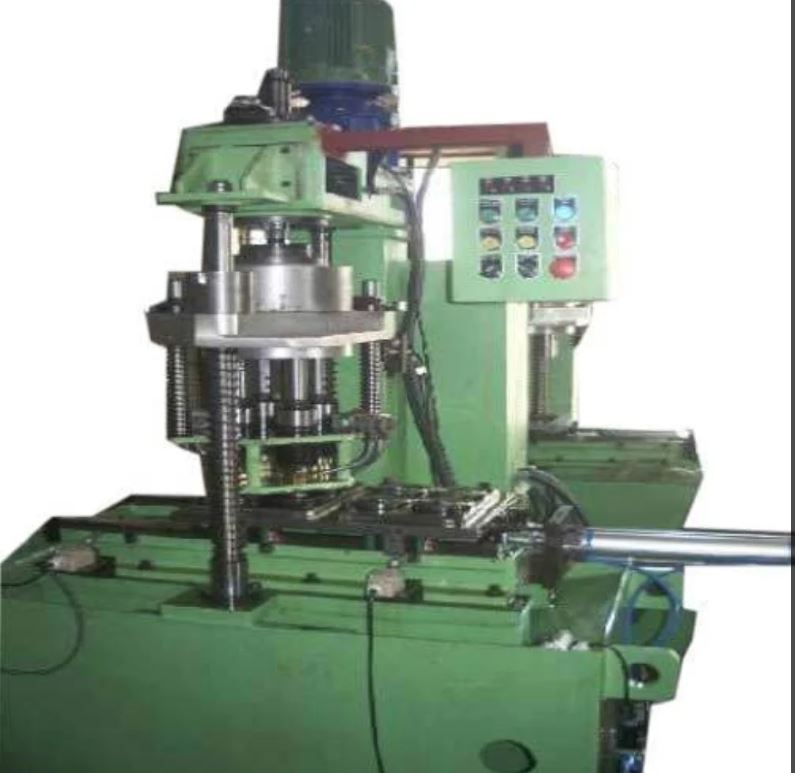
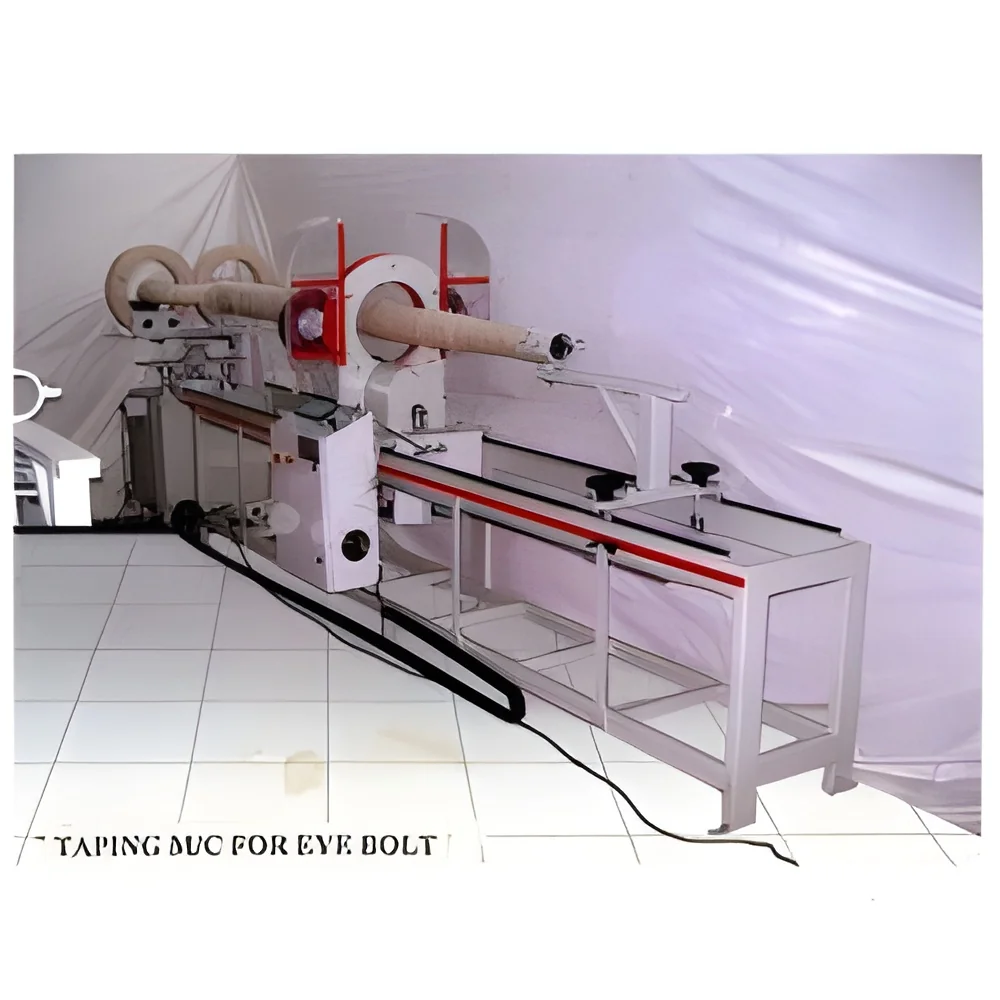
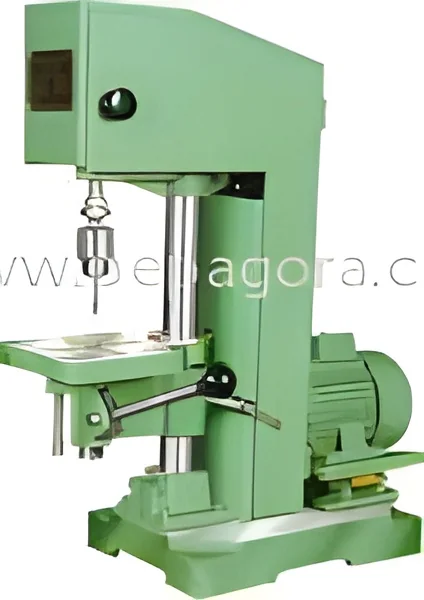
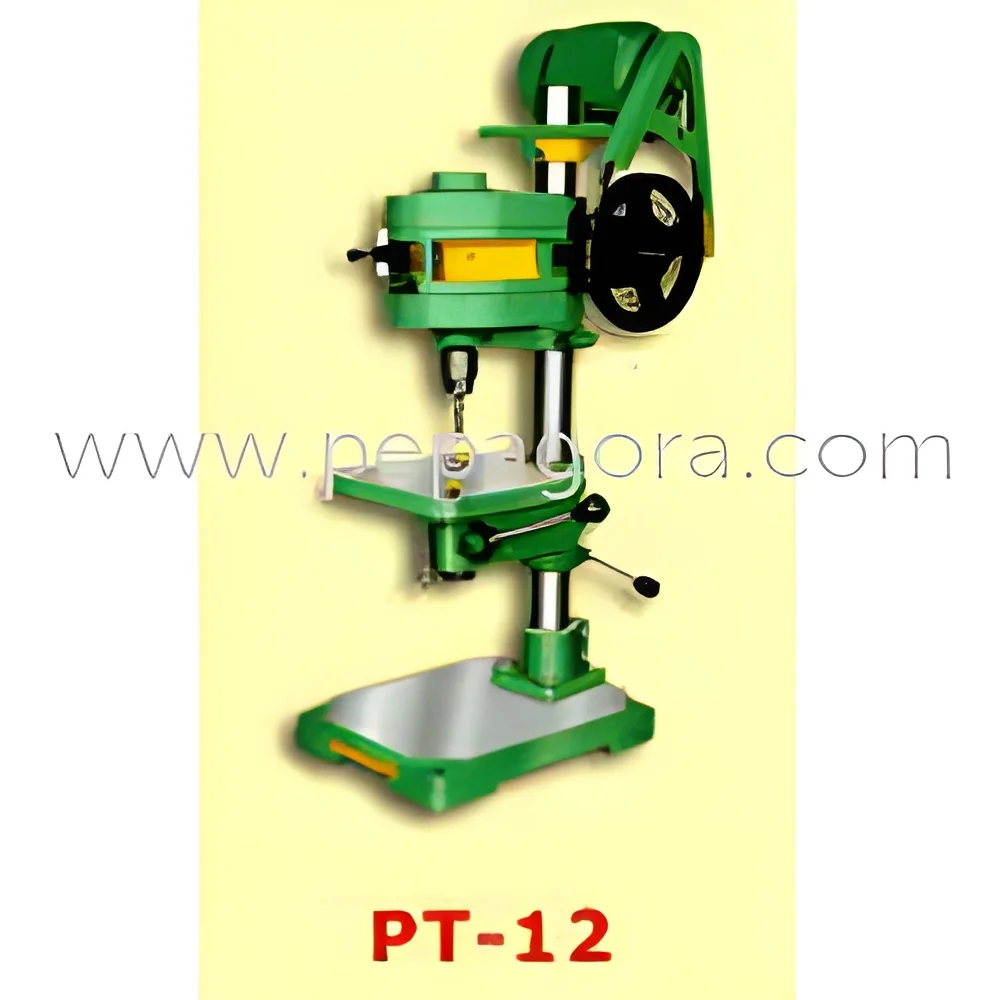
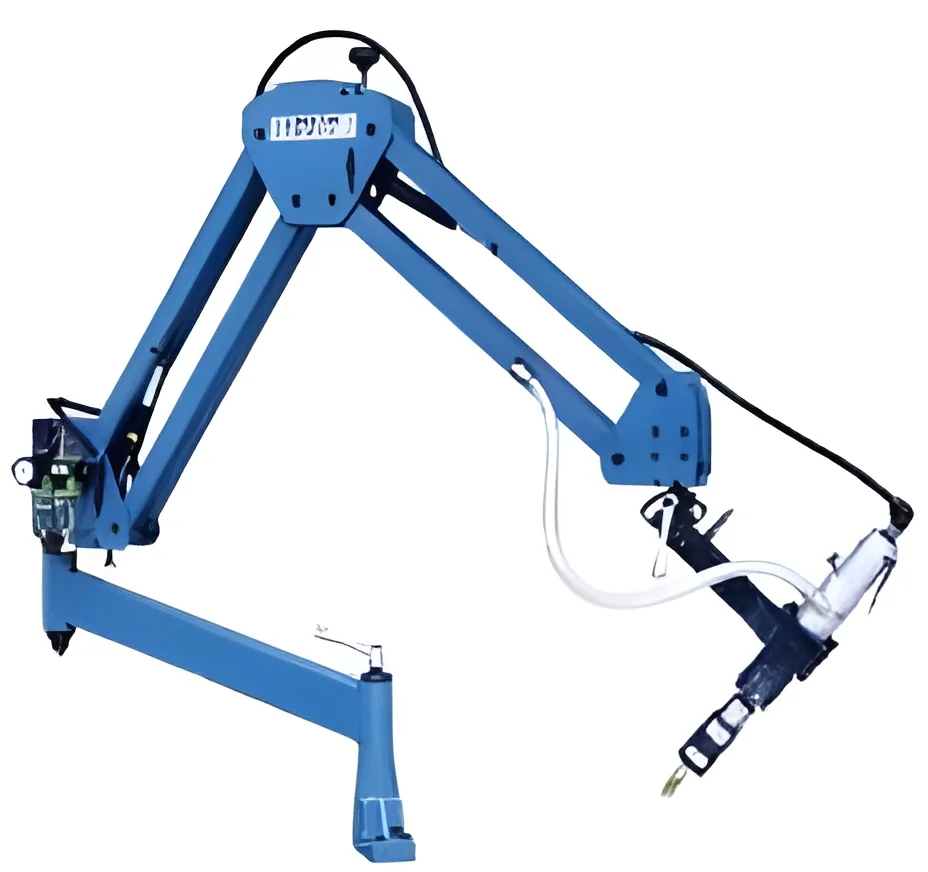
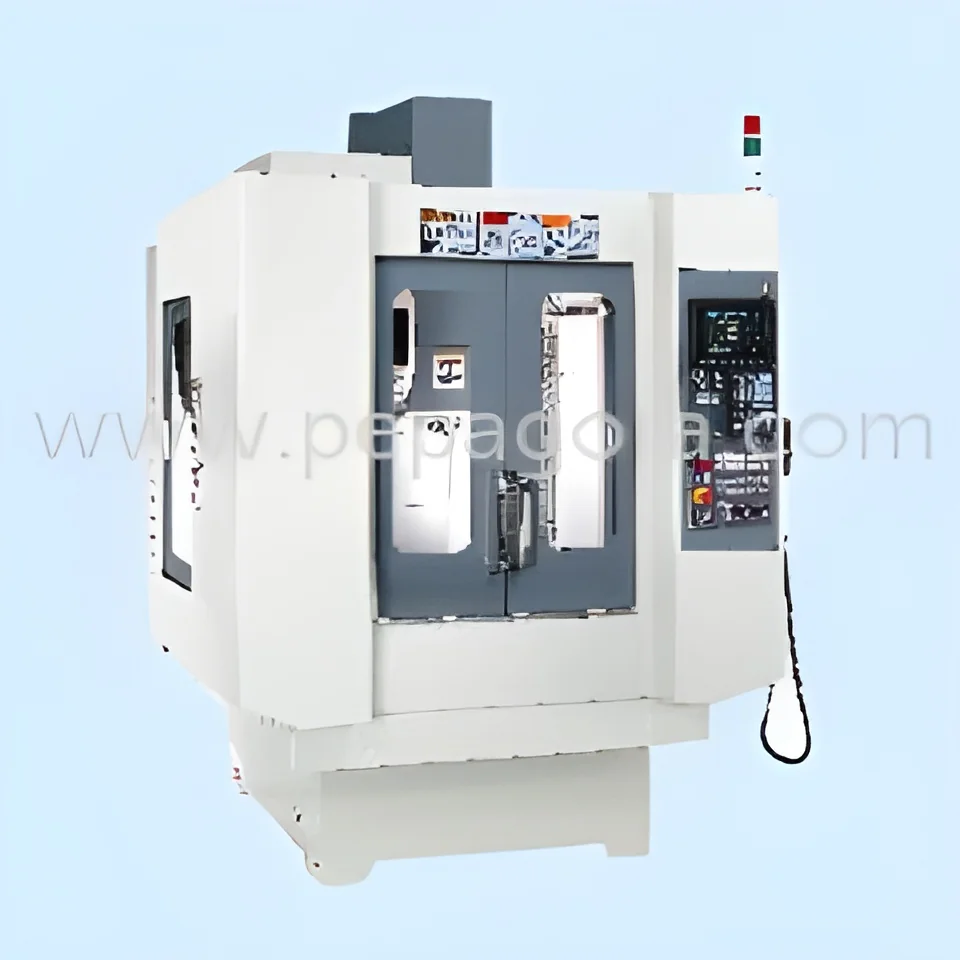
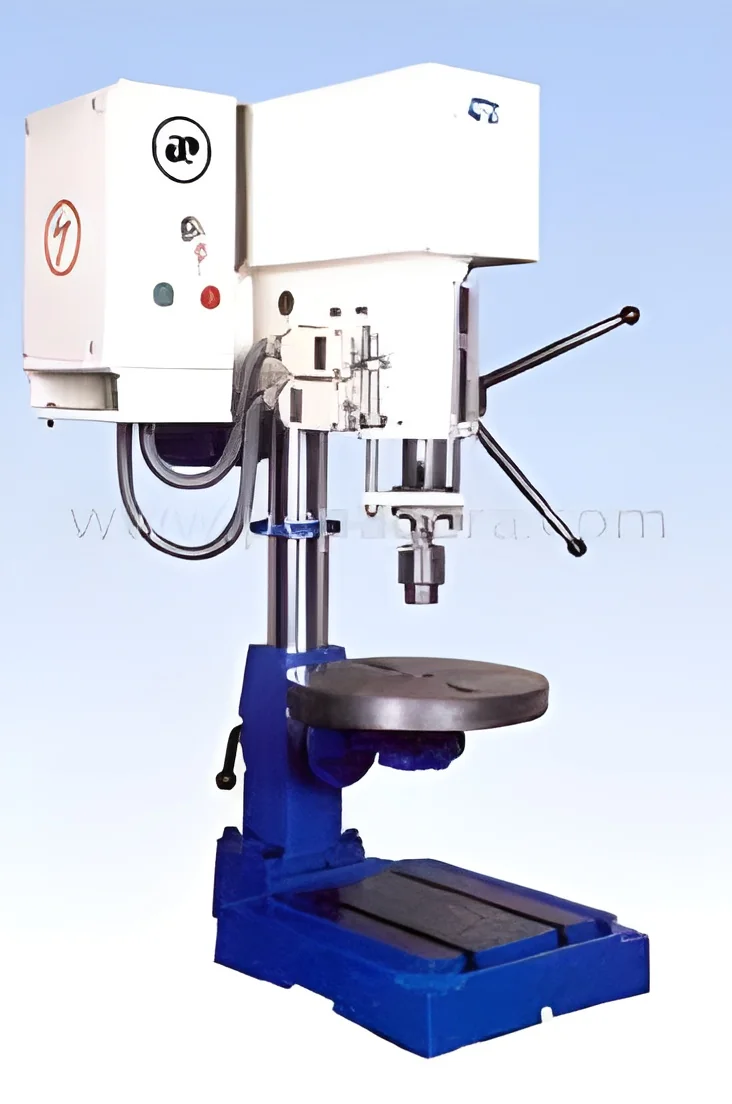
Tapping Machines (Manual, Pneumatic)
23 products available
Key Features and Specifications
Tapping machines come with a variety of features tailored to meet the needs of different industries. Understanding these specifications is essential for selecting the right machine for your application.
Key specifications include:
1. Machine Type
- Manual or pneumatic options available
- Pneumatic machines offer higher speed and efficiency
2. Tapping Capacity
- Range of materials compatible, including steel, aluminum, and plastics
- Typically suited for hole sizes from 1/8 inch to 1 inch
3. Speed Control
- Variable speed settings for different materials and thread types
- Standard speeds range from 200 RPM to 1500 RPM
4. Air Pressure Requirement (for pneumatic models)
- Generally requires 80 to 100 PSI for optimal operation
- Ensures consistent tapping performance
5. Tool Holder Compatibility
- Designed to accommodate various tap sizes and types
- Commonly includes standard chuck sizes of 1/4 inch, 3/8 inch, and 1/2 inch
6. Safety Features
- Emergency stop buttons and guards to enhance operator safety
- Overload protection to prevent machine damage
7. Dimensions and Weight
- Compact designs available for limited workspace
- Weights typically range from 50 to 200 pounds depending on model
8. Power Source
- Options for electric or air-driven machines
- Electric models are often preferred for their portability
In summary, understanding these features and specifications will help you select the right tapping machine tailored to your specific needs.
Common Applications and Use Cases
Tapping machines serve a wide array of industries and applications.
1. Automotive: Used for creating threaded holes in engine components, chassis parts, and various assemblies.
2. Aerospace: Essential for manufacturing aircraft parts where precision threading is critical for safety and performance.
3. Electronics: Employed for tapping housings and casings for electrical components, ensuring secure fittings.
4. Furniture: Utilized in the production of threaded inserts for wood and metal furniture, enhancing durability.
5. Plumbing: Common in the manufacture of fittings and connectors that require threaded joints.
6. Machinery: Used in the production of machine parts that require precise threading for assembly.
7. Construction: Helps in the manufacturing of threaded rods and bolts used in structural applications.
Product Variants and Subcategories
Tapping machines come in various models, each designed to meet specific operational needs.
Manual Tapping Machine
This variant requires human operation to guide the tap. It is ideal for low-volume tasks and offers flexibility in thread types. Manual tapping machines are often more affordable and suitable for smaller workshops.
Pneumatic Tapping Machine
These machines operate using compressed air, allowing for faster and more efficient tapping. They are well-suited for high-volume production environments and can handle a variety of materials with precision. Pneumatic models reduce operator fatigue and increase overall productivity.
Benefits and Advantages
Investing in tapping machines offers several key advantages.
1. Precision: Tapping machines ensure consistent thread quality and depth, reducing the need for rework.
2. Efficiency: Pneumatic models significantly speed up the tapping process, allowing for higher production rates.
3. Versatility: Capable of tapping a variety of materials, tapping machines can adapt to different production needs.
4. Operator Safety: Modern tapping machines come equipped with safety features to protect users and enhance workplace safety.
5. Cost-Effectiveness: Automation in tapping reduces labor costs and operational inefficiencies.
6. Space-Saving Designs: Many models are compact, making them suitable for small workshop environments.
Buying Guide for B2B Buyers
When sourcing tapping machines, it is important to consider several key factors.
1. Quality Assessment: Look for machines that meet established quality standards. Check for certifications and customer reviews to gauge reliability.
2. Supplier Verification: Vet suppliers to ensure they provide quality products and reliable service. Look for industry reputation and customer feedback.
3. Pricing and MOQ: Understand the pricing structure and minimum order quantities to ensure it fits your budget. Compare quotes from multiple suppliers.
4. Delivery and Lead Times: Evaluate logistics options to ensure timely delivery. Consider lead times based on your production schedule.
5. Compliance Requirements: Ensure the machines meet relevant industry regulations and safety standards to avoid legal issues and ensure user safety.
Compliance and Certifications
Tapping machines must adhere to various quality and safety standards to ensure reliability and safety in operation. ISO 9001 is an important standard that signifies quality management systems, ensuring that manufacturers maintain high levels of production consistency.
In addition to ISO standards, compliance with CE certification is essential for machines sold in European markets. This certification indicates that the equipment meets safety, health, and environmental protection standards.
Furthermore, adherence to safety and testing requirements is critical in preventing workplace accidents. Manufacturers should also consider regional compliance issues based on the target market, as regulations may vary.
Why Source Tapping Machines (Manual, Pneumatic) from Pepagora?
Pepagora offers a reliable platform for sourcing tapping machines with several key advantages. Our verified supplier network ensures that buyers can access high-quality machines from reputable manufacturers. Each supplier is rigorously vetted to guarantee product authenticity and performance.
The streamlined RFQ process simplifies the buying experience. Buyers can easily request quotations from multiple suppliers, enabling them to compare prices and features effortlessly.
Pepagora also provides trade assurance and buyer protection, ensuring that transactions are secure and transparent. This feature helps mitigate risks associated with online procurement.
Lastly, Pepagora's regional coverage extends across India, the Gulf Cooperation Council (GCC), and Southeast Asia, allowing businesses in these regions to access a diverse range of tapping machines that suit their specific needs.



 India
 India

 India
 India
 India
 India
 India

 India
 India
 India

Frequently Asked Questions
What are Tapping Machines (Manual, Pneumatic)?
Tapping Machines (Manual, Pneumatic) are specialized tools used to create internal threads in a workpiece. These machines can operate manually or pneumatically, providing different levels of control and efficiency depending on the application.
What are the different types of Tapping Machines (Manual, Pneumatic)?
The primary types of Tapping Machines include manual tapping machines, which require operator input for each operation, and pneumatic tapping machines, which utilize compressed air for automated tapping. Each type serves different production needs and speeds, allowing for flexibility in manufacturing processes.
How do I choose the right Tapping Machines (Manual, Pneumatic)?
Choosing the right Tapping Machine involves considering factors such as the material to be tapped, the size of the tap, and the production volume. Additionally, assess the machine's speed, precision, and ease of use to ensure it meets your specific operational requirements.
What are the standard specifications for Tapping Machines (Manual, Pneumatic)?
Standard specifications for Tapping Machines typically include the tapping capacity (size of the tap), spindle speed, power rating, and overall dimensions. It's important to refer to the manufacturer's guidelines for detailed specifications that cater to your specific needs.
What is the price range for Tapping Machines (Manual, Pneumatic)?
The price range for Tapping Machines can vary widely based on type, brand, and features, generally falling between ₹15,000 to ₹1,50,000 or more. It is advisable to compare different suppliers and models to find the best fit for your budget and requirements.
What quality standards apply to Tapping Machines (Manual, Pneumatic)?
Tapping Machines must adhere to various quality standards, including ISO certifications, to ensure reliability and safety. These standards cover aspects such as material quality, manufacturing processes, and operational efficiency, contributing to a machine's overall performance.
Where can I find Tapping Machines (Manual, Pneumatic) suppliers in India?
You can find Tapping Machines suppliers in India through B2B marketplaces like Pepagora, industry trade shows, and manufacturer directories. Online platforms often provide a comprehensive list of manufacturers and suppliers, making it easier to compare options.
Can Tapping Machines (Manual, Pneumatic) be customized?
Yes, many manufacturers offer customization options for Tapping Machines to meet specific requirements. Customization may include modifications to size, features, or capabilities depending on the application and production needs.
What is the typical minimum order quantity for Tapping Machines (Manual, Pneumatic)?
The typical minimum order quantity (MOQ) for Tapping Machines can vary by supplier, often ranging from 1 to 10 units. It's best to check with individual manufacturers or suppliers for their specific MOQ policies.
What is the typical lead time for Tapping Machines (Manual, Pneumatic)?
The typical lead time for Tapping Machines can range from a few weeks to several months, depending on factors such as manufacturer capacity and customization requirements. It is advisable to confirm lead times with suppliers to ensure timely delivery.
Why Businesses Trust Pepagora
Thousands of companies trust Pepagora to source smarter and sell faster
Expand Your Sales Globally

Source Smarter,Grow Faster
