
 IN
Jig Boring Machines
5 products available
What are Jig Boring Machines?
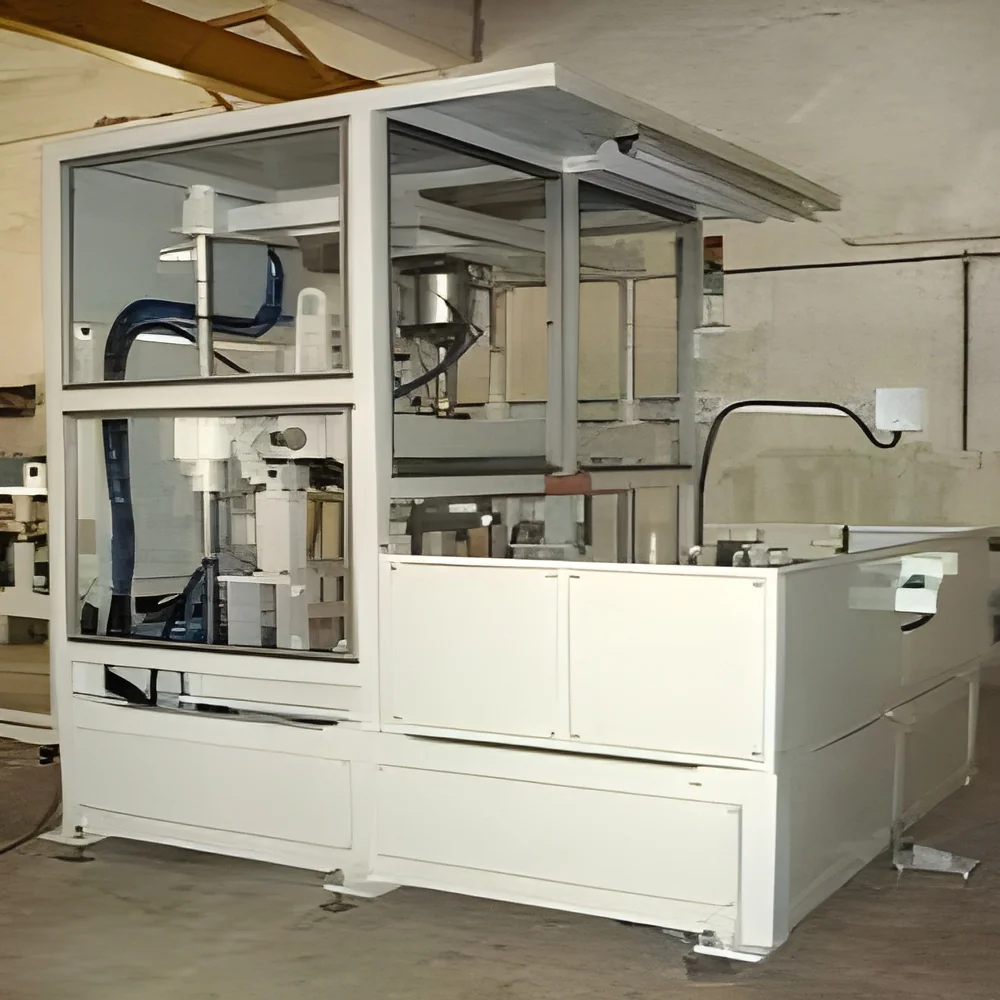
Jig boring machines are precision machining tools designed specifically for creating holes with high accuracy and dimensional tolerances. These machines feature a spindle that can be moved along multiple axes, allowing for detailed and intricate drilling operations. Jig boring is distinct from other boring processes due to its ability to maintain tight tolerances and repeatability, making it essential for applications requiring precision.
The primary uses of jig boring machines include producing holes for components in the aerospace, automotive, and mold-making industries. These machines excel at creating indexable holes, accommodating complex geometries, and ensuring high-quality finishes. Businesses that require precise hole placement and fine detail in their manufacturing processes find jig boring machines indispensable for maintaining quality and efficiency.
In today's competitive market, the relevance of jig boring machines is underscored by the growing demand for precision-engineered components. As industries increasingly prioritize quality and accuracy, jig boring machines have become critical in maintaining competitive advantage. The integration of advanced technology in these machines further enhances their capabilities, appealing to manufacturers looking for efficient and reliable machining solutions.
Key Features and Specifications
Jig boring machines come equipped with unique features that enhance their performance and precision. These features cater to various machining needs and offer reliable operation in demanding environments. The specifications of jig boring machines can vary based on their model and intended use.
Key specifications include:
1. Spindle Speed
- High-speed operation for efficient drilling
- Typical ranges from 100 to 5,000 RPM
2. Table Size
- Large work surface for accommodating various workpieces
- Common dimensions range from 400 mm x 400 mm to 1,200 mm x 800 mm
3. Axis Movement
- Multi-axis capability for complex machining tasks
- Generally features 3 to 5 axes of movement
4. Feed Rate
- Adjustable feed rate for different materials and applications
- Typical ranges from 50 mm/min to 500 mm/min
5. Tool Holder Type
- Compatibility with various tool holders for flexibility
- Often uses standard taper or collet systems
6. Weight
- Sturdy construction for stability during operation
- Machines typically weigh between 500 kg to 5,000 kg
7. Power Consumption
- Efficient energy use for cost-effective operation
- Ranges from 2 kW to 15 kW depending on size and capability
8. Control System
- Advanced CNC controls for precision and automation
- Options for manual or fully automated operation
These specifications collectively ensure that jig boring machines deliver exceptional accuracy and efficiency, making them a crucial asset for precision machining tasks.
Common Applications and Use Cases
Jig boring machines serve various industries, offering precision and reliability in their operations.
1. Aerospace: In the aerospace industry, jig boring machines are used to create precise mounting holes and features on aircraft components, ensuring safety and performance standards are met.
2. Automotive: Automotive manufacturers utilize these machines for producing engine components and transmission parts, where accuracy is critical for functionality and durability.
3. Mold Making: Jig boring machines are essential in mold making, allowing for the creation of intricate mold features and ensuring consistent quality in production.
4. Defense: In defense applications, these machines are employed to manufacture components that require stringent tolerances and reliability, such as weapon systems and aircraft parts.
5. Medical Devices: The medical device industry relies on jig boring machines to produce precise components for surgical instruments and devices used in healthcare.
6. Electronics: In electronics manufacturing, jig boring machines are used to create precise holes for circuit boards and other electronic components, ensuring proper assembly and functionality.
7. Tool and Die Making: Tool and die makers use jig boring machines for creating precise tooling and fixtures, which are critical in the manufacturing process.
Product Variants and Subcategories
Jig boring machines come in various configurations to meet different machining requirements. While specific subcategories may not be available, there are several notable variants.
Heavy-Duty Jig Boring Machines
These machines are designed for high-volume production and can handle larger workpieces. They offer enhanced stability and durability, making them suitable for demanding applications in industries such as aerospace and automotive.
Portable Jig Boring Machines
Portable versions are designed for on-site machining and maintenance tasks. They are lightweight and easy to transport, allowing for precision boring in locations where traditional machines may not be feasible.
CNC Jig Boring Machines
These machines incorporate computer numerical control technology, enabling automated and highly precise boring operations. They are ideal for manufacturers looking to optimize their processes and increase productivity.
Benefits and Advantages
Jig boring machines offer several benefits that enhance manufacturing processes.
1. High Precision: These machines provide exceptional accuracy, ensuring that components meet stringent tolerances and quality standards.
2. Versatility: Jig boring machines can accommodate a wide range of materials and applications, making them suitable for various industries.
3. Increased Efficiency: Their ability to perform complex machining tasks reduces the need for multiple setups, streamlining production processes.
4. Consistency: Jig boring machines deliver consistent results, which is critical for maintaining quality in mass production environments.
5. Reduced Labor Costs: Automation features in CNC jig boring machines can lead to lower labor costs by minimizing the need for manual intervention.
6. Enhanced Quality Control: The precision of jig boring machines helps in achieving higher quality outputs, reducing scrap rates and rework.
Buying Guide for B2B Buyers
When sourcing jig boring machines, it is crucial for B2B buyers to consider several key factors to ensure they make informed decisions.
1. Quality Assessment: Evaluate the quality of the machines by checking for certifications, manufacturer reputation, and user reviews. Quality standards such as ISO certifications can indicate a reliable product.
2. Supplier Verification: Conduct thorough research on potential suppliers. Look for their track record, customer feedback, and compliance with industry standards to ensure trustworthiness.
3. Pricing and MOQ: Understand the pricing structure and any minimum order quantities that suppliers may enforce. Compare prices across different suppliers to secure the best deal.
4. Delivery and Lead Times: Assess the supplier’s ability to meet delivery schedules. Timely delivery is crucial for maintaining production timelines, so confirm lead times before making a decision.
5. Compliance Requirements: Ensure that the machines comply with relevant safety and operational standards, as well as any regional regulations that may affect their use.
Compliance and Certifications
Compliance and certifications play a vital role in ensuring the quality and safety of jig boring machines. Adherence to industry standards such as ISO 9001 demonstrates a commitment to quality management systems. This certification ensures that manufacturers consistently meet customer and regulatory requirements.
Additionally, CE certification indicates that the machines comply with European safety and health directives. This certification is important for buyers in regions where such compliance is mandated.
Safety and testing requirements are critical in the manufacturing process of jig boring machines. Regular testing ensures that machines operate safely and efficiently, minimizing the risk of accidents and defects. Buyers should also consider regional compliance requirements that may vary, ensuring that their chosen machines meet all necessary regulations.
Why Source Jig Boring Machines from Pepagora?
Pepagora provides a trusted platform for sourcing jig boring machines, offering numerous advantages to B2B buyers.
The verified supplier network ensures that buyers have access to reputable manufacturers who meet industry standards. This verification process helps in building trust and guarantees quality products.
The streamlined RFQ process simplifies the purchasing journey. Buyers can easily request quotes from multiple suppliers, facilitating comparison and aiding in decision-making.
Trade assurance and support from Pepagora offer additional buyer protection. This includes assistance with disputes and ensuring that transactions are secure, which is crucial in B2B transactions.
Pepagora’s regional coverage extends to India, the GCC, and Southeast Asia, providing buyers with a diverse range of options and accessibility to suppliers in these regions. This extensive reach enables businesses to find the right jig boring machines to meet their specific needs effectively.



Frequently Asked Questions
What are Jig Boring Machines?
Jig Boring Machines are precision machines used for creating accurate holes in metal and other materials. These machines are equipped with a boring spindle that allows for high precision and repeatability, making them ideal for applications in tool and die making, as well as in the aerospace and automotive industries.
What are the different types of Jig Boring Machines?
There are primarily two types of Jig Boring Machines: horizontal and vertical. Horizontal jig borers are used for larger workpieces, while vertical jig borers are more suited for smaller, intricate parts and provide better visibility for operators.
How do I choose the right Jig Boring Machines?
Selecting the right Jig Boring Machine involves considering factors such as the size and material of the workpieces, the required precision, and the specific applications. Additionally, it's essential to evaluate the machine's features, such as feed rates and spindle speed, to ensure it meets your production needs.
What are the standard specifications for Jig Boring Machines?
Standard specifications for Jig Boring Machines typically include the maximum boring diameter, spindle travel, table size, and motor power. It's also important to consider the machine's accuracy specifications, such as tolerances and repeatability.
What is the price range for Jig Boring Machines?
The price range for Jig Boring Machines can vary widely based on specifications, brand, and features. Generally, prices can start from around INR 5 lakhs and can go up to several crores for high-end models with advanced capabilities.
What quality standards apply to Jig Boring Machines?
Jig Boring Machines are typically manufactured in accordance with various international quality standards, such as ISO 9001. Manufacturers may also adhere to specific industry standards to ensure precision and reliability in their machines.
Where can I find Jig Boring Machines suppliers in India?
You can find Jig Boring Machines suppliers in India through online B2B marketplaces like Pepagora, industry trade shows, and local manufacturing associations. It's advisable to compare multiple suppliers to assess quality, pricing, and customer support.
Can Jig Boring Machines be customized?
Yes, Jig Boring Machines can often be customized to meet specific manufacturing requirements. Customizations may include alterations in size, specifications, and additional features based on the needs of the buyer.
What is the typical minimum order quantity for Jig Boring Machines?
The minimum order quantity (MOQ) for Jig Boring Machines can vary by supplier, but it is typically around 1 to 5 units. Some manufacturers may have no MOQ for standard models, while custom machines may require larger orders.
What is the typical lead time for Jig Boring Machines?
The typical lead time for Jig Boring Machines can range from 4 to 12 weeks, depending on the complexity of the machine and the manufacturer's production schedule. Custom orders may require additional time for design and fabrication.
Why Businesses Trust Pepagora
Thousands of companies trust Pepagora to source smarter and sell faster
Expand Your Sales Globally

Source Smarter,Grow Faster
