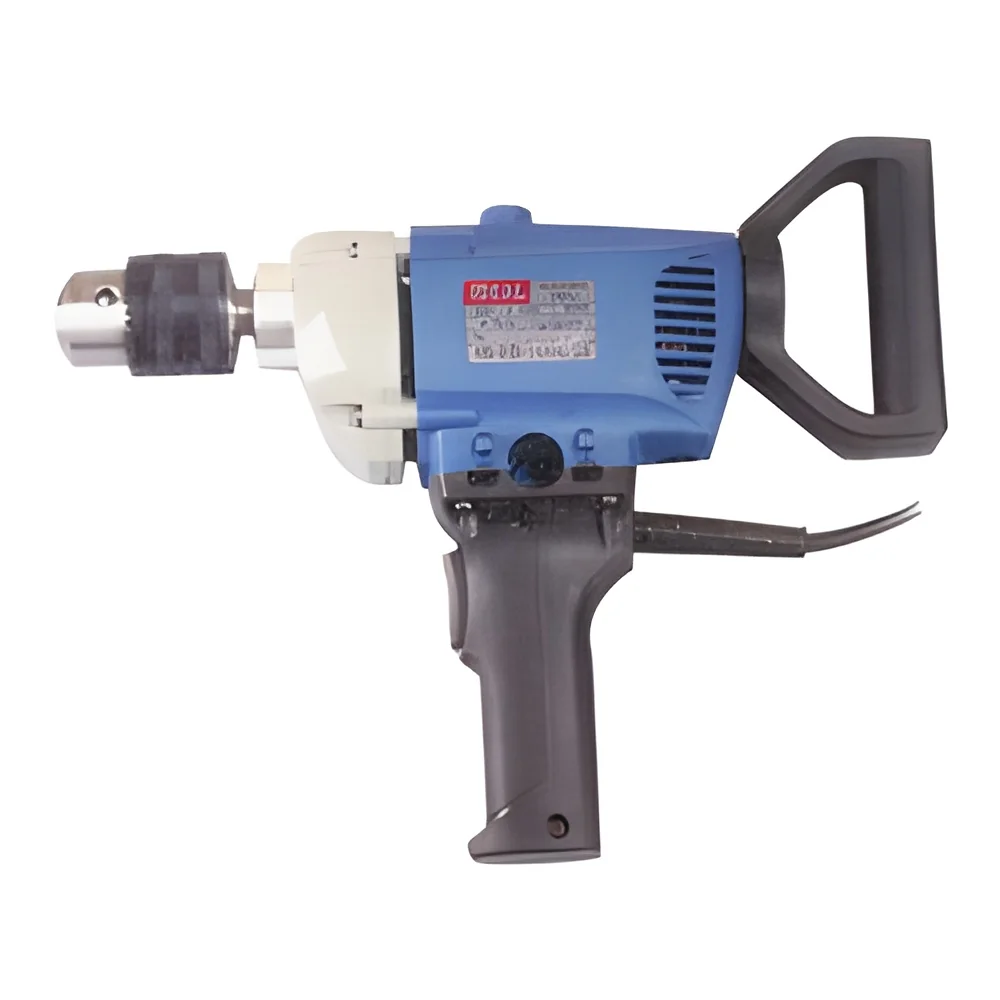
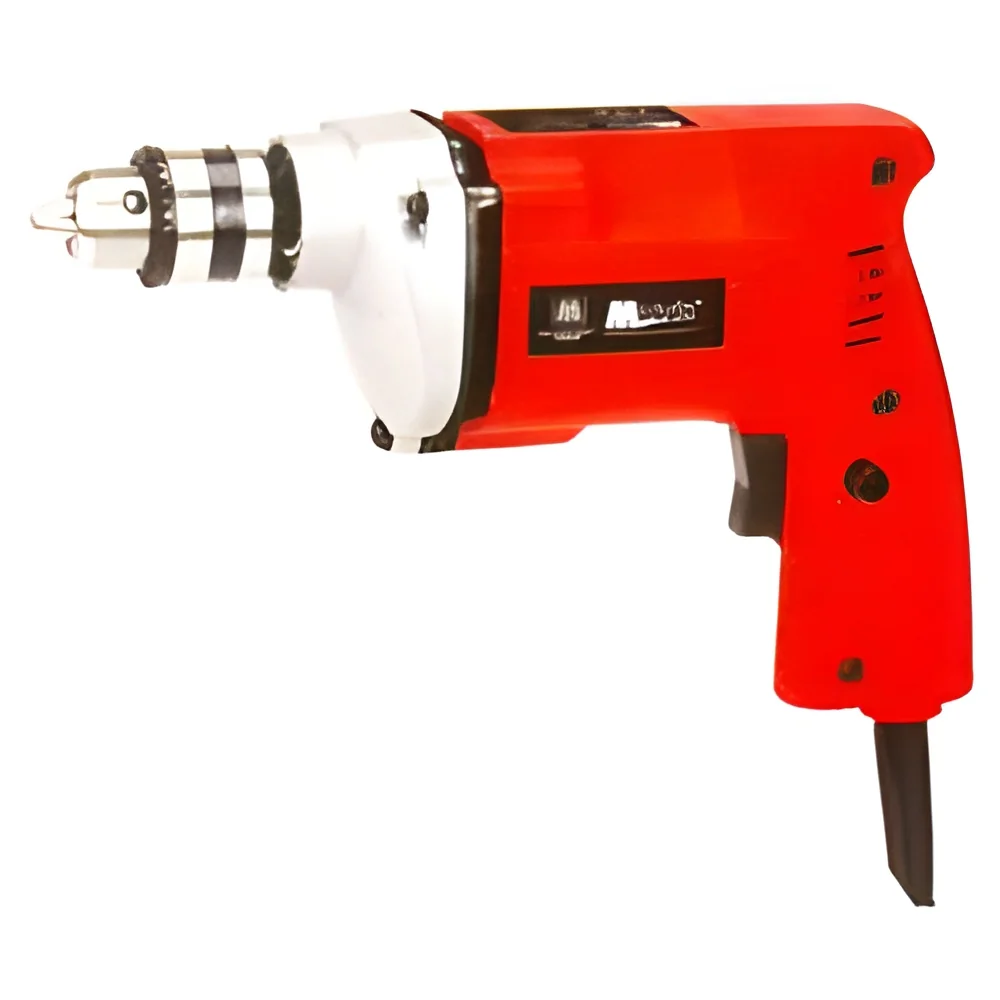
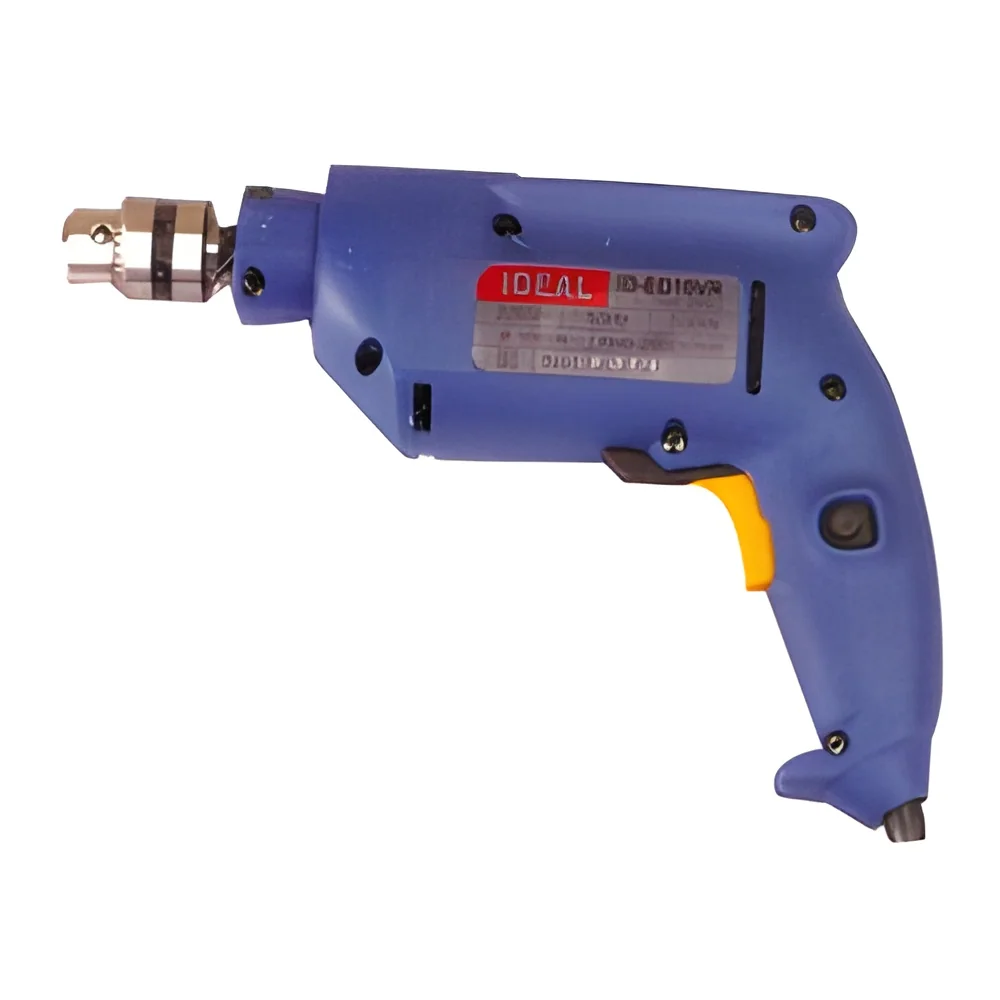
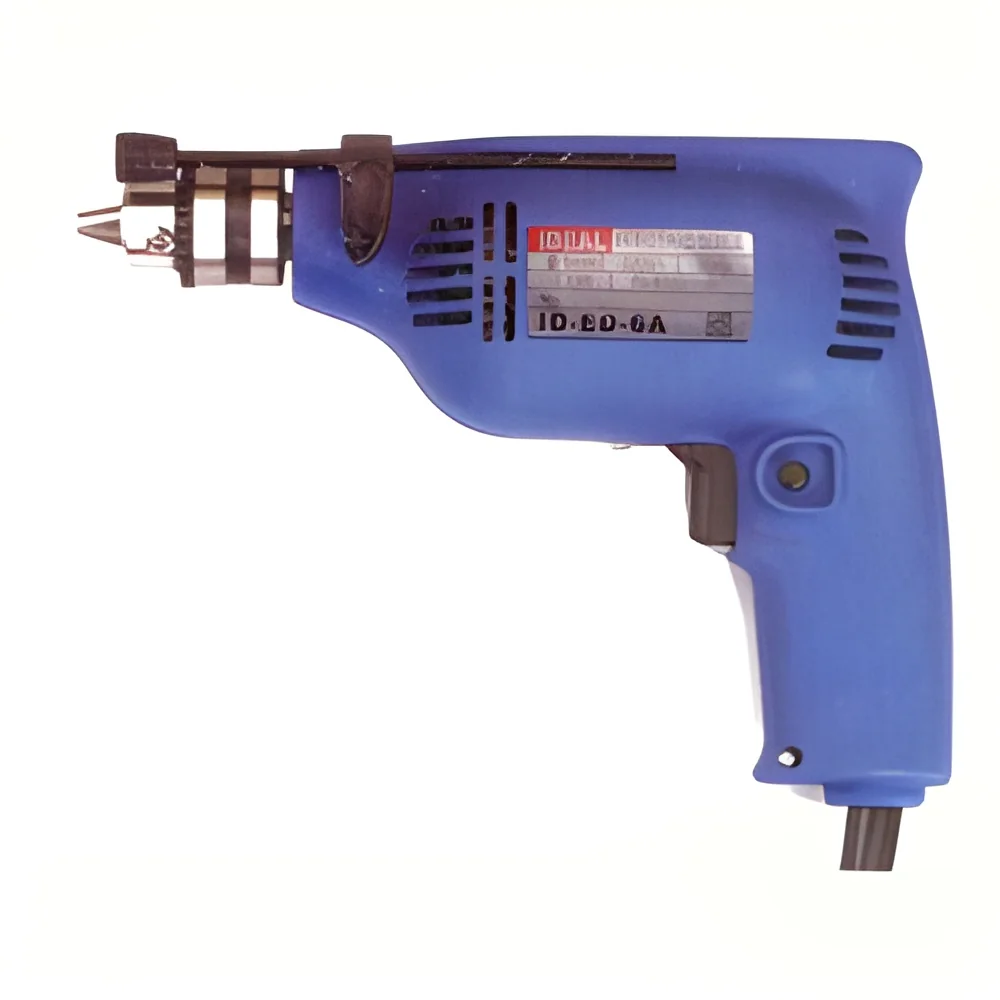
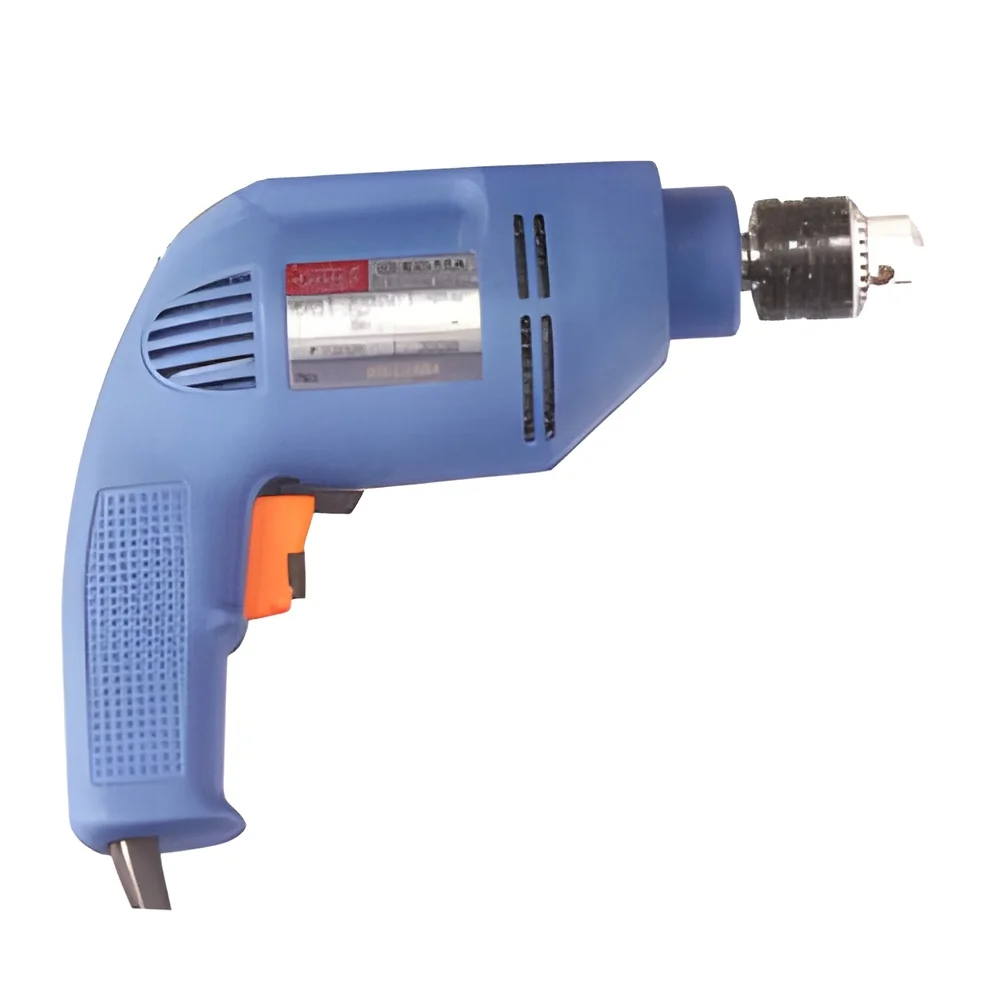
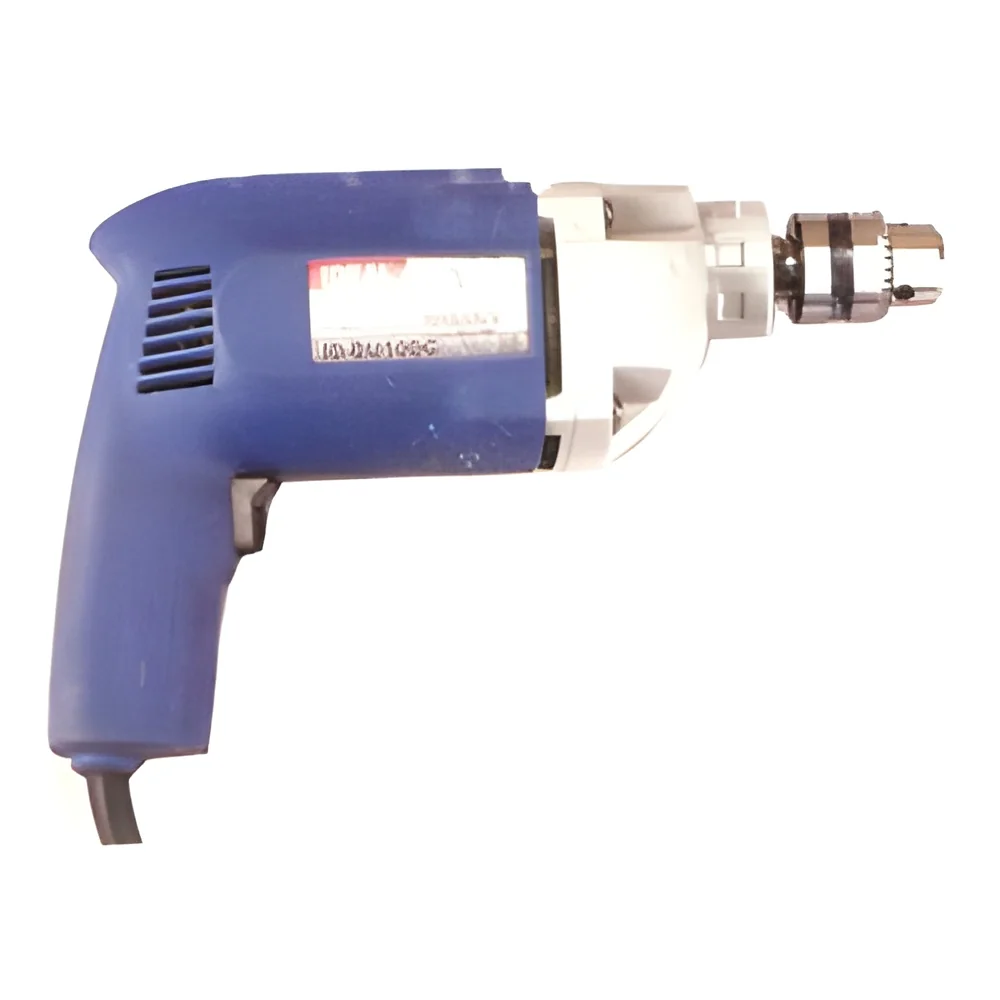
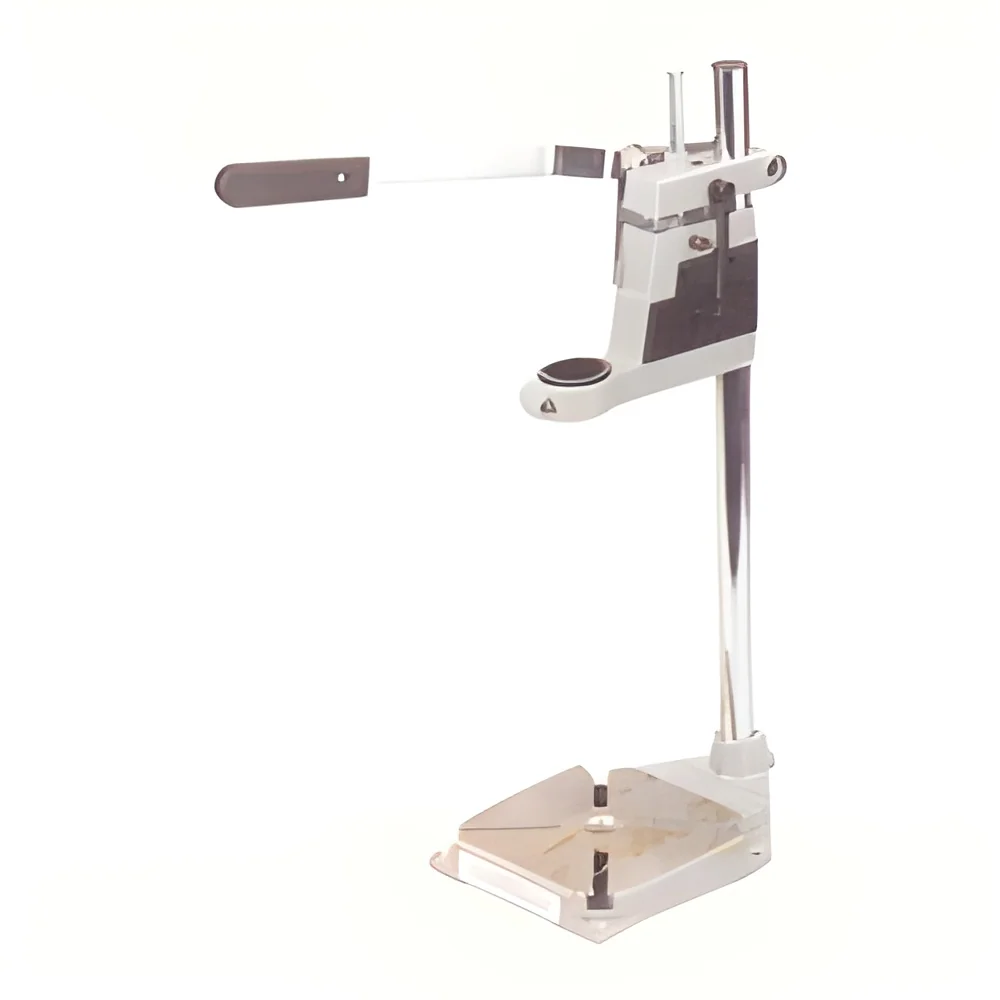
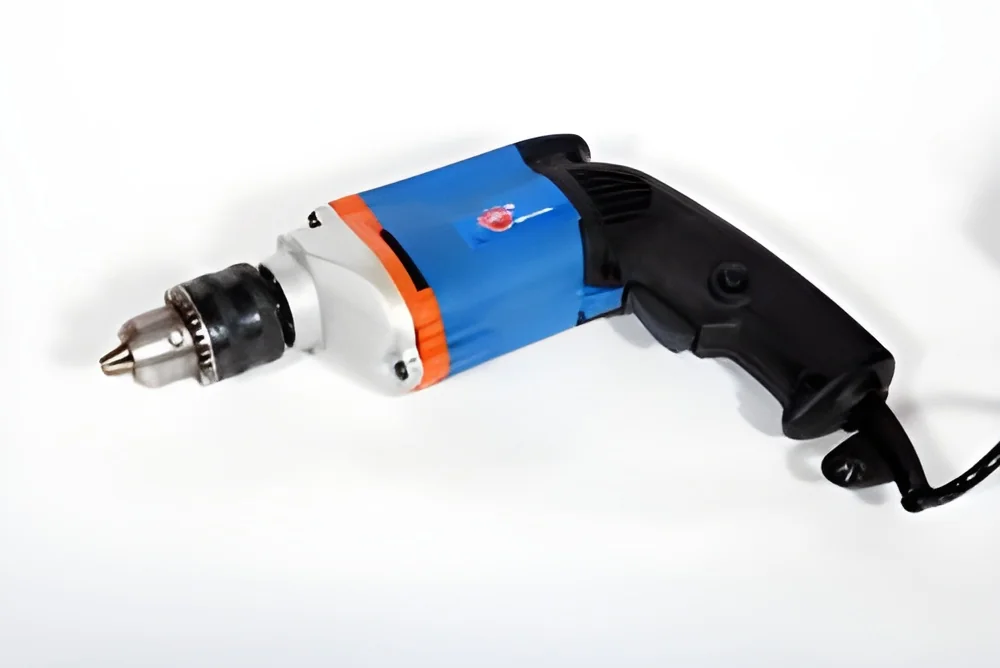
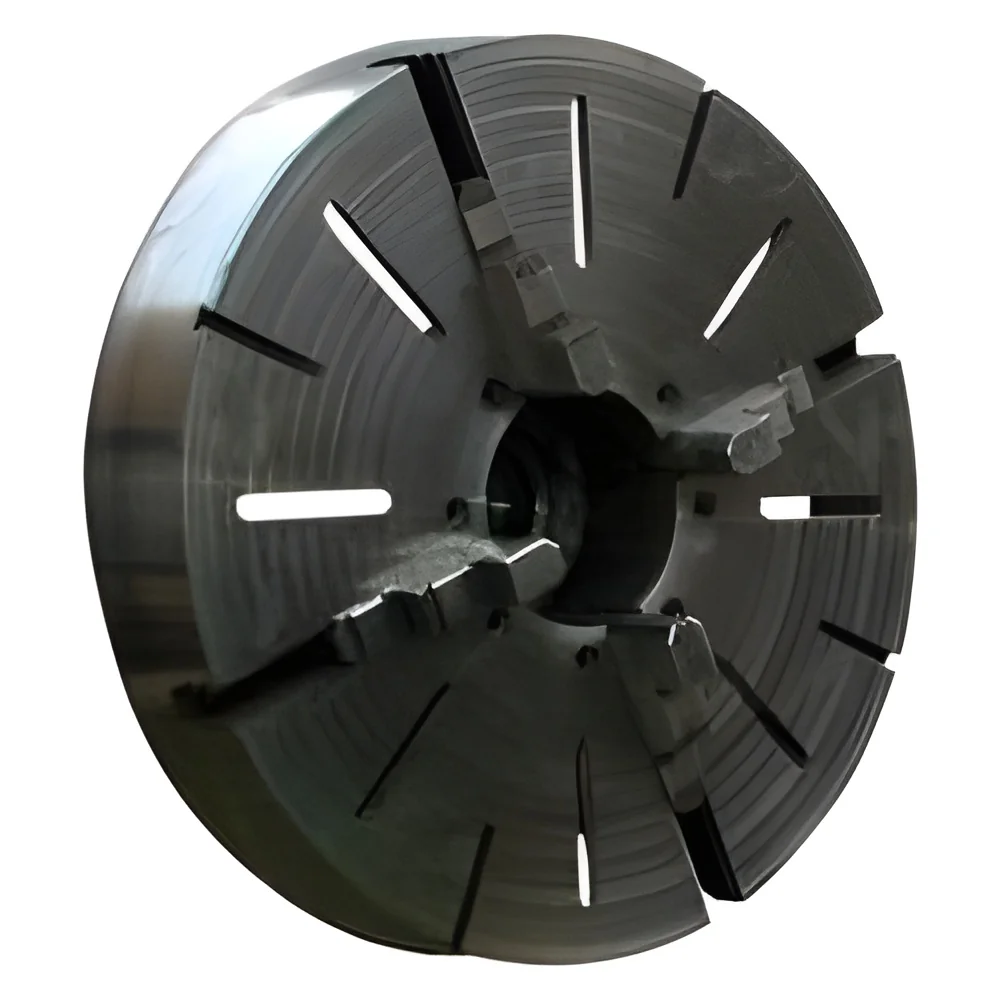
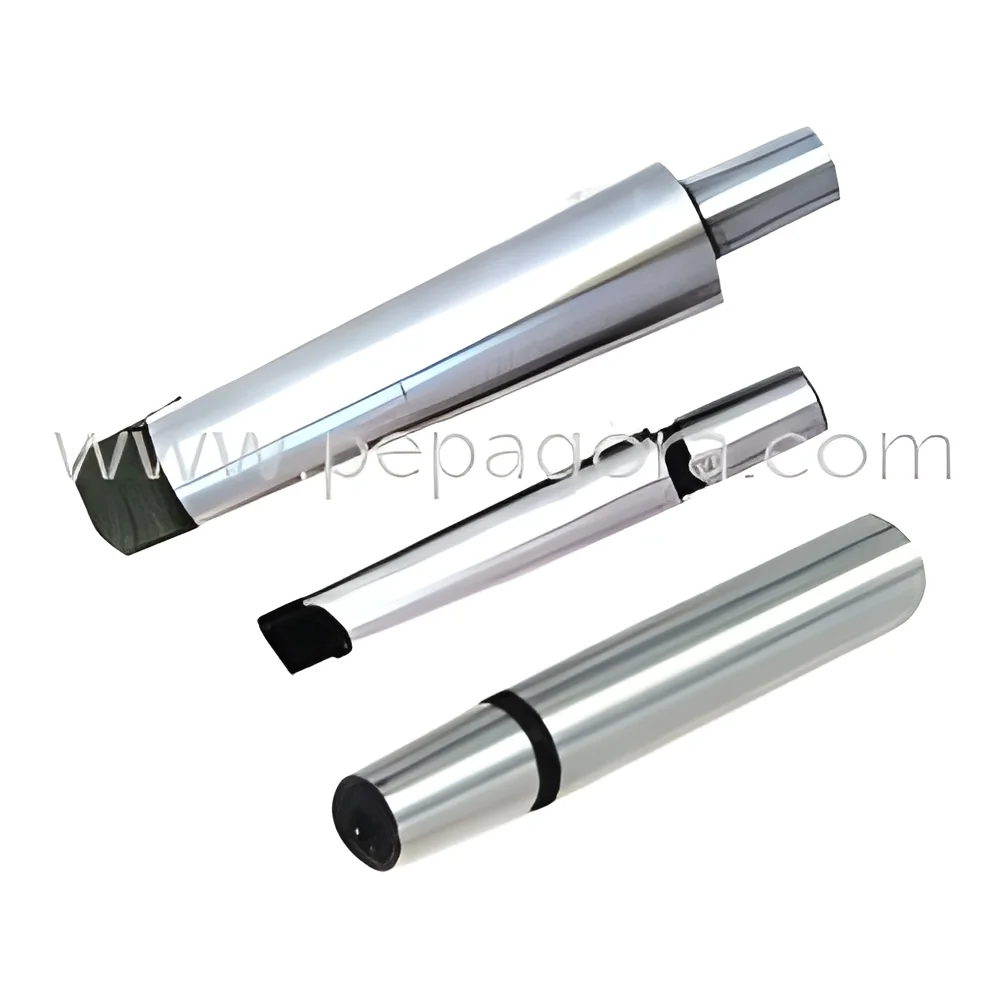
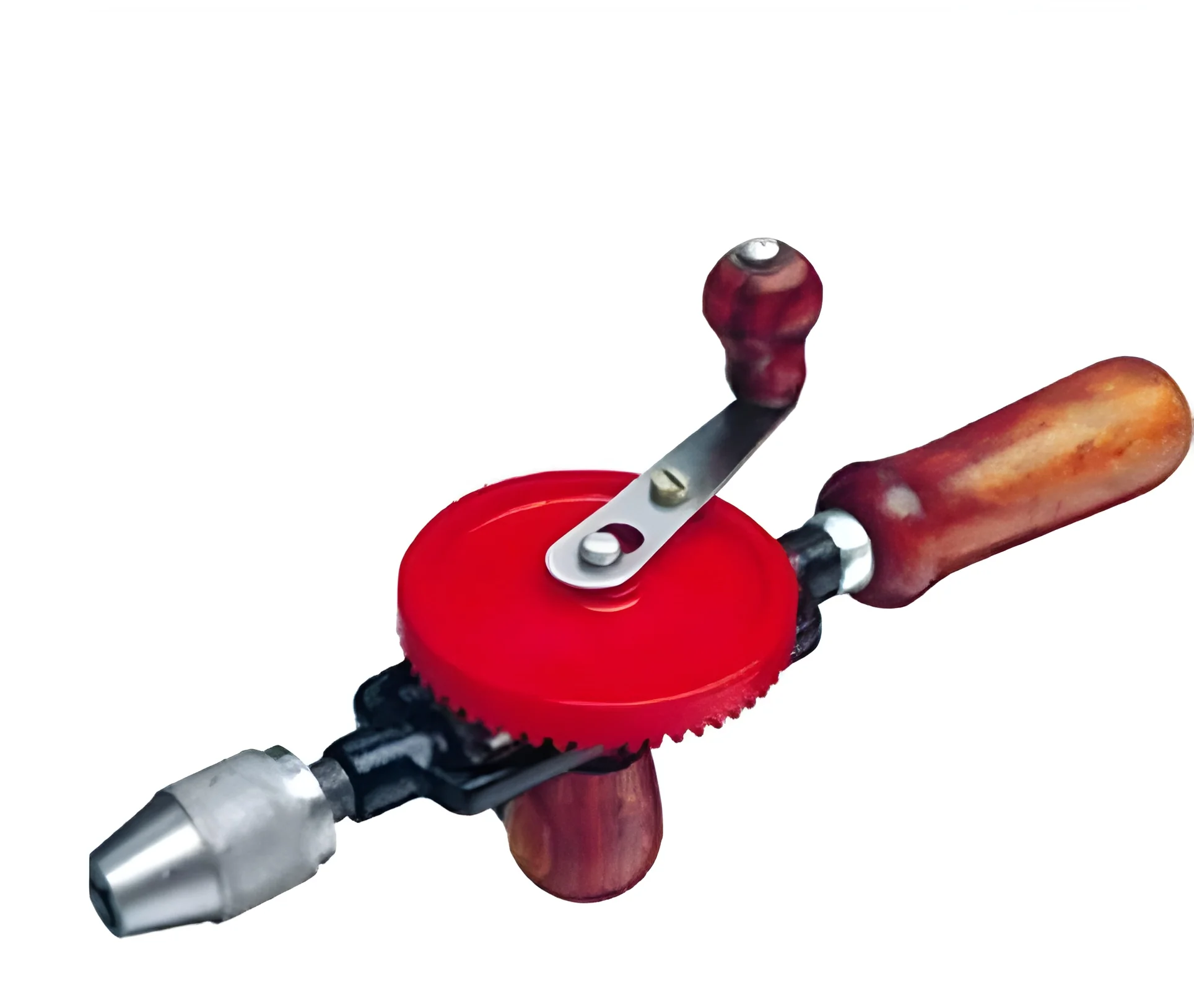
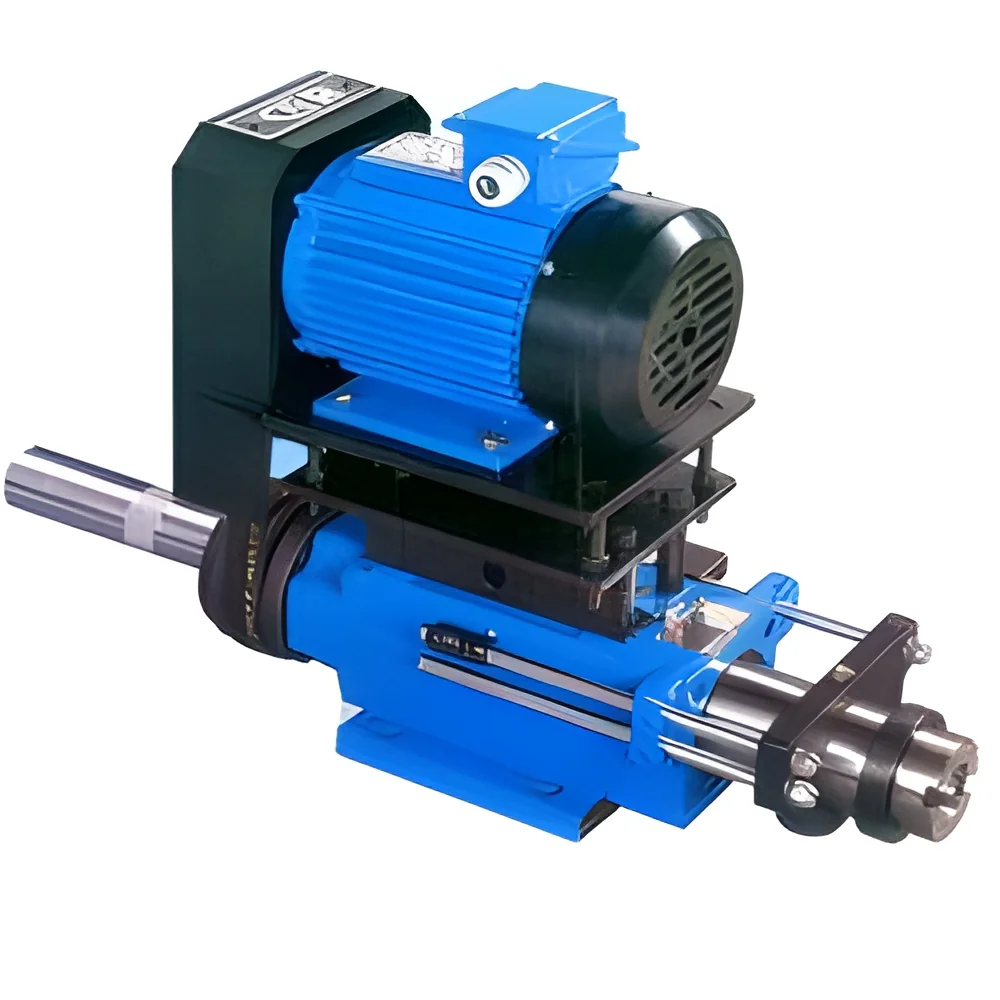
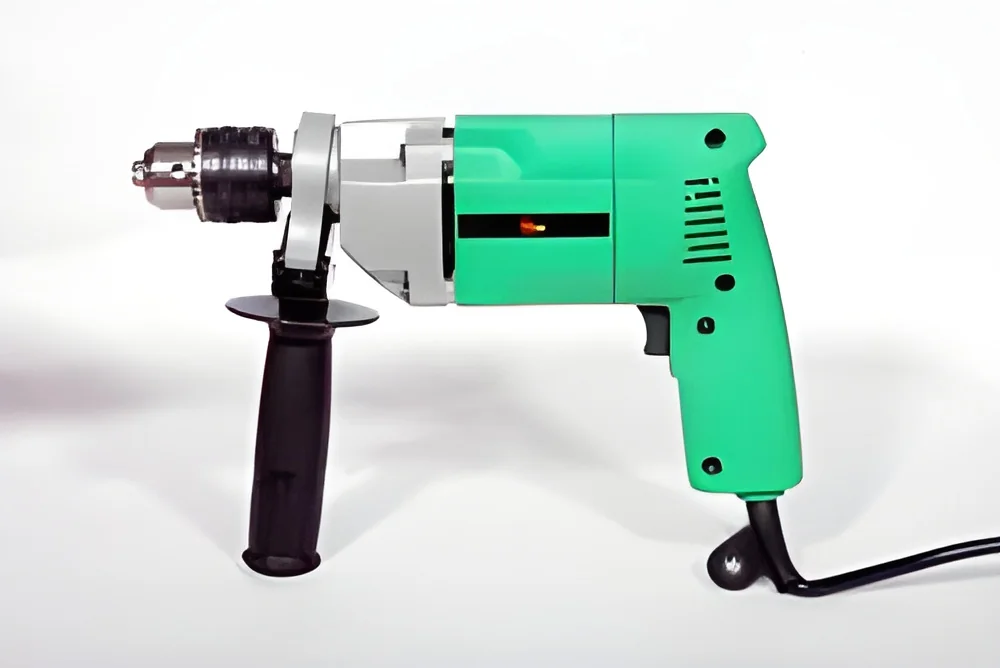
What are Portable Drilling Machines?
Portable drilling machines are versatile tools designed for drilling holes in various materials such as metal, wood, and plastic. These machines are characterized by their compact and lightweight design, making them easy to transport and operate in different settings. Unlike traditional stationary drilling machines, portable models offer flexibility and convenience, allowing operators to perform drilling tasks on-site or in remote locations.
These machines are widely used in construction, manufacturing, and maintenance industries. They are essential for tasks ranging from installing fixtures to repairing machinery. Businesses utilize portable drilling machines for their efficiency, as they can significantly reduce the time and labor required for drilling operations. The growing demand for portable equipment in various sectors highlights their relevance in today’s market, as companies seek to enhance their operational capabilities and reduce costs.
Key Features and Specifications
Portable drilling machines come with a range of features that enhance their functionality and user experience. Understanding these specifications is crucial for businesses looking to invest in the right equipment.
Key specifications include:
1. Power Source
- Electric or battery-operated options are available.
- Voltage ratings typically range from 12V to 240V.
2. Drill Capacity
- Maximum drilling capacity varies by model, commonly between 10mm to 20mm for metal and wood.
3. Speed Settings
- Adjustable speed settings allow for versatility, usually ranging from 500 to 3000 RPM.
4. Weight
- Most portable drilling machines weigh between 2 to 6 kg for easy handling.
5. Chuck Size
- Commonly equipped with keyless chucks ranging from 1/4 inch to 1/2 inch.
6. Battery Life (for cordless models)
- Battery life typically lasts between 1 to 3 hours, depending on usage.
7. Ergonomic Design
- Many models feature ergonomic handles for improved comfort during prolonged use.
8. Safety Features
- Built-in safety features may include overload protection and automatic shutoff.
In summary, choosing the right portable drilling machine involves understanding the specific features and specifications that align with business needs.
Common Applications and Use Cases
Portable drilling machines are integral to various industries, providing solutions for specific tasks.
1. Construction: Portable drilling machines are used for installing anchors, fasteners, and fixtures in diverse construction applications.
2. Manufacturing: In manufacturing settings, these machines assist in assembly lines, enabling quick and accurate drilling of components.
3. Maintenance and Repair: Facilities use portable drills for on-site repairs and maintenance of machinery and equipment, reducing downtime.
4. Automotive: In the automotive industry, portable drilling machines are utilized for bodywork and mechanical installations.
5. Woodworking: Craftsmen and woodworkers rely on portable drills for precise hole drilling in furniture making and carpentry.
6. Electrical Installations: Electricians use portable drills for installing wiring and electrical fixtures in residential and commercial properties.
7. Metalworking: Metalworkers employ portable drilling machines for creating holes in metal parts and assemblies with precision.
Product Variants and Subcategories
There are various portable drilling machine variants available in the market, catering to specific needs.
Cordless Portable Drilling Machines: These models offer the ultimate convenience, allowing users to work without being tethered to a power source. They are ideal for remote job sites and outdoor applications.
Electric Portable Drilling Machines: These machines require a power outlet and deliver consistent performance for heavy-duty tasks. They are commonly used in industrial settings where power access is readily available.
Compact Handheld Drilling Machines: Designed for lighter tasks, these handheld models are perfect for small-scale projects and DIY applications. They provide flexibility and ease of use for various drilling activities.
Battery-Powered Drilling Machines: These machines utilize rechargeable batteries, providing mobility and efficiency for various applications. They are suitable for both professional and home use.
Benefits and Advantages
Investing in portable drilling machines offers numerous benefits for businesses.
1. Increased Mobility: Their lightweight and compact design allow for easy transportation and use in various locations.
2. Versatility: Portable drills can handle a wide range of materials and tasks, making them suitable for different industries.
3. Time Efficiency: These machines enable quick setup and operation, reducing the time taken for drilling tasks.
4. Cost-Effectiveness: Portable drilling machines can lower labor costs by enabling faster completion of projects.
5. User-Friendly: Many models are designed with intuitive controls and ergonomic features, making them accessible for users of all skill levels.
6. Enhanced Safety: Built-in safety features help prevent accidents, ensuring safer operation for users.
Buying Guide for B2B Buyers
When sourcing portable drilling machines, businesses should consider several key factors to ensure they make informed decisions.
1. Quality Assessment: Evaluate the build quality and durability of the machines to ensure they can withstand rigorous use. Look for reputable brands with positive reviews.
2. Supplier Verification: Vet suppliers thoroughly to ensure they are reliable and offer quality products. Check for certifications and customer feedback.
3. Pricing and MOQ: Compare prices among different suppliers while considering the minimum order quantity (MOQ) that fits your business needs.
4. Delivery and Lead Times: Discuss logistical arrangements, including delivery times and shipping options, to avoid delays in project timelines.
5. Compliance Requirements: Ensure that the machines meet any industry-specific compliance and safety standards to avoid regulatory issues.
Compliance and Certifications
Compliance and certifications play a crucial role in the quality assurance of portable drilling machines. Many manufacturers adhere to international quality standards, such as ISO 9001, which ensures that products meet consistent quality management practices.
Additionally, certifications like CE signify that products comply with European health, safety, and environmental protection standards. This is essential for businesses operating within regulated markets.
Safety and testing requirements are also critical. Manufacturers should ensure their products undergo rigorous testing to meet safety standards, minimizing risks associated with operation.
Regional compliance considerations may vary, so it is important for businesses to understand local regulations regarding equipment use to ensure compliance with industry standards.
Why Source Portable Drilling Machines from Pepagora?
Pepagora provides a trusted platform for sourcing portable drilling machines, offering several advantages for B2B buyers.
Verified Supplier Network: Pepagora connects buyers with a network of verified suppliers, ensuring that businesses source high-quality machines from reputable manufacturers.
Streamlined RFQ Process: The request for quotation (RFQ) process is designed for efficiency, allowing businesses to quickly obtain competitive pricing and product details from multiple suppliers.
Trade Assurance and Support: Pepagora offers trade assurance, providing buyers with additional protection and support throughout the purchasing process, which enhances buyer confidence.
Regional Coverage: With a strong presence in India, the GCC, and Southeast Asia, Pepagora caters to a broad market, making it easier for businesses to access portable drilling machines tailored to their needs.
By choosing Pepagora, businesses can ensure they are making informed purchasing decisions backed by a reliable sourcing platform.

 IN
IN