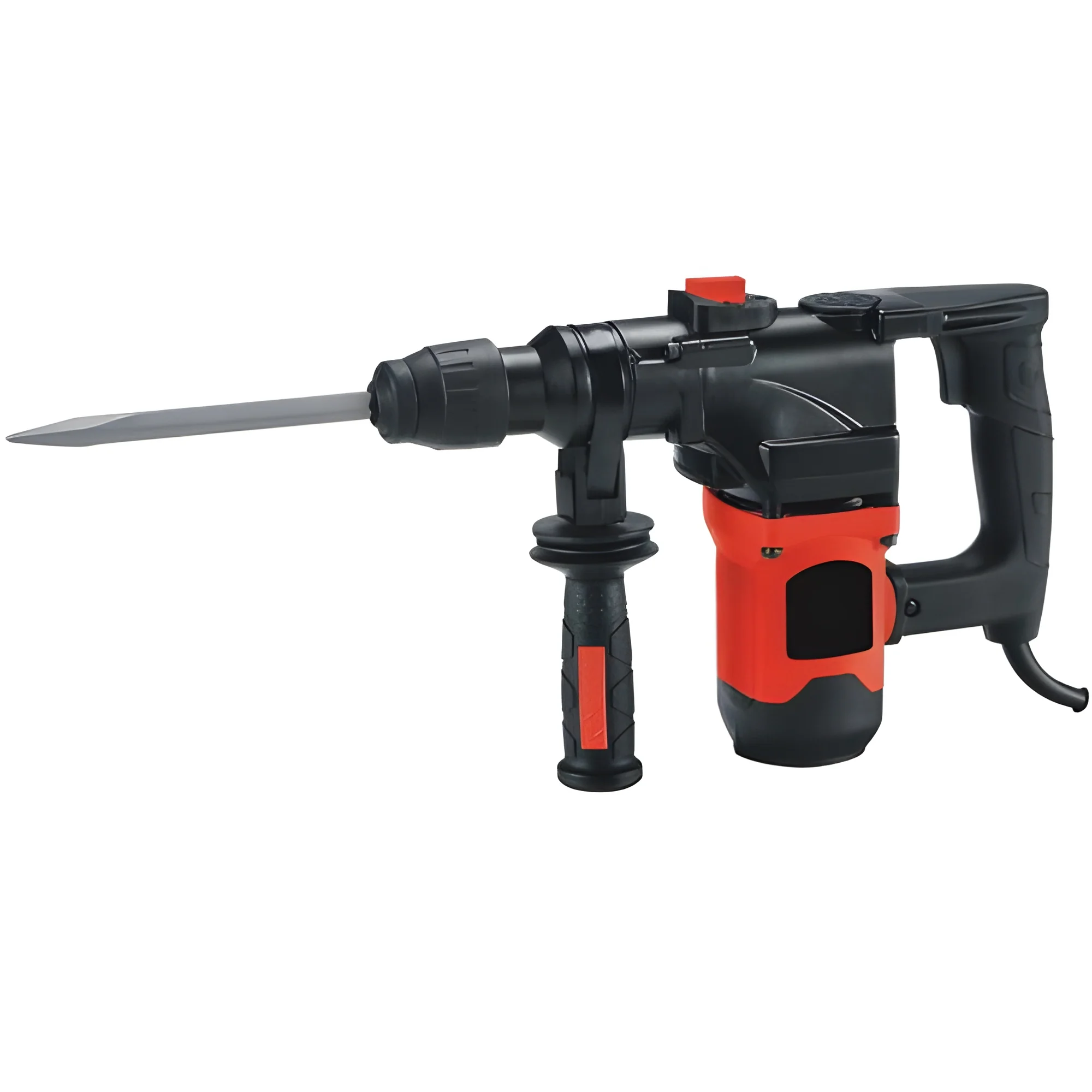
What are Rotary Hammers?
Rotary hammers are powerful tools designed for heavy-duty drilling and chiseling applications. Unlike standard drills, they utilize a unique mechanism that combines rotational motion with a hammering action. This dual-action allows them to penetrate tough materials such as concrete, brick, and masonry with ease. Rotary hammers are commonly equipped with different modes, enabling users to switch between drilling and hammering functions as needed.
These tools are primarily used in construction, renovation, and maintenance projects. They are essential for tasks such as drilling anchor holes, breaking up concrete, and chiseling out old mortar. Businesses in the construction, engineering, and maintenance sectors particularly rely on rotary hammers for their efficiency and effectiveness in handling tough materials. As the demand for durable and reliable power tools continues to grow, rotary hammers are becoming increasingly relevant in various industries.
Key Features and Specifications
Rotary hammers come with several key features that enhance their performance and usability. Understanding these specifications helps businesses select the right tool for their needs.
Key specifications include:
1. Power Rating
- Typically measured in watts or amps.
- Common ranges are from 500 watts to over 1500 watts.
2. Impact Energy
- Measured in joules (J) or foot-pounds (ft-lb).
- Ranges from 1.5 J to 10 J, depending on the model.
3. Weight
- Influences portability and ease of use.
- Usually between 3 kg to 8 kg.
4. Chuck Type
- Determines compatibility with drill bits.
- Options include SDS-plus and SDS-max.
5. Speed Settings
- Adjustable speeds for different materials.
- Often ranges from 0 to 1000 RPM.
6. Vibration Control
- Reduces user fatigue during extended use.
- Many models include ergonomic designs to minimize vibrations.
7. Dust Protection
- Features to prevent dust ingress.
- Commonly includes dust seals and filters.
8. Safety Features
- Includes overload protection and safety clutches.
- Essential for ensuring user safety during operation.
These specifications are critical for ensuring that businesses select rotary hammers that meet their specific operational requirements.
Common Applications and Use Cases
Rotary hammers are versatile tools that serve various industries effectively.
1. Construction: They are essential for creating anchor holes in concrete and masonry, facilitating the installation of fixtures and reinforcements.
2. Renovation: Professionals use rotary hammers to break up old concrete floors, remove tiles, and assist in demolition projects.
3. Electrical: Electricians often need to drill into concrete walls to install conduit and junction boxes, making rotary hammers indispensable.
4. Plumbing: Plumbers use these tools to break through concrete for pipe installations, repairs, and adjustments.
5. Roadwork: In road construction, rotary hammers are used for breaking up asphalt and concrete for repairs and new installations.
6. Landscaping: Landscape professionals may use rotary hammers to install posts or fences into hard ground.
7. Manufacturing: In manufacturing settings, these tools can assist in maintenance tasks involving concrete and masonry structures.
Product Variants and Subcategories
Rotary hammers come in various configurations, catering to different user needs and applications.
SDS-plus Rotary Hammers: These are lightweight and designed for medium-duty tasks. They are ideal for drilling in concrete and masonry, offering excellent performance for tasks like installing fixtures.
SDS-max Rotary Hammers: These models are heavier and suited for heavy-duty applications. They provide increased impact energy, making them suitable for breaking up large concrete structures and extensive demolition work.
Combination Rotary Hammers: These versatile tools can switch between rotary drilling and chiseling modes. They are particularly useful for contractors who require flexibility in their applications.
Benefits and Advantages
Investing in rotary hammers offers numerous advantages for businesses.
1. Efficiency: Rotary hammers significantly reduce drilling and chiseling time, increasing productivity on job sites.
2. Versatility: They can handle various materials, including concrete, brick, and masonry, making them suitable for multiple applications.
3. Durability: Built to withstand heavy use, rotary hammers are designed for longevity, reducing replacement costs.
4. User Comfort: Many models feature ergonomic designs and vibration control systems that enhance user comfort during prolonged use.
5. Precision: The ability to adjust speed and impact settings allows for precise control, enabling cleaner results in various tasks.
6. Safety Features: Modern rotary hammers come equipped with safety mechanisms that protect users from overload and minimize the risk of accidents.
Buying Guide for B2B Buyers
When sourcing rotary hammers, businesses should consider several critical factors to ensure they make informed purchasing decisions.
1. Quality Assessment: Evaluate the quality of the rotary hammers by looking for established brands with a reputation for durability and performance.
2. Supplier Verification: Vet suppliers thoroughly by checking their credentials, customer reviews, and certifications to ensure reliability.
3. Pricing and MOQ: Understand the pricing structure and minimum order quantities (MOQ) to align with budget constraints and project timelines.
4. Delivery and Lead Times: Inquire about logistics, including shipping options and expected lead times to ensure timely project completion.
5. Compliance Requirements: Be aware of any local regulations or industry standards that the rotary hammers must meet, such as safety and environmental compliance.
Compliance and Certifications
Compliance with industry standards is crucial for ensuring the safety and reliability of rotary hammers. Relevant quality standards such as ISO 9001 help maintain manufacturing quality, ensuring products meet international requirements.
Industry certifications, such as CE marking, indicate that the tools comply with European safety standards. This is particularly important for products sold in European markets.
Safety and testing requirements also play a significant role in the manufacturing process. Rotary hammers must undergo rigorous testing to ensure they meet performance and safety benchmarks.
In addition, regional compliance considerations may vary, so businesses should be aware of specific regulations in their operating areas to avoid legal issues.
Why Source Rotary Hammers from Pepagora?
Pepagora provides a trusted platform for sourcing rotary hammers, offering numerous advantages for B2B buyers.
Verified Supplier Network: Pepagora partners with reputable suppliers, ensuring that businesses access high-quality products backed by reliable manufacturers. This verification process helps mitigate risks associated with sourcing.
Streamlined RFQ Process: The platform features a simplified Request for Quotation (RFQ) system, allowing buyers to efficiently compare offers from multiple suppliers. This process saves time and enhances the purchasing experience.
Trade Assurance and Support: Buyers benefit from trade assurance features that protect their purchases and provide support throughout the sourcing process. This assurance builds confidence in transactions.
Regional Coverage: Pepagora's services extend across India, the GCC, and Southeast Asia, ensuring that businesses can find rotary hammers tailored to their specific regional needs. This extensive coverage makes it easier for companies to source locally while accessing a wide range of products.

 IN
IN