What are High-Speed Precision Drills?
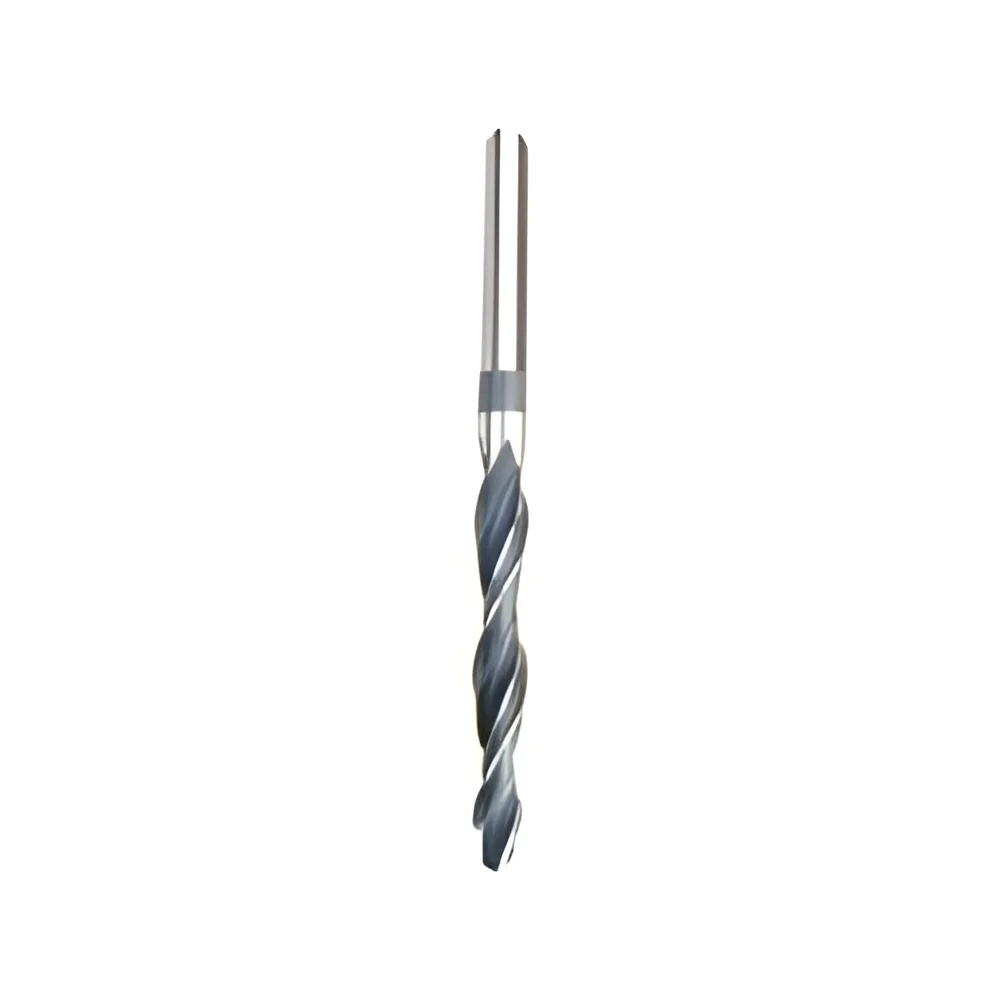
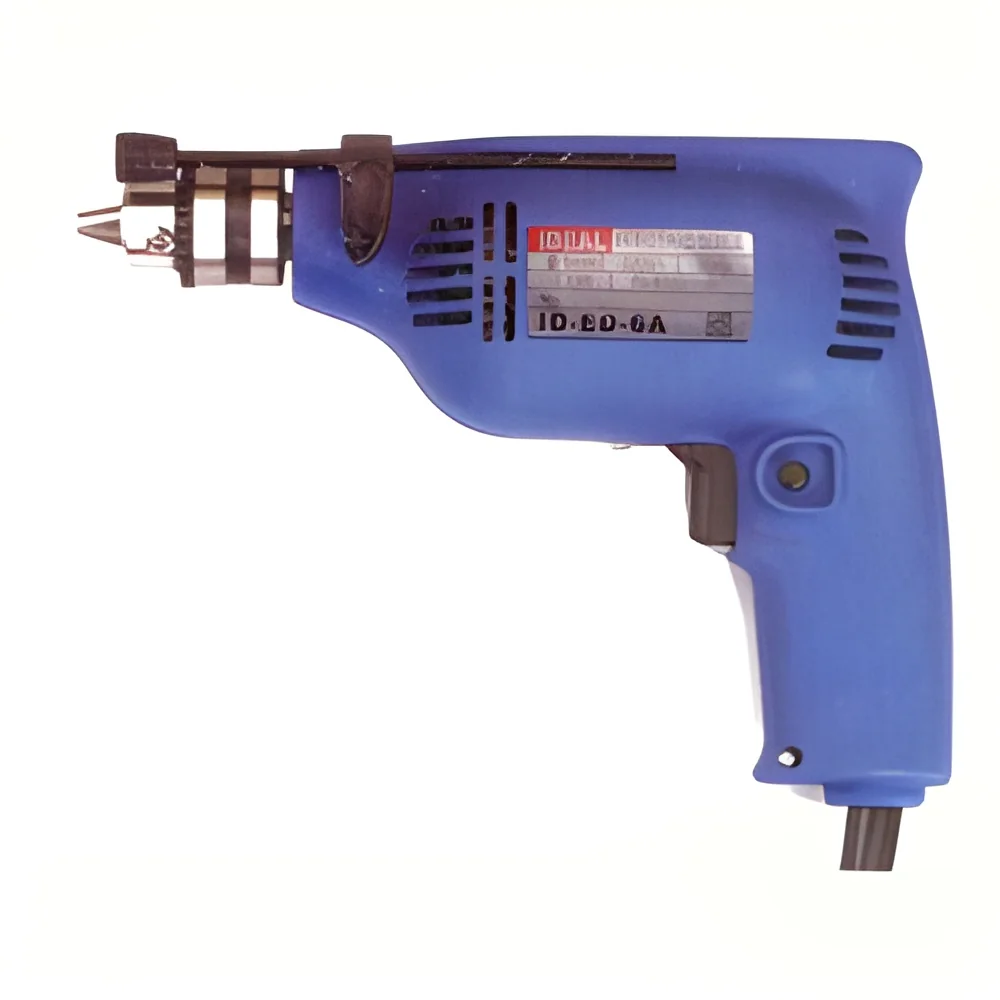
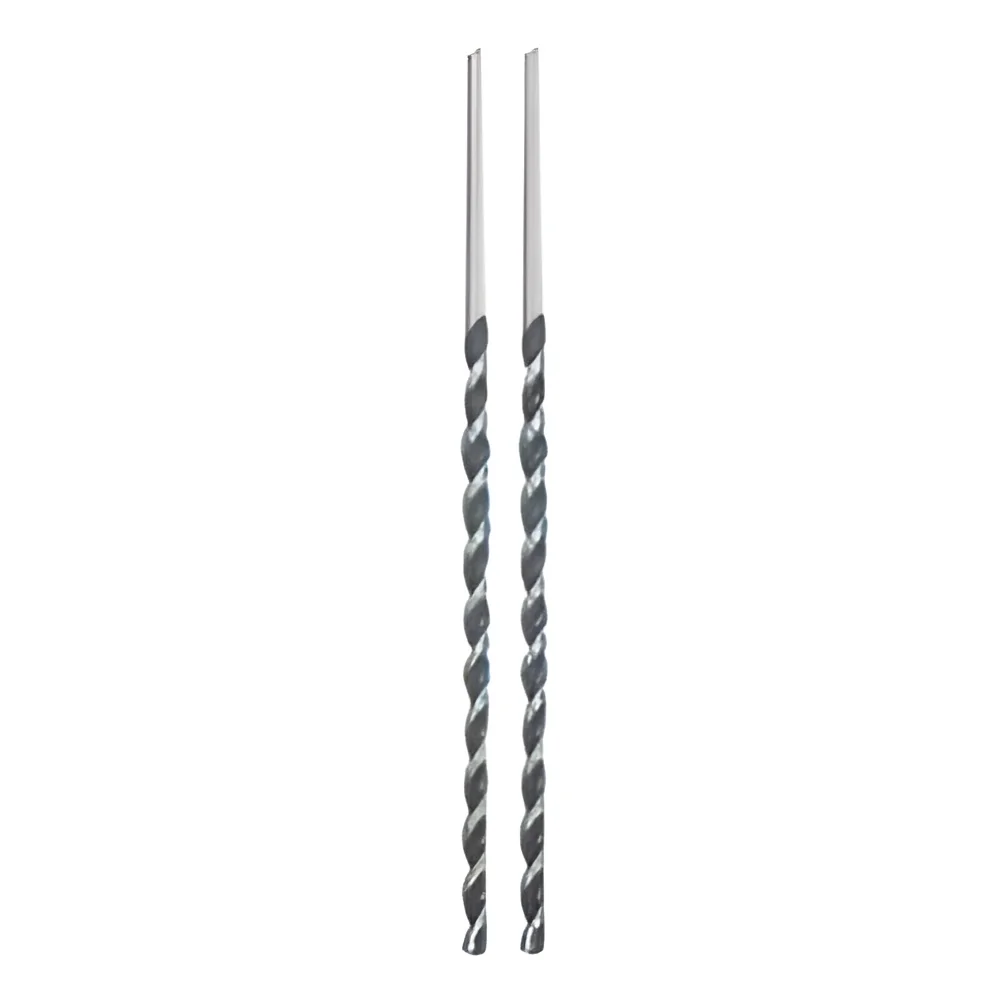
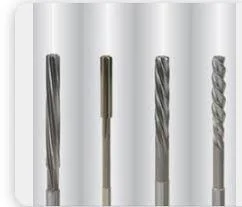
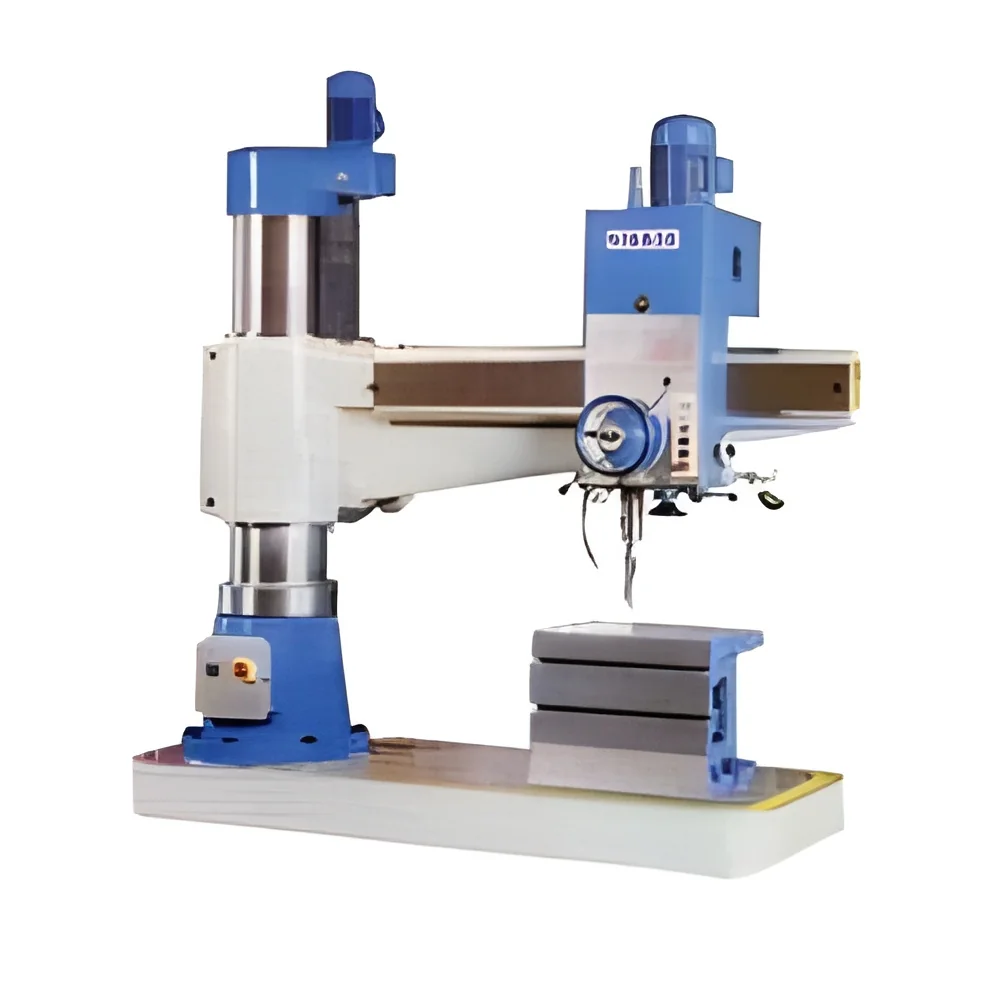
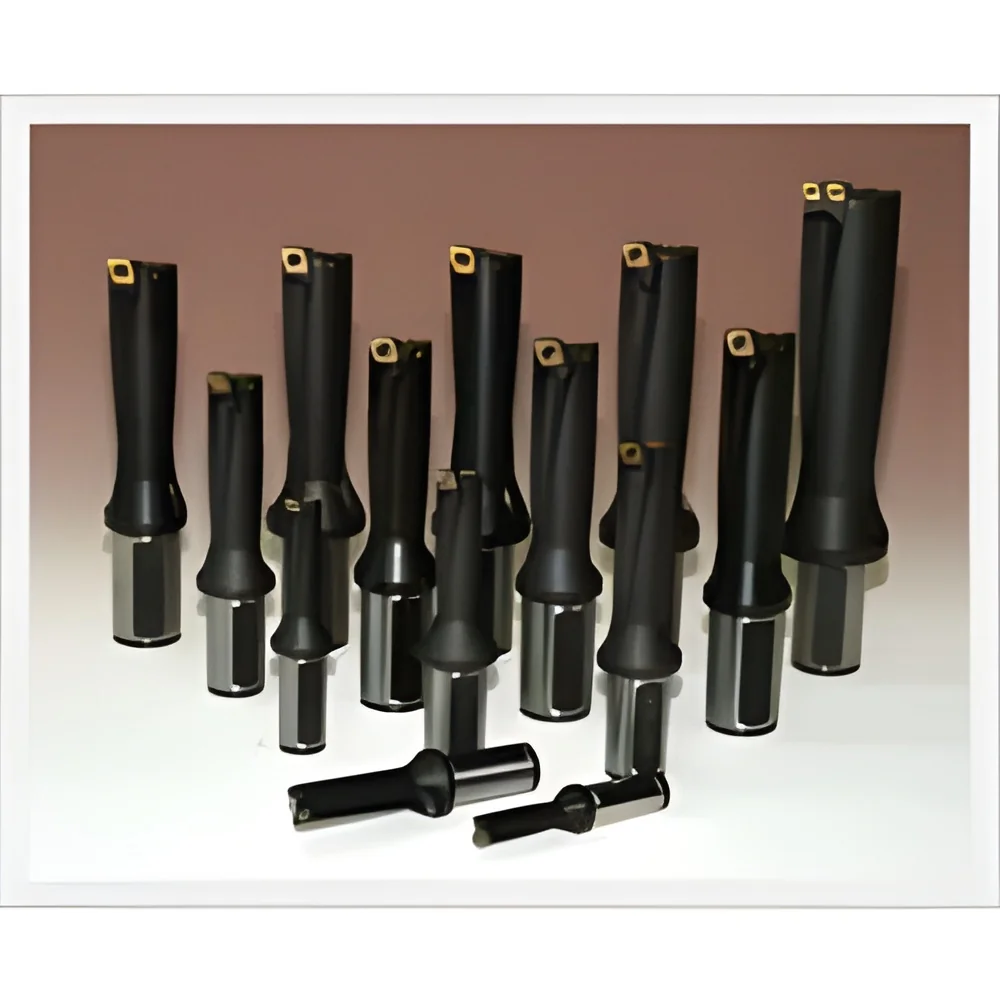
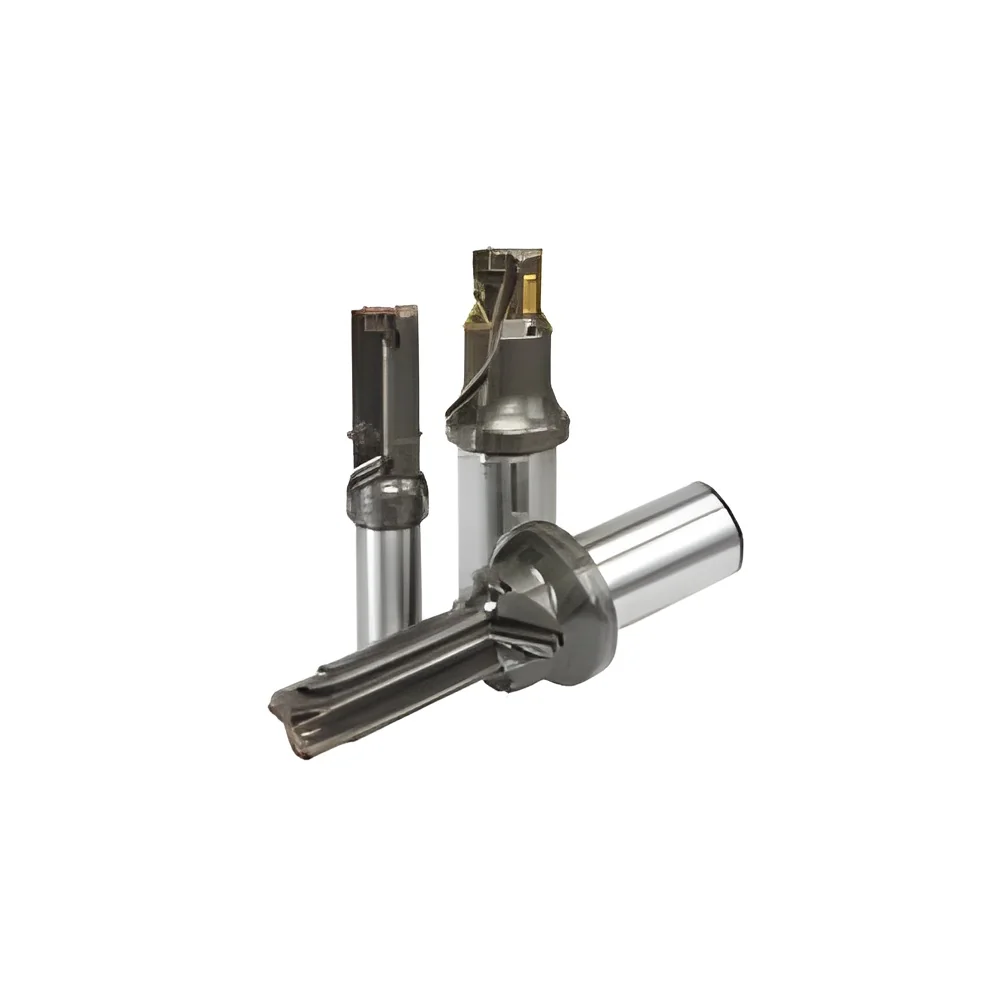
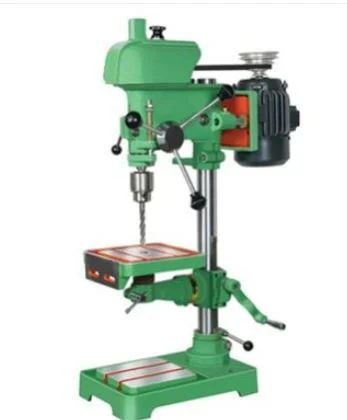
High-Speed Precision Drills are specialized tools designed for drilling operations that require high speeds and accuracy. These drills utilize advanced technology to achieve superior cutting performance, making them ideal for various materials including metals, plastics, and composites. By operating at higher RPMs compared to traditional drills, they enhance productivity and reduce the time required for drilling tasks.
These drills find extensive application in industries such as manufacturing, aerospace, automotive, and electronics. In manufacturing, they are used for producing precision components, while in aerospace and automotive industries, they help in the assembly of complex parts. The demand for such drills is growing as businesses strive for greater efficiency and precision in their operations, positioning high-speed precision drills as a vital tool in the modern industrial landscape.
Key Features and Specifications
High-Speed Precision Drills come equipped with several features that optimize their performance. Understanding these specifications helps businesses choose the right drill for their applications.
Key specifications include:
1. RPM Range
- Typically operates at speeds between 10,000 to 100,000 RPM.
- Allows for rapid drilling and enhanced material removal rates.
2. Drill Bit Material
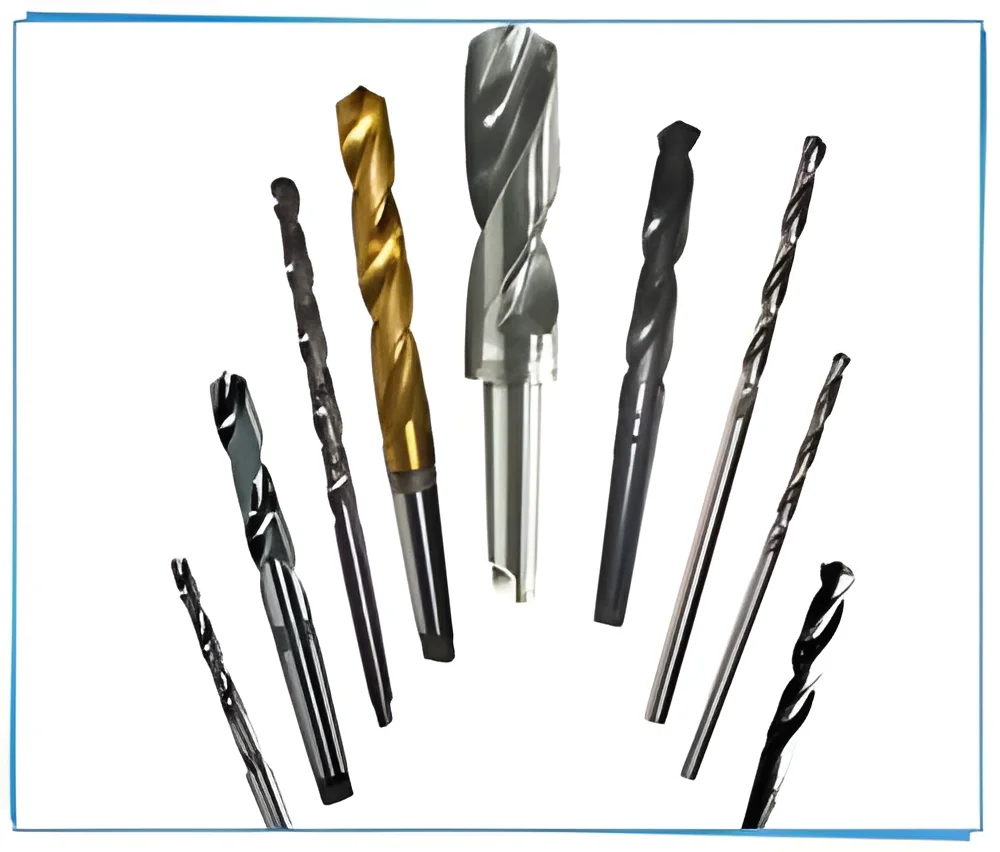
- Often made from high-speed steel (HSS) or carbide.
- Provides durability and resistance to wear during prolonged use.
3. Shank Size
- Common sizes include 1/8 inch to 1/2 inch.
- Ensures compatibility with various drill chucks.
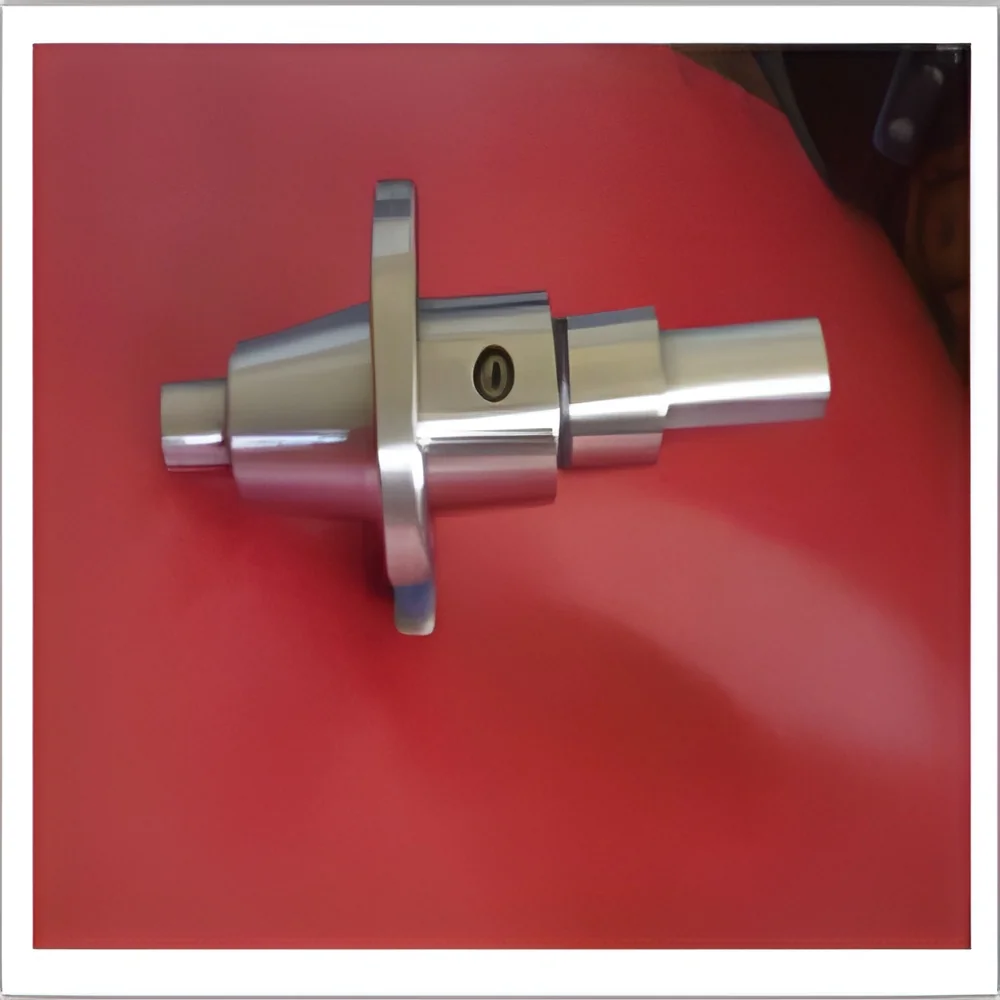
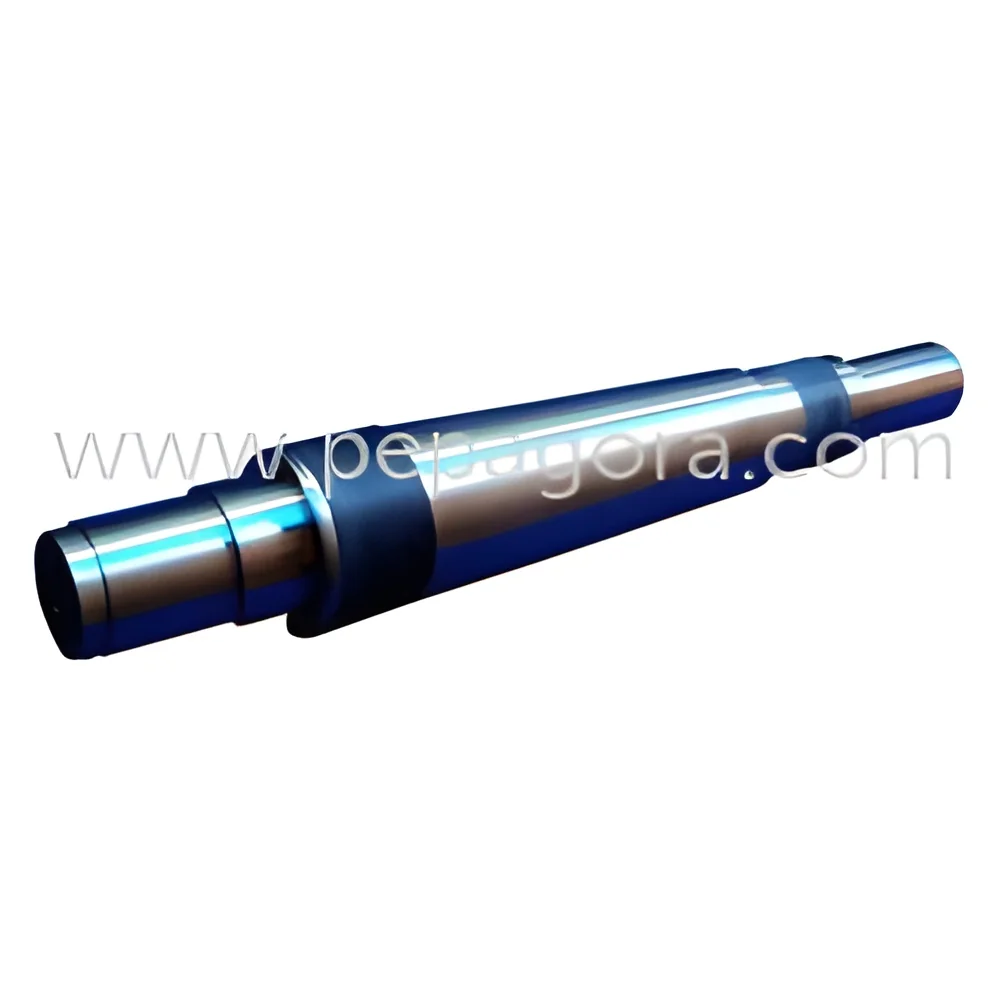
4. Taper Type
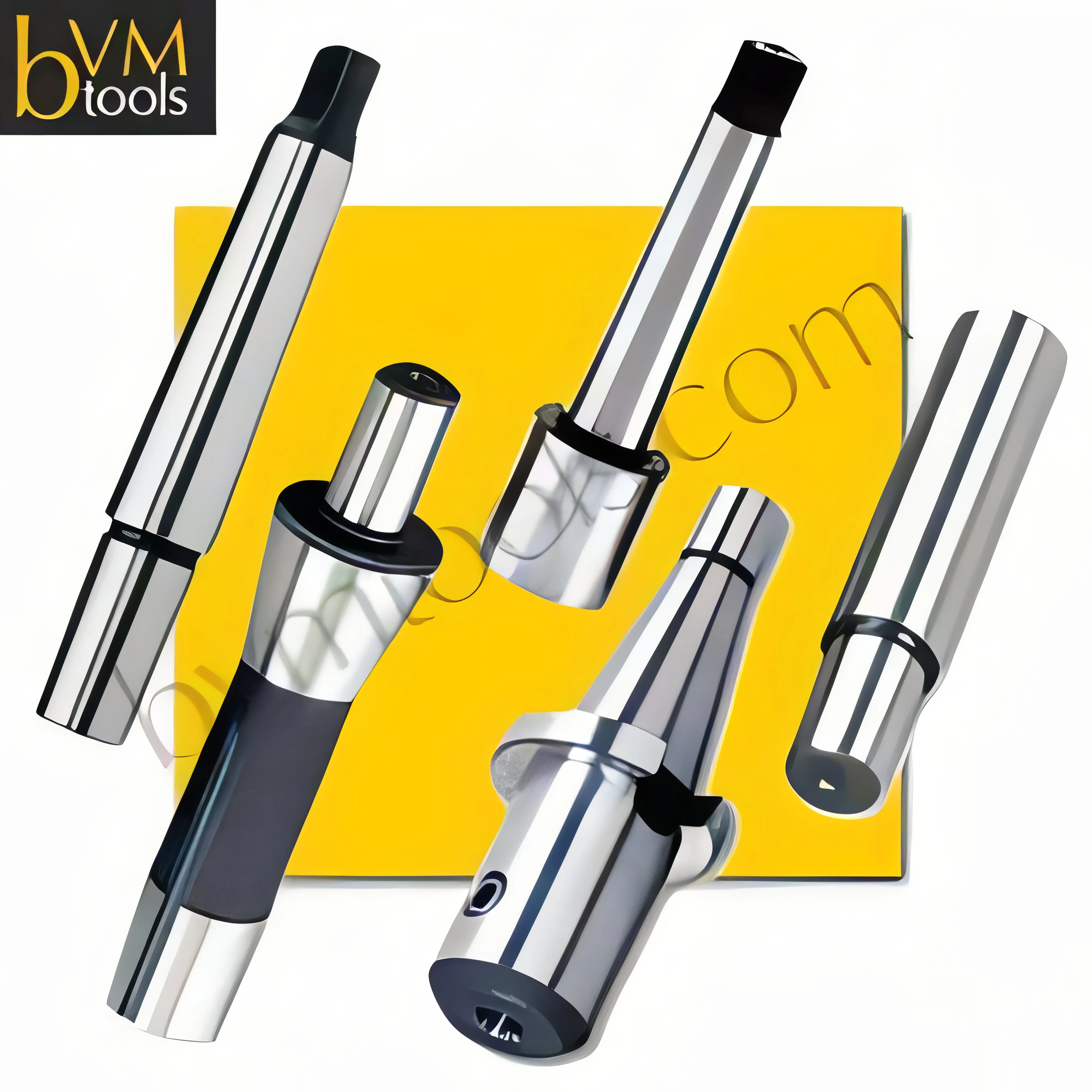
- Available in different taper types such as Morse taper or straight shank.
- Facilitates secure attachment to the drill machine.
5. Cooling System
- Some models feature built-in cooling systems.
- Helps maintain optimal temperature during operation to prevent overheating.
6. Coating Options
- Available with coatings like titanium or nitride.
- Increases surface hardness and reduces friction.
7. Length Options
- Offered in various lengths, typically ranging from 2 inches to 12 inches.
- Provides flexibility for different drilling depths.
8. Precision Tolerance
- High precision tolerances, usually around 0.001 inches.
- Ensures accurate hole dimensions and finishes.
In summary, these specifications cater to a wide range of drilling needs, making high-speed precision drills essential in many industrial applications.
Common Applications and Use Cases
High-Speed Precision Drills are versatile tools that serve numerous industries effectively.
1. Manufacturing: These drills are pivotal in producing components with tight tolerances, enabling high-volume production with consistent quality.
2. Aerospace: In aerospace applications, precision drills are used for creating lightweight and strong components, essential for aircraft performance.
3. Automotive: High-speed precision drills are utilized in the automotive sector for drilling engine components and other critical parts that demand accuracy.
4. Electronics: The electronics industry uses these drills to create intricate holes in circuit boards for improved connectivity.
5. Medical Devices: In the medical field, precision drilling is crucial for manufacturing devices that require exact specifications for safety and functionality.
6. Construction: High-speed drills are also employed in construction for drilling through tough materials like concrete and steel.
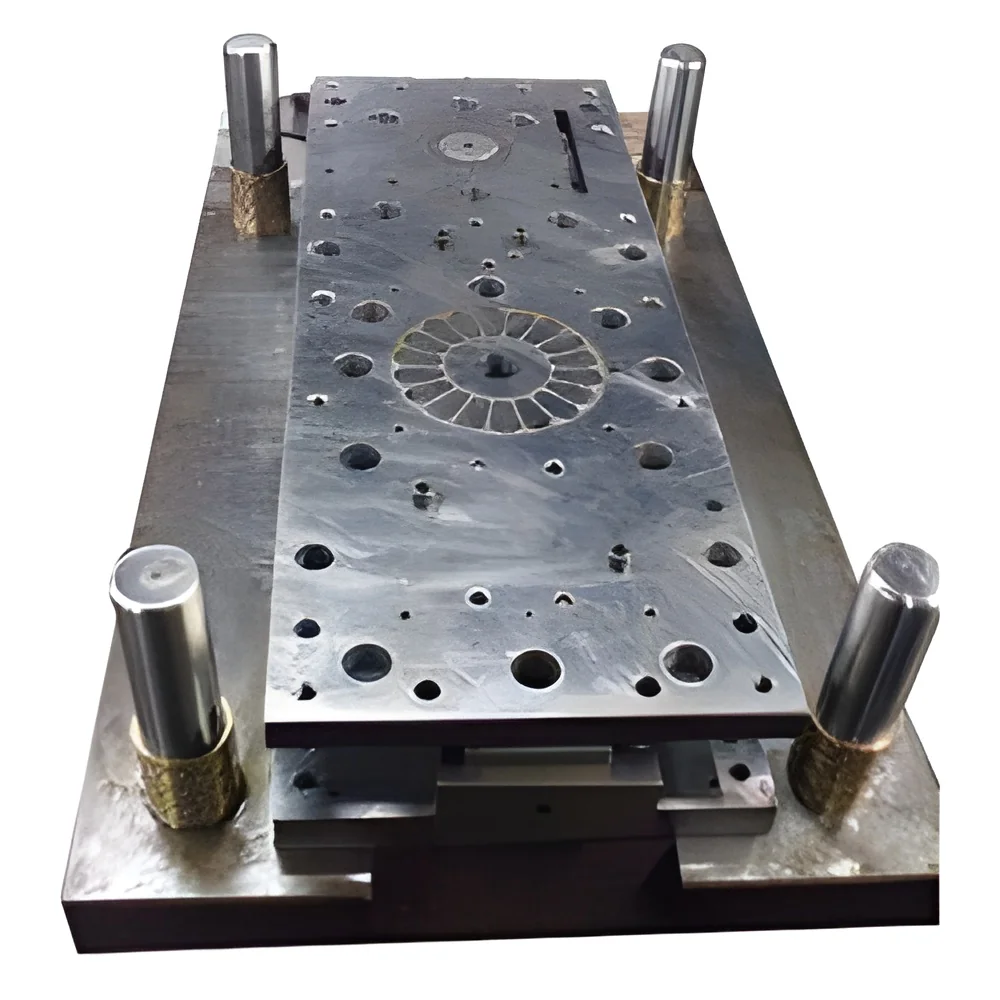
7. Tool and Die Making: Precision drills play a vital role in the fabrication of tools and dies, ensuring high-quality production.
Product Variants and Subcategories
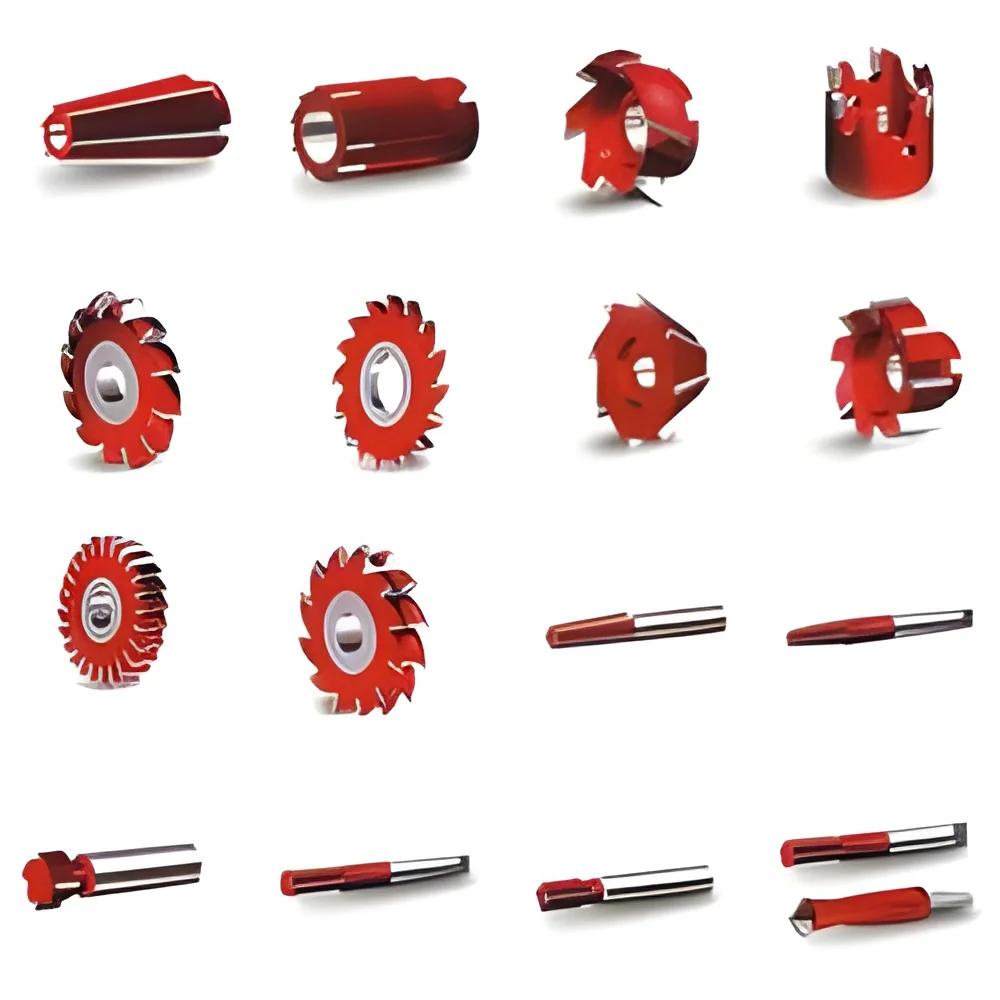
High-Speed Precision Drills come in various types to meet specific needs in different applications.
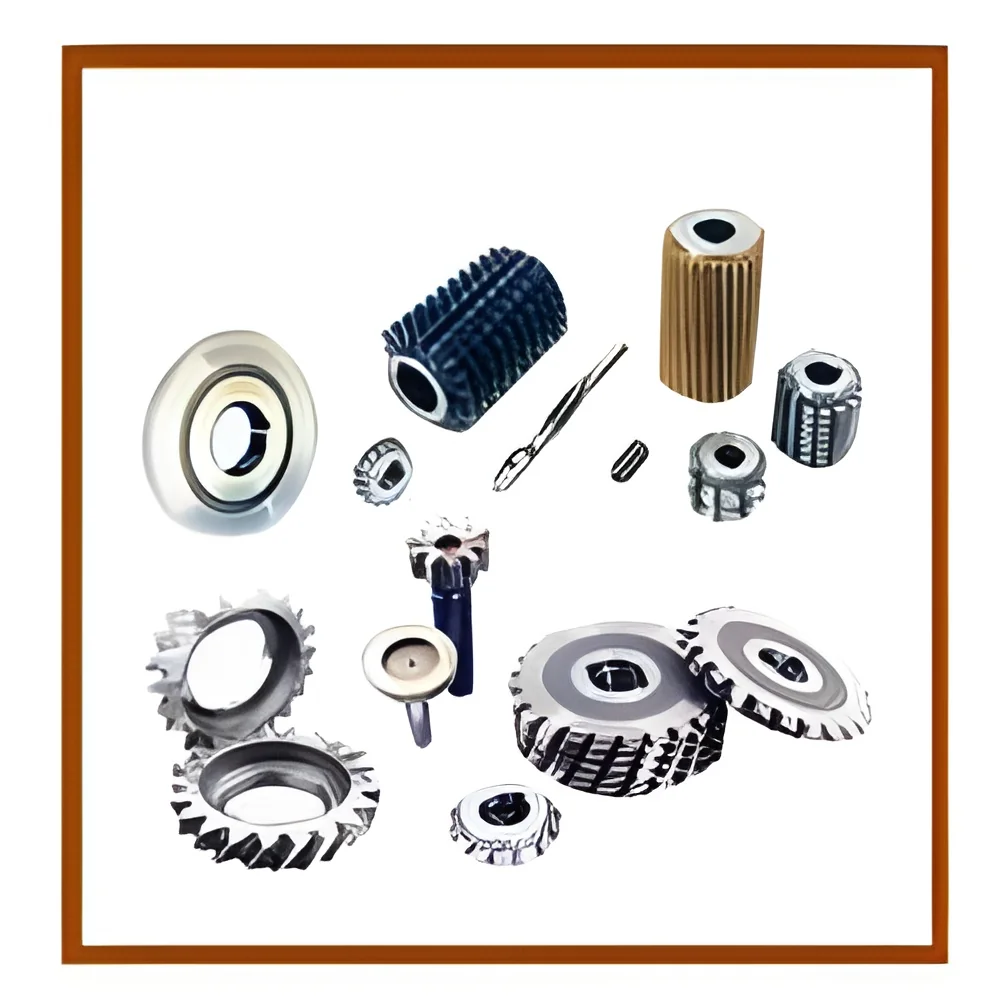
Standard Drill Bits
These are the most common type, designed for general-purpose drilling. Their features include a balanced design for stability and high-speed capabilities suitable for various materials.
Step Drill Bits
Step drills are designed for drilling multiple hole sizes with a single bit. They are beneficial for tasks requiring precise hole dimensions, reducing the need for multiple tools.
Countersink Bits
Countersink bits create a conical hole to allow screw heads to sit flush with the material surface. They are essential for finishing applications where aesthetics and functionality matter.
Benefits and Advantages
High-Speed Precision Drills offer numerous advantages that enhance operational efficiency.
1. Increased Productivity: Their high RPM capabilities accelerate drilling processes, significantly reducing cycle times.
2. Enhanced Precision: These drills achieve tighter tolerances, ensuring high-quality finishes and accurate hole dimensions.
3. Versatility: They can be used on a variety of materials, making them suitable for diverse applications across different industries.
4. Reduced Tool Wear: Advanced materials and coatings prolong tool life, minimizing the need for frequent replacements.
5. Cost Effectiveness: By improving efficiency and reducing waste, these drills contribute to lower operational costs over time.
6. Easy Integration: They can easily fit into existing setups, facilitating seamless transitions within production lines.
Buying Guide for B2B Buyers
When sourcing High-Speed Precision Drills, buyers should consider several critical factors to ensure they make informed decisions.
1. Quality Assessment: Evaluate the manufacturing quality and materials used in the drills. Look for certifications that indicate adherence to industry standards.
2. Supplier Verification: Research suppliers to ensure they are reputable and have a history of providing reliable products. Check for customer reviews and testimonials.
3. Pricing and MOQ: Consider the pricing structure and minimum order quantities. Assess whether the costs align with your budget and expect bulk discounts.
4. Delivery and Lead Times: Understand the expected delivery times and logistics. Ensure that the supplier can meet your production schedule without delays.
5. Compliance Requirements: Verify that the drills meet necessary compliance and safety standards relevant to your industry. This may include certifications such as CE or other applicable regulations.
Compliance and Certifications
High-Speed Precision Drills must adhere to various quality standards and certifications to ensure safety and performance.
ISO 9001 is a common quality management standard that emphasizes consistent product quality and continuous improvement. Manufacturers often seek this certification to demonstrate their commitment to quality.
The CE mark is another important certification indicating compliance with European health, safety, and environmental protection standards. It is essential for products marketed in Europe.
Safety and testing requirements play a crucial role in the manufacturing of these drills. They undergo rigorous testing to ensure they can withstand operational stresses and maintain performance.
Regional compliance considerations may vary, so it is crucial for manufacturers to understand local regulations and standards that apply to their products.
Why Source High-Speed Precision Drills from Pepagora?
Pepagora provides an excellent platform for sourcing High-Speed Precision Drills, offering several key advantages for B2B buyers.
Verified Supplier Network: Pepagora ensures that all suppliers on their platform undergo thorough verification processes, guaranteeing quality and reliability.
Streamlined RFQ Process: The Request for Quotation (RFQ) system simplifies the procurement process, allowing buyers to receive competitive quotes from multiple suppliers efficiently.
Trade Assurance and Support: Buyers benefit from trade assurance policies that protect their purchases, ensuring a smooth transaction and peace of mind.
Regional Coverage: Pepagora has a broad geographic reach, serving regions such as India, the GCC, and Southeast Asia, making it a convenient source for businesses looking to procure high-speed precision drills across different markets.

 IN
IN