What are Drill Bits (HSS, Carbide, Diamond)?
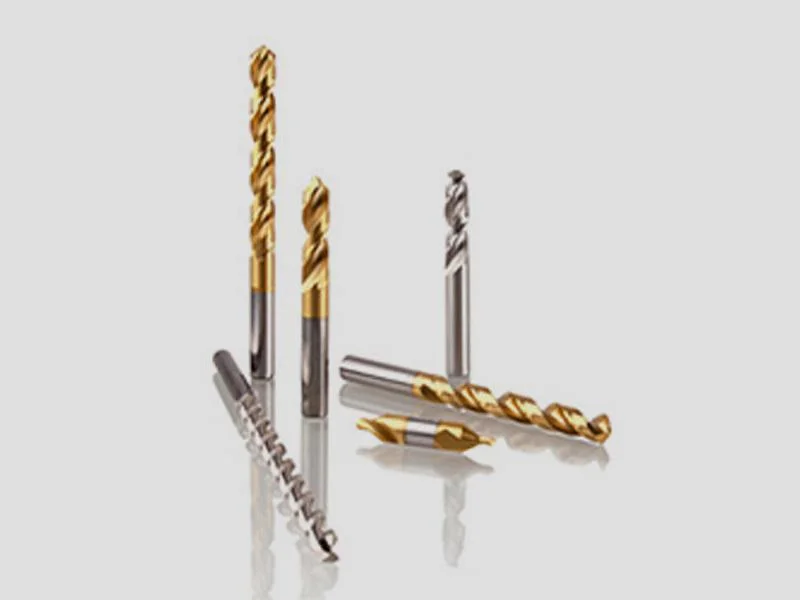
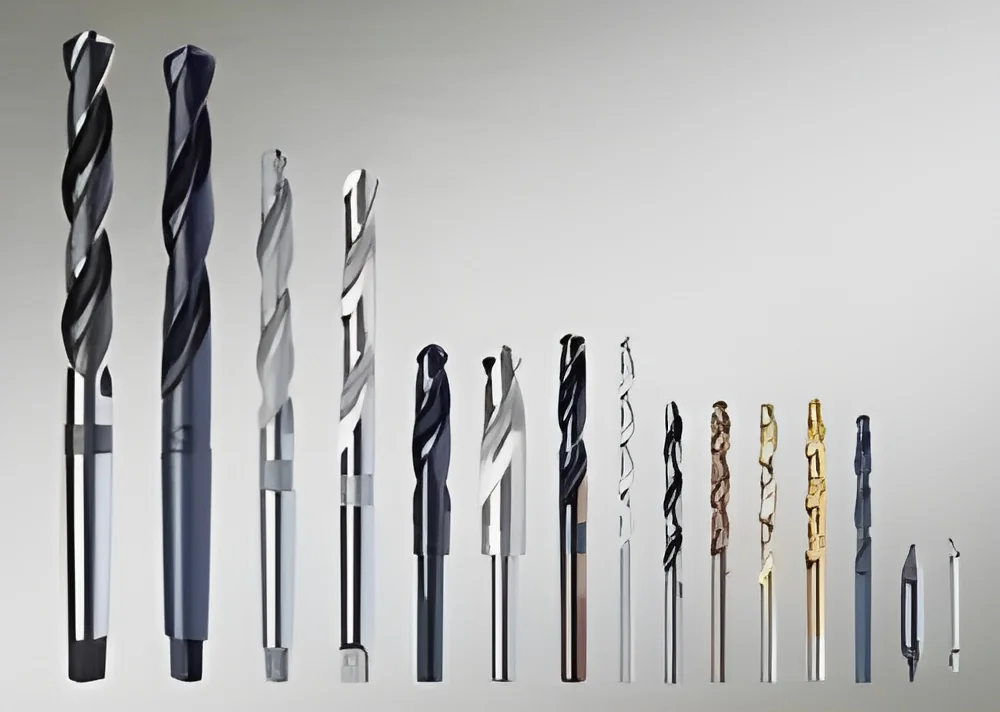
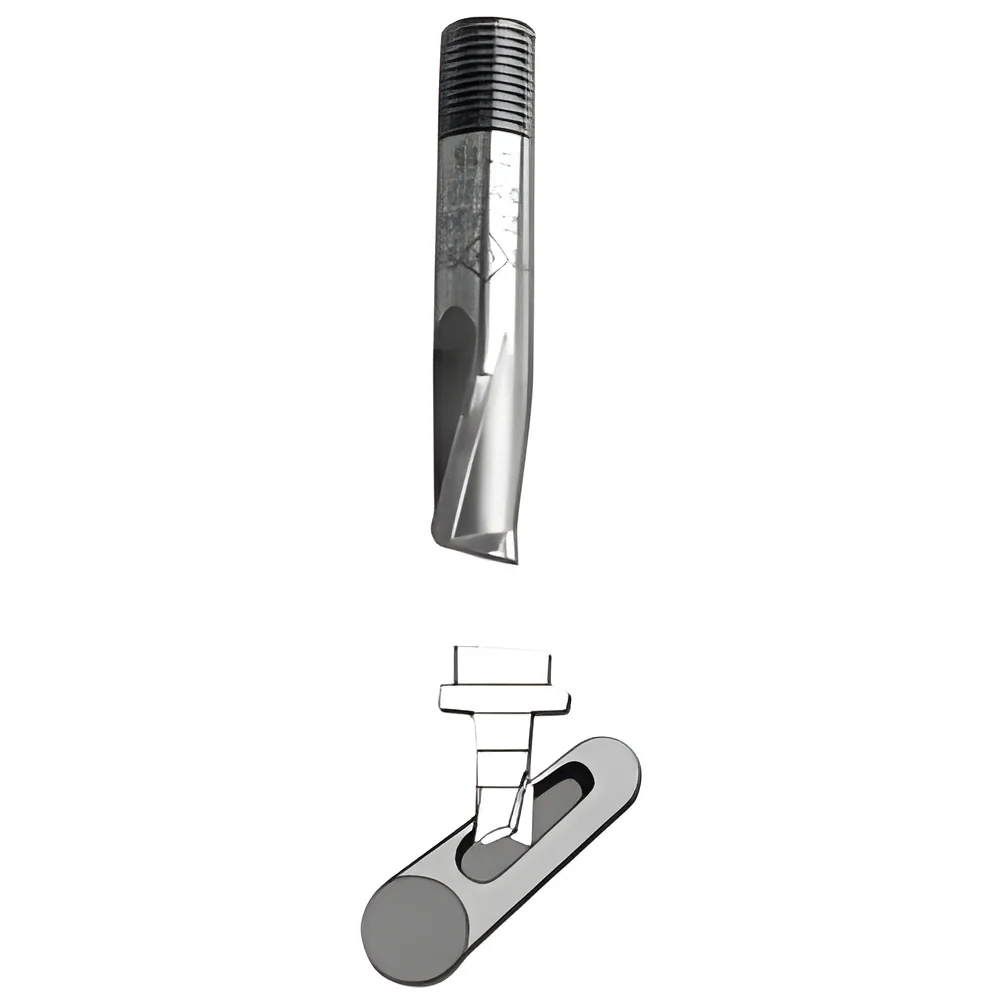
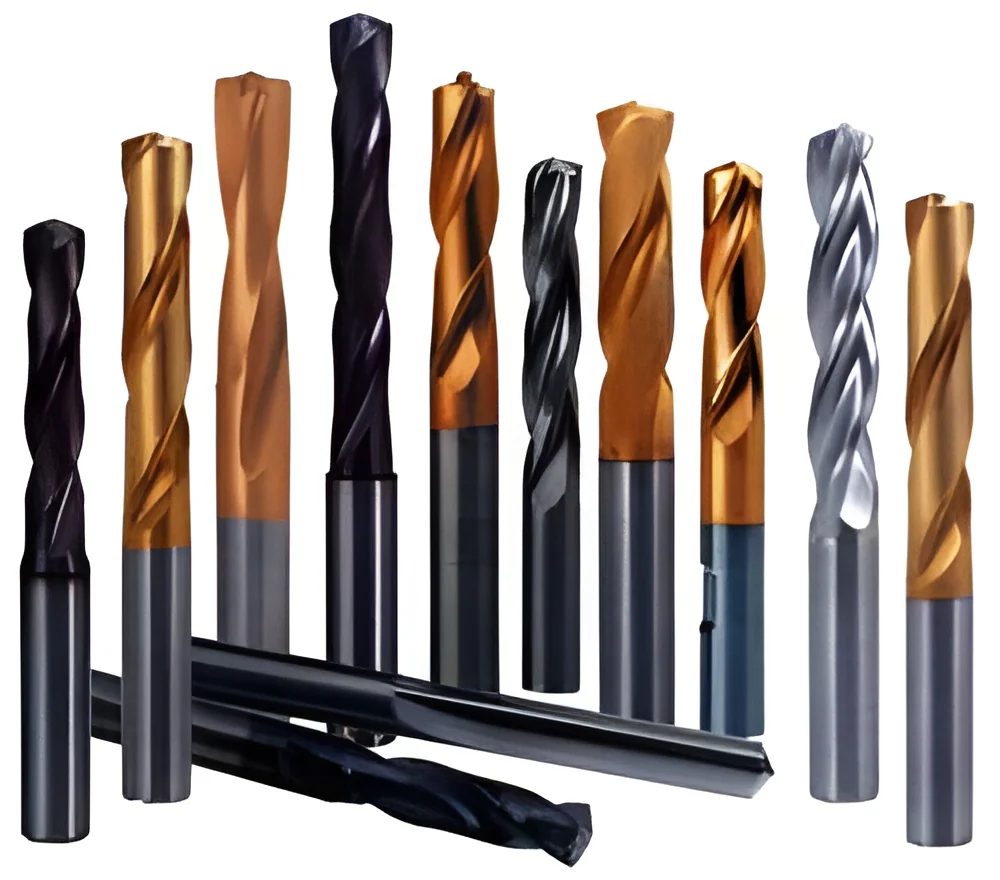
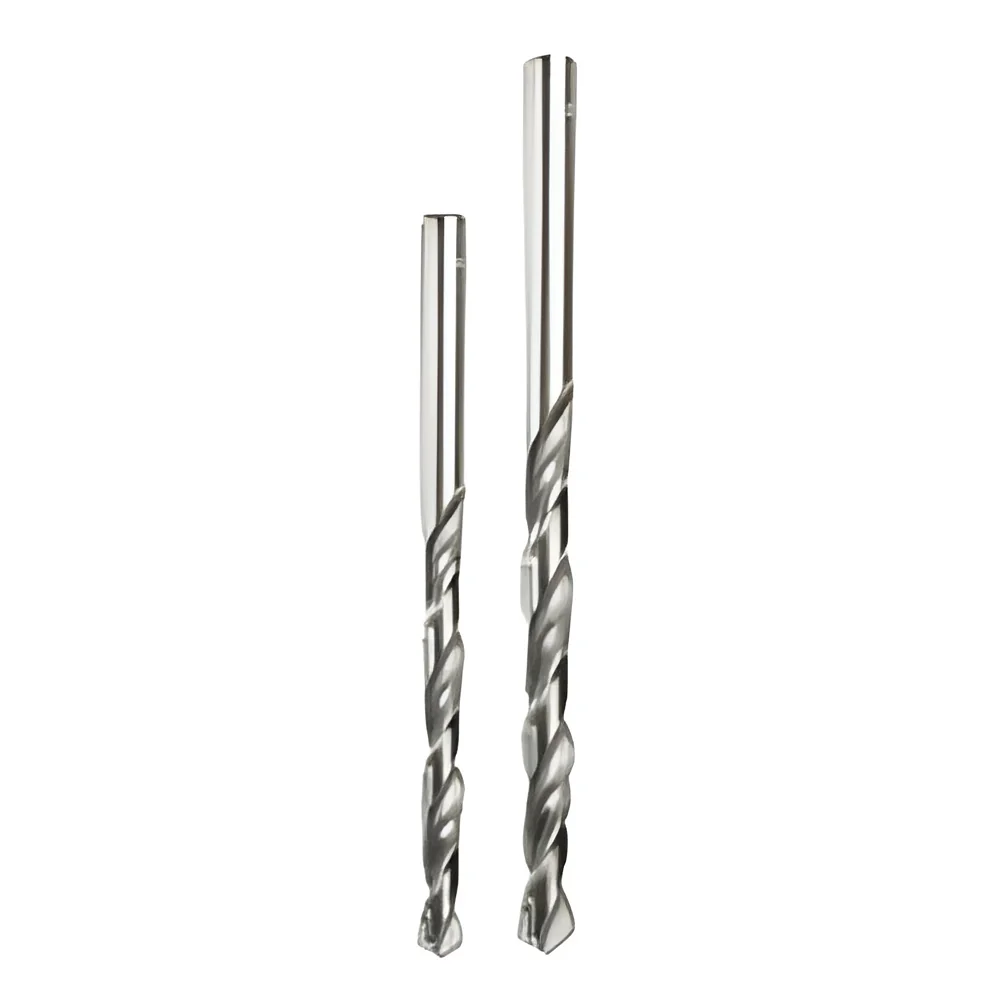
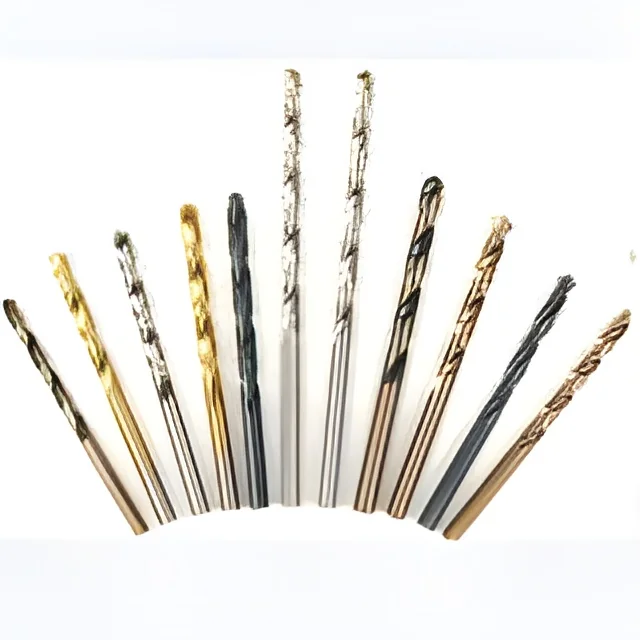
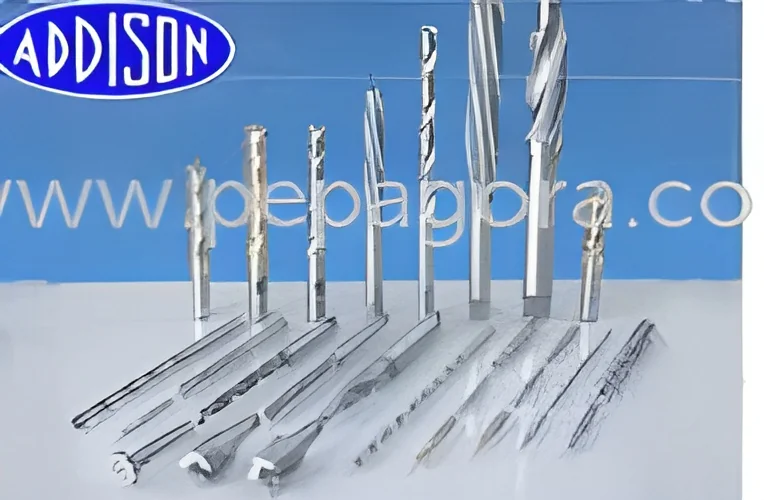
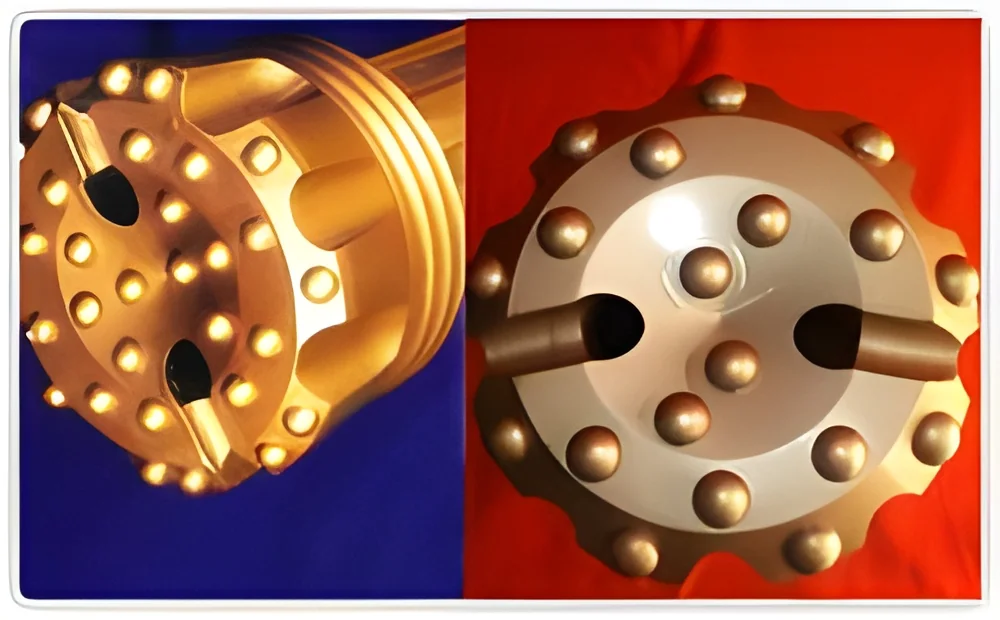
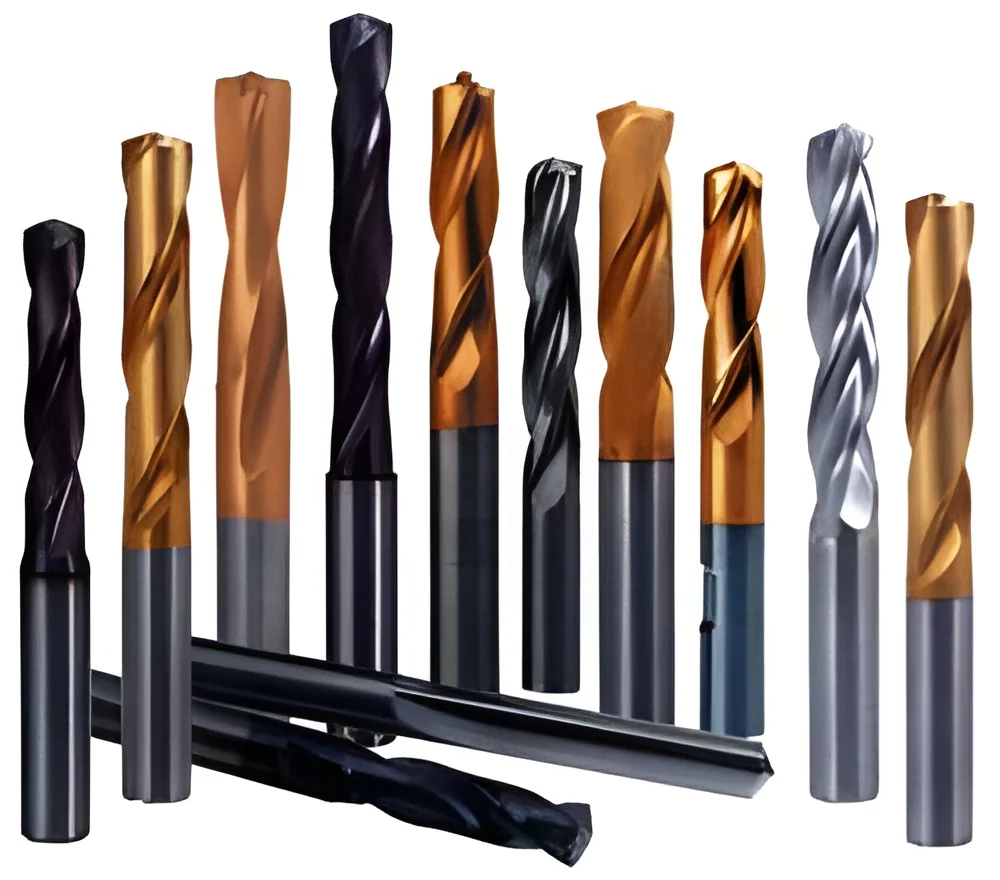
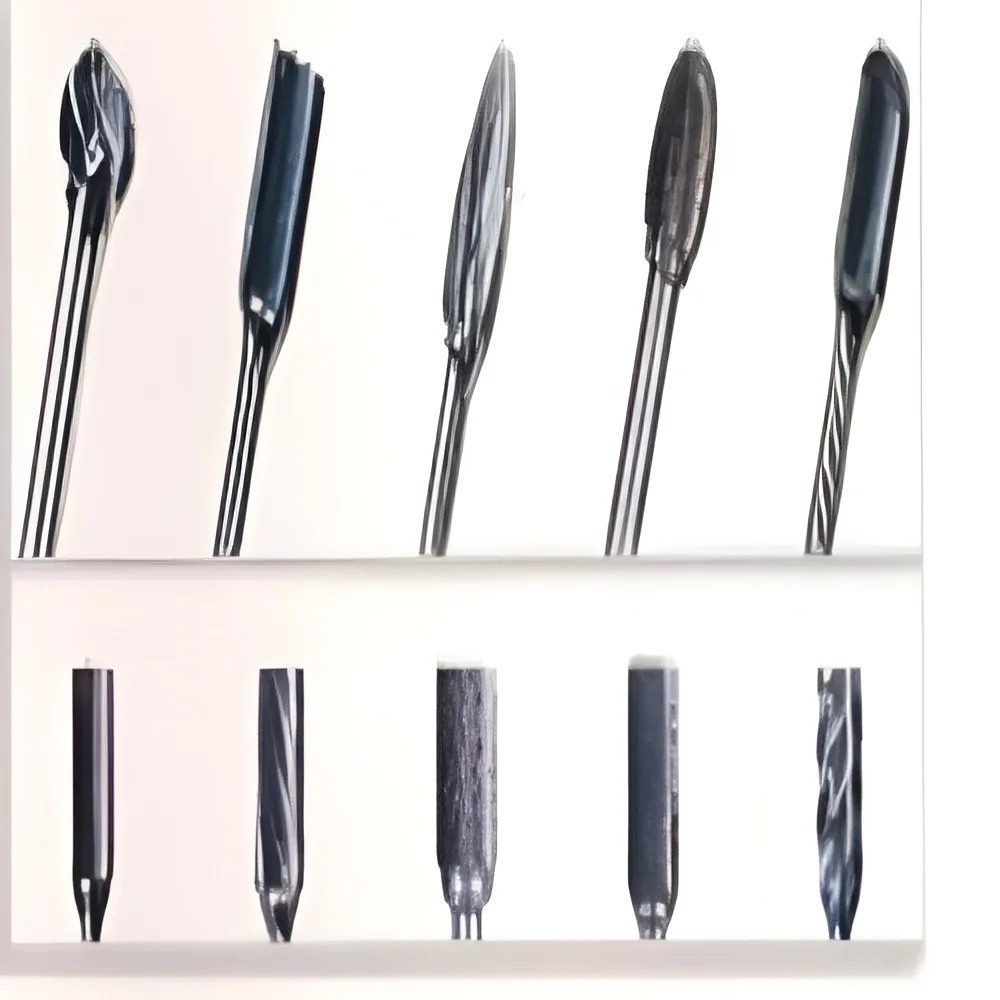
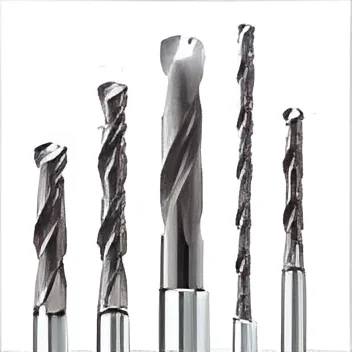
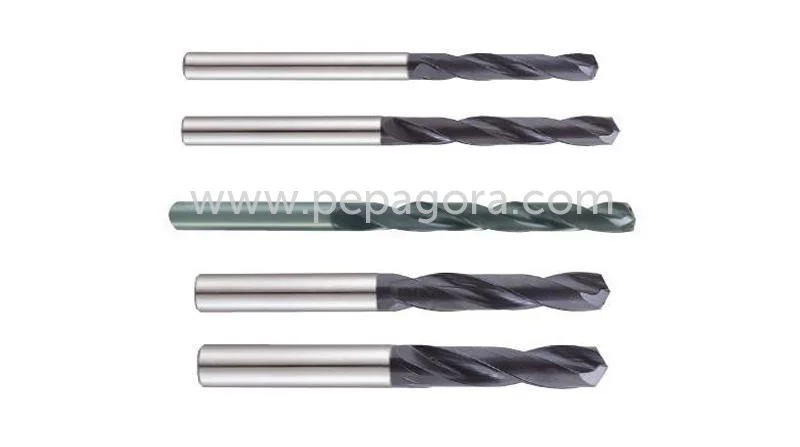
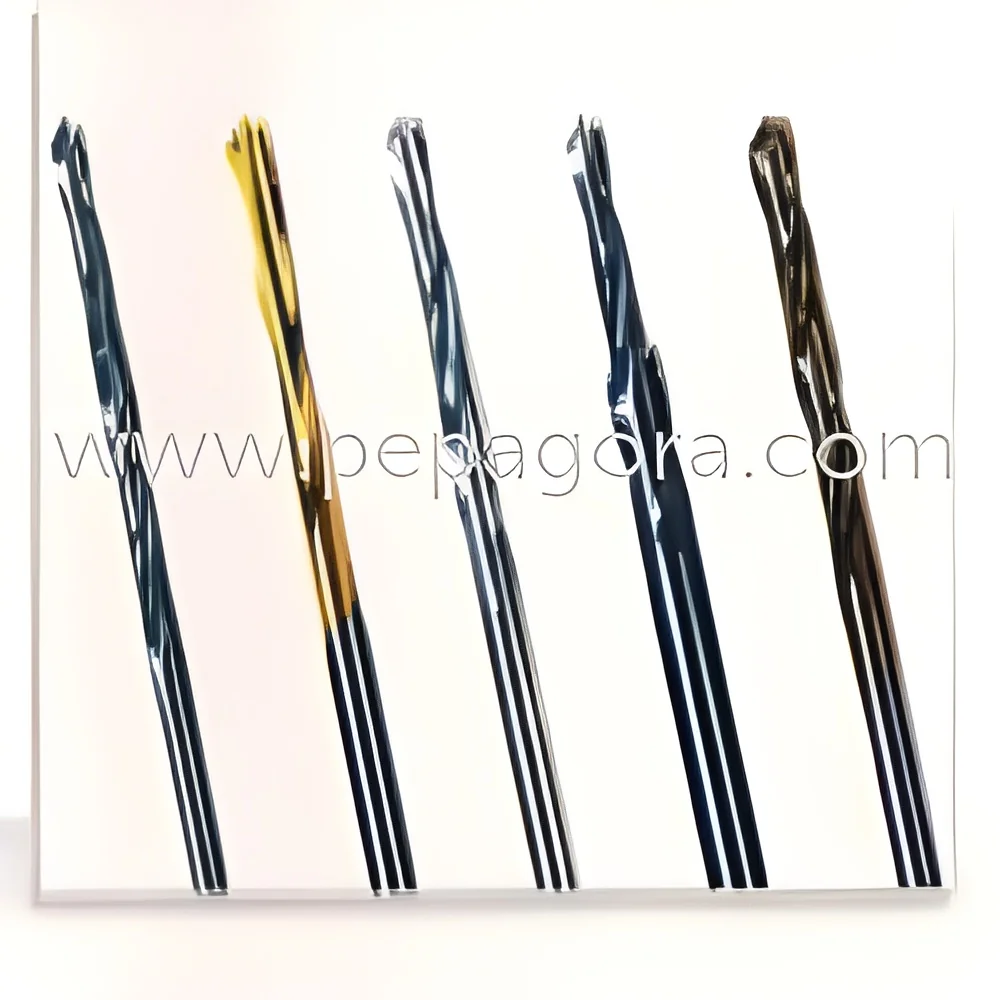
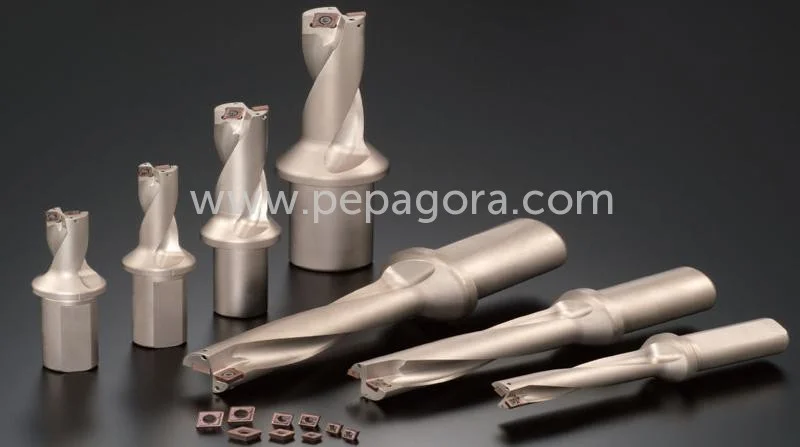
Drill bits are cutting tools used to create cylindrical holes in various materials. They come in different types, including High-Speed Steel (HSS), Carbide, and Diamond drill bits, each designed for specific applications and materials. HSS drill bits are known for their versatility and cost-effectiveness, making them suitable for drilling softer materials. Carbide drill bits offer enhanced hardness and durability, making them ideal for tougher materials. Diamond drill bits are designed for precision work and are often used in industries that require drilling through very hard materials, such as concrete or stone.
These drill bits have wide-ranging applications across multiple industries, including manufacturing, construction, and automotive. They are essential for tasks such as metalworking, woodworking, and masonry. Businesses rely on these tools to ensure efficiency and accuracy in their operations. The demand for high-quality drill bits continues to grow as industries strive for better performance and reliability in their projects. Understanding the differences among HSS, Carbide, and Diamond drill bits is crucial for businesses to select the right tools for their applications.
𝗞𝗲𝘆 𝗙𝗲𝗮𝘁𝘂𝗿𝗲𝘀 𝗮𝗻𝗱 𝗦𝗽𝗲𝗰𝗶𝗳𝗶𝗰𝗮𝘁𝗶𝗼𝗻𝘀
When evaluating drill bits, key features and specifications play an essential role in determining their suitability for specific tasks. These specifications can influence performance, durability, and overall effectiveness.
Key specifications include:
1. Material Composition
- HSS, Carbide, or Diamond
- Varies in hardness and heat resistance
2. Diameter Range
- Available in various sizes, typically from 1 mm to 20 mm or larger
- Allows for versatility in hole sizes
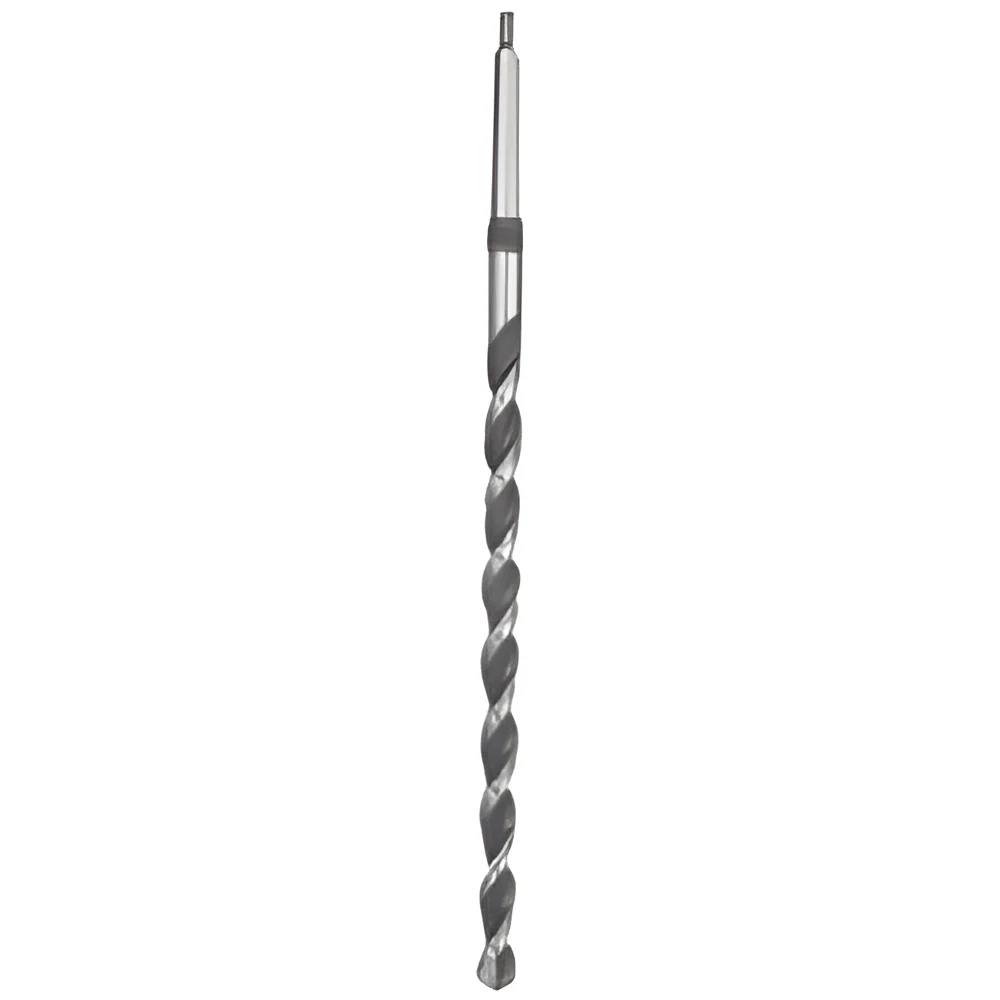
3. Length Options
- Standard lengths usually range from 50 mm to 150 mm
- Longer lengths available for deep drilling applications
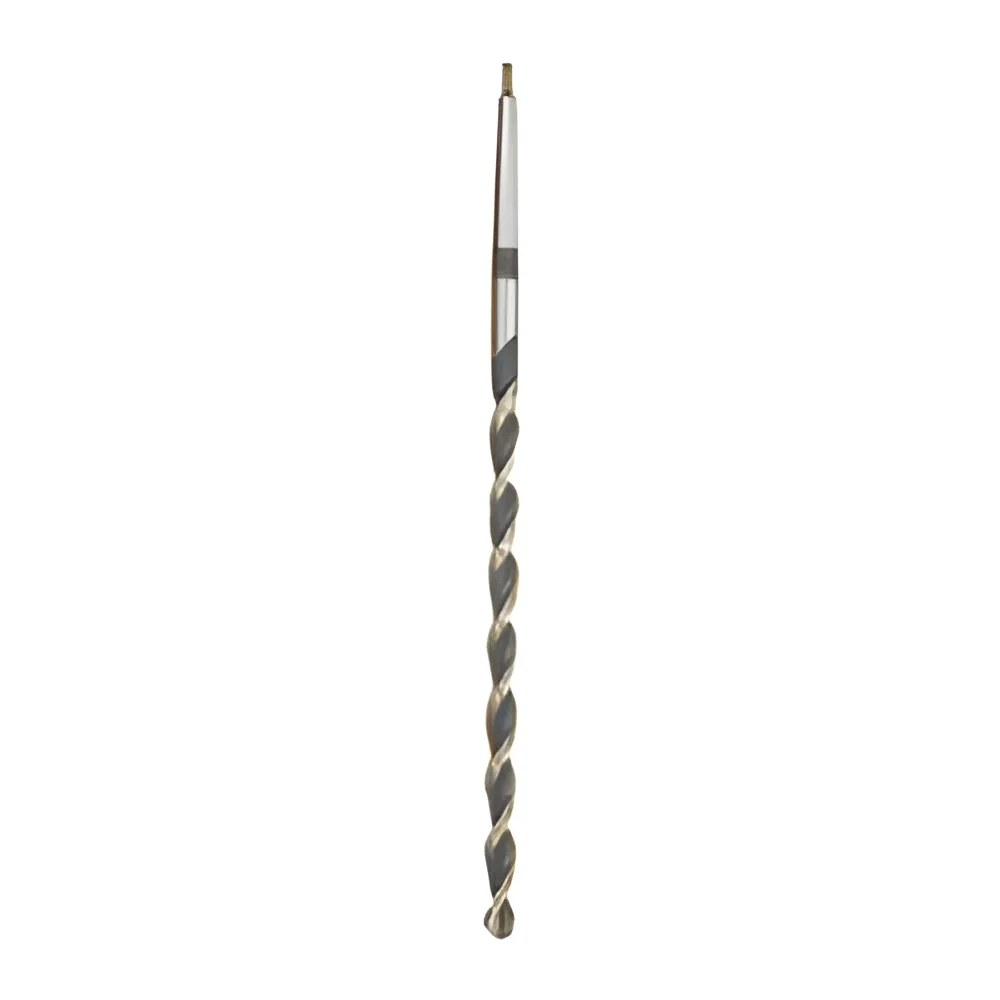
4. Flute Design
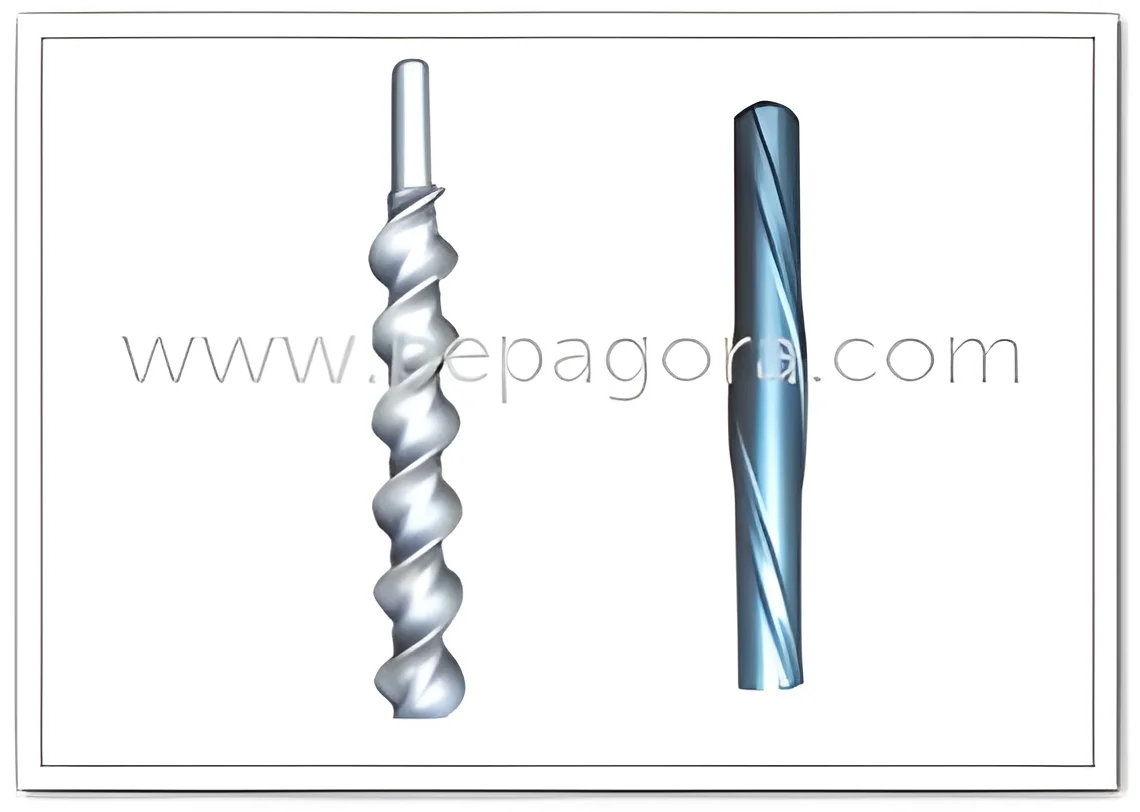
- Spiral or straight flutes
- Affects chip removal and cutting efficiency
5. Coating
- Titanium, Black Oxide, or uncoated
- Enhances durability and reduces friction
6. Tolerance Levels
- Precision in size and shape
- Critical for applications requiring exact fit

7. Application Suitability
- Specific designs for wood, metal, or masonry
- Ensures optimal performance in targeted materials
8. Heat Resistance
- Varies by material type
- Impacts effectiveness in high-temperature applications
A thorough understanding of these specifications helps businesses select the right drill bits tailored to their specific needs.
𝗖𝗼𝗺𝗺𝗼𝗻 𝗔𝗽𝗽𝗹𝗶𝗰𝗮𝘁𝗶𝗼𝗻𝘀 𝗮𝗻𝗱 𝗨𝘀𝗲 𝗖𝗮𝘀𝗲𝘀
Drill bits are indispensable tools that cater to various industries, each with unique requirements.
1. Manufacturing: Used extensively for creating precise holes in metal components for machinery assembly. HSS and Carbide bits are popular choices for their durability and performance.
2. Construction: Essential for drilling into concrete, brick, and masonry. Diamond drill bits are particularly favored for their ability to handle tough materials efficiently.
3. Automotive: Critical for fabricating parts and components. HSS drill bits are commonly employed for metallic surfaces.
4. Woodworking: Utilized for drilling into different types of wood. Specialized drill bits designed for wood ensure clean and smooth finishes.
5. Aerospace: Employed for precision drilling in lightweight materials and composites. Carbide bits are often preferred for their hardness and longevity.
6. Electrical: Used for creating holes for wiring and fittings. HSS bits are typically used for softer materials.
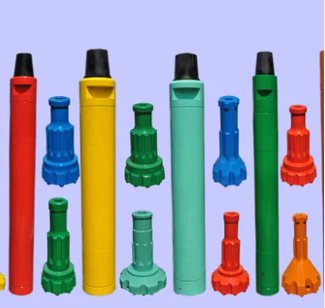
7. Oil and Gas: Necessary for drilling operations in exploration and extraction. Diamond bits are often used due to their ability to penetrate difficult geological formations.
𝗣𝗿𝗼𝗱𝘂𝗰𝘁 𝗩𝗮𝗿𝗶𝗮𝗻𝘁𝘀 𝗮𝗻𝗱 𝗦𝘂𝗯𝗰𝗮𝘁𝗲𝗴𝗼𝗿𝗶𝗲𝘀
Drill bits exhibit a diversity of variants tailored to meet specific needs within different applications.
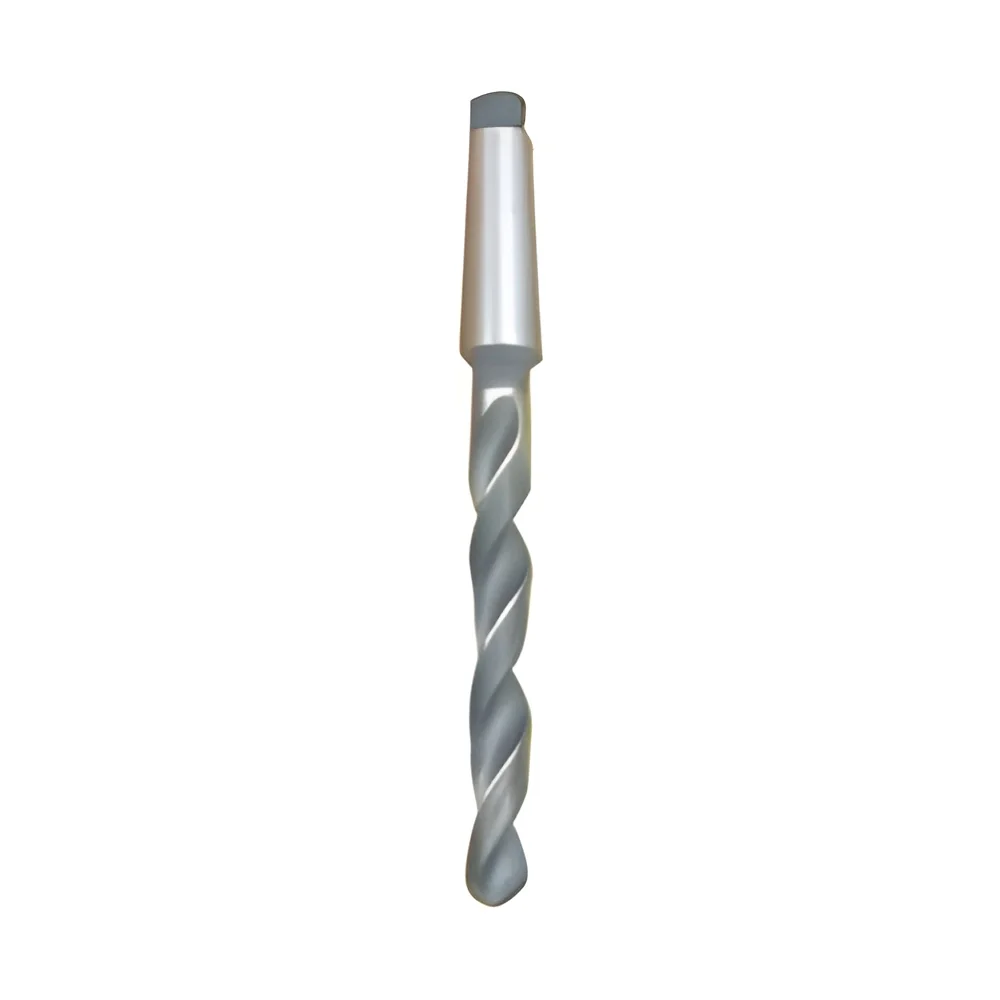
HSS Drill Bits
These drill bits are made from high-speed steel, providing a balance of durability and cost. They are suitable for general-purpose drilling in softer materials like wood and aluminum. HSS bits are often used in manufacturing and automotive applications.
Carbide Drill Bits
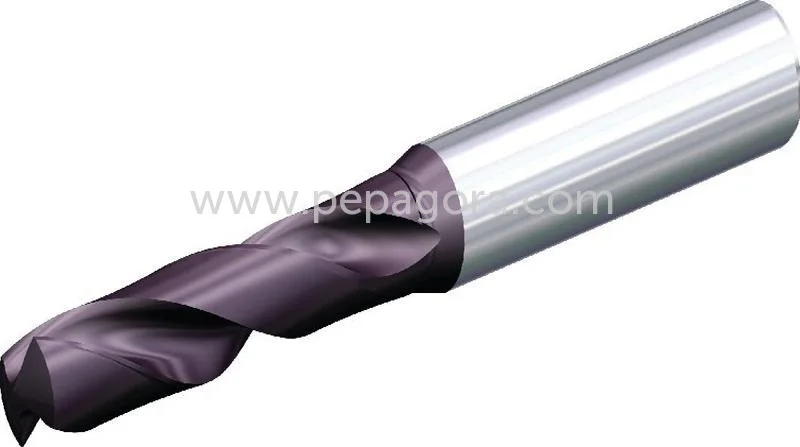
Constructed from tungsten carbide, these bits offer exceptional hardness and are designed for drilling in harder materials like stainless steel and cast iron. They are often utilized in machining and heavy-duty industrial applications.
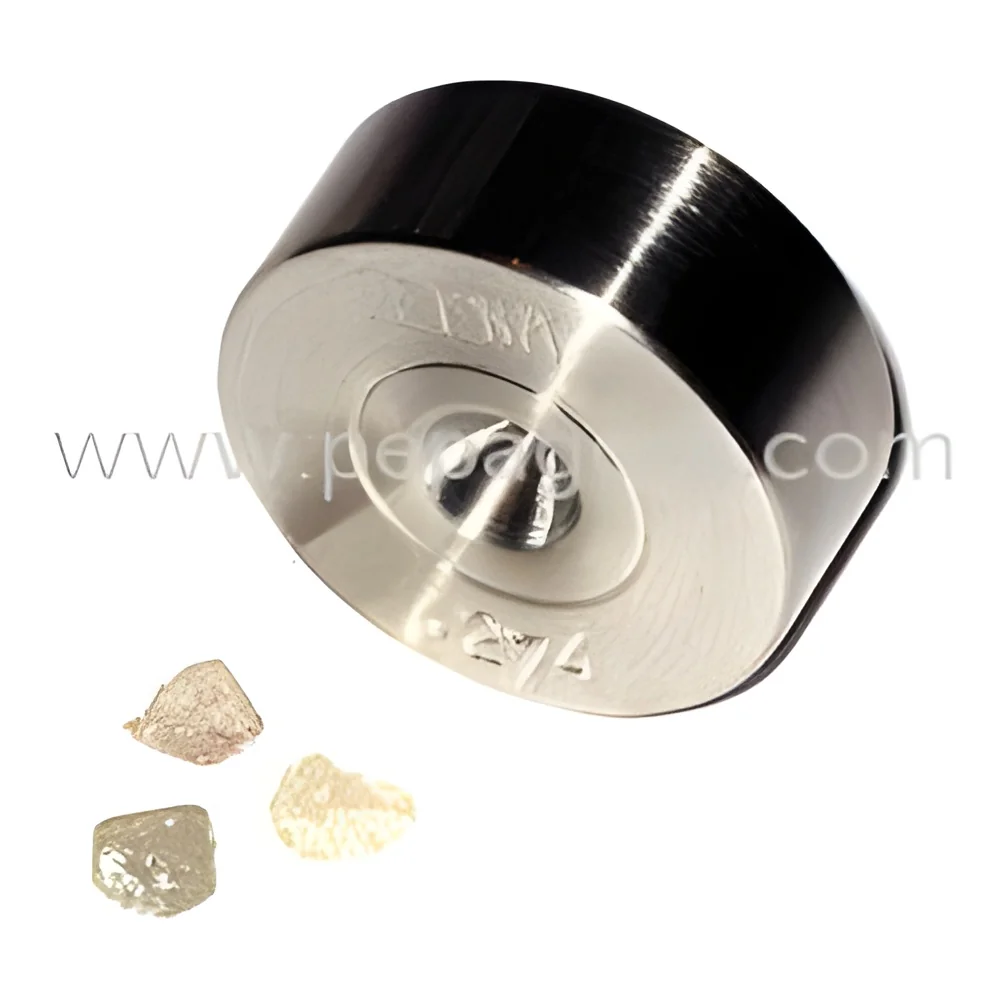
Diamond Drill Bits
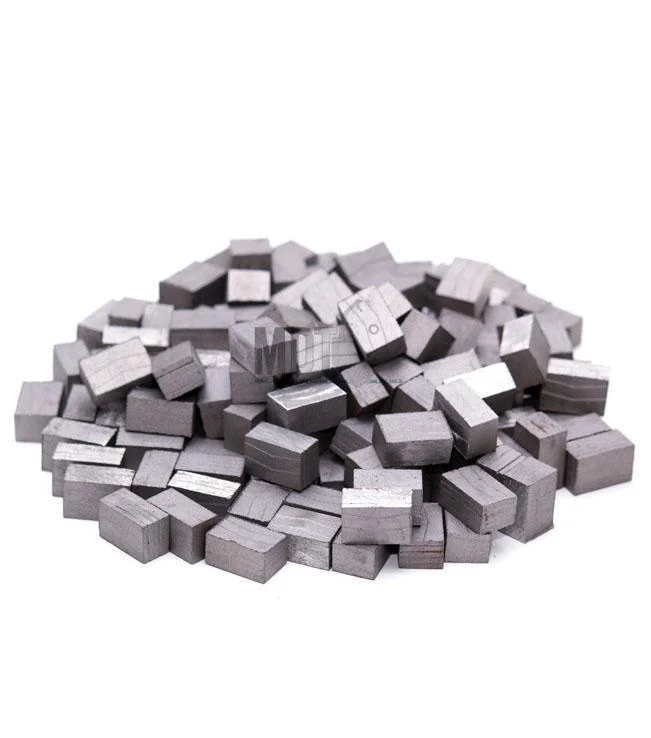
Featuring diamond-coated tips, these drill bits excel in drilling through extremely hard surfaces, such as concrete, granite, and ceramics. They are widely used in construction and stoneworking industries for precise and efficient drilling.
𝗕𝗲𝗻𝗲𝗳𝗶𝘁𝘀 𝗮𝗻𝗱 𝗔𝗱𝘃𝗮𝗻𝘁𝗮𝗴𝗲𝘀
Drill bits offer numerous advantages that enhance productivity and efficiency in various applications.
1. Versatility: Available in multiple materials and designs, allowing for use across various industries and applications.
2. Durability: High-quality materials like carbide and diamond enhance longevity, reducing the need for frequent replacements.
3. Precision: Designed for accuracy, ensuring clean holes and reducing rework.
4. Efficiency: Optimized designs improve cutting speed and reduce drilling time, leading to increased productivity.
5. Cost-effectiveness: A range of pricing options ensures businesses can find suitable drill bits within their budget.
6. Customization: Many suppliers offer tailored solutions to meet specific drilling needs, providing flexibility for unique projects.
𝗕𝘂𝘆𝗶𝗻𝗴 𝗚𝘂𝗶𝗱𝗲 𝗳𝗼𝗿 𝗕𝟮𝗕 𝗕𝘂𝘆𝗲𝗿𝘀
When sourcing drill bits, businesses should consider several critical factors to ensure they select the right products for their needs.
1. Quality Assessment: Evaluate drill bits based on material and construction quality. Look for reputable brands that adhere to industry standards.
2. Supplier Verification: Vet suppliers by checking their credentials, customer reviews, and industry experience to ensure reliability.
3. Pricing and MOQ: Understand the price range for different types of drill bits and inquire about minimum order quantities to align with budget and project needs.
4. Delivery and Lead Times: Discuss logistics with suppliers to ensure timely delivery and avoid project delays.
5. Compliance Requirements: Ensure that the drill bits meet relevant industry standards and regulations, such as CE certifications, to guarantee safety and performance.
𝗖𝗼𝗺𝗽𝗹𝗶𝗮𝗻𝗰𝗲 𝗮𝗻𝗱 𝗖𝗲𝗿𝘁𝗶𝗳𝗶𝗰𝗮𝘁𝗶𝗼𝗻𝘀
Compliance with industry standards is crucial for ensuring the quality and safety of drill bits. Relevant quality standards such as ISO 9001 help organizations maintain consistent quality management processes. Drill bits may also need to comply with safety regulations such as CE marking, which indicates conformity with health, safety, and environmental protection standards within the European Economic Area.
Additionally, it is essential to consider safety and testing requirements that may be applicable to specific industries. This includes testing for durability and performance under various conditions. Businesses must also be aware of regional compliance considerations, as different countries may have specific regulations governing the manufacturing and use of industrial tools.
Why Source Drill Bits (HSS, Carbide, Diamond) from Pepagora?
Pepagora serves as a trusted platform for sourcing drill bits, offering several advantages to B2B buyers.
Verified Supplier Network: Pepagora ensures that all suppliers are thoroughly vetted, providing buyers with confidence in the quality and reliability of the products they source. This verification process helps mitigate risks associated with sourcing from unknown suppliers.
Streamlined RFQ Process: The platform features an efficient request for quotation (RFQ) system, making it easy for buyers to obtain competitive pricing and terms from multiple suppliers. This system saves time and enables informed decision-making.
Trade Assurance and Support: Pepagora offers buyer protection measures that enhance confidence in transactions. This includes support for resolving disputes and ensuring compliance with agreed-upon terms.
Regional Coverage: With a strong presence in India, the GCC, and Southeast Asia, Pepagora provides a wide geographic reach, allowing businesses to tap into local suppliers while enjoying the benefits of global sourcing. This regional coverage ensures that buyers can access high-quality drill bits tailored to their specific market needs.