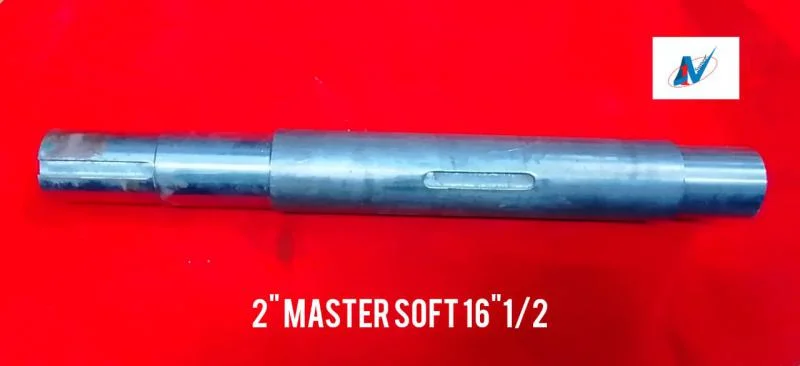
What are Angle Drilling Units?
Angle Drilling Units are specialized pieces of equipment designed for drilling at various angles, typically used in applications where conventional vertical drilling is not feasible. These units provide the capability to drill in tight spaces or at specific angles, allowing for increased versatility and efficiency in drilling operations. They are essential in industries such as construction, mining, and oil and gas, where precise drilling is critical for project success.
These units are commonly employed in applications like underground mining, where they facilitate the extraction of resources from angled seams. Additionally, they are utilized in oil and gas exploration for directional drilling, enabling operators to reach reservoirs that are not accessible through vertical drilling alone. The growing demand for energy and natural resources has increased the relevance of Angle Drilling Units in today's market, as they allow for enhanced resource recovery and operational efficiency.
Key Features and Specifications
Angle Drilling Units come with a range of features and specifications that cater to various drilling needs. These specifications are crucial for ensuring that the units perform effectively in different operational environments.
Key specifications include:
1. Maximum Angle Capability
- This specification indicates the maximum angle at which the unit can drill.
- Typical ranges are between 30 to 90 degrees, depending on the model.
2. Drilling Depth
- This measures how deep the unit can drill.
- Specifications can range from 50 to 200 meters, influenced by the power and design of the unit.
3. Power Source
- Angle Drilling Units can be powered by electric or hydraulic systems.
- Electric systems are often preferred for their efficiency in urban settings, while hydraulic systems are robust for heavy-duty applications.
4. Weight
- The weight of the unit affects its mobility and ease of setup.
- Units generally range from 500 kg to 1500 kg, depending on size and features.
5. Control System
- Advanced units may include computerized controls for precise drilling.
- Manual controls are also common for simpler operations.
6. Drill Bit Compatibility
- The unit must be compatible with various drill bit sizes and types.
- Specifications often include compatibility with bits ranging from 50 mm to 200 mm.
7. Safety Features
- Safety is paramount, and many units come equipped with emergency shut-off systems.
- Other safety features may include overload protection and stability controls.
In summary, Angle Drilling Units are defined by their unique capabilities and specifications, making them versatile tools in various drilling applications.
Common Applications and Use Cases
Angle Drilling Units serve a diverse range of industries, each with specific applications that highlight their importance.
1. Mining: In mining operations, these units are used to access ore deposits located at angles. This helps in optimizing resource extraction and minimizing waste.
2. Oil and Gas: In the oil and gas sector, Angle Drilling Units enable directional drilling, allowing companies to reach oil and gas reserves that would otherwise be inaccessible with traditional vertical drilling.
3. Construction: These units are prevalent in construction for drilling foundations and securing structures where space constraints make vertical drilling impractical.
4. Geothermal Energy: They are used in geothermal applications to drill wells at angles that enhance the efficiency of energy extraction from geothermal reservoirs.
5. Environmental Studies: Angle Drilling Units are employed in environmental drilling for sampling and monitoring subsurface conditions, especially in challenging terrains.
6. Water Well Drilling: In rural and urban settings, these units are utilized for drilling water wells at specific angles to access aquifers.
7. Telecommunications: They are also used in the installation of underground utilities and communication lines, where directional drilling can reduce disturbance to the surface.
Product Variants and Subcategories
Angle Drilling Units come in various types to meet specific drilling needs.
Portable Angle Drilling Units
These units are designed for mobility and ease of use in remote locations. They are typically lighter and can be transported easily, making them ideal for projects in varied terrains.
Heavy-Duty Angle Drilling Units
These are robust units built for challenging operations, such as mining and oil extraction. They feature enhanced power and durability to handle demanding drilling conditions.
Compact Angle Drilling Units
Designed for tight spaces, these units are smaller in size but maintain efficient drilling capabilities. They are often used in urban construction projects where space is limited.
Benefits and Advantages
Angle Drilling Units offer numerous advantages that make them essential for various drilling operations.
1. Increased Efficiency: They allow for drilling at precise angles, significantly improving operational efficiency and reducing time spent on projects.
2. Versatility: These units can be used in a wide range of applications across multiple industries, making them a valuable investment.
3. Enhanced Resource Recovery: By accessing hard-to-reach areas, they contribute to better resource extraction, particularly in oil and gas and mining.
4. Space Optimization: Their ability to drill in tight angles allows for effective use of limited space, especially in urban environments.
5. Reduced Environmental Impact: Directional drilling minimizes surface disruption, thereby reducing the environmental footprint of drilling activities.
6. Safety Assurance: Many units come with advanced safety features that protect operators and the surrounding environment during drilling operations.
Buying Guide for B2B Buyers
When sourcing Angle Drilling Units, it is important for B2B buyers to consider several key factors to ensure they select the right equipment for their needs.
1. Quality Assessment: Evaluate the build quality and reliability of the units. Look for products that meet industry standards and have proven performance in the field.
2. Supplier Verification: It is crucial to vet potential suppliers. Check their reputation, customer reviews, and history of delivering quality products on time.
3. Pricing and MOQ: Understand the pricing structure and minimum order quantities (MOQ). This will help in budgeting and ensuring that the purchase aligns with financial constraints.
4. Delivery and Lead Times: Consider the logistics of delivery. Ensure that the supplier can meet your project's timeline to avoid delays in operations.
5. Compliance Requirements: Be aware of any regulatory compliance needed for the equipment. This includes safety standards and environmental regulations that may apply to your industry.
Compliance and Certifications
Angle Drilling Units must adhere to various quality standards and certifications to ensure safety and reliability in their operation.
ISO 9001 is a widely recognized standard that ensures quality management systems are in place, facilitating consistent production quality across manufacturers.
CE certification indicates that the units comply with European health, safety, and environmental protection standards, which is crucial for products sold in European markets.
Safety and testing requirements are essential for ensuring that the units operate without risk to operators or the environment. Compliance with local and international safety standards is vital.
Additionally, regional compliance considerations may vary, so it is important for buyers to be informed about the specific regulations that apply to their location and industry.
Why Source Angle Drilling Units from Pepagora?
Pepagora provides a trusted platform for sourcing Angle Drilling Units, offering several key advantages that benefit B2B buyers.
Verified Supplier Network: Pepagora connects buyers with a network of verified suppliers, ensuring that all listed products meet high-quality standards and regulatory compliance.
Streamlined RFQ Process: The platform facilitates a smooth Request for Quotation (RFQ) process, allowing buyers to receive competitive quotes efficiently and compare options easily.
Trade Assurance and Support: Buyers are protected through trade assurance policies that secure their transactions and provide support throughout the procurement process.
Regional Coverage: Pepagora has a strong presence in regions like India, GCC, and Southeast Asia, making it easier for buyers to access a wide range of Angle Drilling Units tailored to their specific market needs.

 IN
IN