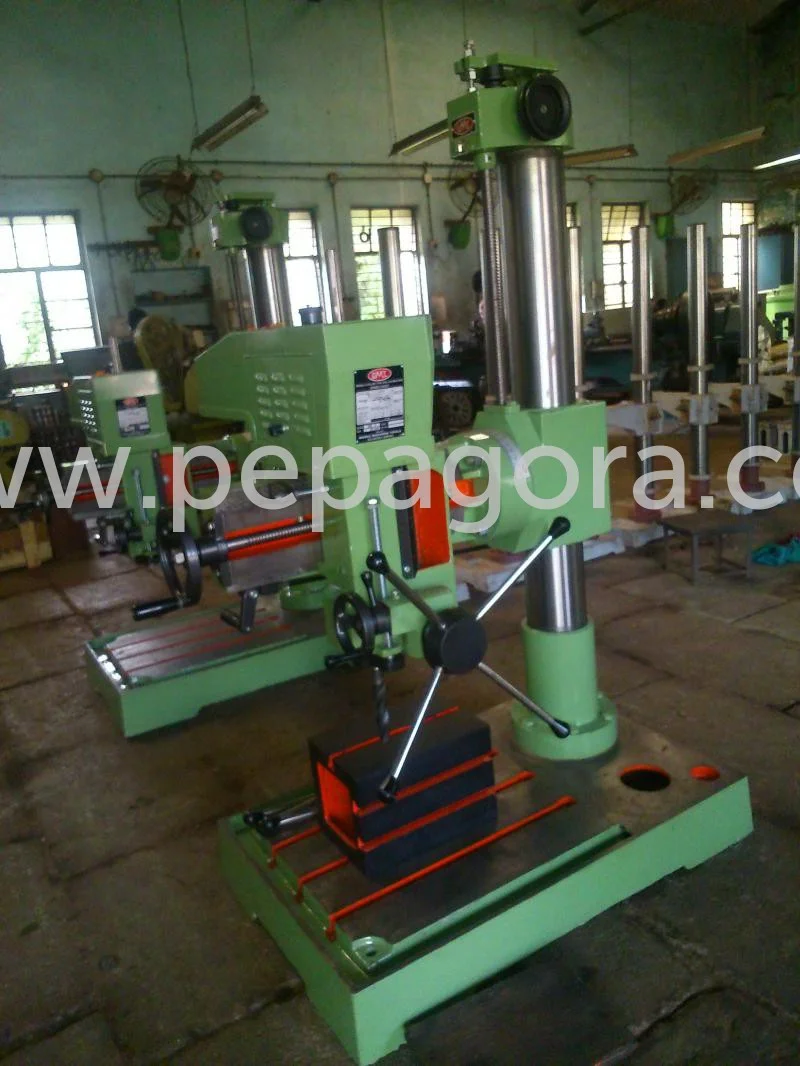
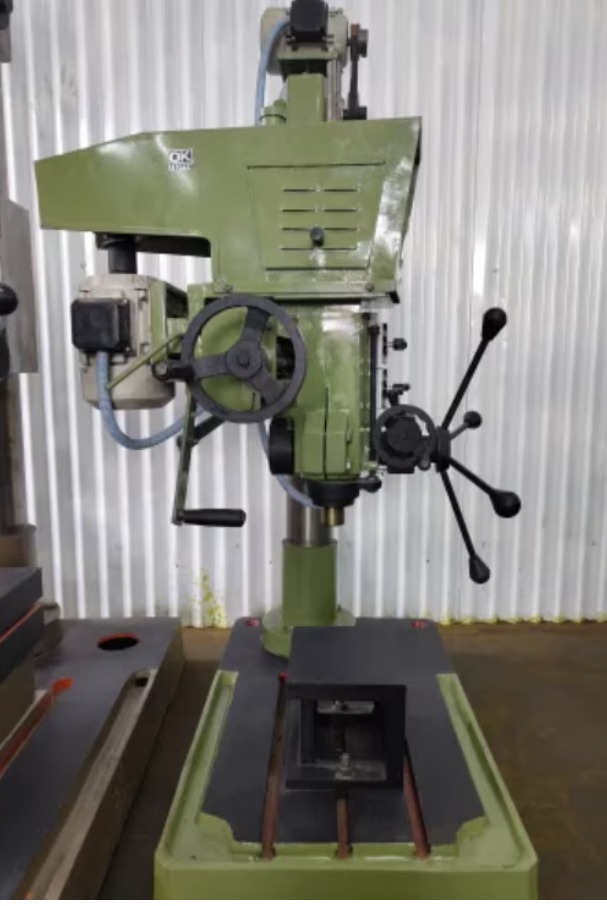
What are Radial Drilling Machines?
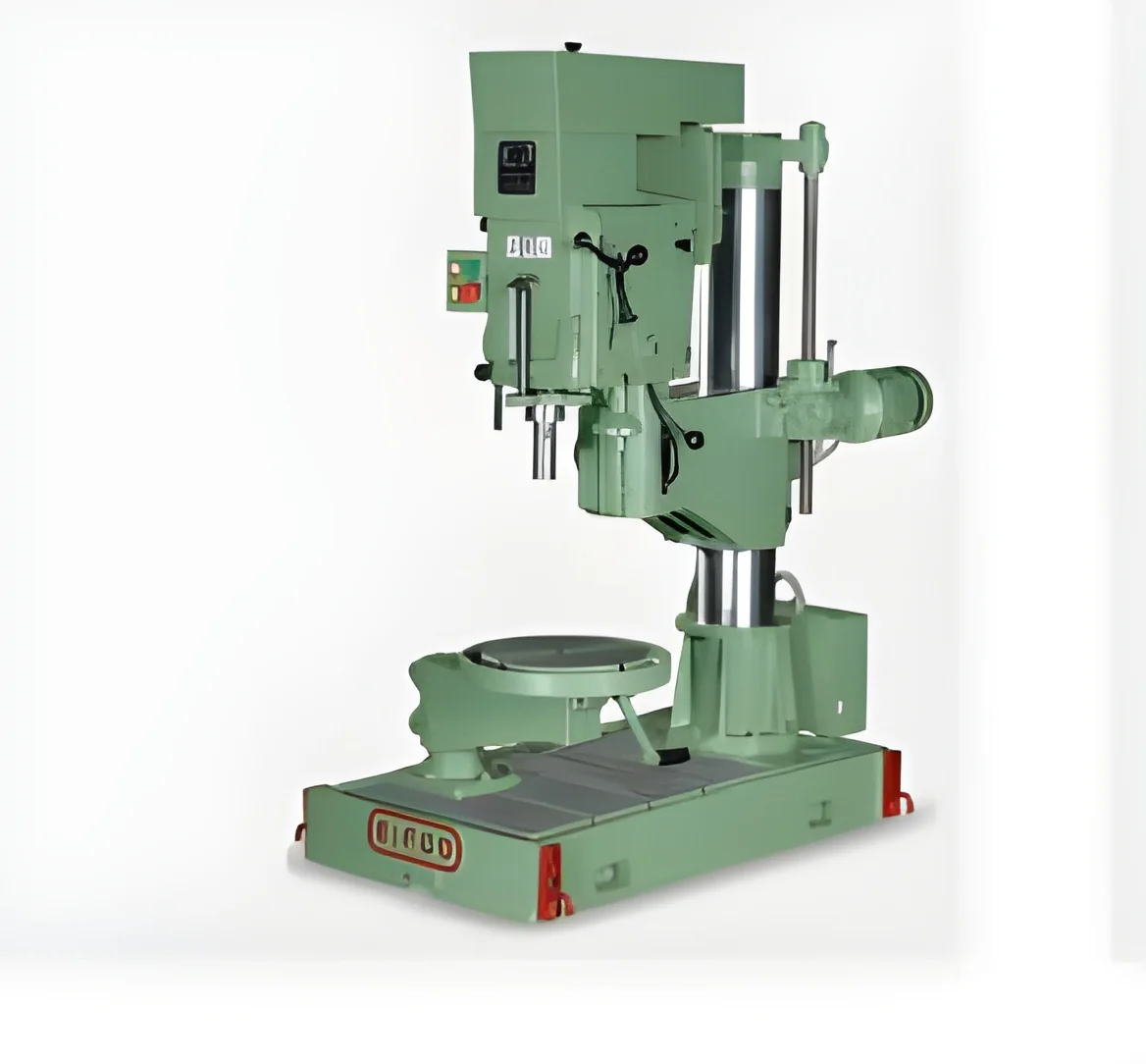
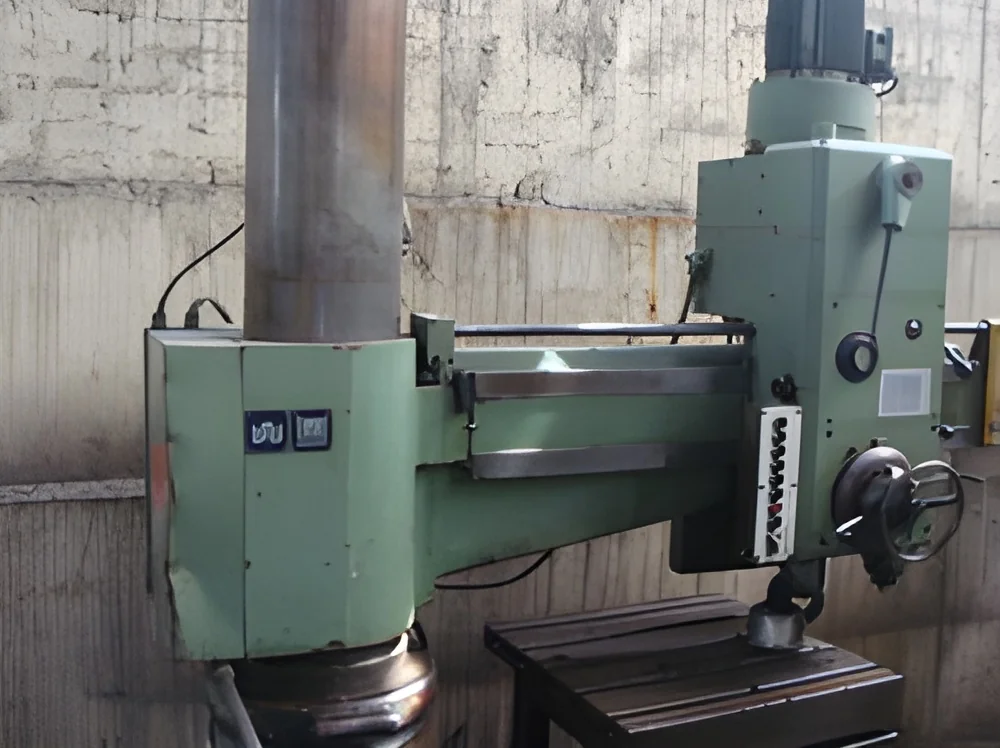
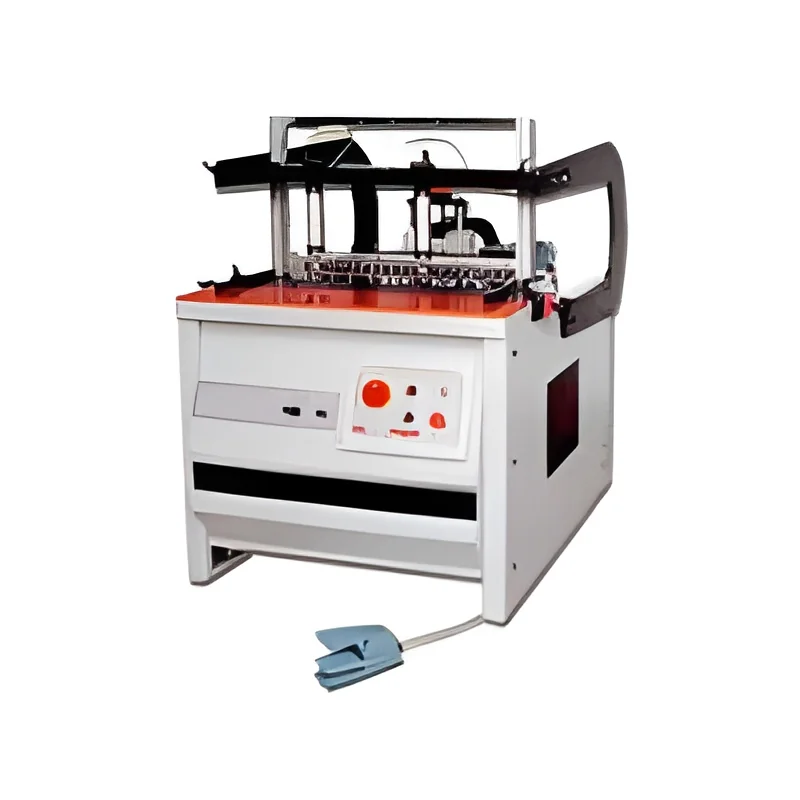
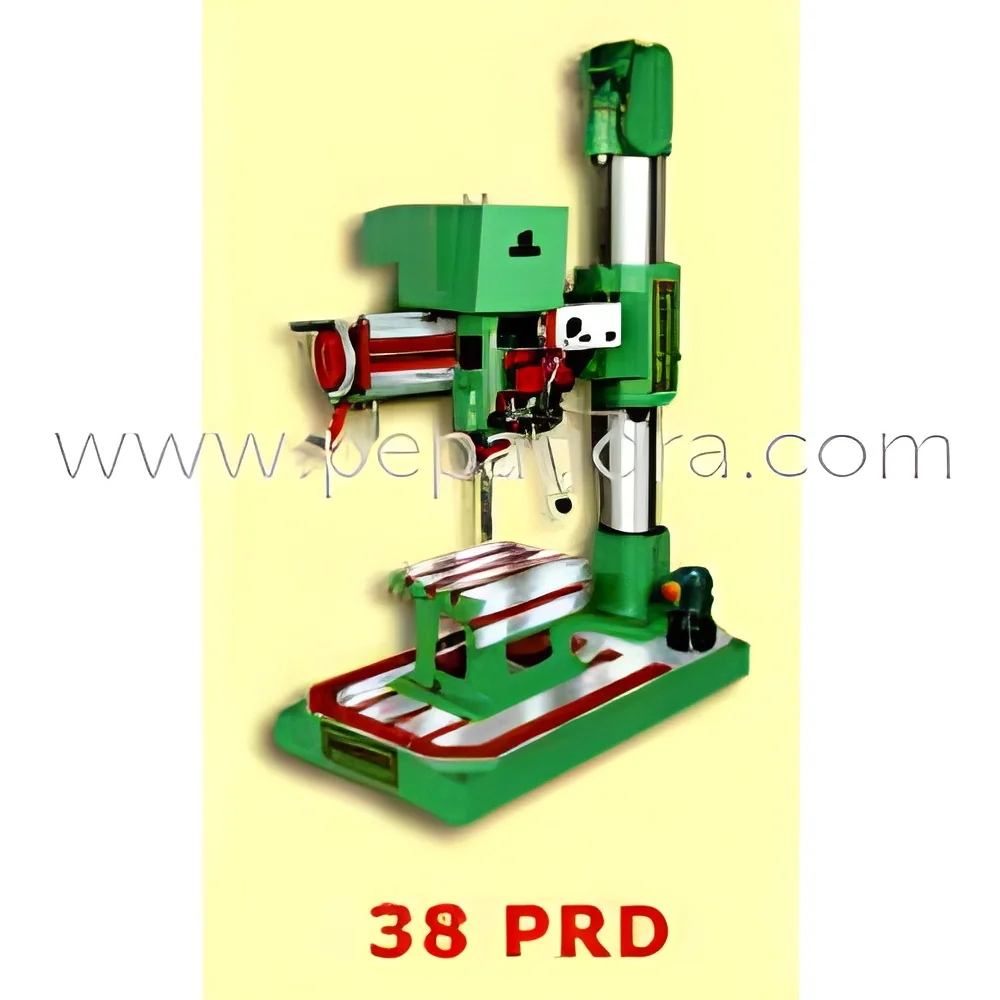
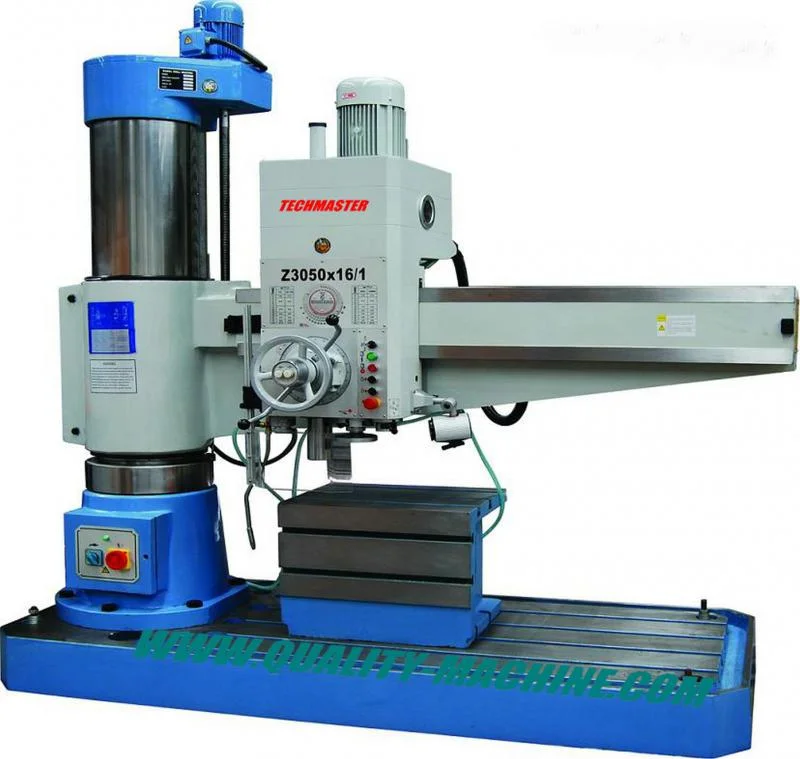
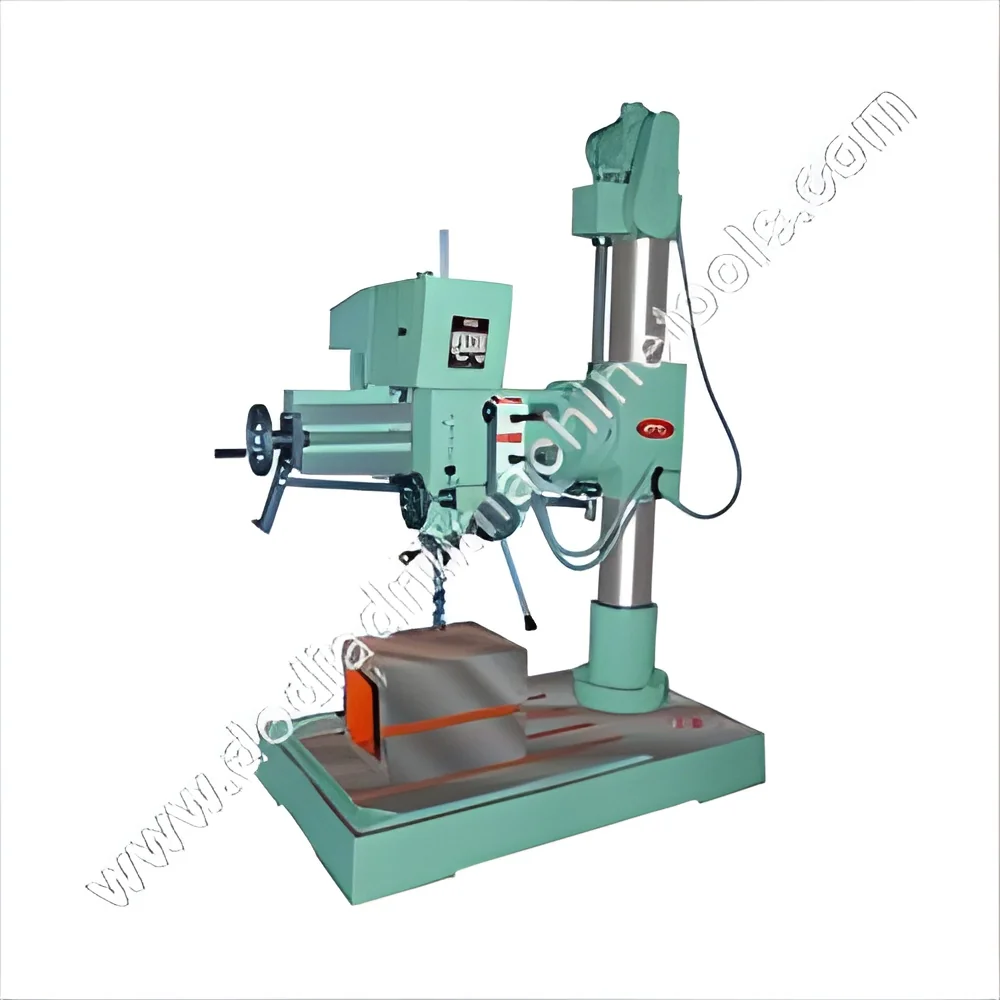
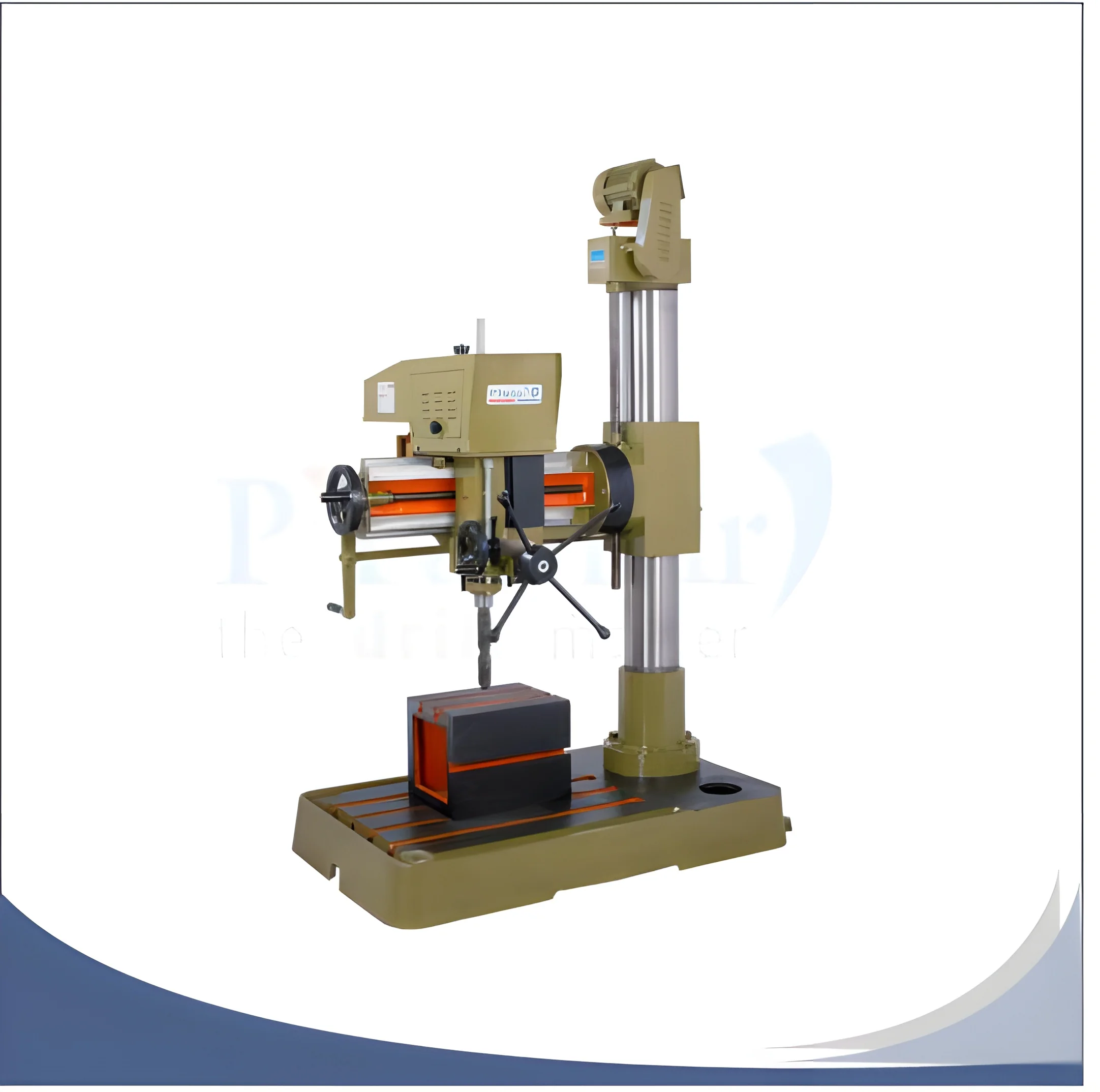
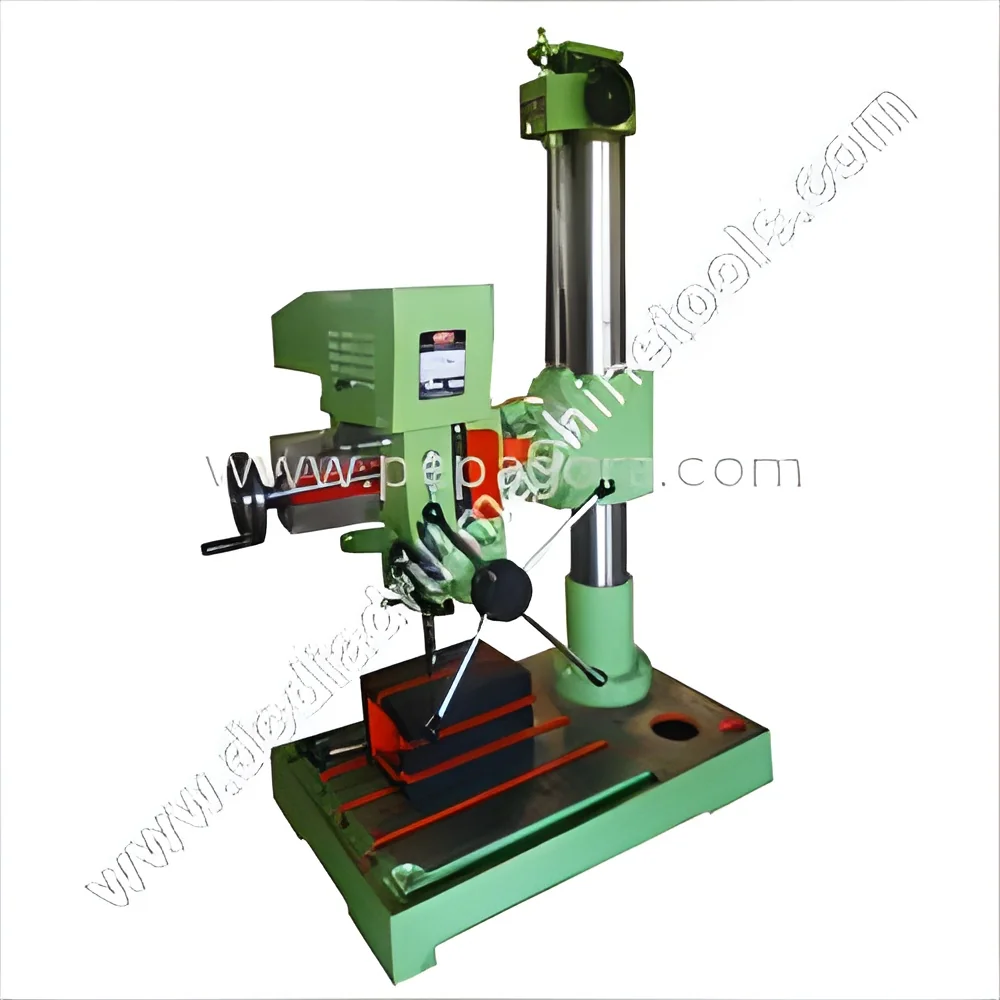
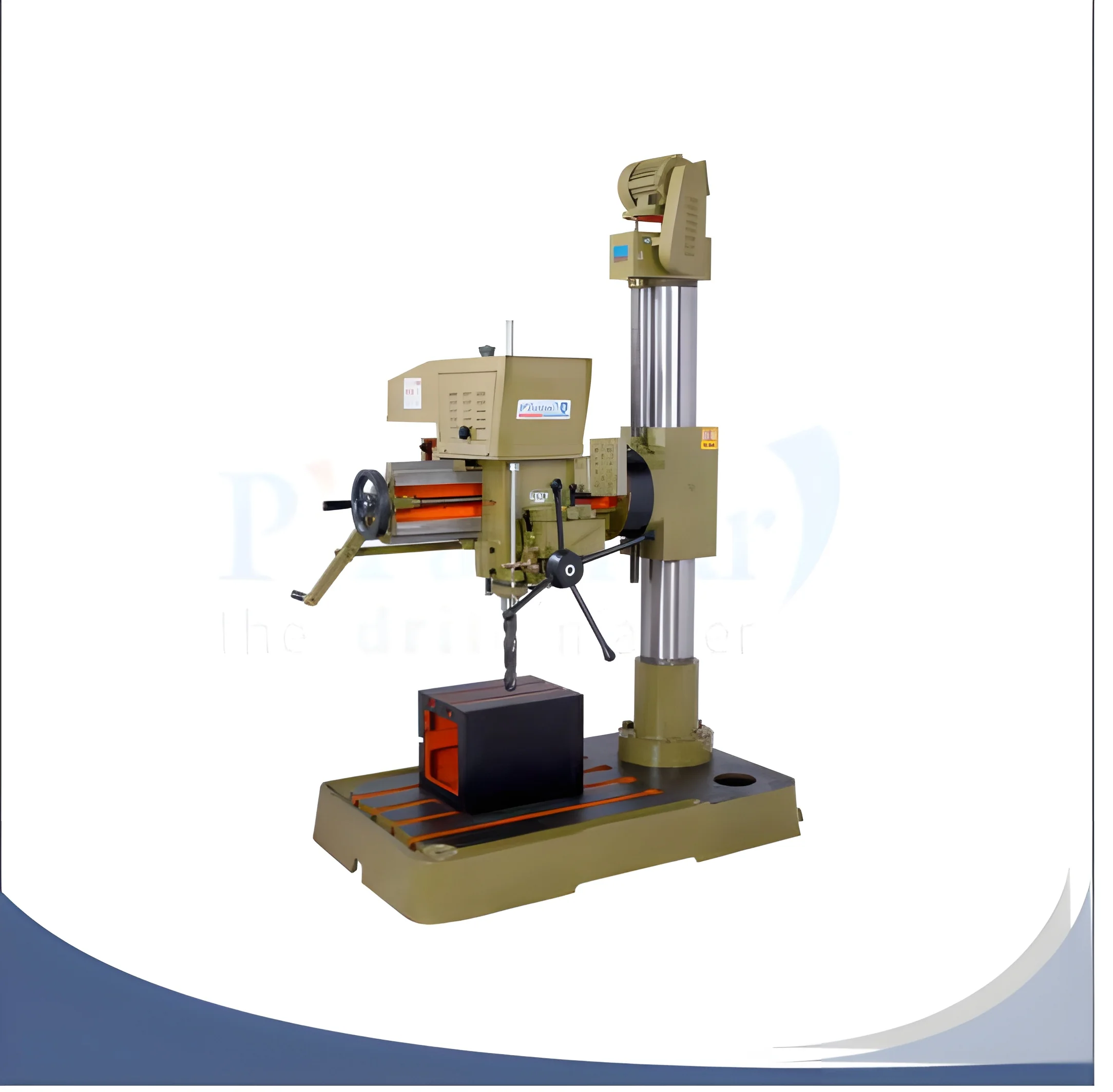
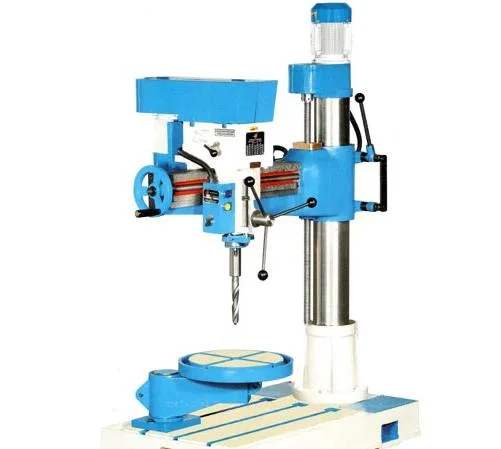
Radial drilling machines are versatile and robust tools used primarily for drilling operations in various industrial settings. They consist of a vertical column with a rotating arm that can extend and retract, allowing the drill to reach different positions over a workpiece. The radial design enables the operator to position the drill head at various angles, making it suitable for a wide range of applications, from simple drilling to more complex operations such as tapping and boring.
These machines are widely used in industries such as manufacturing, construction, and metalworking. They are particularly effective for drilling large and heavy components, where precision and flexibility are crucial. Businesses often utilize radial drilling machines for fabricating parts, assembly work, and maintenance tasks. Given their adaptability, they are essential assets for companies looking to enhance productivity and efficiency in their drilling processes.
In the current market, the demand for radial drilling machines is driven by the increasing need for automation and precision in manufacturing. As industries continue to evolve, these machines remain relevant due to their ability to handle various materials and their ease of operation. This positions them as a key player in the fabrication and machining sectors.
Key Features and Specifications
Radial drilling machines come equipped with several features that enhance their functionality and adaptability. Understanding these specifications will help businesses select the right machine for their needs.
Key specifications include:
1. Drilling Capacity
- The maximum diameter the machine can drill, typically ranging from 25 mm to 100 mm, depending on the model.
2. Arm Length
- The reach of the drilling arm, which usually varies from 800 mm to 2,000 mm, allowing for flexibility in positioning.
3. Spindle Speed
- The range of speeds at which the spindle operates, generally from 40 to 1,500 RPM, accommodating various drilling tasks.
4. Motor Power
- The horsepower of the motor, typically between 1.5 kW and 5.5 kW, influencing the machine's performance and efficiency.
5. Table Size
- The dimensions of the work table, which can vary from 600 mm x 600 mm to 1,200 mm x 1,200 mm, providing ample space for larger workpieces.
6. Weight
- The overall weight of the machine, which can range from 300 kg to 1,500 kg, affecting the machine's stability during operation.
7. Control System
- The type of control panel, which can be manual or digital, impacting the ease of operation and precision.
8. Safety Features
- Includes emergency stops and guards designed to enhance operator safety during use.
In summary, radial drilling machines offer a range of specifications that cater to diverse industrial needs, helping businesses achieve precision and efficiency in their operations.
Common Applications and Use Cases
Radial drilling machines serve various industries, providing essential capabilities for specific applications.
1. Manufacturing: In manufacturing, these machines are used for drilling holes in metal components, allowing for the assembly of parts in machinery and equipment.
2. Construction: Construction firms utilize radial drilling machines for drilling into structural components, ensuring accurate placements for bolts and fixtures.
3. Metalworking: In metalworking shops, radial drilling machines facilitate the production of custom metal parts, enhancing fabrication processes.
4. Automotive: The automotive industry leverages these machines for drilling engine components and other critical parts, ensuring high levels of precision.
5. Aerospace: Aerospace manufacturers rely on radial drilling machines to create lightweight and strong components, critical for aircraft performance.
6. Oil and Gas: These machines are also used in the oil and gas sector for drilling operations in the fabrication of drilling rigs and equipment.
7. Shipbuilding: In shipbuilding, radial drilling machines are essential for creating precise holes in various materials used in ship construction.
Product Variants and Subcategories
Radial drilling machines come in various configurations to meet the diverse needs of industries. While specific subcategories may not be available, different models offer distinct features tailored to specific applications.
Heavy-Duty Radial Drilling Machine
This variant is designed for industrial applications requiring high durability and performance. It often features a robust motor and extended arm length, suitable for drilling larger components in manufacturing and heavy industries.
Portable Radial Drilling Machine
A more compact version, this model is designed for flexibility and mobility. It is ideal for onsite drilling tasks where space is limited, making it perfect for construction and maintenance jobs.
Automatic Radial Drilling Machine
Equipped with advanced automation features, this variant allows for programmable drilling operations. It is particularly useful in high-volume production settings where consistency and speed are essential.
Benefits and Advantages
Radial drilling machines offer numerous benefits that can enhance operational efficiency and productivity.
1. Versatility: These machines can accommodate various drilling tasks, making them suitable for multiple applications across different industries.
2. Precision: The design allows for accurate drilling at various angles, ensuring high-quality results in every operation.
3. Efficiency: With their robust construction and powerful motors, radial drilling machines can handle heavy workloads, increasing production rates.
4. Easy Operation: Most models feature user-friendly controls, making it easier for operators to perform complex drilling tasks with minimal training.
5. Space Saving: The radial design minimizes the footprint of the machine, allowing it to fit into smaller workspaces while still providing ample reach.
6. Cost-Effective: Investing in a radial drilling machine can reduce operational costs by improving efficiency and reducing labor time.
Buying Guide for B2B Buyers
When sourcing radial drilling machines, consider the following factors to ensure you make an informed decision.
1. Quality Assessment: Evaluate the quality of materials and construction. Look for machines that adhere to industry standards to ensure longevity and reliability.
2. Supplier Verification: Vet suppliers thoroughly to ensure they have a proven track record of providing high-quality machines and customer service.
3. Pricing and MOQ: Understand the price range for radial drilling machines and inquire about minimum order quantities, as this can affect your procurement strategy.
4. Delivery and Lead Times: Discuss logistics with suppliers to understand delivery schedules and lead times to plan your operations accordingly.
5. Compliance Requirements: Ensure that the machines meet all regulatory standards and certifications, such as CE, to avoid legal and operational issues.
Compliance and Certifications
Radial drilling machines must adhere to relevant quality standards to ensure reliability and safety in operation. Common standards include ISO 9001, which focuses on quality management systems, ensuring that manufacturers provide consistent quality products.
Additionally, compliance with CE certification is essential for machines sold in European markets. This certification signifies that the machines meet EU safety, health, and environmental protection requirements.
Safety and testing requirements are critical as well; manufacturers should implement rigorous testing protocols to verify the machine's performance and safety features.
Regional compliance considerations may vary, so businesses should ensure that their machines align with local regulations in the markets they operate.
Why Source Radial Drilling Machines from Pepagora?
Pepagora provides a trusted platform for sourcing radial drilling machines, offering several key advantages to businesses.
Verified Supplier Network: Pepagora features a robust network of verified suppliers, ensuring that buyers can access high-quality machines from reputable manufacturers.
Streamlined RFQ Process: The request for quotation (RFQ) process is efficient, allowing buyers to compare multiple offers and select the best option for their needs.
Trade Assurance and Support: Pepagora offers buyer protection through trade assurance, providing peace of mind that transactions are secure and reliable.
Regional Coverage: With a strong presence in regions like India, the GCC, and Southeast Asia, Pepagora connects buyers with suppliers across diverse markets, facilitating easier sourcing and procurement.

 IN
IN