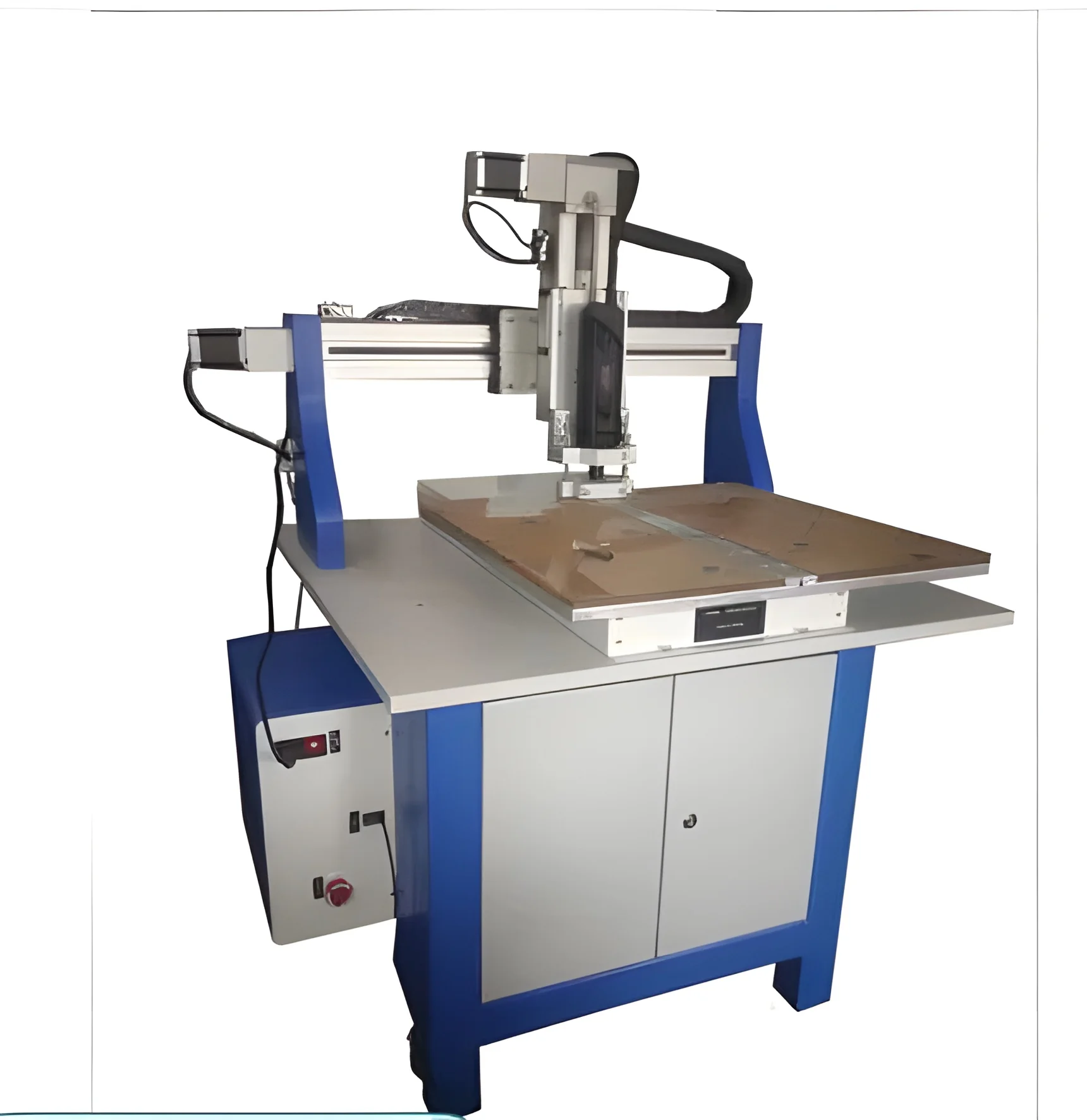
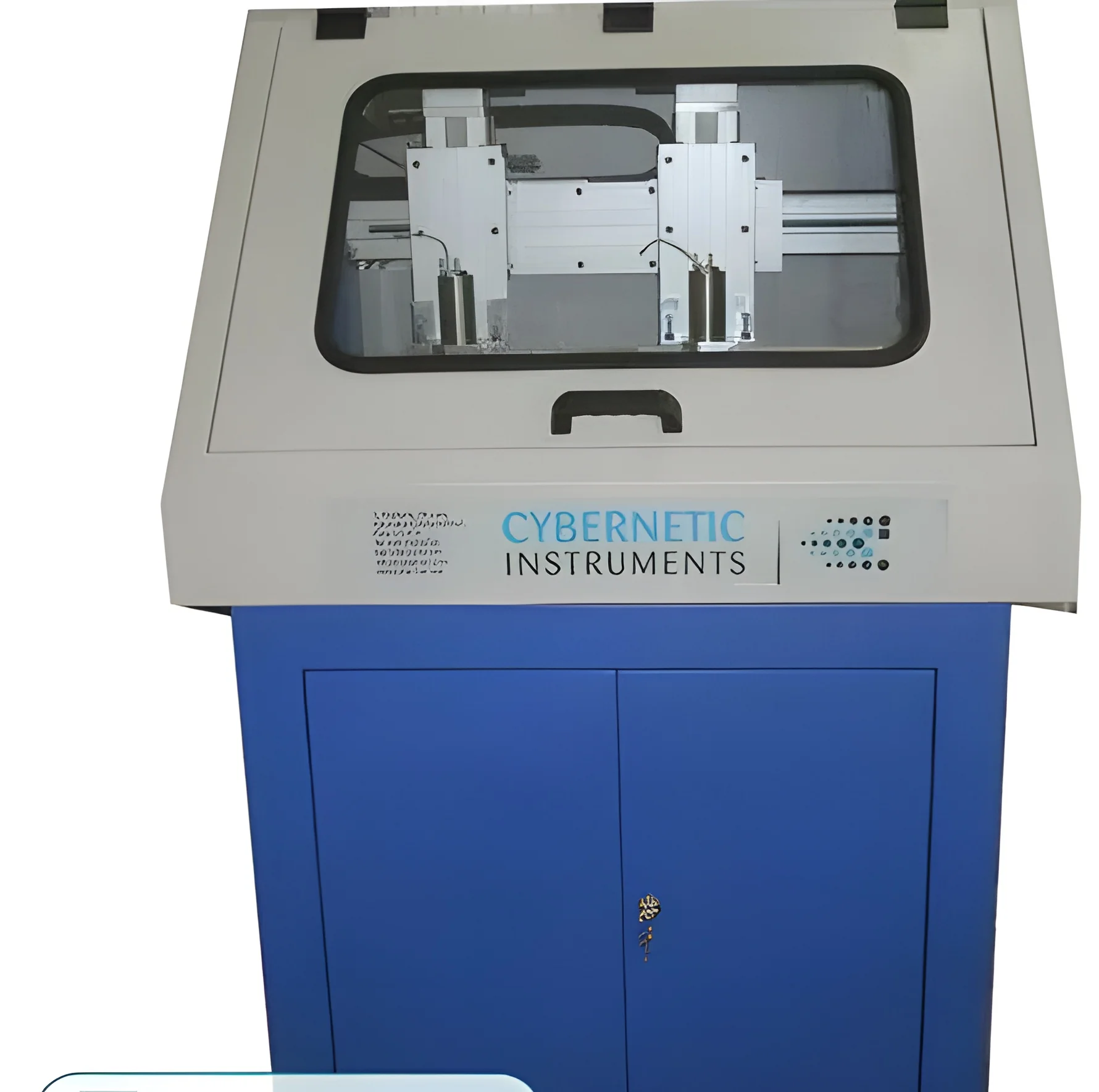
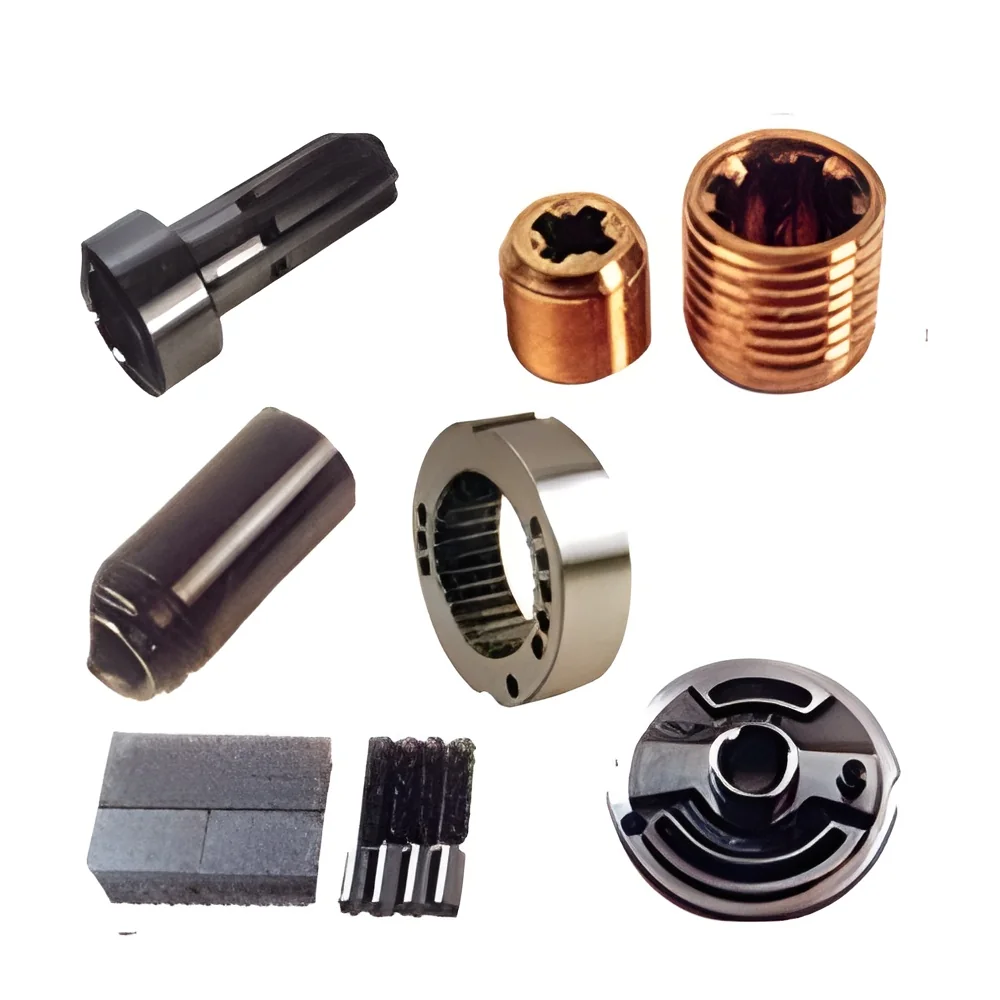
What are CNC Drilling Machines?
CNC drilling machines are advanced tools that utilize computer numerical control technology to automate the drilling process. These machines precisely control the movement of the drill bit along multiple axes, allowing for highly accurate and repeatable drilling operations. They are equipped with sophisticated software that interprets design files, translating them into commands for the machine to execute. This level of automation enhances productivity and reduces the risk of human error.
The primary applications of CNC drilling machines span various industries, including manufacturing, aerospace, automotive, and construction. Businesses use these machines to produce components with complex geometries, ensuring consistency and precision. As industries continue to embrace automation, CNC drilling machines play a crucial role in streamlining production processes, reducing lead times, and improving overall efficiency.
In the current market context, CNC drilling machines are increasingly being adopted due to the demand for high-quality components and the need for cost-effective manufacturing solutions. The integration of CNC technology is seen as a vital step toward achieving lean manufacturing and maintaining competitiveness in a rapidly evolving industrial landscape.
Key Features and Specifications
CNC drilling machines come with a range of features and specifications that enhance their functionality and performance. Understanding these specifications is essential for businesses looking to invest in such equipment.
Key specifications include:
1. Axis Configuration
- Most CNC drilling machines have a 3-axis configuration, enabling movement along the X, Y, and Z axes.
- Some advanced models may feature additional axes for more complex drilling applications.
2. Spindle Speed
- Spindle speeds typically range from 1,000 to 10,000 RPM, depending on the material being drilled.
- Higher speeds are ideal for softer materials, while lower speeds are used for harder materials.
3. Drilling Diameter Capacity
- Machines can accommodate a range of drilling diameters, often from 0.1 mm to 30 mm.
- The capacity may vary based on the specific model and tooling.
4. Tool Change System
- Many CNC drilling machines include an automatic tool changer for efficient operation.
- Tool change times can vary from a few seconds to several minutes, depending on the complexity of the setup.
5. Control Software
- Advanced CNC drilling machines are equipped with user-friendly control software that allows for easy programming and operation.
- Compatibility with various CAD/CAM software enhances design flexibility.
6. Bed Size
- The bed size varies, typically ranging from 600 mm x 600 mm to 3,000 mm x 1,500 mm.
- A larger bed size allows for more extensive workpieces and greater versatility.
7. Material Compatibility
- CNC drilling machines can work with a wide range of materials, including metals, plastics, and composites.
- Specific models may be optimized for certain materials based on their construction and tooling.
8. Safety Features
- Safety features such as emergency stop buttons, protective enclosures, and safety interlocks are standard in modern machines.
- These features help to ensure operator safety during operation.
In summary, understanding the key features and specifications of CNC drilling machines is crucial for selecting the right equipment for your business needs. With advancements in technology, these machines offer enhanced performance, precision, and safety.
Common Applications and Use Cases
CNC drilling machines are versatile tools utilized in numerous industries for various applications.
1. Aerospace: In the aerospace sector, CNC drilling machines are used to create precise holes in aircraft components, ensuring structural integrity and compliance with safety standards.
2. Automotive: The automotive industry employs CNC drilling machines for manufacturing engine blocks, chassis components, and other critical parts, enabling high-volume production with consistent quality.
3. Construction: In construction, these machines are used for drilling holes in steel beams and concrete forms, facilitating the assembly of structural frameworks.
4. Electronics: CNC drilling machines are essential in the electronics industry for producing circuit boards, allowing for intricate designs and high-density layouts.
5. Metal Fabrication: In metal fabrication, CNC drilling machines are used to create holes in various metal components, streamlining the production of custom parts.
6. Furniture Manufacturing: The furniture industry also benefits from CNC drilling technology, using these machines to drill holes for dowels and hardware in wooden components.
7. Oil and Gas: In the oil and gas sector, CNC drilling machines are employed for creating precise holes in drilling equipment and pipelines, essential for operational efficiency.
Product Variants and Subcategories
CNC drilling machines come in various configurations to meet the unique needs of different applications.
Vertical CNC Drilling Machines
These machines are designed with a vertical spindle and are ideal for drilling straight holes in flat surfaces. They are widely used in woodworking and metal fabrication.
Horizontal CNC Drilling Machines
Horizontal machines offer greater stability and are suitable for drilling larger workpieces. They are commonly used in the automotive and aerospace industries.
CNC Gantry Drilling Machines
Gantry machines feature a large frame that supports the drilling head, allowing for the drilling of oversized components. They are particularly useful in heavy manufacturing.
CNC Multi-Spindle Drilling Machines
These machines can operate multiple spindles simultaneously, increasing productivity by drilling several holes at once. They are often used in high-volume production settings.
Benefits and Advantages
Investing in CNC drilling machines provides numerous advantages for businesses.
Key benefits include:
1. Enhanced Precision: CNC drilling machines deliver high levels of accuracy, ensuring that every hole meets exact specifications.
2. Increased Productivity: The automation of the drilling process leads to faster production rates, reducing overall manufacturing time.
3. Reduced Labor Costs: By minimizing the need for manual labor, businesses can lower operational costs and allocate resources more effectively.
4. Improved Consistency: CNC technology ensures that each drilled part is identical, which is critical for maintaining quality standards.
5. Flexibility in Production: These machines can easily be reprogrammed for different tasks, allowing businesses to adapt quickly to changing demands.
6. Greater Safety: Advanced safety features reduce the risk of accidents, making CNC drilling machines safer for operators compared to manual options.
Buying Guide for B2B Buyers
When sourcing CNC drilling machines, it is essential to consider several factors to make an informed purchase.
1. Quality Assessment: Assess the quality of machines by reviewing manufacturer specifications, customer reviews, and any available performance data. Consider machines that meet recognized quality standards.
2. Supplier Verification: Verify suppliers by checking their reputation, history, and customer feedback. Look for manufacturers with a proven track record in the industry.
3. Pricing and MOQ: Understand the pricing structure and minimum order quantities required by suppliers. Compare costs across different manufacturers to find the best value.
4. Delivery and Lead Times: Inquire about delivery times and lead times for production. Ensure that suppliers can meet your timeline requirements to avoid production delays.
5. Compliance Requirements: Ensure that the machines comply with relevant industry standards and regulations. This includes safety certifications and any specific compliance requirements for your industry.
Compliance and Certifications
CNC drilling machines must adhere to various quality standards and certifications to ensure safety and performance.
ISO 9001 is a widely recognized standard that outlines the requirements for a quality management system. Manufacturers of CNC drilling machines often strive for this certification to demonstrate their commitment to quality.
CE certification is essential for machines sold in European markets. It indicates that the product meets European safety, health, and environmental protection standards.
Safety and testing requirements vary by region and industry, with manufacturers needing to conduct rigorous testing to ensure their machines are safe for operation.
Regional compliance considerations may include local regulations that govern machinery safety and emissions. It is crucial for buyers to understand these requirements to avoid any legal issues.
Why Source CNC Drilling Machines from Pepagora?
Pepagora provides a trusted platform for sourcing CNC drilling machines with several key advantages.
Verified Supplier Network: Pepagora connects buyers with verified suppliers, ensuring that all manufacturers have undergone a rigorous vetting process. This gives buyers confidence in the quality and reliability of the products.
Streamlined RFQ Process: The platform simplifies the request for quotation process, allowing buyers to receive multiple quotes from various suppliers quickly. This enables better comparison and informed decision-making.
Trade Assurance and Support: Pepagora offers trade assurance measures that protect buyers throughout the purchasing process. This includes support in case of disputes and assistance with logistics.
Regional Coverage: With a strong presence in India, the GCC, and Southeast Asia, Pepagora ensures that buyers have access to suppliers across these regions, facilitating easier sourcing and delivery of CNC drilling machines tailored to their needs.

 IN
IN