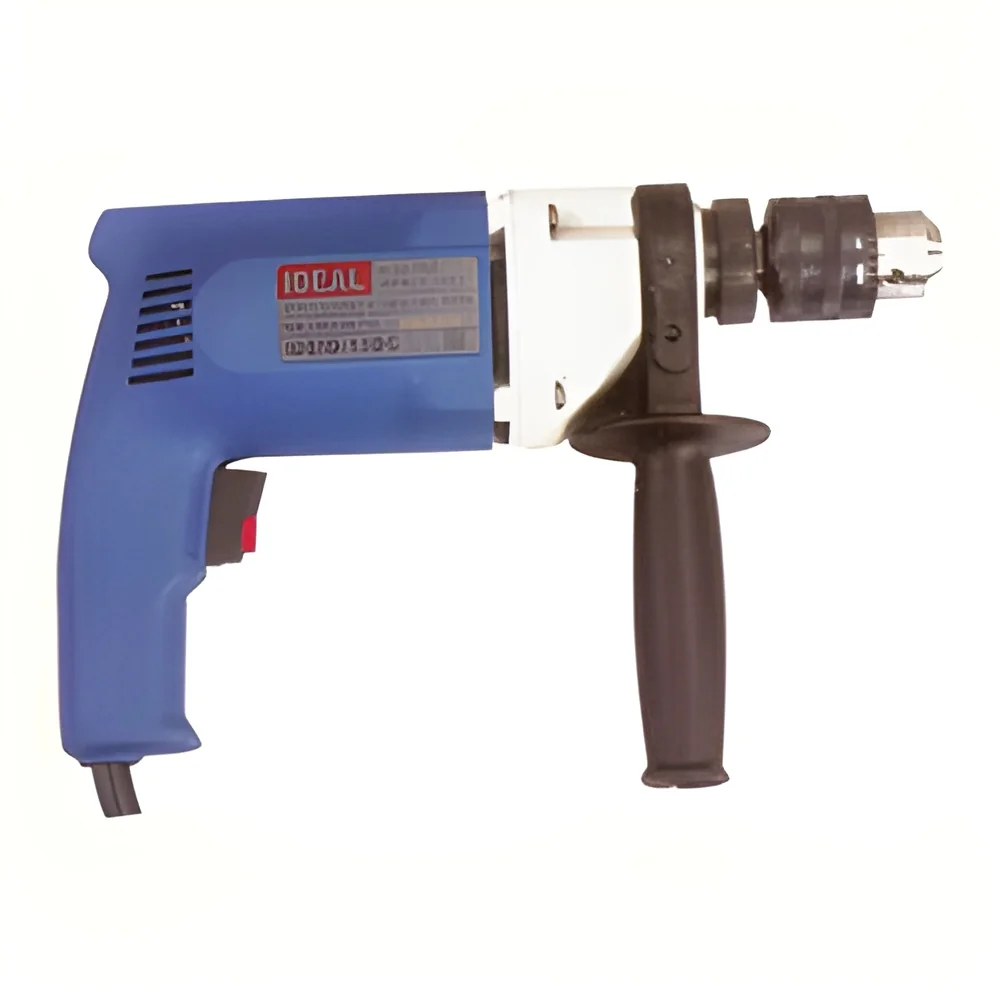
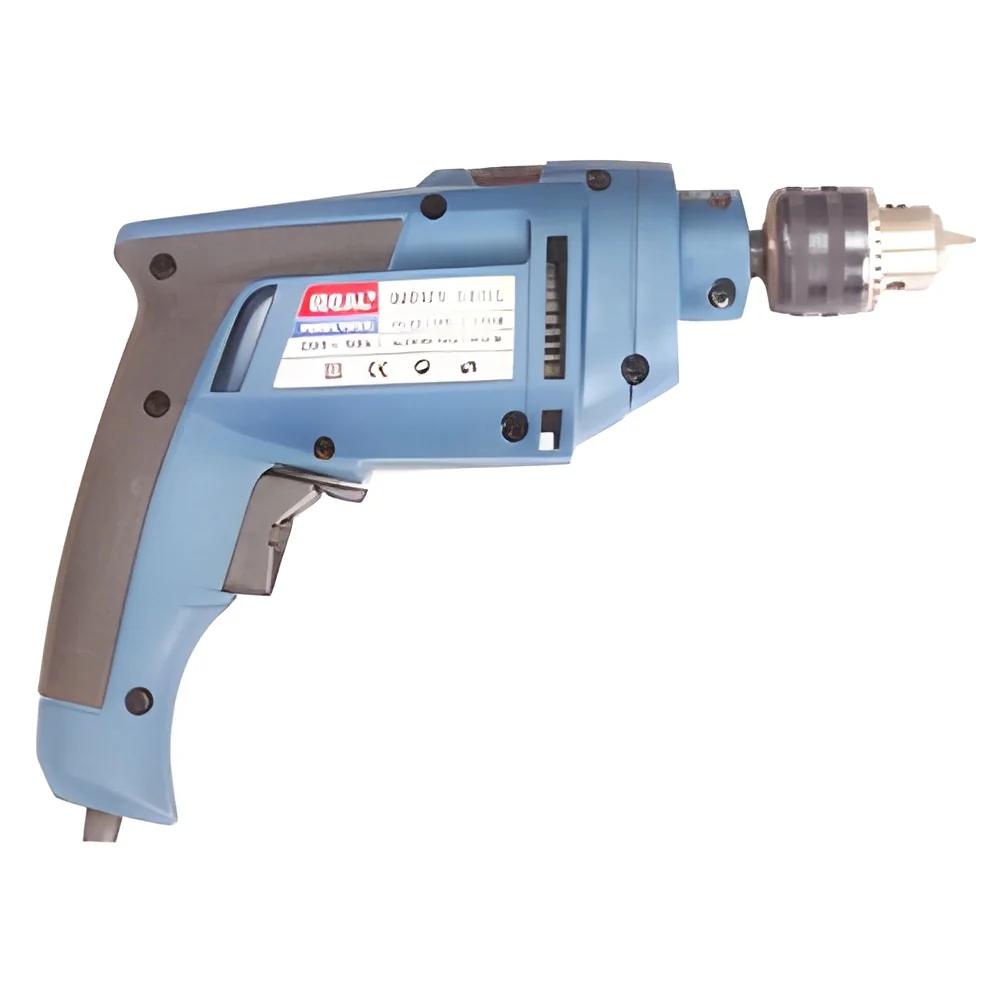
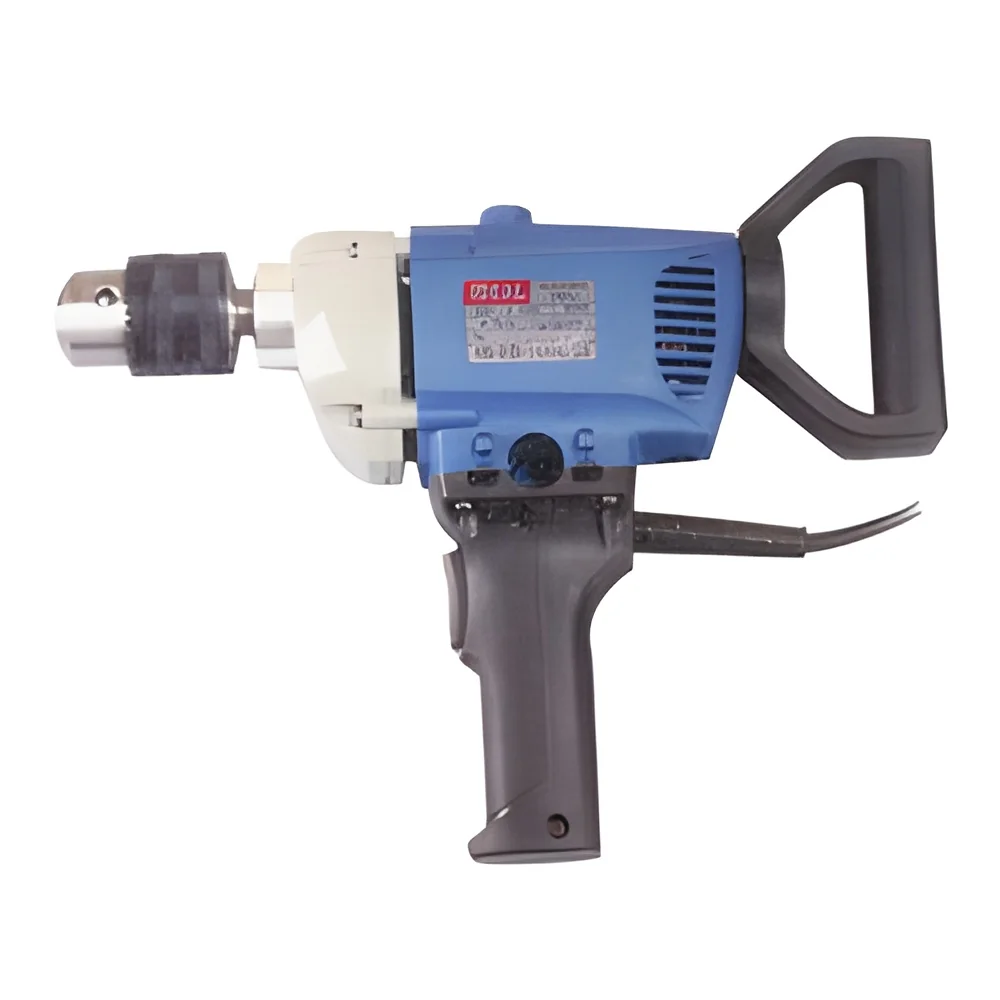
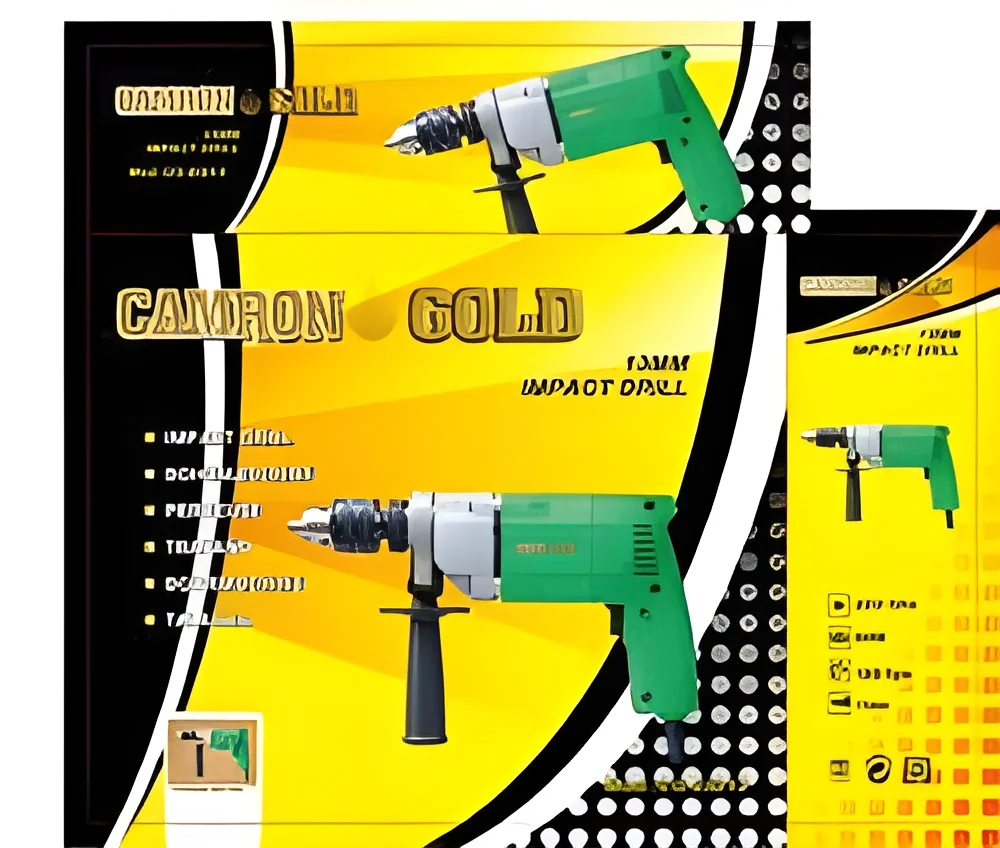
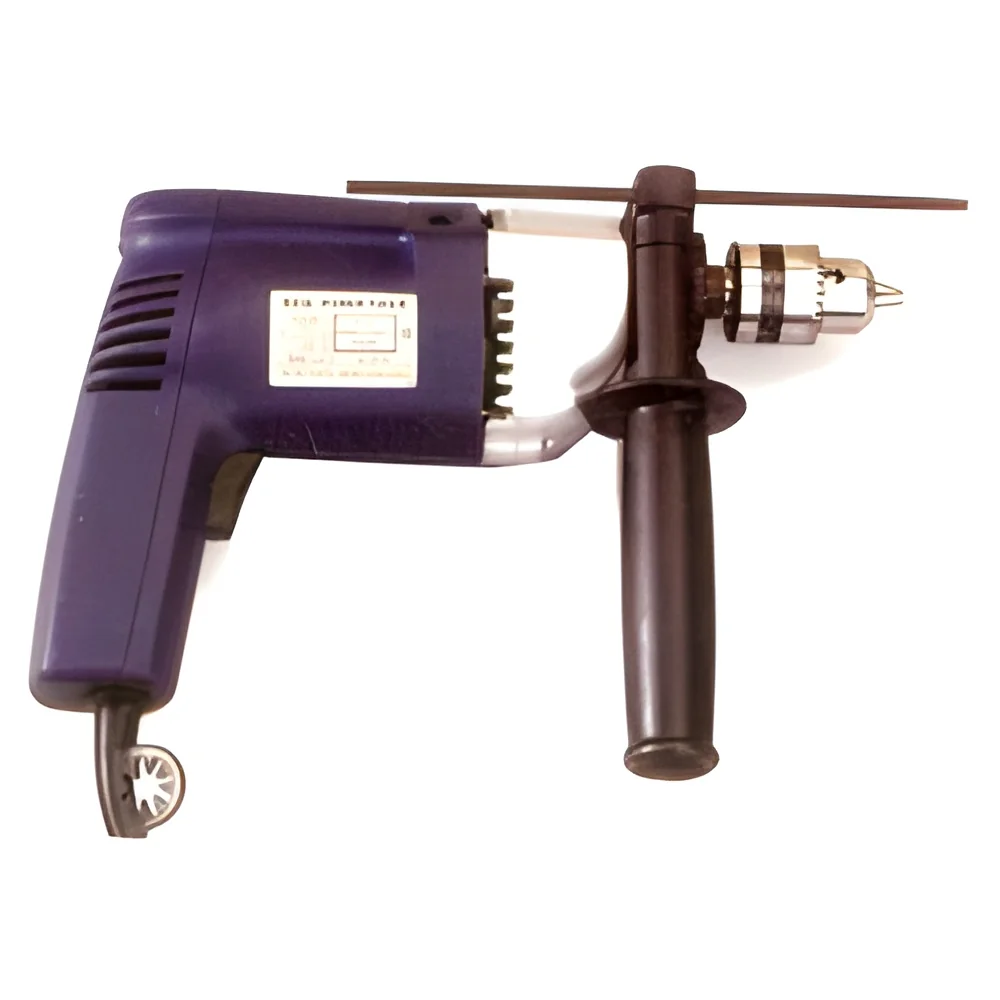
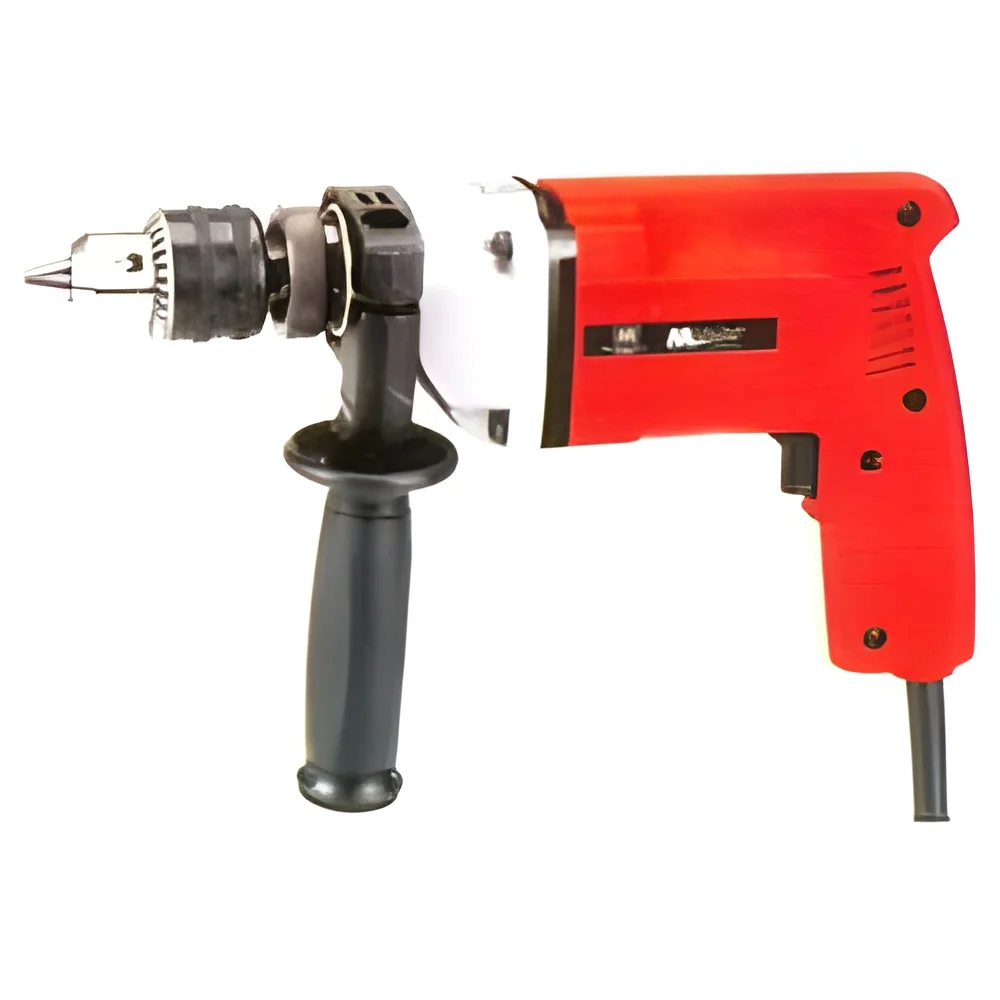
What are Impact Drills?
Impact drills are powerful tools designed primarily for drilling into hard materials, such as concrete, masonry, and metal. Unlike standard drills, impact drills combine rotational motion with a hammering action, allowing them to penetrate tough surfaces more effectively. This dual-action mechanism makes them an essential choice for professionals in construction and industrial settings.
The primary uses of impact drills include drilling holes for anchors, screws, and fittings in various applications. They are commonly employed in the construction industry, electrical work, and plumbing. Businesses value impact drills for their efficiency and effectiveness in completing tasks that require high torque and precision. Their ability to handle demanding jobs with ease makes them relevant across multiple sectors, providing a vital tool for tradespeople and contractors.
As the demand for robust and versatile drilling solutions grows, the market for impact drills continues to expand. Various manufacturers are innovating to enhance performance and durability, ensuring that impact drills meet the evolving needs of professionals in industrial environments.
Key Features and Specifications
Impact drills come equipped with a range of specifications that make them suitable for various applications. Understanding these specifications can help buyers choose the right tool for their needs.
Key specifications include:
1. Power Rating
- Typically measured in watts or amps, this specification indicates the motor strength.
- Common ranges are from 500 watts to over 1500 watts.
2. Voltage
- Most impact drills operate on standard voltage levels, either 110V or 220V.
- This specification is crucial for ensuring compatibility with local power supplies.
3. Chuck Size
- The chuck size determines the diameter of drill bits that can be used.
- Common sizes include 1/2 inch and 3/8 inch.
4. Impact Rate
- Measured in blows per minute (BPM), this indicates the frequency of the hammering action.
- Typical rates range from 0 to 60,000 BPM.
5. Speed Settings
- Impact drills often come with multiple speed settings for enhanced control.
- Options usually include low, medium, and high speeds.
6. Weight
- A lighter drill can reduce fatigue during extended use.
- Common weights range from 4 to 8 pounds.
7. Corded vs. Cordless
- Corded models provide continuous power, while cordless options offer mobility.
- Battery life and charging time are key considerations for cordless tools.
8. Safety Features
- Many impact drills include safety features such as overload protection and ergonomic grips.
- These features enhance user safety and comfort.
In summary, understanding these specifications can guide B2B buyers in selecting the right impact drill for their specific needs, ensuring optimal performance and reliability.
Common Applications and Use Cases
Impact drills serve various industries, providing essential functionality for numerous applications.
1. Construction: In construction, impact drills are used for drilling holes in concrete and brick walls, making them essential for installing anchors and fixtures.
2. Electrical: Electricians use impact drills to create holes for wiring and electrical boxes, allowing for efficient installations in residential and commercial settings.
3. Plumbing: Plumbers utilize impact drills to penetrate tough materials for pipe installations and fittings, ensuring secure and durable connections.
4. Manufacturing: In manufacturing, impact drills are used to assemble products and create precise holes in metal and composite materials.
5. Carpentry: Carpenters rely on impact drills for fastening wooden structures and building frameworks, ensuring strong joints and connections.
6. Maintenance: Facilities maintenance teams use impact drills to repair and install equipment, enhancing operational efficiency.
7. DIY Projects: Home improvement enthusiasts often use impact drills for various renovation tasks, making them a versatile tool for personal projects.
Product Variants and Subcategories
Impact drills come in various configurations to meet different user needs. Each variant offers unique features and applications.
Corded Impact Drills: These drills provide consistent power and are ideal for heavy-duty applications. They are commonly used in construction and manufacturing settings, where uninterrupted operation is crucial.
Cordless Impact Drills: Featuring battery-operated designs, these drills offer portability and ease of use. They are perfect for on-site work where access to power outlets may be limited.
Compact Impact Drills: Smaller and lighter, compact models are designed for tight spaces and overhead work. They are particularly useful for electricians and plumbers who need maneuverability.
High-Torque Impact Drills: These drills are built for heavy applications requiring significant power. They are favored in industrial environments where performance is paramount.
Benefits and Advantages
Investing in impact drills provides several advantages for B2B buyers looking to enhance their operational capabilities.
1. Enhanced Efficiency: Impact drills allow for faster drilling in tough materials, significantly reducing project completion times.
2. Versatility: With their ability to tackle various materials, impact drills can be used across multiple applications, making them a valuable investment.
3. Improved Precision: The hammering action of impact drills ensures accurate hole placement, which is essential for professional results.
4. Reduced Fatigue: Many impact drills are designed with ergonomic handles, reducing strain on the user during extended use.
5. Cost-Effective: By providing reliable performance, impact drills can lower the cost of labor and materials, resulting in overall savings.
6. Durability: Built to withstand demanding conditions, impact drills offer long-lasting performance, minimizing the need for replacements.
Buying Guide for B2B Buyers
When sourcing impact drills, it is important for buyers to consider several factors to ensure they make informed decisions.
1. Quality Assessment: Buyers should evaluate the build quality and materials of impact drills. Look for reputable brands known for their durability and reliability.
2. Supplier Verification: It is essential to vet suppliers for credibility and track record. Check for reviews and ratings from previous buyers to ensure a trustworthy partnership.
3. Pricing and MOQ: Understand the pricing structure and minimum order quantities (MOQ) required by suppliers. This will help in budgeting and ensuring a smooth procurement process.
4. Delivery and Lead Times: Consider the logistics involved in purchasing impact drills. Discuss lead times with suppliers to align with project schedules.
5. Compliance Requirements: Ensure that the impact drills meet any industry-specific regulations and safety standards that may apply in your region.
Compliance and Certifications
Compliance and certifications are critical aspects of the impact drill industry. Buyers should be aware of relevant quality standards and industry certifications that ensure product reliability and safety.
ISO 9001 is a widely recognized standard that focuses on quality management systems. Impact drills that adhere to this standard are likely to be of high quality and reliable performance.
The CE mark signifies that products meet European health, safety, and environmental protection standards. Impact drills bearing this certification are compliant with EU regulations, ensuring safety for users.
Safety and testing requirements are paramount in the manufacturing of impact drills. Manufacturers must conduct thorough testing to ensure that their products operate safely under various conditions.
Regional compliance considerations vary across different markets. Buyers should be aware of local regulations regarding the purchase and use of impact drills to ensure adherence to safety standards.
Why Source Impact Drills from Pepagora?
Pepagora provides a trusted platform for sourcing impact drills, offering several key advantages that benefit B2B buyers.
Verified Supplier Network: Pepagora ensures that all suppliers in its network undergo rigorous verification processes. This guarantees that buyers can trust the quality and reliability of the products offered.
Streamlined RFQ Process: The platform features a user-friendly quotation system, allowing buyers to request quotes efficiently. This process simplifies procurement and helps buyers find the best deals.
Trade Assurance and Support: Pepagora offers trade assurance to protect buyers against potential risks. With dedicated support, buyers can resolve any issues that may arise during the purchasing process.
Regional Coverage: Pepagora has a wide geographic reach, serving markets in India, the GCC, and Southeast Asia. This allows buyers to access a diverse range of suppliers and products tailored to their specific needs.

 IN
IN