
 IN
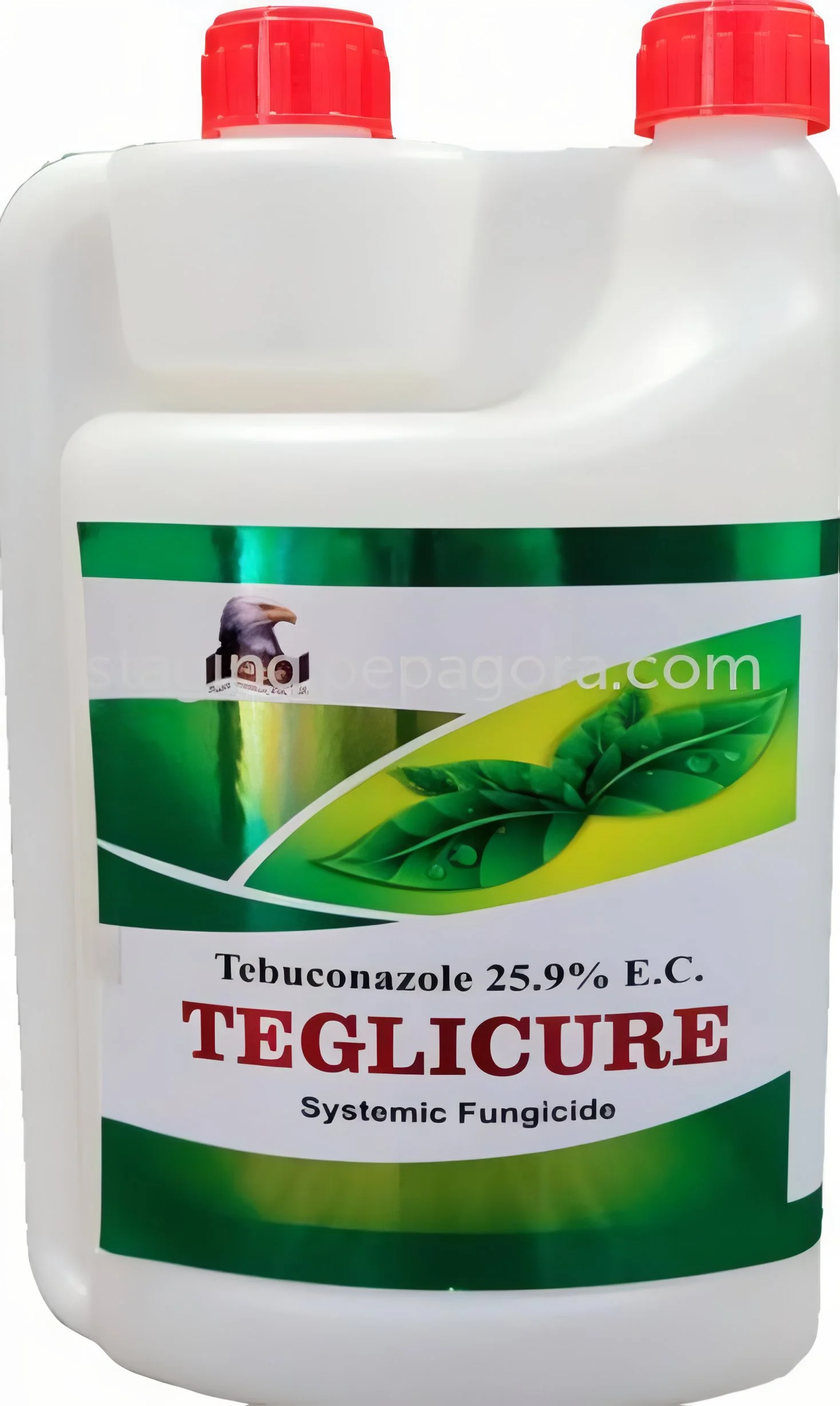
INSystemic Fungicides (Triazole, Strobilurin)
1 products available

Frequently Asked Questions
What are Systemic Fungicides (Triazole, Strobilurin)?
Systemic fungicides, particularly Triazole and Strobilurin types, are chemical agents used to control fungal diseases in plants. They work by being absorbed into the plant system, providing protection from within against various fungal pathogens.
What are the different types of Systemic Fungicides (Triazole, Strobilurin)?
The primary types of systemic fungicides include Triazoles and Strobilurins. Triazoles inhibit the synthesis of ergosterol, a vital component of fungal cell membranes, while Strobilurins disrupt the respiration process in fungi, effectively controlling a range of plant diseases.
How do I choose the right Systemic Fungicides (Triazole, Strobilurin)?
Choosing the right systemic fungicide involves identifying the specific fungal disease affecting your plants and determining the most effective active ingredient. Additionally, consider factors such as the plant type, growth stage, and environmental conditions to ensure optimal results.
What are the standard specifications for Systemic Fungicides (Triazole, Strobilurin)?
Standard specifications for systemic fungicides typically include active ingredient concentration, formulation type (such as liquid or powder), and shelf life. It is important to consult product labels and regulatory guidelines to ensure compliance with local agricultural standards.
What is the price range for Systemic Fungicides (Triazole, Strobilurin)?
The price range for systemic fungicides can vary widely based on brand, formulation, and packaging. Generally, prices may range from ₹500 to ₹5000 per liter or kg, depending on the product's effectiveness and market demand.
What quality standards apply to Systemic Fungicides (Triazole, Strobilurin)?
Quality standards for systemic fungicides are established by regulatory bodies and include criteria for efficacy, safety, and environmental impact. Manufacturers must comply with guidelines set by the Central Insecticides Board and Registration Committee (CIBRC) in India to ensure product safety and reliability.
Where can I find Systemic Fungicides (Triazole, Strobilurin) suppliers in India?
You can find suppliers of systemic fungicides in India through online B2B marketplaces like Pepagora.com, local agricultural supply stores, or industry trade shows. Researching reputable manufacturers and distributors will also help you identify reliable sources.
Can Systemic Fungicides (Triazole, Strobilurin) be customized?
Yes, systemic fungicides can be customized based on specific agricultural needs, such as formulation type or targeted pathogens. However, customization options may vary by manufacturer, so it is advisable to discuss requirements directly with suppliers.
What is the typical minimum order quantity for Systemic Fungicides (Triazole, Strobilurin)?
The typical minimum order quantity (MOQ) for systemic fungicides varies by supplier and product type, but it usually ranges from 1 liter to 100 liters or more. It is best to check with individual suppliers for their specific MOQ policies.
What is the typical lead time for Systemic Fungicides (Triazole, Strobilurin)?
The typical lead time for systemic fungicides can range from a few days to several weeks, depending on factors such as supplier location and stock availability. Always confirm the expected delivery timeline with your supplier before placing an order.
Why Businesses Trust Pepagora
Thousands of companies trust Pepagora to source smarter and sell faster
Expand Your Sales Globally

Source Smarter,Grow Faster
