𝗪𝗵𝗮𝘁 𝗮𝗿𝗲 𝗙𝗿𝘂𝗶𝘁 𝗙𝗹𝘆 𝗧𝗿𝗮𝗽𝘀?
Fruit fly traps are specialized devices designed to capture and control fruit fly populations. These pests are often found in areas where ripe or decaying fruits are present, making them a nuisance in both residential and commercial settings. Fruit fly traps typically use attractants to lure the flies into a controlled environment, where they are unable to escape. This helps in managing infestations effectively.
The primary applications of fruit fly traps include their use in food processing plants, grocery stores, restaurants, and farms. Businesses rely on these traps to maintain hygiene and prevent potential contamination of food products. By controlling fruit fly populations, companies can protect their reputation and ensure compliance with health regulations. The growing demand for organic and fresh produce in various industries has further amplified the need for effective pest management solutions.
In the current market, the relevance of fruit fly traps is increasing due to rising consumer awareness regarding food safety and quality. As businesses strive to meet regulatory standards and maintain a clean environment, the demand for efficient pest control products like fruit fly traps is expected to grow. This positions fruit fly traps as a vital component in pest management strategies across numerous sectors.
𝗞𝗲𝘆 𝗙𝗲𝗮𝘁𝘂𝗿𝗲𝘀 𝗮𝗻𝗱 𝗦𝗽𝗲𝗰𝗶𝗳𝗶𝗰𝗮𝘁𝗶𝗼𝗻𝘀
Fruit fly traps come with several key features and specifications that enhance their effectiveness. These aspects are crucial for businesses looking to implement efficient pest control measures.
Key specifications include:
1. Attractant Type
- Commonly includes pheromones or food-based lures
- Designed to maximize catch rates
2. Capture Mechanism
- Traps may use sticky surfaces, liquid bait, or electric zappers
- Provides options based on the environment and infestation level
3. Size and Design
- Available in various sizes suitable for different settings
- Ergonomic designs for easy placement in diverse locations
4. Durability
- Made from weather-resistant materials for outdoor use
- Long-lasting construction to ensure effectiveness over time
5. Safety Features
- Non-toxic materials used in attractants and traps
- Safe for use in food handling areas
6. Ease of Use
- Simple setup and maintenance processes
- No specialized training required for installation
7. Monitoring Capabilities
- Some models include features for tracking fly populations
- Helps in assessing the effectiveness of the traps
8. Compliance Certifications
- Many traps adhere to industry safety standards
- Certifications like CE ensure product reliability
In summary, the variety of features and specifications available in fruit fly traps allows businesses to choose the most suitable solution based on their specific needs and operating environments.
𝗖𝗼𝗺𝗺𝗼𝗻 𝗔𝗽𝗽𝗹𝗶𝗰𝗮𝘁𝗶𝗼𝗻𝘀 𝗮𝗻𝗱 𝗨𝘀𝗲 𝗖𝗮𝘀𝗲𝘀
Fruit fly traps are widely used across various industries to mitigate the risks associated with fruit fly infestations.
1. Food Processing Industry: These traps are essential in processing plants to prevent contamination of products. They help maintain product quality and ensure compliance with health standards.
2. Grocery Stores: Retail outlets use fruit fly traps to protect produce sections from infestations, ensuring that fresh fruits and vegetables remain appealing to customers.
3. Restaurants: Establishments in the food service industry implement traps to maintain sanitation in kitchens and dining areas, thereby enhancing customer satisfaction.
4. Agriculture: Farmers use fruit fly traps in orchards and fields to protect crops from being damaged, which helps in maximizing yield and quality.
5. Hospitality Sector: Hotels and resorts employ traps to maintain a pest-free environment for guests, thus preserving their reputation and ensuring a pleasant stay.
6. Warehousing: Storage facilities for fruits and vegetables benefit from these traps to reduce the risk of infestations during storage and shipping.
7. Retail Food Chains: These chains deploy fruit fly traps in multiple locations to standardize pest control measures, ensuring consistency in food safety across all outlets.
𝗣𝗿𝗼𝗱𝘂𝗰𝘁 𝗩𝗮𝗿𝗶𝗮𝗻𝘁𝘀 𝗮𝗻𝗱 𝗦𝘂𝗯𝗰𝗮𝘁𝗲𝗴𝗼𝗿𝗶𝗲𝘀
Fruit fly traps are available in several variants to cater to different environments and customer needs. Each variant offers unique features tailored for specific applications.
Standard Sticky Trap
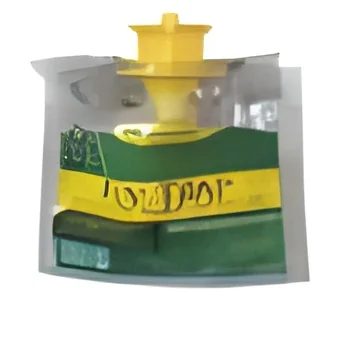
This variant features a sticky surface that attracts fruit flies, capturing them effectively. It is ideal for indoor use, especially in kitchens and food storage areas.
Liquid Bait Trap
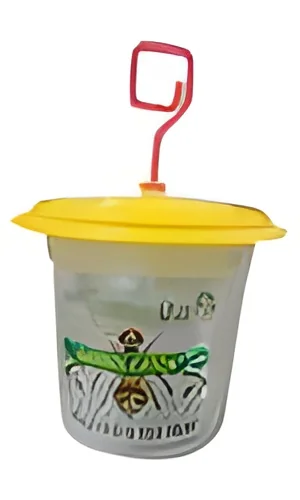
Utilizing a liquid attractant, this trap is designed for outdoor environments. It effectively captures a large number of fruit flies and is suitable for use in orchards and gardens.
Electric Fly Trap
This variant uses an electric mechanism to zap fruit flies upon contact. It is effective in various settings, including restaurants and food processing areas, providing a more active solution to pest control.
Reusable Trap
A sustainable option, this trap can be used multiple times with replaceable attractants. It is ideal for businesses looking for environmentally friendly pest management solutions.
𝗕𝗲𝗻𝗲𝗳𝗶𝘁𝘀 𝗮𝗻𝗱 𝗔𝗱𝘃𝗮𝗻𝘁𝗮𝗴𝗲𝘀
Using fruit fly traps provides numerous benefits that contribute to effective pest management strategies.
1. Enhanced Hygiene: By controlling fruit fly populations, businesses can maintain a cleaner environment, reducing the risk of contamination.
2. Cost-Effective Solution: Investing in fruit fly traps can prevent larger pest-related issues, ultimately saving costs associated with pest damage and regulatory fines.
3. Easy to Implement: Most traps require minimal setup and can be integrated into existing pest management programs without specialized training.
4. Non-Toxic Options: Many fruit fly traps are made from non-toxic materials, ensuring safety for both employees and customers in food handling areas.
5. Versatility: Fruit fly traps can be used in various environments, from indoor kitchens to outdoor orchards, making them suitable for multiple industries.
6. Monitoring Capability: Some traps provide data on fly populations, helping businesses make informed decisions about pest control strategies.
𝗕𝘂𝘆𝗶𝗻𝗴 𝗚𝘂𝗶𝗱𝗲 𝗳𝗼𝗿 𝗕𝟮𝗕 𝗕𝘂𝘆𝗲𝗿𝘀
When sourcing fruit fly traps, it is essential for buyers to consider several factors to ensure they select the most effective products for their needs.
1. Quality Assessment: Buyers should evaluate the quality of traps by reviewing materials, construction, and effectiveness. High-quality traps will be more durable and efficient.
2. Supplier Verification: It is crucial to vet suppliers for reliability and product quality. Buyers should look for established companies with positive reviews and certifications.
3. Pricing and MOQ: Understanding the pricing structure and minimum order quantities is important. Buyers should compare costs among suppliers to ensure competitive pricing.
4. Delivery and Lead Times: Buyers should inquire about delivery times and logistics to ensure that products arrive when needed. Timely delivery is critical for maintaining pest control measures.
5. Compliance Requirements: Buyers must check that the traps meet relevant regulatory standards to ensure safety and compliance in their specific industry.
𝗖𝗼𝗺𝗽𝗹𝗶𝗮𝗻𝗰𝗲 𝗮𝗻𝗱 𝗖𝗲𝗿𝘁𝗶𝗳𝗶𝗰𝗮𝘁𝗶𝗼𝗻𝘀
Fruit fly traps must adhere to various compliance standards and certifications to ensure their effectiveness and safety in different settings. Quality standards such as ISO 9001 ensure that products meet international benchmarks for quality management.
Industry certifications like CE indicate that the traps comply with European health, safety, and environmental protection standards. This certification is essential for businesses operating in or exporting to European markets.
Safety and testing requirements are also crucial, as they guarantee that the traps are safe for use in food-processing environments. Additionally, regional compliance considerations may vary, requiring buyers to be aware of specific regulations in their operating locations.
𝗪𝗵𝘆 𝗦𝗼𝘂𝗿𝗰𝗲 𝗙𝗿𝘂𝗶𝘁 𝗙𝗹𝘆 𝗧𝗿𝗮𝗽𝘀 𝗳𝗿𝗼𝗺 𝗣𝗲𝗽𝗮𝗴𝗼𝗿𝗮?
Pepagora offers a reliable platform for sourcing fruit fly traps, providing several key advantages for B2B buyers.
Verified Supplier Network: Pepagora connects buyers with a network of verified suppliers, ensuring that all products meet quality and safety standards. This verification process builds trust and confidence in procurement decisions.
Streamlined RFQ Process: The Request for Quotation (RFQ) system simplifies the process of obtaining quotes from multiple suppliers. This feature allows buyers to compare prices and product specifications efficiently.
Trade Assurance and Support: Pepagora provides trade assurance, protecting the interests of buyers throughout the purchasing process. This support includes assistance with any issues that may arise post-purchase.
Regional Coverage: With a strong presence in India, the GCC, and Southeast Asia, Pepagora offers extensive regional coverage. This geographic reach enables buyers to access quality fruit fly traps tailored to their specific markets.

 IN
IN