What are Crop Protection Monitoring Systems?
Crop Protection Monitoring Systems are advanced technological solutions designed to manage and safeguard agricultural crops from pests, diseases, and adverse environmental conditions. These systems incorporate various monitoring tools and sensors to collect data on crop health, soil conditions, and climatic factors. By analyzing this data, farmers and agribusinesses can make informed decisions to optimize crop management and enhance yield quality.
The primary applications of Crop Protection Monitoring Systems are in precision agriculture, where they help farmers monitor fields in real time. These systems facilitate targeted interventions, reducing the reliance on chemical treatments and minimizing environmental impact. Businesses utilize these systems for effective resource management, improving overall productivity and profitability. In a rapidly evolving agricultural landscape, the relevance of such systems is underscored by the growing need for sustainable practices and enhanced food security.
As the agricultural sector increasingly embraces technology, Crop Protection Monitoring Systems are becoming essential tools. They play a critical role in modern farming, providing the data-driven insights necessary for efficient crop management. With the global agricultural market expanding, the demand for these systems is expected to rise, further driving innovations in crop protection technologies.
Key Features and Specifications
Crop Protection Monitoring Systems come equipped with a range of features designed to improve agricultural productivity and sustainability. These systems utilize cutting-edge technology to provide farmers with vital information for managing their crops more effectively.
Key specifications include:
1. Monitoring Features
- Real-time data collection on crop health and environmental conditions
- Integration with IoT devices for enhanced connectivity and data analysis
2. Environmental Sensors
- Temperature and humidity sensors to monitor microclimates
- Soil moisture sensors for precise irrigation management
3. Data Analytics Software
- User-friendly interface for data visualization and reporting
- Predictive analytics to forecast pest outbreaks and crop diseases
4. Remote Access Capabilities
- Mobile applications for on-the-go monitoring
- Cloud-based storage for data management and accessibility
5. Alarm and Alert Systems
- Notifications for abnormal conditions or pest detections
- Customizable alert settings based on specific crop needs
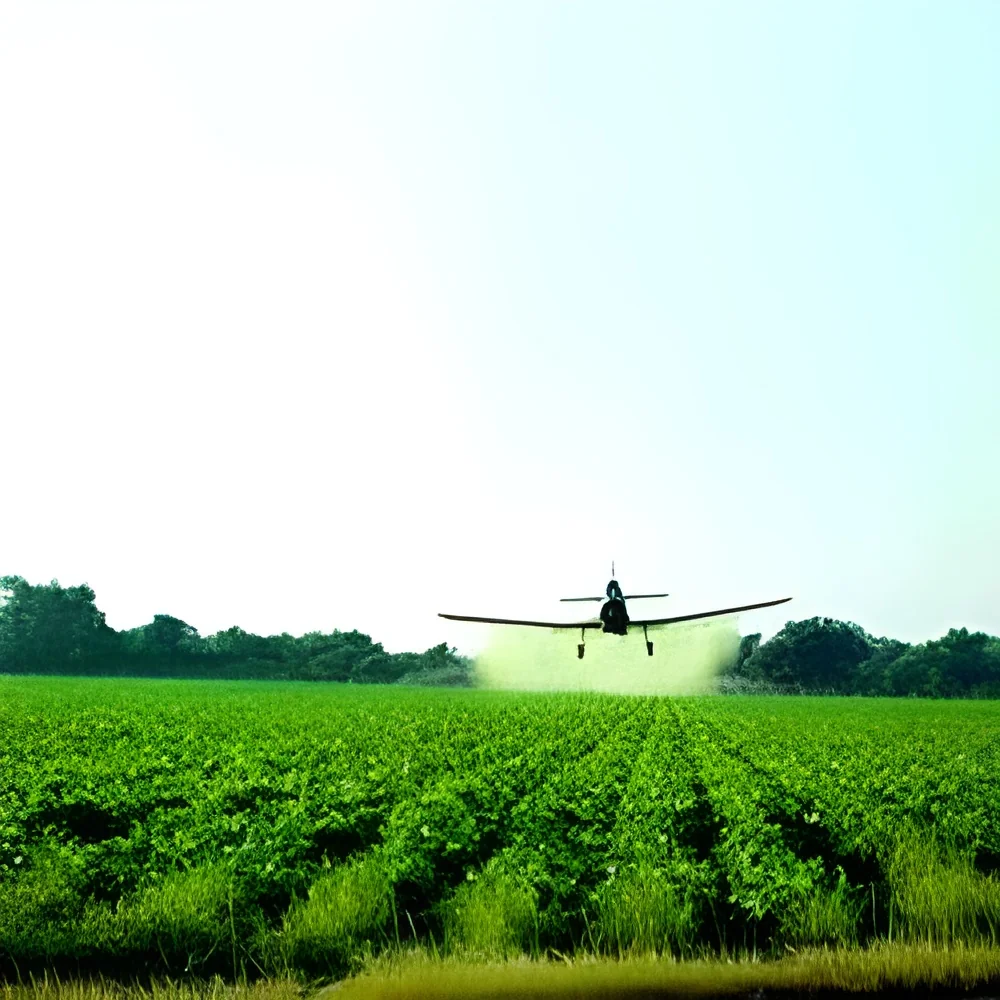
6. Compatibility with Drones
- Integration with drone technology for aerial monitoring
- Enhanced data collection from difficult-to-reach areas
In summary, the features and specifications of Crop Protection Monitoring Systems make them invaluable tools for modern agriculture. They enhance decision-making and operational efficiency, significantly impacting crop yield and quality.
Common Applications and Use Cases
Crop Protection Monitoring Systems have diverse applications across various industries, enhancing agricultural practices and outcomes.
1. Agriculture: Farmers use these systems to monitor crop health, optimize irrigation, and manage pest control, leading to improved yields and reduced costs.
2. Horticulture: Greenhouses and nurseries implement monitoring systems to maintain optimal growing conditions, ensuring healthy plant development and minimizing losses.
3. Viticulture: Wine producers utilize these systems to monitor vineyard conditions, optimizing grape quality and managing disease risks effectively.
4. Forestry: Forest managers apply monitoring systems to track tree health and detect infestations, promoting sustainable forest management practices.
5. Research Institutions: Agricultural researchers employ these systems for experimental plots, gathering data to advance crop science and improve agricultural techniques.
6. Retail Agriculture: Organizations involved in the supply chain leverage monitoring systems to ensure quality control and compliance with food safety regulations.
7. Organic Farming: Organic growers benefit from these systems by enhancing natural pest management strategies and reducing chemical inputs.
Product Variants and Subcategories
Crop Protection Monitoring Systems are available in various configurations to meet diverse agricultural needs.
Variant 1 Name: Basic Monitoring Package
This variant includes essential monitoring tools such as soil moisture sensors and basic data analytics software. It is ideal for small-scale farmers looking to implement efficient crop management at a lower cost.
Variant 2 Name: Advanced Integrated System
This sophisticated option combines environmental sensors, drone integration, and advanced data analytics. It is suitable for large-scale operations requiring comprehensive monitoring and management capabilities.
Variant 3 Name: Custom Solutions
Some suppliers offer tailored systems designed to meet specific crop requirements. These custom solutions can integrate unique features based on individual farm needs, ensuring optimal performance.
Benefits and Advantages
Investing in Crop Protection Monitoring Systems offers numerous advantages for agricultural enterprises.
1. Increased Efficiency: These systems streamline crop management processes, allowing farmers to allocate resources more effectively.
2. Cost Reduction: By enabling precise interventions, farmers can reduce expenses related to pesticides and fertilizers, leading to significant cost savings.
3. Enhanced Crop Yields: Real-time monitoring helps identify issues early, improving overall crop health and yield.
4. Environmental Sustainability: These systems promote sustainable practices by minimizing chemical use and optimizing resource management.
5. Improved Decision-Making: Access to accurate data empowers farmers to make informed decisions, enhancing operational outcomes.
6. Compliance with Regulations: Monitoring systems help maintain compliance with agricultural standards and safety regulations, reducing the risk of penalties.
Buying Guide for B2B Buyers
When sourcing Crop Protection Monitoring Systems, several factors require careful consideration to ensure a suitable purchase.
1. Quality Assessment: Evaluate the quality of the systems by reviewing manufacturer credentials, product reviews, and compliance with industry standards.
2. Supplier Verification: Conduct thorough research on potential suppliers, focusing on their reputation, customer feedback, and reliability in delivering products.
3. Pricing and MOQ: Consider pricing structures and minimum order quantities, assessing how they align with your budget and operational needs.
4. Delivery and Lead Times: Inquire about logistics capabilities, ensuring timely delivery to meet operational schedules and avoid disruptions.
5. Compliance Requirements: Verify that the systems meet local and international regulatory standards relevant to crop protection and agricultural practices.
Compliance and Certifications
Crop Protection Monitoring Systems must adhere to several quality standards and certifications to ensure their effectiveness and safety in agricultural applications.
Relevant quality standards such as ISO 9001 ensure that manufacturers maintain consistent quality management practices throughout the production process. This certification indicates that the systems are produced with a focus on quality assurance and customer satisfaction.
Additionally, compliance with HACCP (Hazard Analysis Critical Control Point) standards is necessary for systems used in food production environments, guaranteeing that they support food safety management practices.
CE certification is critical for manufacturers aiming to market their systems within the European Union, indicating compliance with essential health, safety, and environmental protection standards.
Safety and testing requirements are also vital, ensuring that the systems function reliably under various environmental conditions.
Finally, regional compliance considerations may impact system specifications, requiring adaptation to local agricultural practices and regulations.
Why Source Crop Protection Monitoring Systems from Pepagora?
Pepagora offers a reliable platform for sourcing Crop Protection Monitoring Systems, bringing several advantages to B2B buyers.
Verified Supplier Network: Pepagora connects businesses with a network of verified suppliers, ensuring credibility and quality in sourcing. This network helps buyers find reputable manufacturers that meet their specific requirements.
Streamlined RFQ Process: The request for quotation (RFQ) process at Pepagora is designed for efficiency, enabling buyers to easily compare offers from different suppliers. This transparency helps in making informed purchasing decisions.
Trade Assurance and Support: Pepagora provides trade assurance, ensuring buyer protection throughout the sourcing process. This support builds trust and confidence in transactions.
Regional Coverage: With a strong presence in India, the GCC, and Southeast Asia, Pepagora offers extensive geographic reach, catering to diverse agricultural markets and needs. This regional focus allows for better understanding and responsiveness to local agricultural practices and challenges.

 IN
IN