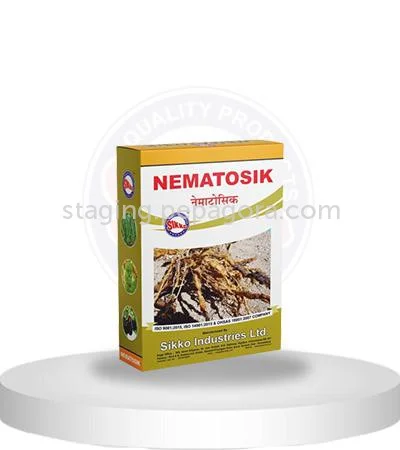
What are Nematicides (Chemical & Biological)?
Nematicides are specialized agrochemicals designed to control nematodes, which are microscopic worms that can cause significant damage to crops. These nematodes feed on plant roots, leading to decreased yields and compromised plant health. Nematicides can be categorized into two main types: chemical and biological. Chemical nematicides often contain synthetic compounds that provide immediate results, while biological nematicides utilize natural organisms or substances to suppress nematode populations in a more environmentally friendly manner.
The primary applications of nematicides are found in agriculture, horticulture, and turf management. Farmers use these products to protect a variety of crops, including vegetables, fruits, and ornamental plants. The agricultural sector increasingly relies on nematicides to maintain crop productivity and quality in the face of rising nematode infestations. With the global push towards sustainable agriculture, the demand for biological nematicides is on the rise, reflecting a shift in market preferences towards safer and more eco-friendly options.
In the current market context, the nematicide industry is experiencing growth due to increasing awareness of crop health and sustainable farming practices. As more growers seek effective solutions to combat nematode threats, both chemical and biological nematicides play a crucial role in supporting global food security and agricultural productivity.
𝗞𝗲𝘆 𝗙𝗲𝗮𝘁𝘂𝗿𝗲𝘀 𝗮𝗻𝗱 𝗦𝗽𝗲𝗰𝗶𝗳𝗶𝗰𝗮𝘁𝗶𝗼𝗻𝘀
Nematicides come with a range of features and specifications that cater to various agricultural needs. Understanding these specifications is essential for selecting the right product for specific applications.
Key specifications include:
1. Active Ingredients
- Chemical nematicides often contain synthetic pesticides such as aldicarb and oxamyl.
- Biological nematicides may include microorganisms like bacteria or fungi that target nematodes.
2. Application Method
- Liquid formulations are typically applied through soil drenching or irrigation systems.
- Granular formulations can be mixed into the soil before planting.
3. Efficacy Range
- Chemical nematicides usually provide immediate results, controlling nematode populations swiftly.
- Biological nematicides may take longer to demonstrate effectiveness but offer prolonged nematode suppression.
4. Environmental Impact
- Chemical options may pose risks to non-target organisms and require careful handling.
- Biological products are often considered safer for the environment and beneficial organisms.
5. Residual Activity
- Some chemical nematicides have a longer residual effect, providing extended protection against nematodes.
- Biological nematicides may have shorter residual activity, requiring more frequent applications.
6. Compatibility with Other Products
- It's crucial to assess the compatibility of nematicides with other pesticides and fertilizers to avoid adverse interactions.
7. Shelf Life
- The shelf life of nematicides varies, with chemical products generally having a longer storage duration compared to biological ones.
In summary, selecting the right nematicide involves evaluating these key features and specifications to match specific agricultural needs and compliance standards.
𝗖𝗼𝗺𝗺𝗼𝗻 𝗔𝗽𝗽𝗹𝗶𝗰𝗮𝘁𝗶𝗼𝗻𝘀 𝗮𝗻𝗱 𝗨𝘀𝗲 𝗖𝗮𝘀𝗲𝘀
Nematicides serve various industries, with critical applications in agriculture and horticulture.
1. Agriculture: Farmers use nematicides to protect staple crops like potatoes, tomatoes, and carrots from nematode damage, ensuring higher yields and quality produce.
2. Horticulture: In ornamental plant production, nematicides help maintain the health of flowers and shrubs, preventing root damage that could affect their growth and appearance.
3. Turf Management: Golf courses and sports fields utilize nematicides to protect grass roots from nematode infestations, ensuring a healthy and lush playing surface.
4. Greenhouse Production: In greenhouses, nematicides are employed to safeguard delicate plants from soil-borne nematodes, promoting optimal growth conditions.
5. Organic Farming: Biological nematicides are increasingly used in organic farming to manage nematode populations without synthetic chemicals, aligning with sustainable agriculture practices.
6. Research and Development: The agricultural research sector uses nematicides to study nematode behavior and develop more effective pest management strategies.
7. Home Gardening: Home gardeners apply nematicides to enhance the growth and productivity of their vegetable and flower gardens.
𝗣𝗿𝗼𝗱𝘂𝗰𝘁 𝗩𝗮𝗿𝗶𝗮𝗻𝘁𝘀 𝗮𝗻𝗱 𝗦𝘂𝗯𝗰𝗮𝘁𝗲𝗴𝗼𝗿𝗶𝗲𝘀
Nematicides are available in various formulations, allowing users to select products that best fit their specific agricultural practices.
Liquid Formulation
This variant provides ease of application through irrigation systems or soil drenching. Liquid nematicides often deliver faster results and are ideal for immediate nematode control.
Granular Formulation
Granular nematicides are designed for pre-planting soil incorporation. They provide sustained release and are suitable for long-term nematode management in crops.
Biological Variants
Biological nematicides utilize beneficial microorganisms to suppress nematodes. They are eco-friendly options that support sustainable farming practices.
𝗕𝗲𝗻𝗲𝗳𝗶𝘁𝘀 𝗮𝗻𝗱 𝗔𝗱𝘃𝗮𝗻𝘁𝗮𝗴𝗲𝘀
Nematicides offer several benefits that contribute to effective pest management in agriculture.
1. Effective Nematode Control: Nematicides significantly reduce nematode populations, protecting crops from damage and ensuring better yields.
2. Improved Crop Health: By preventing nematode infestations, these products help maintain overall plant health, leading to stronger and more resilient crops.
3. Diverse Application Options: With various formulations available, users can choose the most suitable method for their specific agricultural practices.
4. Environmental Safety: Biological nematicides provide a more eco-friendly approach, reducing the chemical load on the environment.
5. Increased Profitability: By mitigating nematode damage, nematicides contribute to higher crop yields and better quality produce, enhancing profitability for farmers.
6. Versatile Usage: Nematicides can be used across multiple crops and settings, making them a flexible solution for various agricultural needs.
𝗕𝘂𝘆𝗶𝗻𝗴 𝗚𝘂𝗶𝗱𝗲 𝗳𝗼𝗿 𝗕𝟮𝗕 𝗕𝘂𝘆𝗲𝗿𝘀
When sourcing nematicides, it is essential for B2B buyers to consider several critical factors.
1. Quality Assessment: Ensure that the nematicides meet industry standards and are effective against the targeted nematodes. Look for product reviews and efficacy studies.
2. Supplier Verification: Vet suppliers for their reliability and reputation. Check for certifications and customer feedback to ensure they provide high-quality products.
3. Pricing and MOQ: Understand the pricing structure and minimum order quantities. Compare prices across different suppliers to find the best value for your needs.
4. Delivery and Lead Times: Factor in the logistics of product delivery, including lead times that can affect planting schedules and crop management.
5. Compliance Requirements: Ensure the nematicides comply with local and regional regulations, including safety and environmental standards.
𝗖𝗼𝗺𝗽𝗹𝗶𝗮𝗻𝗰𝗲 𝗮𝗻𝗱 𝗖𝗲𝗿𝘁𝗶𝗳𝗶𝗰𝗮𝘁𝗶𝗼𝗻𝘀
Compliance with quality standards and certifications is crucial in the nematicide industry. Relevant quality standards include ISO 9001, which ensures that products meet customer and regulatory requirements. HACCP (Hazard Analysis and Critical Control Points) is also significant for food safety.
Industry certifications, such as CE marking, indicate that products conform to health, safety, and environmental protection standards within the European market. Additionally, safety and testing requirements must be met to ensure that nematicides are effective and safe for use.
Regional compliance considerations are vital, especially for international trade, ensuring that products adhere to the specific regulations of different countries and regions.
Why Source Nematicides (Chemical & Biological) from Pepagora?
Pepagora provides a trusted platform for sourcing nematicides with several key advantages.
Verified Supplier Network: Our extensive network includes verified suppliers who meet stringent quality and safety standards. This ensures that buyers receive reliable and effective products.
Streamlined RFQ Process: The request for quotation (RFQ) process is simple and efficient, allowing buyers to quickly gather information and select the best options for their needs.
Trade Assurance and Support: Pepagora offers buyer protection through trade assurance, providing peace of mind when sourcing agricultural inputs.
Regional Coverage: With a strong presence in key markets such as India, the GCC, and Southeast Asia, Pepagora ensures that buyers have access to a wide range of products and suppliers tailored to their regional needs.

 IN
IN