
 IN
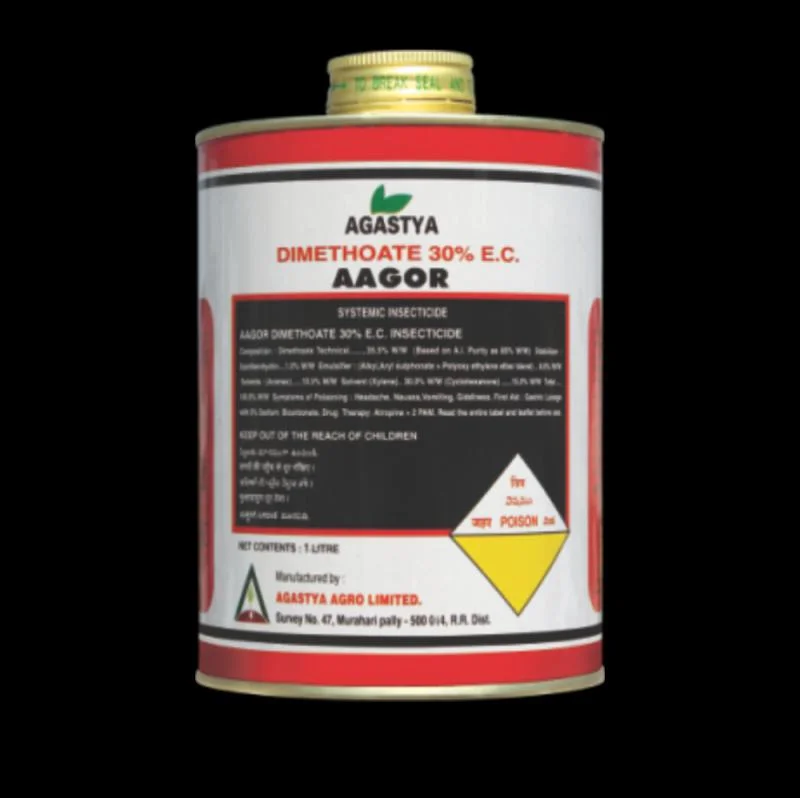
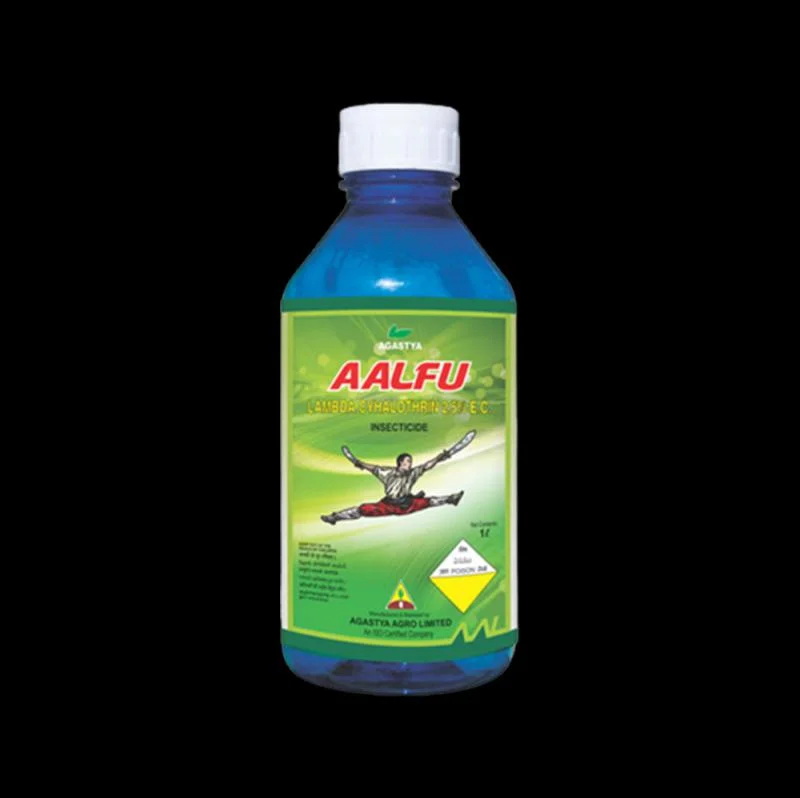
Systemic Insecticides
8 products available
What are Systemic Insecticides?
Systemic insecticides are a category of pesticides designed to be absorbed by plants, providing internal protection against various insect pests. Unlike traditional insecticides that act on contact, systemic insecticides travel through the plant's vascular system, offering a more thorough and long-lasting defense. This mode of action allows the insecticide to protect not only the treated surfaces but also the plant's internal tissues, making it effective against a range of pests that may feed on the plant.
These products are commonly used in agriculture, horticulture, and landscape management. They are particularly beneficial for crops that are prone to infestations by sap-sucking insects such as aphids and whiteflies. By integrating systemic insecticides into pest management strategies, businesses can reduce the frequency of applications, minimize labor costs, and enhance overall crop health. The relevance of systemic insecticides in today's market is underscored by the increasing demand for efficient and sustainable pest control solutions, as well as the growing emphasis on food safety and environmental stewardship.
Key Features and Specifications
Systemic insecticides offer a variety of features and specifications that cater to different agricultural needs. Their effectiveness and ease of use make them a preferred choice for many growers.
Key specifications include:
1. Absorption Rate
- Indicates how quickly the product is absorbed by the plant
- Typically ranges from a few hours to several days depending on the formulation
2. Residual Efficacy
- Measures how long the insecticide remains effective after application
- Can vary from weeks to several months based on environmental conditions
3. Target Pest Spectrum
- Lists the types of insects the product is effective against
- Common targets include aphids, leafhoppers, and beetles
4. Application Methods
- Describes how the product can be applied, such as soil drench or foliar spray
- Flexibility in application can enhance user convenience
5. Environmental Impact
- Provides information on the product's toxicity to non-target organisms
- Emphasizes eco-friendliness and safety measures
6. Compatibility with Other Inputs
- Indicates whether the product can be used with fertilizers or other pesticides
- Ensures versatility in integrated pest management programs
7. Storage Conditions
- Details recommended storage temperatures and conditions
- Important for maintaining product efficacy over time
In summary, the specifications of systemic insecticides highlight their versatility, effectiveness, and the importance of proper application to maximize their benefits.
Common Applications and Use Cases
Systemic insecticides are applied across various industries to manage pest populations effectively.
1. Agriculture: In crop production, systemic insecticides protect against a wide range of pests, ensuring higher yields and better quality produce. They are particularly useful for high-value crops that are susceptible to extensive damage.
2. Horticulture: Gardeners and landscapers utilize systemic insecticides to safeguard ornamental plants and flowers from damaging pests. This helps maintain aesthetic value and plant health.
3. Forestry: In forestry management, systemic insecticides are employed to protect trees from invasive species that threaten forest health. Effective pest control is crucial for sustainable forest management.
4. Turf Management: Sports fields and lawns benefit from systemic insecticides to control pests that can weaken grass and reduce playability. This ensures healthier turf and improved aesthetics.
5. Greenhouses: Within controlled environments, systemic insecticides help manage pests that can quickly proliferate. Their use minimizes the risk of outbreaks and protects sensitive plants.
6. Vineyards: Systemic insecticides are critical in vineyards for managing pests that can adversely affect grape quality. They support healthy vine growth and fruit production.
7. Nurseries: Plant nurseries utilize systemic insecticides to ensure young plants are protected during their growth stages, contributing to successful plant sales.
Product Variants and Subcategories
Systemic insecticides come in various formulations to cater to different agricultural needs.
Granular Systemic Insecticides: These products are designed for soil application and provide long-lasting protection from below ground. They are easy to use and ideal for crops that require root protection.
Liquid Systemic Insecticides: Typically used for foliar application, these formulations allow for quick absorption by plant leaves. They are suitable for immediate pest control in high-pressure situations.
Concentrated Solutions: These variants require dilution before application. They offer flexibility in terms of application rates and are often preferred for large-scale agricultural operations.
Pre-Mixed Formulations: Ready-to-use solutions that combine systemic insecticides with other beneficial components, such as fertilizers or growth enhancers. These save time and labor in pest management practices.
Benefits and Advantages
Using systemic insecticides offers several key benefits that make them an attractive choice for pest control.
1. Enhanced Efficacy: Systemic insecticides provide thorough protection by acting internally within the plant, reducing the likelihood of pest resistance.
2. Long-Lasting Protection: The residual efficacy of these products ensures prolonged pest control, minimizing the need for frequent applications.
3. Targeted Action: With a focus on specific pests, systemic insecticides reduce harm to beneficial insects and promote ecological balance in the environment.
4. Reduced Labor Costs: The efficiency of systemic insecticides can lead to lower labor costs, as fewer applications are needed compared to traditional insecticides.
5. Improved Crop Yield: By effectively managing pest populations, these insecticides contribute to healthier crops and higher yields, benefiting agricultural businesses.
6. Versatility: Systemic insecticides can be used in various environments, from agriculture to landscaping, providing broad applications across different sectors.
Buying Guide for B2B Buyers
When sourcing systemic insecticides, it is important to consider several factors to ensure the best outcomes for your business.
1. Quality Assessment: Evaluate products based on efficacy, formulation, and results from field trials. Quality assurance is crucial for achieving desired pest control outcomes.
2. Supplier Verification: Research suppliers to confirm their reliability and reputation in the industry. Look for certifications and customer reviews to gauge their service quality.
3. Pricing and MOQ: Understand the pricing structure and minimum order quantities (MOQ) required by suppliers. This helps in budgeting and ensuring adequate stock levels.
4. Delivery and Lead Times: Inquire about logistics, including shipping times and delivery reliability. Timely delivery is essential to maintain pest management schedules.
5. Compliance Requirements: Be aware of any regulatory standards applicable to systemic insecticides in your region. Ensure that products meet safety and environmental regulations to avoid legal issues.
Compliance and Certifications
Systemic insecticides must meet several compliance and certification standards to ensure safety and effectiveness. Adhering to quality standards like ISO 9001 ensures that manufacturers follow consistent processes to deliver quality products. Additionally, certifications such as CE signify that the products meet European safety and health requirements.
Safety and testing requirements are vital components of the compliance process. Systemic insecticides undergo rigorous testing to assess their impact on human health and the environment. This includes evaluations of toxicity and environmental safety.
Regional compliance considerations can vary significantly. Different countries may have specific regulations governing the use and sale of pesticides, necessitating attention to local laws. This compliance ensures that the products used are safe, effective, and legal in the regions where they are applied.
Why Source Systemic Insecticides from Pepagora?
Pepagora provides a trusted platform for sourcing systemic insecticides with several key advantages that help businesses make informed purchasing decisions.
Verified Supplier Network: Pepagora connects buyers with a network of verified suppliers who meet stringent quality and compliance standards. This ensures that businesses receive reliable products.
Streamlined RFQ Process: The platform simplifies the request for quotation (RFQ) process, allowing buyers to quickly compare prices and terms from various suppliers. This efficiency saves time and facilitates better decision-making.
Trade Assurance and Support: Pepagora offers buyer protection through trade assurance services, ensuring that transactions are secure and that buyers receive the products as promised. Support services help address any concerns throughout the purchasing process.
Regional Coverage: With a strong presence in key markets such as India, the GCC, and Southeast Asia, Pepagora ensures that buyers can access quality systemic insecticides tailored to their regional needs. This geographic reach supports diverse agricultural practices and pest management strategies.

Frequently Asked Questions
What are Systemic Insecticides?
Systemic insecticides are chemicals that are absorbed by plants and transported throughout their tissues. This allows the insecticide to target pests that feed on various parts of the plant, providing effective control against a range of harmful insects.
What are the different types of Systemic Insecticides?
There are several types of systemic insecticides, including neonicotinoids, phenylpyrazoles, and insect growth regulators (IGRs). Each type operates through different mechanisms to control pest populations, targeting specific life stages or behaviors of insects.
How do I choose the right Systemic Insecticides?
Choosing the right systemic insecticide depends on the type of pest, the crop being treated, and the lifecycle stage of the insect. It is also important to consider environmental factors and any potential resistance issues when selecting an insecticide.
What are the standard specifications for Systemic Insecticides?
Standard specifications for systemic insecticides typically include active ingredient concentration, formulation type (e.g., liquid, granule), and application rates. Additionally, safety data sheets (SDS) and labeling requirements must be followed to ensure safe use.
What is the price range for Systemic Insecticides?
The price range for systemic insecticides can vary widely based on the brand, formulation, and quantity purchased. Generally, prices may range from a few hundred to several thousand Indian Rupees per unit, depending on the product specifications.
What quality standards apply to Systemic Insecticides?
Systemic insecticides are subject to quality standards set by regulatory bodies such as the Central Insecticides Board & Registration Committee (CIBRC) in India. These standards ensure that the products are safe and effective for agricultural use.
Where can I find Systemic Insecticides suppliers in India?
You can find systemic insecticides suppliers in India through various channels, including online B2B marketplaces like Pepagora.com, agricultural trade shows, and industry directories. It is advisable to verify the credibility and certifications of suppliers before making a purchase.
Can Systemic Insecticides be customized?
Yes, some manufacturers offer customization options for systemic insecticides based on specific agricultural needs. Custom formulations may include varying concentrations of active ingredients or additional additives to enhance efficacy.
What is the typical minimum order quantity for Systemic Insecticides?
The typical minimum order quantity (MOQ) for systemic insecticides varies by supplier and product type, but it often ranges from 10 to 100 liters or kilograms. It is best to check with individual suppliers for their specific MOQ requirements.
What is the typical lead time for Systemic Insecticides?
The typical lead time for systemic insecticides can vary based on the supplier and the order size but generally ranges from 1 to 4 weeks. Factors such as product availability and shipping logistics can also influence lead times.
Why Businesses Trust Pepagora
Thousands of companies trust Pepagora to source smarter and sell faster
Expand Your Sales Globally

Source Smarter,Grow Faster
