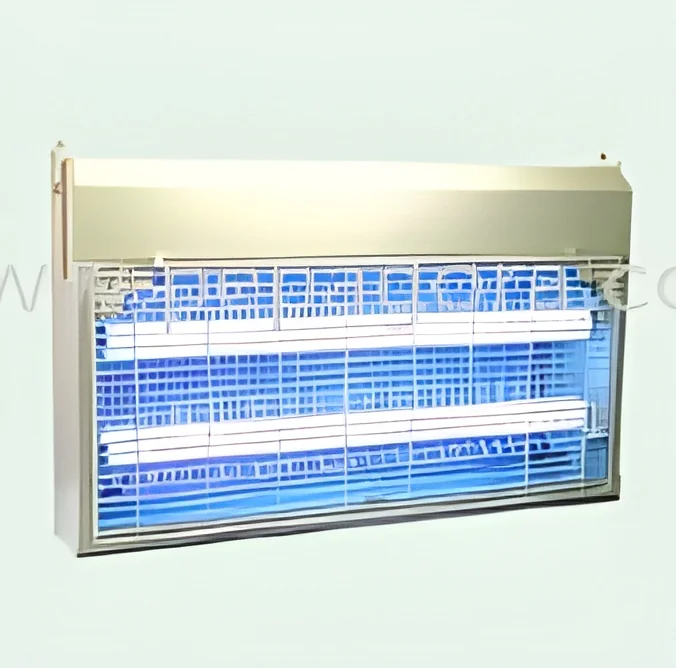
𝗪𝗵𝗮𝘁 𝗮𝗿𝗲 𝗟𝗶𝗴𝗵𝘁 𝗧𝗿𝗮𝗽𝘀?
Light traps are specialized devices designed to attract and capture insects using light as their primary lure. These traps utilize various light sources, often ultraviolet, to draw insects in, where they are then ensnared by adhesive materials or other capture mechanisms. The fundamental principle behind light traps is the attraction of nocturnal insects, which are naturally drawn to light sources.
These traps find extensive use in agriculture, research, and pest control industries. In agricultural settings, they are employed to monitor and manage pest populations, helping farmers make informed decisions regarding pest management strategies. In laboratories, light traps are utilized for entomological studies and biodiversity assessments. The relevance of light traps extends to the public health sector as well, where they play a crucial role in controlling vector-borne diseases by monitoring and reducing populations of disease-carrying insects.
𝗞𝗲𝘆 𝗙𝗲𝗮𝘁𝘂𝗿𝗲𝘀 𝗮𝗻𝗱 𝗦𝗽𝗲𝗰𝗶𝗳𝗶𝗰𝗮𝘁𝗶𝗼𝗻𝘀
Light traps come with a variety of features designed to enhance their effectiveness and usability. Understanding these features helps businesses choose the right model for their specific needs.
Key specifications include:
1. Light Source Type
- Commonly uses UV light for maximum attraction.
- Can include LED options for energy efficiency.
2. Capture Mechanism
- Adhesive surfaces are typical for insect capture.
- Some models may use electric grids for immediate immobilization.
3. Power Source
- Options for battery-operated or electric-powered devices.
- Battery life can vary significantly based on usage.
4. Size and Portability
- Various sizes available to suit different environments.
- Lightweight models for easy transport and setup.
5. Maintenance Requirements
- Low maintenance with easy-to-replace adhesive or capture materials.
- Some models include self-cleaning features.
6. Weather Resistance
- Designed for outdoor use, with varying levels of water and UV resistance.
- Materials used should withstand environmental conditions.
7. Monitoring Features
- Some units may offer digital monitoring and data logging capabilities.
- Integration with mobile apps for real-time analysis.
Light traps are essential tools for effective pest management and monitoring, making them vital in various applications.
𝗖𝗼𝗺𝗺𝗼𝗻 𝗔𝗽𝗽𝗹𝗶𝗰𝗮𝘁𝗶𝗼𝗻𝘀 𝗮𝗻𝗱 𝗨𝘀𝗲 𝗖𝗮𝘀𝗲𝘀
Light traps are versatile tools utilized across multiple industries.
1. Agriculture: Light traps are extensively used in crop fields to monitor and control pest populations, helping farmers protect their yields from harmful insects.
2. Public Health: These traps serve as a crucial element in vector control programs by capturing mosquitoes and other disease-carrying insects, thereby aiding in the prevention of outbreaks.
3. Research and Academia: In entomological research, light traps assist in biodiversity studies and help scientists understand insect behavior and ecology.
4. Food Industry: Used in food processing plants and storage facilities, light traps help maintain pest control standards by monitoring insect activity.
5. Hospitality: Hotels and restaurants deploy light traps to ensure a pest-free environment, enhancing guest experiences and food safety.
6. Urban Planning: City planners utilize light traps in urban green spaces to assess and manage insect populations, contributing to public health initiatives.
𝗣𝗿𝗼𝗱𝘂𝗰𝘁 𝗩𝗮𝗿𝗶𝗮𝗻𝘁𝘀 𝗮𝗻𝗱 𝗦𝘂𝗯𝗰𝗮𝘁𝗲𝗴𝗼𝗿𝗶𝗲𝘀
Light traps are available in diverse configurations to meet varied needs.
Because there are no specified variants currently available, it is important to understand the general characteristics of light traps.
Standard models may vary by size, light source, and capture method, allowing businesses to select according to specific applications and environments.
𝗕𝗲𝗻𝗲𝗳𝗶𝘁𝘀 𝗮𝗻𝗱 𝗔𝗱𝘃𝗮𝗻𝘁𝗮𝗴𝗲𝘀
Light traps offer numerous advantages for effective pest management and monitoring.
Key benefits include:
1. Effective Pest Control: Light traps attract a wide range of insects, making them highly effective for monitoring and reducing pest populations.
2. Low Environmental Impact: These traps provide a non-toxic solution for pest control, minimizing harm to the environment and non-target species.
3. Cost-Effective: They offer a low-cost solution for continuous pest monitoring, reducing the need for chemical treatments.
4. User-Friendly: Light traps are generally easy to set up and maintain, enabling quick deployment in various settings.
5. Data Collection: Many modern light traps provide monitoring features that allow for data collection and analysis, aiding in pest management decisions.
6. Versatility: Suitable for indoor and outdoor use, light traps can adapt to various environments and industries.
𝗕𝘂𝘆𝗶𝗻𝗴 𝗚𝘂𝗶𝗱𝗲 𝗳𝗼𝗿 𝗕𝟮𝗕 𝗕𝘂𝘆𝗲𝗿𝘀
When sourcing light traps, several critical factors should be taken into account to ensure you make an informed decision.
1. Quality Assessment: Evaluate the durability and effectiveness of the traps. Look for reliable materials and tested performance to ensure longevity and functionality.
2. Supplier Verification: It is crucial to vet suppliers to ensure they provide high-quality products. Check for reviews, certifications, and their history in the market.
3. Pricing and MOQ: Understand the pricing structures and minimum order quantities. Compare different suppliers to find a balance between cost and quality.
4. Delivery and Lead Times: Consider the logistics involved in delivery. Ensure that suppliers can meet your required timelines to avoid disruptions in pest management efforts.
5. Compliance Requirements: Be aware of any regulatory requirements specific to your region. Ensure that the light traps meet necessary safety and performance standards.
𝗖𝗼𝗺𝗽𝗹𝗶𝗮𝗻𝗰𝗲 𝗮𝗻𝗱 𝗖𝗲𝗿𝘁𝗶𝗳𝗶𝗰𝗮𝘁𝗶𝗼𝗻𝘀
Light traps must adhere to various quality standards and certifications to ensure safety and efficacy.
Relevant quality standards such as ISO 9001 ensure consistent product quality management, while HACCP and GDP standards may apply, particularly in food-related industries, ensuring that products are safe for use in sensitive environments.
Industry certifications like CE mark signify compliance with European health, safety, and environmental protection standards, providing assurance to buyers.
Safety and testing requirements are vital for ensuring that light traps do not pose hazards to users or the environment. Regional compliance considerations should also be taken into account, as different markets may have unique regulations.
𝗪𝗵𝘆 𝗦𝗼𝘂𝗿𝗰𝗲 𝗟𝗶𝗴𝗵𝘁 𝗧𝗿𝗮𝗽𝘀 𝗳𝗿𝗼𝗺 𝗣𝗲𝗽𝗮𝗴𝗼𝗿𝗮?
Pepagora offers a trusted platform for sourcing light traps, providing several key advantages to B2B buyers.
Verified Supplier Network: Pepagora connects buyers with a network of verified suppliers, ensuring that you work with reputable manufacturers who meet quality standards.
Streamlined RFQ Process: The request for quotation system simplifies the sourcing process, allowing buyers to easily compare offers and make informed decisions.
Trade Assurance and Support: Buyers are protected through trade assurance programs, ensuring that your investments are secure and that you receive the products as promised.
Regional Coverage: Pepagora provides extensive geographic reach, catering to markets in India, the GCC, and Southeast Asia, making it easier for businesses to access light traps suited to their specific needs.

 IN
IN